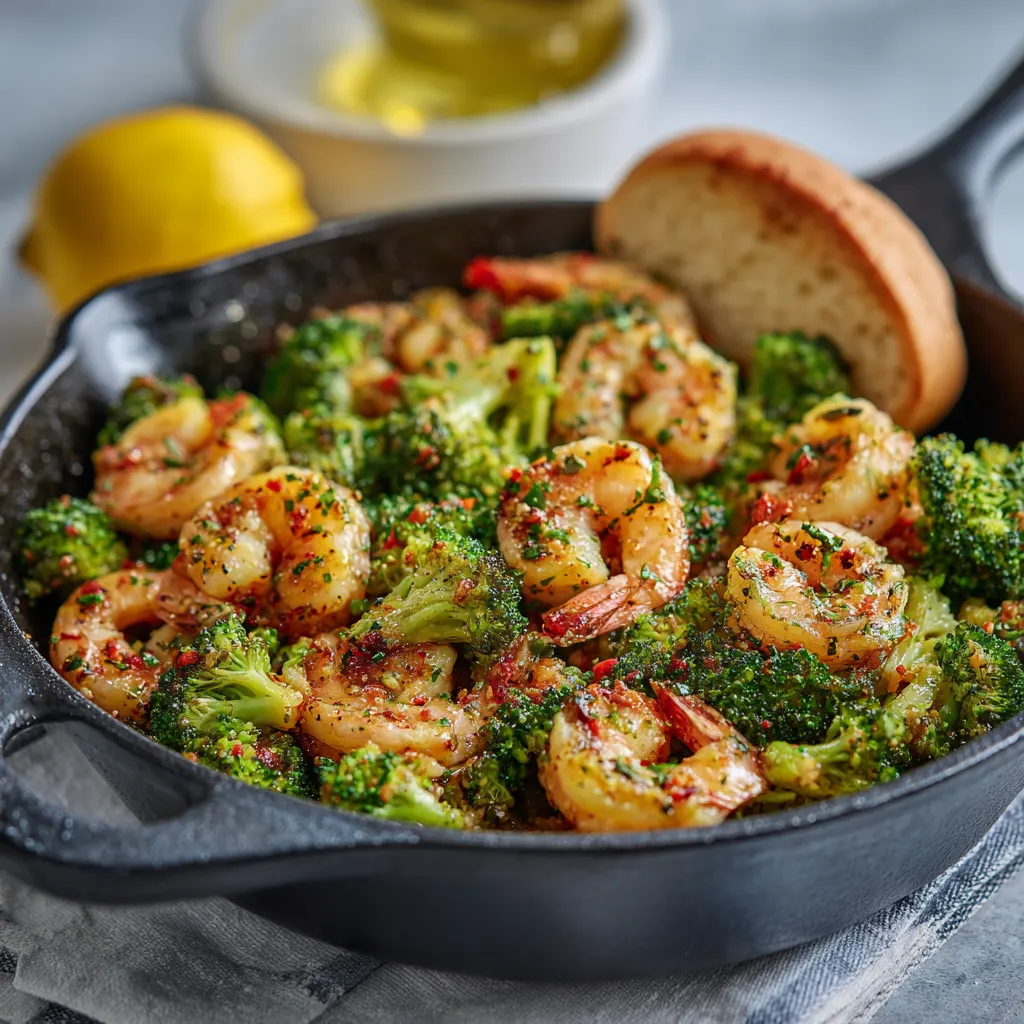
This dish is the definition of a weeknight savior: a single-skillet meal that delivers maximum flavor with minimal effort. Juicy, plump shrimp and crisp-tender broccoli florets are coated in a rich, velvety garlic-butter sauce brightened with fresh lemon. Ready in less than 20 minutes, this recipe is naturally low-carb, packed with protein, and guaranteed to…
This dish is the definition of a weeknight savior: a single-skillet meal that delivers maximum flavor with minimal effort. Juicy, plump shrimp and crisp-tender broccoli florets are coated in a rich, velvety garlic-butter sauce brightened with fresh lemon. Ready in less than 20 minutes, this recipe is naturally low-carb, packed with protein, and guaranteed to become a family favorite, proving that restaurant-quality flavor is perfectly achievable, even on the busiest evenings.
Ingredients
-
1.5 lbs (about 700g) raw shrimp, peeled and deveined (medium to jumbo size recommended)
-
1.5 lbs (about 700g) fresh broccoli, cut into medium-sized florets
-
5 tablespoons unsalted butter, divided
-
2 tablespoons olive oil, divided
-
6 cloves garlic, minced
-
1 teaspoon paprika
-
1 teaspoon Italian seasoning (or a blend of dried oregano and basil)
-
½ teaspoon red pepper flakes (optional, for heat)
-
Juice of ½ fresh lemon
-
¼ cup vegetable or chicken broth (or water)
-
Salt and fresh cracked black pepper, to taste
-
Fresh parsley or cilantro, chopped (for garnish)
Step-by-Step Skillet Instructions
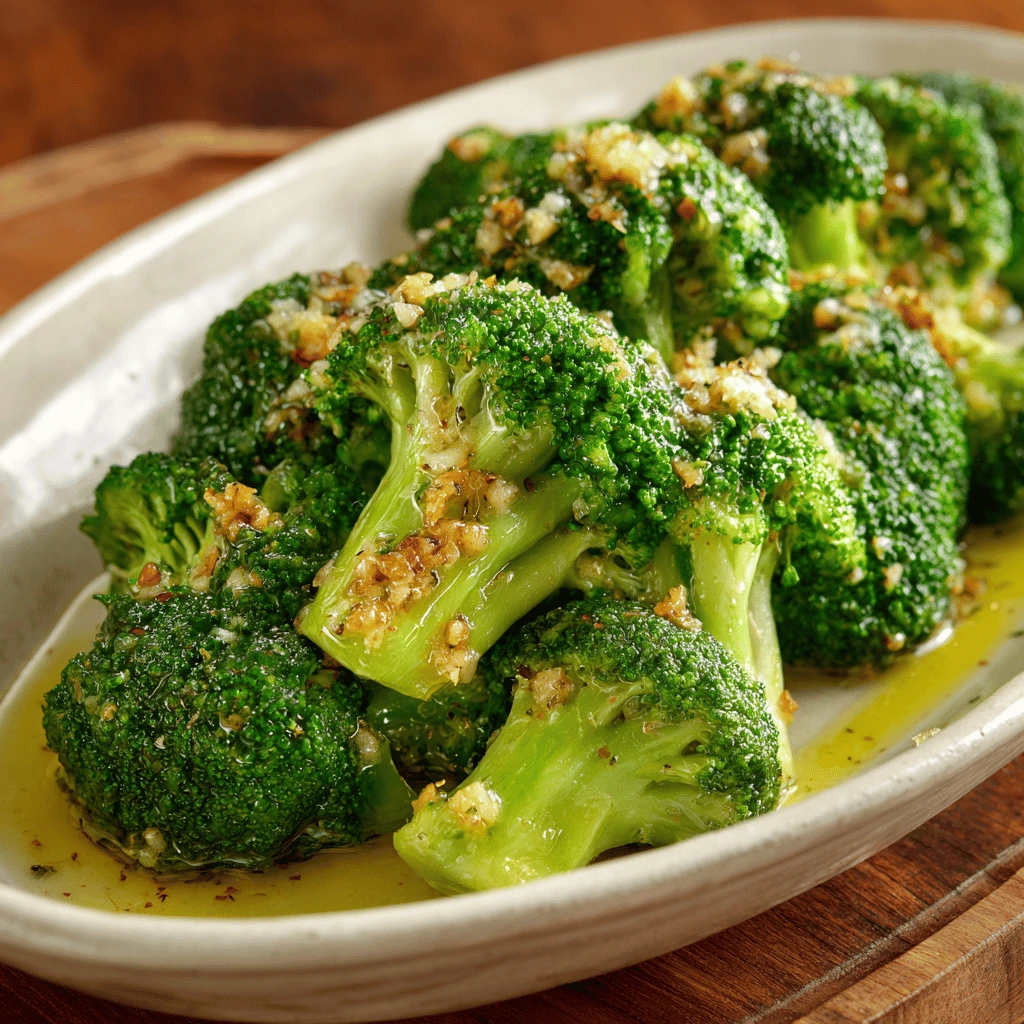
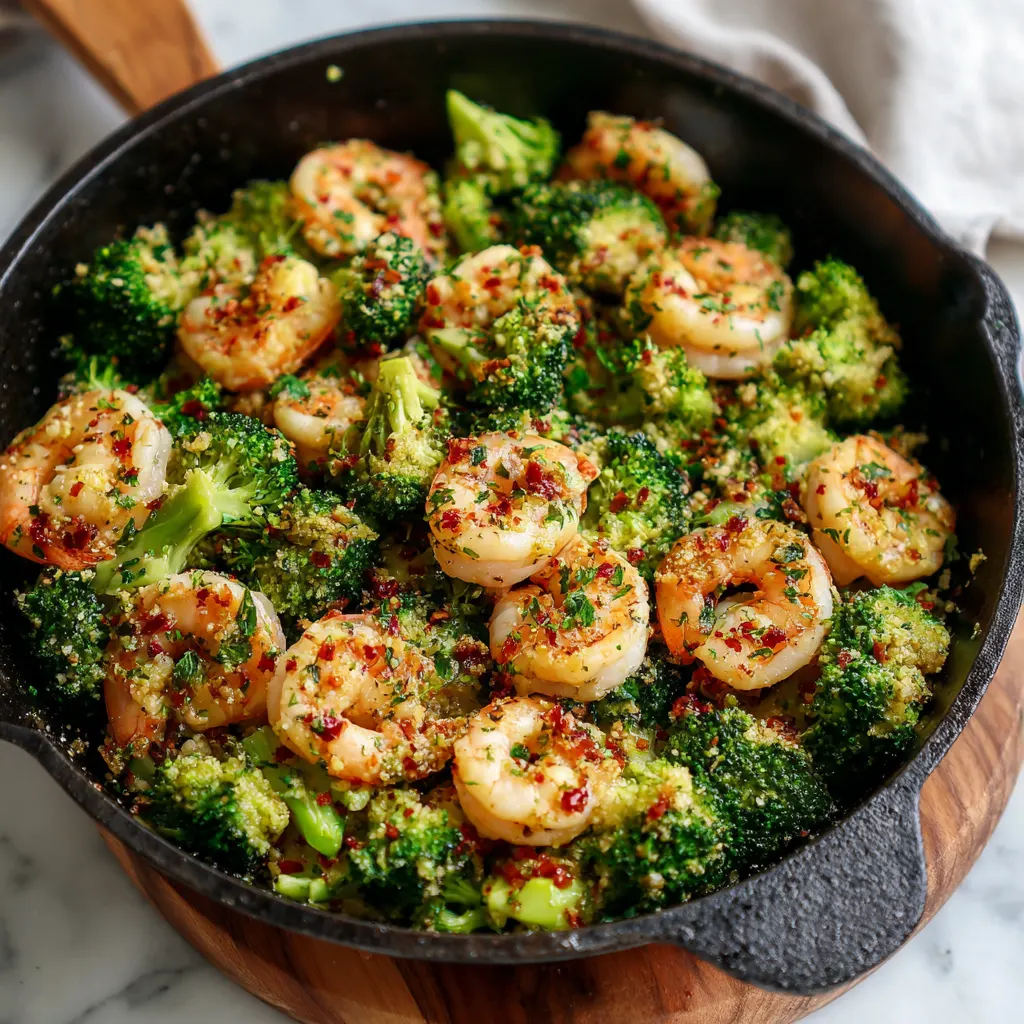
1. Prep the Broccoli: In a large, 12-inch skillet, heat 1 tablespoon of olive oil and 1 tablespoon of butter over medium-high heat. Add the broccoli florets and season lightly with salt and pepper. Sauté, stirring occasionally, for 4 to 6 minutes until the broccoli is bright green, crisp-tender, and has achieved a few slightly browned or charred bits. If you prefer softer broccoli, add a tablespoon of water and cover the pan for 1-2 minutes to steam. Remove the broccoli from the skillet and set it aside in a clean bowl.
2. Sear the Shrimp: Pat the peeled and deveined shrimp completely dry using paper towels—this is crucial for a good sear. In the same skillet, add the remaining 1 tablespoon of olive oil and increase the heat slightly. Add the shrimp in a single layer (cook in batches if necessary to avoid crowding the pan) and season with salt, pepper, and ½ teaspoon of the paprika. Cook for 1.5 to 2 minutes per side until the shrimp are pink, curled, and opaque throughout. Once cooked, transfer the shrimp to the bowl with the broccoli.
3. Build the Garlic Butter Sauce: Reduce the heat to medium-low. Add the remaining 4 tablespoons of butter to the empty skillet and let it melt. Once melted, add the minced garlic, Italian seasoning, the remaining ½ teaspoon of paprika, and the red pepper flakes (if using). Sauté for about 30 to 60 seconds until the garlic is fragrant but before it begins to brown or burn.
4. Finish the Sauce: Pour in the ¼ cup of broth (or water) and the lemon juice. Stir the sauce, scraping up any browned bits from the bottom of the pan (this adds incredible flavor). Let the sauce simmer and reduce slightly for about 1 minute until it thickens minimally and coats the back of a spoon. Taste the sauce and adjust the salt and pepper if needed.
5. Combine and Serve: Return the cooked shrimp and broccoli to the skillet. Toss gently for 1 to 2 minutes to ensure everything is fully coated in the garlic butter sauce and reheated. Remove from the heat immediately. Garnish generously with fresh chopped parsley or cilantro. Serve warm.
Mastering the Skillet Technique for Perfect Texture
The secret to a successful “skillet” meal that combines proteins and vegetables is often counter-intuitive: cooking each component separately before combining them for the final toss. This single-pan workflow ensures that everything achieves its ideal texture, preventing the cardinal sins of this dish: rubbery shrimp and mushy broccoli.
The core principle here is heat management and sequencing. Shrimp require high heat and fast cooking, while broccoli needs medium-high heat for a longer duration to become tender-crisp.
The Broccoli Head Start: Broccoli is the densest ingredient and requires the most cooking time. Starting the florets in oil and butter over medium-high heat allows them to sauté and develop a slightly nutty, caramelized flavor, often referred to as “tender-crisp.” Sautéing first, then removing, prevents the broccoli from steaming and becoming waterlogged when the high-moisture shrimp are added. If you are using frozen broccoli, it is highly recommended to thaw it first or briefly steam/blanch it before adding it to the skillet to avoid excess water release.
The Shrimp’s Swift Sear: Shrimp cook incredibly fast. Adding them after the broccoli has been removed allows you to maintain the necessary high heat for a quick sear. Patting them dry is essential; any surface moisture will instantly turn the cooking process into steaming, resulting in a dull color and a rubbery texture. Cook them just until they curl and turn opaque pink—never beyond this point.
The Garlic Butter Finale: The delicate garlic is the final aromatic to be cooked. Adding it to the hot, empty pan only after the shrimp and broccoli are done prevents it from burning. The heat from the residual cooking process is enough to perfectly toast the garlic, releasing its sweet aroma into the melted butter before the broth and lemon juice emulsify it into the final, luxurious sauce.
Flavor Variations and Global Twists
While the classic garlic butter and lemon combination is a winner, this skillet recipe serves as a versatile template that can easily be adapted to different flavor profiles using simple additions. Customizing the sauce and seasoning can transform the meal into something new without changing the core method.
1. The Spicy Kick (Mediterranean/Aleppo): For those who enjoy heat, enhance the richness of the butter sauce by increasing the amount of red pepper flakes or adding a pinch of cayenne pepper. For a smoky-sweet heat, substitute the red pepper flakes with Aleppo chili flakes during the sauce-making step. The paprika already in the recipe lends itself well to a smokier flavor base.
2. The Asian Fusion (Stir-Fry Style): To pivot to a Chinese-inspired dish, swap out the Italian seasoning and lemon juice for the following additions:
-
Replace the broth with a mixture of 1 tbsp Soy Sauce (or Tamari), 1 tsp Oyster Sauce (or Hoisin), and 1/2 tsp grated Fresh Ginger.
-
Whisk in a cornstarch slurry (1 tsp cornstarch mixed with 2 tbsp water) just before combining the shrimp and broccoli to create a thicker, glossy glaze instead of a thin butter sauce.
-
Garnish with sesame seeds and chopped green onions instead of parsley.
3. The Cheesy Upgrade (Garlic Parmesan): If you want a richer, savory depth, add cheese. While not a typical skillet ingredient, if you are serving this over pasta or rice, tossing in ¼ cup of freshly grated Parmesan cheese when returning the shrimp and broccoli to the sauce will melt slightly, giving the sauce a creamy, salty finish. Ensure the heat is very low when adding cheese to prevent clumping.
4. Adding Bulk with Vegetables: The beauty of a skillet meal is its flexibility. To increase the volume and nutritional content, add other fast-cooking vegetables. Common additions that sauté well include sliced red bell peppers, zucchini, mushrooms, or asparagus spears. Add these to the skillet immediately after the broccoli has been removed and cook them until tender-crisp before removing them to join the broccoli and shrimp.
Essential Tips for Choosing and Prepping Ingredients
Achieving the perfect texture in a quick-cooking meal depends heavily on proper ingredient preparation. Taking a few extra minutes before you turn on the heat ensures a flawless result.
Shrimp Preparation
Size Matters: Use medium, large, or jumbo shrimp (typically 21/25 count per pound or larger). Smaller shrimp can easily overcook and become tough before the rest of the meal is ready. The recipe is built for peeled and deveined shrimp, but decide if you want the tails on or off. Tails on provide a nicer presentation and some residual flavor but are less convenient for eating.
Pat Them Dry: This cannot be overstated. When shrimp are wet, they steam rather than sear. Use paper towels to pat the raw, thawed shrimp completely dry. This simple step ensures a beautiful, golden-pink sear.
Thawing Frozen Shrimp: The best way to thaw frozen shrimp is overnight in the refrigerator. If you are short on time, place the frozen shrimp in a colander and run cool water over them for 5–10 minutes, stirring occasionally, until they are pliable.
Broccoli Preparation
Uniform Florets: Chop the broccoli head into florets that are roughly the same size (about 1.5 to 2 inches wide). Uniformity ensures consistent cooking, so you don’t end up with some pieces that are crunchy and others that are mushy. Discard or peel the very thick stalk portion, as it takes too long to cook in the skillet.
Searing vs. Steaming: If you find the broccoli is browning too quickly on the outside but is still too hard inside, simply add a splash (about 1 tablespoon) of water or broth to the pan and cover it briefly with a lid. The trapped steam will finish cooking the inside while retaining the exterior sear.
Sauce Integrity
Garlic Safety: Since the sauce is built on an aromatic base, monitor the garlic closely. Burnt garlic tastes acrid and bitter, and it will ruin the entire sauce. Always keep the heat on medium-low when the minced garlic is in the pan and sauté for no more than 60 seconds.
Lemon Balance: The fresh lemon juice is essential. The acidity cuts through the richness of the butter, preventing the dish from feeling heavy or greasy. Always use fresh juice over bottled, as the flavor difference is significant. A squeeze of fresh lemon juice just before serving brightens all the flavors.
Effortless Pairing and Serving Suggestions
This dish is satisfying enough to be served entirely on its own, especially for those following low-carb or ketogenic diets. However, pairing it with a simple side can turn it into a complete, hearty, and comforting meal that absorbs every last drop of the decadent garlic butter sauce.
The Perfect Base
A base serves as the canvas for the rich sauce and protein. The butter, garlic, and lemon mixture is the star, and an accompanying starch or vegetable is meant to soak it up.
For Starch Lovers:
-
Jasmine Rice: The soft, fragrant grains are the ideal vehicle for the garlic butter sauce. Serve the skillet mixture over a bed of freshly steamed rice.
-
Angel Hair or Linguine Pasta: Tossed lightly with a touch of olive oil, cooked pasta is transformed when topped with the shrimp and broccoli and a generous spoonful of the sauce. For a Scampi experience, finish the sauce with a splash of white wine before adding the lemon juice.
-
Crusty Bread: If serving family-style, a loaf of warm, crusty sourdough or French bread is perfect for mopping up the pan juices—a step often called “scarpetta” in Italian cuisine.
For Low-Carb Options:
-
Cauliflower Rice: Provides the texture of rice without the carbohydrates. Sautéed cauliflower rice tossed with a little salt and pepper makes an excellent low-carb base.
-
Zucchini Noodles (Zoodles): Lightly sautéed zoodles are a fresh, vibrant, and incredibly healthy option that works beautifully with the garlic butter and lemon flavors.
-
Simple Side Salad: A bed of fresh, crisp greens with a light vinaigrette provides a cooling contrast to the richness of the skillet meal.
Finishing Touches
Beyond the fresh parsley or cilantro used in the main recipe, other garnishes can elevate the final presentation and flavor:
-
Red Pepper Flakes: A final light sprinkle over the top just before serving provides both color and a final punch of heat.
-
Lemon Zest: A microplaned dusting of lemon zest adds an intense, pure lemon fragrance that brightens the aroma of the entire dish.
-
Toasted Pine Nuts: For a subtle crunch and a layer of earthy flavor, lightly toast pine nuts and scatter them over the finished skillet.
Nutritional Insights and Meal Prep Pointers
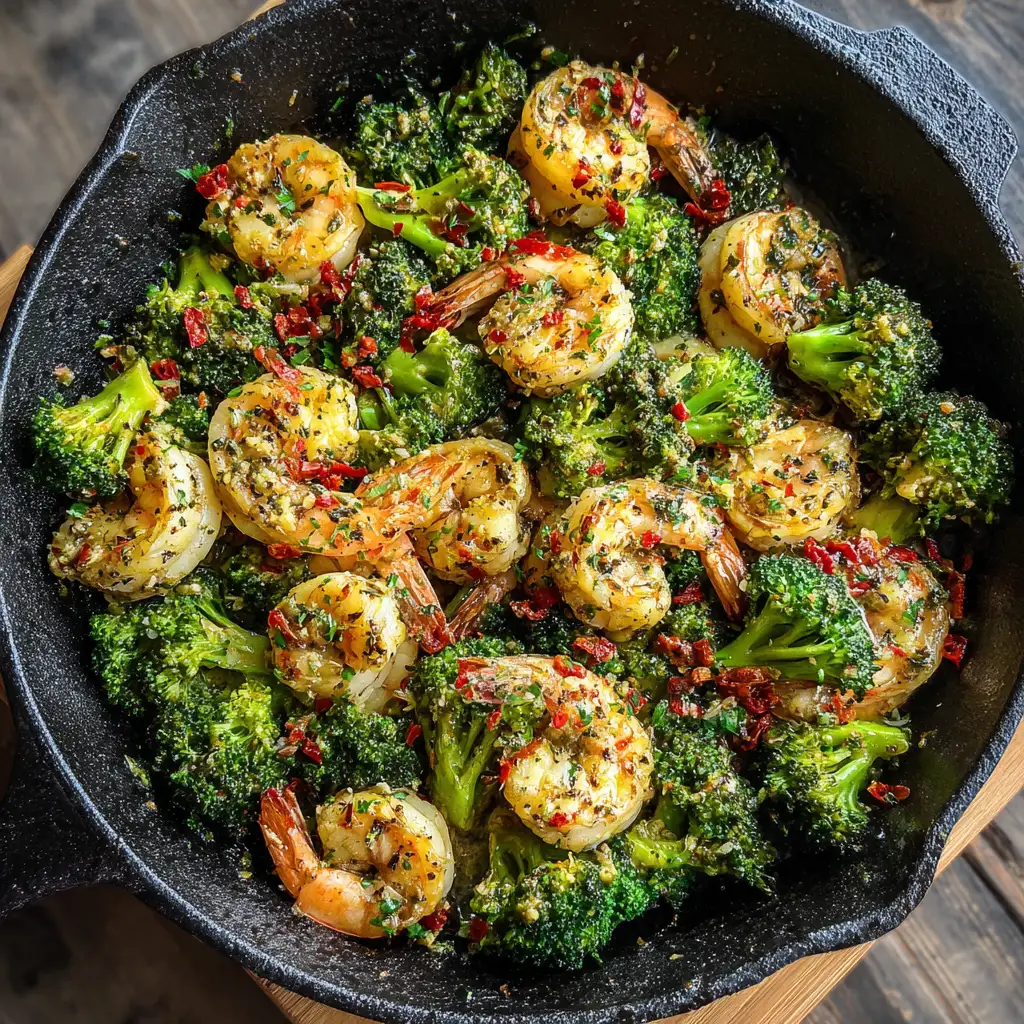
The Garlic Butter Broccoli and Shrimp Skillet is inherently a healthy, well-balanced meal that can easily fit into various dietary plans, making it an excellent choice for health-conscious weeknight dining.
Health and Diet Highlights
-
High Protein, Lean Source: Shrimp is an exceptionally lean protein, rich in essential vitamins like B12, iron, and phosphorus. The protein content ensures satiety, making this dish filling despite its quick preparation.
-
Nutrient-Dense Vegetables: Broccoli is a cruciferous powerhouse, providing significant fiber, Vitamin C, Vitamin K, and iron. Its high fiber content aids digestion and contributes to the overall healthiness of the meal.
-
Keto and Low-Carb Friendly: When served without a starchy base like rice or pasta, the entire meal is very low in net carbohydrates, making it ideal for keto, paleo, or low-carb lifestyles. The primary fat sources—butter and olive oil—provide the necessary energy for these diets.
-
Calorie Conscious: This meal is generally calorie-conscious, clocking in significantly lighter than many takeout or restaurant alternatives.
Smart Meal Prep and Storage
While this dish is best served fresh, the components can be prepped in advance, and leftovers can be safely stored.
Advance Prep:
-
Broccoli: Cut all the florets and store them in an airtight container in the refrigerator for up to 3 days.
-
Garlic Butter: Mince the garlic and mix it with the softened butter, Italian seasoning, and paprika. Store this flavored butter roll, tightly wrapped, in the refrigerator. This eliminates the measuring and mixing step during cooking.
-
Sauce Base: Premix the broth, lemon juice, and any soy/Sriracha variations in a small jar and keep it chilled.
Storage and Reheating:
-
Storage: Leftovers should be stored in an airtight container in the refrigerator for up to 2–3 days.
-
Reheating: Avoid microwaving, as this tends to overcook the shrimp and make them rubbery. The best method is to gently reheat the leftovers in a non-stick skillet over medium-low heat. Add a tablespoon or two of water or broth to loosen the sauce and prevent the contents from drying out. Reheat just until the shrimp are warm throughout, typically 3 to 4 minutes.