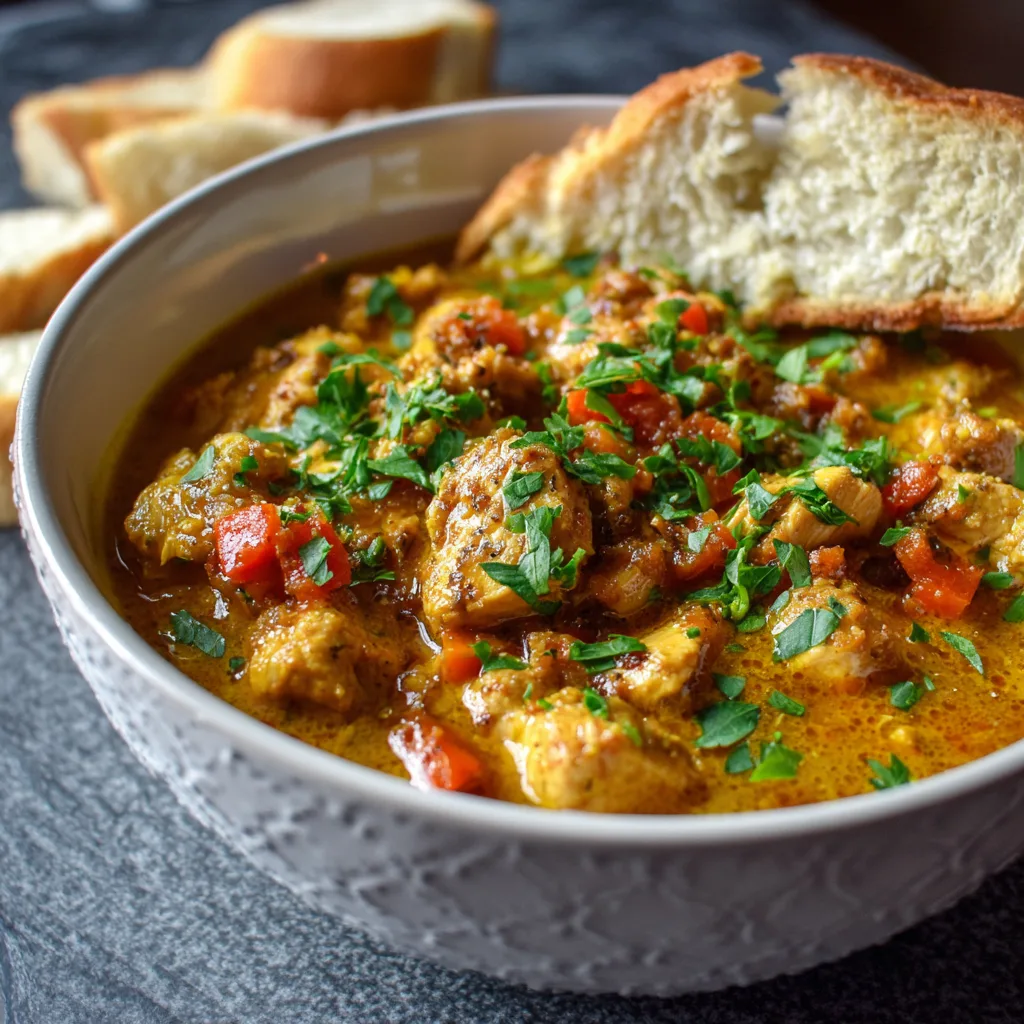
Baked Lemon Butter Chicken stands as one of the most reliable and universally loved recipes in home cooking. It masterfully balances the rich, creamy decadence of butter with the bright, clean acidity of fresh lemon, all anchored by savory aromatics like garlic and fragrant herbs. This combination creates a rich, spoon-worthy pan sauce that permeates…
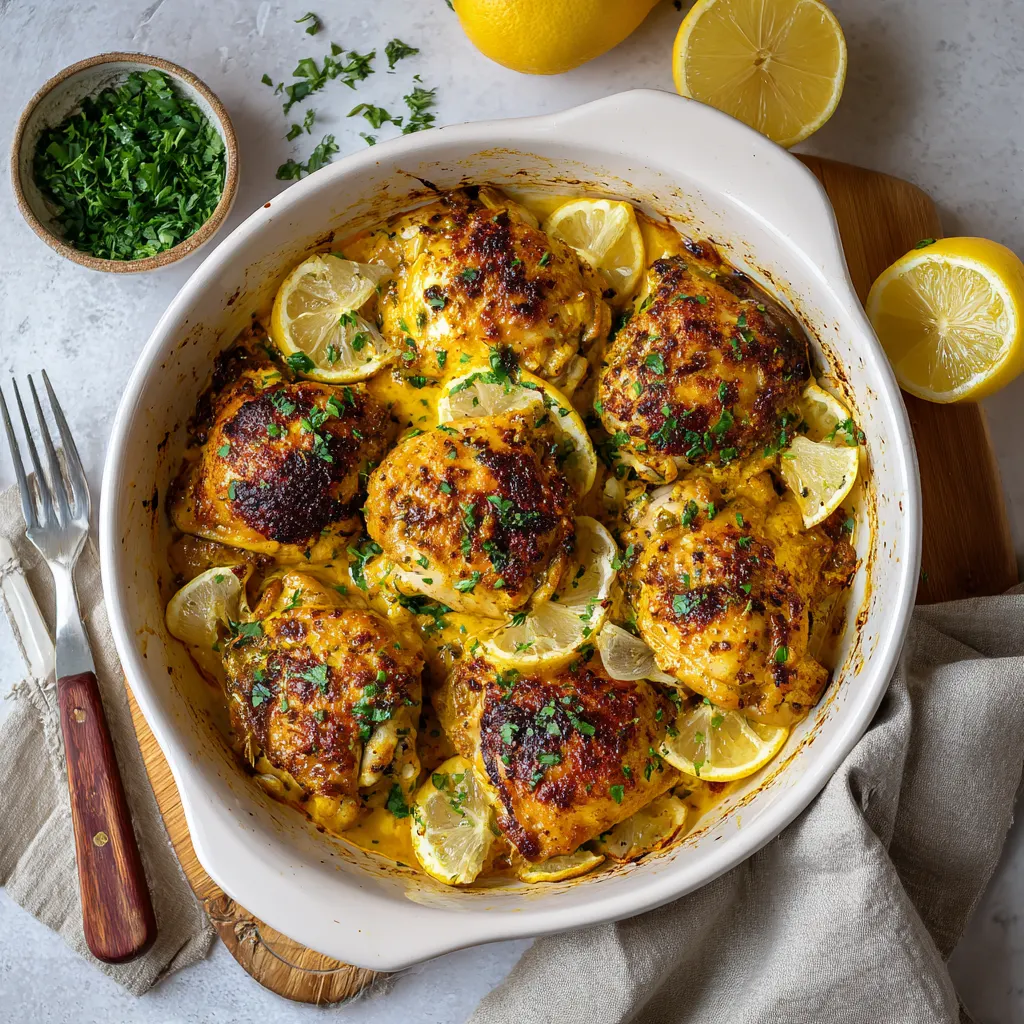
Baked Lemon Butter Chicken stands as one of the most reliable and universally loved recipes in home cooking. It masterfully balances the rich, creamy decadence of butter with the bright, clean acidity of fresh lemon, all anchored by savory aromatics like garlic and fragrant herbs. This combination creates a rich, spoon-worthy pan sauce that permeates the chicken as it bakes, guaranteeing a result that is tender, impossibly juicy, and perfect for even the busiest weeknights. By maximizing flavor extraction through simple preparation and achieving the perfect internal temperature, this technique yields restaurant-quality chicken with minimal effort and cleanup, making it a true centerpiece of the modern dinner table.
The Classic Baked Lemon Butter Chicken Recipe
This foundational recipe uses boneless, skinless chicken breasts for speed and ease, producing a full meal in under 40 minutes.
Ingredients
For the Chicken
-
4 boneless, skinless chicken breasts (about 1.5 lbs total), pounded to ¾-inch thickness
-
1 tablespoon olive oil
-
1 teaspoon Kosher salt
-
½ teaspoon freshly ground black pepper
-
½ teaspoon paprika (smoked or sweet)
For the Lemon Butter Sauce
-
4 tablespoons (½ stick) unsalted butter, melted
-
4 cloves garlic, minced (about 1 tablespoon)
-
¼ cup fresh lemon juice (from 1–2 large lemons)
-
1 tablespoon fresh lemon zest
-
¼ cup chicken broth (low sodium)
-
1 tablespoon fresh thyme or Italian seasoning
-
Optional: 1/4 teaspoon red pepper flakes (for a touch of heat)
-
For Garnish: Thin lemon slices and 1 tablespoon chopped fresh parsley
Instructions
-
Preheat and Prep: Preheat your oven to 400°F (200°C). Lightly grease a 9×13 inch baking dish or use a large oven-safe skillet (like a cast-iron pan). Pat the chicken breasts thoroughly dry with paper towels.
-
Season the Chicken: Place the chicken breasts in the prepared baking dish. Drizzle with olive oil and rub to coat. Season both sides generously with salt, pepper, and paprika.
-
Prepare the Sauce: In a small bowl, whisk together the melted butter, minced garlic, lemon juice, lemon zest, chicken broth, thyme (or Italian seasoning), and red pepper flakes (if using).
-
Combine and Bake: Pour the lemon butter sauce evenly over the chicken breasts, ensuring they are well coated. Lay one or two thin lemon slices on top of each chicken breast, if desired, for added visual appeal and aroma.
-
Bake to Perfection: Bake for 20 to 25 minutes, or until the thickest part of the chicken reaches an internal temperature of 165°F (74°C) using an instant-read thermometer.
-
Rest and Serve: Remove the dish from the oven. Spoon some of the luscious pan sauce over the chicken, garnish generously with fresh parsley, and allow the chicken to rest in the sauce for 5 to 10 minutes before slicing and serving.
The Foundation of Flavor: Deconstructing the Lemon-Butter-Garlic Trinity
The success of Baked Lemon Butter Chicken lies in the synergy of its three title ingredients, each playing a crucial role in balancing the overall flavor profile and texture of the dish. Understanding this trinity is key to customizing and optimizing the recipe.
Butter: Richness and Moisture Delivery
Butter serves as more than just a fat source; it is the medium through which the other flavors are carried. Its milk solids provide a nutty depth when baked, contributing to the Maillard reaction that browns the chicken. Crucially, the fat content of the butter acts as a moisture barrier for lean chicken breasts. When melted and mixed with the other sauce components, the butter coats the chicken, helping to prevent the rapid evaporation of internal moisture during the high-heat baking process. Using unsalted butter is often preferred, as it gives the cook maximum control over the dish’s final saltiness.
Lemon: Acidity and Brightness
Fresh lemon juice and zest are non-negotiable. The acidity of the lemon performs several functions:
-
Balance: It cuts through the richness of the butter, preventing the dish from tasting heavy or greasy.
-
Tenderization: While a lengthy marination in lemon juice can ‘cook’ the protein (denature it), a quick coating before baking tenderizes the surface fibers, contributing to a more tender finished product.
-
Aroma: The zest contains volatile oils that carry the characteristic bright, citrusy scent, which is intensified by the heat of the oven.
Garlic and Herbs: Aromatic Depth
Garlic provides the indispensable savory baseline. When minced and baked in butter, it mellows from sharp to sweet and pungent. Using freshly minced garlic, rather than jarred, offers superior flavor. Fresh herbs, such as thyme, rosemary, or Italian flat-leaf parsley, are used to add complexity. Thyme lends an earthy, woodsy counterpoint to the bright lemon, while parsley brightens the finish and adds a pop of color. For deeper flavor, consider adding a touch of dried seasoning like paprika, which lends both color and a hint of smoky sweetness.
Technique for Tenderness and Crispness
Achieving the perfect texture—juicy interior and, ideally, a slightly crisp exterior (if using skin-on chicken)—depends entirely on mastering the preparation and monitoring the temperature.
The Moisture Challenge: Handling Chicken Breasts
Boneless, skinless chicken breasts are prone to drying out due to their low fat content. The best defense is twofold:
-
Pound to Even Thickness: If your chicken breasts are very thick on one end, pound them to a uniform ¾-inch thickness. This ensures that the entire piece cooks simultaneously, preventing the thin end from overcooking before the thickest part reaches 165°F.
-
Pat it Dry: Before seasoning, pat the chicken pieces aggressively dry. Removing surface moisture is critical because it allows the initial seasoning and oil/butter mixture to adhere properly, creating a slight crust and locking in internal juices.
Temperature and Timing: The Internal Thermometer
The most common mistake when baking chicken is relying solely on cook time. The only way to guarantee a juicy result is to use an instant-read meat thermometer.
-
Target Temperature: The FDA recommends cooking chicken to 165°F (74°C). However, for white meat, many chefs remove the chicken from the oven between 160°F and 162°F (71°C), knowing that the internal temperature will continue to rise a few degrees as it rests (carryover cooking).
-
Resting Period: Allowing the chicken to rest for 5 to 10 minutes after removing it from the oven is non-negotiable. This process allows the muscle fibers to relax and reabsorb the internal juices, which otherwise would flood the cutting board, resulting in dry meat. Resting it directly in the pan sauce allows the flavors to infuse even deeper.
To Sear or Not to Sear
While the base recipe is designed for simple baking, an optional searing step is recommended for maximum flavor, especially if using an oven-safe skillet (like cast iron):
-
Melt a tablespoon of butter and a tablespoon of olive oil in the skillet over medium-high heat.
-
Sear the seasoned chicken breasts for 2–3 minutes per side until golden brown.
-
Remove the chicken, build the sauce in the same skillet (scraping up the flavorful fond), return the chicken to the pan, and then bake. This adds a depth of roasted flavor that simple baking cannot replicate.
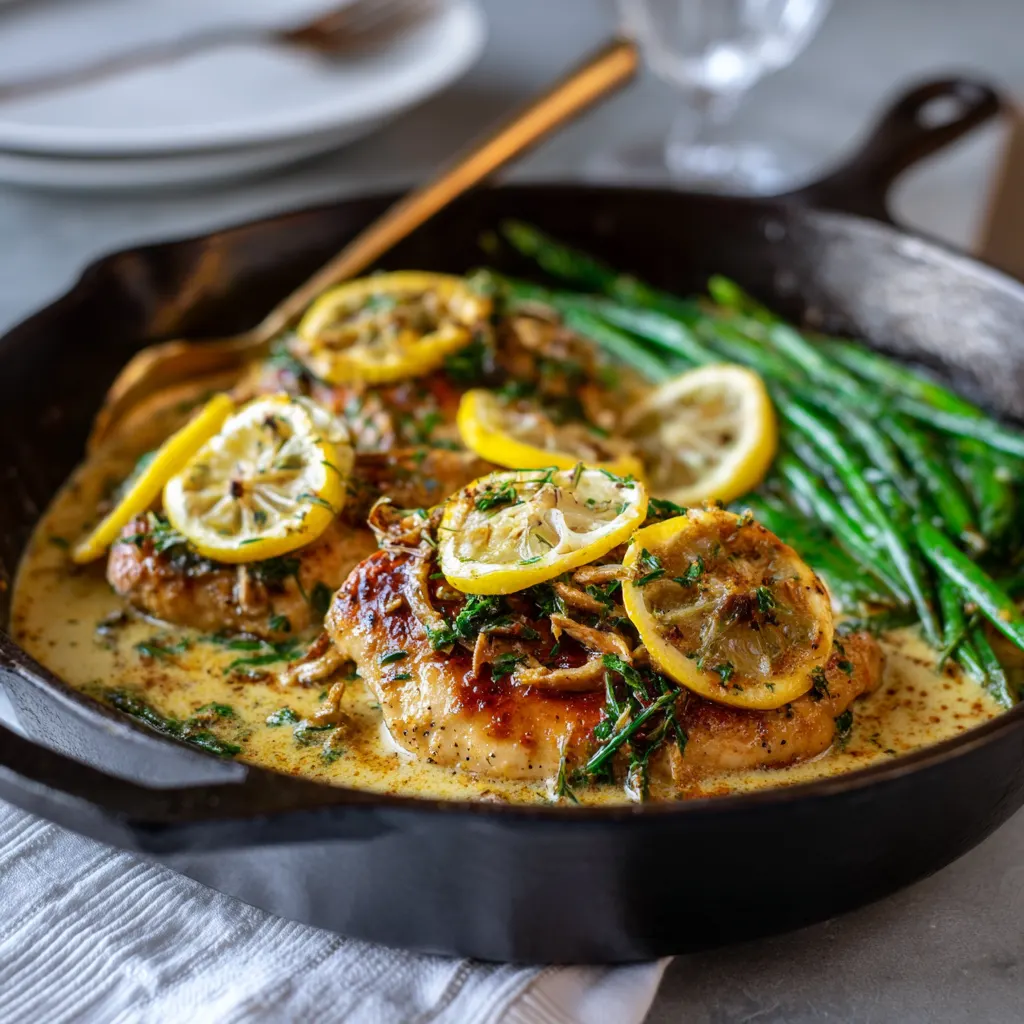
Versatility and Variations: Beyond the Breast
While the classic recipe centers on chicken breasts, the robustness of the lemon butter sauce makes it adaptable to nearly any cut of poultry and transforms it into a full one-pan meal.
The Dark Meat Advantage
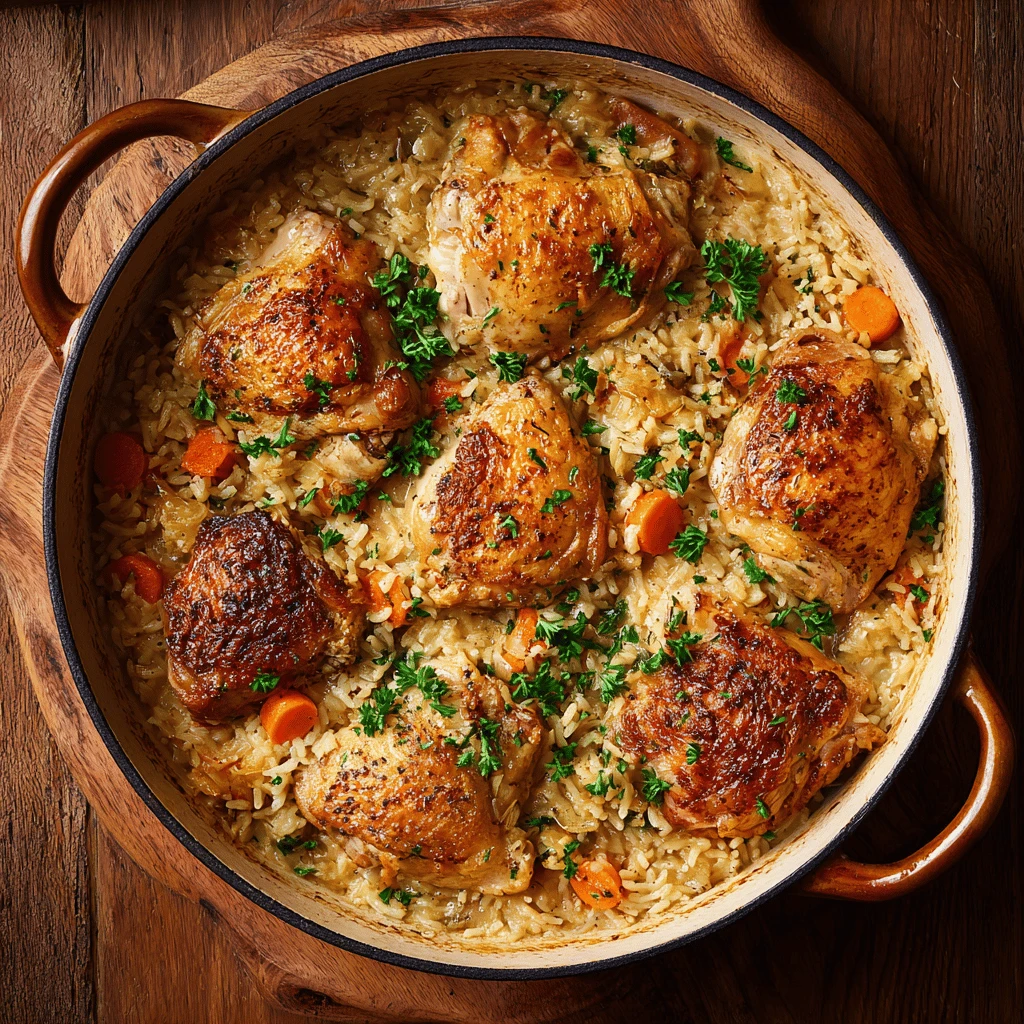
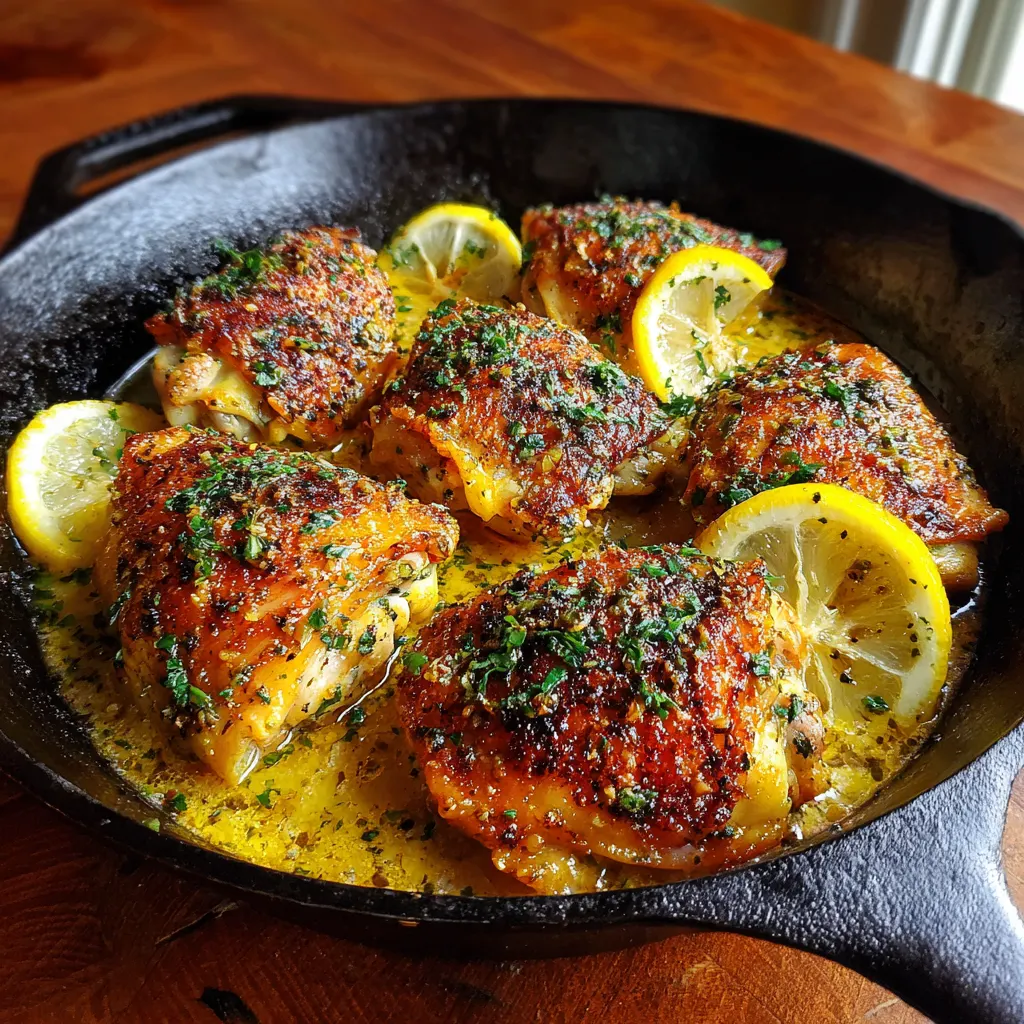
For a more forgiving and moist result, swap chicken breasts for bone-in, skin-on chicken thighs or drumsticks. Dark meat has a higher fat content and can withstand longer cooking times without drying out.
-
Adjustment: Cook time will increase significantly. At 400°F, bone-in thighs may require 35–45 minutes, while large quarters may take 60–90 minutes. Always target an internal temperature of 170°F to 175°F (77°C–80°C) for dark meat, as this range allows the connective tissues to fully break down, resulting in a desired “fall-off-the-bone” tenderness.
-
Crisp Skin: If using skin-on pieces, ensure the skin faces up for the entire bake. For an extra-crisp finish, run the dish under the broiler for 1–2 minutes at the very end, watching carefully to prevent burning.
One-Pan Wonders: Adding Vegetables and Grains
Baked Lemon Butter Chicken lends itself perfectly to one-pan cooking, incorporating side dishes right in the baking vessel.
-
Starchy Bases: To create a full meal with a sauce-sopping base, nestle the chicken pieces on a bed of raw, chopped potatoes (fingerling or cubed Yukon Gold) or a combination of rice and broth. For rice, a common technique is to mix 1 cup of long-grain rice with 2 cups of chicken broth, then nestle the seasoned chicken on top before pouring the sauce and baking, ensuring the entire dish is tightly covered with foil for the first 35 minutes to steam the rice properly.
-
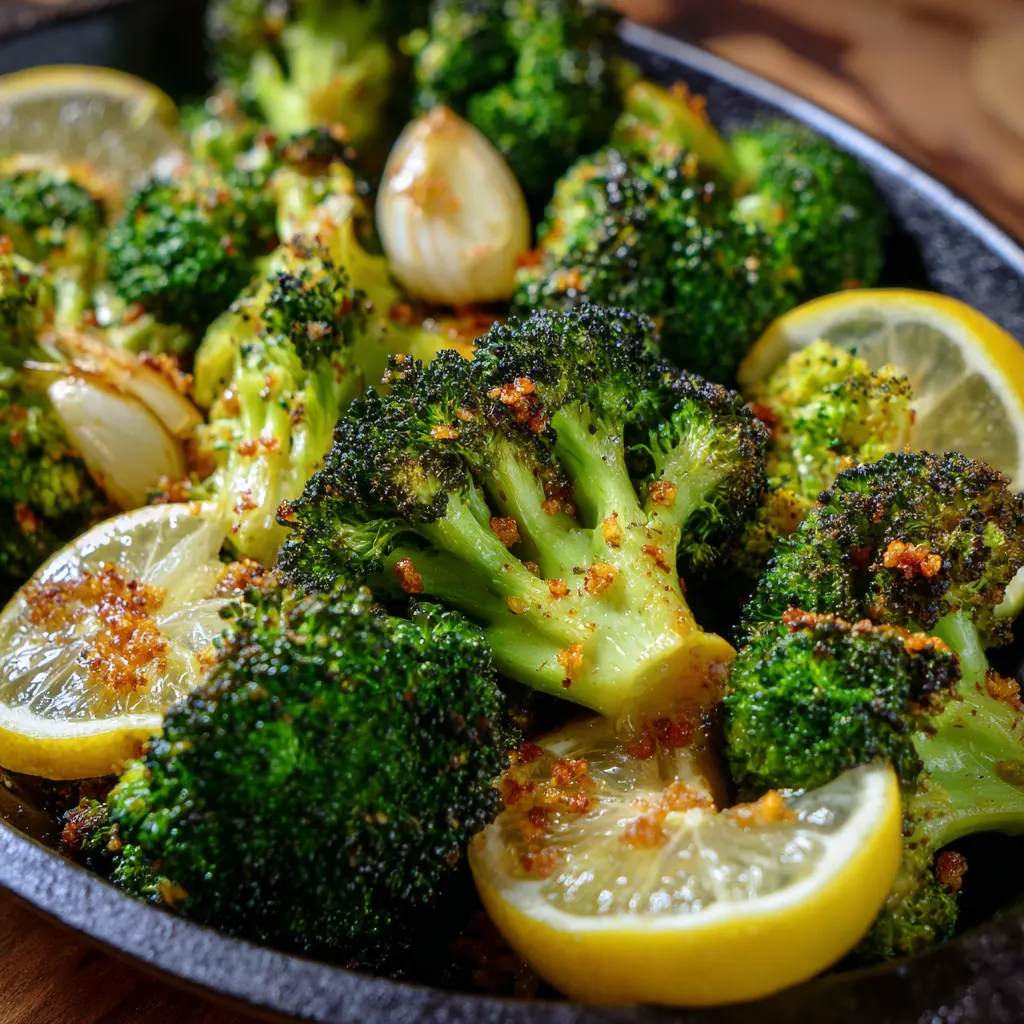
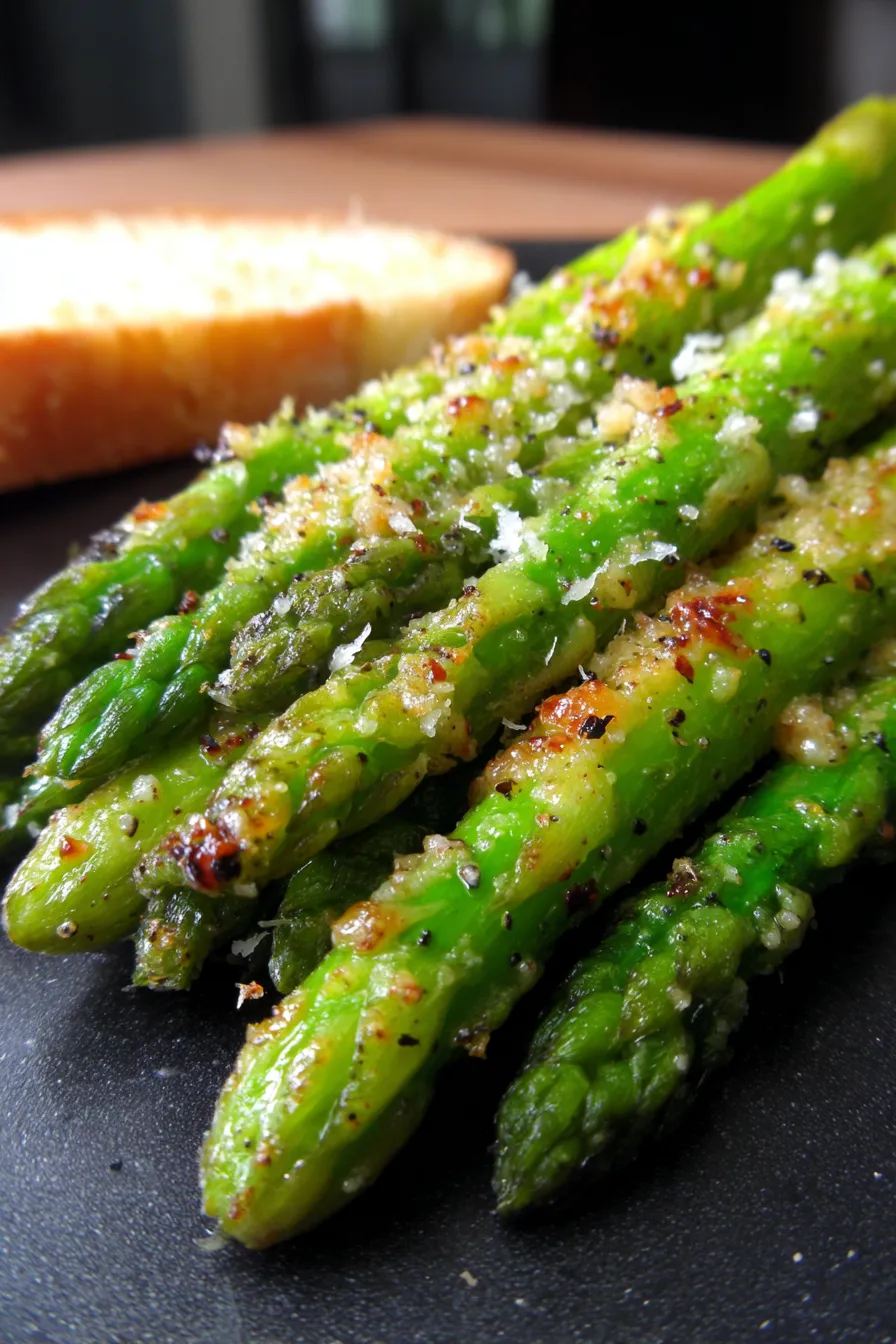
Green Vegetables: Asparagus, green beans, or thick-cut broccoli florets can be tossed lightly in olive oil, salt, and pepper and added to the baking dish 10–15 minutes into the cooking process. They will absorb the lemon butter sauce as they cook, finishing perfectly when the chicken is done.
Sauce Enhancement and Flavor Twists
-
Creamy Finish: To create a richer, thicker sauce, whisk in ½ cup of heavy cream and ¼ cup of grated Parmesan cheese into the sauce mixture before pouring it over the chicken. The cheese adds umami, while the cream lends a velvety texture.
-
Umami Boost: A small splash of dry white wine (like Sauvignon Blanc) or a teaspoon of Worcestershire sauce added to the butter sauce can deepen the savory profile.
-
Spice Variation: Swap thyme for rosemary and a pinch of dried oregano for a more robust Mediterranean flavor, or add a full teaspoon of smoked paprika and a dash of cayenne pepper for a subtle smoky heat.
Perfect Pairings: Sides and Presentation
The bright, acidic, and savory nature of Baked Lemon Butter Chicken requires sides that can either soak up the luxurious sauce or provide a clean, cooling contrast.
The Ideal Starches and Bases
The pan sauce is arguably the best part of the dish, and your side choice should maximize its consumption.
-
Classic Pairing: Fluffy white rice (Jasmine or Basmati) is the ultimate sponge for the sauce. Simple egg noodles or linguine tossed with a touch of the sauce also work beautifully.
-
Low-Carb Options: Creamy mashed cauliflower or polenta offer a decadent, starchy texture without heavy carbohydrates. For a lighter approach, serve over a bed of baby spinach, which will wilt instantly in the hot sauce, or a simple side salad with a vinaigrette.
-
Roast Potatoes: Small, cubed potatoes roasted in the same pan with the chicken are hearty and absorb the lemon butter flavor.
Vegetable Complements
Aim for vegetables that are either slightly bitter or earthy to counteract the sauce’s richness.
-
Green Veggies: Steamed or lightly sautéed asparagus, green beans, or broccolini provide a satisfying snap and a contrast in texture.
-
Root Vegetables: Roasted carrots or parsnips seasoned simply with salt and pepper complement the dish’s earthy tones.
Presentation and Wine
Final presentation elevates this simple dish to an elegant meal.
-
Garnish: Always finish with a generous sprinkle of freshly chopped parsley and a few extra thin lemon slices placed attractively on the plate. The parsley provides a necessary pop of color and freshness that cuts through the rich butter.
-
Serving the Sauce: When plating, spoon a generous amount of the pan sauce over the chicken and the accompanying side dish.
-
Wine Pairing: The high acidity of the lemon butter demands a crisp, dry white wine with similar characteristics. Excellent choices include Sauvignon Blanc, Pinot Grigio, or a dry, unoaked Chardonnay. These wines have the structure to stand up to the acidity and the richness of the butter, refreshing the palate between bites.