This Easy Crockpot Chicken Curry Stew transforms minimal effort into a rich, aromatic, and deeply satisfying meal. The beauty of the slow cooker method lies in its hands-off nature: the low, consistent heat ensures chicken remains tender while the spices meld into a complex, comforting sauce that tastes like it simmered all day. Combining hearty…
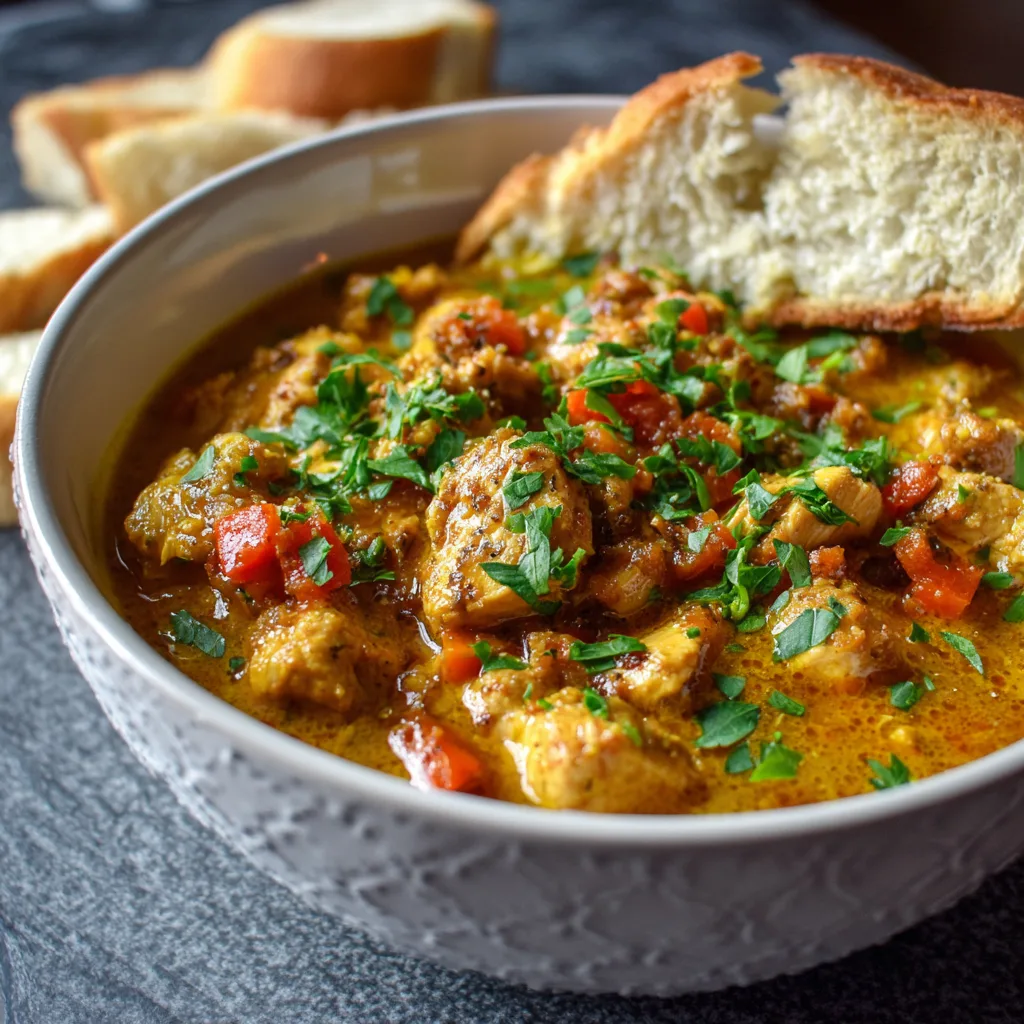
This Easy Crockpot Chicken Curry Stew transforms minimal effort into a rich, aromatic, and deeply satisfying meal. The beauty of the slow cooker method lies in its hands-off nature: the low, consistent heat ensures chicken remains tender while the spices meld into a complex, comforting sauce that tastes like it simmered all day. Combining hearty vegetables, juicy chicken, and a creamy coconut base, this recipe is designed to be your new weeknight favorite, proving that flavorful, global cuisine can be achieved with a simple “dump-and-go” technique.
Ingredients
| Component | Quantity | Notes |
| Protein | 2 lbs | Boneless, skinless chicken thighs or breasts, cut into 1-inch cubes. |
| Aromatics & Vegetables | 1 large | Yellow onion, diced. |
| 4-6 cloves | Garlic, minced or grated. | |
| 1 inch piece | Fresh ginger, grated or minced (about 2 tsp). | |
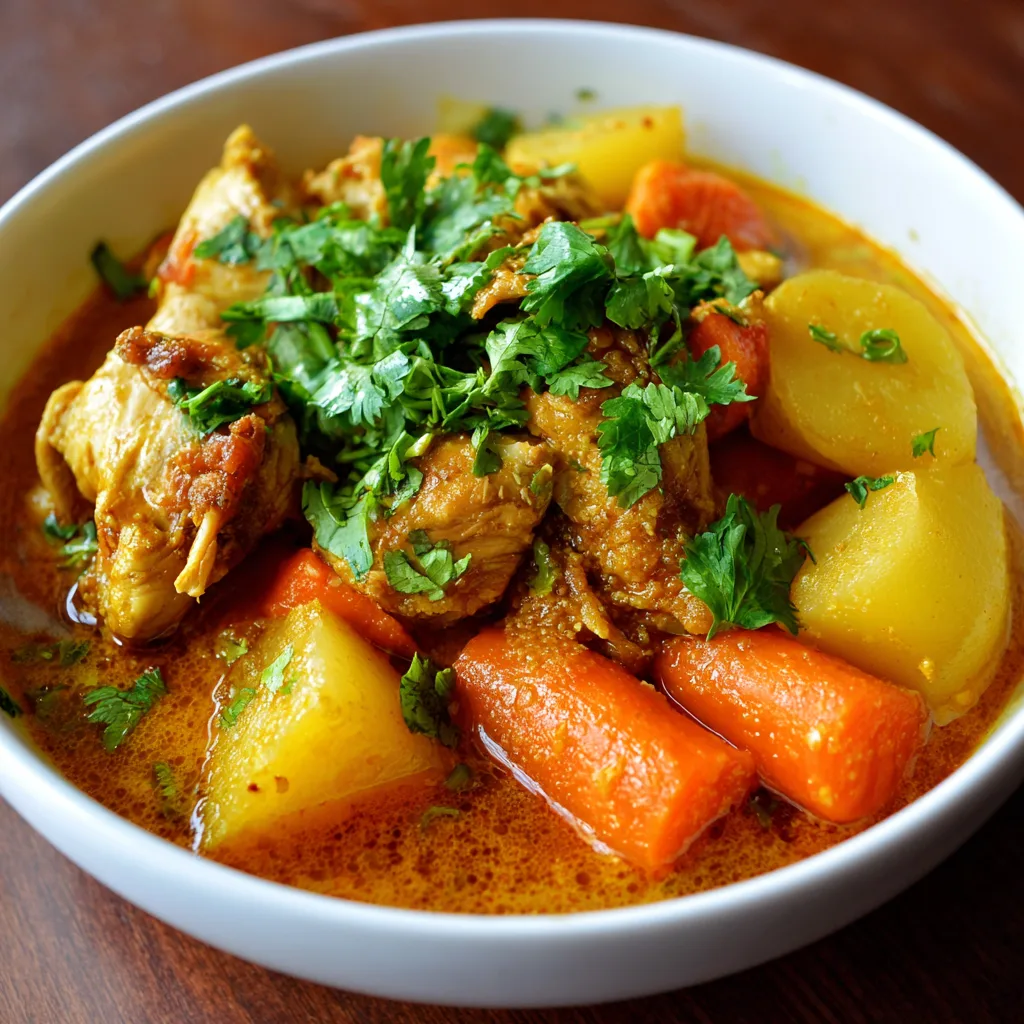
| 3 medium | Golden or Russet potatoes, peeled and cubed (1-inch pieces). | |
| 2 medium | Carrots, sliced into thick rounds. | |
| 1 cup | Chicken broth (low sodium). | |
| Sauce & Spices | 2 tbsp | Curry powder (medium or mild). |
| 1 tsp | Ground turmeric. | |
| ½ tsp | Ground cumin. | |
| ¼ tsp | Cayenne pepper or chili flakes (optional, for heat). | |
| 1 tbsp | Brown sugar or mango chutney (optional, for sweetness/balance). | |
| 1 tsp | Kosher salt (plus more to taste). | |
| ½ tsp | Black pepper. | |
| 1 (13.5 oz) can | Full-fat coconut milk. | |
| 1 tsp | Garam Masala (for stirring in at the end). | |
| For Thickening (Optional) | 2 tbsp | Cornstarch (cornflour). |
| 3 tbsp | Cold water (to make a slurry). | |
| For Garnish | Fresh cilantro, chopped. | |
| 1 | Lime, cut into wedges. |
Instructions
-
Combine Ingredients: Place the cubed chicken, diced onion, potatoes, and carrots into the slow cooker basin.
-
Add Spices and Liquid: In a separate medium bowl, whisk together the chicken broth, minced garlic, grated ginger, curry powder, turmeric, cumin, cayenne (if using), brown sugar (if using), salt, and pepper.
-
Pour and Stir: Pour the broth and spice mixture over the chicken and vegetables in the slow cooker. Stir everything until the chicken and vegetables are fully coated.
-
Cook: Cover the slow cooker with the lid. Cook on LOW for 6 to 8 hours or on HIGH for 3 to 4 hours. The chicken should be cooked through, and the vegetables should be fork-tender.
-
Finish and Thicken: About 15–30 minutes before serving, open the slow cooker. Stir in the can of coconut milk and the Garam Masala.
-
For a Thicker Stew: If the sauce appears too thin (a common occurrence with slow cooking), prepare a slurry by whisking the cornstarch and cold water together until smooth. Stir this slurry into the stew. Cover the slow cooker and continue to cook on HIGH for another 15–30 minutes, or until the sauce has thickened to your desired consistency.
-
Serve: Taste and adjust seasoning (add more salt, pepper, or a squeeze of lime juice for brightness). Garnish generously with fresh cilantro and serve hot over rice or with naan bread.
Building Depth: Flavor Secrets of a Slow Cooker Curry
While the slow cooker excels at convenience, its sealed environment can sometimes lead to a milder flavor profile compared to stovetop curries where moisture evaporates and flavors concentrate. To ensure your slow-cooked stew achieves maximum depth, integrating a few simple flavor techniques is key.
The most basic recipe is “dump-and-go,” where all ingredients are added raw at the start. However, the top recipes often suggest a minimal pre-cooking step that significantly enhances the final taste:
The Power of the Sauté
For a truly restaurant-quality curry base, dedicate 5–10 minutes to the stovetop before hitting the slow cooker.
-
Bloom the Spices: Sauté the onions, garlic, and ginger in a little oil until softened. Crucially, add the dry spices (curry powder, turmeric, cumin) during the last minute of sautéing. Heating these spices—a process called “blooming”—releases their essential oils, activating their full aroma and flavor potential. This step prevents the final dish from tasting “raw” or powdery.
-
Browning the Chicken (Optional but Recommended): While not essential, searing the chicken thighs or breasts on all sides before adding them to the slow cooker creates a beautiful, caramelized crust. This adds a layer of savory, smoky depth that cannot be replicated through slow cooking alone.
Strategic Spice Timing
The time you add certain spices and ingredients matters:
-
Coconut Milk: Adding canned coconut milk, especially full-fat varieties, too early and cooking it for 6–8 hours can cause it to “split” or separate. By adding it during the last 15–30 minutes, you preserve its fresh, silky texture and distinct creaminess.
-
Garam Masala: This finishing spice blend is typically added at the very end of cooking. Its delicate, aromatic compounds (like cardamom and cinnamon) can become bitter or lose their high notes if subjected to prolonged heat. Stirring it in just before serving preserves its vibrant fragrance.
-
Acidity and Sweetness: Flavor balance is critical. If the stew tastes flat, it likely needs acid (lime juice) or sweetness (brown sugar or mango chutney). Always add a splash of lime juice at the end; its bright, sharp flavor cuts through the richness of the coconut milk and revitalizes the entire dish.
Mastering Texture: Tips for Tender Chicken and Creamy Sauce
A perfectly executed crockpot curry stew should feature chicken that is falling apart and a sauce that is rich and thick, not watery. The slow cooker’s sealed lid traps condensation, making texture management the greatest challenge.
Choosing the Right Cut of Chicken
-
Chicken Thighs (Recommended): Boneless, skinless chicken thighs are the superior choice for slow cooking. Their higher fat content and connective tissue break down slowly, resulting in tender, moist meat that resists drying out, even after 6–8 hours.
-
Chicken Breasts (Use Caution): Chicken breasts are leaner and can become dry and stringy if overcooked. If using breasts, cut them into larger 3-inch pieces, or better yet, leave them whole and shred them once cooked. For safety and texture, ensure the meat reaches an internal temperature of 165°F (74°C).
Solving the Watery Sauce Problem
The number one complaint about slow cooker curries is that the final sauce is too thin. This happens because the lid traps steam and moisture that would normally evaporate on a stovetop.
-
Limit Initial Liquid: Be conservative with broth. Start with less liquid than a stovetop recipe would require, relying instead on the moisture released by the chicken and vegetables (especially onions and potatoes).
-
Avoid Lifting the Lid: Every time you lift the lid, you lose critical cooking heat and add approximately 20–30 minutes to the cook time. Only open the crockpot when adding the coconut milk, thickening the sauce, or checking for doneness.
-
The Cornstarch Slurry: The most reliable way to thicken the stew is with a cornstarch slurry. Mix equal parts cornstarch and cold water (a typical ratio is 2 tablespoons of cornstarch to 3 tablespoons of cold water) until dissolved. Stir this slurry into the simmering stew during the final 15 minutes of cooking. The high heat will activate the cornstarch, thickening the sauce quickly. Avoid adding dry flour or cornstarch directly, as it will clump.
Customization and Dietary Flexibility
The “stew” format of this curry makes it highly adaptable. It accepts a wide range of vegetables and can be easily adjusted to suit various dietary needs or simply utilize what you have on hand.
Vegetable Variations
The standard recipe calls for potatoes and carrots, which hold up well to long cooking times. However, you can substitute or add other vegetables for variety:
-
Root Vegetables: Use sweet potatoes or butternut squash for a sweeter, earthier flavor. Cut them into large 1-inch chunks to prevent them from turning to mush.
-
Cruciferous Veggies: Cauliflower florets or broccoli can be added. If using tender vegetables like broccoli, add them during the last hour of cooking to retain some texture and color.
-
Legumes: Stir in one can of drained and rinsed chickpeas or lentils during the last hour for added protein and fiber, turning the dish into a heartier meal.
-
Tender Greens: A handful of fresh spinach or kale can be stirred in during the final 5 minutes until wilted.
Healthier & Alternative Bases
If you are looking to reduce fat or try a different flavor base, the creamy element can be swapped:
-
Low-Fat Creaminess: Substitute full-fat coconut milk with light coconut milk, or for a tangier, healthier base, use plain nonfat Greek yogurt. If using yogurt, stir it in after the slow cooker is turned off, as dairy can curdle under prolonged, high heat.
-
Indian-Inspired Broth: For a non-coconut milk version, replace the coconut milk with an equal amount of canned diced tomatoes or tomato puree to create a more traditional, tomato-based Indian curry gravy. Add a tablespoon of butter or ghee along with the tomato for richness.
Adjusting the Heat
-
For Mild Flavor: Use a mild Madras curry powder and omit the cayenne pepper. Add a touch more brown sugar or mango chutney for a gentle sweetness.
-
For Intense Heat: Use a hot or fiery curry powder, and increase the amount of fresh green chili (such as Serrano pepper) that is chopped and added at the beginning, or stir in a tablespoon of hot sauce (like Sriracha) or a dash of black pepper right before serving.
Serving, Storage, and Meal Prep
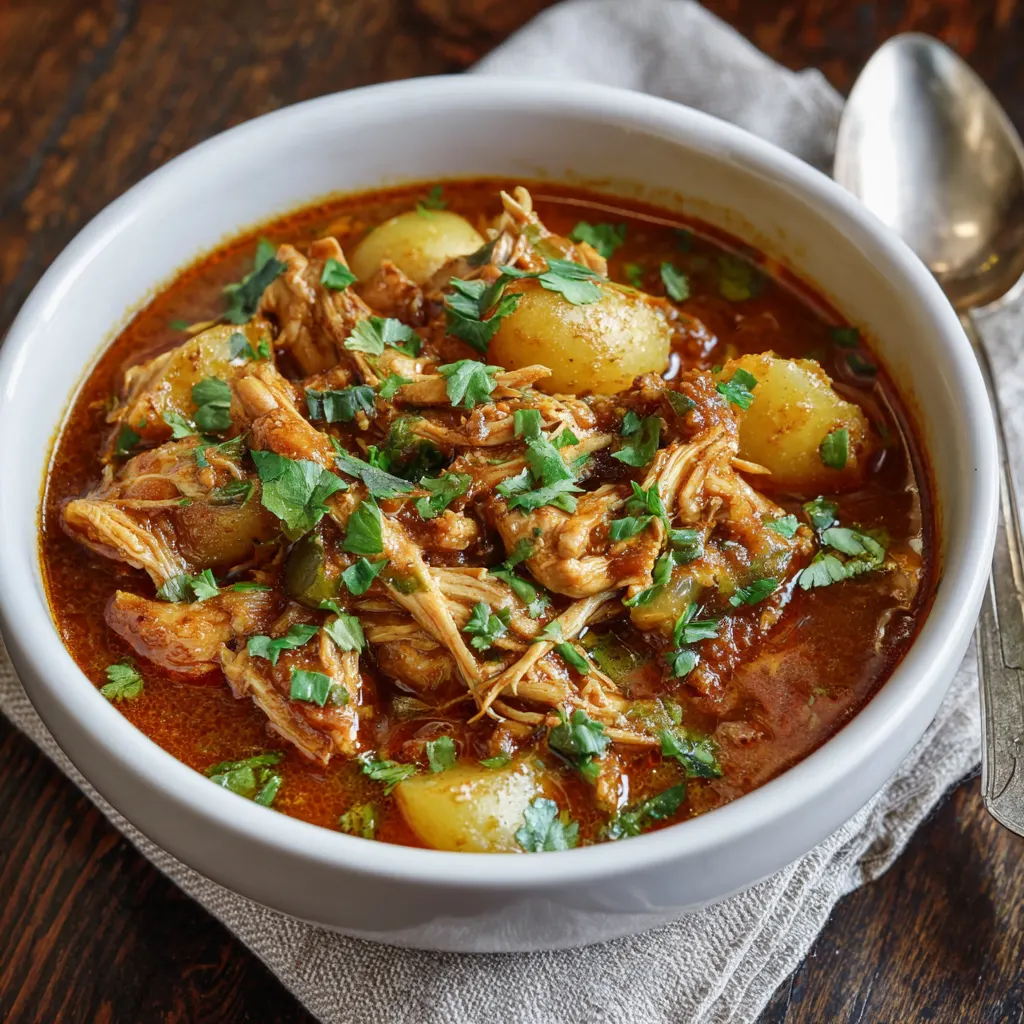
One of the greatest benefits of the Crockpot Chicken Curry Stew is how well it handles storage, making it an ideal choice for meal prepping.
Perfect Pairings
The stew’s creamy, rich, and flavorful sauce requires a neutral companion to soak up the sauce and provide texture contrast.
-
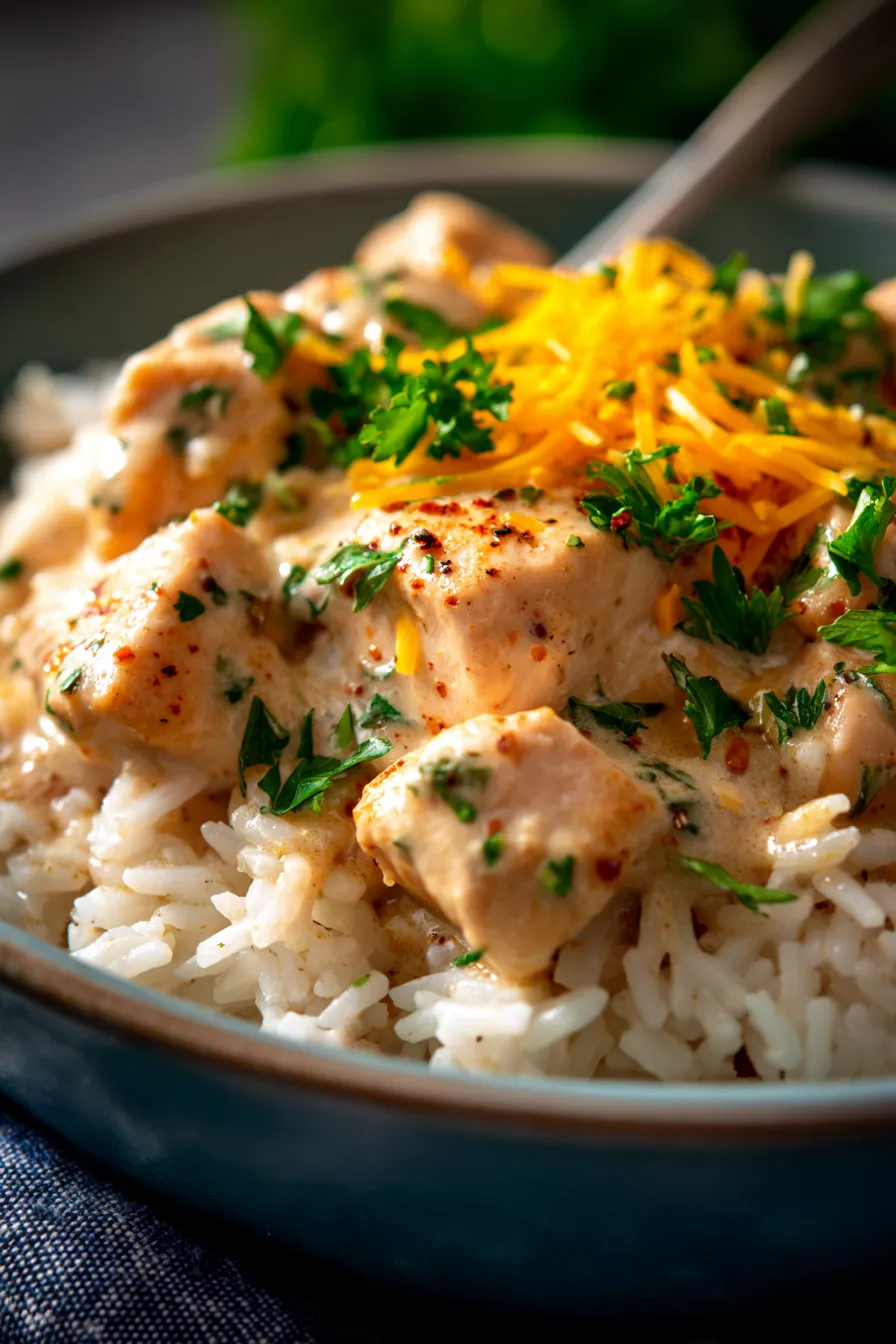
Classic Carbohydrates: Steamed Basmati or Jasmine rice is the standard pairing. For a healthier option, serve over brown rice or quinoa.
-
Bread: Warm naan bread (plain, garlic, or butter) is perfect for scooping up the remaining sauce. Alternatively, serve with pita bread or crusty French bread for a fusion twist.
-
Freshness: A dollop of full-fat plain yogurt or sour cream (especially if a tangier sauce is desired) and a heavy garnish of fresh cilantro or mint provide a cooling contrast to the curry spices.
Storage and Reheating
This dish improves overnight as the spices continue to integrate.
-
Refrigeration: Store leftovers in an airtight container in the refrigerator for upup to 3–4 days. The sauce will likely thicken considerably upon cooling.
-
Reheating: Reheat gently on the stovetop over medium-low heat, or in the microwave. If the sauce is too thick during reheating, stir in a splash of chicken broth or water to reach the desired consistency.
-
Freezing: This stew freezes well. Transfer cooled stew (without any rice/garnish) to a freezer-safe container, leaving about an inch of headspace, and freeze for up to 3 months. Note: If the stew contains large chunks of white potatoes, they can sometimes become slightly mealy after freezing and thawing; sweet potatoes and chicken tend to fare better.
For best results, thaw the stew overnight in the refrigerator before reheating. Adding a fresh squeeze of lime juice after reheating will restore the bright flavors lost during freezing.