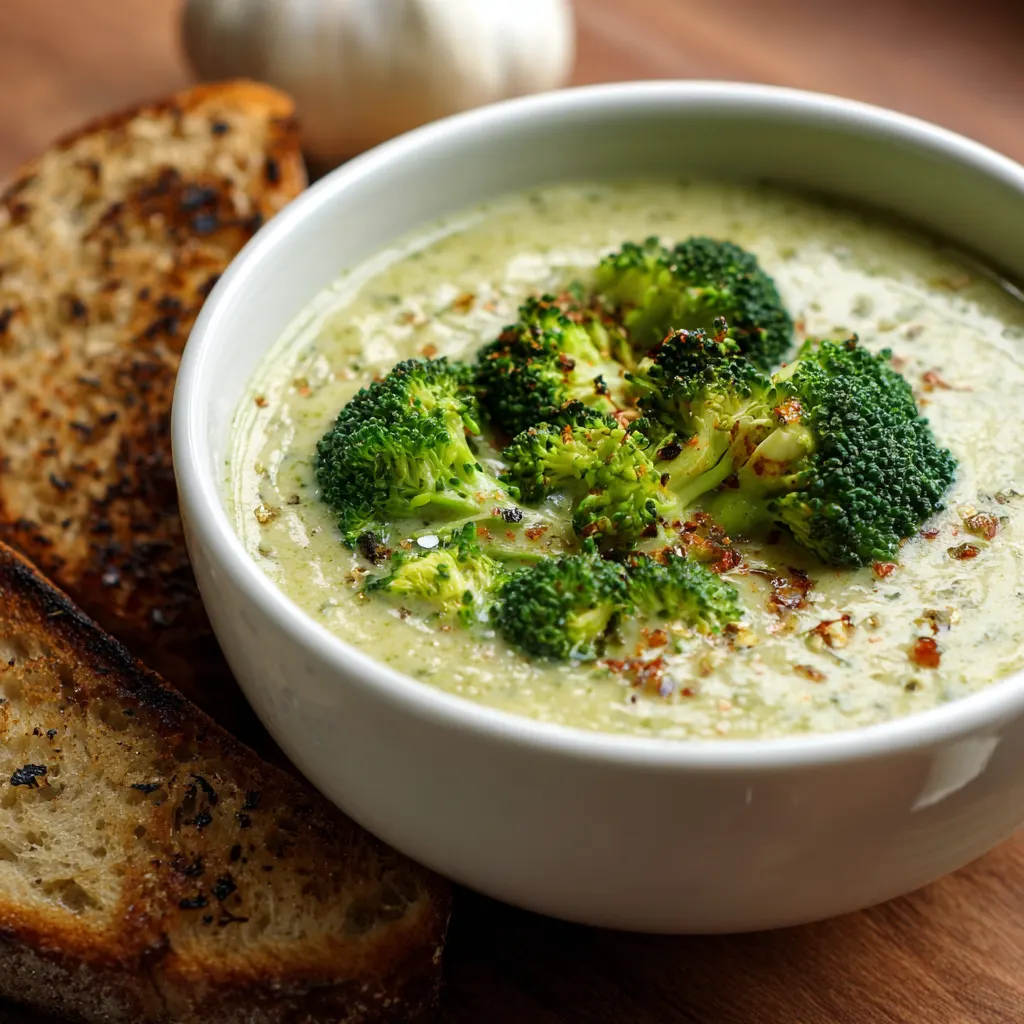
The Ultimate Creamy Broccoli Soup with Roasted Garlic Creamy broccoli soup is a timeless classic, offering a perfect balance of earthy greens and velvety texture. While many versions rely heavily on flour-based thickeners or excessive cream, the secret to a truly transformative bowl lies in the addition of roasted garlic. By caramelizing garlic before blending…
The Ultimate Creamy Broccoli Soup with Roasted Garlic
Creamy broccoli soup is a timeless classic, offering a perfect balance of earthy greens and velvety texture. While many versions rely heavily on flour-based thickeners or excessive cream, the secret to a truly transformative bowl lies in the addition of roasted garlic. By caramelizing garlic before blending it into the soup, you introduce a mellow, nutty sweetness that cuts through the bitterness of the broccoli and adds a sophisticated depth of flavor. This recipe yields a vibrant, nutrient-dense meal that feels like a luxury indulgence while remaining simple enough for a weeknight dinner.
Ingredients You’ll Need
-
Broccoli: 2 large heads (about 1.5 lbs), cut into small florets; stems peeled and diced.
-
Garlic: 1 whole head (for roasting) plus 3 cloves minced (for the base).
-
Onion: 1 medium yellow onion, diced.
-
Potatoes: 2 medium Yukon Gold potatoes, peeled and cubed (these provide natural creaminess).
-
Broth: 5 cups high-quality vegetable or chicken broth.
-
Cream: ½ cup heavy cream or full-fat coconut milk for a dairy-free option.
-
Butter/Oil: 2 tablespoons unsalted butter and 1 tablespoon olive oil.
-
Seasonings: 1 teaspoon dried thyme, ½ teaspoon nutmeg, salt, and black pepper to taste.
-
Finishing Touches: Freshly grated Parmesan cheese and a squeeze of lemon juice..
Step-by-Step Preparation
-
Roast the Garlic: Preheat your oven to 400°F (200°C). Slice the top off the head of garlic to expose the cloves. Drizzle with olive oil, wrap tightly in aluminum foil, and roast for 35–40 minutes until the cloves are golden and soft. Once cool, squeeze the roasted paste out of the skins and set aside.
-
Sauté the Aromatics: In a large Dutch oven or heavy-bottomed pot, melt the butter and olive oil over medium heat. Add the diced onion and sauté for 5–7 minutes until translucent. Stir in the minced raw garlic and dried thyme, cooking for another minute until fragrant.
-
Simmer the Vegetables: Add the cubed potatoes and diced broccoli stems to the pot. Pour in the broth and bring the mixture to a boil. Reduce heat to a simmer, cover, and cook for 10 minutes. Add the broccoli florets and continue simmering for an additional 8–10 minutes, or until all vegetables are fork-tender.
-
Blend to Perfection: Stir the roasted garlic paste into the pot. Using an immersion blender, puree the soup until completely smooth. If you prefer a bit of texture, you can remove a cup of florets before blending and add them back in afterward.
-
Final Seasoning: Stir in the heavy cream and nutmeg. Let the soup gently heat through (do not let it reach a rolling boil once the cream is added). Stir in the lemon juice—this acidity brightens the entire dish. Season generously with salt and pepper.
-
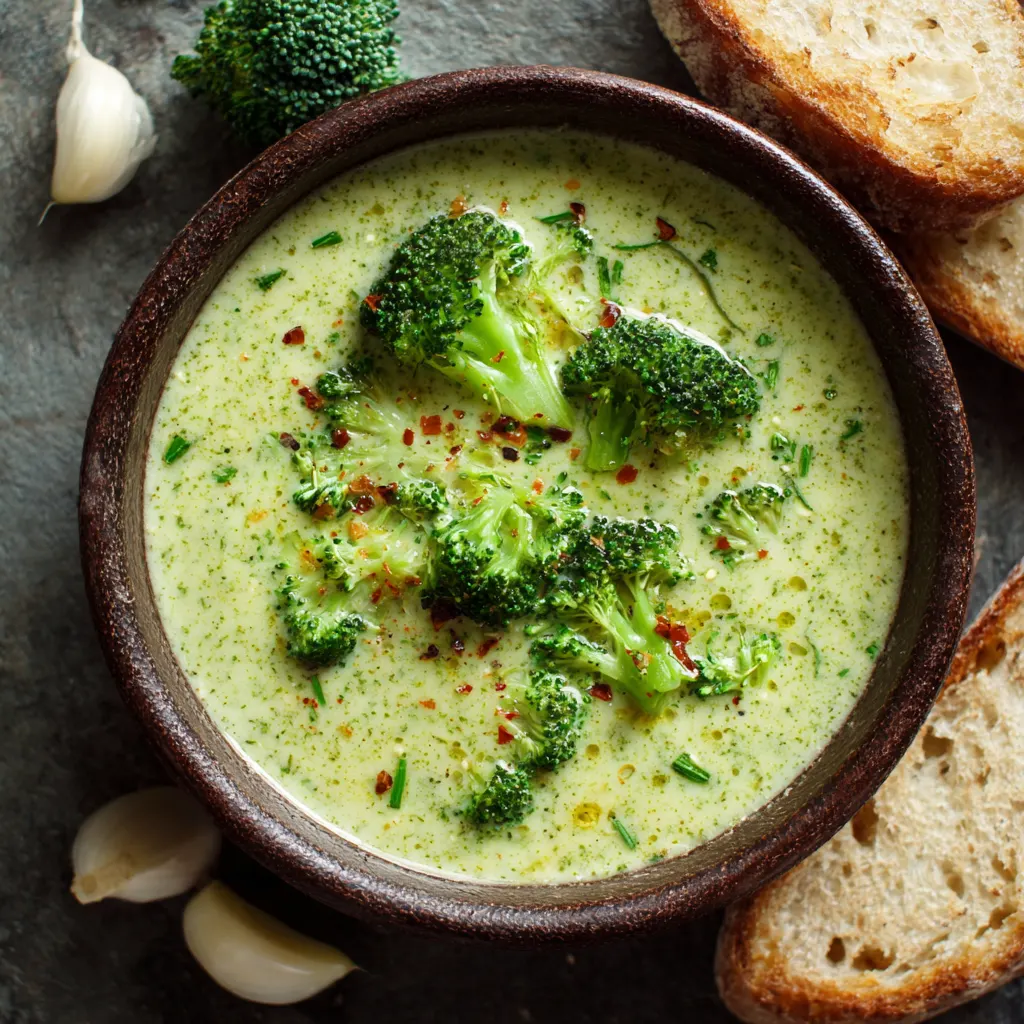
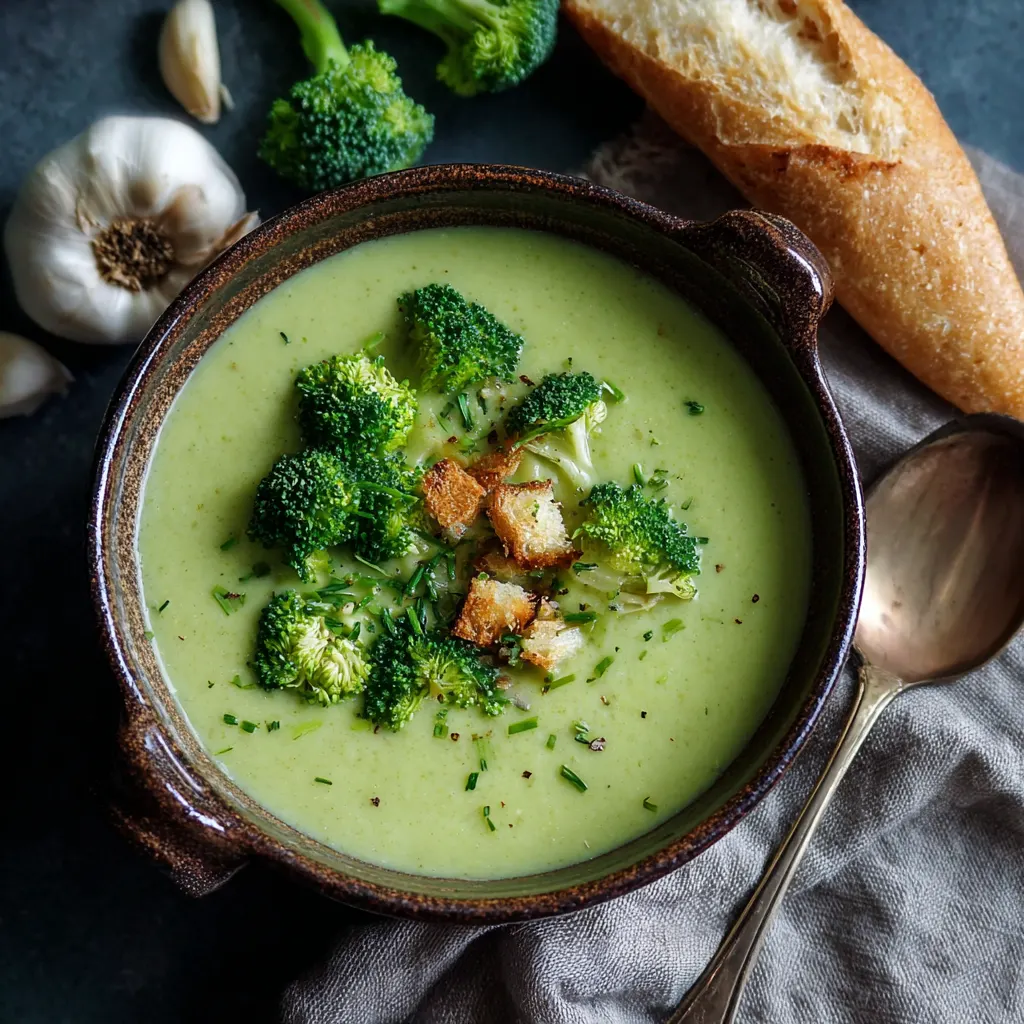
Serve: Ladle the soup into warm bowls. Top with freshly grated Parmesan, a few reserved steamed broccoli florets, or crunchy homemade croutons.
The Science of Texture and Flavor
Achieving the perfect consistency in broccoli soup is an art. Many traditional recipes use a roux—a mixture of butter and flour—to thicken the liquid. However, using starchy Yukon Gold potatoes is a superior method for several reasons. Potatoes provide a smoother, more “buttery” mouthfeel without the risk of a pasty or floury aftertaste. Furthermore, they allow the soup to remain gluten-free naturally.
The flavor profile is equally dependent on how you handle the broccoli itself. While the florets provide the iconic color, the stems contain a concentrated sweetness. By peeling the woody outer layer of the stems and simmering them longer than the florets, you ensure no part of the vegetable goes to waste and the flavor is well-rounded. The pinch of nutmeg added at the end is a classic culinary technique; it doesn’t make the soup taste like dessert, but rather enhances the natural “greenness” of the broccoli and the richness of the dairy.
Essential Tips for the Best Results
To elevate your soup from standard to restaurant-quality, consider the “vibrancy factor.” Broccoli can quickly turn a dull, brownish-green if overcooked. To maintain a bright, emerald hue, avoid simmering the florets for longer than ten minutes. If you are preparing the soup in advance, you can even blanch the broccoli florets in boiling water for three minutes, shock them in ice water, and blend them into the hot potato-and-broth base at the very last second.
Another tip involves the garlic. While roasting a whole head takes time, it is the defining characteristic of this recipe. The chemical transformation that occurs during roasting turns pungent, sharp garlic into a creamy, spreadable paste with a caramelized profile. If you are short on time, you can sauté sliced garlic in plenty of olive oil over low heat until golden brown, but the depth of a slow-roasted bulb remains the gold standard for this specific dish.
Customization and Dietary Adjustments
This recipe is highly adaptable to various dietary needs and flavor preferences. For a vegan version, simply swap the butter for olive oil or vegan butter and use full-fat canned coconut milk or cashew cream in place of the heavy cream. The roasted garlic and potatoes provide so much body that you won’t miss the dairy.
If you want to increase the protein content, stirring in a can of drained and rinsed white cannellini beans before blending adds even more creaminess and a boost of fiber. For those who love a “Broccoli Cheddar” style, whisk in two cups of sharp shredded cheddar cheese at the very end until melted. For a spicy kick, garnish with red pepper flakes or a drizzle of chili oil to contrast the cooling creaminess of the base.
Storage and Reheating Instructions
Creamy broccoli soup stores exceptionally well, making it an ideal candidate for meal prep. Once cooled, store the soup in an airtight container in the refrigerator for up to four days. When reheating, do so over low heat on the stovetop, stirring frequently to prevent the cream from separating.
If you plan on freezing the soup, it is best to do so before adding the heavy cream. Dairy-based soups can sometimes take on a grainy texture after being frozen and thawed. Freeze the blended vegetable base for up to three months; when you are ready to serve, thaw it overnight in the fridge, bring it to a simmer on the stove, and stir in the fresh cream and lemon juice just before serving to restore its silky consistency.