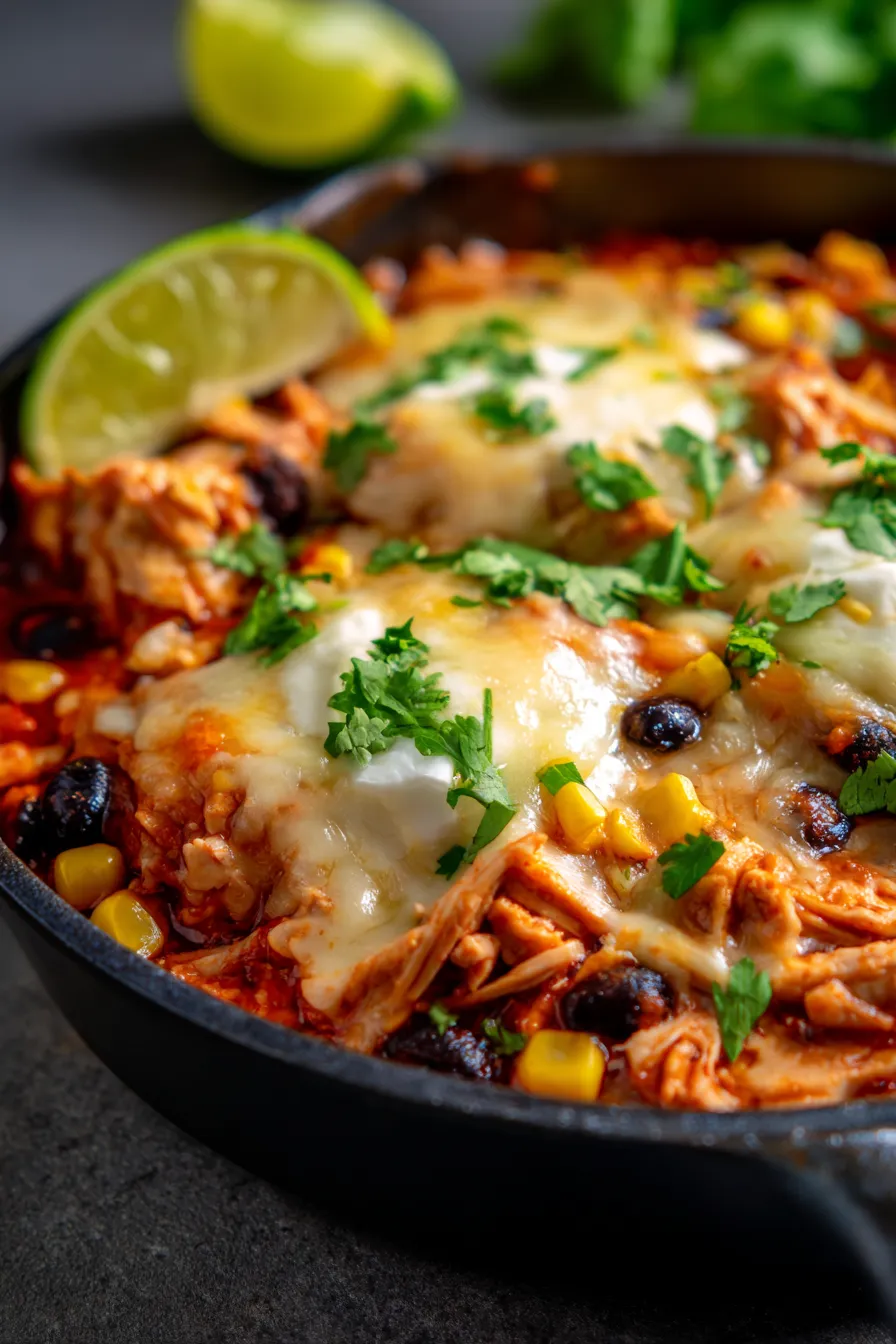
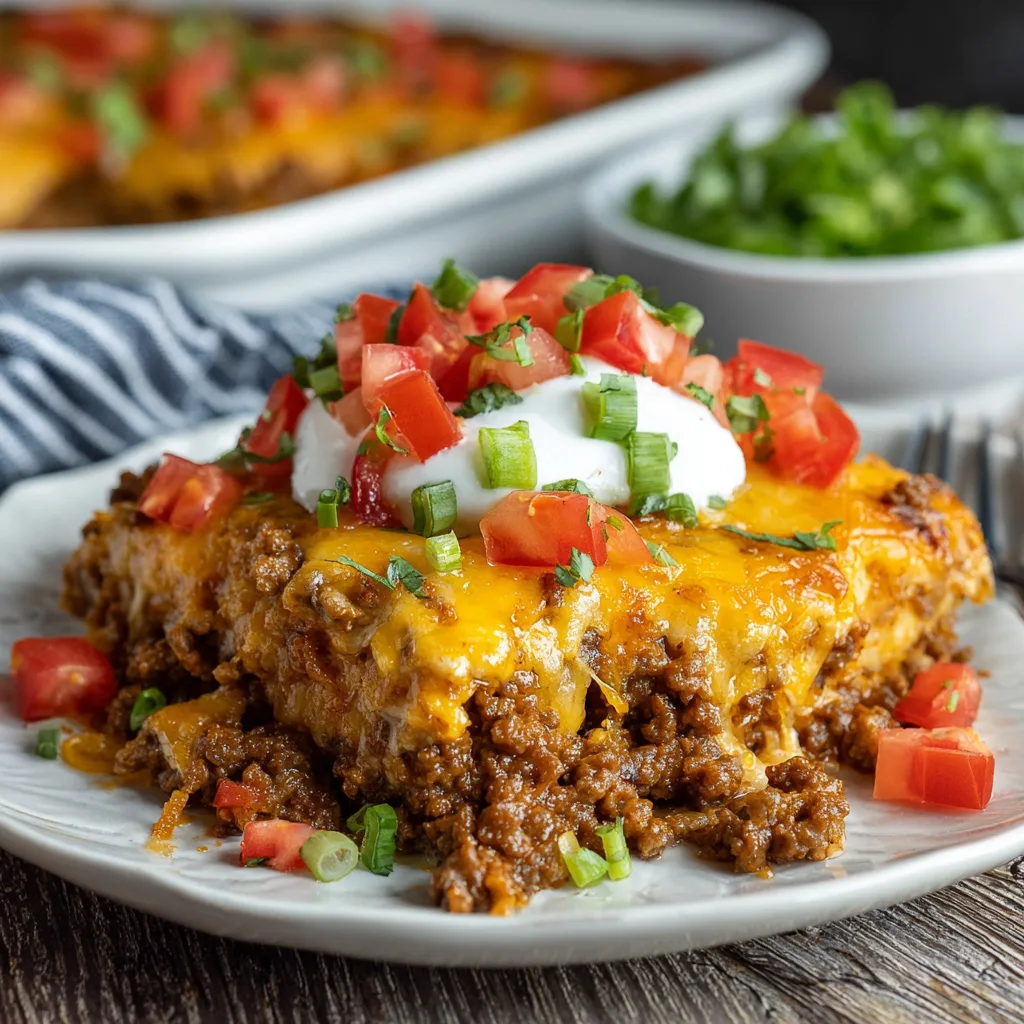
The Ultimate Cheesy Taco Casserole with Beef The Cheesy Taco Casserole with Beef is the quintessential weeknight dish—a hearty, deeply savory, and immensely satisfying comfort meal that brings all the beloved flavors of taco night into one easy-to-manage bake. It features perfectly seasoned ground beef, vibrant Tex-Mex spices, a creamy sauce, and layers of corn…
The Ultimate Cheesy Taco Casserole with Beef
The Cheesy Taco Casserole with Beef is the quintessential weeknight dish—a hearty, deeply savory, and immensely satisfying comfort meal that brings all the beloved flavors of taco night into one easy-to-manage bake. It features perfectly seasoned ground beef, vibrant Tex-Mex spices, a creamy sauce, and layers of corn or flour tortillas, all held together by a generous blanket of molten, bubbling cheese. This recipe is designed not only for maximum flavor and ease of preparation but also to be a versatile base that feeds a crowd and guarantees delicious leftovers, making it the perfect solution for busy families and casual entertaining.
Ingredients
For the Beef Filling
-
2 tablespoons olive oil
-
1 large yellow onion, diced
-
1 ½ pounds lean ground beef (90/10 recommended)
-
2 cloves garlic, minced
-
2 tablespoons taco seasoning (or 1 standard packet)
-
1 teaspoon chili powder
-
1 (15-ounce) can black beans, drained and rinsed
-
1 (10-ounce) can Rotel (diced tomatoes with green chiles), undrained, or 1 cup chunky salsa
-
1 cup frozen or canned corn, drained
-
½ cup beef or chicken broth
For the Casserole Base and Topping
-
8-10 corn or flour tortillas (6-inch size), sliced into strips or layered whole
-
3 cups shredded Mexican cheese blend (Colby Jack, Cheddar, and Monterey Jack)
-
½ cup sour cream (optional, for stirring into the beef mixture)
-
Cooking spray
Step-by-Step Instructions
-
Preheat and Prep: Preheat your oven to 375°F (190°C). Lightly grease a 9×13 inch casserole dish with cooking spray and set aside.
-
Sauté Aromatics: Heat the olive oil in a large skillet over medium-high heat. Add the diced onion and cook for 5–7 minutes until softened and translucent. Add the minced garlic and cook for 1 minute until fragrant.
-
Brown the Beef: Add the ground beef to the skillet. Cook, breaking up the meat with a spatula, until it is fully browned. Drain any excess grease thoroughly.
-
Season the Filling: Reduce the heat to medium. Stir in the taco seasoning and chili powder, cooking for about 1 minute until fragrant. Pour in the beef broth, black beans, Rotel (or salsa), and corn. Bring the mixture to a simmer and cook for 5 minutes, allowing the sauce to thicken slightly. If using, stir in the ½ cup of sour cream now for a creamier filling. Remove from heat.
-
Build the Casserole: Create the foundation by spreading a thin layer of the meat mixture across the bottom of the prepared baking dish. Arrange half of the tortilla strips (or whole tortillas, cut to fit) over the meat layer. Top the tortillas with half of the remaining meat mixture and then sprinkle with 1 cup of the shredded cheese. Repeat the layer sequence: the remaining tortillas, followed by the rest of the meat mixture.
-
Final Bake: Sprinkle the remaining 2 cups of shredded cheese evenly over the top of the casserole. Cover the dish tightly with aluminum foil.
-
Bake: Bake for 25 minutes covered. Remove the foil and bake for an additional 5–10 minutes, or until the cheese is deeply melted, golden, and the casserole is bubbling hot throughout.
-
Rest and Serve: Allow the casserole to rest for 5–10 minutes before slicing and serving. This resting time helps the layers set, making it easier to portion.
Customizing Your Casserole: Variations and Substitutions
The taco casserole format is incredibly forgiving and easily adaptable to dietary needs, pantry staples, and flavor preferences. This flexibility is key to its lasting popularity as a family dinner.
Protein and Base Swaps
-
Alternative Proteins: While ground beef is classic, you can easily substitute it with 1.5 pounds of ground turkey or chicken. For a plant-based version, use vegetarian ground crumble or lentils mixed with the taco seasoning. For a pre-cooked variation, shredded chicken breast is excellent and can be mixed directly into the sauce.
-
Different Bases: Instead of tortillas, you have several popular options:
-
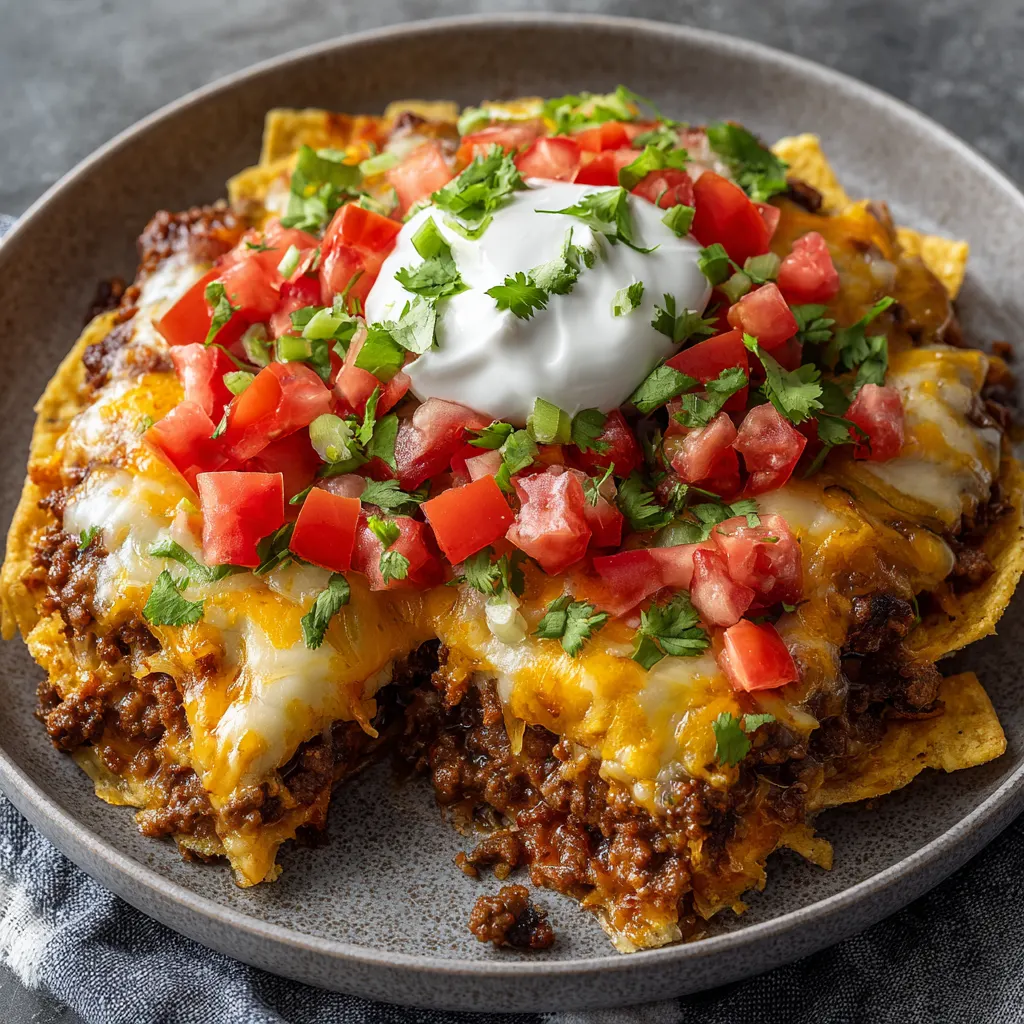
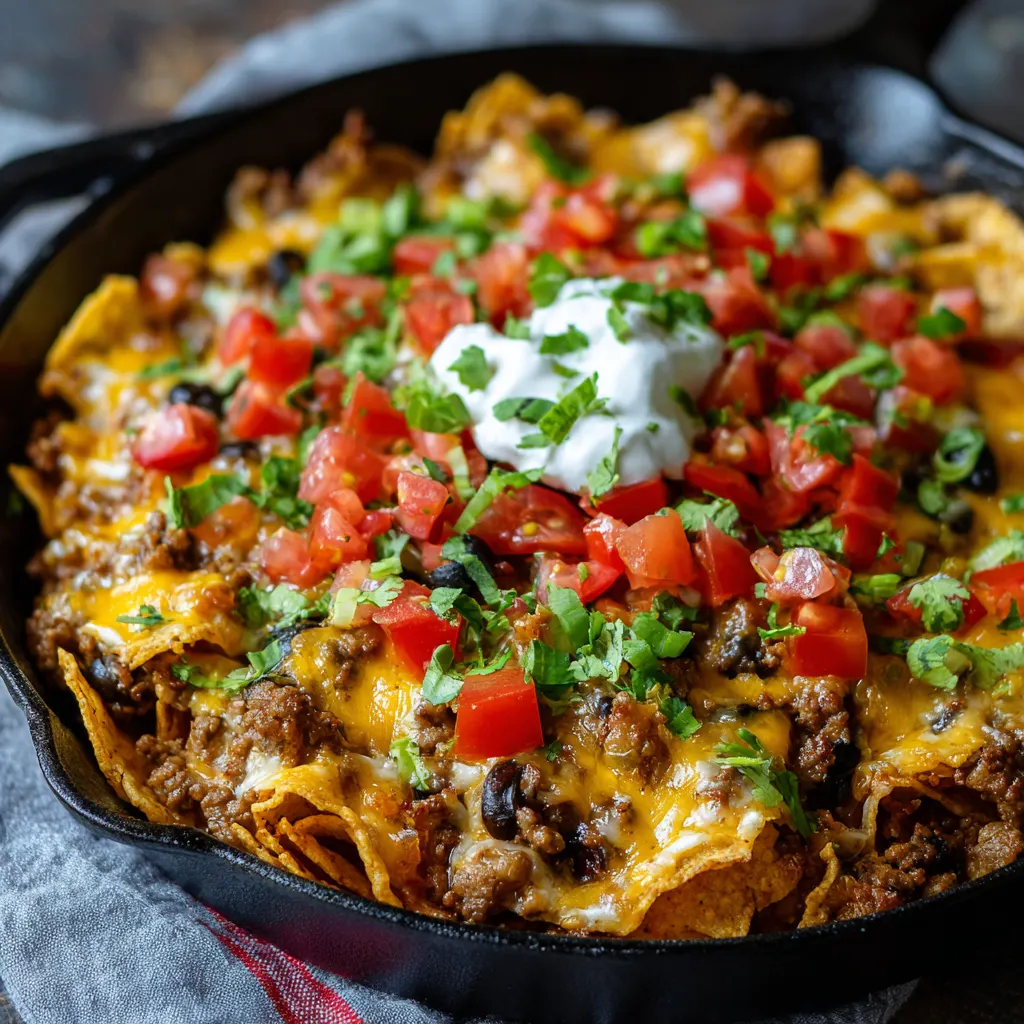
Crunchy Base: Use 3 cups of crushed tortilla chips, Tostitos, or Nacho Cheese Doritos, layered at the bottom and sprinkled over the top before the final cheese layer.
-
Rice Casserole: Swap the tortillas for 1 ½ cups of uncooked long-grain white rice. Increase the broth to 3 cups and stir the uncooked rice directly into the beef filling before baking. In this variation, the covered baking time will increase to 45–50 minutes to fully cook the rice.
-
Low-Carb Option: Skip the tortillas/chips/rice entirely and use a base of shredded cabbage, cauliflower rice, or even a layer of low-carb baked crackers.
-
Flavor and Vegetable Additions
-
Amping up Flavor: Incorporate additional aromatics by sautéing diced bell peppers (red, green, or yellow) alongside the onion and garlic. A 4-ounce can of chopped green chiles can be added for mild heat, or use a dash of hot sauce or a sprinkle of cayenne pepper for a spicier kick.
-
Creamier Filling: For a richer result, blend a can of cream of chicken soup or cream cheese (softened) into the cooked beef mixture, ensuring a dense, saucy filling that keeps the casserole moist.
-
Cheese Selection: Experiment with different cheese blends. Pepper Jack adds a spicy note, while sharp Cheddar provides a classic, tangy bite. Always shred your own cheese, as pre-shredded varieties contain anti-caking agents that can inhibit the perfect melt.
Perfect Pairings: Serving Suggestions and Toppings
A taco casserole is delicious on its own, but it truly shines when dressed up with a variety of fresh, cool toppings that contrast beautifully with the hot, rich filling.
Essential Toppings
The toppings are what transform this baked dish into a true Tex-Mex experience. Keep them fresh and cold to maximize the textural contrast.
-
Creamy & Cool: Sour cream, Greek yogurt, or a drizzle of plain Ranch dressing.
-
Fresh & Bright: Shredded iceberg or Romaine lettuce, diced fresh tomato, or pico de gallo.
-
Pungent & Savory: Sliced black olives, sliced jalapeños (fresh or pickled), and chopped green onions or chives.
-
Herbal Finish: A generous sprinkle of fresh cilantro.
Suggested Side Dishes
While the casserole is a complete meal, a few simple sides can round out the dinner and make it perfect for a potluck or large family gathering.
-
Simple Salad: A light green salad tossed with a cilantro-lime vinaigrette provides a necessary acidic counterpoint to the richness of the beef and cheese.
-
Refried Beans: A classic pairing that adds texture and fiber. Serve them warm alongside a portion of the casserole.
-
Fresh Guacamole or Avocado Slices: The healthy fat and creamy texture of avocado complements the spicy meat.
-
Extra Crunch: A basket of plain tortilla chips provides an optional dipping vehicle for those who want extra texture.
Pro Tips for Casserole Success
Achieving a perfect, non-soggy, and flavorful casserole requires attention to a few key details during the preparation phase.
Managing Moisture and Grease
-
Drain the Grease: If you are using ground beef that is not super lean (80/20 or higher fat content), you must drain off the rendered fat after browning. Excess grease will make the final dish oily and heavy.
-
Prevent a Soggy Base: When using tortillas, lightly frying them for 15-20 seconds per side in a little oil before layering can help them maintain their texture in the oven. If using crushed chips, consider adding them during the last 15 minutes of baking, or only on the top layer, to preserve their crunch.
-
Thicken the Sauce: Ensure the beef filling is not too watery. If your salsa or tomatoes are very liquidy, simmer the mixture, uncovered, for an extra few minutes until the sauce reduces slightly before layering it into the dish.
Optimizing Flavor
-
Bloom the Spices: When adding taco seasoning and chili powder, cook them with the meat for a minute before adding any liquids. This process, known as blooming, toasts the spices and intensifies their flavor, ensuring the final casserole has a deep, developed taste.
-
Homemade vs. Store-Bought: For the freshest flavor, consider using homemade taco seasoning and fresh salsa from the refrigerated section of the grocery store, as these often have a brighter, less processed taste than packaged varieties.
Make-Ahead, Storage, and Reheating
The Cheesy Taco Casserole is an ideal candidate for meal prepping, as it holds up exceptionally well both before and after baking.
Preparing Ahead of Time
You can assemble the entire casserole up to 24 hours in advance.
-
Prepare the Filling: Cook the beef filling completely, including the beans, corn, and sauce. Let it cool completely.
-
Assemble and Cover: Assemble the layers (tortillas, meat mixture, cheese) in the baking dish. Cover the dish tightly with plastic wrap and refrigerate.
-
Baking Time Adjustment: When ready to bake, remove the casserole from the refrigerator and let it sit on the counter for 30 minutes while the oven preheats. Add 10–15 minutes to the covered baking time to ensure the center is heated through.
Freezing and Storage
-
Storage: Store leftovers in an airtight container in the refrigerator for 3–4 days.
-
Freezing (Best Practice): Assemble the casserole as directed, but do not add the final cheese topping. Cover the dish tightly with two layers of aluminum foil. Label and freeze for up to 3 months.
-
To Reheat from Frozen: Thaw the casserole overnight in the refrigerator. Remove the foil, sprinkle with the cheese topping, and bake at 375°F (190°C) for 40–50 minutes, or until bubbling hot.
-
Reheating Leftovers
To prevent drying out, individual slices are best reheated in a microwave or a conventional oven.
-
Oven: Place a slice in an oven-safe dish, cover loosely with foil, and bake at 350°F (175°C) for 15–20 minutes, or until warmed through.
-
Microwave: Reheat individual portions on medium power for 2–3 minutes. Adding a teaspoon of broth or a pat of sour cream on top before heating can help maintain moisture