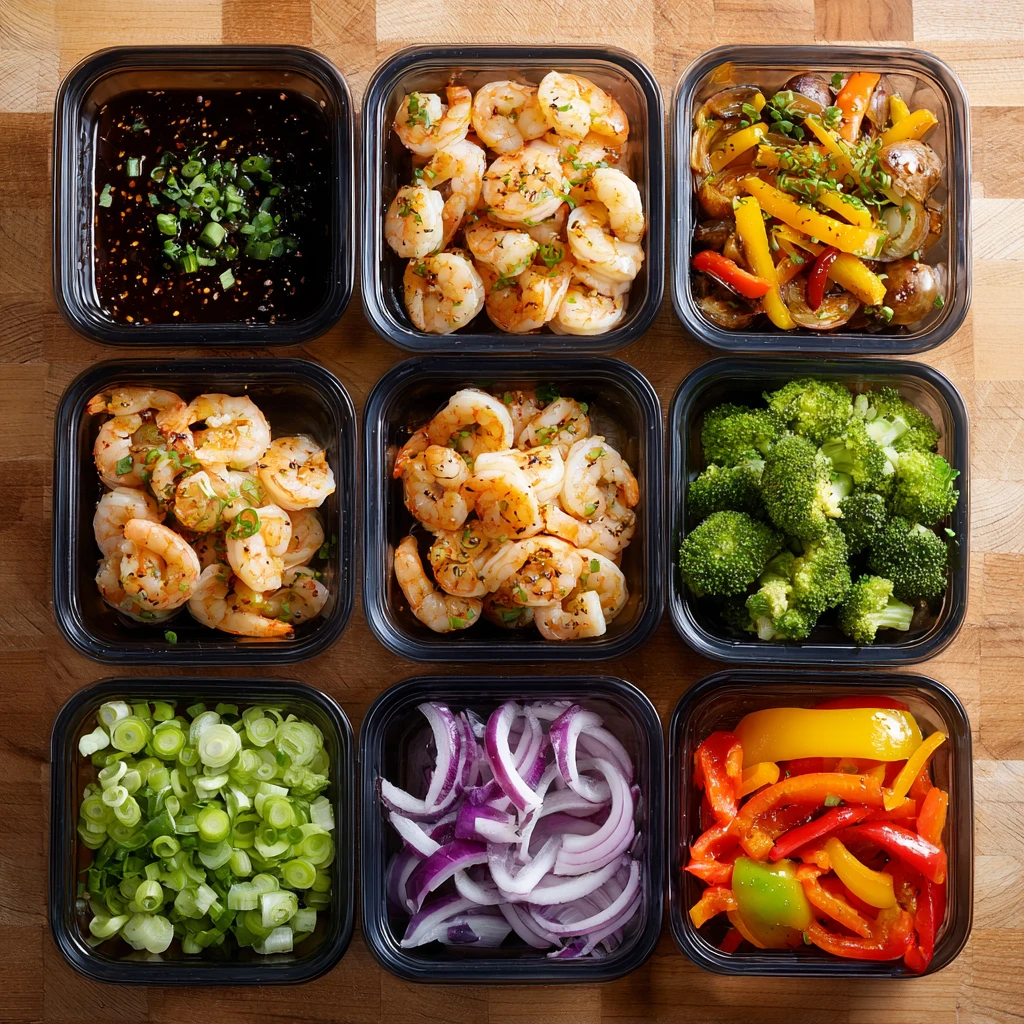
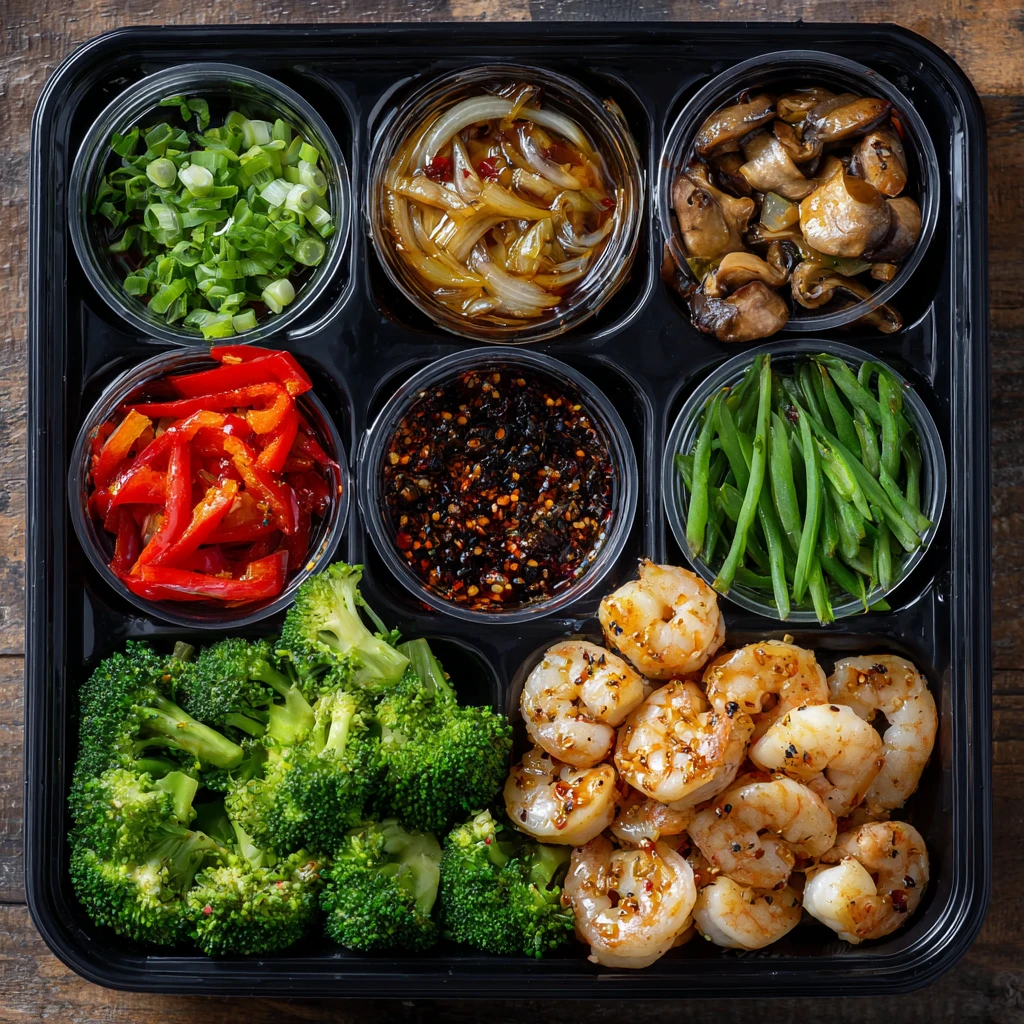
Shrimp and Veggie Stir-Fry Meal Prep Ingredients 1.5 lbs large shrimp, peeled and deveined 2 tbsp soy sauce or tamari (for shrimp marinade) 1 tbsp sesame oil (for shrimp marinade) 1 tbsp olive oil or avocado oil (for cooking) 1 head broccoli, cut into florets 2 bell peppers (any color), sliced 1 cup snap peas…
Shrimp and Veggie Stir-Fry Meal Prep
Ingredients
- 1.5 lbs large shrimp, peeled and deveined
- 2 tbsp soy sauce or tamari (for shrimp marinade)
- 1 tbsp sesame oil (for shrimp marinade)
- 1 tbsp olive oil or avocado oil (for cooking)
- 1 head broccoli, cut into florets
- 2 bell peppers (any color), sliced
- 1 cup snap peas
- 1 cup sliced carrots
- 8 oz mushrooms, sliced
- Optional: 1 cup baby corn, 1 cup water chestnuts
- 2 cloves garlic, minced
- 1 inch ginger, grated
For the Stir-Fry Sauce:
- 1/2 cup low-sodium soy sauce or tamari
- 1/4 cup chicken or vegetable broth
- 2 tbsp rice vinegar
- 1 tbsp honey or maple syrup
- 1 tbsp sesame oil
- 1 tsp cornstarch or arrowroot powder
- Pinch of red pepper flakes (optional, for heat)
For Serving & Garnish (Optional):
- Cooked brown rice, quinoa, or cauliflower rice
- Sesame seeds
- Chopped green onions
Step-by-Step Instructions
1. Prep Shrimp: In a medium bowl, combine the peeled and deveined shrimp with 2 tbsp soy sauce and 1 tbsp sesame oil. Toss to coat and set aside while you prepare the vegetables.
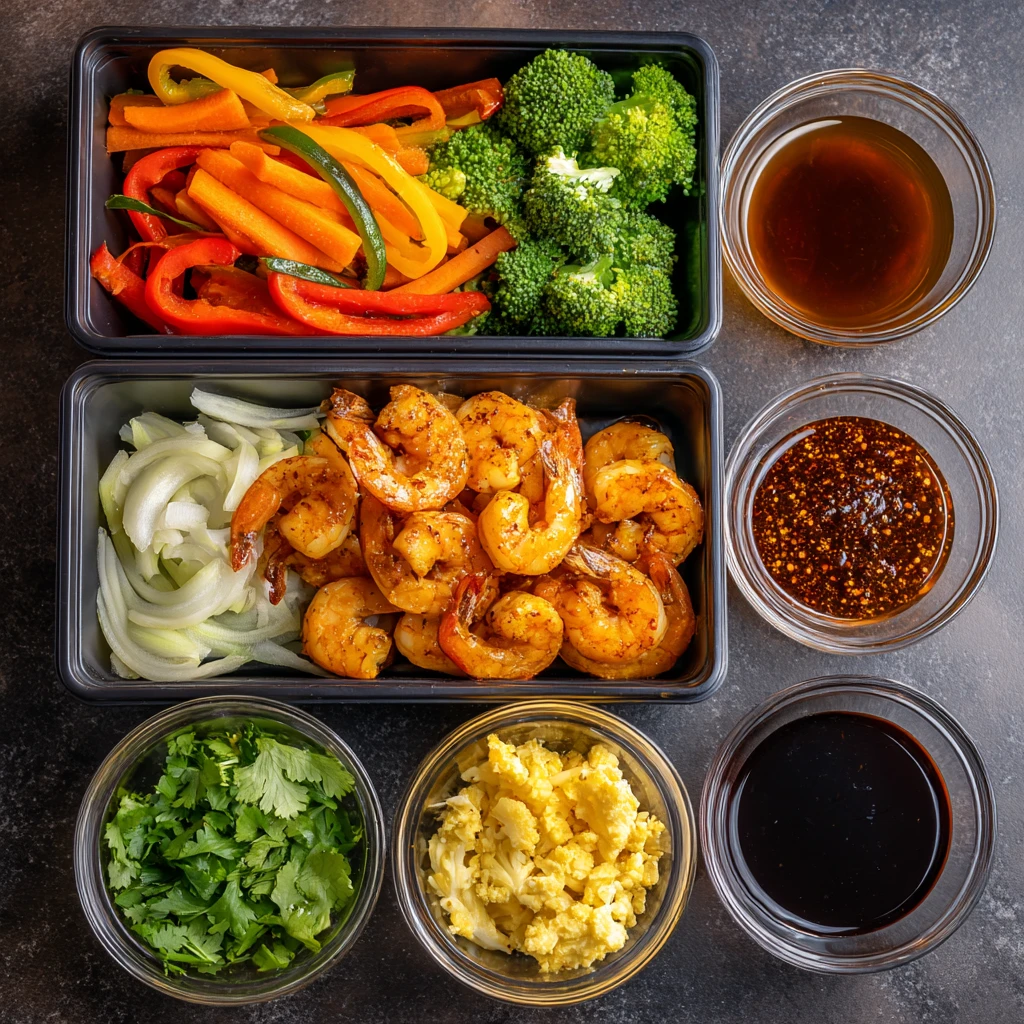
2. Chop Vegetables: Wash and chop all your chosen vegetables according to the ingredient list. Aim for uniform sizes for even cooking. Mince garlic and grate ginger.
3. Prepare Sauce: In a small bowl, whisk together all stir-fry sauce ingredients: soy sauce, broth, rice vinegar, honey, sesame oil, and cornstarch. Ensure the cornstarch is fully dissolved.
4. Cook Shrimp: Heat 1 tbsp olive or avocado oil in a large skillet or wok over medium-high heat. Add the marinated shrimp in a single layer. Cook for 1-2 minutes per side, until pink and opaque. Do not overcook. Remove shrimp from the skillet and set aside.
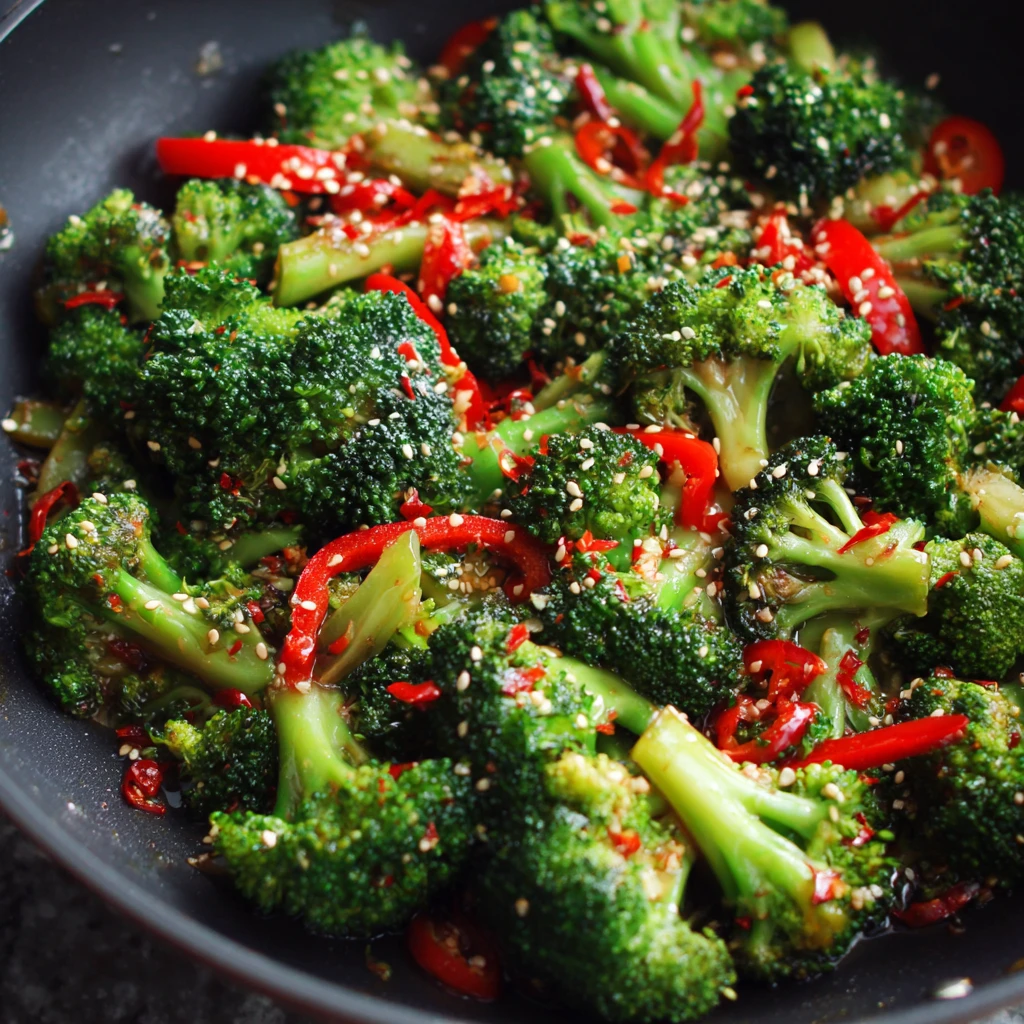
5. Stir-fry Veggies: Add garlic and ginger to the same skillet. Sauté for 30 seconds until fragrant. Add the harder vegetables first (broccoli, carrots), stir-frying for 3-4 minutes until slightly tender-crisp.
6. Add Softer Veggies: Incorporate the bell peppers, snap peas, and mushrooms. Stir-fry for another 2-3 minutes until they reach your desired tenderness.
7. Combine & Sauce: Return the cooked shrimp to the skillet with the vegetables. Give the prepared stir-fry sauce a quick whisk again, then pour it over the shrimp and vegetables. Toss everything together, allowing the sauce to thicken as it heats, about 1-2 minutes.
8. Portion & Store: Remove from heat immediately. Divide the stir-fry mixture into individual airtight meal prep containers. If desired, add a portion of cooked brown rice, quinoa, or cauliflower rice to each container.
9. Cool & Refrigerate: Allow the containers to cool completely before sealing and refrigerating. This helps prevent condensation and maintains freshness.
The Ultimate Solution for Healthy Weeknight Meals
Meal prepping has transformed the way many approach their weekly nutrition. It’s about taking control of your food choices and saving precious time. This shrimp and veggie stir-fry recipe is a prime example of efficient meal planning.
It offers a fantastic balance of lean protein, vibrant vegetables, and delicious flavors. You can easily whip up several portions in one go. This ensures you have healthy, homemade meals ready throughout your busy week.
Why Choose Shrimp and Veggie Stir-Fry?
Shrimp and veggie stir-fry stands out for its incredible versatility and speed. Shrimp cooks very quickly, making it an ideal protein for fast meal prep. It’s also low in calories and high in protein, supporting muscle maintenance and satiety.
Paired with a medley of colorful vegetables, it delivers a powerful punch of vitamins, minerals, and fiber. This combination supports overall health and provides sustained energy. It’s a complete meal that feels light yet satisfying.
Embracing the Meal Prep Lifestyle
Embracing meal prep means saying goodbye to last-minute unhealthy choices and expensive takeout. Preparing meals in advance significantly reduces daily cooking stress. It frees up your evenings for other activities.
This practice also promotes portion control, which is excellent for managing weight and maintaining a balanced diet. You’ll save money by cooking at home and minimize food waste. Start your meal prep journey with this easy stir-fry.
Mastering the Art of Stir-Fry Sauce
The sauce is the soul of any good stir-fry, bringing all the flavors together. A homemade stir-fry sauce allows for complete control over ingredients and taste. You can adjust sweetness, saltiness, and spiciness to your preference.
Store-bought sauces often contain high levels of sodium, sugar, and preservatives. Crafting your own ensures a healthier and more flavorful result. It’s a simple step that elevates your meal prep game significantly.
Crafting Your Signature Flavor Profile
A perfect stir-fry sauce balances sweet, savory, and tangy elements. Soy sauce provides umami and saltiness, while rice vinegar adds a touch of acidity. Honey or maple syrup introduces a hint of sweetness. Experiment with these ratios to create a sauce that truly speaks to your palate.
For an extra kick, consider adding a dash of sriracha or red pepper flakes. Fresh ginger and garlic are non-negotiable for their aromatic depth. Don’t be afraid to customize and make it your own.
Essential Ingredients for a Perfect Sauce
The foundation of a great stir-fry sauce includes a good quality soy sauce (or tamari for gluten-free). Chicken or vegetable broth adds a lighter body than just soy sauce. Rice vinegar provides a crucial tang. A touch of sesame oil imparts a distinct nutty flavor.
Cornstarch or arrowroot powder is vital for thickening the sauce. It creates that desirable glossy coating on your ingredients. Whisk it in thoroughly to avoid lumps, ensuring a smooth, restaurant-quality finish.
Selecting and Prepping Your Produce & Protein
The quality and freshness of your ingredients directly impact the final taste and texture of your stir-fry. Taking a little extra time to properly select and prepare your produce and protein will pay dividends. This ensures each bite is delicious and enjoyable.
Careful preparation also makes the cooking process much smoother and faster. Everything should be ready to go into the pan once cooking begins. This “mise en place” approach is key to successful stir-frying.
A Rainbow of Veggies: Nutrient-Packed Choices
Opt for a diverse range of colorful vegetables for maximum nutrients and visual appeal. Broccoli florets, sliced bell peppers, crisp snap peas, and thinly sliced carrots are excellent choices. Mushrooms add an earthy depth.
Consider adding bok choy for a leafy green element or water chestnuts for crunch. Seasonal vegetables are often at their peak flavor and most cost-effective. Don’t hesitate to mix and match based on what’s available and what you enjoy.
Perfecting Your Shrimp Preparation
When it comes to shrimp, fresh is often best, but high-quality frozen shrimp works wonderfully for meal prep. Thaw frozen shrimp completely in the refrigerator or under cold running water. Always choose peeled and deveined shrimp to save time.
Patting the shrimp thoroughly dry with paper towels before cooking is crucial. This step promotes a better sear and prevents the shrimp from steaming in the pan. Well-seared shrimp means more flavor and a more pleasant texture.
Smart Storage & Reheating for Optimal Freshness
Proper storage is paramount to keeping your meal prep fresh and safe to eat throughout the week. Allowing meals to cool correctly before refrigerating is a critical step often overlooked. This prevents bacterial growth and helps maintain the quality of your food.
Reheating methods can also significantly impact the enjoyment of your prepped meals. The goal is to warm the food thoroughly without overcooking the delicate shrimp or making the vegetables soggy. A little care goes a long way.
Ideal Meal Prep Containers for Success
Invest in high-quality, airtight meal prep containers. Glass containers are an excellent choice as they are microwave-safe, oven-safe, and do not stain or retain odors. They are also environmentally friendly and durable.
Ensure your containers are leak-proof, especially if you’re transporting your meals. Divided containers can be useful if you prefer to keep your stir-fry separate from a side of rice or noodles. Always label and date your containers for best practice.
Reheating Tips for a Delicious Experience
For best results, reheat your shrimp and veggie stir-fry gently. The microwave is convenient: heat on medium power, stirring halfway through, until warmed through. Avoid high power settings to prevent overcooking the shrimp.
Alternatively, you can reheat the stir-fry in a skillet on the stovetop over medium heat. Add a splash of water or broth to create some steam and prevent drying. This method often yields a fresher texture, especially for the vegetables.
Creative Variations and Serving Suggestions
One of the greatest advantages of stir-fry is its adaptability. This base recipe provides a fantastic canvas for countless variations. Don’t be afraid to experiment with different proteins, vegetables, and flavor profiles.
Consider global influences to add exciting twists to your weekly meal prep routine. From a spicy Thai-inspired version to a nutty Korean-style stir-fry, the possibilities are endless. Keep things exciting and prevent flavor fatigue.
Spice It Up: Flavor Boosts & Add-Ins
To introduce more heat, increase the red pepper flakes in the sauce or drizzle sriracha over your finished dish. A squeeze of fresh lime juice just before serving brightens all the flavors. Toasted cashews or peanuts add a wonderful crunch and nutty richness.
Fresh herbs like cilantro or basil can also provide a fragrant boost. For an extra layer of savory depth, consider a touch of oyster sauce (if not strictly vegetarian) or hoisin sauce in your stir-fry liquid.
Beyond Rice: Diverse Serving Options
While brown rice or quinoa are classic pairings, there are many other delicious ways to serve your shrimp and veggie stir-fry. Try it over whole wheat noodles or egg noodles for a heartier meal. Cauliflower rice is an excellent low-carb alternative.
For a super light option, serve your stir-fry in large lettuce cups for crunchy lettuce wraps. You can also enjoy it simply on its own, especially if you’ve loaded it with plenty of vegetables.
FAQ
Q: How long does shrimp stir-fry meal prep last in the fridge?
A: When stored in airtight containers, shrimp and veggie stir-fry typically lasts for 3-4 days in the refrigerator.
Q: Can I use frozen vegetables instead of fresh?
A: Yes, frozen mixed vegetables work great for stir-fries. Just add them directly to the pan, they may release a bit more water but will still taste delicious.
Q: What if I don’t like shrimp? Can I use a different protein?
A: Absolutely! Chicken breast or thighs, beef strips, or tofu are excellent substitutes. Adjust cooking times accordingly for your chosen protein.
Q: How do I prevent the stir-fry from getting soggy when meal prepping?
A: Cook vegetables until tender-crisp, not soft. Allow the stir-fry to cool completely before portioning and sealing containers. Reheat gently to avoid overcooking.
Q: Can I prepare the stir-fry sauce in advance?
A: Yes, you can prepare the sauce up to a week in advance and store it in an airtight jar in the refrigerator. Just give it a good shake or whisk before using.