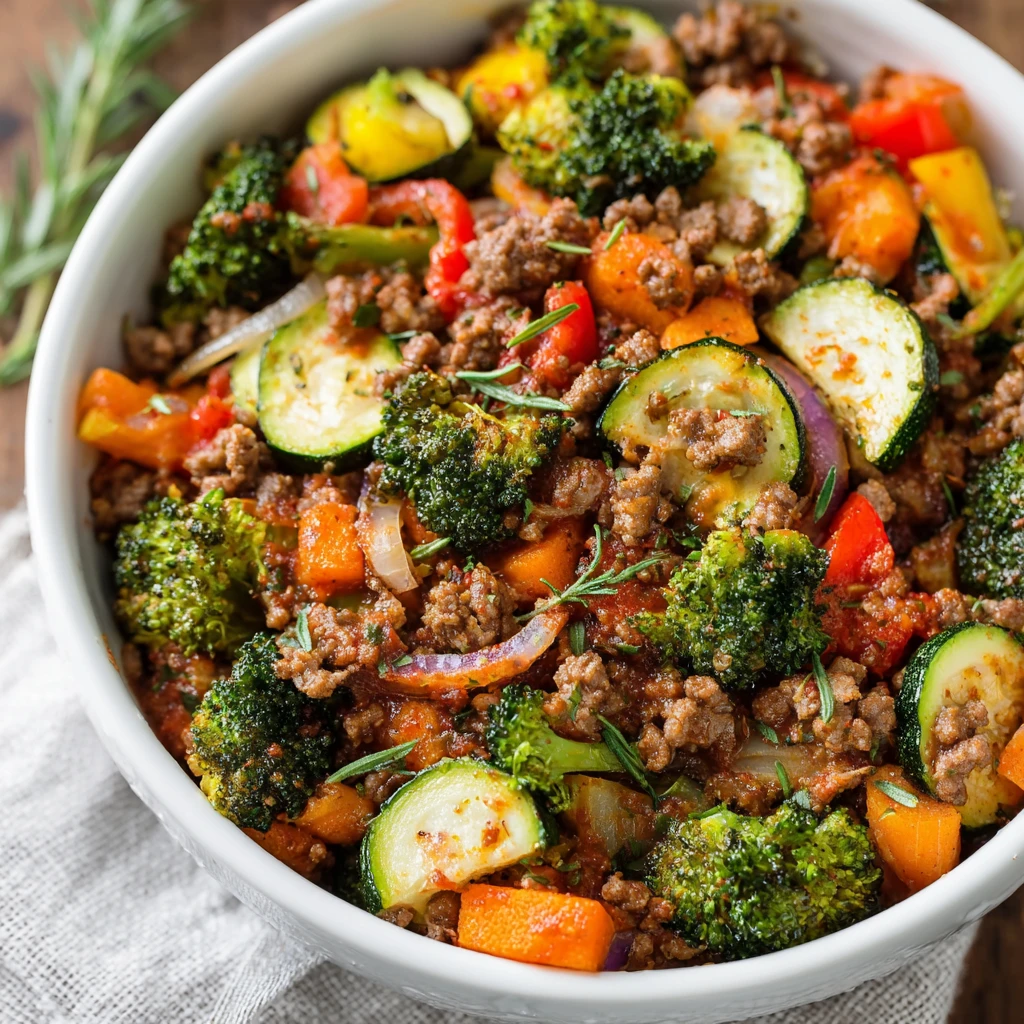
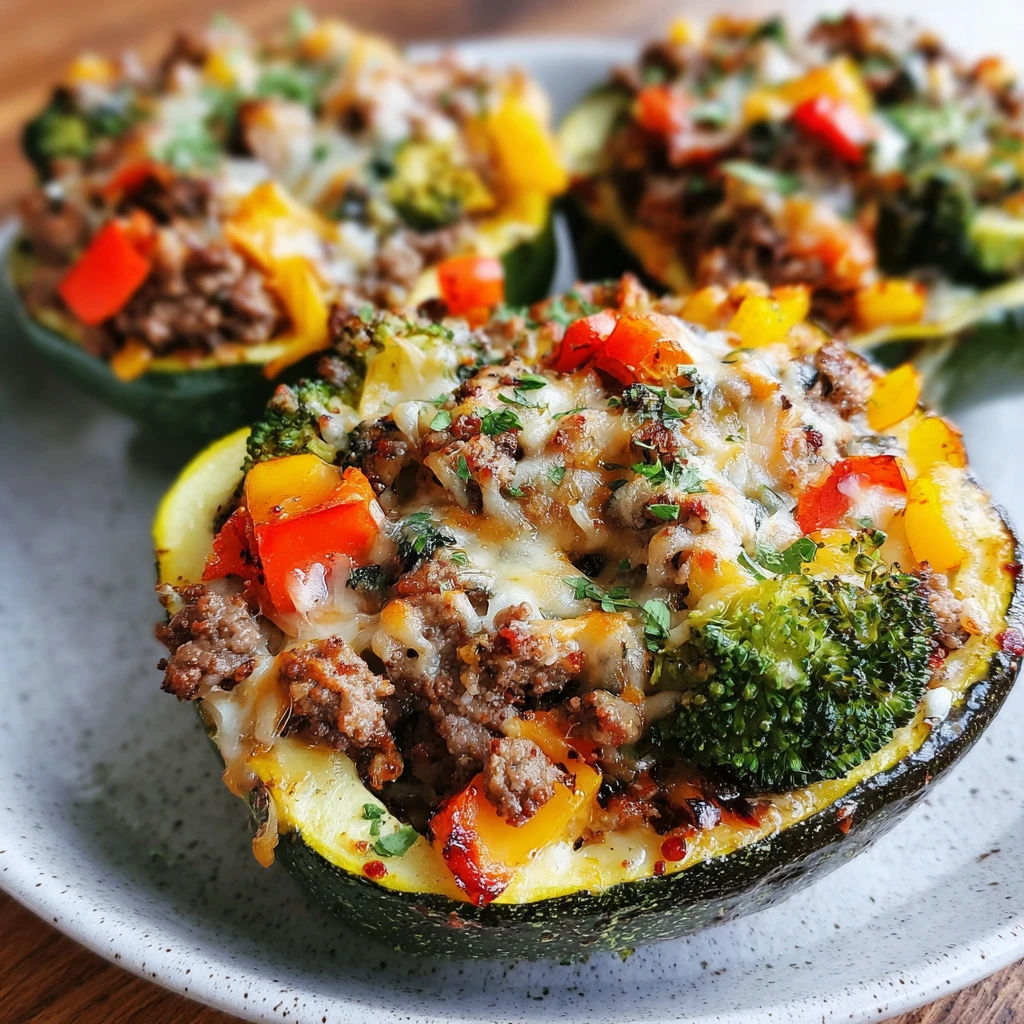
Ground Beef and Veggie Meal Prep Ingredients 1.5 lbs lean ground beef (90/10 or 93/7) 2 tablespoons olive oil, divided 1 large onion, chopped 2 cloves garlic, minced 2 bell peppers (any color), chopped 2 cups broccoli florets, fresh or frozen 1 cup chopped carrots 1 cup chopped zucchini or yellow squash 1 teaspoon dried…
Ground Beef and Veggie Meal Prep
Ingredients
- 1.5 lbs lean ground beef (90/10 or 93/7)
- 2 tablespoons olive oil, divided
- 1 large onion, chopped
- 2 cloves garlic, minced
- 2 bell peppers (any color), chopped
- 2 cups broccoli florets, fresh or frozen
- 1 cup chopped carrots
- 1 cup chopped zucchini or yellow squash
- 1 teaspoon dried oregano
- 1 teaspoon garlic powder
- 1 teaspoon onion powder
- 1/2 teaspoon paprika
- Salt and freshly ground black pepper to taste
- Optional: 1/2 cup low-sodium beef broth or water
- Optional: Cooked rice, quinoa, or cauliflower rice for serving
Step-by-Step
1. Heat 1 tablespoon of olive oil in a large skillet or Dutch oven over medium-high heat. Add the chopped onion and cook until softened, about 3-5 minutes.
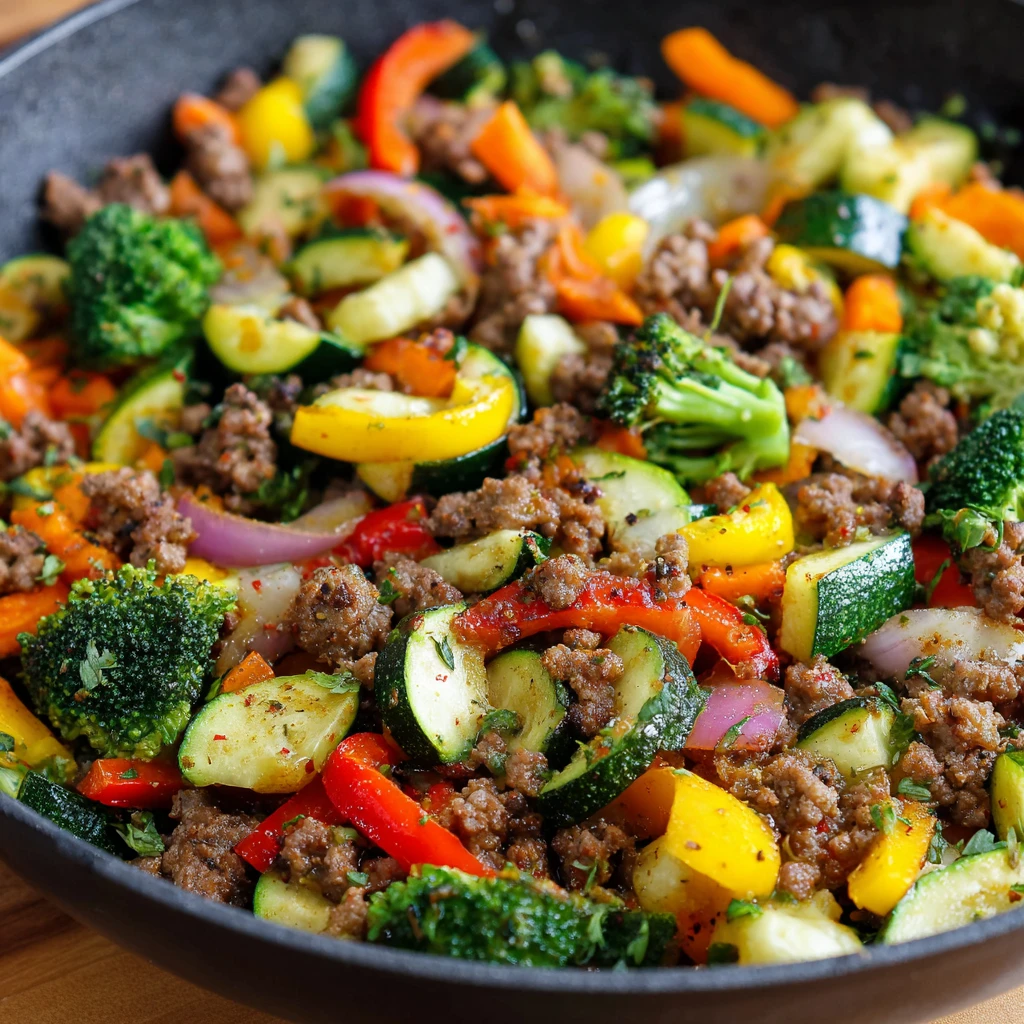
2. Add the minced garlic and cook for another minute until fragrant. Transfer the onion and garlic to a separate bowl and set aside.
3. Add the ground beef to the same skillet, breaking it up with a spoon. Cook until thoroughly browned, about 8-10 minutes. Drain any excess fat.
4. Season the cooked beef with oregano, garlic powder, onion powder, paprika, salt, and pepper. Stir well to coat.
5. Return the cooked onion and garlic to the skillet with the beef. Add the remaining 1 tablespoon of olive oil if needed.
6. Stir in the chopped bell peppers, broccoli florets, carrots, and zucchini. Cook for 7-10 minutes, stirring occasionally, until vegetables are tender-crisp.
7. If desired, pour in the beef broth or water to deglaze the pan and create a light sauce. Simmer for a few minutes until slightly reduced.
8. Taste and adjust seasonings as needed.
9. Remove from heat and allow the mixture to cool slightly before portioning. Divide into individual meal prep containers.
10. If serving with a grain, add a portion of cooked rice, quinoa, or cauliflower rice to each container alongside the beef and veggie mixture.
The Power of Meal Prep: Why Ground Beef & Veggies?
Embracing meal prep can revolutionize your approach to healthy eating. It removes the daily guesswork and stress of deciding what to cook. A well-stocked fridge with ready-to-eat meals simplifies your week considerably.
This strategy is particularly effective for busy individuals and families. Preparing meals in advance frees up precious time during hectic weekdays. You gain control over your nutrition and schedule.
Time-Saving Efficiency
Meal prepping ground beef and veggies means cooking once for several days. This consolidated cooking effort significantly reduces kitchen time during the week. You avoid the daily grind of chopping, cooking, and cleaning.
Imagine coming home after a long day to a delicious, homemade meal. It’s already waiting for you, requiring only a quick reheat. This convenience is a major advantage.
Nutritional Benefits
When you prepare your own meals, you control the ingredients. This allows for healthier choices, such as lean ground beef and a bounty of nutrient-rich vegetables. You can easily manage portion sizes.
This control helps avoid hidden sugars, excessive sodium, and unhealthy fats often found in takeout. It supports balanced nutrition and aids in achieving dietary goals, whether for weight management or general wellness.
Budget-Friendly Eating
Cooking at home is almost always more economical than eating out or ordering delivery. Meal prepping takes this a step further by encouraging bulk purchasing. Buying ingredients in larger quantities often comes with cost savings.
Reducing impulsive takeout purchases significantly lowers your food budget. It also minimizes food waste, as you plan exactly what you’ll use. This smart financial choice benefits your wallet.
Stress Reduction
The mental load of daily meal planning and cooking can be overwhelming. Meal prep eliminates this decision fatigue. Knowing your meals are ready provides a sense of calm and organization.
It reduces the likelihood of resorting to unhealthy, last-minute options driven by hunger and lack of time. This proactive approach supports a more relaxed and mindful eating experience. It fosters peace of mind.
Crafting Your Perfect Combo: Ingredients & Customization
The beauty of ground beef and veggie meal prep lies in its versatility. You can easily adapt the base recipe to suit your taste, dietary needs, and what’s available in your fridge. This flexibility keeps meals exciting.
Experimenting with different ingredients is encouraged. It prevents flavor fatigue and introduces new nutritional profiles. Let your creativity guide your choices for a personalized meal prep experience.
Choosing Your Ground Beef
Opt for lean ground beef (90/10 or 93/7) to minimize saturated fat content. This keeps your meals healthier without sacrificing flavor. Grass-fed options offer additional nutritional benefits.
Alternatively, you can substitute ground turkey or chicken for a leaner protein source. Plant-based ground crumbles are also excellent for a vegetarian or vegan version. Adapt to your dietary preferences.
A Rainbow of Vegetables
The more colorful your plate, the more diverse your nutrient intake. Don’t limit yourself to just a few types of vegetables. Broccoli, bell peppers, carrots, and zucchini are great starting points.
Consider adding spinach, kale, mushrooms, green beans, or asparagus. Frozen vegetables are a convenient and equally nutritious option, often requiring less prep time. Mix and match for variety.
Flavor Boosters & Seasonings
Beyond salt and pepper, a good seasoning blend elevates your meal. Italian herbs, chili powder, cumin, or a touch of smoked paprika can transform the flavor profile. Fresh herbs like parsley or cilantro add brightness.
For an extra kick, a dash of hot sauce, sriracha, or red pepper flakes can be included. A squeeze of fresh lime or lemon juice post-reheat adds a zesty finish. Don’t be afraid to experiment with spices.
Smart Carb Additions
While the beef and veggies are the stars, pairing them with a healthy carbohydrate creates a complete meal. Cooked brown rice, quinoa, or farro are excellent choices for sustained energy. Sweet potatoes or regular potatoes can be roasted.
For lower-carb options, cauliflower rice, spiralized zucchini noodles, or steamed green beans work wonderfully. These additions add bulk and satiety without excess carbohydrates. Choose based on your dietary goals.
Mastering the Prep: Techniques for Success
Efficient cooking techniques are key to successful meal prep. Streamlining your process saves time and makes the entire endeavor more enjoyable. A few smart strategies can make a big difference.
Consider the tools you have available and how you can best utilize them. Investing in quality kitchen essentials can also enhance your prep experience. Planning your workflow is crucial.
One-Pan Wonders
Sheet pan meals are a meal prep dream for their simplicity and minimal cleanup. Toss ground beef and chopped vegetables with oil and seasonings on a baking sheet. Roast until cooked through.
This method allows flavors to meld beautifully and requires very little active cooking time. It’s perfect for hands-off preparation. The oven does most of the work for you.
Skillet Sauté Method
A large skillet or wok is perfect for quickly browning ground beef and sautéing vegetables. This method provides excellent control over cooking times for each component. It’s ideal for tender-crisp veggies.
Ensure your skillet is large enough to avoid overcrowding, which can steam rather than sear vegetables. Cook in batches if necessary. This method yields a delicious, cohesive mixture.
Batch Cooking Best Practices
When cooking for meal prep, think big. Double or triple your recipe to yield enough portions for several days. This maximizes the efficiency of your cooking session.
Use large pots, pans, and baking sheets to accommodate bigger quantities. Once cooked, allow food to cool slightly before portioning to prevent condensation in containers. This maintains freshness.
Efficient Chopping & Prep
“Mise en place” — having all your ingredients prepped before you start cooking — is vital for smooth meal prep. Chop all vegetables in advance. Measure out seasonings.
A food processor can save significant time with chopping larger quantities of vegetables. Keep your workspace organized and clean as you go. This systematic approach reduces stress.
Storing, Reheating, and Savoring Safely
Proper storage and reheating are paramount for both food safety and maintaining the quality of your meal prep. An organized system ensures your efforts last. Knowing how to handle leftovers is crucial.
Paying attention to details like container choice and temperature control prevents spoilage. It also guarantees a delicious experience every time you reach for a prepped meal. Prioritize food safety.
Proper Storage Containers
Invest in airtight, leak-proof meal prep containers, preferably glass. Glass containers are microwave-safe, oven-safe (without lids), and don’t absorb food odors or stains. They are also more environmentally friendly.
Ensure containers are BPA-free if opting for plastic. Label containers with the date and meal name to keep track of freshness. Stackable designs save fridge space.
Refrigeration & Freezing Guidelines
Properly stored ground beef and veggie meals can last in the refrigerator for 3-4 days. Always cool food completely before placing it in the fridge to prevent bacterial growth and energy waste. Divide into individual portions before cooling.
For longer storage, freeze meals in freezer-safe containers for up to 2-3 months. Thaw overnight in the refrigerator before reheating. This extends the life of your meal prep.
Reheating for Optimal Taste
Reheat your meals gently to prevent overcooking the vegetables or drying out the beef. The microwave is convenient, but you can also use a stovetop or oven. Add a splash of broth or water to prevent dryness.
Microwave on medium power, stirring halfway through, until heated through. On the stovetop, heat in a skillet over medium-low heat with a lid. This preserves texture and flavor.
Food Safety Fundamentals
Always wash your hands thoroughly before and after handling raw meat and fresh produce. Use separate cutting boards for meat and vegetables to prevent cross-contamination. Cook ground beef to an internal temperature of 160°F (71°C).
Refrigerate cooked food within two hours. Never leave perishable food at room temperature for extended periods. Adhering to these simple rules ensures your meals are safe to eat.
Sustaining Your Meal Prep Journey: Tips for Longevity
Making meal prep a consistent habit requires more than just a good recipe; it demands a sustainable approach. Integrating it into your lifestyle ensures long-term success. Small adjustments can make a big difference.
It’s about finding what works best for you and adapting as your needs change. Focus on gradual improvements rather than immediate perfection. Enjoy the process of creating healthy habits.
Embrace Variety
The biggest challenge with meal prep can be boredom. Combat this by rotating different vegetables, spices, and cooking methods. Don’t be afraid to experiment with international flavor profiles.
Try a Mexican-inspired bowl one week, an Italian-seasoned skillet the next. Introduce different carb sources and toppings. This keeps your meals exciting and prevents burnout.
Stick to a Schedule
Designate a specific day and time each week for your meal prep. For many, Sunday afternoons work best. Treating it as a non-negotiable appointment increases consistency.
Having a set schedule helps integrate meal prep seamlessly into your routine. Over time, it will become a natural and anticipated part of your week. Planning ahead is key.
Involve the Family
If you have a family, get them involved in the meal prep process. Kids can help wash vegetables or stir ingredients. This not only lightens your load but also teaches them valuable cooking skills.
Involving family members can also increase their willingness to eat the prepped meals. It fosters a sense of teamwork and shared responsibility. Make it a fun activity.
Track Your Progress
Keep a simple journal or use a notes app to track your favorite recipes, cooking times, and ingredient combinations. Note what worked well and what could be improved. This helps refine your process.
Tracking your food expenses can also be motivating. Seeing the savings accumulate reinforces the financial benefits of meal prepping. Celebrate your successes, big or small.
Frequently Asked Questions (FAQ)
How long does ground beef and veggie meal prep last in the fridge?
Properly stored in airtight containers, ground beef and veggie meal prep typically lasts for 3-4 days in the refrigerator. Always cool thoroughly before refrigerating.
Can I freeze ground beef and veggie meals?
Yes, these meals freeze well. Store in freezer-safe containers for up to 2-3 months. Thaw overnight in the refrigerator before reheating for best results.
What are some common substitutions for ground beef?
You can easily substitute lean ground turkey, ground chicken, or plant-based ground crumbles for the ground beef. Lentils or black beans are also great vegetarian options.
How can I prevent my veggies from getting soggy during meal prep?
Cook vegetables to a tender-crisp stage rather than overly soft. Allow the meal to cool completely before portioning and sealing containers. Avoid adding watery ingredients until serving.
Is ground beef and veggie meal prep suitable for weight loss?
Absolutely. By controlling ingredients, portion sizes, and focusing on lean protein and abundant vegetables, this meal prep strategy is excellent for managing calories and supporting weight loss goals.
Ground Beef and Veggie Meal Prep