Easy Baked Chicken Breast: A Guide to Juicy, Flavorful Perfection Baked chicken breast is a weeknight dinner staple for a reason: it’s healthy, versatile, and relatively simple. However, achieving that perfectly cooked, juicy, and flavorful chicken breast can sometimes feel like a culinary challenge. This guide will equip you with the knowledge and techniques to…
Easy Baked Chicken Breast: A Guide to Juicy, Flavorful Perfection
Baked chicken breast is a weeknight dinner staple for a reason: it’s healthy, versatile, and relatively simple. However, achieving that perfectly cooked, juicy, and flavorful chicken breast can sometimes feel like a culinary challenge. This guide will equip you with the knowledge and techniques to consistently bake delicious chicken breasts, transforming them from bland to brilliant.
Achieving Juicy Chicken: The Fundamentals
The key to avoiding dry, rubbery chicken lies in understanding the science of cooking. Chicken breast is lean, meaning it lacks significant fat content. Overcooking dries it out quickly. Here’s how to prevent that:
- Even Thickness: Ensure your chicken breasts are of uniform thickness. Use a meat mallet to gently pound thicker portions to achieve a more even profile. This ensures consistent cooking throughout.
- Brining or Marinating: Brining involves soaking the chicken in a saltwater solution. This process helps the chicken retain moisture during cooking, resulting in a juicier final product. A marinade, on the other hand, adds both flavor and moisture, often containing acidic components like lemon juice or vinegar to tenderize the meat.
- Proper Temperature: Internal temperature is critical. Use a meat thermometer to monitor the chicken’s progress and remove it from the oven when it reaches 165°F (74°C). Carryover cooking will continue to raise the temperature slightly after removal.
- Resting Period: Allow the chicken to rest for at least 5-10 minutes after baking. This allows the juices to redistribute throughout the meat, resulting in a more tender and flavorful experience. Tent it loosely with foil during this period to keep it warm.
Flavor Enhancement: From Simple to Sublime
While perfectly cooked chicken is essential, flavor is what elevates it from ordinary to extraordinary. Here are some ideas to tantalize your taste buds:
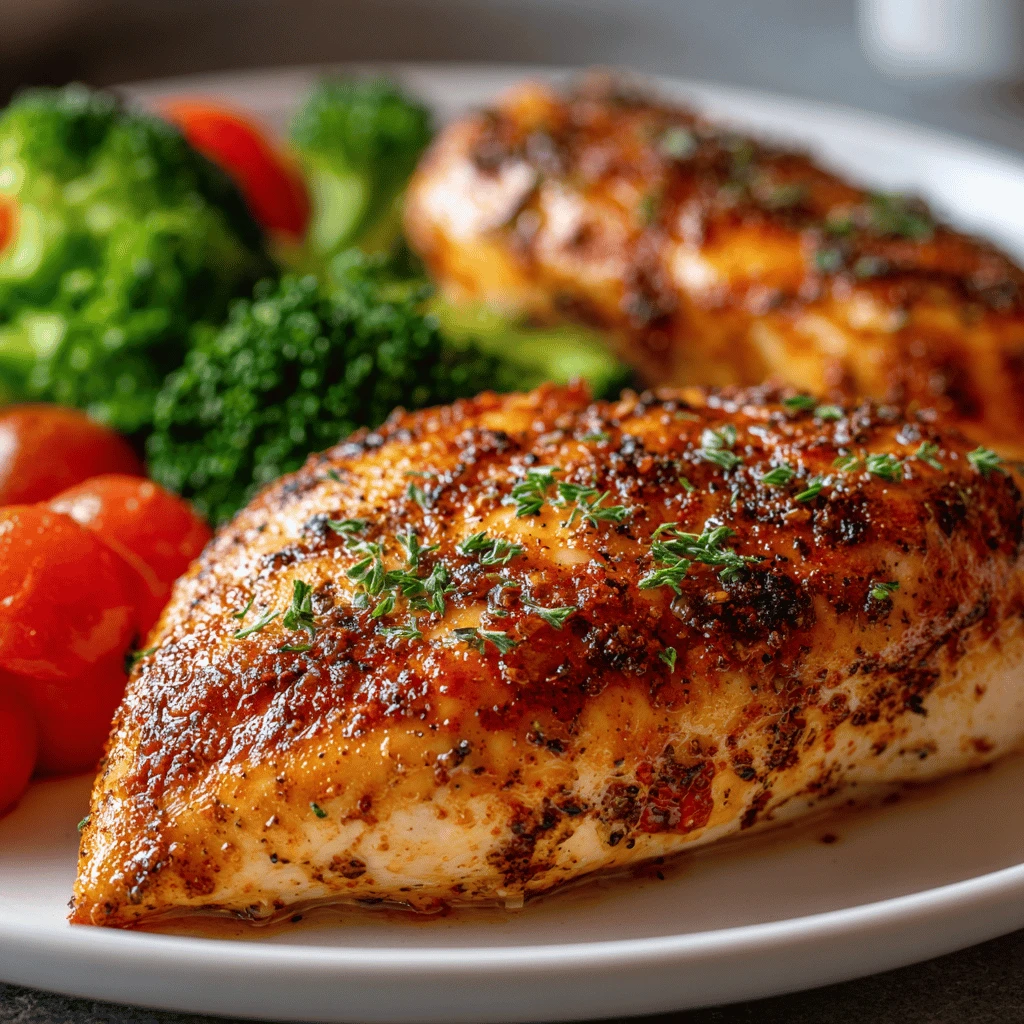
- Simple Seasoning: A classic combination of salt, pepper, garlic powder, onion powder, and paprika is a great starting point. Feel free to experiment with other herbs and spices like dried thyme, rosemary, oregano, or chili powder.
- Herb Butter: Create an herb butter by combining softened butter with chopped fresh herbs like parsley, chives, or dill. Spread it under the skin of the chicken breast before baking for an infusion of flavor and moisture.
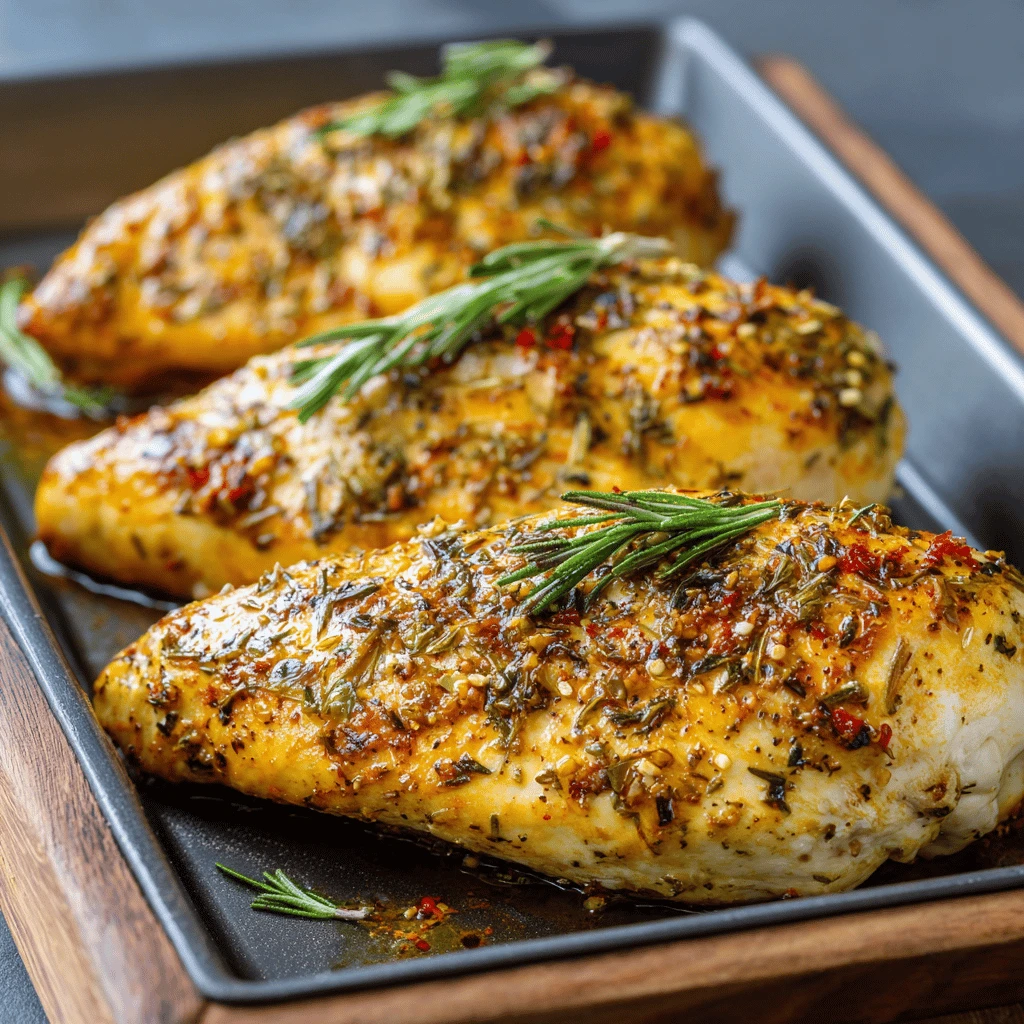
- Lemon Herb Marinade: Combine lemon juice, olive oil, minced garlic, chopped herbs, and a pinch of red pepper flakes for a bright and zesty marinade.
- Honey Garlic Glaze: Whisk together honey, soy sauce, minced garlic, and a touch of ginger for a sweet and savory glaze. Brush it onto the chicken during the last few minutes of baking.
- Spice Rubs: Explore different spice rubs to create exciting flavor profiles. Options include Cajun, Southwest, or Moroccan-inspired blends.
Mastering Marinades
A well-crafted marinade can transform the taste and texture of your baked chicken. Here are some key tips for effective marinating:
- Acidic Component: Include an acidic element like lemon juice, vinegar, or yogurt to tenderize the chicken.
- Oil: Oil helps to carry the flavors of the marinade and keeps the chicken moist during cooking.
- Flavoring Agents: Experiment with various herbs, spices, garlic, ginger, and other aromatics to create unique flavor profiles.
- Marinating Time: Marinate the chicken for at least 30 minutes, but ideally for several hours or overnight in the refrigerator. Avoid marinating for more than 24 hours, as the acid can begin to break down the protein excessively.
Baking Techniques: Finding Your Perfect Method
There are several baking methods to consider, each offering slightly different results:
- Traditional Baking: This involves baking the chicken breast in a preheated oven at a moderate temperature (typically 350°F or 175°C). It’s a reliable method that produces evenly cooked chicken.
- High-Temperature Baking: Baking at a higher temperature (around 400°F or 200°C) can create a slightly crispier exterior while still keeping the inside juicy. However, it requires careful monitoring to prevent overcooking.
- Pan-Seared and Baked: This method involves searing the chicken breasts in a hot skillet on the stovetop before transferring them to the oven to finish cooking. Searing adds color and flavor to the exterior.
- Oven Bags: Cooking chicken in oven bags can result in incredibly moist and tender meat. The bag traps moisture, preventing the chicken from drying out.
Step-by-Step Baking Instructions
Here’s a basic recipe for baking chicken breast:
1. Preheat: Preheat your oven to 375°F (190°C).
2. Prepare Chicken: Pat the chicken breasts dry with paper towels. This helps the seasoning adhere better.
3. Season: Season generously with your desired seasonings or marinade.
4. Bake: Place the chicken breasts in a baking dish.
5. Baking Time: Bake for 20-30 minutes, or until the internal temperature reaches 165°F (74°C). The exact cooking time will depend on the thickness of the chicken breasts.
6. Rest: Let the chicken rest for 5-10 minutes before slicing and serving.
Serving Suggestions: Completing the Meal
Baked chicken breast is incredibly versatile and pairs well with a wide variety of sides. Here are some ideas to create a complete and satisfying meal:
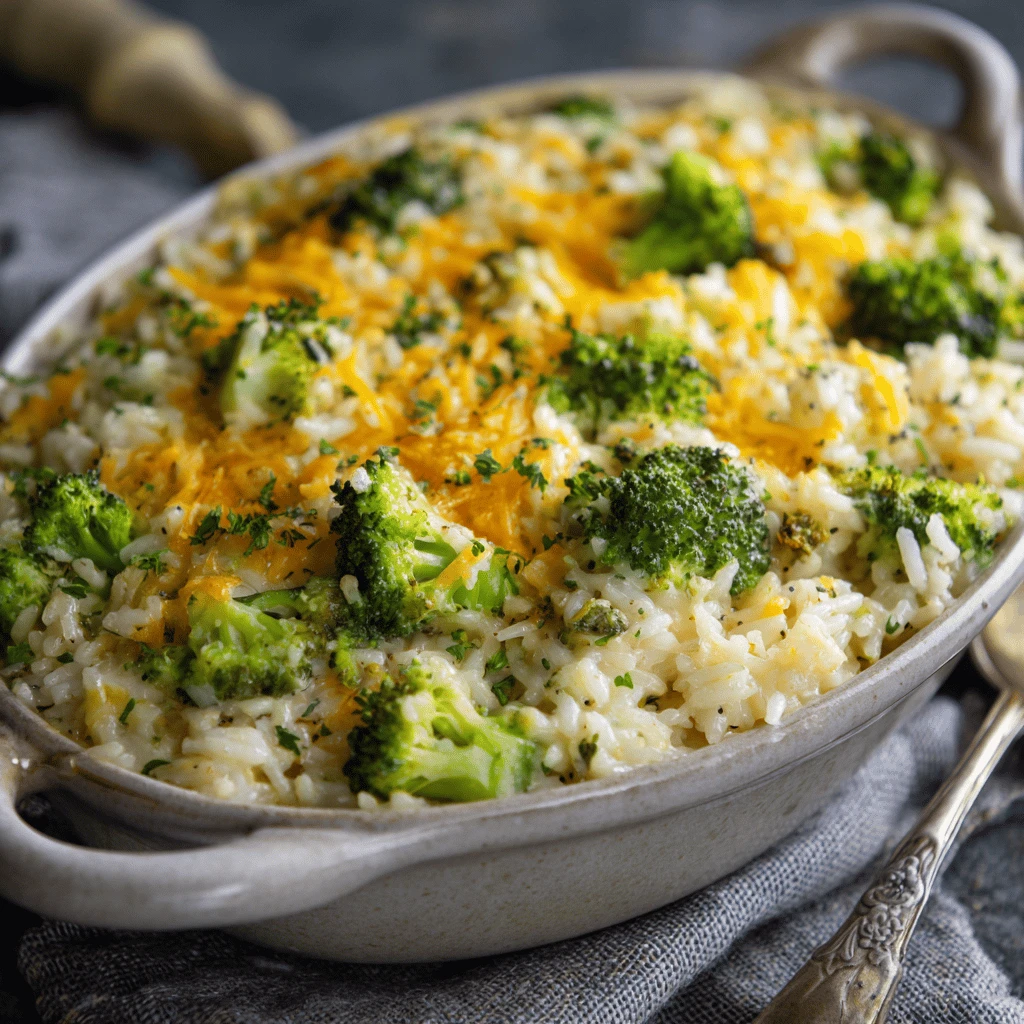
- Vegetables: Roasted vegetables like broccoli, asparagus, Brussels sprouts, or carrots are excellent choices. Steamed green beans or a simple salad also complement the chicken well.
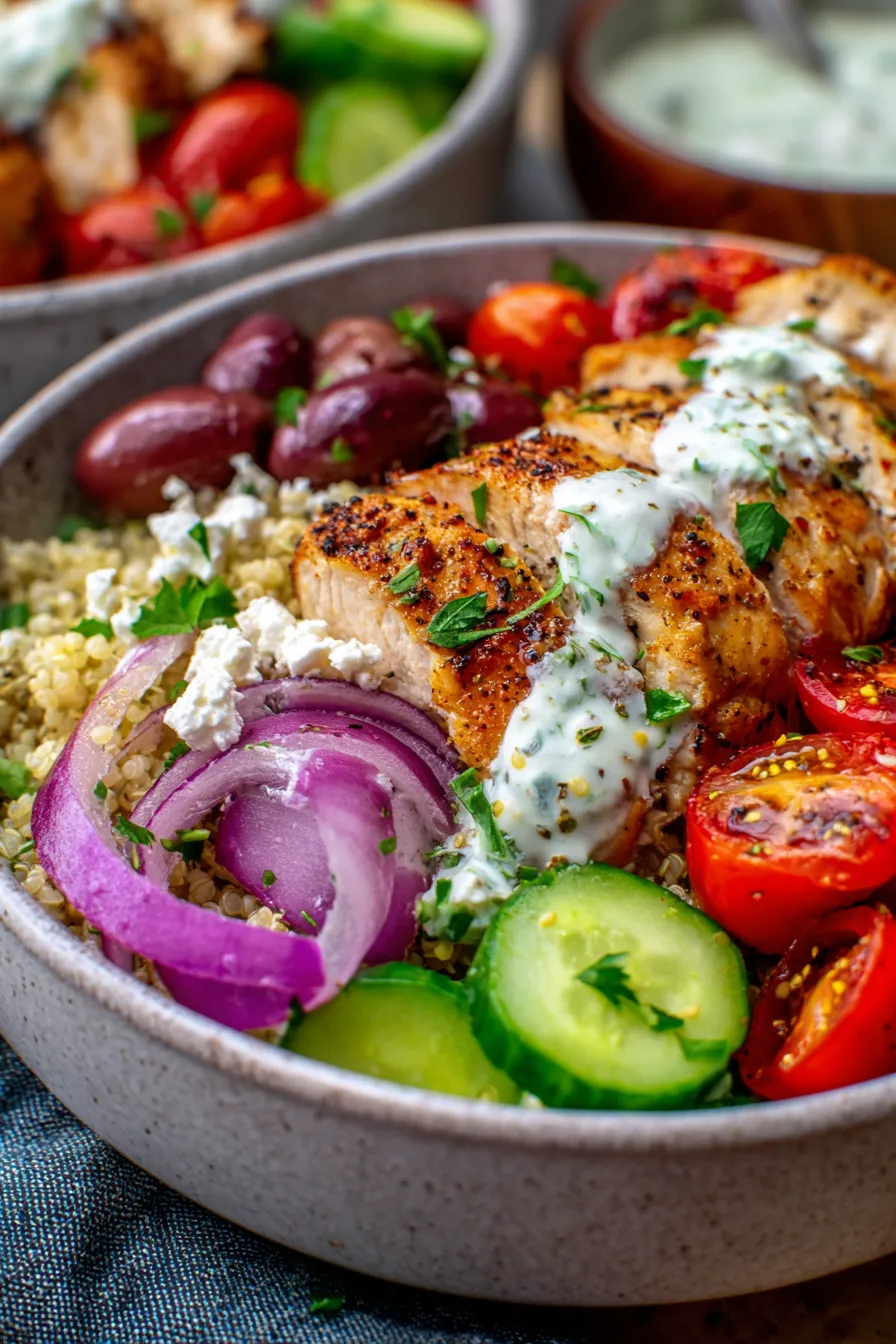
- Grains: Serve the chicken with rice, quinoa, couscous, or pasta.
- Potatoes: Mashed potatoes, roasted potatoes, or baked potatoes are classic pairings.
- Sauces: Top the chicken with your favorite sauce, such as a creamy mushroom sauce, a tangy barbecue sauce, or a vibrant pesto.
- Salads: Add sliced baked chicken breast to salads for a protein boost.
Creative Chicken Transformations
Don’t limit yourself to serving baked chicken breast as a simple main course. It can be easily transformed into a variety of delicious dishes:
- Chicken Salad: Dice the chicken and mix it with mayonnaise, celery, onion, and seasonings for a classic chicken salad.
- Chicken Tacos or Fajitas: Slice the chicken into strips and use it as a filling for tacos or fajitas.
- Chicken Quesadillas: Layer the chicken with cheese and other fillings in tortillas and grill until golden brown.
- Chicken Pasta: Add diced chicken to your favorite pasta dish.
- Chicken Stir-Fry: Incorporate the chicken into a flavorful stir-fry with vegetables and sauce.
- Chicken Pizza Topping: Use sliced or shredded chicken as a pizza topping.
Troubleshooting: Common Problems and Solutions
Even with the best intentions, baking chicken breast can sometimes present challenges. Here are some common problems and their solutions:
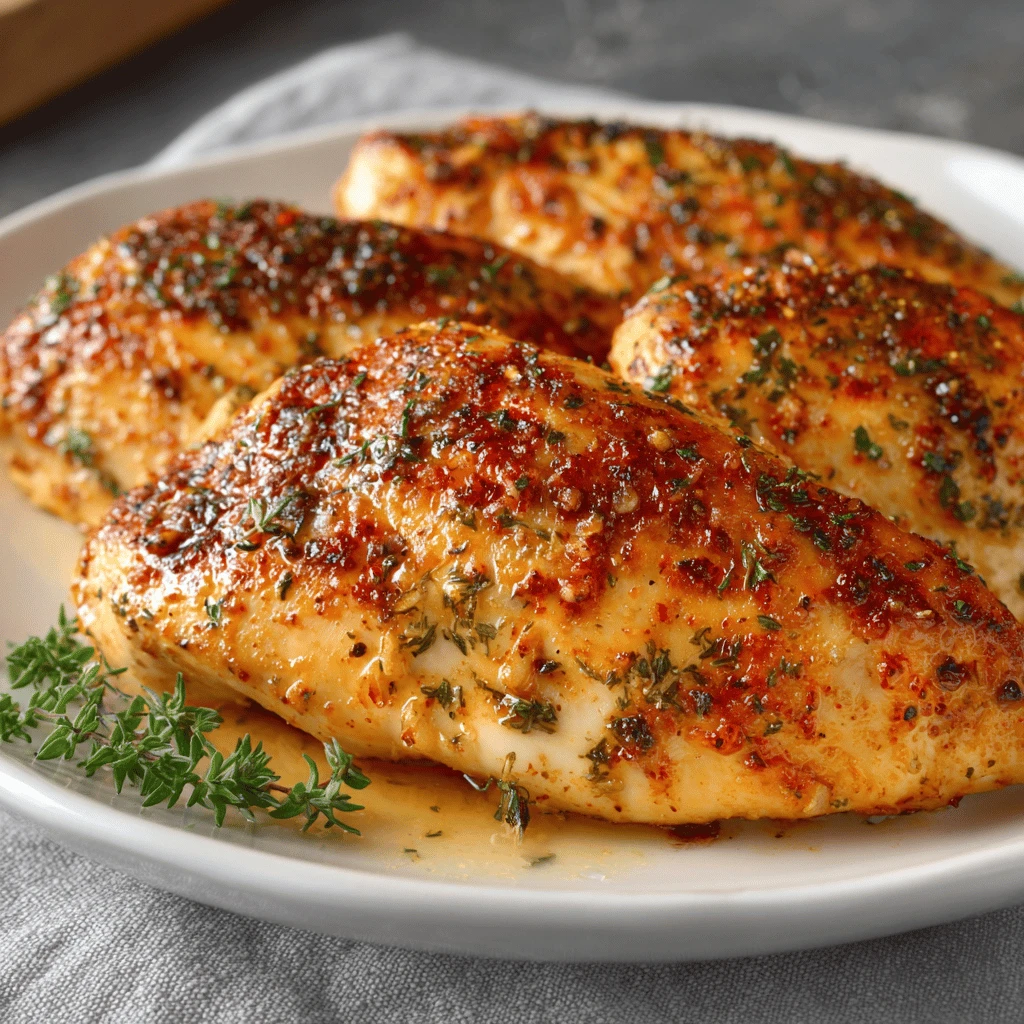
- Dry Chicken: The most common problem is dry chicken. Ensure you’re not overcooking it. Use a meat thermometer to monitor the internal temperature and remove it from the oven when it reaches 165°F (74°C). Brining or marinating can also help prevent dryness.
- Uneven Cooking: Uneven cooking can occur if the chicken breasts are not of uniform thickness. Pound thicker portions with a meat mallet to create an even profile. Rotating the baking dish halfway through cooking can also help.
- Bland Flavor: Bland flavor can be easily remedied with proper seasoning or marinating. Don’t be afraid to experiment with different herbs, spices, and flavor combinations.
- Rubbery Texture: A rubbery texture can be caused by overcooking. Avoid overcooking by using a meat thermometer and removing the chicken from the oven when it reaches the correct internal temperature.
Food Safety Tips
- Wash your hands thoroughly before and after handling raw chicken.
- Use separate cutting boards for raw chicken and other foods to prevent cross-contamination.
- Cook chicken to an internal temperature of 165°F (74°C) to kill harmful bacteria.
- Refrigerate leftovers promptly and consume them within 3-4 days.
Frequently Asked Questions (FAQ)
-
- How long does it take to bake chicken breast at 350°F?
At 350°F (175°C), chicken breasts typically take 20-30 minutes to bake, depending on their thickness. Always use a meat thermometer to ensure they reach an internal temperature of 165°F (74°C).
-
- How do I keep chicken breast from drying out in the oven?
To prevent dry chicken, brine or marinate the chicken beforehand, ensure even thickness, avoid overcooking, and let it rest after baking.
-
- What temperature should I bake chicken breast for the best results?
While 350°F (175°C) is a reliable temperature, baking at 375°F (190°C) can also yield excellent results, offering a slightly faster cooking time.
-
- Can I bake chicken breast from frozen?
While it's best to thaw chicken before baking, you can bake it from frozen. However, it will take significantly longer, and it's essential to ensure it reaches a safe internal temperature of 165°F (74°C). Adjust cooking time accordingly.
-
- Should I cover chicken breast when baking?
Covering chicken breast with foil during baking can help retain moisture, especially if you're concerned about it drying out. However, removing the foil for the last few minutes can allow the chicken to brown slightly.