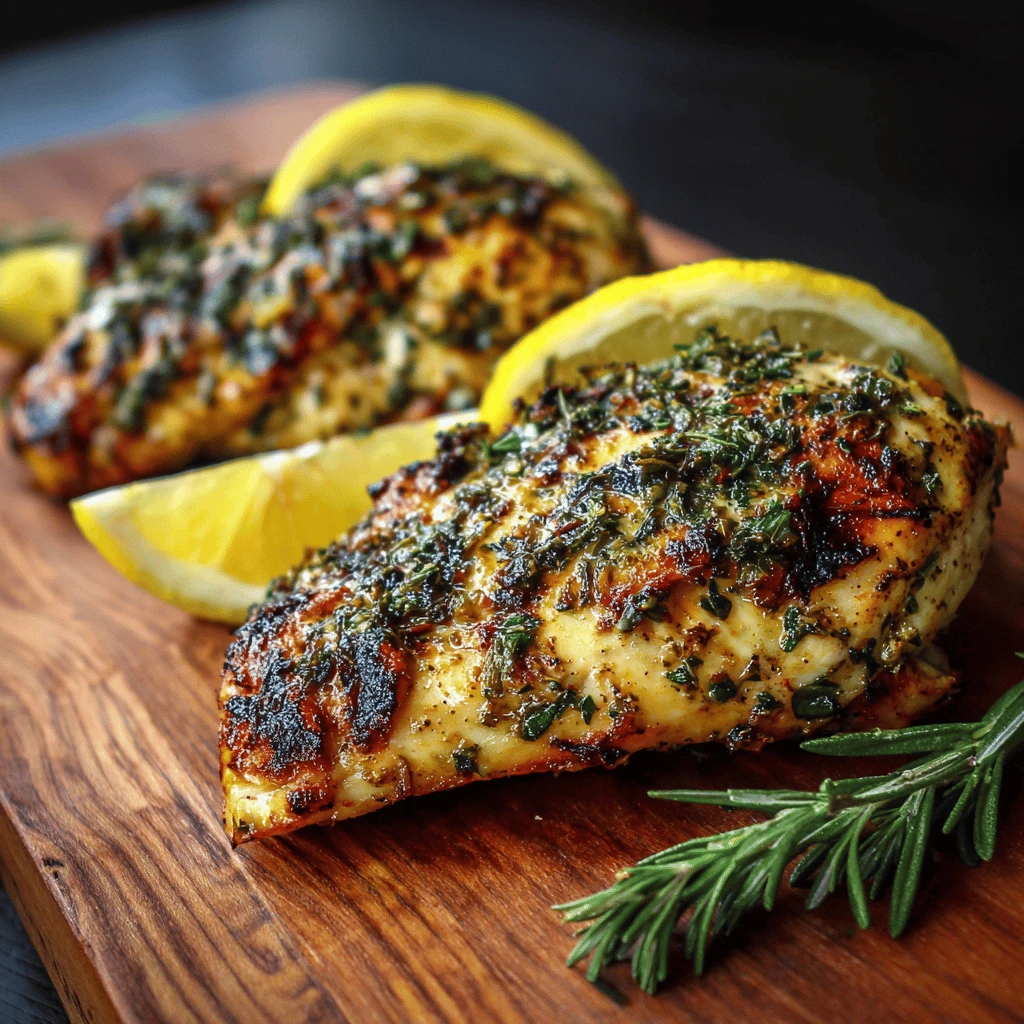
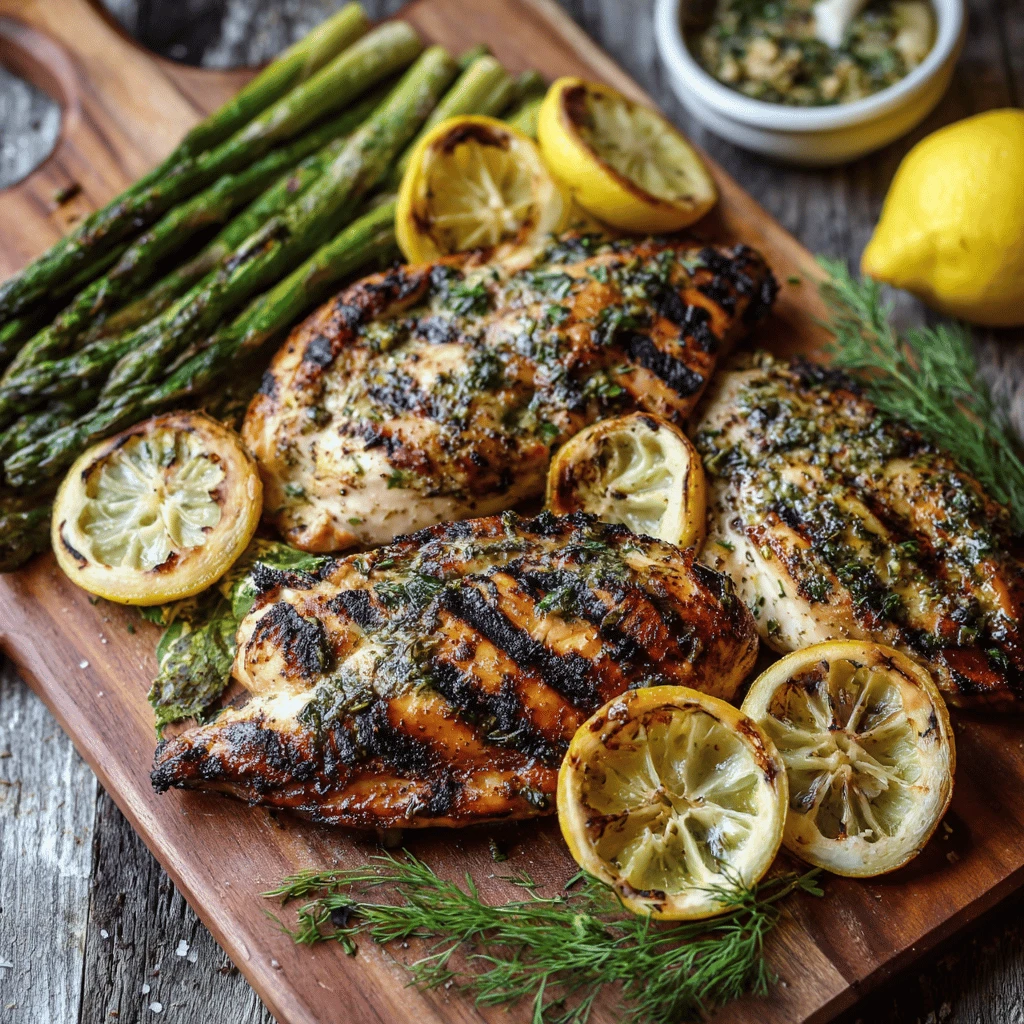
Lemon Herb Grilled Chicken Lemon herb grilled chicken is a culinary classic, renowned for its bright, zesty flavors and tender, juicy texture. This versatile dish is perfect for a weeknight dinner or a weekend barbecue, appealing to both casual diners and discerning foodies. The combination of fresh herbs, tangy lemon, and the smoky char from…
Lemon Herb Grilled Chicken
Lemon herb grilled chicken is a culinary classic, renowned for its bright, zesty flavors and tender, juicy texture. This versatile dish is perfect for a weeknight dinner or a weekend barbecue, appealing to both casual diners and discerning foodies. The combination of fresh herbs, tangy lemon, and the smoky char from the grill creates a truly unforgettable experience. This article provides a comprehensive guide to mastering lemon herb grilled chicken, covering everything from ingredient selection and preparation to grilling techniques and serving suggestions.
Selecting the Best Chicken and Herbs
The foundation of any great lemon herb grilled chicken starts with high-quality ingredients. Choosing the right chicken and herbs is crucial for maximizing flavor and ensuring a satisfying meal.
Choosing Your Chicken Cut
Several cuts of chicken are suitable for grilling, each offering a slightly different texture and flavor profile. Here’s a breakdown of popular options:
- Boneless, Skinless Chicken Breasts: This is a lean and convenient choice. Pound them to an even thickness (about 1/2 inch) for even cooking and prevent them from drying out. Marinating is key for adding flavor and moisture.
- Bone-In, Skin-On Chicken Breasts: The bone and skin add flavor and help keep the chicken moist during grilling. This cut generally takes longer to cook than boneless, skinless breasts.
- Chicken Thighs (Boneless or Bone-In): Chicken thighs are known for their rich flavor and tender texture. They are more forgiving on the grill than breasts, making them a great option for beginners. Bone-in thighs will take longer to cook.
- Whole Chicken Legs: Chicken legs are economical and flavorful. The skin crisps up beautifully on the grill, and the dark meat is juicy and succulent.
When selecting your chicken, look for pieces that are plump, firm, and have a fresh, pink color. Avoid chicken that appears slimy, discolored, or has an off-putting odor. Consider purchasing organic or free-range chicken for improved flavor and ethical considerations.
The Perfect Herb Blend
The herb blend is the heart of the flavor profile. Fresh herbs are always preferred for their vibrant aroma and taste. Here are some excellent choices for lemon herb grilled chicken:
- Rosemary: Adds a woody, aromatic note.
- Thyme: Provides an earthy and slightly minty flavor.
- Oregano: Offers a robust and peppery taste.
- Parsley: Contributes a fresh, clean flavor and visual appeal.
- Basil: Imparts a sweet and slightly peppery taste, though it can burn easily on the grill. Add basil toward the end of the grilling process, or use in a sauce after grilling.
- Chives: Delivers a mild onion-like flavor.
You can use a single herb or a combination of several. Experiment to find your favorite blend. Roughly chop the herbs before adding them to your marinade to release their essential oils.
Crafting the Ideal Lemon Herb Marinade
A well-balanced marinade is essential for infusing the chicken with flavor and keeping it moist during grilling. The lemon juice tenderizes the chicken, while the herbs and other ingredients add depth and complexity.
Essential Marinade Ingredients
- Lemon Juice: Freshly squeezed lemon juice is crucial. It provides acidity, which tenderizes the chicken and brightens the flavor.
- Olive Oil: Helps to distribute the flavors evenly and keeps the chicken moist. Use extra virgin olive oil for the best flavor.
- Garlic: Minced garlic adds a pungent and aromatic note.
- Herbs: A generous amount of your chosen herbs.
- Salt and Pepper: Seasoning is key. Use sea salt or kosher salt for the best flavor. Freshly ground black pepper is also essential.
- Optional Ingredients: Consider adding a touch of Dijon mustard for tanginess, honey or maple syrup for sweetness, red pepper flakes for heat, or chicken broth for added moisture.
Marinating Techniques
1. Combine Ingredients: In a bowl, whisk together the lemon juice, olive oil, garlic, herbs, salt, pepper, and any optional ingredients.
2. Marinate the Chicken: Place the chicken in a resealable plastic bag or a shallow dish. Pour the marinade over the chicken, ensuring that it is evenly coated.
3. Refrigerate: Marinate the chicken in the refrigerator for at least 30 minutes, or up to 4 hours. Longer marinating times will result in more flavorful and tender chicken. Avoid marinating for longer than 4 hours, as the lemon juice can start to break down the chicken too much, resulting in a mushy texture.
4. Bring to Room Temperature: Remove the chicken from the refrigerator about 20-30 minutes before grilling. This will help it cook more evenly. Discard the marinade after use.
Mastering the Grilling Process
Grilling lemon herb chicken requires attention to detail to achieve perfectly cooked, flavorful results. From preparing the grill to monitoring the internal temperature, each step is important.
Preparing Your Grill
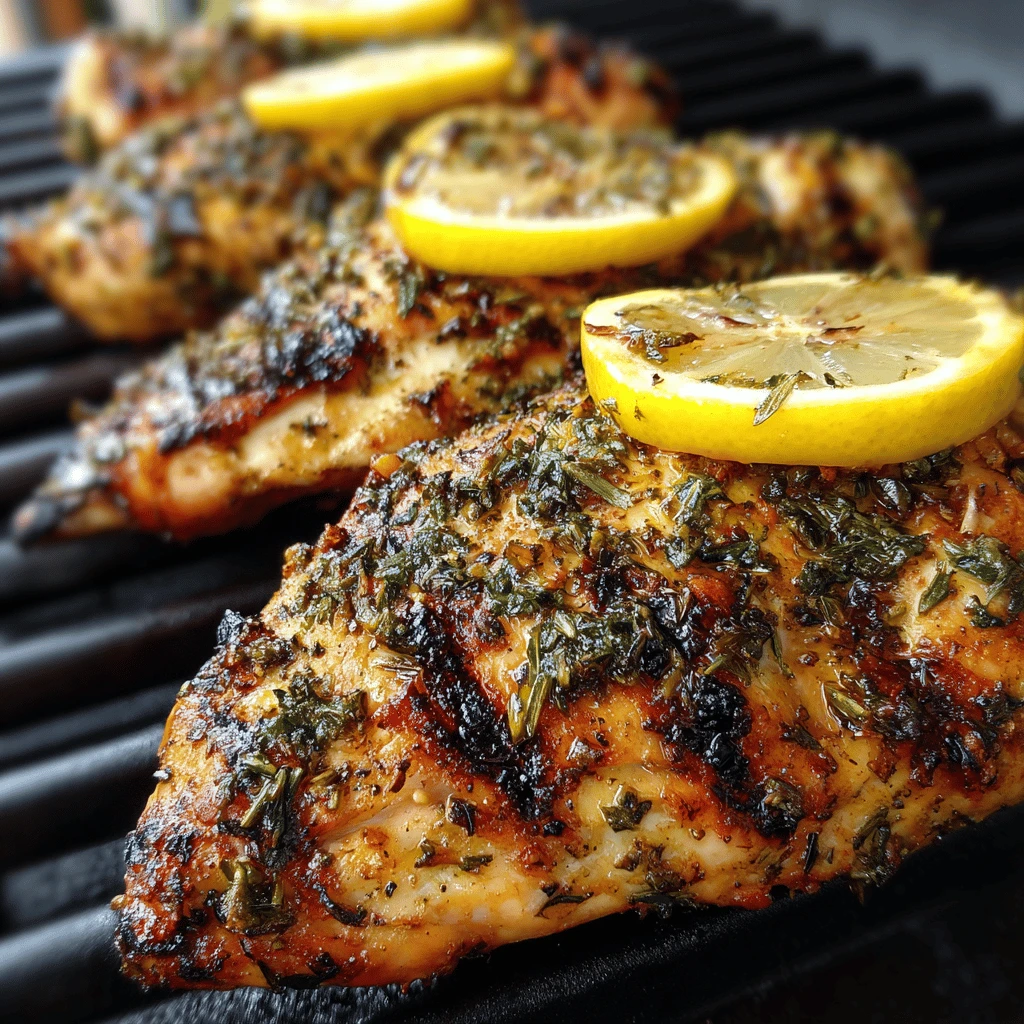
- Type of Grill: Whether you’re using a gas grill or a charcoal grill, make sure it is clean and properly preheated.
- Gas Grill: Preheat to medium-high heat (around 375-450°F or 190-230°C).
- Charcoal Grill: Arrange the coals for two-zone cooking: one side with direct heat and the other with indirect heat. This allows you to sear the chicken over direct heat and then move it to indirect heat to finish cooking without burning.
- Oil the Grates: Before placing the chicken on the grill, oil the grates to prevent sticking. Use a high-heat oil like canola or vegetable oil. Apply the oil using a grill brush or by dipping a folded paper towel in oil and rubbing it over the grates.
Grilling Techniques
1. Placement: Place the chicken on the preheated grill. If using boneless, skinless breasts, start over direct heat for a few minutes per side to sear and then move to indirect heat to finish cooking. For bone-in chicken, start over direct heat to crisp the skin and then move to indirect heat.
2. Cooking Time: Cooking time will vary depending on the thickness and type of chicken. Use a meat thermometer to ensure the chicken is cooked to a safe internal temperature.
3. Internal Temperature: The safe internal temperature for chicken is 165°F (74°C). Insert the thermometer into the thickest part of the chicken, avoiding the bone.
4. Turning: Turn the chicken occasionally to ensure even cooking. Avoid flipping it too frequently, as this can cause it to dry out.
5. Doneness: The chicken is done when it reaches an internal temperature of 165°F (74°C) and the juices run clear when pierced with a fork.
Tips for Juicy Chicken
- Don’t Overcook: Overcooked chicken is dry and tough. Use a meat thermometer to avoid overcooking.
- Resting Time: After grilling, let the chicken rest for 5-10 minutes before slicing and serving. This allows the juices to redistribute, resulting in more tender and flavorful meat. Cover the chicken loosely with foil during resting.
- Basting: Basting the chicken with the marinade (make sure to use a fresh, uncontaminated batch if doing so during cooking), or lemon juice or olive oil while grilling can help keep it moist.
Serving and Pairing Suggestions
Lemon herb grilled chicken is a versatile dish that pairs well with a wide variety of sides and complements various cuisines.
Side Dish Ideas
- Grilled Vegetables: Zucchini, bell peppers, asparagus, and corn on the cob are excellent choices.
- Salads: A fresh green salad, a Caprese salad, or a quinoa salad will provide a refreshing contrast to the richness of the chicken.
- Potatoes: Roasted potatoes, mashed potatoes, or potato salad are classic pairings.
- Rice: White rice, brown rice, or risotto complement the chicken well.
- Pasta: Pasta salad or a simple pasta dish with olive oil and herbs are also good options.
Sauce Pairings
While lemon herb grilled chicken is delicious on its own, a complementary sauce can elevate the dish even further. Consider these options:
- Lemon Butter Sauce: A classic pairing that enhances the lemon flavor.
- Tzatziki Sauce: A creamy Greek yogurt sauce with cucumber and dill, offering a refreshing contrast.
- Chimichurri Sauce: An Argentinian herb sauce with parsley, oregano, garlic, and red wine vinegar, adding a vibrant and herbaceous kick.
- Pesto: A basil-based sauce that complements the herbs in the chicken.
Wine Pairings
- White Wine: A crisp white wine like Sauvignon Blanc, Pinot Grigio, or Vermentino pairs well with the lemon and herbs.
- Rosé Wine: A dry rosé wine can also be a good choice.
Frequently Asked Questions (FAQ)
-
- How long should I marinate the chicken?
For the best flavor, marinate the chicken for at least 30 minutes, but no more than 4 hours. Longer marinating times can cause the lemon juice to break down the chicken, resulting in a mushy texture.
-
- What temperature should I grill the chicken at?
Grill the chicken over medium-high heat (around 375-450°F or 190-230°C). Use two-zone cooking on a charcoal grill to prevent burning.
-
- How do I know when the chicken is done?
The chicken is done when it reaches an internal temperature of 165°F (74°C). Use a meat thermometer to check the temperature.
-
- Can I use dried herbs instead of fresh herbs?
While fresh herbs are preferred, you can use dried herbs if necessary. Use about 1 teaspoon of dried herbs for every tablespoon of fresh herbs.
-
- Can I grill the chicken indoors?
Yes, you can grill the chicken indoors using a grill pan or an indoor grill. Follow the same cooking times and temperatures as you would for outdoor grilling.
-
- Can I freeze lemon herb grilled chicken?
Yes, you can freeze cooked lemon herb grilled chicken. Let it cool completely, then wrap it tightly in plastic wrap and place it in a freezer bag. It can be stored in the freezer for up to 3 months.