Slow Cooker Chili: The Ultimate Guide to a Hearty, Hands-Off Meal Slow cooker chili is a culinary champion for busy weeknights, cozy weekends, and potlucks galore. Its appeal lies in its simplicity: toss ingredients into a slow cooker, set it, and forget it. Hours later, you’re rewarded with a flavorful, comforting chili that tastes like…
Slow Cooker Chili: The Ultimate Guide to a Hearty, Hands-Off Meal
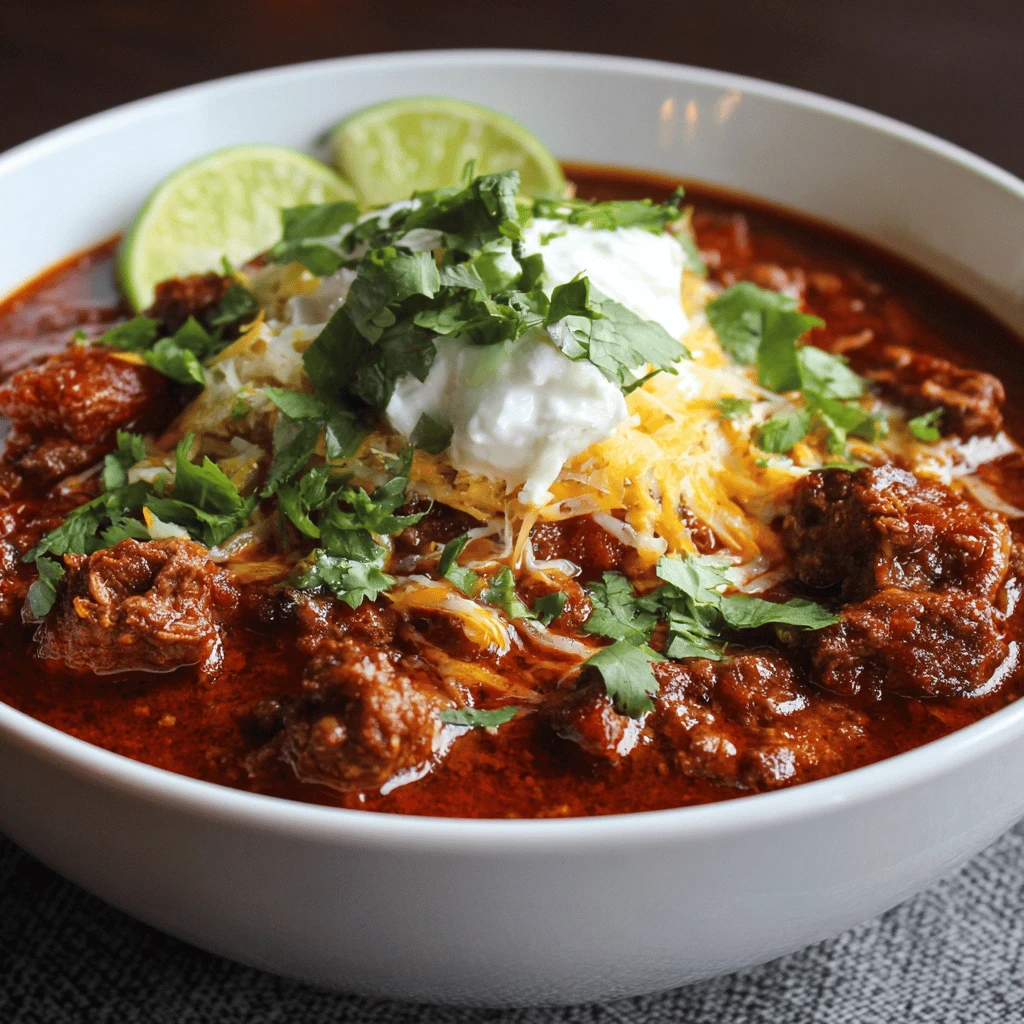
Slow cooker chili is a culinary champion for busy weeknights, cozy weekends, and potlucks galore. Its appeal lies in its simplicity: toss ingredients into a slow cooker, set it, and forget it. Hours later, you’re rewarded with a flavorful, comforting chili that tastes like it simmered all day (because it did!). This guide covers everything you need to know to make the perfect slow cooker chili, from choosing your ingredients to customizing the recipe and serving suggestions.
Choosing Your Chili’s Foundation: Key Ingredients
The beauty of chili lies in its versatility. There’s no one “right” way to make it, but some ingredients are fundamental to a great slow cooker chili.
The Protein Powerhouse: Meat Selection
The cornerstone of most chili recipes is the meat. Ground beef is a classic choice, offering a rich, savory flavor. Look for a lean blend (85/15) to minimize excess grease. Alternatively, consider using ground turkey or chicken for a lighter option. For a heartier texture, chuck roast or beef stew meat, cut into 1-inch cubes, provide a satisfying chewiness after a long simmer. For a smoky flavor, consider incorporating cooked chorizo or bacon.
Bean There, Done That: Bean Varieties
Beans are essential for chili’s texture, flavor, and nutritional value. Kidney beans are a popular choice, known for their firm texture and slightly sweet flavor. Black beans offer a milder, earthier taste and a creamy consistency. Pinto beans are another versatile option that softens beautifully in the slow cooker. Experiment with different combinations to find your favorite blend. For a visually appealing chili, use a mix of red, black, and white beans. Always rinse canned beans thoroughly before adding them to the slow cooker to reduce sodium content and remove any starchy residue.
Veggie Vitality: Building Flavor and Texture
Vegetables add depth of flavor and essential nutrients to your chili. Onions and bell peppers are staples, providing a sweet and savory base. Diced tomatoes, either canned or fresh, add acidity and richness. For a spicier kick, consider adding jalapeños or other chili peppers. Corn kernels contribute a touch of sweetness and a pleasant texture. Don’t be afraid to experiment with other vegetables like zucchini, carrots, or sweet potatoes for added complexity and nutritional value.
Spice It Up: The Art of Seasoning
The spice blend is what truly defines your chili’s flavor profile. Chili powder is the cornerstone, providing warmth and depth. Cumin adds an earthy, smoky note. Garlic powder, onion powder, paprika (smoked or sweet), oregano, and cayenne pepper contribute layers of complexity. For a richer, more intense flavor, consider using chili paste or chipotle peppers in adobo sauce. Remember to taste and adjust the seasoning throughout the cooking process to achieve your desired level of spiciness. A pinch of cocoa powder or a teaspoon of brown sugar can also enhance the depth and richness of the chili.
Slow Cooking Secrets: The Method for Chili Perfection
Now that you’ve assembled your ingredients, it’s time to start slow cooking.
Searing for Success: Enhancing Flavor
While not strictly necessary, searing the meat before adding it to the slow cooker significantly enhances the chili’s flavor. Searing creates a rich, caramelized crust that adds depth and complexity. Heat a large skillet over medium-high heat with a tablespoon of oil. Brown the meat in batches, ensuring not to overcrowd the pan. Transfer the seared meat to the slow cooker.
Layering the Flavors: Building the Base
After searing the meat, sauté the onions and bell peppers in the same skillet until softened, about 5-7 minutes. This step helps to develop their sweetness and prevent them from becoming bland in the slow cooker. Add the garlic and sauté for another minute until fragrant. Transfer the vegetables to the slow cooker along with the remaining ingredients, including the beans, diced tomatoes, spices, and broth or water.
The Waiting Game: Slow Cooking Times and Temperatures
Cover the slow cooker and cook on low for 6-8 hours or on high for 3-4 hours. Cooking on low yields a more tender and flavorful chili, as the longer cooking time allows the flavors to meld together. However, if you’re short on time, cooking on high will still produce a delicious result. The chili is ready when the meat is tender and easily shredded with a fork.
Tweaking and Tasting: Achieving Chili Nirvana
During the last hour of cooking, taste the chili and adjust the seasoning as needed. Add more chili powder for heat, cumin for earthiness, or salt and pepper to taste. If the chili is too thick, add more broth or water. If it’s too thin, remove the lid during the last hour of cooking to allow some of the liquid to evaporate. You can also thicken the chili by mixing a tablespoon of cornstarch with a tablespoon of cold water and stirring it into the chili during the last 30 minutes of cooking.
Customization and Variations: Making It Your Own
One of the best things about slow cooker chili is its adaptability. Feel free to experiment with different ingredients and flavor combinations to create your signature chili.
Spice Level Adjustment: Controlling the Heat
For a milder chili, remove the seeds and membranes from the jalapeños before adding them. You can also reduce the amount of chili powder and cayenne pepper. For a spicier chili, add more cayenne pepper, chili flakes, or hot sauce. You can also use hotter peppers like habaneros or Scotch bonnets, but be cautious, as a little goes a long way.
Vegetarian and Vegan Options: Plant-Based Chili Power
To make a vegetarian or vegan chili, simply omit the meat and add more vegetables and beans. Lentils, kidney beans, black beans, and chickpeas are all excellent choices. You can also add vegetarian ground meat substitutes or tofu crumbles for a heartier texture. Use vegetable broth instead of beef broth. Add a touch of smoked paprika to mimic the smoky flavor of meat.
Global Inspirations: Taking Chili Around the World
Get creative with your chili by incorporating flavors from different cuisines. Add chorizo and smoked paprika for a Spanish-inspired chili. Use coconut milk, curry powder, and ginger for a Thai-inspired chili. Add chipotle peppers in adobo sauce and a squeeze of lime for a Southwestern-inspired chili. The possibilities are endless!
Adding Depth: Liquid Enhancements
Experiment with different liquids to add depth and complexity to your chili. Beef broth is a classic choice, but you can also use chicken broth, vegetable broth, or even beer. Stout beer adds a rich, malty flavor, while a lighter beer provides a subtle sweetness. Add a splash of red wine vinegar or balsamic vinegar for a touch of acidity. A tablespoon of Worcestershire sauce can also enhance the savory flavors.
Serving and Storage: Enjoying Your Chili Creation
Once your slow cooker chili is ready, it’s time to enjoy it.
Topping it Off: The Art of Embellishment
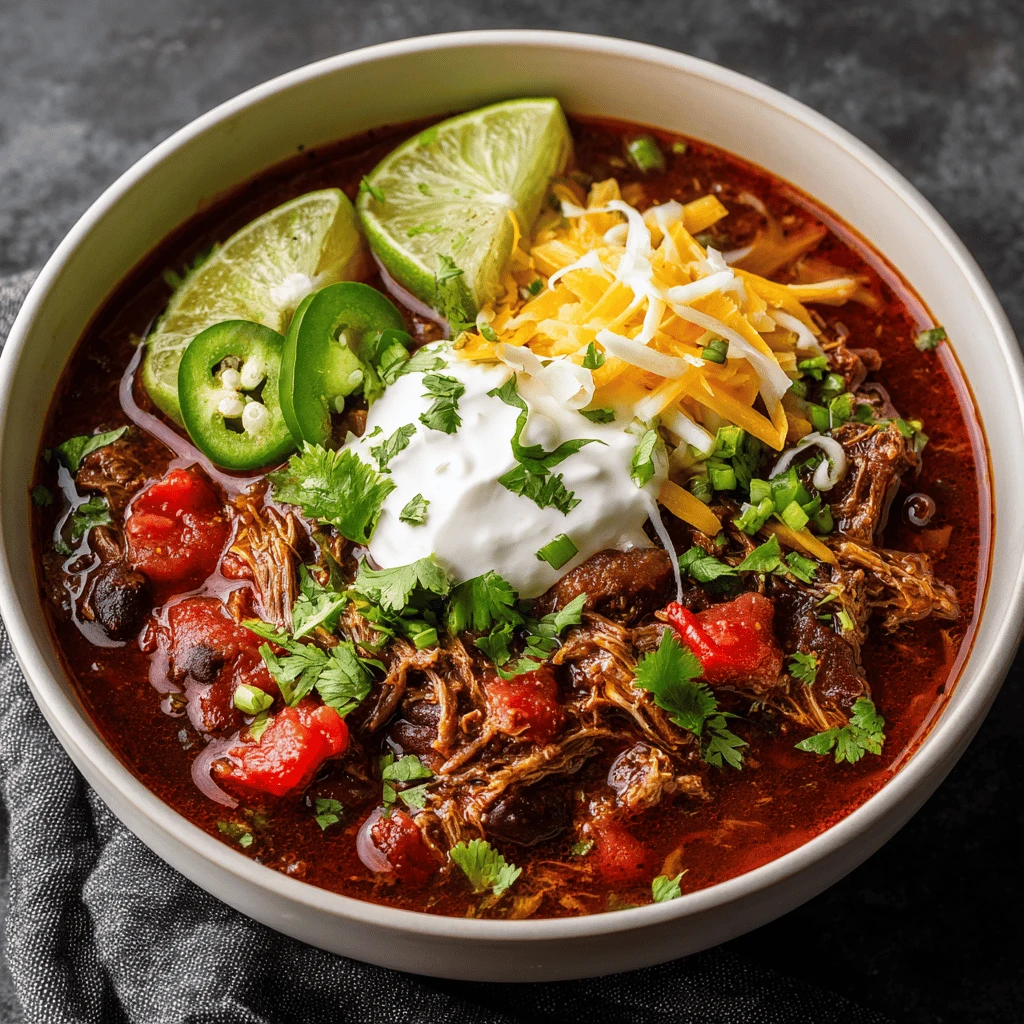
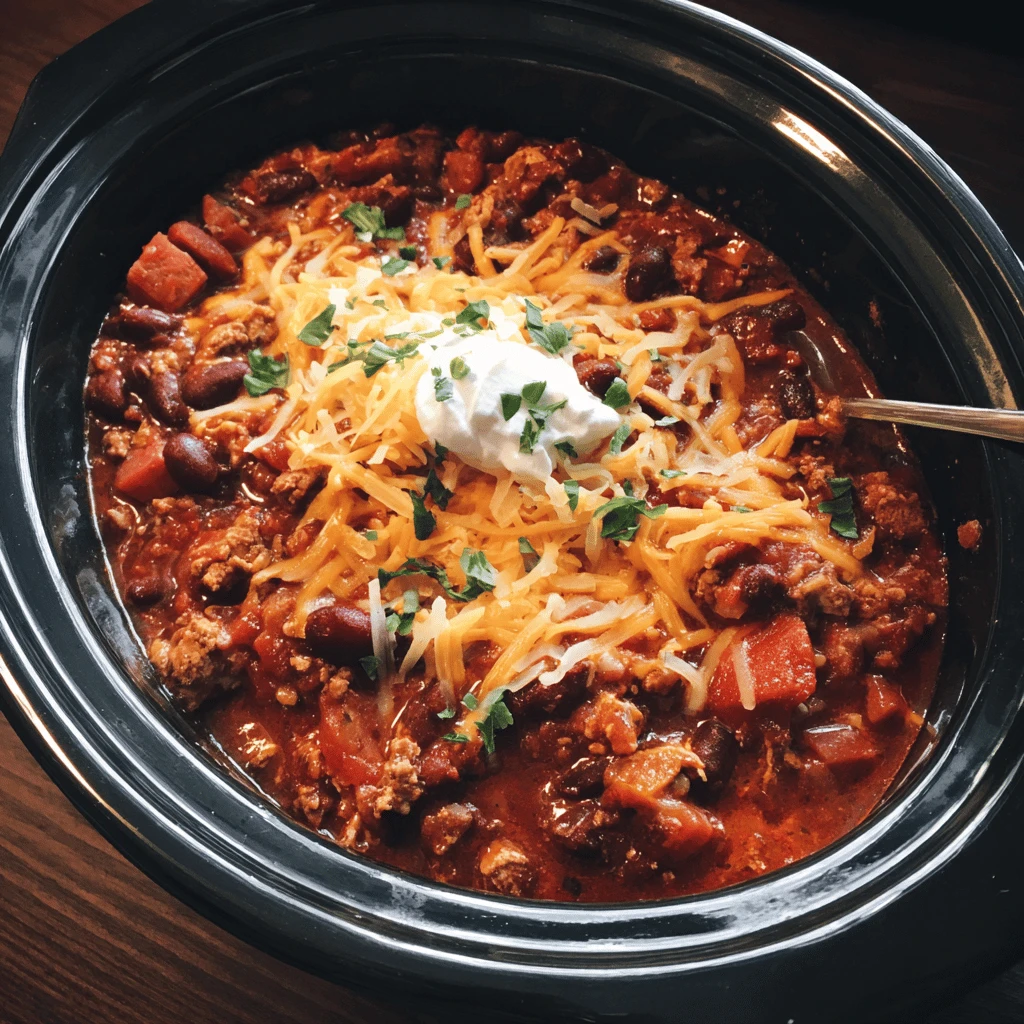
Chili is even better with toppings. Shredded cheese (cheddar, Monterey Jack, or pepper jack) is a classic choice. Sour cream or Greek yogurt adds a creamy tang. Diced onions, sliced green onions, or chopped cilantro provide a fresh, herbaceous note. Avocado slices or guacamole add richness and creaminess. Tortilla chips or cornbread offer a satisfying crunch. A squeeze of lime juice brightens the flavors.
Perfect Pairings: Side Dish Sensations
Chili is a complete meal on its own, but it’s also delicious served with side dishes. Cornbread is a classic pairing, offering a sweet and crumbly counterpoint to the savory chili. A simple green salad adds freshness and lightness. Coleslaw provides a tangy and crunchy contrast. Baked potatoes topped with butter, sour cream, and cheese are another hearty option.
Storage Solutions: Keeping the Chili Love Alive
Leftover slow cooker chili can be stored in the refrigerator for up to 3-4 days. Store it in an airtight container to prevent it from drying out. Chili also freezes well. Allow it to cool completely before transferring it to freezer-safe containers or freezer bags. Thaw it overnight in the refrigerator before reheating. Reheat the chili in a saucepan over medium heat or in the microwave until heated through.
Frequently Asked Questions About Slow Cooker Chili
- Can I use dry beans instead of canned beans? Yes, you can use dry beans. However, you will need to soak them overnight before adding them to the slow cooker. Drain and rinse the soaked beans before adding them to the chili. You may also need to add more liquid to the slow cooker, as dry beans absorb more liquid than canned beans.
- Can I freeze chili? Yes, chili freezes very well. Allow the chili to cool completely before transferring it to freezer-safe containers or bags. Thaw overnight in the refrigerator before reheating.
- How do I thicken my chili? If your chili is too thin, you can thicken it by removing the lid during the last hour of cooking to allow some of the liquid to evaporate. You can also mix a tablespoon of cornstarch with a tablespoon of cold water and stir it into the chili during the last 30 minutes of cooking. Alternatively, you can mash some of the beans with a fork and stir them back into the chili to add thickness.
- How do I make chili spicier? To make your chili spicier, add more cayenne pepper, chili flakes, or hot sauce. You can also use hotter peppers like habaneros or Scotch bonnets, but be cautious, as a little goes a long way.
- Can I make chili without beans? Yes, you can make chili without beans. Simply omit the beans from the recipe and add more meat and vegetables to compensate.