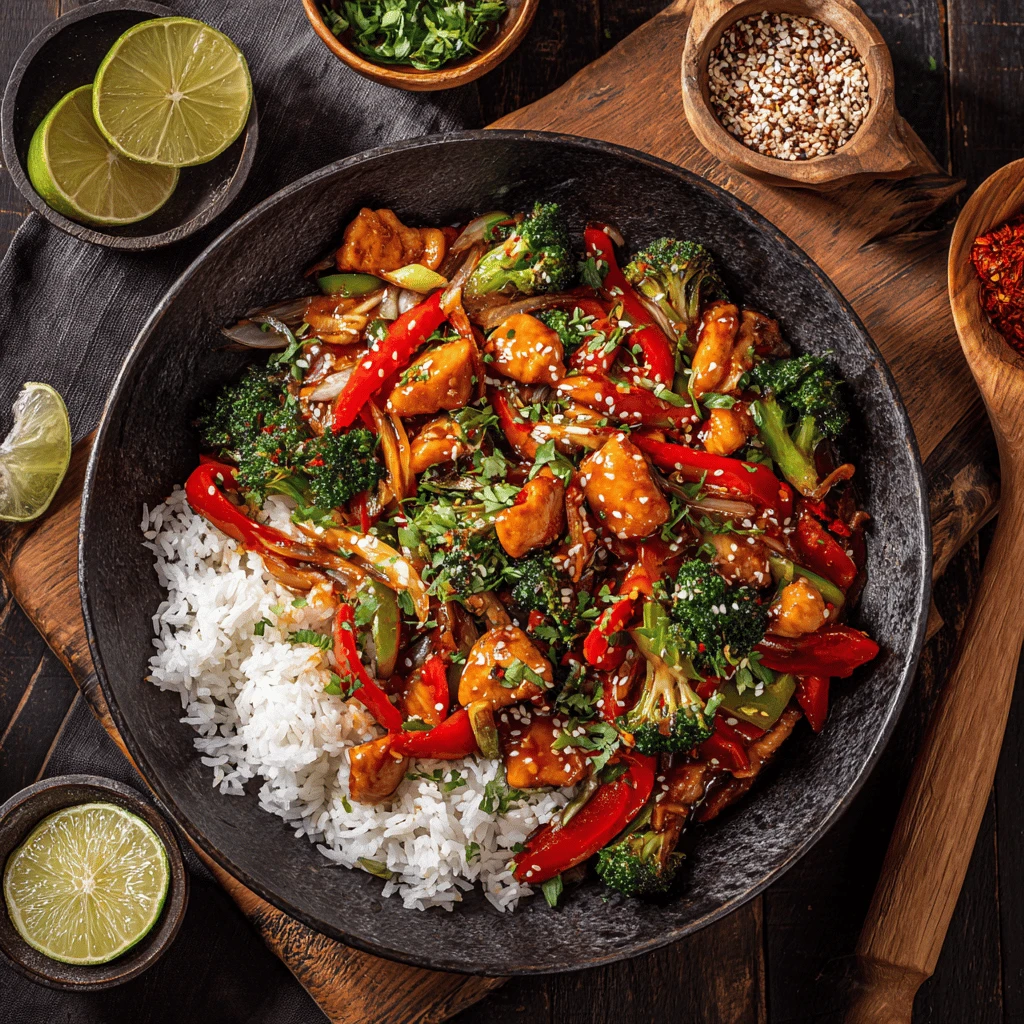
Sweet and Sour Chicken Stir-Fry: A Flavorful Guide to Asian Cuisine Sweet and sour chicken stir-fry is a beloved dish worldwide, celebrated for its harmonious blend of tangy, sweet, and savory flavors. This guide provides a comprehensive overview of how to create a restaurant-quality sweet and sour chicken stir-fry in your own kitchen. We will…
Sweet and Sour Chicken Stir-Fry: A Flavorful Guide to Asian Cuisine
Sweet and sour chicken stir-fry is a beloved dish worldwide, celebrated for its harmonious blend of tangy, sweet, and savory flavors. This guide provides a comprehensive overview of how to create a restaurant-quality sweet and sour chicken stir-fry in your own kitchen. We will explore everything from selecting the right ingredients and mastering the cooking techniques to variations and serving suggestions.
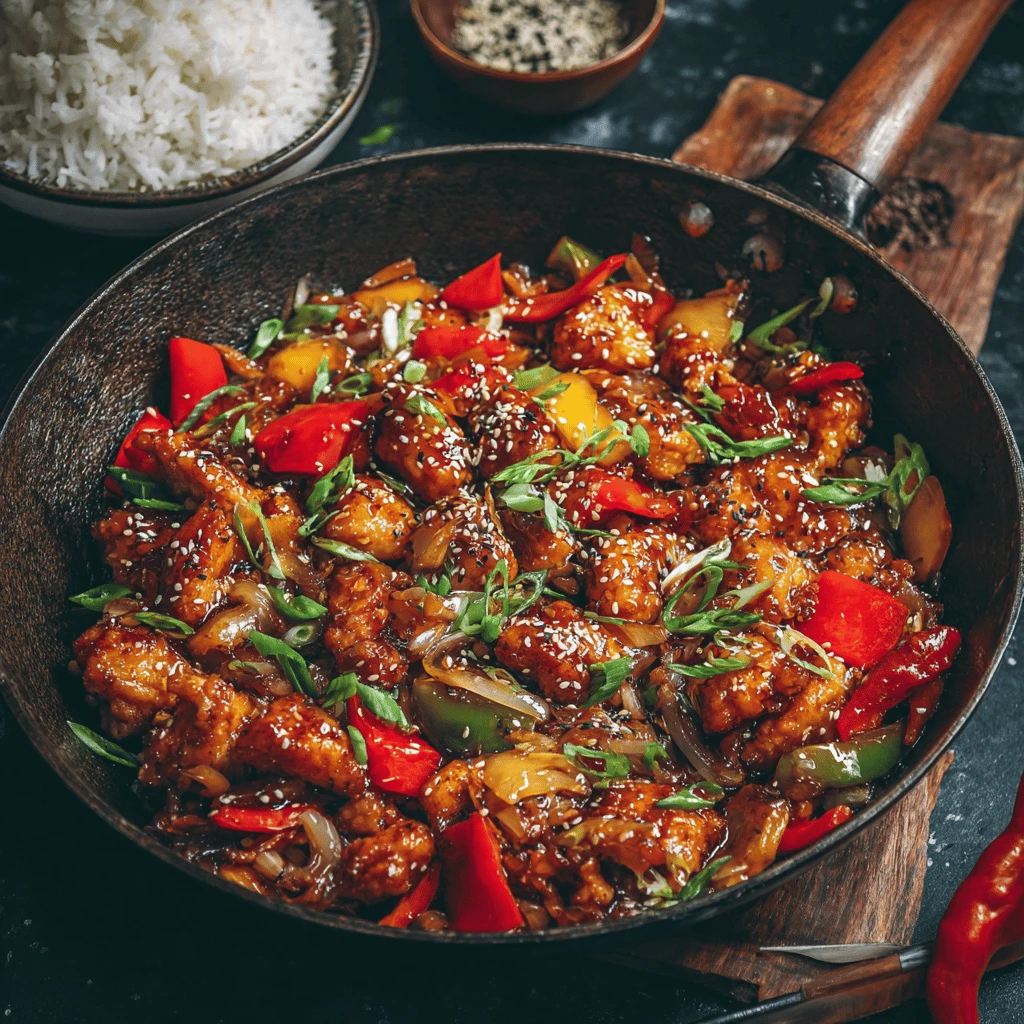
Understanding the Core Elements of Sweet and Sour Chicken Stir-Fry
The beauty of sweet and sour chicken stir-fry lies in its balanced flavors and satisfying textures. At its heart, this dish combines tender pieces of chicken with a medley of colorful vegetables, all coated in a luscious sweet and sour sauce.
The Chicken: Protein Perfection
Choosing the right cut of chicken is crucial for achieving the desired tenderness and flavor. Boneless, skinless chicken breasts are a popular choice due to their lean nature and ease of preparation. However, chicken thighs can also be used for a richer, more flavorful result. Regardless of the cut, cutting the chicken into uniform, bite-sized pieces ensures even cooking.
Before cooking, consider marinating the chicken to enhance its flavor and tenderness. A simple marinade of soy sauce, ginger, garlic, and a touch of sesame oil can work wonders. Some recipes also call for cornstarch, which helps to create a crispy coating when the chicken is stir-fried.
The Vegetables: A Colorful Symphony
The vegetable component of sweet and sour chicken stir-fry offers an opportunity to add color, texture, and vital nutrients. Common choices include bell peppers (red, green, yellow, and orange), onions, pineapple chunks, carrots, and snap peas. Broccoli florets, zucchini, and water chestnuts can also be excellent additions.
The key to perfectly cooked vegetables in a stir-fry is to ensure they retain a slight crunch. Overcooked vegetables will become soggy and lose their appeal. Cutting the vegetables into uniform sizes is essential for even cooking.
The Sweet and Sour Sauce: The Defining Flavor
The sauce is arguably the most important element of sweet and sour chicken stir-fry. It is what ties all the components together and delivers the signature sweet, tangy, and savory taste. The basic ingredients typically include:
- Sweeteners: Sugar (white or brown), honey, or maple syrup.
- Sour Elements: Vinegar (white, rice, or apple cider vinegar).
- Savory Components: Soy sauce, ketchup, and sometimes Worcestershire sauce.
Many recipes also incorporate other ingredients, such as ginger, garlic, and chili flakes, to add depth and complexity to the sauce. The sauce should be thickened to the desired consistency using a cornstarch slurry.
Mastering the Cooking Techniques for Stir-Fry Success
Stir-frying is a cooking technique that originated in China and involves cooking ingredients quickly over high heat in a wok. Achieving a successful stir-fry requires careful preparation and precise execution.
Wok Essentials: Choosing the Right Equipment
A wok is the ideal vessel for stir-frying due to its rounded bottom and sloping sides, which allow for even heat distribution and efficient tossing of ingredients. However, if you don’t have a wok, a large skillet with high sides can be used as a substitute.
Regardless of the vessel you choose, it’s essential to ensure it’s properly heated before adding any ingredients. The wok or skillet should be smoking hot to ensure the chicken and vegetables sear properly, rather than steam.
The Stir-Fry Process: Step-by-Step Guide
The stir-fry process involves several key steps:
1. Preparation: Ensure all ingredients are prepped and ready to go before you begin cooking. This includes cutting the chicken and vegetables into uniform sizes, preparing the sauce, and having all necessary tools and ingredients within easy reach.
2. Cooking the Chicken: Add a small amount of oil to the hot wok or skillet and add the chicken. Stir-fry until the chicken is cooked through and lightly browned. Remove the chicken from the wok and set aside.
3. Cooking the Vegetables: Add more oil to the wok and add the vegetables. Stir-fry until the vegetables are tender-crisp. This typically takes only a few minutes.
4. Combining and Saucing: Return the chicken to the wok with the vegetables. Pour the sweet and sour sauce over the chicken and vegetables, and stir-fry until the sauce has thickened and evenly coats all the ingredients.
Tips for Optimal Stir-Fry Results
- High Heat: Maintain high heat throughout the stir-fry process to ensure the ingredients sear properly and retain their texture.
- Small Batches: Avoid overcrowding the wok or skillet, as this will lower the temperature and cause the ingredients to steam rather than sear. Cook in small batches if necessary.
- Constant Stirring: Keep the ingredients moving constantly to prevent them from sticking to the wok or skillet and to ensure even cooking.
- Timing is Key: Cook the ingredients in the order of their cooking time. Vegetables that take longer to cook should be added first, followed by those that cook more quickly.
Exploring Variations and Enhancements
Sweet and sour chicken stir-fry is a versatile dish that can be easily adapted to suit different tastes and dietary preferences.
Dietary Adaptations: Making it Your Own
- Vegetarian/Vegan: Substitute tofu or tempeh for the chicken. Ensure the sauce is vegan by using maple syrup or agave nectar instead of honey and checking the ingredients of the ketchup and Worcestershire sauce.
- Gluten-Free: Use tamari instead of soy sauce and ensure the cornstarch is gluten-free.
- Lower Carb: Replace sugar with a sugar substitute like erythritol or stevia. Load up on non-starchy vegetables like broccoli, spinach, and bell peppers.
Flavor Enhancements: Adding a Personal Touch
- Spice: Add chili flakes, sriracha, or a dash of cayenne pepper to the sauce for a spicy kick.
- Umami: Incorporate ingredients like mushroom soy sauce, oyster sauce (if not vegetarian), or a small amount of MSG to enhance the savory flavor.
- Citrus: Add a squeeze of fresh lemon or lime juice to brighten the flavors of the sauce.
- Nuts: Sprinkle toasted sesame seeds, peanuts, or cashews over the finished dish for added texture and flavor.
Ingredient Substitutions: Flexibility in the Kitchen
Don’t be afraid to experiment with different ingredients based on what you have on hand. For example, you can substitute different types of vegetables, use different sweeteners in the sauce, or add other proteins like shrimp or pork.
Serving Suggestions and Complementary Dishes
Sweet and sour chicken stir-fry is a complete meal in itself, but it can also be served with a variety of side dishes to create a more elaborate dining experience.
Rice and Noodles: The Perfect Accompaniments
- Rice: Serve the stir-fry over steamed white rice, brown rice, or jasmine rice. Fried rice is also a delicious option.
- Noodles: Lo mein noodles, chow mein noodles, or rice noodles are all excellent choices.
Side Dishes: Completing the Meal
- Egg Rolls or Spring Rolls: These crispy appetizers complement the sweet and sour flavors of the stir-fry.
- Soup: A light soup, such as wonton soup or egg drop soup, can be a refreshing addition to the meal.
- Salad: A simple green salad with a light vinaigrette dressing can provide a contrast to the richness of the stir-fry.
- Steamed Vegetables: Steamed broccoli or bok choy can add extra nutrients to the meal.
Presentation Matters: Elevating the Dining Experience
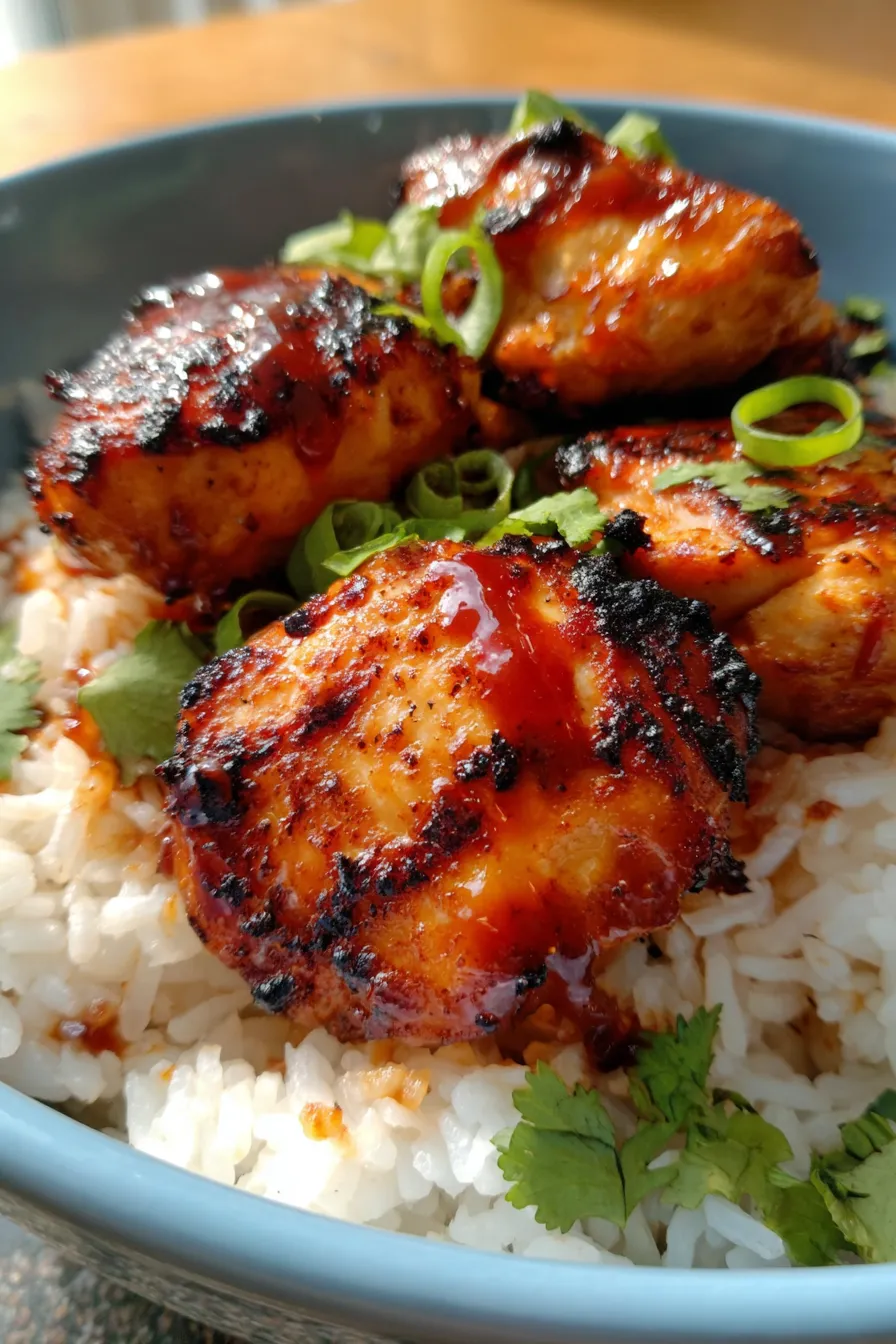
Presentation can significantly enhance the enjoyment of a meal. Garnish the stir-fry with chopped green onions, sesame seeds, or a sprig of cilantro to add visual appeal. Serve the dish in an attractive bowl or platter.
Frequently Asked Questions (FAQ)
Q: Can I make sweet and sour chicken stir-fry ahead of time?
A: While it’s best served fresh, you can prepare the components (chicken, vegetables, and sauce) ahead of time and store them separately in the refrigerator. When you’re ready to eat, simply stir-fry the ingredients together and heat through.
Q: How do I prevent my stir-fry from becoming soggy?
A: Use high heat, avoid overcrowding the wok or skillet, and cook the ingredients in the order of their cooking time. Also, don’t overcook the vegetables.
Q: Can I use frozen vegetables in sweet and sour chicken stir-fry?
A: Yes, you can use frozen vegetables, but be sure to thaw them completely and pat them dry before adding them to the stir-fry to prevent them from making the dish watery.
Q: How long does sweet and sour chicken stir-fry last in the refrigerator?
A: Properly stored in an airtight container, sweet and sour chicken stir-fry will last for 3-4 days in the refrigerator.
Q: What can I use instead of cornstarch to thicken the sauce?
A: Arrowroot powder or tapioca starch can be used as substitutes for cornstarch.
Q: Can I add fruit other than pineapple to sweet and sour chicken stir-fry?
A: Yes, you can add other fruits such as mango, grapes, or oranges for a unique twist.
Q: What is the best type of vinegar to use in sweet and sour sauce?
A: Rice vinegar is often preferred for its mild and slightly sweet flavor, but white vinegar or apple cider vinegar can also be used.
Q: Can I bake the chicken instead of stir-frying it?
A: Yes, you can bake the chicken. Cut the chicken into bite-sized pieces, toss with a little oil, and bake at 400°F (200°C) for about 15-20 minutes, or until cooked through. Then add it to the stir-fried vegetables and sauce.