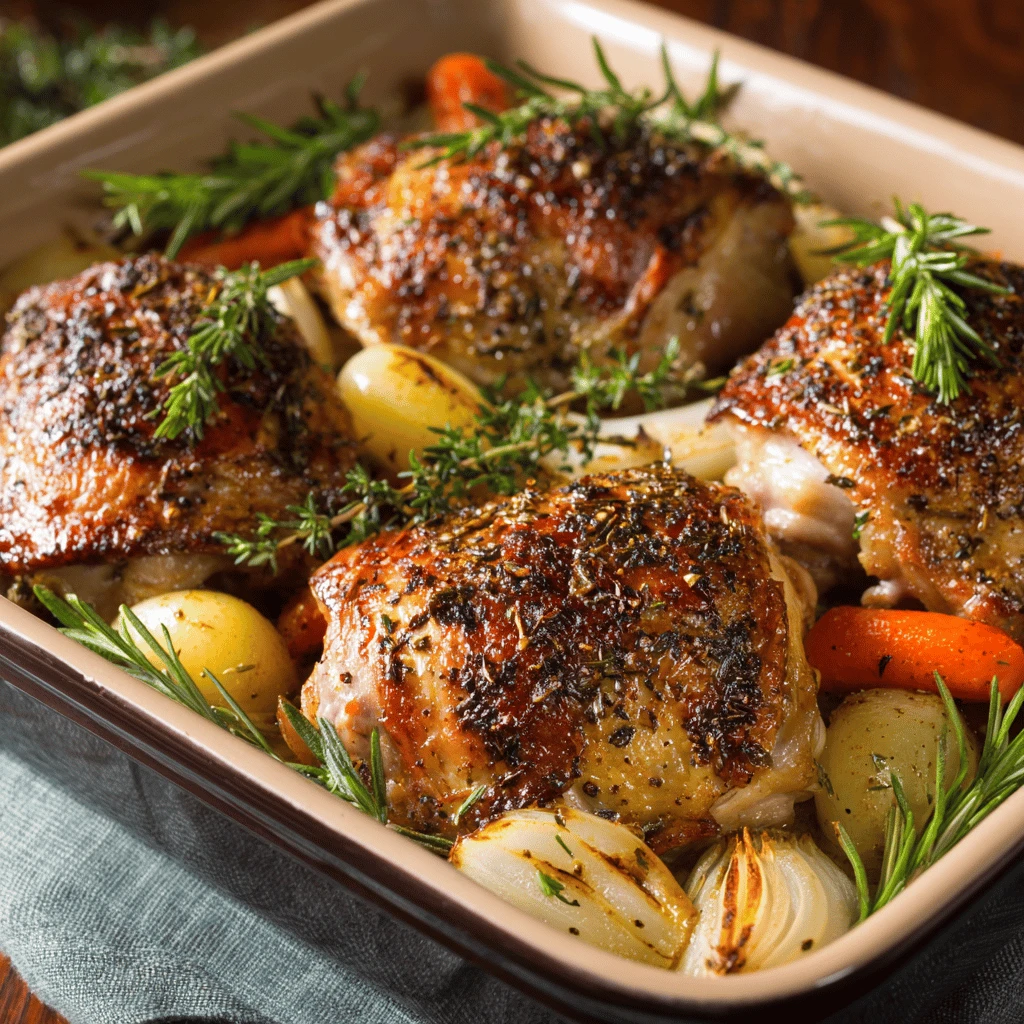
Herb Roasted Turkey Thighs Thanksgiving Recipes Turkey thighs are an excellent alternative to a whole turkey, offering a rich, flavorful, and often more budget-friendly option for your Thanksgiving feast. They’re also easier to manage in terms of cooking time and carving. This guide provides everything you need to create the perfect herb-roasted turkey thighs, ensuring…
Herb Roasted Turkey Thighs Thanksgiving Recipes
Turkey thighs are an excellent alternative to a whole turkey, offering a rich, flavorful, and often more budget-friendly option for your Thanksgiving feast. They’re also easier to manage in terms of cooking time and carving. This guide provides everything you need to create the perfect herb-roasted turkey thighs, ensuring a delicious and memorable Thanksgiving dinner.
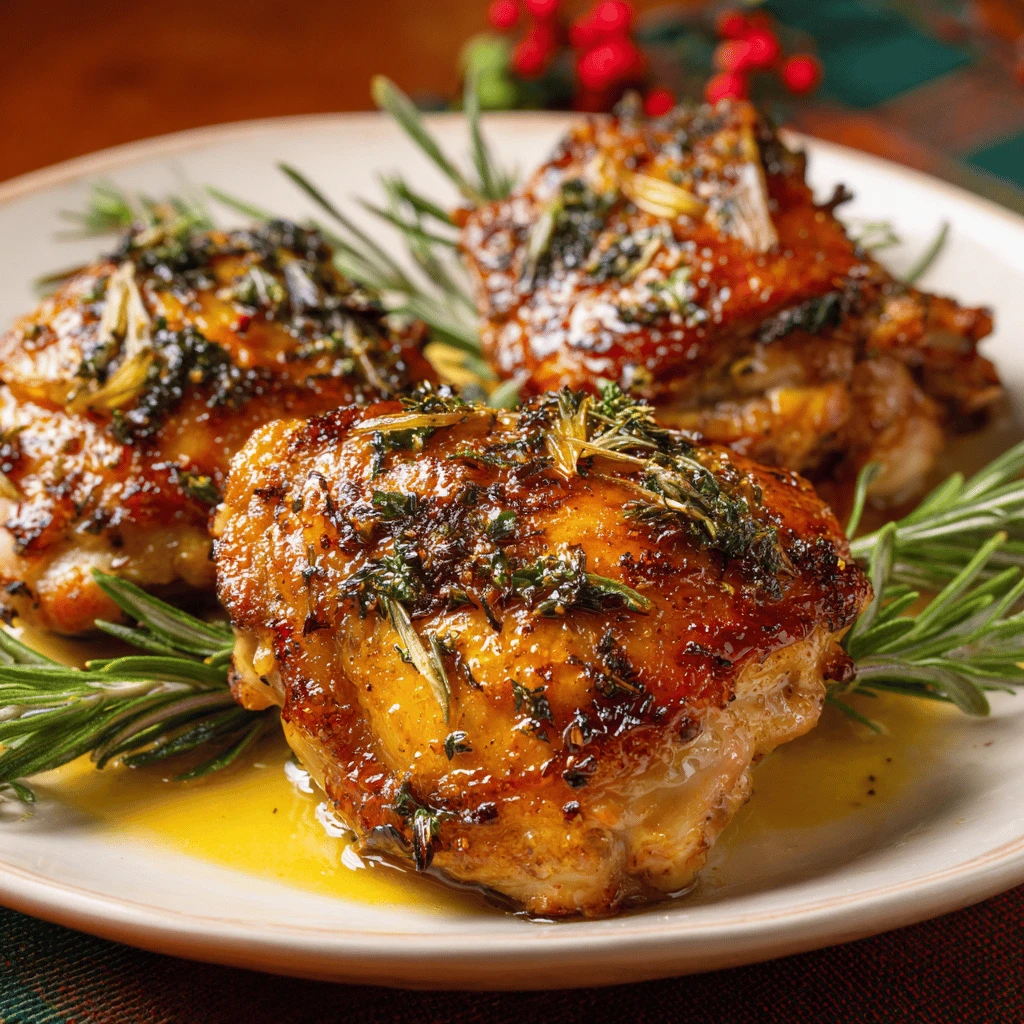
Why Choose Turkey Thighs for Thanksgiving?
Turkey thighs boast several advantages over a whole bird.
Richer Flavor and Moistness
Turkey thighs naturally contain more fat than the breast, resulting in a more succulent and flavorful final product. This fat also helps to keep the meat moist during cooking, preventing it from drying out, a common problem with roasting whole turkeys. The dark meat is inherently more flavorful and satisfying for many palates.
Shorter Cooking Time
Roasting turkey thighs requires significantly less time than roasting a whole turkey. This is a major advantage, especially when you’re juggling multiple dishes on Thanksgiving Day. Shorter cooking times also mean less oven space is needed, freeing up room for other Thanksgiving staples.
Budget-Friendly Option
Turkey thighs are typically less expensive per pound than a whole turkey or turkey breast. This makes them a great choice for smaller gatherings or for those looking to save money without sacrificing flavor. You can still enjoy the essence of a traditional Thanksgiving meal without breaking the bank.
Easy to Carve and Serve
Unlike a whole turkey, carving turkey thighs is incredibly simple. The bone is easily removed, and the meat can be sliced or shredded for serving. This streamlined carving process makes serving a breeze and allows your guests to enjoy the meal without any fuss.
Perfect Herb Blend for Turkey Thighs
The key to truly exceptional herb-roasted turkey thighs is the right combination of herbs and spices. A well-balanced blend enhances the natural flavor of the turkey without overpowering it.
Essential Herbs and Spices
- Rosemary: Provides a woody, aromatic flavor that complements the richness of the turkey. Use fresh rosemary for the best results.
- Thyme: Adds an earthy and slightly lemony note. Fresh thyme is preferable, but dried thyme works well too.
- Sage: Offers a distinct, savory flavor that is quintessentially Thanksgiving. Fresh sage is ideal, but dried sage can be substituted.
- Garlic: Essential for adding depth and complexity to the herb blend. Minced fresh garlic is recommended.
- Paprika: Enhances the color and adds a subtle smoky note. Smoked paprika can be used for an even deeper flavor.
- Salt and Pepper: Seasoning is crucial for bringing out the flavors of the turkey and herbs. Use kosher salt and freshly ground black pepper.
Creating the Herb Rub
To create the herb rub, finely chop the fresh herbs (rosemary, thyme, and sage). In a bowl, combine the chopped herbs with minced garlic, paprika, salt, and pepper. Add olive oil to create a paste. This paste will be rubbed all over the turkey thighs, ensuring maximum flavor infusion. You can also add lemon zest for a brighter flavor profile.
Marinating for Deeper Flavor
For even more flavor, consider marinating the turkey thighs overnight. Prepare the herb rub as described above and generously coat the turkey thighs. Place the thighs in a resealable bag or container and refrigerate for at least 4 hours, or preferably overnight. This allows the herbs and spices to penetrate the meat, resulting in a more flavorful and tender final product.
Step-by-Step Guide to Roasting Turkey Thighs
Follow this easy-to-follow guide to roast your turkey thighs to perfection.
Preparation
1. Preheat Oven: Preheat your oven to 325°F (160°C). This lower temperature ensures even cooking and helps to keep the turkey thighs moist.
2. Prepare Turkey Thighs: Remove the turkey thighs from the refrigerator about 30 minutes before cooking. Pat them dry with paper towels. This helps the skin crisp up during roasting.
3. Season Generously: Generously rub the prepared herb mixture all over the turkey thighs, ensuring every surface is covered. For extra flavor, lift the skin and rub some of the herb mixture underneath.
4. Prepare Roasting Pan: Place the turkey thighs in a roasting pan. You can add a bed of chopped vegetables, such as carrots, celery, and onions, to the bottom of the pan. This will add flavor to the drippings and create a flavorful gravy base.
Roasting Process
1. Roast Turkey Thighs: Place the roasting pan in the preheated oven. Roast for approximately 1 hour and 30 minutes to 2 hours, or until the internal temperature reaches 165°F (74°C). Use a meat thermometer to ensure accuracy. Insert the thermometer into the thickest part of the thigh, avoiding the bone.
2. Basting (Optional): Basting the turkey thighs every 30 minutes with pan drippings or melted butter can help to keep them moist and enhance the flavor.
3. Resting: Once the turkey thighs reach the desired internal temperature, remove them from the oven and let them rest for at least 15 minutes before carving. This allows the juices to redistribute, resulting in a more tender and flavorful final product. Cover the thighs loosely with foil while they rest.
Gravy and Serving
While the turkey thighs are resting, prepare a flavorful gravy using the pan drippings. Strain the drippings to remove any solids. In a saucepan, whisk together the drippings with flour to create a roux. Gradually add chicken or turkey broth, whisking constantly to prevent lumps. Simmer until the gravy thickens to your desired consistency. Season with salt, pepper, and any additional herbs as needed. Carve or shred the turkey thighs and serve with the gravy, alongside your favorite Thanksgiving sides.
Tips for Success: Ensuring Moist and Flavorful Turkey Thighs
Achieving perfectly cooked turkey thighs requires attention to detail. Here are some valuable tips to ensure success.
Choosing the Right Turkey Thighs
- Fresh vs. Frozen: Fresh turkey thighs are generally preferred for their superior flavor and texture. If using frozen, thaw them completely in the refrigerator for at least 24 hours before cooking.
- Size and Quality: Choose turkey thighs that are uniform in size for even cooking. Look for thighs that are plump and have a good color. Avoid thighs that appear discolored or have an off-putting smell.
- Bone-In vs. Boneless: Bone-in turkey thighs tend to be more flavorful and moist, as the bone helps to retain moisture during cooking. Boneless thighs are easier to carve and serve.
Preventing Dryness
- Brining: Brining the turkey thighs before roasting can help to keep them moist and flavorful. Submerge the thighs in a brine solution (water, salt, sugar, and herbs) for several hours or overnight.
- Roasting Bag: Using a roasting bag can help to trap moisture and prevent the turkey thighs from drying out. Follow the instructions on the roasting bag package.
- Don’t Overcook: Overcooking is the most common cause of dry turkey. Use a meat thermometer to ensure that the internal temperature reaches 165°F (74°C) and remove the thighs from the oven immediately.
Flavor Enhancements
- Citrus: Adding lemon or orange slices to the roasting pan can infuse the turkey thighs with a bright, citrusy flavor.
- Wine: Deglazing the roasting pan with white wine before making the gravy can add depth and complexity to the flavor.
- Smoked Paprika: Using smoked paprika in the herb rub will add a smoky flavor that complements the turkey perfectly.
Variations and Adaptations
While the classic herb-roasted turkey thighs recipe is delicious on its own, there are many ways to customize it to suit your preferences.
Spicy Turkey Thighs
Add a pinch of cayenne pepper or a dash of hot sauce to the herb rub for a spicy kick. You can also include chili powder or chipotle powder for a smoky heat.
Mediterranean-Inspired Turkey Thighs
Use Mediterranean herbs such as oregano, basil, and mint in the herb rub. Add sun-dried tomatoes, olives, and feta cheese to the roasting pan for a Mediterranean twist.
Maple-Glazed Turkey Thighs
Brush the turkey thighs with maple syrup during the last 30 minutes of roasting for a sweet and savory glaze. You can also add a touch of Dijon mustard for a tangy flavor.
Slow Cooker Turkey Thighs
For a hands-off approach, cook the turkey thighs in a slow cooker. Place the seasoned thighs in the slow cooker with chopped vegetables and broth. Cook on low for 6-8 hours or on high for 3-4 hours, until the meat is tender and easily pulls apart.
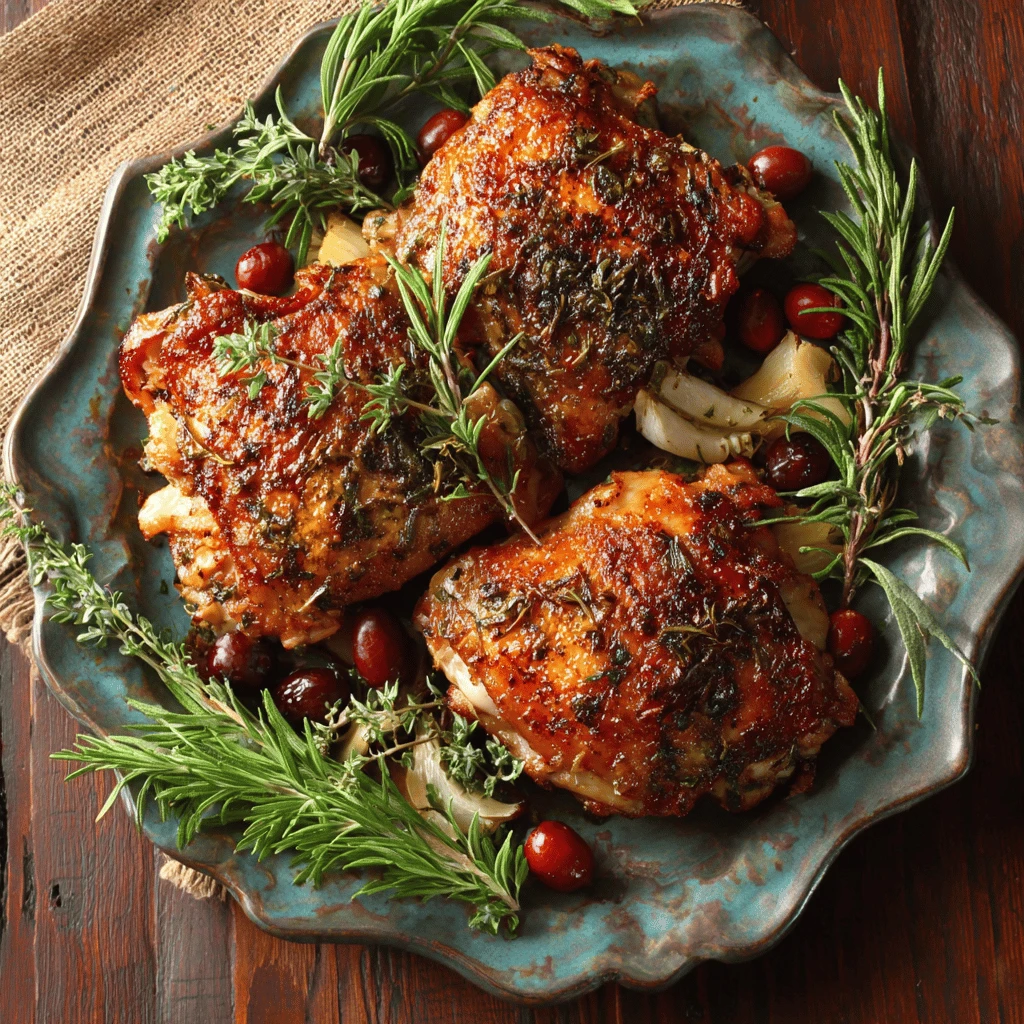
FAQ: Answering Your Turkey Thigh Questions
Here are some frequently asked questions about cooking turkey thighs, ensuring you have all the information you need for a successful Thanksgiving meal.
Q: How many turkey thighs should I plan per person?
A: A general rule of thumb is to plan for one turkey thigh per person. If you have big eaters or want leftovers, you can adjust accordingly.
Q: Can I cook turkey thighs ahead of time?
A: Yes, you can cook turkey thighs ahead of time. Allow them to cool completely, then store them in an airtight container in the refrigerator for up to 3 days. Reheat them in the oven or microwave before serving.
Q: How do I know when the turkey thighs are done?
A: The best way to determine doneness is to use a meat thermometer. Insert the thermometer into the thickest part of the thigh, avoiding the bone. The internal temperature should reach 165°F (74°C).
Q: What can I do with leftover turkey thighs?
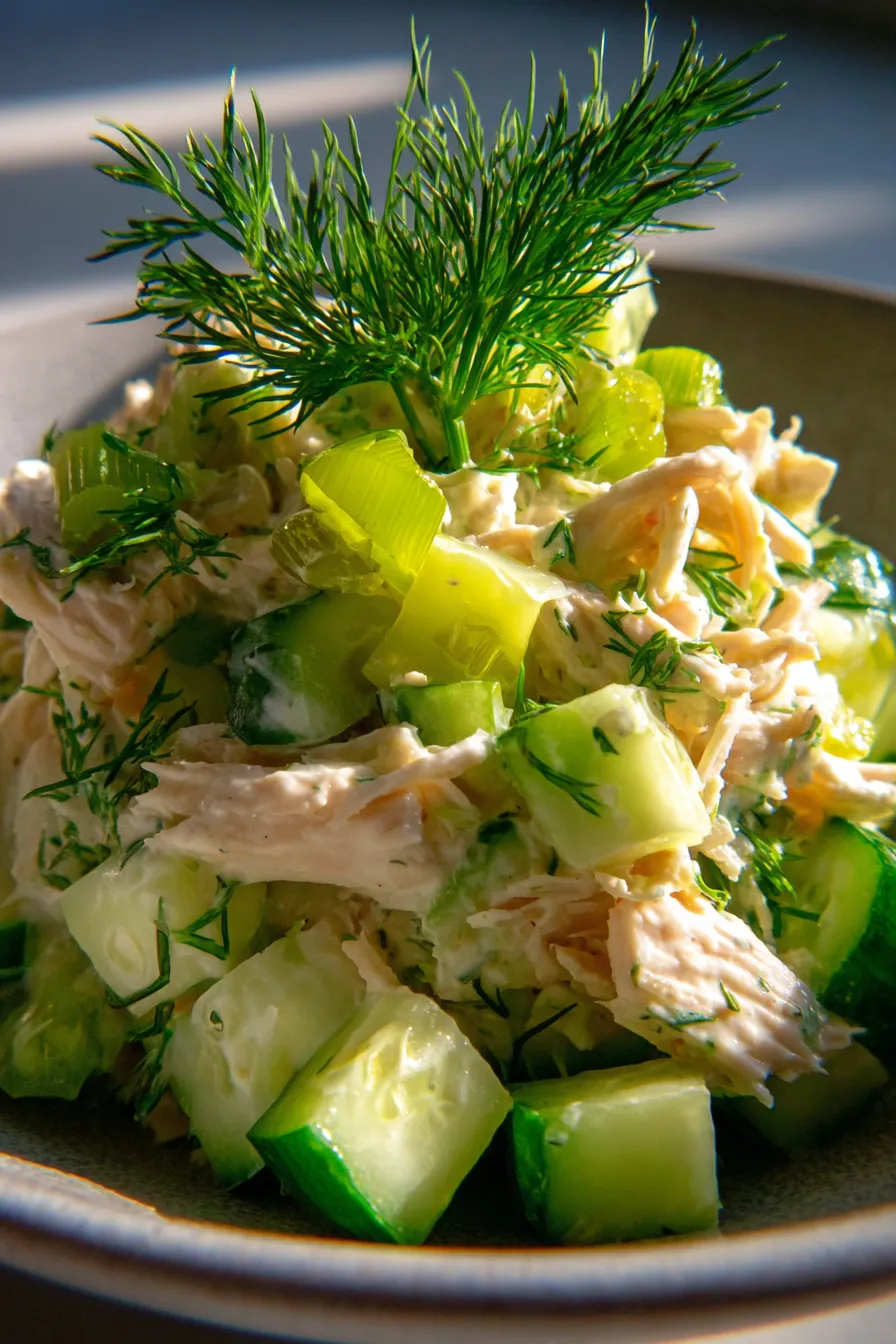
A: Leftover turkey thighs can be used in a variety of dishes, such as turkey sandwiches, turkey pot pie, turkey tacos, or turkey salad. Shred the meat and add it to soups, stews, or casseroles.
Q: Can I use bone-in or boneless turkey thighs?
A: You can use either bone-in or boneless turkey thighs. Bone-in thighs tend to be more flavorful and moist, while boneless thighs are easier to carve. Adjust the cooking time accordingly.