Crockpot Chicken Curry: Effortless Flavor in Every Bite Chicken curry is a dish beloved worldwide, offering a symphony of flavors that range from mild and creamy to intensely spicy. While traditionally simmered on the stovetop, the crockpot provides a hands-off approach, allowing the flavors to meld and deepen over hours, resulting in a truly exceptional…
Crockpot Chicken Curry: Effortless Flavor in Every Bite
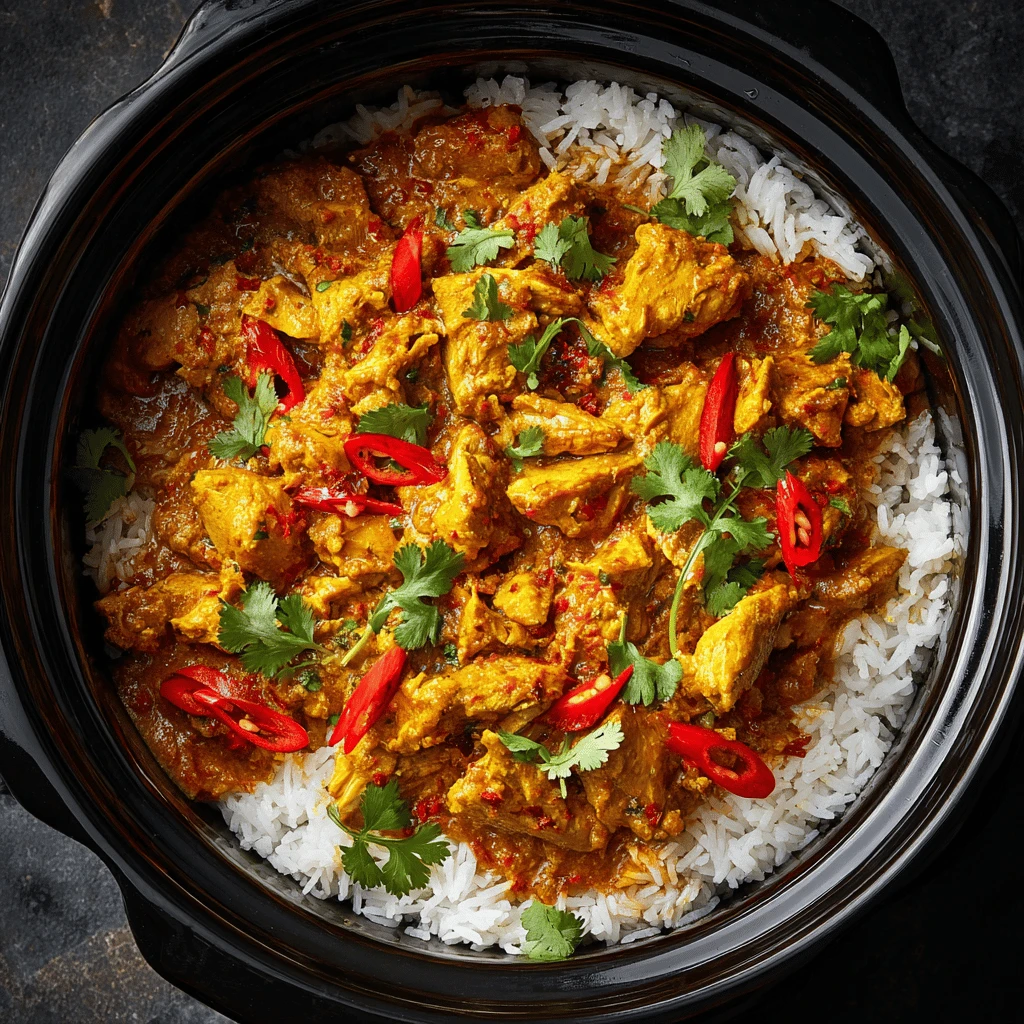
Chicken curry is a dish beloved worldwide, offering a symphony of flavors that range from mild and creamy to intensely spicy. While traditionally simmered on the stovetop, the crockpot provides a hands-off approach, allowing the flavors to meld and deepen over hours, resulting in a truly exceptional meal. This guide will walk you through creating the perfect crockpot chicken curry, exploring variations, essential tips, and answering common questions.
The Allure of Crockpot Chicken Curry: Convenience and Flavor
Why choose the crockpot for chicken curry? The answer lies in its simplicity and ability to develop rich, complex flavors.
- Effortless Cooking: The crockpot does the work for you. Simply add the ingredients, set the timer, and walk away. This is ideal for busy weeknights or when you want a delicious meal without spending hours in the kitchen.
- Enhanced Flavor: Slow cooking allows the spices to infuse the chicken and sauce, resulting in a more nuanced and flavorful curry compared to quicker cooking methods. The low, consistent heat tenderizes the chicken, ensuring it’s juicy and succulent.
- Perfect for Meal Prep: Crockpot chicken curry is excellent for meal prepping. Make a large batch on the weekend and enjoy flavorful lunches or dinners throughout the week. It also freezes well for longer storage.
- Versatile and Adaptable: The recipe can easily be adjusted to suit your preferences. Add different vegetables, adjust the spice level, or swap out the protein for a vegetarian option.
Mastering the Basics: Ingredients and Preparation
A fantastic crockpot chicken curry begins with high-quality ingredients and proper preparation. Here’s a breakdown of the essentials:
- Chicken: Boneless, skinless chicken thighs are ideal for crockpot cooking. They remain moist and tender even after hours of slow cooking. Chicken breasts can also be used, but be careful not to overcook them, as they can become dry. Cut the chicken into bite-sized pieces for even cooking.
- Aromatics: Onions, garlic, and ginger form the foundation of the curry’s flavor. Sautéing these aromatics briefly before adding them to the crockpot enhances their flavor and prevents a raw taste.
- Spices: A blend of spices is crucial for creating an authentic curry flavor. Common spices include turmeric, cumin, coriander, chili powder (or cayenne pepper), garam masala, and ginger. Adjust the amounts to your desired spice level.
- Tomatoes: Diced tomatoes, tomato paste, or crushed tomatoes provide the base for the sauce. Tomato paste adds richness and depth of flavor.
- Coconut Milk: Coconut milk adds creaminess and sweetness to the curry. Full-fat coconut milk provides the richest flavor, but light coconut milk can be used for a lower-fat option.
- Broth: Chicken broth or vegetable broth adds moisture and helps to create a flavorful sauce.
- Other Vegetables: Bell peppers, peas, spinach, potatoes, cauliflower, and other vegetables can be added to the curry for added nutrients and flavor. Add heartier vegetables like potatoes and cauliflower at the beginning of cooking, while more delicate vegetables like spinach and peas can be added towards the end.
- Optional Ingredients: Yogurt or heavy cream can be added at the end for extra creaminess. Lemon juice or lime juice brightens the flavors. Fresh cilantro or parsley adds a fresh, herbaceous touch.
Preparation Steps:
1. Sauté Aromatics: In a skillet, sauté the chopped onions, garlic, and ginger in a little oil until softened. This step is optional but highly recommended for a more complex flavor.
2. Combine Ingredients: In the crockpot, combine the sautéed aromatics, chicken pieces, diced tomatoes, tomato paste, spices, coconut milk, and broth.
3. Stir Well: Stir everything together to ensure the chicken is coated in the sauce and the spices are evenly distributed.
4. Cook: Cook on low for 6-8 hours or on high for 3-4 hours, or until the chicken is cooked through and tender.
5. Add Finishing Touches: Stir in any additional vegetables, yogurt, cream, or lemon juice towards the end of cooking. Garnish with fresh cilantro or parsley before serving.
Variations and Customization: Tailoring Your Curry
The beauty of crockpot chicken curry lies in its adaptability. Here are some popular variations and customization options:
-
- Spice Level: Adjust the amount of chili powder or cayenne pepper to control the heat. You can also add a pinch of red pepper flakes for extra spice. For a milder curry, omit the chili powder altogether.
- Vegetable Additions: Experiment with different vegetables based on your preferences and what you have on hand. Some popular choices include bell peppers (red, yellow, or green), cauliflower, potatoes, sweet potatoes, carrots, peas, spinach, and green beans.
- Protein Options: While chicken is the most common choice, you can also use other proteins such as lamb, beef, or chickpeas for a vegetarian option.
- Creaminess: Adjust the amount of coconut milk to achieve your desired level of creaminess. You can also add a dollop of yogurt or heavy cream at the end for extra richness.
- Type of Curry: Explore different regional variations of chicken curry, such as:
Butter Chicken: Add butter and cream for a richer, sweeter flavor.
Chicken Tikka Masala: Use a marinade for the chicken and add a blend of warm spices.
Madras Curry: Increase the amount of chili powder for a spicier, more vibrant curry.
Korma Curry: Use ground almonds or cashew nuts for a thicker, creamier sauce.
- Sweetness: For a touch of sweetness, add a teaspoon of sugar, honey, or maple syrup.
- Acid: Lemon juice or lime juice can be added at the end to brighten the flavors and balance the richness of the curry.
Tips for Crockpot Chicken Curry Success
- Don’t Overcook: While the crockpot is forgiving, overcooking the chicken can result in dry, stringy meat, especially if using chicken breasts. Check the internal temperature of the chicken towards the end of cooking to ensure it’s cooked through but not overdone. An internal temperature of 165°F (74°C) is recommended.
- Brown the Chicken (Optional): Browning the chicken in a skillet before adding it to the crockpot adds extra flavor and texture. This step is not essential but can enhance the overall taste of the curry.
- Thicken the Sauce (if needed): If the sauce is too thin, you can thicken it by removing some of the liquid from the crockpot and simmering it in a saucepan until it reduces. Alternatively, you can mix a tablespoon of cornstarch with a tablespoon of cold water to create a slurry and stir it into the curry during the last 30 minutes of cooking.
- Adjust Seasoning: Taste the curry towards the end of cooking and adjust the seasoning as needed. Add more salt, pepper, spices, or lemon juice to suit your preferences.
- Use Fresh Spices: Freshly ground spices will provide the most potent flavor. If using pre-ground spices, make sure they are not expired.
- Layer Flavors: Building flavor in stages is key. Sautéing the aromatics, browning the chicken (optional), and adding the spices at the beginning of cooking all contribute to a more complex and delicious curry.
- Don’t Open the Lid Too Often: Opening the lid of the crockpot releases heat and moisture, which can prolong the cooking time. Resist the urge to peek too often.
Serving and Storing Your Crockpot Chicken Curry
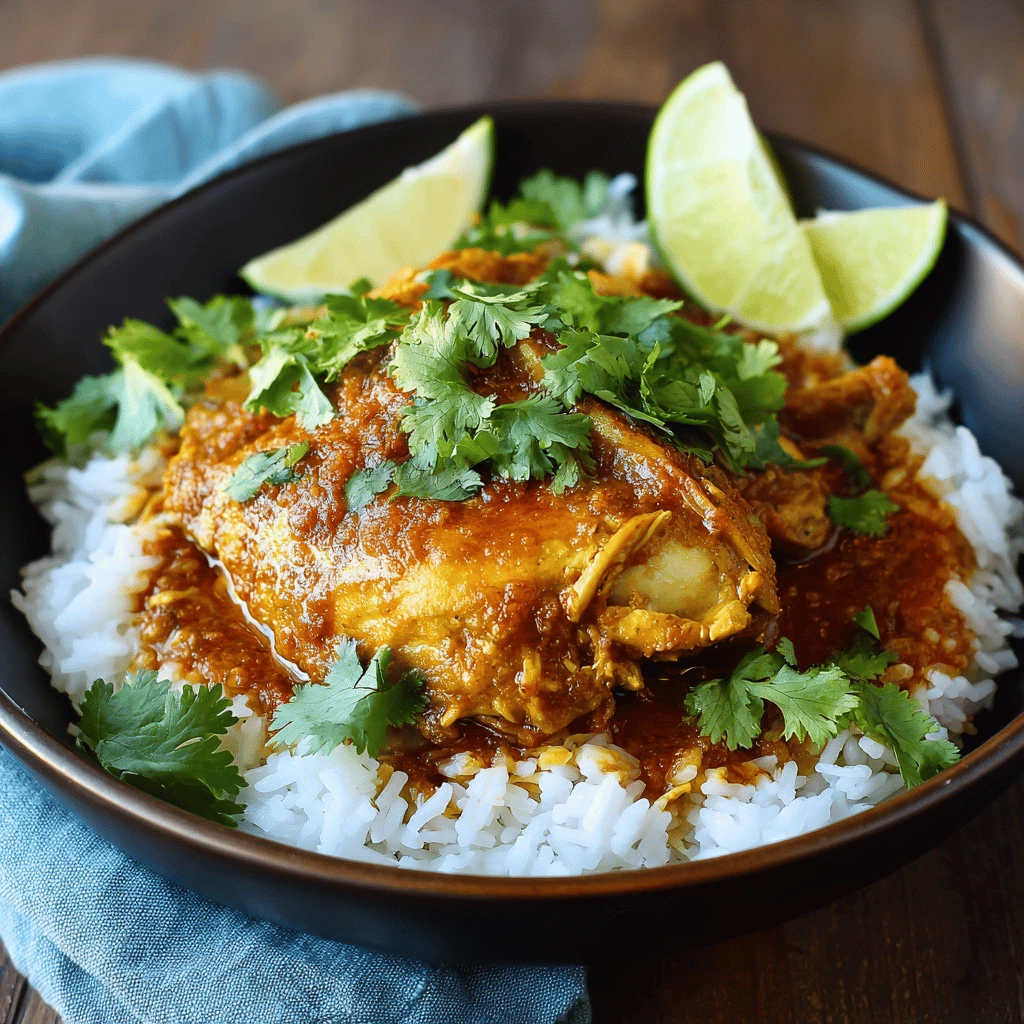
Crockpot chicken curry is best served hot, over rice or naan bread. Here are some serving suggestions:
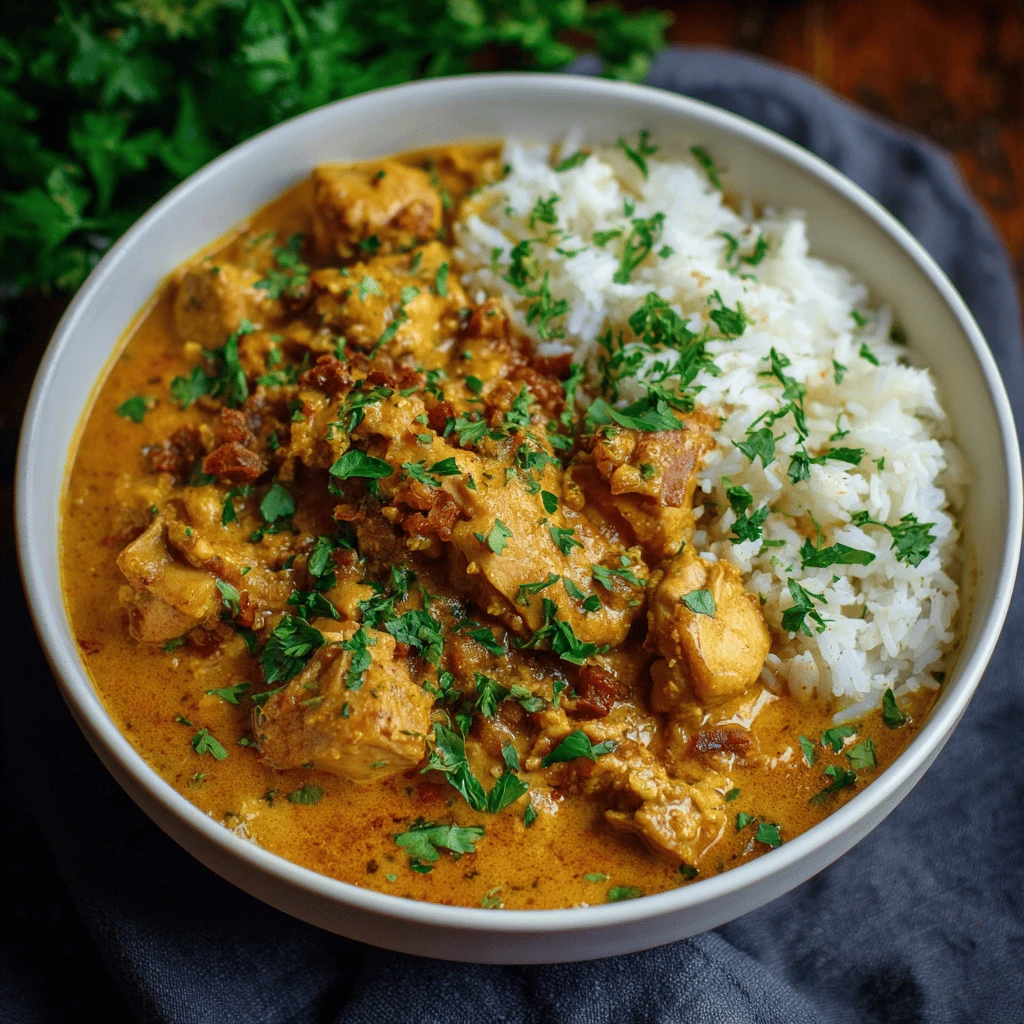
- Rice: Basmati rice, jasmine rice, or brown rice are all excellent choices.
- Naan Bread: Warm naan bread is perfect for scooping up the curry and soaking up the delicious sauce.
- Garnish: Garnish with fresh cilantro or parsley for a pop of freshness. A dollop of yogurt or a squeeze of lemon juice can also be added for extra flavor.
- Sides: Serve with a side of raita (a yogurt-based condiment) or mango chutney to complement the flavors of the curry.
Storing Leftovers:
- Refrigerate: Leftover chicken curry can be stored in an airtight container in the refrigerator for up to 3-4 days.
- Freeze: For longer storage, freeze the curry in an airtight container for up to 2-3 months. Thaw overnight in the refrigerator before reheating.
- Reheating: Reheat the curry in a saucepan over medium heat, or in the microwave. Add a little broth or water if the sauce is too thick.
Frequently Asked Questions (FAQ)
- Can I use frozen chicken in the crockpot? While it’s generally recommended to use thawed chicken for even cooking and food safety, you can cook frozen chicken in a crockpot in certain situations. However, it will significantly increase the cooking time (add 2-4 hours). Ensure the chicken reaches an internal temperature of 165°F (74°C). Be aware that the texture might be slightly different compared to using thawed chicken. It’s crucial to check the temperature with a food thermometer to make sure the chicken is cooked all the way through.
- How do I prevent my chicken from drying out in the crockpot? Using chicken thighs instead of breasts is the easiest way. If using breasts, be careful not to overcook them. Cook on low heat for a shorter period, and check for doneness frequently towards the end. You can also add more liquid to the crockpot.
- Can I make this curry vegetarian? Yes, simply substitute the chicken with chickpeas, lentils, or vegetables like potatoes, cauliflower, or butternut squash. Adjust the cooking time accordingly, as vegetables may cook faster than chicken.
- What if my curry is too spicy? Add a dollop of yogurt or sour cream to cool it down. You can also add a squeeze of lemon or lime juice to balance the flavors. Another option is to add a touch of sweetness, such as a teaspoon of honey or sugar.
- Can I use different types of milk? While coconut milk is traditional, you can use other types of milk or cream, such as heavy cream, half-and-half, or even evaporated milk. Keep in mind that the flavor and texture will be slightly different.
- How do I make this curry ahead of time? Prepare the curry as directed, but stop cooking when you will be leaving. Then refrigerate it. The next day, place it back in the crockpot and continue cooking until heated through. This is a great way to deepen the flavors.
- What’s the best way to serve crockpot chicken curry? Serve it hot over rice, naan bread, or even quinoa. Garnish with fresh cilantro or parsley for a pop of freshness. A dollop of yogurt or a squeeze of lemon juice can also be added for extra flavor.
- Can I add potatoes to this recipe? Yes, potatoes are a great addition to crockpot chicken curry. Use waxy potatoes like Yukon Gold or red potatoes, as they hold their shape better during slow cooking. Add them to the crockpot at the beginning of cooking, along with the other vegetables.