Rice Cake with Peanut Butter Snack: A Healthy and Delicious Treat Rice cakes with peanut butter have become a staple snack for health-conscious individuals and busy bees alike. This simple combination offers a satisfying crunch, a creamy texture, and a burst of flavor, making it a versatile and convenient option for any time of day….
Rice Cake with Peanut Butter Snack: A Healthy and Delicious Treat
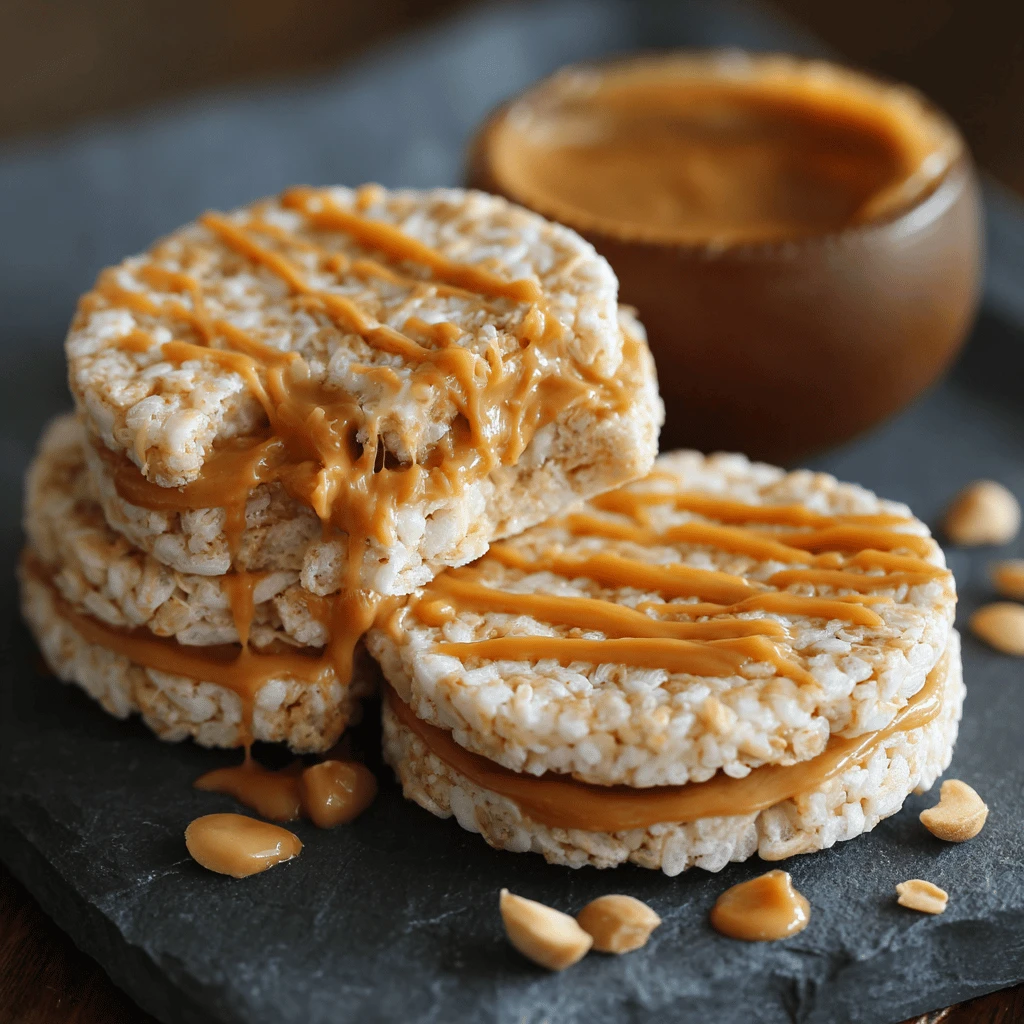
Rice cakes with peanut butter have become a staple snack for health-conscious individuals and busy bees alike. This simple combination offers a satisfying crunch, a creamy texture, and a burst of flavor, making it a versatile and convenient option for any time of day. But is it truly a healthy choice? Let’s delve into the details of this popular snack and explore its nutritional value, variations, and potential benefits.
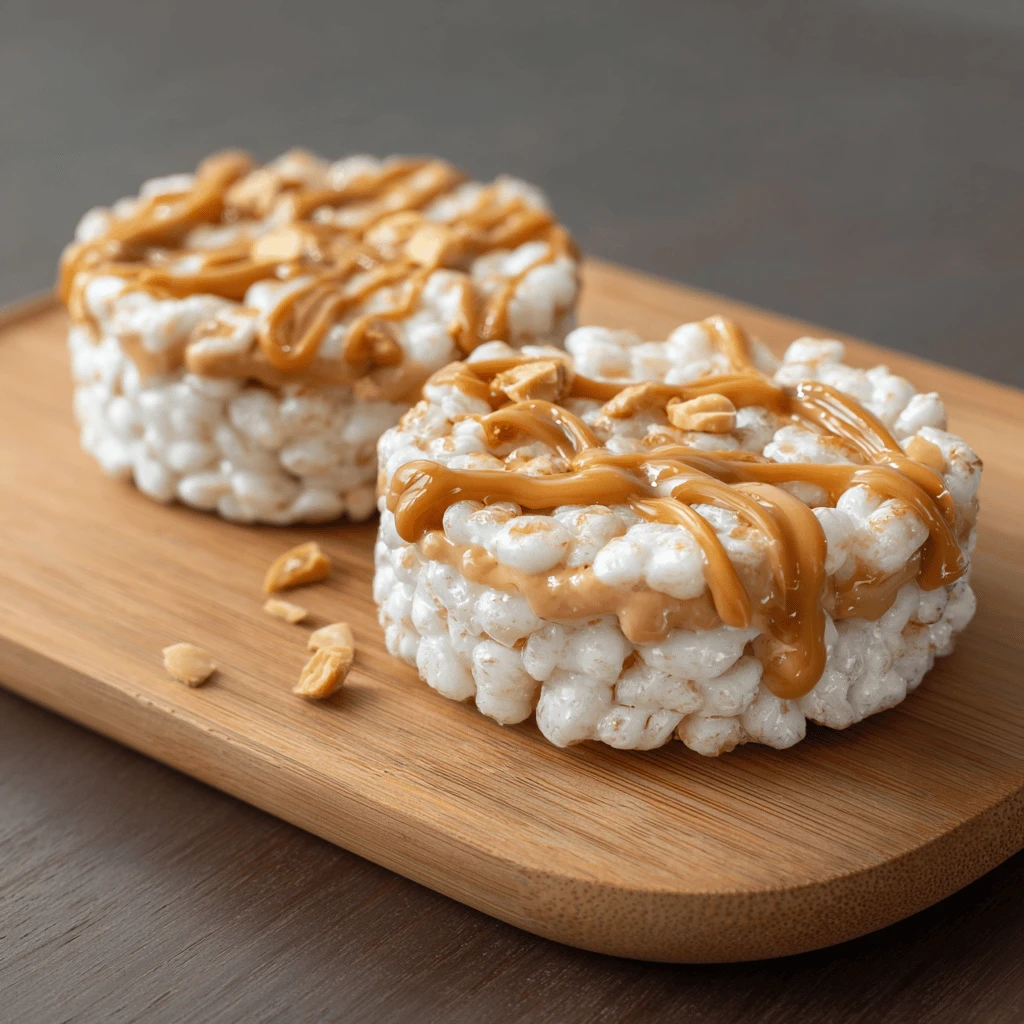
The Appeal of Rice Cakes and Peanut Butter
The popularity of rice cakes stems from their low calorie count and relatively neutral flavor. They provide a satisfying crunch without packing in a lot of carbs or fat. Peanut butter, on the other hand, is a protein powerhouse loaded with healthy fats and essential nutrients. When combined, these two ingredients create a balanced snack that can keep you feeling full and energized.
Why This Combination Works:
- Satisfying Texture: The crispness of the rice cake complements the smooth creaminess of peanut butter.
- Balanced Nutrition: Offers a mix of carbohydrates, protein, and healthy fats.
- Customizable: Easy to add toppings and variations to suit individual tastes.
- Convenient: Requires minimal preparation and is easily portable.
- Relatively Inexpensive: Both rice cakes and peanut butter are budget-friendly options.
Nutritional Breakdown and Health Benefits
Understanding the nutritional profile of rice cakes with peanut butter is crucial for making informed dietary choices. Let’s take a closer look at what this snack offers:
Rice Cakes:
- Calories: Typically low, ranging from 35-60 calories per cake, depending on the brand and flavor.
- Carbohydrates: Primarily carbohydrates, with a small amount of fiber.
- Fat: Very low in fat.
- Protein: Minimal protein content.
- Vitamins and Minerals: Offers some manganese and magnesium.
Peanut Butter (2 tablespoons):
- Calories: Approximately 190 calories.
- Fat: High in healthy monounsaturated and polyunsaturated fats.
- Protein: Around 7-8 grams of protein.
- Carbohydrates: Contains some carbohydrates and fiber.
- Vitamins and Minerals: A good source of vitamin E, magnesium, phosphorus, and potassium.
Overall Benefits:
- Energy Boost: Carbohydrates provide quick energy.
- Satiety: Protein and healthy fats contribute to feelings of fullness.
- Nutrient Rich: Offers essential vitamins and minerals.
- Good Source of Protein: Peanut butter is a plant-based protein source.
However, it’s important to choose your ingredients wisely. Opt for plain, unsalted rice cakes to avoid added sodium and sugars. Select natural peanut butter, which contains only peanuts and perhaps a bit of salt, avoiding those with added sugars and oils. This ensures you’re getting the most nutritional value without unnecessary additives.
Creative Variations and Toppings
One of the best things about rice cakes with peanut butter is their versatility. You can easily customize them to your liking with a variety of toppings and flavor combinations. Here are some ideas to get you started:
Sweet Variations:
- Banana Slices: Add potassium and natural sweetness.
- Honey or Maple Syrup: A drizzle for extra sweetness.
- Berries (Strawberries, Blueberries, Raspberries): Antioxidant boost and fruity flavor.
- Chocolate Chips (Dark Chocolate is best): A treat for chocolate lovers.
- Cinnamon: Adds warmth and spice.
- Apple Slices: Creates a delicious fall-inspired snack.
- Dried Cranberries: Chewy texture and tart flavor.
Savory Variations:
- Everything Bagel Seasoning: Adds savory flavor and texture.
- Red Pepper Flakes: For a spicy kick.
- Chia Seeds: Boosts fiber and omega-3 fatty acids.
- Hemp Seeds: Adds protein and healthy fats.
- Sea Salt: Enhances the flavor of the peanut butter.
How to Assemble:
1. Spread: Start by spreading a thin layer of peanut butter evenly over the rice cake.
2. Top: Add your desired toppings.
3. Enjoy: Eat immediately to maintain the crispness of the rice cake.
Experiment with different combinations to find your favorite! Consider the overall nutritional value of your additions. While a sprinkle of chocolate chips can be a fun treat, focusing on nutrient-dense toppings like fruits and seeds will make your snack even healthier.
Potential Drawbacks and Considerations
While rice cakes with peanut butter can be a healthy snack, there are a few things to keep in mind:
Rice Cake Limitations:
- Low in Nutrients: Rice cakes are primarily carbohydrates and lack significant vitamins and minerals.
- High Glycemic Index: Can cause a rapid spike in blood sugar levels, especially if eaten alone.
- Can be Bland: The plain flavor may not be satisfying for everyone.
Peanut Butter Considerations:
- Allergies: Peanut allergies are common, so be mindful when sharing.
- Calorie Density: Peanut butter is high in calories, so portion control is important.
- Added Sugars and Oils: Choose natural peanut butter without added ingredients.
Making it Healthier:
- Pair with Protein and Fiber: The peanut butter helps, but consider adding other protein sources or high-fiber toppings.
- Choose Whole Grain Rice Cakes: Look for brown rice cakes for a slightly higher fiber content.
- Watch Portion Sizes: Stick to one or two rice cakes with a tablespoon or two of peanut butter.
- Balance Your Diet: Rice cakes with peanut butter should be part of a balanced diet that includes a variety of fruits, vegetables, and whole grains.
For individuals with diabetes or insulin resistance, pairing rice cakes with peanut butter with a source of fiber, like chia or flax seeds, can help to slow down the absorption of glucose into the bloodstream.
Integrating into a Healthy Lifestyle
Rice cakes with peanut butter can be a valuable part of a healthy lifestyle when consumed in moderation and with mindful choices. Here are some tips for incorporating them into your daily routine:
Snack Time:
- Pre- or Post-Workout: Provides a quick source of energy for exercise.
- Mid-Afternoon Pick-Me-Up: Prevents energy crashes and keeps you focused.
- Travel Snack: Easy to pack and convenient for on-the-go snacking.
Meal Component:
- Breakfast Addition: Pair with fruit and yogurt for a more complete breakfast.
- Dessert Alternative: A healthier option than processed sweets.
Tips for Success:
- Plan Ahead: Keep rice cakes and peanut butter readily available for convenient snacking.
- Listen to Your Body: Pay attention to your hunger and fullness cues.
- Variety is Key: Don’t rely solely on rice cakes with peanut butter for your snacking needs. Incorporate a range of healthy options into your diet.
- Read Labels Carefully: Always check the ingredient list and nutritional information of both rice cakes and peanut butter.
By making informed choices and practicing moderation, you can enjoy rice cakes with peanut butter as a satisfying and nutritious part of your healthy eating plan. Remember that a balanced diet and regular physical activity are essential for overall well-being.
Frequently Asked Questions (FAQ)
Are rice cakes with peanut butter healthy?
They can be a part of a healthy diet if you choose plain rice cakes and natural peanut butter without added sugar or salt. They provide a source of carbohydrates, protein, and healthy fats. However, they are low in vitamins and minerals, so they should be consumed in moderation.
How many calories are in a rice cake with peanut butter?
It depends on the size of the rice cake and the amount of peanut butter. A typical rice cake has around 35-60 calories, and 2 tablespoons of peanut butter have about 190 calories. So, one rice cake with 2 tablespoons of peanut butter would have approximately 225-250 calories.
Is peanut butter good for weight loss?
Peanut butter can be part of a weight loss plan due to its protein and fiber content, which can help you feel full and satisfied. However, it is also high in calories, so portion control is important.
Can I eat rice cakes with peanut butter every day?
Yes, you can eat them every day as part of a balanced diet. Just be mindful of portion sizes and choose healthy toppings.
What are some healthy toppings for rice cakes with peanut butter?
Healthy toppings include banana slices, berries, chia seeds, hemp seeds, and a drizzle of honey or maple syrup.
Are rice cakes gluten-free?
Most rice cakes are gluten-free, but always check the label to be sure, especially if you have celiac issues or a gluten sensitivity.
Are rice cakes good for diabetics?
Rice cakes have a high glycemic index, which can cause a spike in blood sugar. Pairing them with peanut butter, which contains protein and healthy fats, can help to mitigate this effect. Choose whole grain rice cakes for a slightly lower glycemic index. Moderation is key.