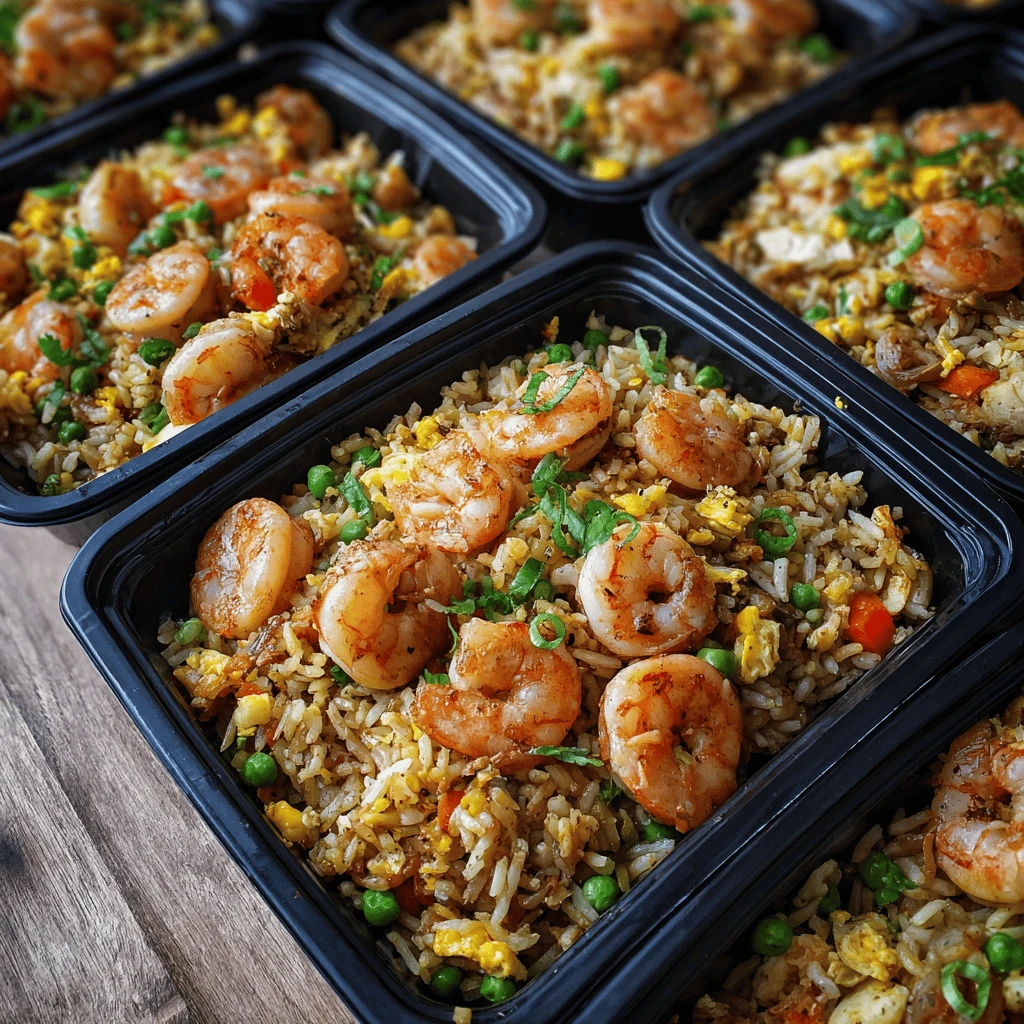
Shrimp Fried Rice Meal Prep: Your Guide to Delicious & Healthy Weekday Lunches Shrimp fried rice is a classic comfort food that’s surprisingly easy to adapt for meal prep. It’s a balanced, flavorful dish packed with protein, carbohydrates, and vegetables, making it an ideal choice for lunch or dinner throughout the week. This guide will…
Shrimp Fried Rice Meal Prep: Your Guide to Delicious & Healthy Weekday Lunches
Shrimp fried rice is a classic comfort food that’s surprisingly easy to adapt for meal prep. It’s a balanced, flavorful dish packed with protein, carbohydrates, and vegetables, making it an ideal choice for lunch or dinner throughout the week. This guide will walk you through creating the perfect shrimp fried rice meal prep, ensuring it stays fresh, delicious, and caters to your dietary needs.
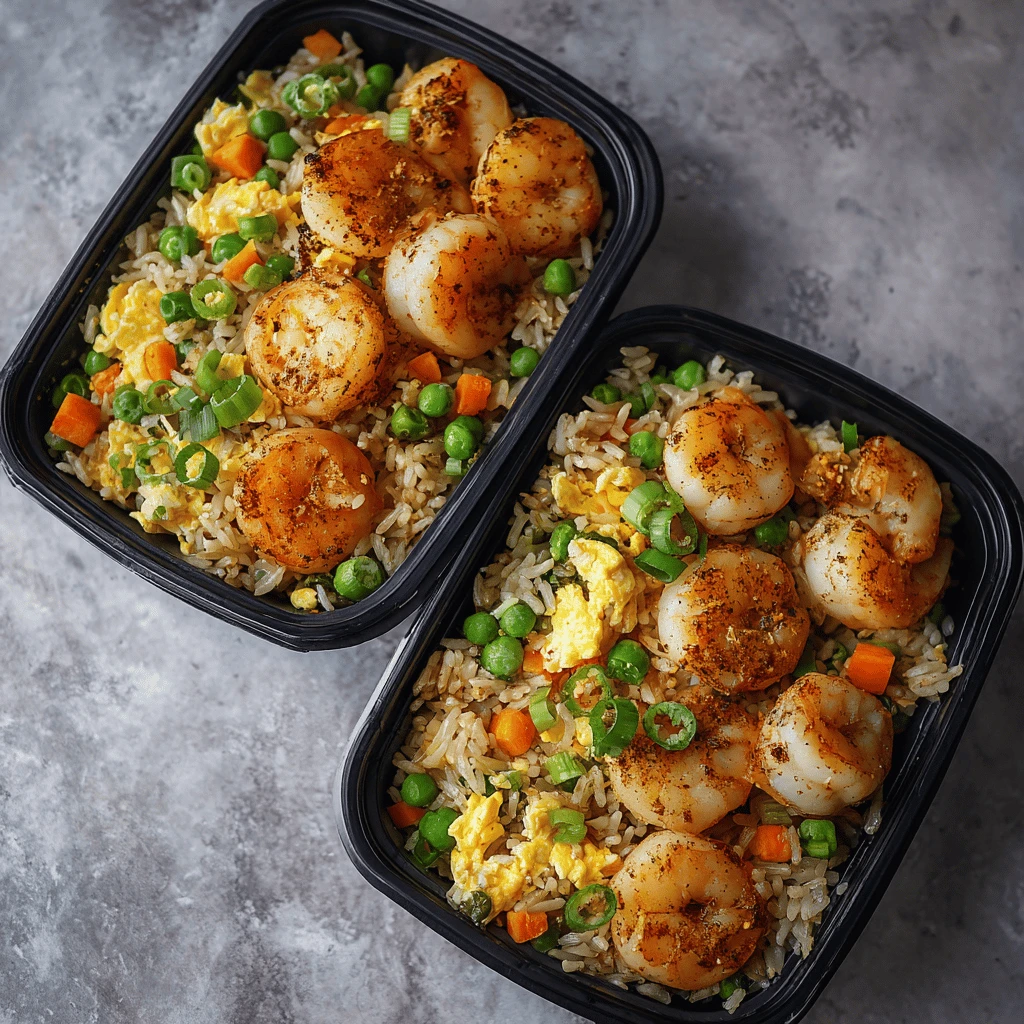
Why Shrimp Fried Rice is Perfect for Meal Prep
Shrimp fried rice offers several advantages as a meal prep option:
- Nutrient-Rich: It provides a good balance of protein from the shrimp, carbohydrates from the rice, and vitamins and minerals from the vegetables.
- Customizable: You can easily adjust the ingredients to suit your preferences and dietary requirements. Want more vegetables? Add them! Need a gluten-free option? Use tamari instead of soy sauce.
- Cost-Effective: Making shrimp fried rice at home is often cheaper than buying takeout. Plus, meal prepping allows you to control portion sizes, helping you stick to your budget.
- Freezable: Shrimp fried rice freezes well, allowing you to prepare larger batches and store them for longer periods. This is particularly useful for busy weeks when you have less time to cook.
- Delicious and Satisfying: Let’s face it, who doesn’t love fried rice? The savory flavors and satisfying texture make it a meal you’ll actually look forward to eating.
Crafting the Ultimate Shrimp Fried Rice: Ingredients and Preparation
The key to great shrimp fried rice is using the right ingredients and following a few simple steps. Here’s a breakdown of what you’ll need and how to prepare it:
Core Ingredients
-
- Rice: The foundation of any good fried rice. Day-old cooked rice is best as it tends to be drier and less likely to clump. Long-grain rice like jasmine or basmati is a good choice, but brown rice can also be used for a healthier option. One cup of uncooked rice will generally yield approximately 3 cups of cooked rice.
- Shrimp: Use peeled and deveined shrimp. Smaller shrimp are generally more economical, but larger shrimp can also be used – just cut them into smaller pieces. Look for sustainably sourced shrimp whenever possible.
- Vegetables: A colorful mix of vegetables not only adds flavor and texture but also boosts the nutritional value. Common choices include:
Diced carrots
Frozen peas
Chopped onions
Diced bell peppers (various colors)
Minced garlic
Chopped green onions (for garnish)
-
- Eggs: Scrambled eggs add protein and richness to the fried rice.
- Soy Sauce (or Tamari): Provides the signature umami flavor. Use low-sodium soy sauce or tamari (for gluten-free) to control the salt content.
- Oil: A neutral oil with a high smoke point, such as canola or vegetable oil, is best for stir-frying. Sesame oil can be added at the end for extra flavor.
- Optional Add-ins:
Sesame oil: Adds a nutty aroma and flavor.
Ginger: Adds a warm, spicy note.
Garlic powder or onion powder: Enhances the savory flavor.
Red pepper flakes: Adds a touch of heat.
Oyster sauce: Adds depth and richness (omit for vegetarian options).
Hoisin sauce: Adds a sweet and savory flavor.
Pineapple: Adds a sweet and tangy element.
Cashews or peanuts: Adds crunch and healthy fats.
Step-by-Step Cooking Instructions
1. Cook the Rice: If you don’t have leftover rice, cook the rice according to package directions. Spread it out on a baking sheet to cool and dry slightly. This will help prevent it from sticking together during stir-frying.
2. Prepare the Shrimp: Pat the shrimp dry with paper towels. This will help them brown properly in the pan. Season with salt, pepper, and any other desired spices.
3. Scramble the Eggs: Lightly beat the eggs with a pinch of salt and pepper. Cook in a separate pan or wok until scrambled but still slightly moist. Set aside.
4. Stir-Fry the Vegetables: Heat the oil in a large wok or skillet over medium-high heat. Add the onions, carrots, and bell peppers and cook until slightly softened, about 3-5 minutes. Add the garlic and ginger (if using) and cook for another minute until fragrant.
5. Cook the Shrimp: Add the shrimp to the wok and cook until pink and opaque, about 2-3 minutes per side.
6. Combine Everything: Add the cooked rice to the wok and break it up with a spatula. Stir-fry for a few minutes until the rice is heated through.
7. Add Flavor: Pour in the soy sauce (or tamari) and sesame oil (if using) and stir-fry until everything is evenly coated.
8. Incorporate the Eggs: Add the scrambled eggs to the wok and stir to combine.
9. Final Touches: Stir in the frozen peas and any other desired add-ins. Cook until the peas are heated through.
10. Garnish and Serve: Garnish with chopped green onions and sesame seeds.
Meal Prep Strategies: Storage, Reheating, and Longevity
Proper storage and reheating are essential for maintaining the quality and safety of your shrimp fried rice meal prep. Here’s what you need to know:
Storage Tips
- Cool Completely: Allow the fried rice to cool completely before portioning it into meal prep containers. This prevents condensation from forming, which can lead to soggy rice and bacterial growth.
- Portion Control: Divide the fried rice into individual servings using airtight containers. This makes it easy to grab and go and helps with portion control.
- Container Options: Glass containers are a great option as they are durable, microwave-safe, and easy to clean. Plastic containers are also acceptable, but make sure they are BPA-free and microwave-safe.
- Refrigeration: Store the meal prep containers in the refrigerator for up to 3-4 days.
- Freezing: For longer storage, freeze the meal prep containers for up to 2-3 months. Thaw overnight in the refrigerator before reheating.
Reheating Methods
- Microwave: The quickest and easiest method. Microwave the fried rice on high for 2-3 minutes, or until heated through. Stir occasionally to ensure even heating. Add a splash of water or broth if the rice seems dry.
- Stovetop: For a crispier texture, reheat the fried rice in a skillet over medium heat. Add a little oil to prevent sticking. Stir-fry until heated through.
- Oven: Preheat the oven to 350°F (175°C). Place the fried rice in an oven-safe dish, cover with foil, and bake for 15-20 minutes, or until heated through.
Tips for Optimal Longevity
- Use Fresh Ingredients: Start with the freshest ingredients possible to ensure the best flavor and shelf life.
- Avoid Overcooking: Overcooked rice and shrimp will become dry and rubbery when reheated.
- Proper Cooling: Cooling the fried rice quickly and completely is crucial for preventing bacterial growth.
- Airtight Containers: Use airtight containers to prevent the fried rice from drying out and absorbing odors from the refrigerator.
- Label and Date: Label each container with the date it was prepared so you know when it needs to be consumed.
Variations and Dietary Considerations
One of the best things about shrimp fried rice is its versatility. You can easily adapt it to suit your dietary needs and preferences.
Low-Carb Shrimp Fried Rice
- Cauliflower Rice: Substitute cauliflower rice for traditional rice to significantly reduce the carbohydrate content.
- More Vegetables: Add more non-starchy vegetables like broccoli, spinach, and mushrooms.
- Limit Sweet Sauces: Avoid using sauces high in sugar, such as hoisin sauce.
Vegetarian/Vegan Shrimp Fried Rice
- Tofu or Tempeh: Substitute the shrimp with pan-fried or baked tofu or tempeh for a plant-based protein source.
- Mushrooms: Add sliced mushrooms for a meaty texture and umami flavor.
- Plant-Based Egg Substitute: Use a plant-based egg substitute for scrambled “eggs.”
- Vegetable Broth: Use vegetable broth instead of chicken broth.
- Omit Oyster Sauce: Oyster sauce is not vegetarian.
Gluten-Free Shrimp Fried Rice
- Tamari: Use tamari instead of soy sauce. Tamari is a gluten-free soy sauce alternative.
- Check Labels: Always check the labels of all ingredients to ensure they are gluten-free.
Allergy Considerations
- Shellfish Allergy: Obviously, omit the shrimp! Substitute with chicken, pork, tofu, or extra vegetables.
- Soy Allergy: Use coconut aminos as a soy sauce substitute.
- Egg Allergy: Omit the eggs or use an egg replacement.
Flavor Variations
- Spicy: Add red pepper flakes, sriracha, or chili garlic sauce for a spicy kick.
- Sweet and Sour: Add pineapple chunks and a sweet and sour sauce.
- Teriyaki: Use teriyaki sauce instead of soy sauce for a sweeter, more complex flavor.
- Curry: Add curry powder or curry paste for a unique flavor profile.
Troubleshooting and Common Mistakes
Even with the best intentions, things can sometimes go wrong. Here are some common mistakes to avoid and how to troubleshoot them:
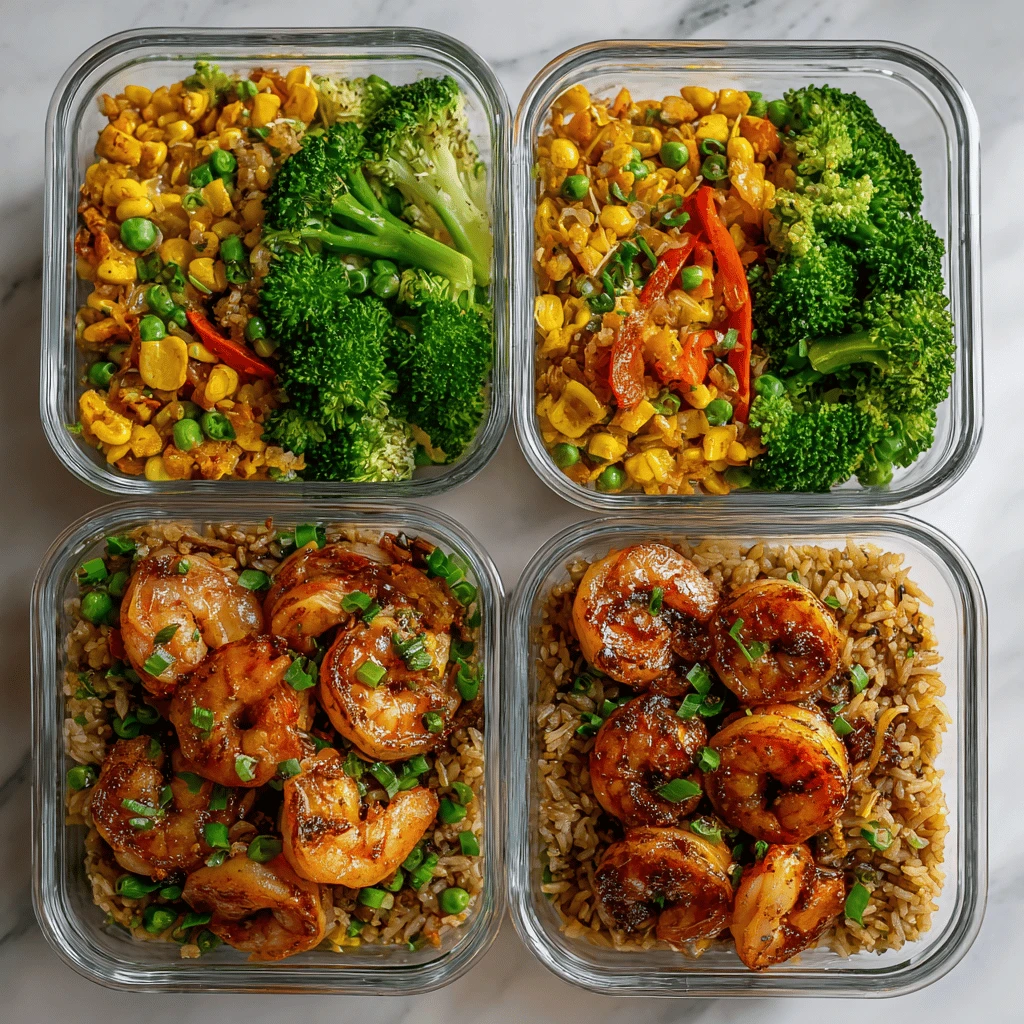
- Soggy Rice: This is usually caused by using freshly cooked rice or not cooling the rice properly. Make sure to use day-old rice and spread it out to cool before stir-frying.
- Dry Rice: This can happen if you overcook the rice or don’t use enough sauce. Add a little water or broth to the wok to rehydrate the rice.
- Rubbery Shrimp: Overcooked shrimp will be tough and rubbery. Cook the shrimp just until it turns pink and opaque.
- Bland Flavor: This can be caused by not using enough seasoning or using low-quality ingredients. Be generous with the soy sauce, sesame oil, and other spices. Taste and adjust as needed.
- Uneven Heating: Ensure all ingredients are cut into similar sizes to promote even cooking. Stir frequently during stir-frying to prevent sticking and burning.
- Sticking to the Pan: Use a non-stick wok or skillet and make sure it is properly heated before adding the oil.
Frequently Asked Questions (FAQ)
- Can I use frozen rice for shrimp fried rice? Yes, you can use frozen rice. Thaw it completely before stir-frying. Break it up with your hands to prevent clumps.
- How long does shrimp fried rice last in the fridge? Shrimp fried rice will last for 3-4 days in the refrigerator if stored properly in an airtight container.
- Can I make shrimp fried rice ahead of time and freeze it? Yes, shrimp fried rice freezes well. Allow it to cool completely before portioning it into freezer-safe containers. It can be stored in the freezer for up to 2-3 months.
- What is the best way to reheat shrimp fried rice? The microwave is the quickest method, but the stovetop can give you a crispier result.
- What other proteins can I add to shrimp fried rice? Chicken, pork, tofu, and tempeh are all great additions.
- What vegetables go well in shrimp fried rice? Carrots, peas, onions, bell peppers, broccoli, spinach, and mushrooms are all good choices.
- Is shrimp fried rice healthy? Shrimp fried rice can be a healthy meal option as it contains protein, carbohydrates, and vegetables. However, be mindful of the sodium content and choose low-sodium soy sauce.
- How can I make shrimp fried rice lower in calories? Use brown rice or cauliflower rice, reduce the amount of oil, and load up on vegetables.
- Can I use brown rice instead of white rice? Yes, brown rice is a healthy and delicious alternative to white rice. It has a nuttier flavor and a chewier texture.