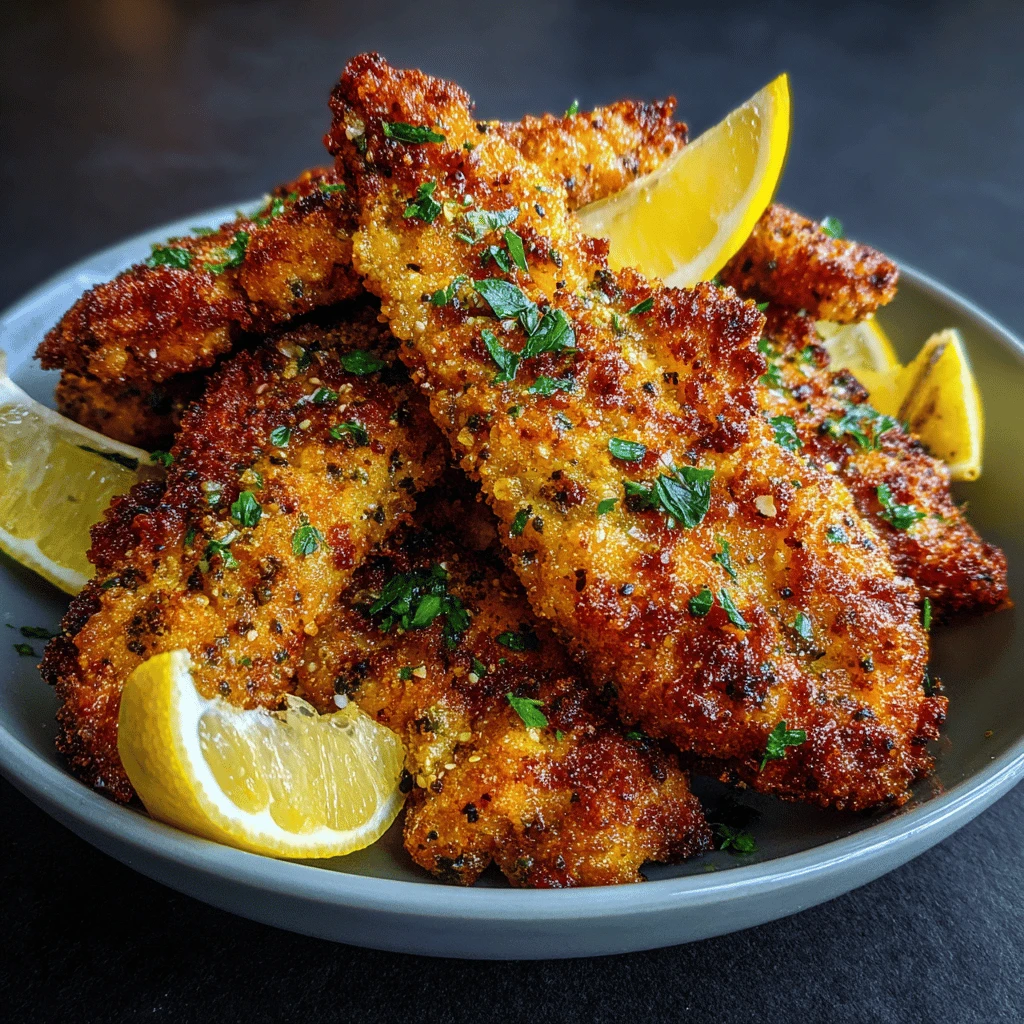
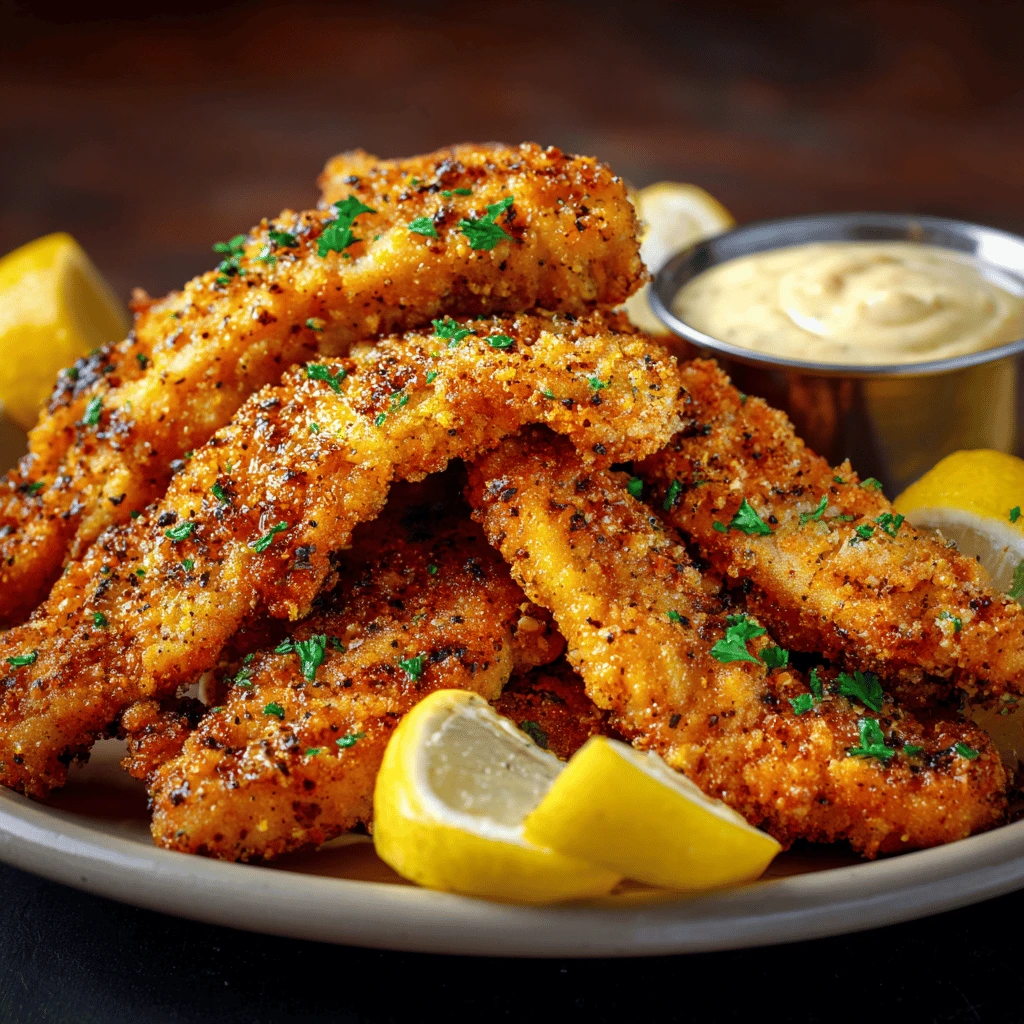
Lemon Pepper Chicken Tenders: A Crispy, Zesty Delight Lemon pepper chicken tenders are a culinary masterpiece—a harmonious blend of tangy citrus, savory pepper, and perfectly cooked chicken. Whether you’re seeking a quick weeknight dinner, a crowd-pleasing appetizer, or a delicious game-day snack, these tenders are guaranteed to satisfy. This guide will walk you through creating…
Lemon Pepper Chicken Tenders: A Crispy, Zesty Delight
Lemon pepper chicken tenders are a culinary masterpiece—a harmonious blend of tangy citrus, savory pepper, and perfectly cooked chicken. Whether you’re seeking a quick weeknight dinner, a crowd-pleasing appetizer, or a delicious game-day snack, these tenders are guaranteed to satisfy. This guide will walk you through creating the ultimate lemon pepper chicken tenders, exploring everything from ingredient selection to cooking techniques and variations.
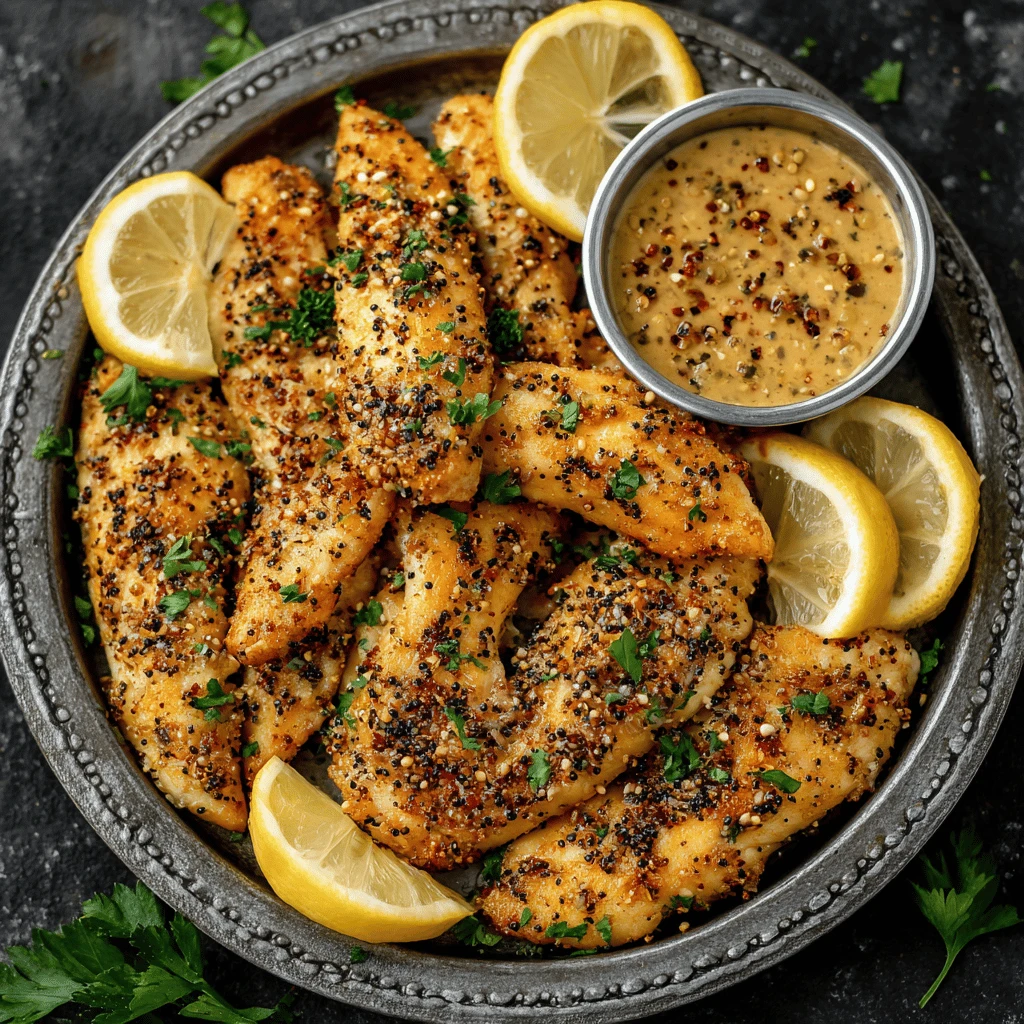
The Anatomy of Perfect Lemon Pepper Chicken Tenders
Crafting exceptional lemon pepper chicken tenders involves understanding the key components and how they interact.
Selecting the Right Chicken
The foundation of any great chicken tender recipe is, of course, the chicken itself. Boneless, skinless chicken breasts are the most common choice, but chicken tenderloins, the strips of muscle located under the breast, are even better. They are naturally tender and cook more quickly and evenly.
Regardless of your choice, aim for high-quality chicken. Look for chicken that is pink and plump, without any discoloration or off-putting odor. Organic or free-range chicken often offers superior flavor and texture. Cut the chicken breasts into uniformly sized strips, about 1-inch wide and 3-4 inches long, to ensure even cooking.
The Zesty Lemon Pepper Marinade
The marinade is what infuses the chicken with its signature lemon pepper flavor. A well-balanced marinade is crucial for both flavor and tenderness.
Key Ingredients:
- Lemon Juice: Freshly squeezed lemon juice is essential for the bright, citrusy flavor. Avoid bottled lemon juice, as it often lacks the vibrant taste of fresh.
- Lemon Zest: Lemon zest intensifies the lemon flavor and adds aromatic oils. Be sure to zest only the yellow part of the peel, as the white pith is bitter.
- Black Pepper: Coarsely ground black pepper provides a bold, spicy counterpoint to the lemon. Freshly cracked pepper is always preferable.
- Garlic Powder: Garlic powder adds a savory depth to the marinade.
- Onion Powder: Similar to garlic powder, onion powder contributes to the umami flavor profile.
- Salt: Salt enhances all the other flavors and helps to tenderize the chicken.
- Olive Oil (or other oil): Olive oil helps to distribute the flavors evenly and keeps the chicken moist during cooking. A neutral flavored oil like avocado oil is also suitable.
- Optional Additions: For extra flavor, consider adding a pinch of red pepper flakes for heat, dried herbs like thyme or oregano for earthiness, or a touch of honey or maple syrup for sweetness.
Marinade Time:
Marinate the chicken for at least 30 minutes, but ideally for 2-4 hours in the refrigerator. Longer marinating times will result in more flavorful and tender chicken. Avoid marinating for more than 8 hours, as the lemon juice can start to break down the chicken fibers too much, resulting in a mushy texture.
The Crispy Coating
The coating is what gives the chicken tenders their satisfying crunch. Several options exist, each offering a unique texture and flavor.
Popular Coatings:
- All-Purpose Flour: A simple and classic choice, all-purpose flour creates a light and crispy coating.
- Panko Breadcrumbs: Panko breadcrumbs are Japanese-style breadcrumbs that are larger and lighter than regular breadcrumbs, resulting in an extra-crispy texture.
- Cornstarch: Cornstarch creates a very crispy coating, often used in combination with flour.
- Almond Flour: For a gluten-free option, almond flour provides a slightly nutty flavor and a crispy texture.
- Seasoned Flour: To enhance the flavor of the coating, add seasonings like garlic powder, onion powder, paprika, and dried herbs to your flour or breadcrumb mixture.
The Dredging Process:
For the best results, use a three-step dredging process:
1. Flour: Dredge the chicken tenders in plain all-purpose flour or almond flour, shaking off any excess. This helps the egg wash adhere better.
2. Egg Wash: Dip the floured chicken tenders in a mixture of beaten eggs and a splash of milk or water. This adds moisture and helps the breadcrumbs stick.
3. Breadcrumbs (or other coating): Coat the chicken tenders thoroughly with your chosen breadcrumb or coating mixture, pressing gently to ensure it adheres well.
Cooking Methods: Achieving Crispy Perfection
There are several ways to cook lemon pepper chicken tenders, each with its own advantages.
Baking: A Healthier Alternative
Baking is a healthier option that requires less oil.
1. Preheat your oven to 400°F (200°C).
2. Line a baking sheet with parchment paper or a silicone baking mat.
3. Place the breaded chicken tenders on the baking sheet, making sure they are not overcrowded.
4. Spray the chicken tenders with cooking spray or lightly drizzle with olive oil.
5. Bake for 15-20 minutes, flipping halfway through, until the chicken is cooked through and the coating is golden brown and crispy.
Pan-Frying: Quick and Easy
Pan-frying is a quick and easy method for achieving crispy chicken tenders.
1. Heat about 1/2 inch of oil in a large skillet over medium-high heat. The oil should be hot enough to sizzle when a breadcrumb is dropped in.
2. Carefully place the breaded chicken tenders in the hot oil, being careful not to overcrowd the pan.
3. Cook for 3-4 minutes per side, until the chicken is cooked through and the coating is golden brown and crispy.
4. Remove the chicken tenders from the skillet and place them on a wire rack lined with paper towels to drain excess oil.
Air Frying: The Best of Both Worlds
Air frying offers a balance of crispy texture and reduced oil.
1. Preheat your air fryer to 375°F (190°C).
2. Place the breaded chicken tenders in the air fryer basket in a single layer, being careful not to overcrowd. You may need to cook in batches.
3. Spray the chicken tenders with cooking spray or lightly drizzle with olive oil.
4. Air fry for 8-12 minutes, flipping halfway through, until the chicken is cooked through and the coating is golden brown and crispy.
Serving Suggestions and Creative Twists
Lemon pepper chicken tenders are incredibly versatile and can be served in countless ways.
Classic Pairings
- Dipping Sauces: Ranch dressing, honey mustard, blue cheese dressing, barbecue sauce, and sweet chili sauce are all popular choices.
- Sides: French fries, coleslaw, mashed potatoes, roasted vegetables, and salads are all great accompaniments.
Creative Twists
- Lemon Pepper Chicken Salad: Slice the chicken tenders and add them to a bed of mixed greens with your favorite vegetables and dressing.
- Lemon Pepper Chicken Wraps: Wrap the chicken tenders in tortillas with lettuce, tomato, and a creamy sauce.
- Lemon Pepper Chicken Tacos: Use the chicken tenders as a filling for tacos, topping with salsa, guacamole, and sour cream.
- Lemon Pepper Chicken Pasta: Toss the chicken tenders with your favorite pasta, sauce, and vegetables.
Variations
- Spicy Lemon Pepper Chicken Tenders: Add a pinch of cayenne pepper or a dash of hot sauce to the marinade or coating.
- Parmesan Lemon Pepper Chicken Tenders: Add grated Parmesan cheese to the breadcrumb mixture for a cheesy twist.
- Honey Lemon Pepper Chicken Tenders: Add honey to the marinade and coating for a sweet and savory flavor.
Tips for Success: Elevating Your Tenders
To ensure your lemon pepper chicken tenders are a resounding success, keep these tips in mind:
- Don’t Overcrowd the Pan: Overcrowding the pan will lower the oil temperature and result in soggy chicken tenders. Cook in batches if necessary.
- Use a Meat Thermometer: The internal temperature of the chicken should reach 165°F (74°C) to ensure it is cooked through.
- Let the Chicken Rest: After cooking, let the chicken tenders rest for a few minutes before serving. This allows the juices to redistribute, resulting in more tender and flavorful chicken.
- Season Generously: Don’t be afraid to season the chicken, marinade, and coating generously. This is what gives the chicken tenders their bold flavor.
- Adjust to Your Taste: Feel free to adjust the amount of lemon juice, pepper, and other seasonings to suit your personal preferences.
FAQ: Your Lemon Pepper Chicken Tender Questions Answered
Why are my chicken tenders not crispy?
Several factors can contribute to this. Ensure your oil is hot enough before adding the chicken. Avoid overcrowding the pan, as this lowers the oil temperature. Also, make sure your breadcrumb coating is finely ground and applied evenly. If baking, use a wire rack to allow air to circulate around the tenders.
Can I use dried lemon peel instead of fresh zest?
While fresh lemon zest is preferable, dried lemon peel can be used in a pinch. Use about half the amount of dried peel as you would fresh zest. Keep in mind that the flavor will not be as vibrant.
How long can I store leftover chicken tenders?
Leftover chicken tenders can be stored in an airtight container in the refrigerator for up to 3-4 days. Reheat them in the oven, air fryer, or skillet to maintain their crispiness.
Can I freeze lemon pepper chicken tenders?
Yes, you can freeze cooked lemon pepper chicken tenders. Allow them to cool completely, then place them in a single layer on a baking sheet and freeze for about 2 hours. Once frozen, transfer them to a freezer bag or airtight container. They can be stored in the freezer for up to 2-3 months. Reheat them in the oven or air fryer until heated through.
What can I use instead of eggs for the egg wash?
If you have an egg allergy or simply don’t want to use eggs, you can use milk or buttermilk as a substitute. You can also use a mixture of cornstarch and water.
How do I prevent the breading from falling off?
Make sure the chicken is dry before dredging it in flour. This helps the flour adhere better. Also, use a three-step dredging process (flour, egg wash, breadcrumbs) to ensure the breading sticks properly. Press the breadcrumbs gently onto the chicken to help them adhere.