Apple Sage Stuffing Thanksgiving Special Thanksgiving is a holiday synonymous with delicious food, family, and cherished traditions. At the heart of this festive meal often lies the stuffing, a savory side dish that complements the turkey and other holiday favorites. This year, elevate your Thanksgiving table with an Apple Sage Stuffing, a delightful twist on…
Apple Sage Stuffing Thanksgiving Special
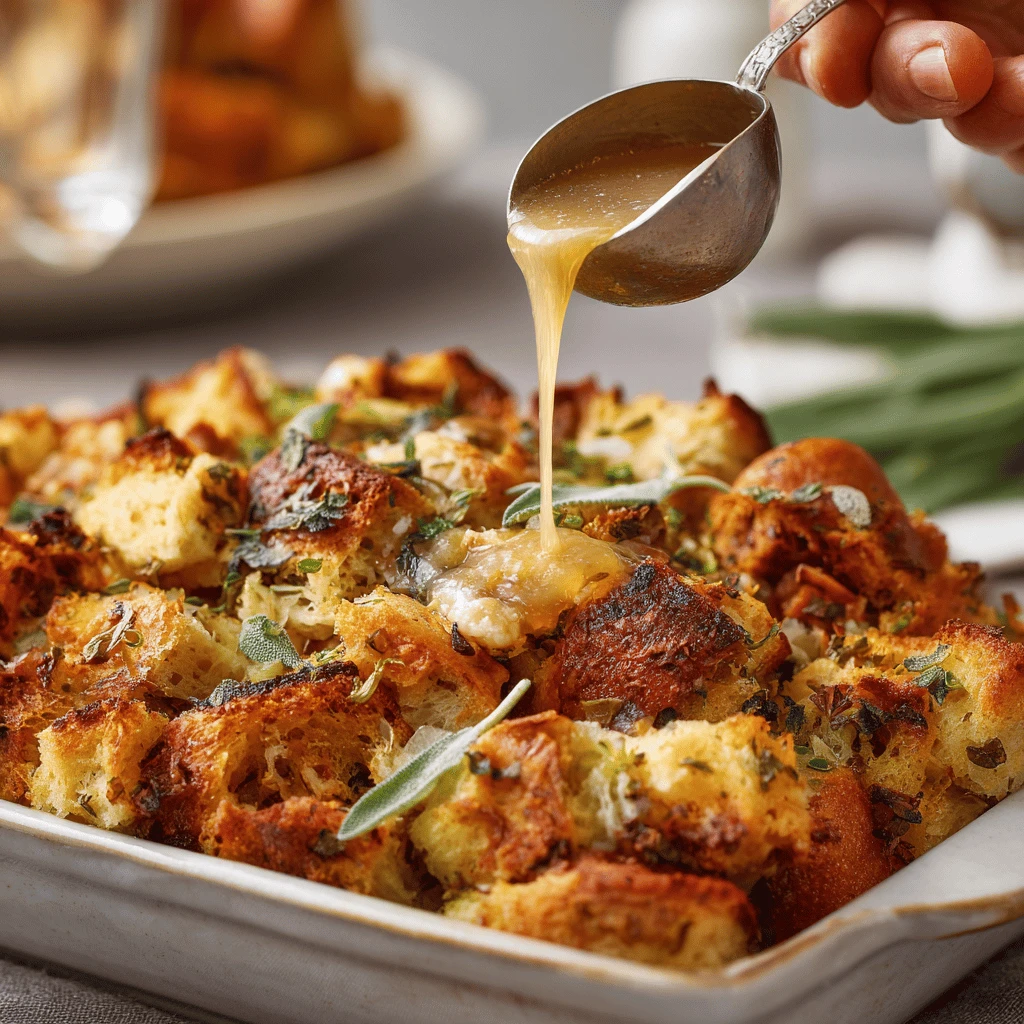
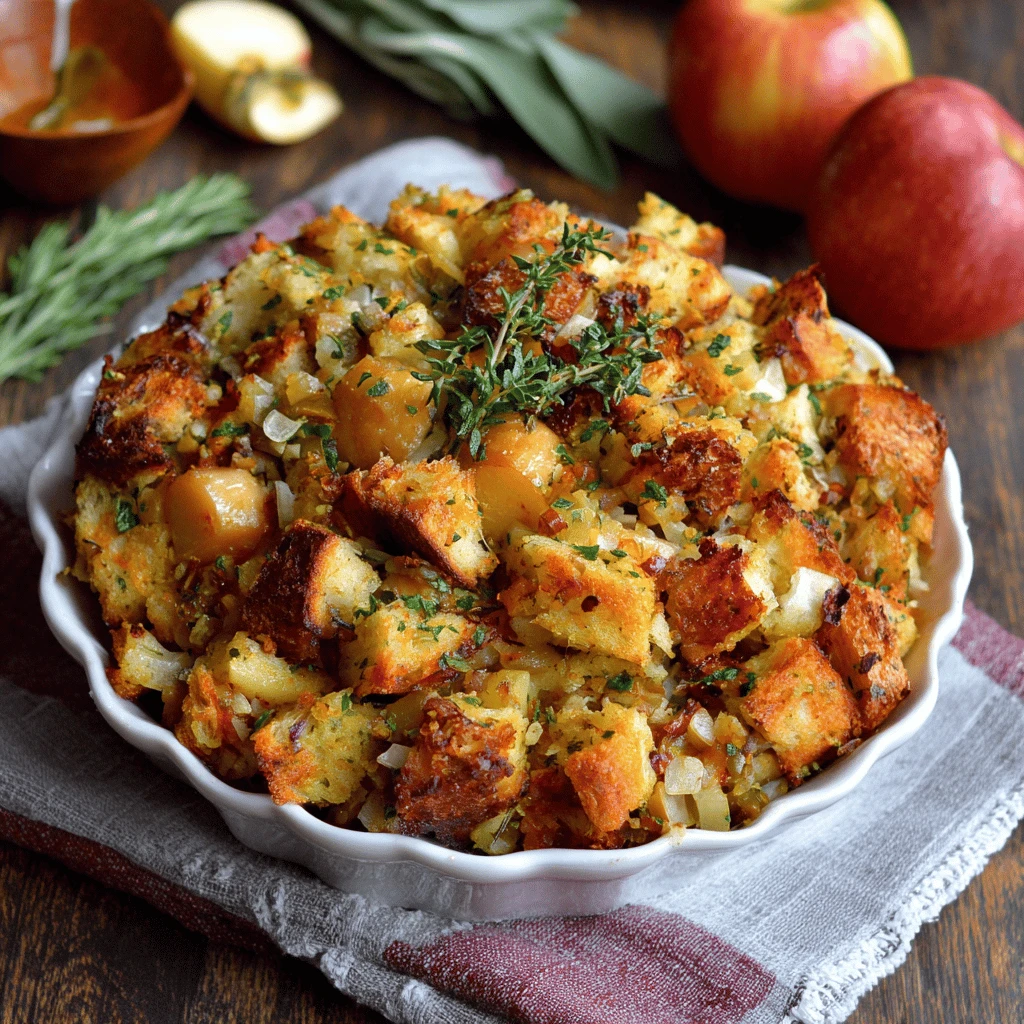
Thanksgiving is a holiday synonymous with delicious food, family, and cherished traditions. At the heart of this festive meal often lies the stuffing, a savory side dish that complements the turkey and other holiday favorites. This year, elevate your Thanksgiving table with an Apple Sage Stuffing, a delightful twist on the classic recipe that combines the earthy flavors of sage with the sweet-tartness of apples. This recipe is sure to become a family favorite.
The Magic of Apple and Sage
Apple and sage create a truly magical combination. The slightly bitter, almost peppery notes of sage pair beautifully with the natural sweetness of apples. This harmonious blend infuses the stuffing with a depth of flavor that is both comforting and sophisticated. The apples also add a wonderful texture, providing a slight crispness that contrasts nicely with the softness of the bread.
Moreover, apples offer moisture to the stuffing, preventing it from becoming dry and crumbly. This is particularly important if you are baking the stuffing separately from the turkey. The fruit’s natural sugars also caramelize during baking, creating a golden-brown crust and a subtle sweetness that enhances the overall flavor profile.
Crafting the Perfect Apple Sage Stuffing
Creating the perfect Apple Sage Stuffing involves a few key steps, each crucial to achieving the desired flavor and texture.
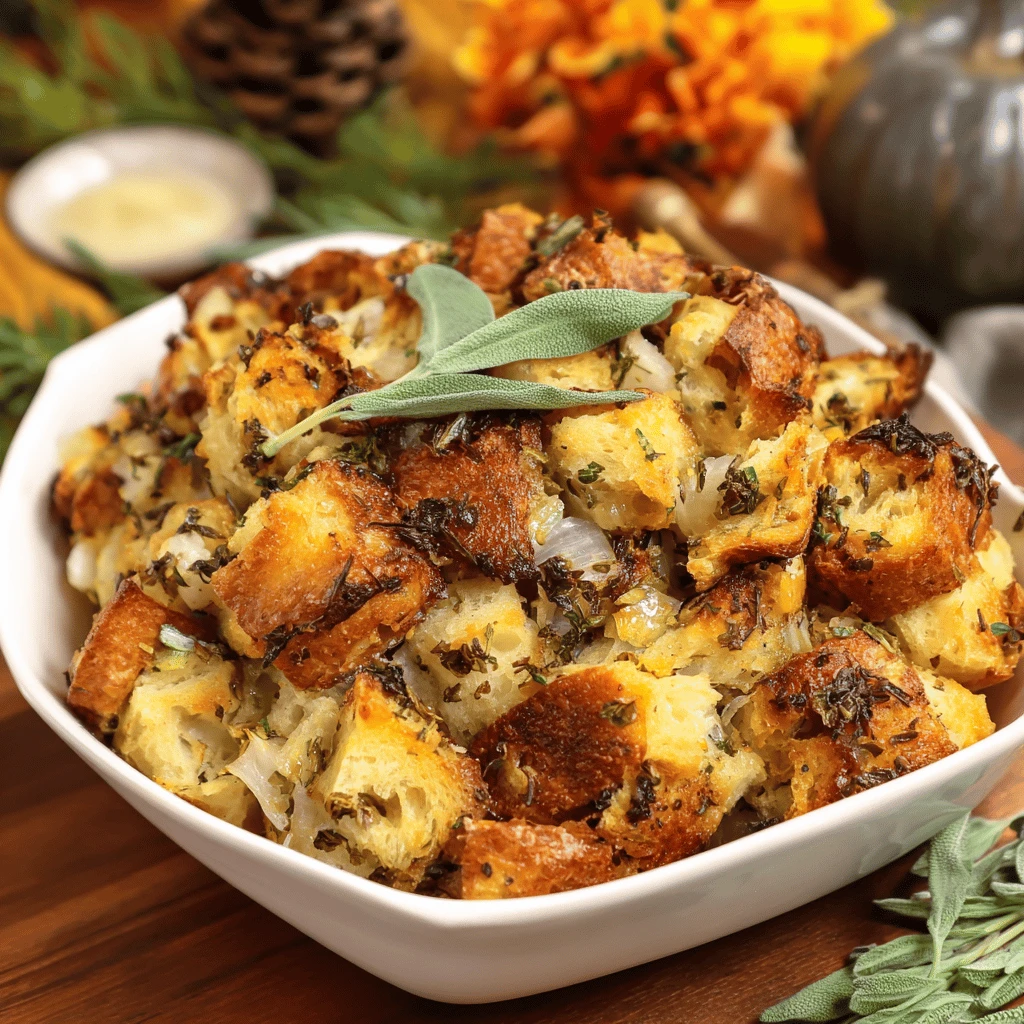
Choosing the Right Bread: The foundation of any good stuffing is the bread. Opt for a slightly stale bread, as it absorbs the flavors of the other ingredients more effectively. A day-old baguette, sourdough, or even a rustic country loaf work well. Cut the bread into cubes and let it sit out overnight to dry further, or toast it lightly in the oven for a crispier texture. Avoid overly soft bread, as it can become mushy during baking.
Selecting the Apples: The choice of apples can significantly impact the final flavor of the stuffing. For a balance of sweetness and tartness, consider using varieties like Honeycrisp, Gala, or Fuji. Granny Smith apples can also be added for a tangier note. Peel and dice the apples into small pieces, ensuring they are evenly distributed throughout the stuffing.
Sautéing the Aromatics: Before adding the bread and apples, sauté the aromatics in butter or olive oil. Onions, celery, and garlic are essential ingredients that contribute to the stuffing’s savory base. Cook them until softened and fragrant, releasing their flavors and creating a flavorful foundation for the rest of the ingredients.
Infusing with Sage: Fresh sage is the star of this stuffing, so don’t skimp on it! Chop the sage leaves finely and add them to the sautéed aromatics. Cook for a minute or two, allowing the sage to infuse the oil or butter with its distinctive aroma. Dried sage can be used as a substitute, but fresh sage provides a brighter, more vibrant flavor.
Bringing it All Together: Once the aromatics and sage are ready, combine them with the bread cubes and diced apples in a large bowl. Pour in chicken or vegetable broth, ensuring the bread is moistened but not soggy. Season generously with salt, pepper, and any other desired spices. Gently toss all the ingredients together until well combined.
Baking to Perfection
There are two primary methods for baking Apple Sage Stuffing: inside the turkey or in a separate baking dish.
Baking Inside the Turkey: Stuffing the turkey adds flavor to both the bird and the stuffing itself. However, it also increases the cooking time and can pose food safety concerns. Ensure the stuffing reaches a safe internal temperature of 165°F (74°C) before carving the turkey.
Baking in a Separate Dish: Baking the stuffing in a separate dish allows for more even cooking and a crispier top. Preheat your oven to 350°F (175°C). Transfer the stuffing mixture to a greased baking dish and cover with foil. Bake for 30 minutes, then remove the foil and bake for another 15-20 minutes, or until the top is golden brown and the stuffing is heated through.
Tips for Moist Stuffing: To prevent the stuffing from drying out, add extra broth or melted butter before baking. Covering the baking dish with foil during the initial baking period also helps retain moisture.
Enhancing Your Apple Sage Stuffing
While the basic Apple Sage Stuffing recipe is delicious on its own, there are several ways to customize it to your liking.
Adding Nuts: Toasted pecans, walnuts, or almonds add a delightful crunch and nutty flavor to the stuffing.
Including Sausage: Browned sausage, such as Italian sausage or breakfast sausage, adds a savory element and protein to the stuffing.
Adding Dried Cranberries: Dried cranberries provide a burst of tartness and festive color.
Gluten-Free Option: Use gluten-free bread cubes to make this stuffing suitable for those with gluten sensitivities.
Vegetarian Option: Substitute vegetable broth for chicken broth to create a vegetarian-friendly version.
Cheese: Consider adding a mild cheese, such as Gruyere or Fontina, for extra richness and flavor.
Herbs: Experiment with other herbs, such as thyme, rosemary, or parsley, to create a unique flavor profile.
Serving and Storing
Apple Sage Stuffing is best served warm. It pairs perfectly with turkey, gravy, cranberry sauce, and other Thanksgiving staples. Leftover stuffing can be stored in an airtight container in the refrigerator for up to 3 days. To reheat, simply bake in a preheated oven or microwave until heated through.
This Apple Sage Stuffing is more than just a side dish; it’s a celebration of flavors and textures that perfectly complement the Thanksgiving feast. It’s the perfect dish to create lasting memories with loved ones. Enjoy!
Frequently Asked Questions About Apple Sage Stuffing
Can I make Apple Sage Stuffing ahead of time?
Yes, you can assemble the stuffing a day or two in advance. Store it covered in the refrigerator and bake it just before serving.
What kind of bread is best for stuffing?
Stale bread like baguette, sourdough, or a rustic country loaf works best. This type of bread will absorb moisture without becoming soggy.
Can I use dried sage instead of fresh sage?
Yes, you can use dried sage, but fresh sage provides a brighter, more vibrant flavor. Use about half the amount of dried sage as you would fresh.
How do I keep my stuffing from being dry?
Add extra broth or melted butter before baking. Covering the baking dish with foil during the initial baking period also helps retain moisture.
Can I freeze leftover stuffing?
Yes, you can freeze leftover stuffing in an airtight container for up to 2 months. Thaw it in the refrigerator overnight before reheating.
What are some good apple varieties to use in stuffing?
Honeycrisp, Gala, or Fuji apples are excellent choices for their balance of sweetness and tartness. Granny Smith apples can also be used for a tangier flavor.
Is it safe to stuff my turkey with this stuffing?
Yes, but ensure the stuffing reaches a safe internal temperature of 165°F (74°C) before carving the turkey to prevent foodborne illness.
Can I add sausage to the stuffing?
Yes, browned sausage adds a savory element and protein to the stuffing. Italian sausage or breakfast sausage are good options.
What if I don’t have chicken broth?
You can substitute vegetable broth or turkey broth.
How long should I bake the stuffing?
Bake at 350°F (175°C) for 30 minutes covered with foil, then remove the foil and bake for another 15-20 minutes, or until golden brown and heated through.