Spiced Pumpkin Pie for Thanksgiving: A Classic Holiday Dessert Pumpkin pie is a quintessential Thanksgiving dessert, and for good reason. Its warm spices, creamy texture, and comforting flavor evoke feelings of gratitude and celebration. This article provides a comprehensive guide to baking the perfect spiced pumpkin pie for your Thanksgiving feast, from selecting the right…
Spiced Pumpkin Pie for Thanksgiving: A Classic Holiday Dessert
Pumpkin pie is a quintessential Thanksgiving dessert, and for good reason. Its warm spices, creamy texture, and comforting flavor evoke feelings of gratitude and celebration. This article provides a comprehensive guide to baking the perfect spiced pumpkin pie for your Thanksgiving feast, from selecting the right pumpkin to mastering the art of the flaky pie crust.
The History and Allure of Pumpkin Pie
Pumpkin pie’s roots run deep in American culinary history. Pumpkins, native to North America, were a staple food for indigenous peoples long before European colonization. Early settlers, inspired by indigenous recipes, incorporated pumpkin into various dishes, including custards and pies.
The earliest pumpkin pies weren’t quite the sweet treat we know today. They were often savory and featured a combination of pumpkin, apples, and spices. Over time, sugar and spices like cinnamon, nutmeg, and ginger became integral components, transforming the dish into the beloved dessert we enjoy on Thanksgiving.
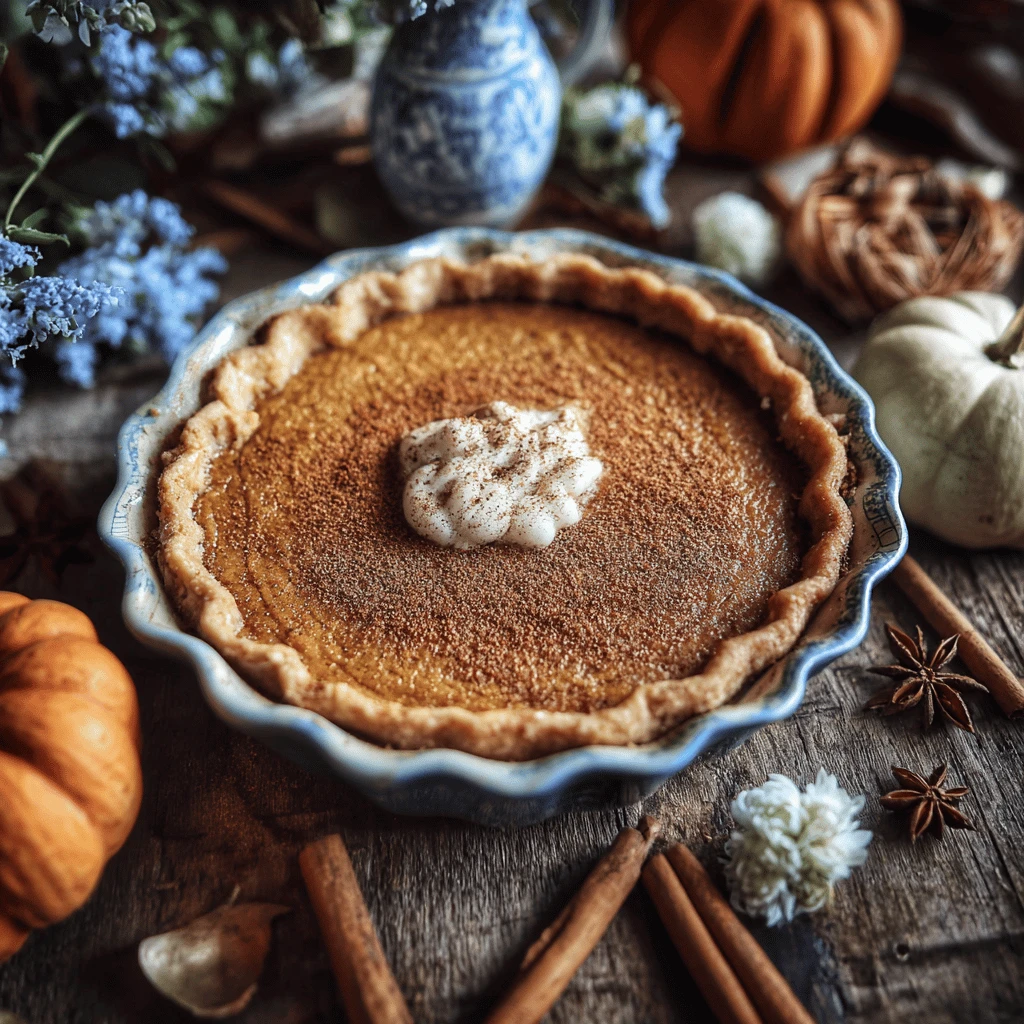
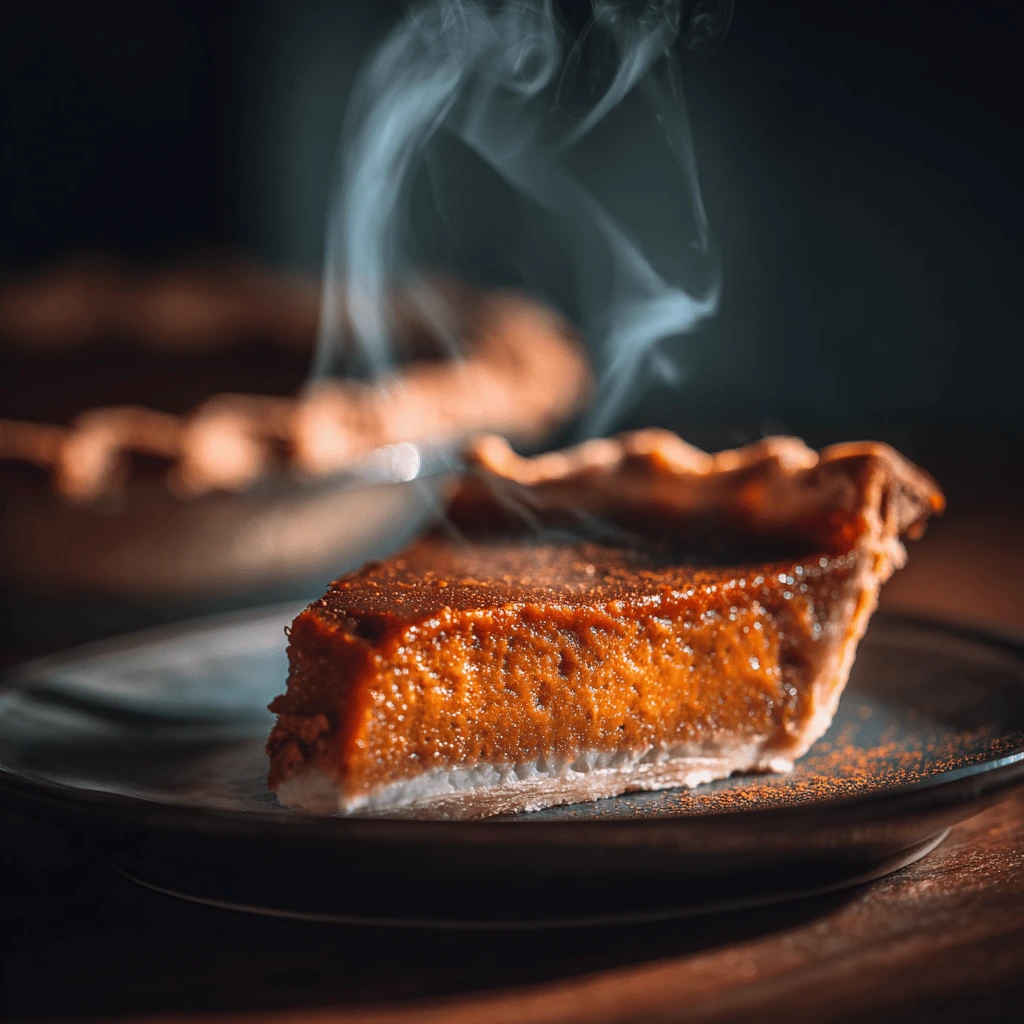
The appeal of pumpkin pie lies in its unique flavor profile, which balances sweetness with earthy notes and warming spices. It’s a comforting dessert that represents autumn’s bounty and the spirit of Thanksgiving. Its creamy texture and vibrant orange color add to its allure, making it a visual and gustatory centerpiece of the holiday meal. Furthermore, the aroma of a baking pumpkin pie fills the kitchen with an inviting scent, creating a warm and festive atmosphere.
Crafting the Perfect Pie Crust: The Foundation of Flavor
A flaky, buttery pie crust is the unsung hero of a great pumpkin pie. It provides the structural integrity and textural contrast to the creamy filling, elevating the entire dessert experience. While store-bought crusts are convenient, making your own from scratch is surprisingly simple and yields far superior results.
Ingredients for a classic pie crust:
- 2 ½ cups all-purpose flour
- 1 teaspoon salt
- 1 cup (2 sticks) cold unsalted butter, cut into small cubes
- ½ cup ice water
Instructions for making pie crust:
1. Combine dry ingredients: In a large bowl, whisk together the flour and salt.
2. Incorporate the butter: Add the cold butter cubes to the flour mixture. Using a pastry blender or your fingertips, cut the butter into the flour until the mixture resembles coarse crumbs. It’s crucial to keep the butter cold to prevent it from melting and creating a tough crust.
3. Add ice water: Gradually add the ice water, one tablespoon at a time, mixing gently after each addition. Stop adding water when the dough just comes together. Be careful not to overwork the dough.
4. Shape and chill: Form the dough into a disc, wrap it tightly in plastic wrap, and refrigerate for at least 30 minutes (or up to 2 hours) to allow the gluten to relax.
5. Roll out the dough: On a lightly floured surface, roll out the dough into a 12-inch circle.
6. Transfer to pie plate: Gently transfer the dough to a 9-inch pie plate. Trim and crimp the edges as desired.
7. Pre-bake (optional): For a crispier crust, pre-bake the crust before adding the filling. Line the crust with parchment paper and fill with pie weights or dried beans. Bake at 375°F (190°C) for 15 minutes. Remove the parchment paper and weights, and bake for another 5-10 minutes, or until lightly golden.
Tips for a Flaky Crust:
- Keep ingredients cold: Cold butter and ice water are essential for preventing gluten development and creating flaky layers.
- Don’t overwork the dough: Overworking the dough develops gluten, resulting in a tough crust.
- Chill the dough: Chilling allows the gluten to relax, making the dough easier to roll out and less likely to shrink during baking.
Crafting the Pumpkin Pie Filling: Spice and Everything Nice
The pumpkin pie filling is where the magic truly happens. A blend of pumpkin puree, warm spices, and creamy dairy creates a velvety smooth custard that’s both comforting and flavorful.
Ingredients for pumpkin pie filling:
- 1 (15-ounce) can pumpkin puree (not pumpkin pie filling)
- 1 (12-ounce) can evaporated milk
- ¾ cup granulated sugar
- ½ teaspoon salt
- 1 teaspoon ground cinnamon
- ½ teaspoon ground ginger
- ¼ teaspoon ground cloves
- 2 large eggs, lightly beaten
Instructions for making pumpkin pie filling:
1. Combine ingredients: In a large bowl, whisk together the pumpkin puree, evaporated milk, sugar, salt, cinnamon, ginger, and cloves until well combined.
2. Add eggs: Gently whisk in the beaten eggs until just combined. Be careful not to overmix.
3. Pour into crust: Pour the pumpkin pie filling into the prepared pie crust.
4. Bake: Bake in a preheated oven at 350°F (175°C) for 50-60 minutes, or until the filling is set but still slightly jiggly in the center.
5. Cool: Let the pie cool completely on a wire rack before serving.
Tips for the Best Pumpkin Pie Filling:
- Use pure pumpkin puree: Avoid using pumpkin pie filling, which already contains spices and sugar.
- Don’t overbake: Overbaking will result in a cracked or dry filling. The pie is done when the edges are set but the center still has a slight jiggle.
- Spice it up: Adjust the amount of spices to your liking. A pinch of nutmeg or cardamom can add a unique twist.
Baking, Cooling, and Serving Your Masterpiece
Baking the pumpkin pie to perfection requires patience and attention to detail. The cooling process is equally important, as it allows the filling to set properly and prevents cracking.
Baking Instructions:
1. Preheat the oven: Preheat your oven to 350°F (175°C).
2. Protect the crust: To prevent the crust from burning, you can cover the edges with aluminum foil during the first 30 minutes of baking.
3. Bake until set: Bake the pie for 50-60 minutes, or until the filling is set but still slightly jiggly in the center.
4. Check for doneness: To test for doneness, gently shake the pie. The center should jiggle slightly but not slosh.
Cooling Instructions:
1. Cool completely: Let the pie cool completely on a wire rack before serving. This can take several hours.
2. Refrigerate (optional): Once cooled, you can refrigerate the pie for a few hours to chill it completely.
3. Avoid cutting too soon: Cutting the pie while it’s still warm will cause the filling to run.
Serving Suggestions:
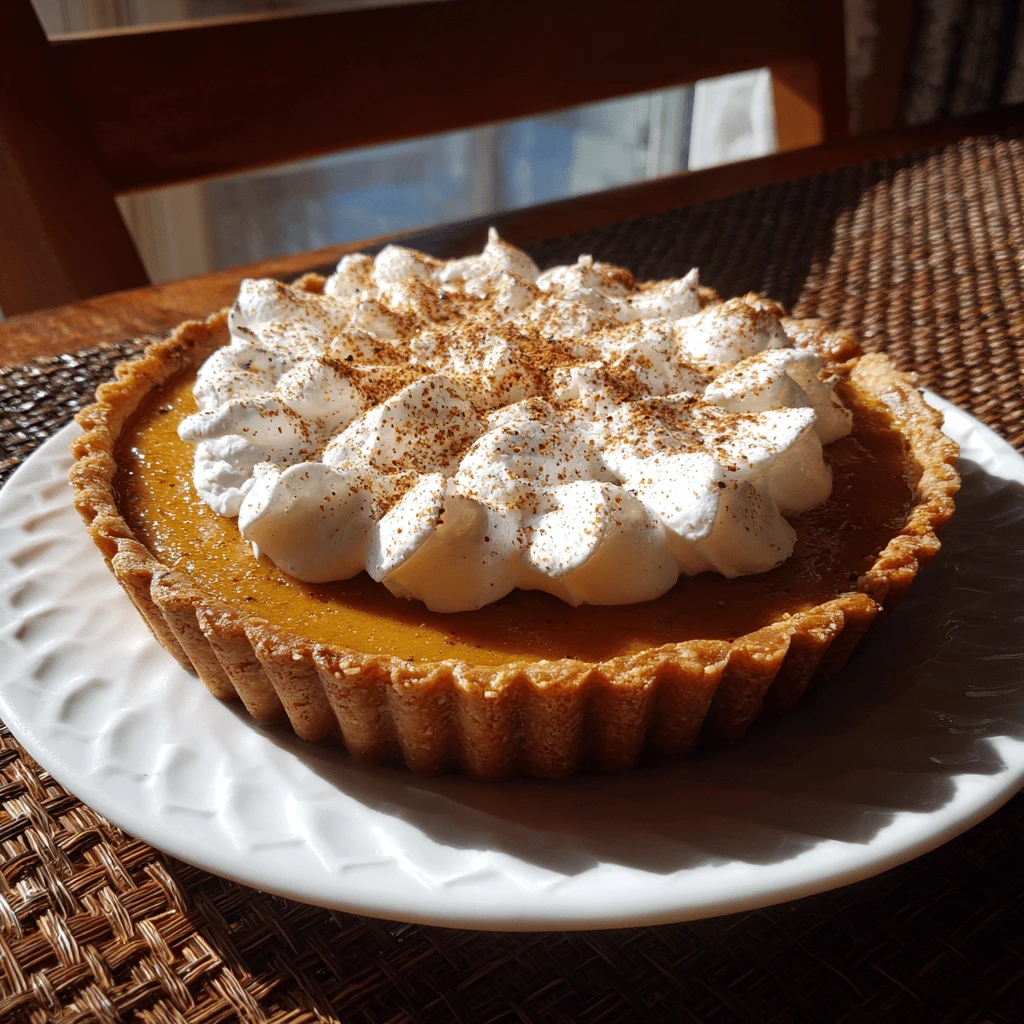
- Whipped cream: A dollop of freshly whipped cream is the classic accompaniment to pumpkin pie.
- Vanilla ice cream: A scoop of vanilla ice cream adds a cool and creamy contrast to the warm pie.
- Caramel sauce: A drizzle of caramel sauce adds a touch of extra sweetness and richness.
- Spiced nuts: Sprinkle chopped pecans or walnuts on top for added texture and flavor.
- Cinnamon sugar: A dusting of cinnamon sugar adds a festive touch.
Variations and Enhancements for a Unique Pumpkin Pie
While the classic pumpkin pie recipe is beloved, there are countless ways to customize it to your taste. Here are a few variations and enhancements to consider:
- Maple Pumpkin Pie: Substitute maple syrup for some or all of the granulated sugar for a richer, more complex flavor.
- Chocolate Pumpkin Pie: Add a few tablespoons of unsweetened cocoa powder to the filling for a chocolate twist. You can also add chocolate chips to the crust.
- Bourbon Pumpkin Pie: Stir a tablespoon or two of bourbon into the filling for a boozy kick.
- Gingerbread Pumpkin Pie: Add a teaspoon of ground ginger and a pinch of ground cloves to the filling for a gingerbread-inspired flavor.
- Pumpkin Cheesecake Pie: Combine cream cheese with the pumpkin filling for a decadent cheesecake-like texture.
- Vegan Pumpkin Pie: Use a vegan pie crust and substitute the eggs with silken tofu or cornstarch. Replace the evaporated milk with coconut milk or another plant-based milk.
- Spiced Crust: Infuse the pie crust with spices by adding a teaspoon of cinnamon, ginger, or nutmeg to the flour mixture.
- Streusel Topping: Create a crumbly streusel topping with flour, butter, sugar, and spices to sprinkle over the pie before baking.
These variations can add exciting new dimensions to your Thanksgiving dessert, allowing you to create a pumpkin pie that’s uniquely your own. Experiment with different spices, sweeteners, and textures to find your perfect combination.
Frequently Asked Questions (FAQ)
Why is my pumpkin pie cracked?
Cracking is often caused by overbaking. The filling expands and then contracts as it cools, leading to cracks. To prevent this, bake the pie until the edges are set but the center still has a slight jiggle. Also, allow the pie to cool slowly.
How do I keep my pie crust from getting soggy?
Pre-baking the crust (blind baking) helps to create a barrier against the wet filling. You can also brush the bottom of the crust with melted chocolate or an egg wash before adding the filling.
Can I use fresh pumpkin instead of canned?
Yes, you can use fresh pumpkin. Roast or steam the pumpkin until tender, then puree the flesh. Be sure to drain any excess moisture before using it in the pie filling.
How long does pumpkin pie last?
Pumpkin pie can be stored in the refrigerator for up to 3-4 days. Cover it tightly with plastic wrap or store it in an airtight container.
Can I freeze pumpkin pie?
Yes, you can freeze pumpkin pie. Let the pie cool completely, then wrap it tightly in plastic wrap and foil. Freeze for up to 2-3 months. Thaw the pie in the refrigerator overnight before serving.
What can I use instead of evaporated milk?
Heavy cream or half-and-half can be used as a substitute for evaporated milk, but the filling might be slightly richer. For a dairy-free option, use coconut milk or another plant-based milk.
Why is my pumpkin pie grainy?
Graininess can be caused by overmixing the filling or using too much sugar. Be sure to mix the ingredients gently and use the correct amount of sugar.