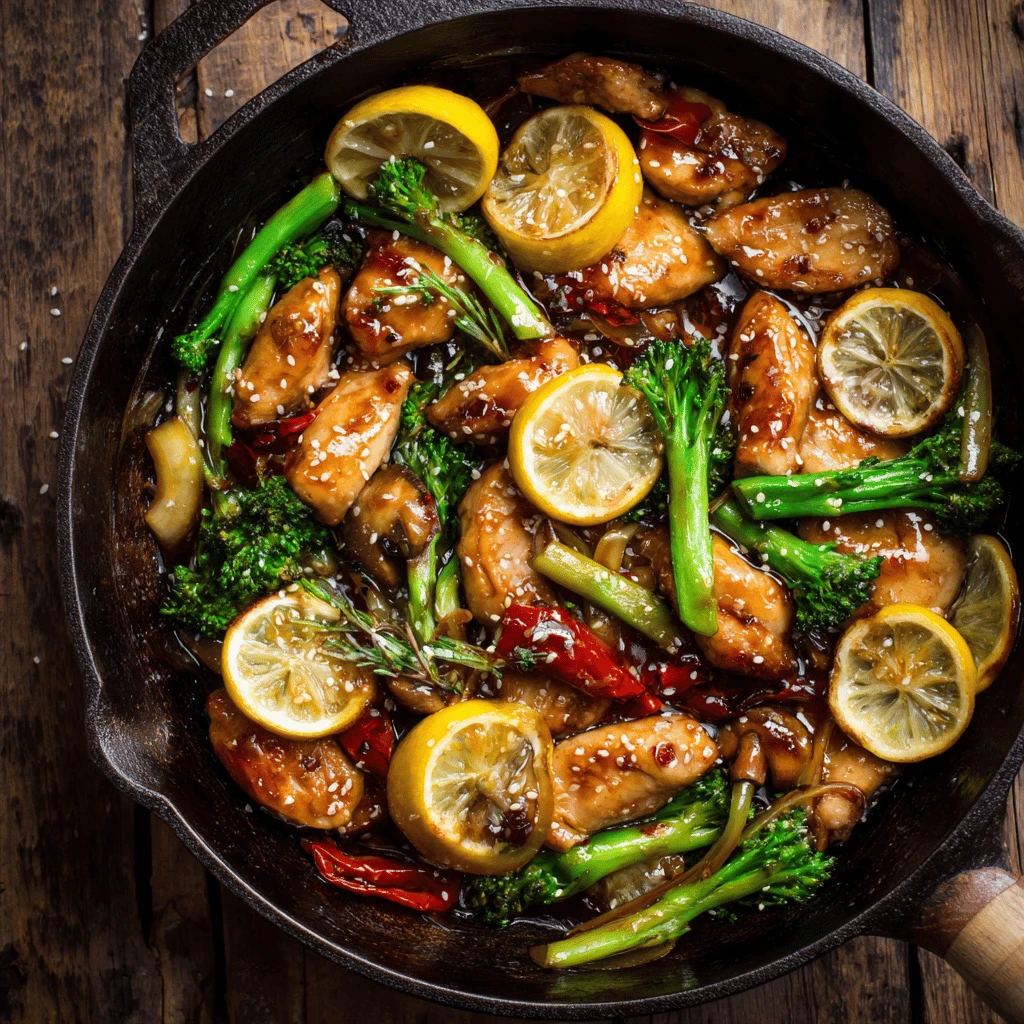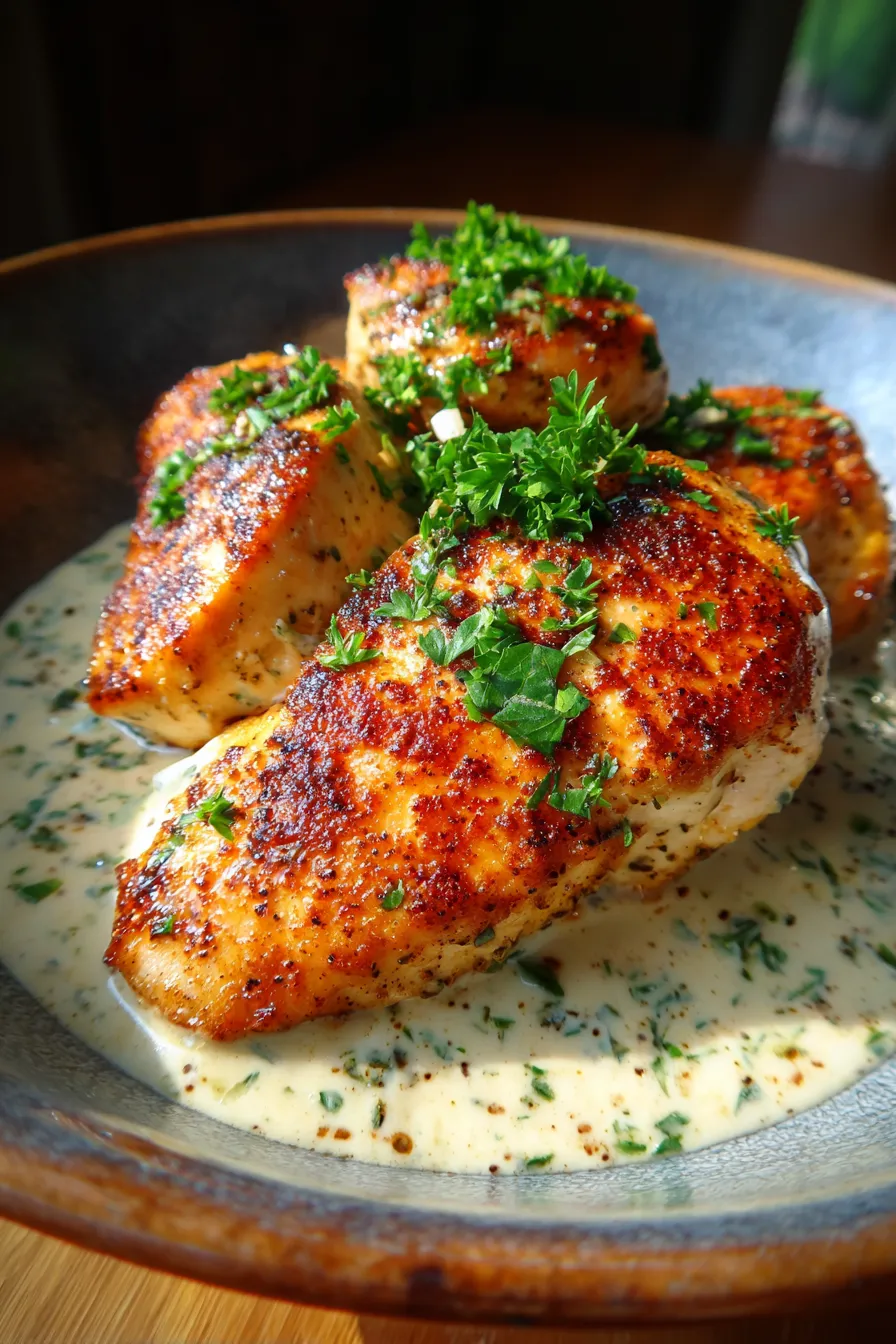
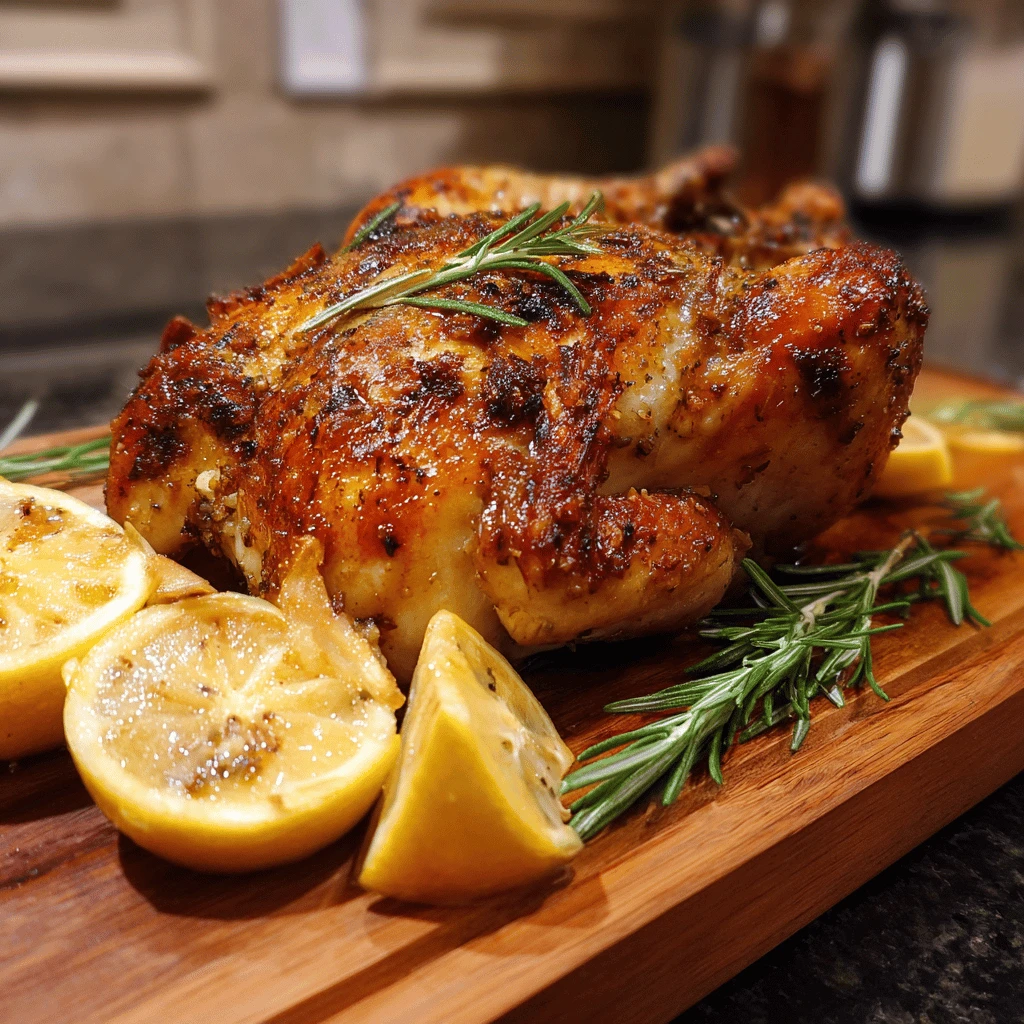
Lemon Rosemary Roasted Chicken Lemon Rosemary Roasted Chicken: It’s a classic for a reason. The bright citrus notes of lemon perfectly complement the earthy aroma of rosemary, creating a symphony of flavors that elevate the humble roasted chicken to something truly special. This recipe is simple enough for a weeknight meal but elegant enough for…
Lemon Rosemary Roasted Chicken
Lemon Rosemary Roasted Chicken: It’s a classic for a reason. The bright citrus notes of lemon perfectly complement the earthy aroma of rosemary, creating a symphony of flavors that elevate the humble roasted chicken to something truly special. This recipe is simple enough for a weeknight meal but elegant enough for a Sunday supper. Let’s explore how to achieve perfectly roasted chicken, infused with lemon and rosemary, every time.
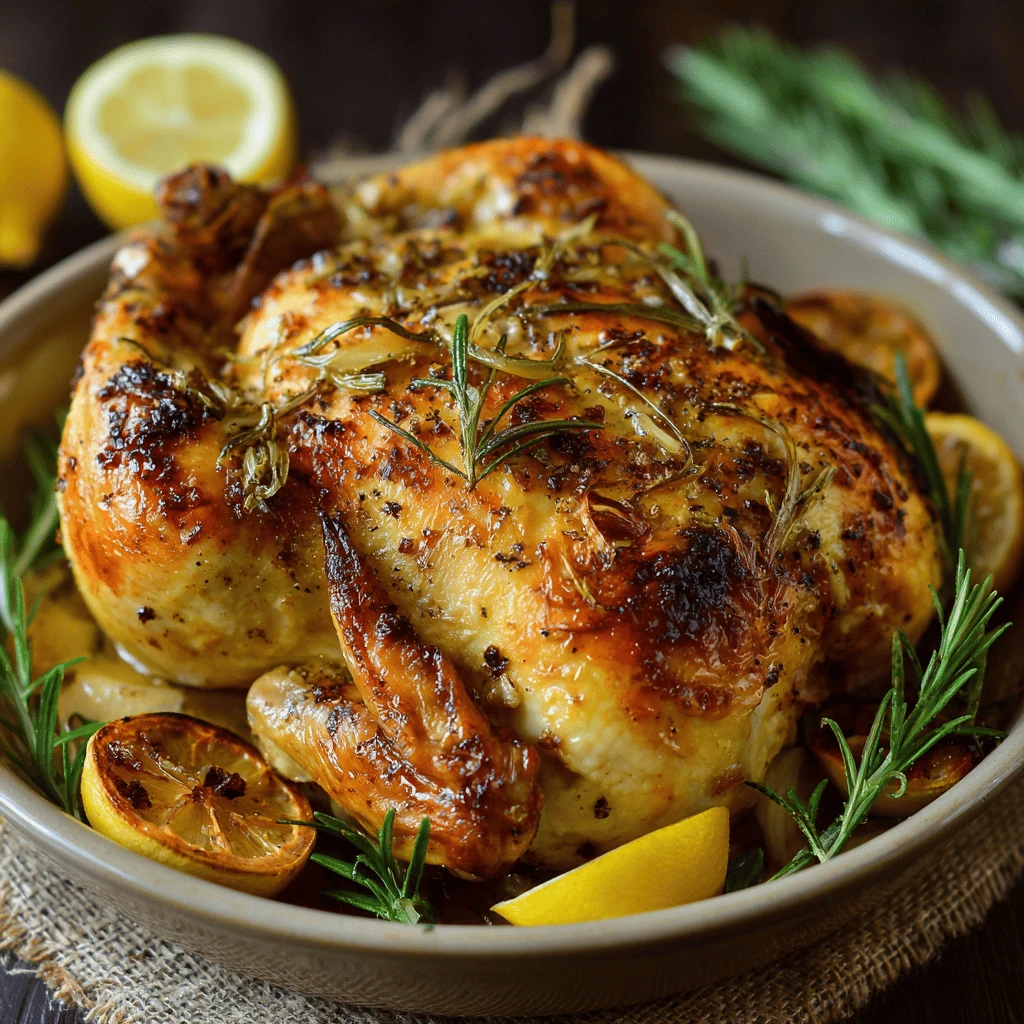
The Secret to the Perfect Roast Chicken
Roasting a chicken might seem intimidating, but with a few key techniques, anyone can master it. The goal is juicy meat and crispy skin, and achieving that balance comes down to preparation, temperature, and technique.
Preparing Your Chicken
The first step is proper preparation. Start by patting the chicken dry, both inside and out, with paper towels. This is crucial for achieving crispy skin. Moisture is the enemy! Next, trim any excess fat around the cavity opening. While some fat is desirable for flavor, too much can prevent even cooking.
Consider brining the chicken. Brining involves soaking the chicken in a saltwater solution for several hours. This helps the meat retain moisture during cooking, resulting in a more succulent and flavorful bird. A simple brine consists of water, salt, and sugar. You can also add aromatics like peppercorns, bay leaves, and citrus peels to enhance the flavor.
Finally, season generously. Don’t be shy with the salt and pepper! Season the cavity as well as the skin. This ensures that the flavor penetrates throughout the entire bird.
Roasting Temperatures and Times
Temperature is critical. Roasting at a high temperature initially helps to crisp the skin, while reducing the temperature allows the chicken to cook evenly without drying out.
A good starting point is to roast the chicken at 450°F (232°C) for the first 15-20 minutes. This blasts the skin and gets it on the road to golden-brown deliciousness. Then, reduce the oven temperature to 350°F (175°C) and continue roasting until the internal temperature reaches 165°F (74°C) in the thickest part of the thigh, without touching the bone.
Roasting time will vary depending on the size of your chicken. A general rule of thumb is to roast for 15-20 minutes per pound. However, always rely on a meat thermometer to ensure doneness. Overcooked chicken is dry and tough, while undercooked chicken is unsafe to eat.
Achieving Crispy Skin
Crispy skin is the holy grail of roasted chicken. Besides patting the chicken dry and starting with a high temperature, there are a few other tricks to help achieve that perfect crisp.
One technique is to use a rack in the roasting pan. This allows air to circulate around the chicken, promoting even cooking and crisping the skin all over.
Another option is to baste the chicken with its own juices or with melted butter or olive oil during the last 30 minutes of cooking. Basting adds flavor and moisture, but be careful not to baste too frequently, as this can lower the oven temperature and prevent the skin from crisping.
Finally, consider broiling the chicken for the last few minutes of cooking. Keep a close eye on it to avoid burning, but a quick blast under the broiler can give the skin that extra level of crispness.
Lemon Rosemary Infusion: Flavorful Perfection
The magic of this recipe lies in the lemon and rosemary. These two ingredients work together to create a flavor profile that is both bright and savory, transforming the ordinary into the extraordinary.
Preparing the Lemon Rosemary Mixture
For optimal flavor infusion, use fresh rosemary and lemons. Dried rosemary can be used in a pinch, but fresh rosemary has a more vibrant and aromatic flavor.
There are several ways to incorporate the lemon and rosemary. You can stuff the cavity of the chicken with lemon wedges, rosemary sprigs, and garlic cloves. This will infuse the chicken with flavor from the inside out.
Another option is to create a lemon rosemary butter. Combine softened butter with chopped rosemary, lemon zest, and a pinch of salt and pepper. Spread this mixture under the skin of the chicken, focusing on the breast and thighs. This will result in incredibly flavorful and juicy meat.
Maximizing Flavor Penetration
To maximize flavor penetration, allow the chicken to marinate with the lemon rosemary mixture for at least 30 minutes, or preferably several hours, in the refrigerator. This allows the flavors to meld and infuse the chicken more deeply.
You can also create a lemon rosemary oil by infusing olive oil with lemon zest and rosemary sprigs. Drizzle this oil over the chicken before roasting for added flavor and moisture.
Alternative Flavor Combinations
While lemon and rosemary are a classic combination, feel free to experiment with other flavors. Thyme, sage, and oregano are all excellent additions. You can also add garlic, shallots, or onions to the cavity of the chicken for extra flavor.
Other citrus fruits, such as oranges or grapefruit, can be substituted for lemon. And for a touch of heat, add a pinch of red pepper flakes to the lemon rosemary mixture.
Side Dish Pairings: Completing the Meal
A perfectly roasted Lemon Rosemary Chicken deserves equally delicious side dishes. The bright and savory flavors of the chicken pair well with a variety of sides, from roasted vegetables to creamy potatoes.
Roasted Vegetables
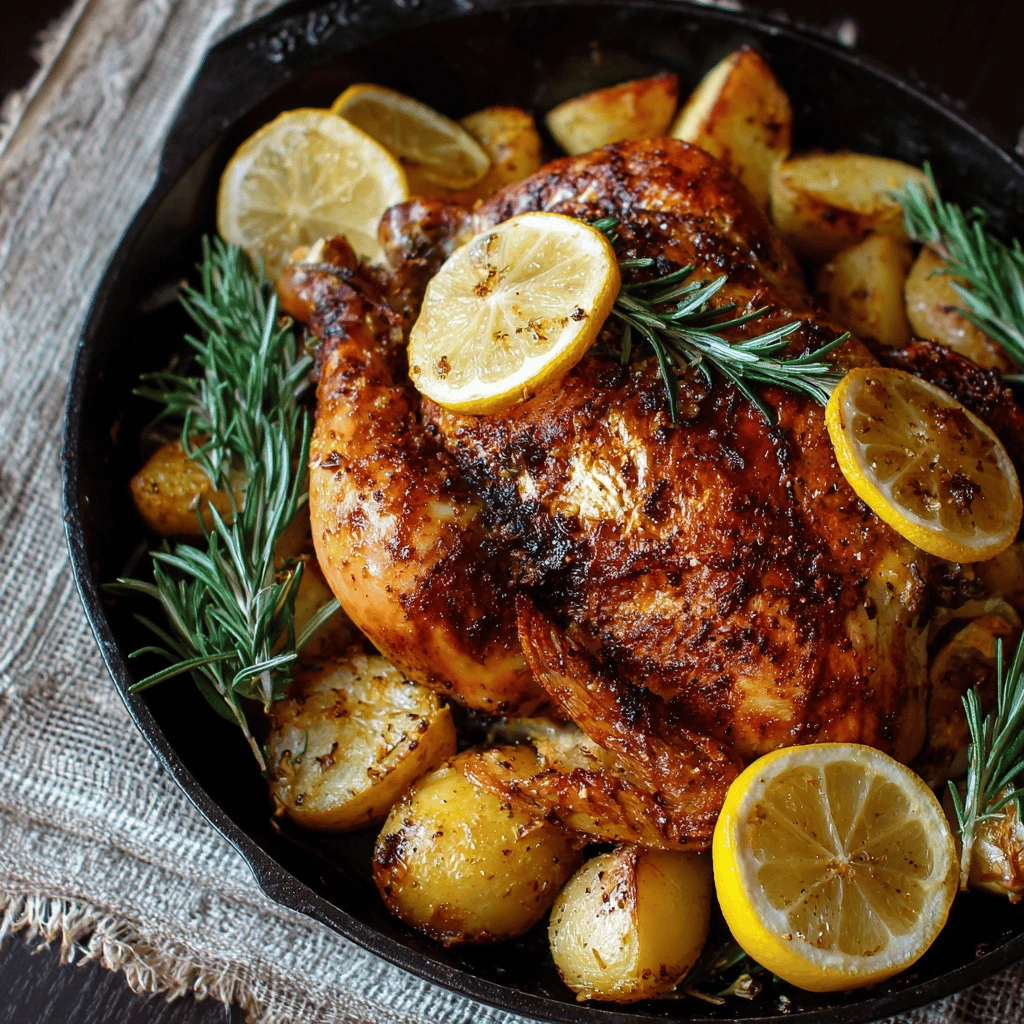
Roasted vegetables are a classic accompaniment to roasted chicken. Root vegetables like carrots, potatoes, and parsnips roast beautifully alongside the chicken, soaking up the flavorful juices. Toss the vegetables with olive oil, salt, pepper, and herbs before roasting.
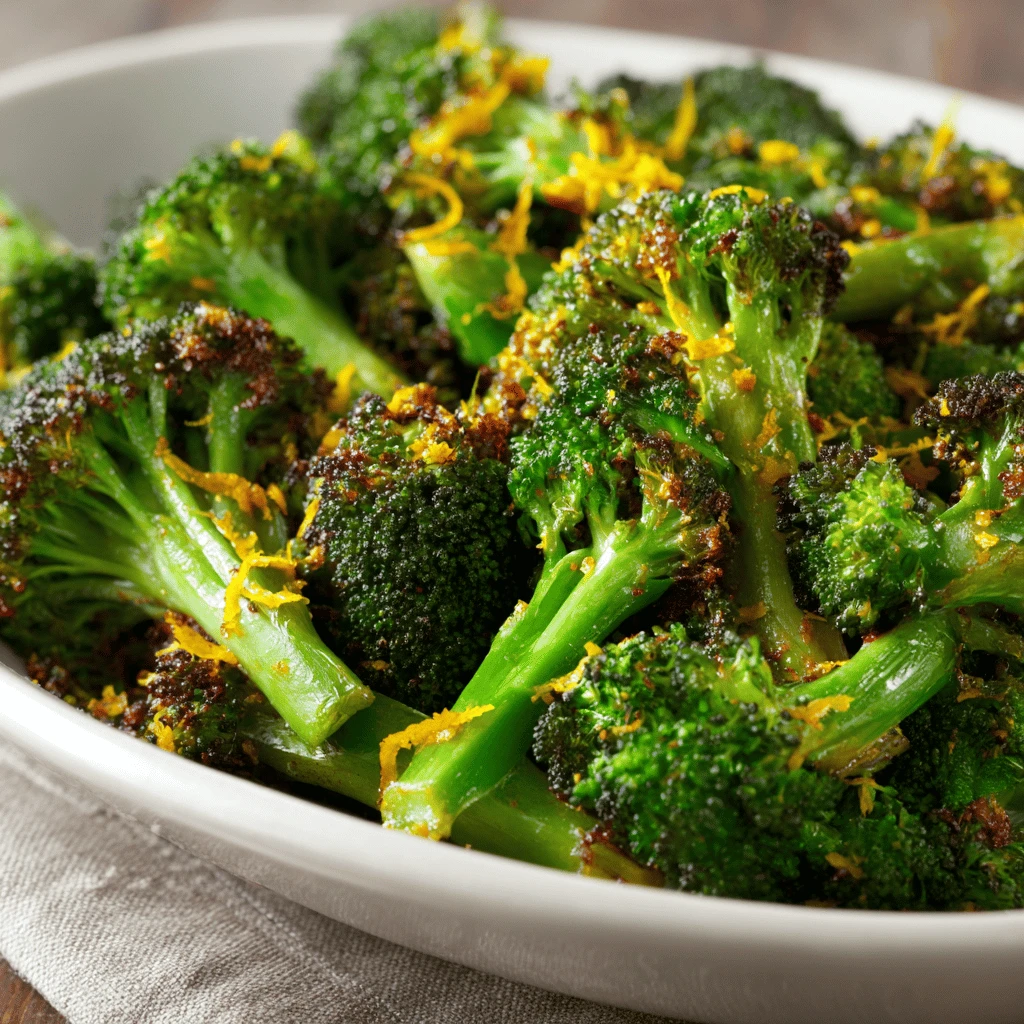
Broccoli, Brussels sprouts, and asparagus are also excellent choices. These vegetables can be roasted alongside the chicken or separately.
Potatoes: Creamy and Delicious
Potatoes are another crowd-pleasing side dish. Creamy mashed potatoes are always a hit, but roasted potatoes are also a great option. Toss the potatoes with olive oil, salt, pepper, and rosemary before roasting for added flavor.
Scalloped potatoes are a more decadent option, perfect for a special occasion.
Salad Sensations
For a lighter option, consider serving a salad alongside your Lemon Rosemary Roasted Chicken. A simple green salad with a lemon vinaigrette is a refreshing complement to the richness of the chicken.
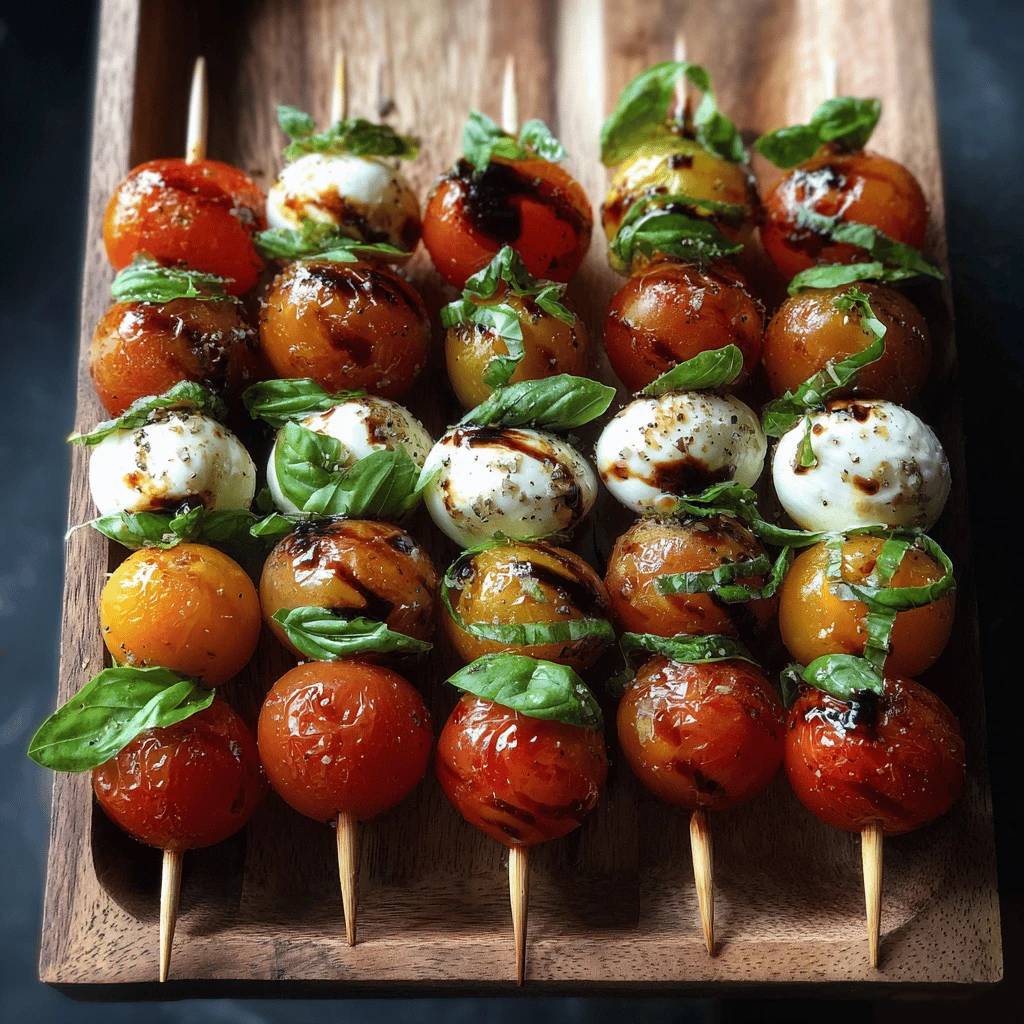
A more substantial salad, such as a Caesar salad or a Caprese salad, would also be a delicious choice.
Tips and Tricks for Roasting Success
Roasting a chicken is a skill that improves with practice. Here are a few additional tips and tricks to help you achieve roasting success every time.
Even Cooking Techniques
To ensure even cooking, make sure the chicken is placed in the center of the oven. Avoid overcrowding the roasting pan, as this can prevent the chicken from browning evenly.
If the chicken starts to brown too quickly, tent it with aluminum foil. This will prevent the skin from burning while allowing the chicken to continue cooking.
Use a meat thermometer to monitor the internal temperature of the chicken. The chicken is done when the internal temperature reaches 165°F (74°C) in the thickest part of the thigh, without touching the bone.
Troubleshooting Common Problems
Dry chicken is a common problem when roasting chicken. To prevent this, make sure to pat the chicken dry before roasting and consider brining it. Also, avoid overcooking the chicken. Use a meat thermometer to ensure doneness.
Uneven browning can also be a challenge. To prevent this, make sure the chicken is placed in the center of the oven and avoid overcrowding the roasting pan. If the chicken starts to brown too quickly, tent it with aluminum foil.
Leftover Chicken Creations
Leftover roasted chicken is a gift that keeps on giving. There are endless possibilities for using leftover chicken, from sandwiches and salads to soups and casseroles.
Use leftover chicken to make chicken salad sandwiches or wraps. Add it to a Caesar salad or a Cobb salad. Shred the chicken and use it in tacos or enchiladas.
Simmer the carcass with vegetables and herbs to make chicken stock. Use the stock as a base for soups and stews.
Frequently Asked Questions (FAQs)
Q: How long should I brine the chicken?
A: Ideally, brine the chicken for 4-12 hours in the refrigerator. Shorter brining times will still provide some benefit, but longer brining times will result in a more flavorful and juicy bird.
Q: What temperature should the chicken be cooked to?
A: The chicken should be cooked to an internal temperature of 165°F (74°C) in the thickest part of the thigh, without touching the bone. Use a meat thermometer to ensure doneness.
Q: How do I get crispy skin on my roasted chicken?
A: To get crispy skin, pat the chicken dry, both inside and out, before roasting. Roast at a high temperature initially, then reduce the temperature to allow the chicken to cook evenly. Use a rack in the roasting pan to allow air to circulate around the chicken. Consider broiling the chicken for the last few minutes of cooking.
Q: Can I use dried rosemary instead of fresh rosemary?
A: Yes, you can use dried rosemary, but fresh rosemary has a more vibrant and aromatic flavor. If using dried rosemary, use about half the amount called for in the recipe.
Q: What are some good side dishes to serve with Lemon Rosemary Roasted Chicken?
A: Roasted vegetables, mashed potatoes, and salads are all excellent side dishes to serve with Lemon Rosemary Roasted Chicken.