Roasted Brussels Sprouts with Balsamic for Thanksgiving Brussels sprouts, often unfairly maligned, transform into a delectable Thanksgiving side dish when roasted to perfection and drizzled with tangy balsamic glaze. This recipe elevates these humble vegetables, turning them into a crowd-pleaser that even Brussels sprouts skeptics will enjoy. Roasting brings out their natural sweetness, while the…
Roasted Brussels Sprouts with Balsamic for Thanksgiving
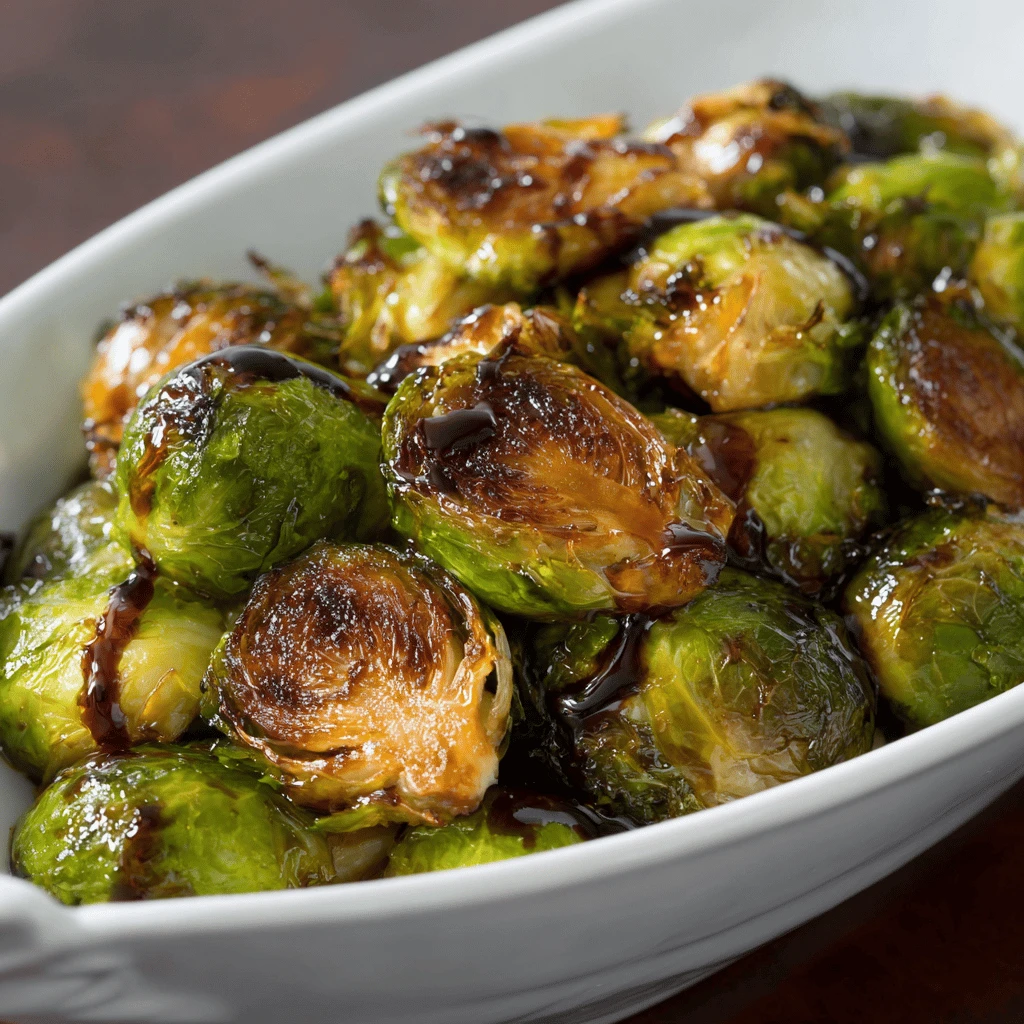
Brussels sprouts, often unfairly maligned, transform into a delectable Thanksgiving side dish when roasted to perfection and drizzled with tangy balsamic glaze. This recipe elevates these humble vegetables, turning them into a crowd-pleaser that even Brussels sprouts skeptics will enjoy. Roasting brings out their natural sweetness, while the balsamic vinegar adds a delightful complexity and depth of flavor.
Why Roasted Brussels Sprouts are a Thanksgiving Staple
For many, Thanksgiving is synonymous with tradition, but that doesn’t mean your menu can’t benefit from a fresh, flavorful addition. Roasted Brussels sprouts with balsamic offer a welcome counterpoint to the richer, heavier dishes typically found on the Thanksgiving table. They provide a vibrant green hue that brightens the spread and offer a healthy dose of vitamins and fiber. Plus, they’re incredibly easy to make, freeing up valuable oven space and time on a busy holiday.
The simplicity of this dish allows it to pair well with a variety of Thanksgiving flavors. The slight bitterness of the Brussels sprouts complements the sweetness of cranberry sauce, the savory notes of stuffing, and the richness of gravy. The balsamic glaze ties everything together, adding a touch of elegance and sophistication.
Mastering the Art of Roasting Brussels Sprouts
The key to delicious roasted Brussels sprouts lies in achieving the perfect balance of crispy edges and tender insides. Here’s a step-by-step guide to ensure success:
Choosing the Right Brussels Sprouts
Select Brussels sprouts that are firm, compact, and bright green. Avoid those that are yellowing, wilting, or have blemishes. Smaller sprouts tend to be sweeter and more tender. Aim for sprouts that are roughly the same size to ensure even cooking.
Preparing the Brussels Sprouts
1. Wash and Trim: Thoroughly rinse the Brussels sprouts under cold water. Trim off the tough ends and remove any loose or discolored outer leaves.
2. Halve or Quarter: For smaller sprouts, simply halve them lengthwise. Larger sprouts should be quartered to ensure they cook through evenly. Halving or quartering also increases the surface area that comes into contact with the hot pan, resulting in crispier edges.
3. Drying is Key: After washing and trimming, pat the Brussels sprouts completely dry with paper towels. Excess moisture will steam the sprouts instead of roasting them, resulting in a soggy texture.
Roasting Techniques for Perfect Results
1. High Heat is Essential: Preheat your oven to 400°F (200°C). High heat is crucial for caramelizing the natural sugars in the Brussels sprouts and creating a crispy exterior.
2. Proper Pan and Spacing: Use a large baking sheet, preferably rimmed to prevent any runaway sprouts. Line the baking sheet with parchment paper for easy cleanup. Spread the Brussels sprouts in a single layer, ensuring they are not overcrowded. Overcrowding will trap steam and prevent them from browning properly.
3. The Right Oil and Seasoning: Toss the prepared Brussels sprouts with a generous amount of olive oil. This helps them crisp up beautifully. Season generously with salt, pepper, and any other desired spices (garlic powder, onion powder, or red pepper flakes work well).
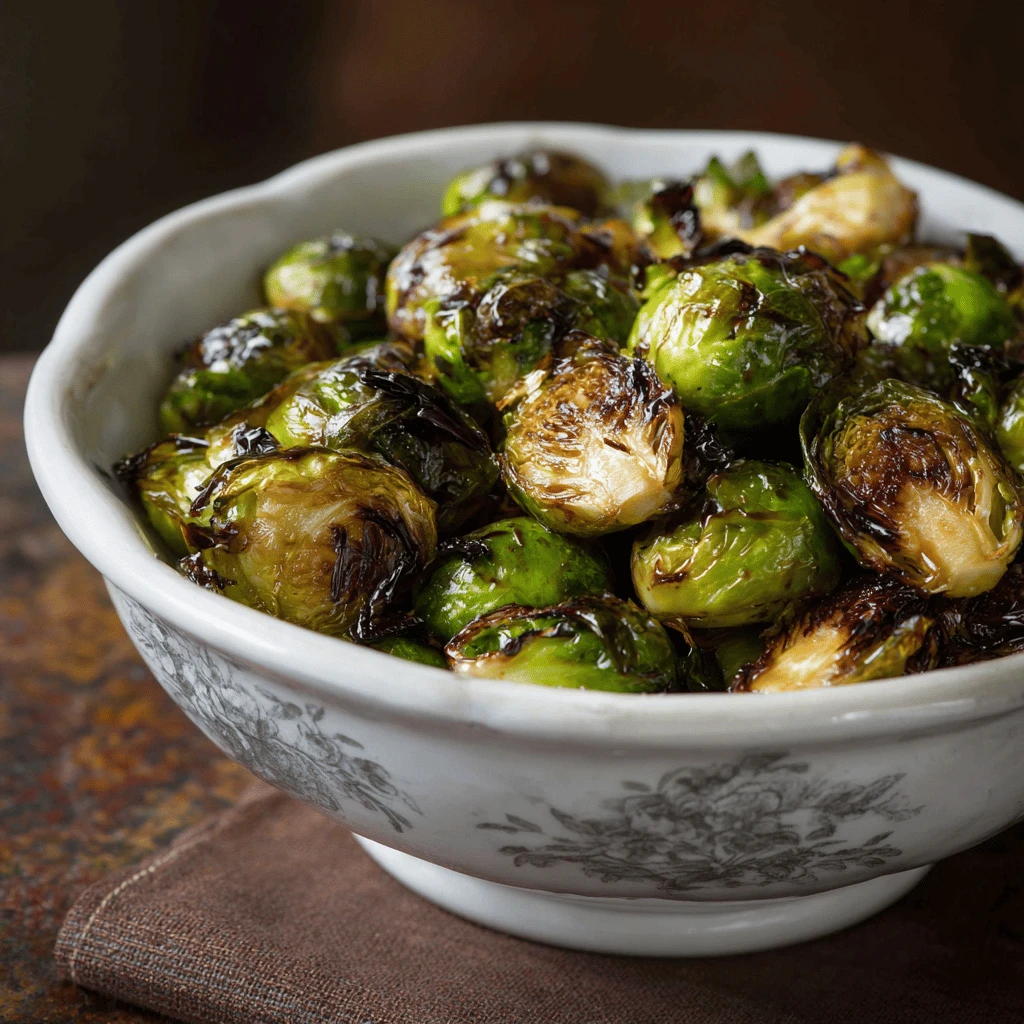
4. Roasting Time and Technique: Roast the Brussels sprouts for 25-35 minutes, or until they are tender and golden brown, with slightly charred edges. Toss them halfway through the cooking time to ensure even browning. Keep a close eye on them towards the end to prevent burning.
Crafting the Perfect Balsamic Glaze
A good balsamic glaze elevates roasted Brussels sprouts from ordinary to extraordinary. While you can buy pre-made balsamic glaze, making your own is simple and allows you to control the sweetness and thickness.
1. Simple Reduction: In a small saucepan, combine balsamic vinegar (use a good quality balsamic for the best flavor) with a touch of sweetener, such as honey, maple syrup, or brown sugar. The sweetener helps to balance the acidity of the vinegar.
2. Simmer and Stir: Bring the mixture to a gentle simmer over medium heat. Reduce the heat to low and simmer for 10-15 minutes, or until the glaze has thickened to a syrupy consistency. Stir occasionally to prevent sticking.
3. Consistency is Key: The glaze should coat the back of a spoon. Be careful not to over-reduce it, as it will continue to thicken as it cools.
4. Add Flavor Enhancers (Optional): For an extra layer of flavor, consider adding a pinch of red pepper flakes for a touch of heat, or a sprig of fresh rosemary or thyme to infuse the glaze with herbal notes.
Assembling the Roasted Brussels Sprouts with Balsamic
Once the Brussels sprouts are roasted and the balsamic glaze is ready, it’s time to bring everything together.
Tossing and Serving
1. Gentle Coating: Transfer the roasted Brussels sprouts to a serving bowl. Drizzle the balsamic glaze over the sprouts, tossing gently to coat them evenly. Be careful not to add too much glaze, as it can make the sprouts soggy.
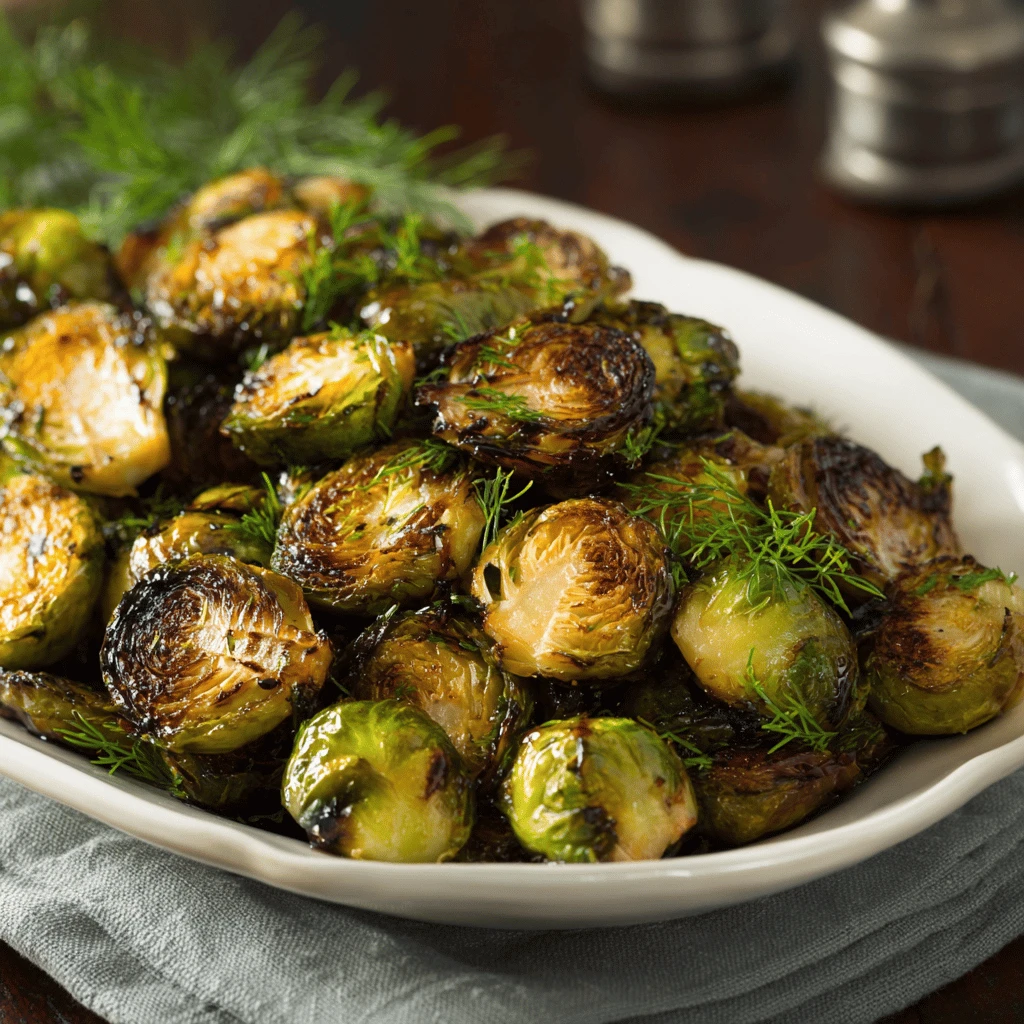
2. Garnish for Presentation: Garnish the dish with a sprinkle of toasted nuts (such as pecans, walnuts, or pine nuts) for added texture and flavor. Freshly grated Parmesan cheese or crumbled goat cheese also adds a delightful salty and creamy element. A sprinkle of fresh herbs, such as parsley or thyme, provides a final touch of freshness and visual appeal.
3. Serve Immediately: For the best flavor and texture, serve the roasted Brussels sprouts with balsamic immediately while they are still warm and crispy.
Variations and Additions
- Bacon or Pancetta: Add crispy bacon or pancetta for a smoky, savory flavor. Cook the bacon or pancetta until crispy, then crumble it over the roasted Brussels sprouts before serving.
- Dried Cranberries: Add dried cranberries for a touch of sweetness and chewiness.
- Apples or Pears: Add diced apples or pears for a fruity sweetness that complements the balsamic glaze.
- Maple Syrup: Use maple syrup instead of honey or brown sugar in the balsamic glaze for a deeper, richer flavor.
- Lemon Zest: Add a sprinkle of lemon zest for a bright, citrusy note.
Perfect Pairings and Thanksgiving Menu Integration
Roasted Brussels sprouts with balsamic are a versatile side dish that pairs well with a variety of Thanksgiving main courses and other side dishes.
Main Course Companions
This dish is a perfect complement to traditional Thanksgiving turkey, as well as other main courses such as roasted chicken, ham, or even a vegetarian lentil loaf. The slight bitterness of the Brussels sprouts cuts through the richness of the meat, while the balsamic glaze adds a touch of sweetness and acidity that balances the flavors.
Side Dish Synergies
Roasted Brussels sprouts with balsamic pair beautifully with other Thanksgiving side dishes, such as:
- Mashed Potatoes: The creamy, comforting texture of mashed potatoes complements the crispy, slightly bitter Brussels sprouts.
- Stuffing: The savory flavors of stuffing are enhanced by the sweetness and tanginess of the balsamic glaze.
- Cranberry Sauce: The tartness of cranberry sauce is balanced by the richness of the roasted Brussels sprouts.
- Green Bean Casserole: The creamy, savory flavors of green bean casserole are complemented by the fresh, vibrant flavor of the roasted Brussels sprouts.
Wine Pairing Suggestions
For wine pairings, consider a crisp white wine such as Sauvignon Blanc or Pinot Grigio, which will complement the acidity of the balsamic vinegar and the earthiness of the Brussels sprouts. A light-bodied red wine such as Pinot Noir can also work well, especially if the dish includes bacon or pancetta.
Frequently Asked Questions (FAQ)
Why are my Brussels sprouts bitter?
Bitterness in Brussels sprouts is often due to overcooking or the presence of certain compounds that are released when the sprouts are damaged. To minimize bitterness, choose small, firm sprouts, trim them properly, and roast them at a high temperature to caramelize their natural sugars. Avoid overcooking them.
How do I get my Brussels sprouts crispy?
To achieve crispy Brussels sprouts, ensure they are completely dry before roasting, use high heat (400°F or 200°C), and spread them in a single layer on the baking sheet. Don’t overcrowd the pan, as this will trap steam and prevent them from browning.
Can I prepare Brussels sprouts ahead of time?
You can prepare the Brussels sprouts ahead of time by washing, trimming, and halving or quartering them. Store them in an airtight container in the refrigerator for up to 2 days. However, it’s best to roast them just before serving for the best texture. You can also make the balsamic glaze ahead of time and store it in the refrigerator.
Can I use frozen Brussels sprouts?
While fresh Brussels sprouts are ideal, you can use frozen Brussels sprouts in a pinch. Thaw them completely and pat them dry before roasting. Keep in mind that they may not get as crispy as fresh Brussels sprouts.
How do I store leftover roasted Brussels sprouts?
Store leftover roasted Brussels sprouts in an airtight container in the refrigerator for up to 3 days. Reheat them in the oven or in a skillet to maintain their crispiness. Avoid microwaving them, as this will make them soggy.