Garlic Mashed Yukon Potatoes for Thanksgiving Garlic mashed Yukon potatoes are a Thanksgiving staple for a reason: they’re creamy, flavorful, and incredibly comforting. This recipe elevates the classic mashed potato dish with the subtle sweetness of Yukon Golds and the aromatic punch of garlic, creating a side dish that will have everyone coming back for…
Garlic Mashed Yukon Potatoes for Thanksgiving
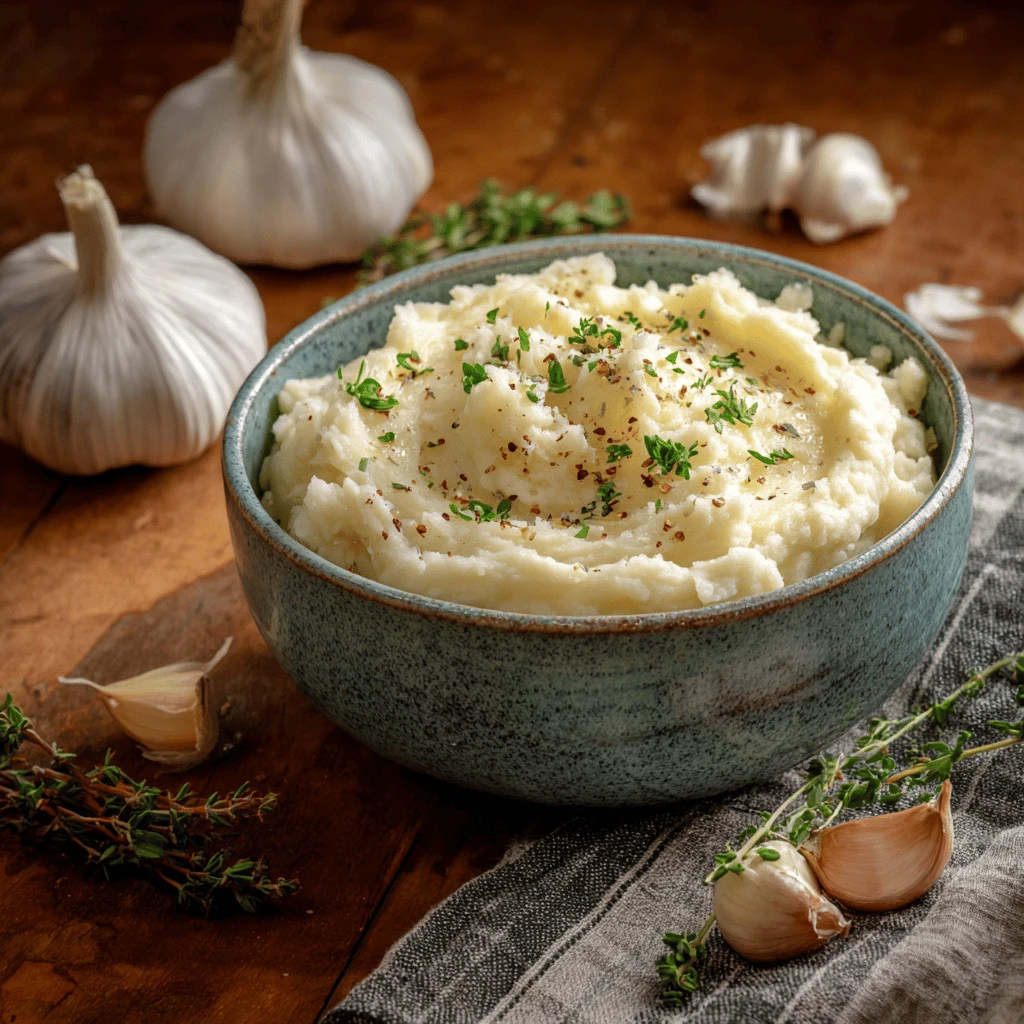
Garlic mashed Yukon potatoes are a Thanksgiving staple for a reason: they’re creamy, flavorful, and incredibly comforting. This recipe elevates the classic mashed potato dish with the subtle sweetness of Yukon Golds and the aromatic punch of garlic, creating a side dish that will have everyone coming back for seconds. This guide will walk you through crafting the perfect garlic mashed Yukon potatoes, ensuring a smooth, flavorful, and crowd-pleasing addition to your Thanksgiving feast.
Choosing the Right Potatoes
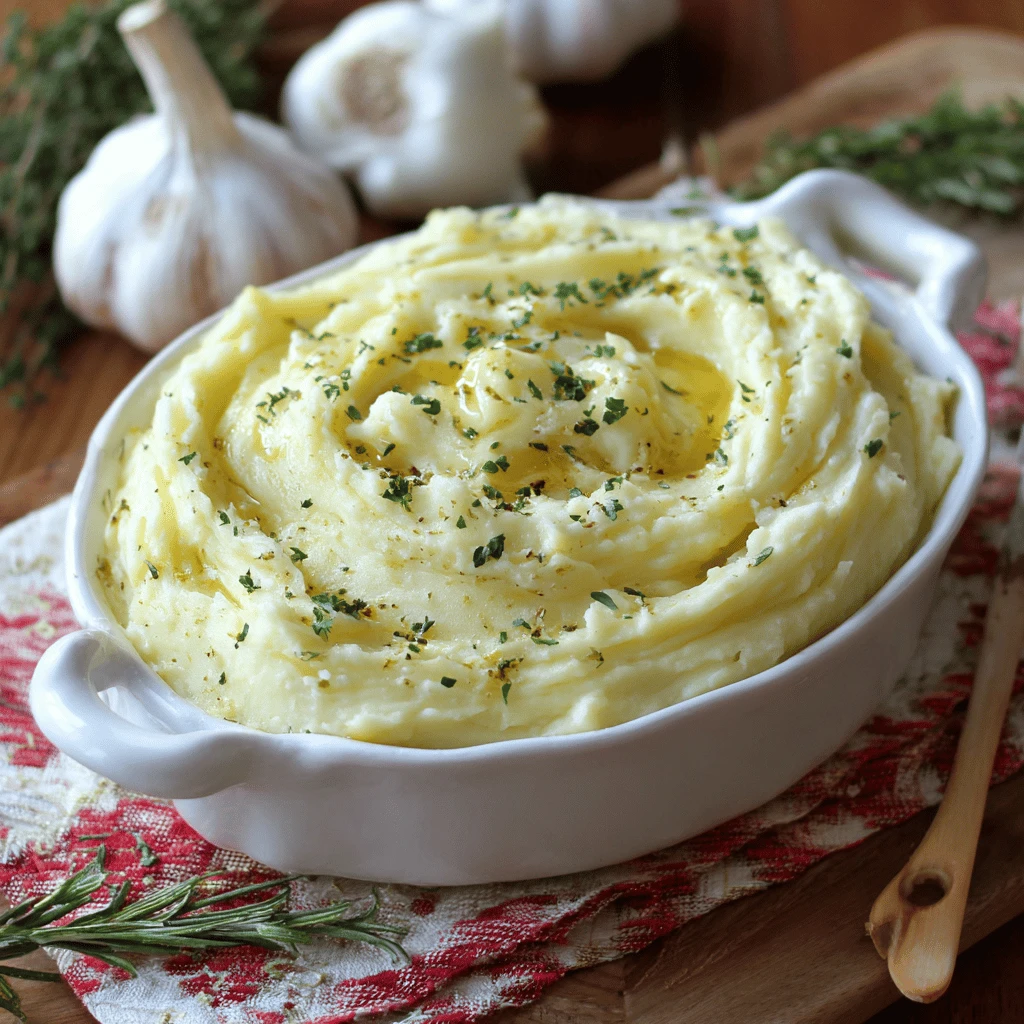
Selecting the right type of potato is crucial for achieving the desired texture and flavor. While Russet potatoes are a popular choice for mashing, Yukon Golds offer a distinct advantage. Their naturally buttery flavor and creamy texture result in a richer, more flavorful mash that requires less butter and cream.
- Why Yukon Golds? Yukon Golds have a naturally buttery flavor that enhances the overall taste of the dish. Their smooth texture ensures a creamy mash without becoming gluey. They also hold their shape well during cooking, preventing them from becoming waterlogged.
- Size Matters: Opt for medium-sized Yukon Golds of similar size to ensure even cooking.
- Freshness is Key: Look for firm potatoes with smooth, unblemished skin. Avoid potatoes with sprouts or soft spots.
Garlic Infusion Techniques
The garlic flavor is a key component of this recipe, and there are several ways to infuse it into the potatoes. Each method offers a slightly different intensity and complexity.
- Roasted Garlic: Roasting garlic before adding it to the mashed potatoes imparts a mellow, sweet flavor. Simply cut the top off a head of garlic, drizzle with olive oil, wrap in foil, and roast at 400°F (200°C) for 45-60 minutes, or until the cloves are soft and golden. Squeeze the roasted cloves into the mashed potatoes for a subtle, yet impactful flavor.
- Garlic Infused Cream: Gently heat cream with minced garlic cloves over low heat. Simmer for about 15-20 minutes, allowing the garlic to infuse the cream with its flavor. Strain the cream before adding it to the mashed potatoes for a smooth, garlicky base.
- Sautéed Garlic: Sautéing minced garlic in butter before adding it to the potatoes creates a bolder, more pungent garlic flavor. Be careful not to burn the garlic, as this will result in a bitter taste.
- Raw Garlic: For a very strong garlic flavor, mince fresh garlic and add it directly to the mashed potatoes. This method is best used in moderation, as the raw garlic flavor can be overpowering.
Experiment with different techniques to find the garlic infusion method that best suits your taste preference.
Achieving the Perfect Texture
The texture of mashed potatoes is a matter of personal preference, but a creamy, lump-free mash is generally desired. Here are some tips for achieving the perfect texture:
- Start with Cold Water: Place the peeled and cubed potatoes in a large pot and cover with cold water. This helps the potatoes cook evenly and prevents them from becoming waterlogged.
- Salt the Water Generously: Adding salt to the water seasons the potatoes from the inside out.
- Don’t Overcook: Cook the potatoes until they are fork-tender, but not mushy. Overcooked potatoes will absorb too much water and result in a gluey mash.
- Drain Thoroughly: Drain the potatoes well and return them to the pot. Let them sit for a minute or two to allow any excess moisture to evaporate.
- Use a Potato Ricer or Food Mill: A potato ricer or food mill creates the smoothest possible mashed potatoes by forcing the cooked potatoes through small holes, separating the starch granules and preventing them from becoming gluey.
- Warm the Dairy: Warming the butter and cream before adding them to the potatoes helps them incorporate more easily and prevents the potatoes from cooling down too quickly.
- Mash Gently: Over-mashing can release too much starch and result in a gluey texture. Use a light hand and mash until just combined.
Flavor Enhancements and Variations
While garlic mashed Yukon potatoes are delicious on their own, there are many ways to customize them to your liking.
- Herbs: Fresh herbs such as rosemary, thyme, or chives can add a touch of freshness and complexity to the dish. Stir in finely chopped herbs just before serving.
- Cheese: Adding cheese such as Parmesan, Gruyere, or cheddar can create a richer, more flavorful mash. Stir in grated cheese after mashing the potatoes.
- Sour Cream or Greek Yogurt: Adding a dollop of sour cream or Greek yogurt adds tanginess and creaminess to the mashed potatoes.
- Brown Butter: Brown butter adds a nutty, caramelized flavor to the mashed potatoes. Cook butter over medium heat until it turns golden brown and has a nutty aroma. Strain the browned butter before adding it to the potatoes.
- Bacon: Crispy crumbled bacon adds a smoky, salty flavor to the mashed potatoes.
- Caramelized Onions: Sweet, savory caramelized onions make an excellent addition.
Serving and Storage
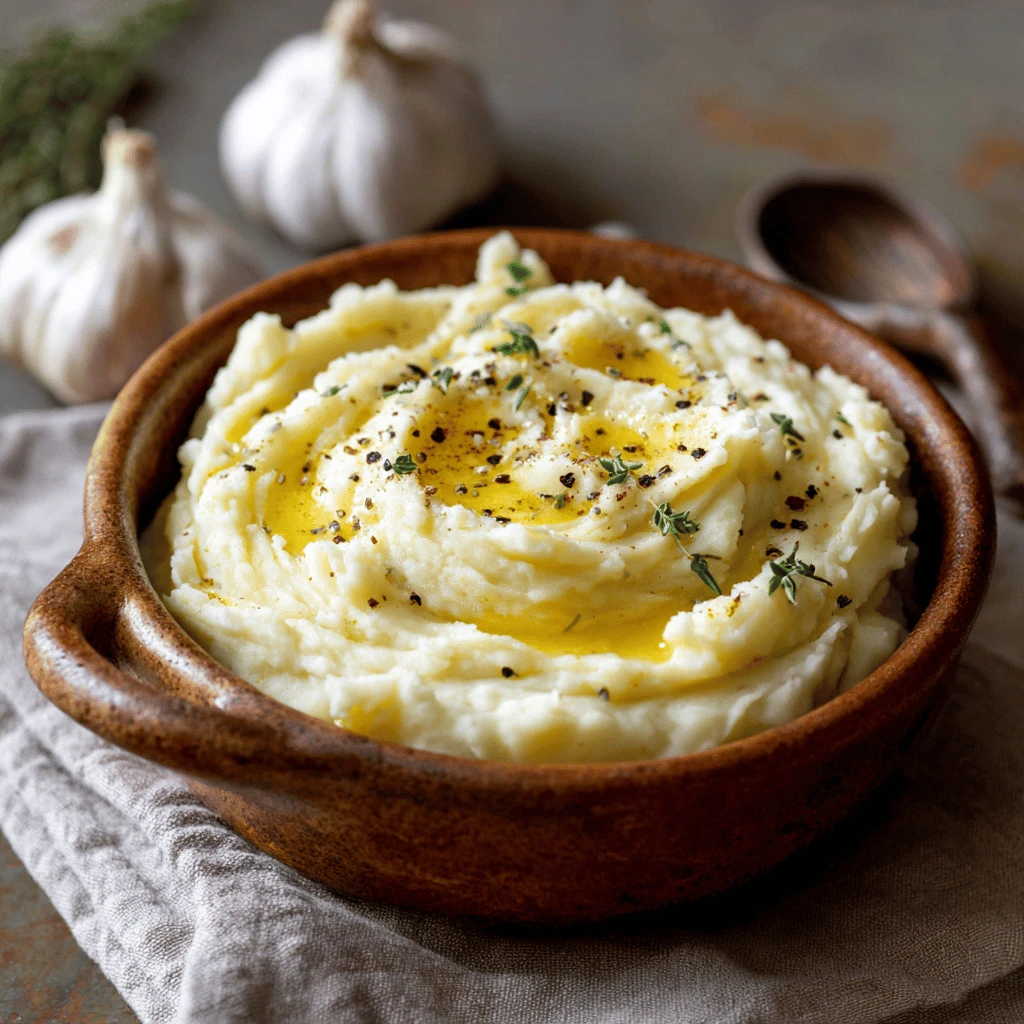
Garlic mashed Yukon potatoes are best served hot and fresh.
- Keep Warm: If you’re not serving the mashed potatoes immediately, keep them warm in a slow cooker or covered in a warm oven (200°F/95°C).
- Garnish: Garnish with fresh herbs, a drizzle of olive oil, or a sprinkle of Parmesan cheese.
- Storage: Leftover mashed potatoes can be stored in an airtight container in the refrigerator for up to 3 days.
- Reheating: Reheat mashed potatoes in the microwave or on the stovetop. Add a splash of milk or cream to restore moisture. Avoid over-heating, as this can cause the potatoes to become dry.
- Freezing: Mashed potatoes can be frozen, although the texture may change slightly upon thawing. To freeze, spread the mashed potatoes in a single layer on a baking sheet and freeze until solid. Then, transfer the frozen mashed potatoes to an airtight container or freezer bag. Thaw overnight in the refrigerator before reheating.
Frequently Asked Questions
- Can I make mashed potatoes ahead of time? Yes, you can make mashed potatoes ahead of time. Prepare them as directed, then store them in the refrigerator for up to 2 days. Reheat gently on the stovetop or in the microwave, adding a little milk or cream to restore moisture.
- How do I prevent mashed potatoes from becoming gluey? Avoid overcooking the potatoes, using a mixer, and over-mixing the potatoes once cooked. Using a potato ricer or food mill also helps.
- What can I add to mashed potatoes to make them more flavorful? There are many options! Try adding roasted garlic, fresh herbs, cheese, sour cream, brown butter, or bacon.
- Can I use a different type of potato? While Yukon Golds are ideal, Russet potatoes or a combination of both can also be used. However, you may need to adjust the amount of liquid and butter accordingly.
- How do I fix dry mashed potatoes? Add a little warmed milk, cream, or butter to restore moisture. Mix gently until combined.
- How do I fix runny mashed potatoes? Cook the potatoes for a few more minutes to evaporate some of the excess moisture. You can also add a thickening agent such as cornstarch or potato flakes.
- Can I freeze mashed potatoes? Yes, mashed potatoes can be frozen, although the texture may change slightly upon thawing. Freeze in a single layer on a baking sheet before transferring to a freezer bag or container.