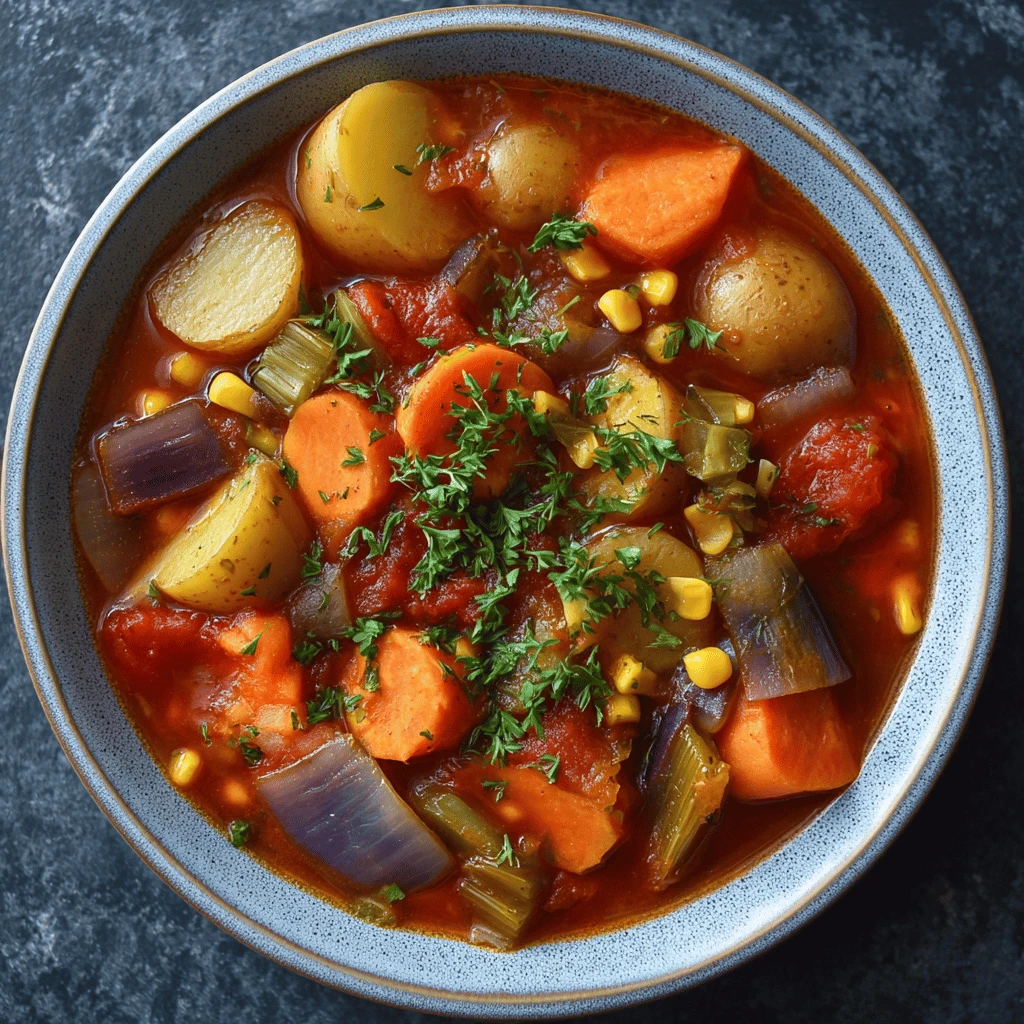
Slow Cooker Vegetarian Stew: A Hearty and Effortless Meal Vegetarian stew is a comforting and nutritious meal, perfect for busy weeknights. The slow cooker makes it even easier, allowing you to simply toss in the ingredients and let it simmer to perfection. This guide will walk you through creating the ultimate slow cooker vegetarian stew,…
Slow Cooker Vegetarian Stew: A Hearty and Effortless Meal
Vegetarian stew is a comforting and nutritious meal, perfect for busy weeknights. The slow cooker makes it even easier, allowing you to simply toss in the ingredients and let it simmer to perfection. This guide will walk you through creating the ultimate slow cooker vegetarian stew, offering tips, variations, and everything you need to know to become a stew master.
The Magic of Slow Cooker Vegetarian Stew
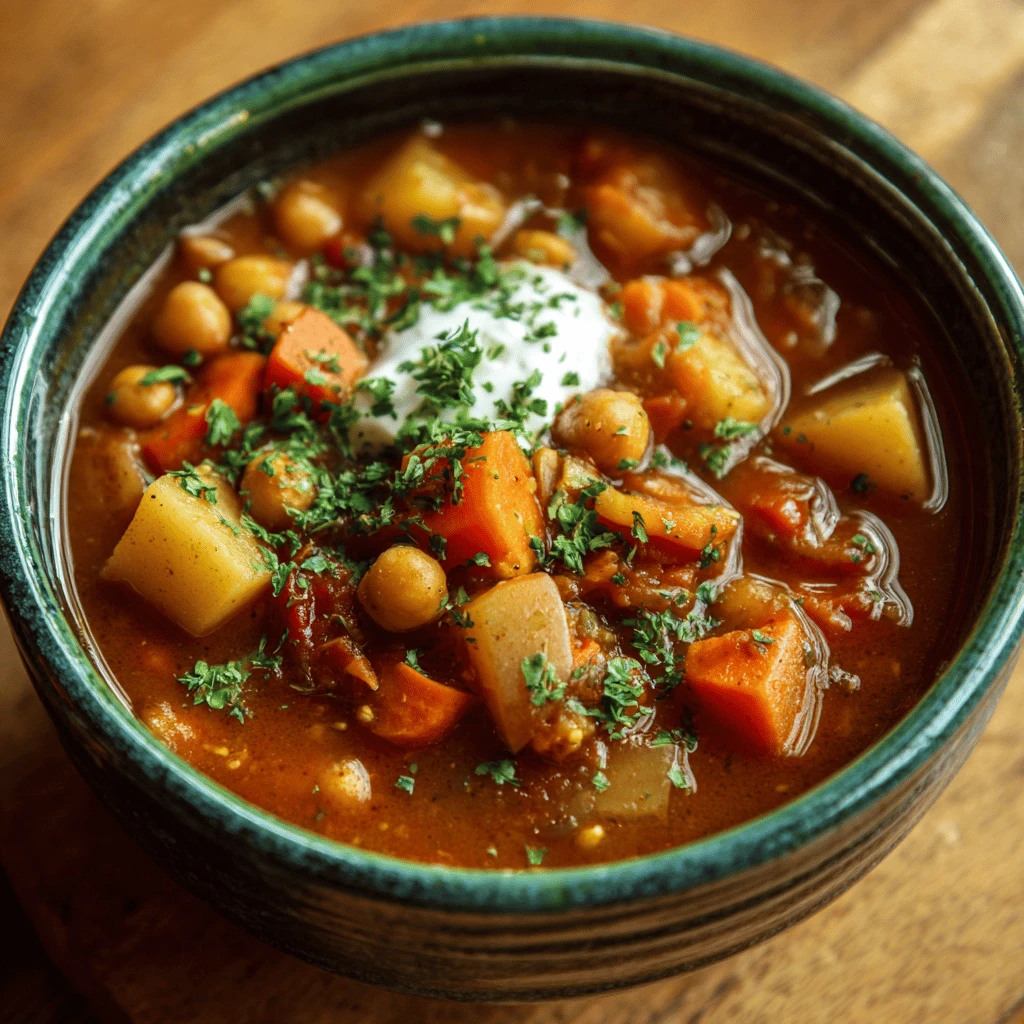
Slow cookers are a game-changer for vegetarian cooking. They allow flavors to meld and deepen over time, resulting in a rich and satisfying stew. Vegetables become incredibly tender, and the aromas that fill your kitchen are simply irresistible. This method is also incredibly convenient; prep is minimal, and the slow cooker does all the hard work. Plus, it’s a fantastic way to use up any leftover vegetables you have in your fridge.
Why Choose Vegetarian Stew?
Beyond the ease of preparation, vegetarian stew offers a wealth of health benefits. It’s packed with vitamins, minerals, and fiber from the various vegetables. It’s also a naturally low-fat and cholesterol-free option. You can easily customize the ingredients to suit your dietary needs and preferences, making it a versatile and adaptable dish. For those looking to reduce their meat consumption or embrace a plant-based lifestyle, slow cooker vegetarian stew is an excellent starting point. It’s filling, flavorful, and good for you.
Essential Equipment and Ingredients
To make a fantastic slow cooker vegetarian stew, you’ll need a few key pieces of equipment and, of course, some delicious ingredients.
- Slow Cooker: Any size will work, but a 6-quart model is ideal for feeding a family or having leftovers.
- Cutting Board and Knife: For chopping your vegetables.
- Measuring Cups and Spoons: For accurate ingredient measurements (though stew is forgiving!).
As for ingredients, the possibilities are endless! However, some staples are essential:
- Vegetables: Onions, carrots, celery, potatoes, sweet potatoes, mushrooms, bell peppers, zucchini, and corn are all excellent choices.
- Legumes: Lentils, chickpeas, kidney beans, or black beans add protein and substance.
- Broth: Vegetable broth is the base of the stew. Use low-sodium for better control over the salt content.
- Tomatoes: Diced tomatoes, crushed tomatoes, or tomato paste add acidity and depth of flavor.
- Herbs and Spices: Bay leaves, thyme, rosemary, oregano, garlic powder, onion powder, paprika, and chili powder are all great options.
- Olive Oil: For sautéing the onions and garlic (optional, but recommended for added flavor).
Crafting the Perfect Slow Cooker Stew
Now that you have your equipment and ingredients, it’s time to start cooking! Here’s a step-by-step guide to crafting the perfect slow cooker vegetarian stew.
Step-by-Step Instructions
1. Sauté Aromatics (Optional): In a skillet, heat olive oil over medium heat. Add chopped onions and garlic and sauté until softened, about 5-7 minutes. This step is optional but adds a depth of flavor to the stew.
2. Add Ingredients to the Slow Cooker: Transfer the sautéed onions and garlic (if using) to the slow cooker. Add all remaining vegetables, legumes, broth, tomatoes, herbs, and spices.
3. Stir to Combine: Gently stir all ingredients to ensure they are evenly distributed.
4. Cook on Low or High: Cook on low for 6-8 hours or on high for 3-4 hours. The cooking time will depend on your slow cooker and the size of your vegetable chunks. The vegetables should be tender and easily pierced with a fork.
5. Season to Taste: Once the stew is cooked, taste and adjust seasonings as needed. Add salt, pepper, or more herbs and spices to your liking.
6. Serve and Enjoy: Serve hot, garnished with fresh herbs like parsley or cilantro.
Tips for Success
- Don’t Overfill: Avoid overfilling the slow cooker, as this can prevent the stew from cooking evenly. Fill it no more than two-thirds full.
- Cut Vegetables Evenly: Cut vegetables into similar sizes to ensure they cook at the same rate.
- Use Frozen Vegetables: Frozen vegetables are a convenient option, especially when fresh produce is out of season. Add them directly to the slow cooker without thawing.
- Add Greens at the End: If using leafy greens like spinach or kale, add them during the last 30 minutes of cooking to prevent them from becoming mushy.
- Thicken the Stew (Optional): If you prefer a thicker stew, you can add a cornstarch slurry (mix 1 tablespoon of cornstarch with 2 tablespoons of cold water) during the last 30 minutes of cooking.
- Don’t Open the Lid Too Often: Opening the lid of the slow cooker releases heat and extends the cooking time. Avoid opening it unless necessary.
Ingredient Swaps and Substitutions
The beauty of slow cooker vegetarian stew is its adaptability. Feel free to experiment with different ingredients and flavors.
- Protein: If you don’t have legumes on hand, you can add tofu, tempeh, or plant-based crumbles.
- Vegetables: Swap out any vegetables you don’t like or don’t have available. Root vegetables like parsnips and turnips also work well.
- Broth: You can use water instead of broth, but the flavor will be less intense. Consider adding a bouillon cube or vegetable seasoning to compensate.
- Herbs and Spices: Experiment with different herb and spice combinations to create unique flavor profiles. For example, try adding cumin and coriander for a Southwestern twist or curry powder for an Indian-inspired stew.
Variations to Spice Things Up
Once you’ve mastered the basic slow cooker vegetarian stew, it’s time to get creative and explore different variations. Here are a few ideas to inspire you:
Mediterranean Stew
Add Mediterranean flavors with ingredients like artichoke hearts, Kalamata olives, sun-dried tomatoes, and feta cheese (added at the end). Use a combination of oregano, basil, and thyme for the herbs and spices.
Spicy Mexican Stew
Add a kick with ingredients like black beans, corn, diced tomatoes with green chilies, and jalapeños. Use chili powder, cumin, and smoked paprika for the herbs and spices. Top with avocado, cilantro, and a dollop of sour cream or plant-based yogurt (added at the end).
Hearty Mushroom and Barley Stew
Add a generous amount of sliced mushrooms (such as cremini or shiitake) and pearl barley to the stew. Barley adds a chewy texture and nutty flavor. Use a combination of thyme, rosemary, and bay leaves for the herbs and spices.
Creamy Tomato and Basil Stew
Add a can of coconut milk or a splash of heavy cream (or plant-based cream alternative) during the last 30 minutes of cooking for a creamy texture. Use fresh basil (added at the end) and a touch of sugar to balance the acidity of the tomatoes.
Serving and Storing Your Stew
Now that your slow cooker vegetarian stew is ready, it’s time to serve and enjoy!
Serving Suggestions
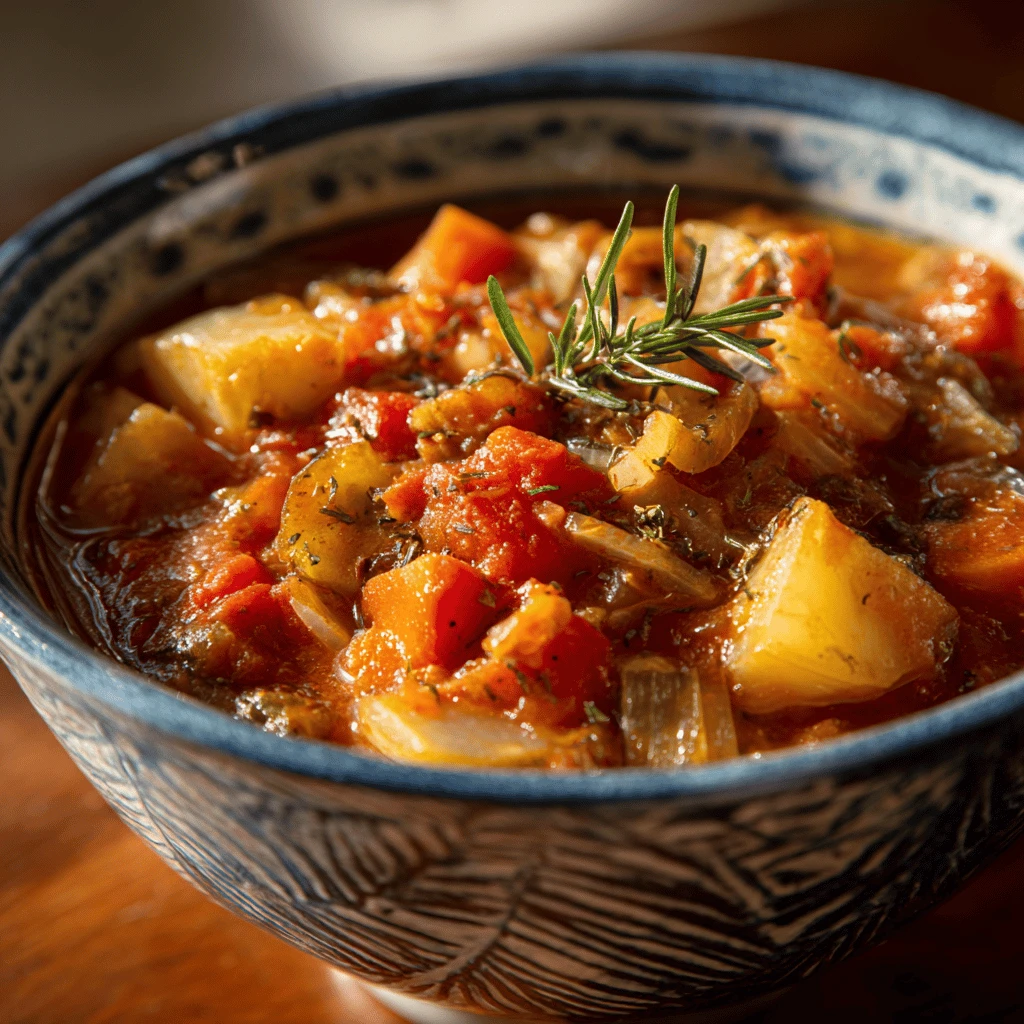
- Bread: Serve with crusty bread for dipping into the flavorful broth.
- Rice or Quinoa: Serve over rice or quinoa for a heartier meal.
- Garnish: Garnish with fresh herbs, a dollop of sour cream or plant-based yogurt, or a sprinkle of cheese.
- Salad: Serve with a side salad for a complete and balanced meal.
Storage Tips
- Refrigerate: Store leftover stew in an airtight container in the refrigerator for up to 3-4 days.
- Freeze: For longer storage, freeze the stew in freezer-safe containers or bags for up to 2-3 months. Thaw overnight in the refrigerator before reheating.
Reheating Instructions
- Stovetop: Reheat the stew in a pot over medium heat, stirring occasionally, until heated through.
- Microwave: Reheat individual portions in the microwave, stirring occasionally, until heated through.
- Slow Cooker: Reheat the stew in the slow cooker on low for 1-2 hours, or until heated through.
Frequently Asked Questions (FAQ)
Can I use canned beans instead of dried beans?
Yes, you can use canned beans. Just rinse and drain them before adding them to the slow cooker. You may want to reduce the amount of broth slightly, as canned beans tend to release more liquid during cooking.
Do I need to soak dried beans before adding them to the slow cooker?
While not strictly necessary, soaking dried beans for at least 4 hours (or overnight) can help reduce cooking time and improve digestibility.
Can I add meat to this recipe?
While this recipe is specifically for vegetarian stew, you can certainly add meat if you prefer. Brown the meat in a skillet before adding it to the slow cooker with the other ingredients.
How do I prevent my vegetables from becoming mushy in the slow cooker?
Avoid overcooking the stew. Cooking on low for a shorter amount of time can help prevent vegetables from becoming too soft. Also, add delicate vegetables like zucchini and leafy greens during the last 30 minutes of cooking.
Can I make this recipe in an Instant Pot?
Yes, you can adapt this recipe for the Instant Pot. Use the “Soup” or “Stew” setting and cook for 15-20 minutes, followed by a natural pressure release.