
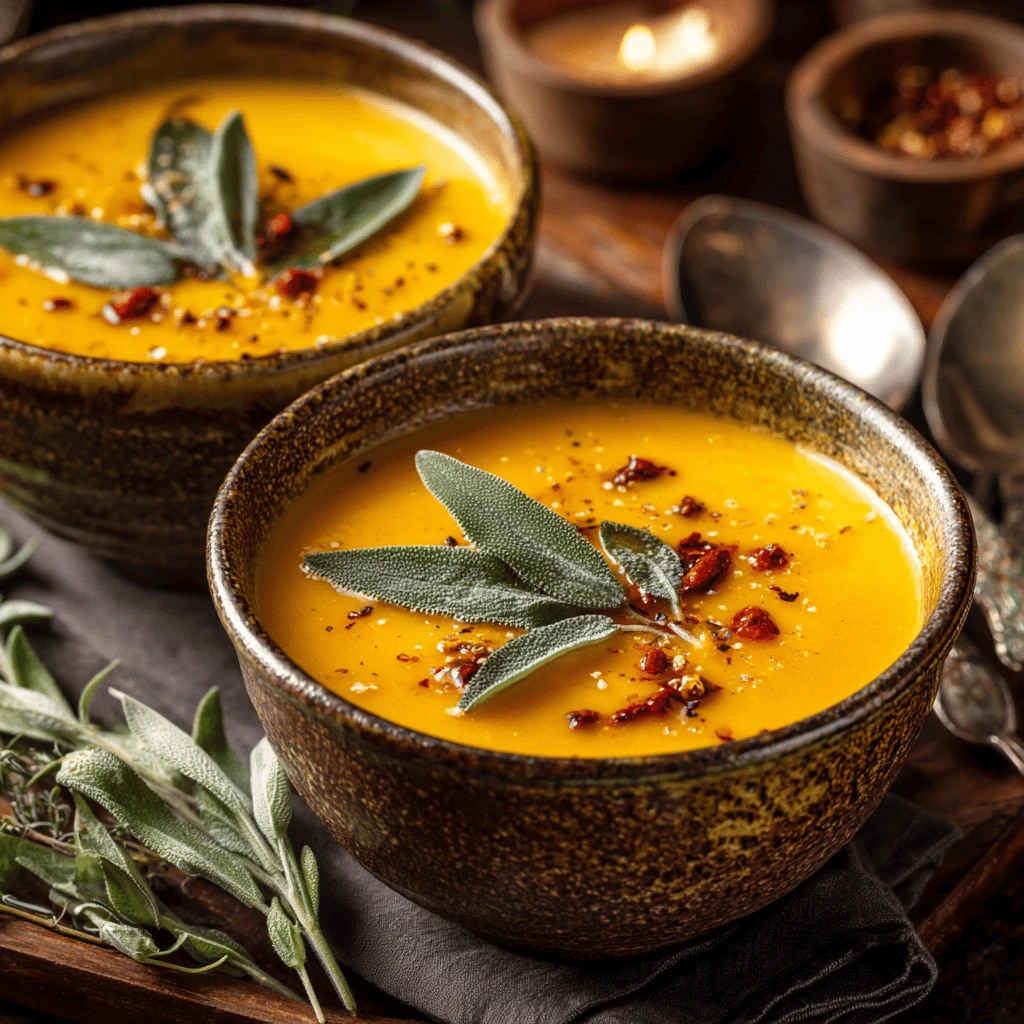
Pumpkin Sage Soup Thanksgiving Recipes Pumpkin Sage Soup is a quintessential Thanksgiving dish, offering a warm and comforting flavor profile perfect for the holiday season. Its creamy texture, combined with the earthy sweetness of pumpkin and the aromatic notes of sage, makes it a memorable and elegant addition to any Thanksgiving menu. This article will…
Pumpkin Sage Soup Thanksgiving Recipes
Pumpkin Sage Soup is a quintessential Thanksgiving dish, offering a warm and comforting flavor profile perfect for the holiday season. Its creamy texture, combined with the earthy sweetness of pumpkin and the aromatic notes of sage, makes it a memorable and elegant addition to any Thanksgiving menu. This article will guide you through creating the perfect Pumpkin Sage Soup, exploring variations, offering tips for success, and answering frequently asked questions.
Crafting the Perfect Pumpkin Sage Soup
The key to a delicious Pumpkin Sage Soup lies in the quality of the ingredients and the balance of flavors. Using fresh, high-quality pumpkin is essential, but canned pumpkin puree works well too, especially for convenience. The sage, whether fresh or dried, provides a crucial herbaceous counterpoint to the pumpkin’s sweetness.
Core Ingredients and Their Roles
- Pumpkin: Forms the base of the soup, providing sweetness, body, and vibrant color. Choose sugar pumpkins (pie pumpkins) for the best flavor.
- Sage: Lends an earthy, aromatic note that complements the pumpkin beautifully. Fresh sage is preferred, but dried sage can be used in a pinch.
- Onion and Garlic: These aromatics form the foundation of the soup’s flavor, adding depth and complexity.
- Broth: Vegetable or chicken broth provides the liquid base. Use low-sodium broth to control the saltiness.
- Cream or Coconut Milk: Adds richness and creaminess. For a dairy-free option, coconut milk is an excellent alternative.
- Olive Oil or Butter: Used for sautéing the aromatics and adding flavor.
- Salt and Pepper: Essential for seasoning and enhancing the other flavors.
Step-by-Step Recipe
Here’s a basic recipe to get you started:
1. Sauté the Aromatics: In a large pot or Dutch oven, heat olive oil or butter over medium heat. Add diced onion and cook until softened, about 5 minutes. Add minced garlic and cook for another minute until fragrant.
2. Add Pumpkin and Broth: Stir in the pumpkin puree, broth, and chopped sage. Bring to a boil, then reduce heat and simmer for 15-20 minutes, or until the pumpkin is tender.
3. Blend the Soup: Use an immersion blender to blend the soup until smooth. Alternatively, carefully transfer the soup to a regular blender and blend in batches.
4. Add Cream and Season: Stir in the cream or coconut milk. Season with salt and pepper to taste.
5. Garnish and Serve: Garnish with a swirl of cream, a sprinkle of fresh sage, or toasted pumpkin seeds. Serve hot.
Variations and Creative Twists
Pumpkin Sage Soup is a versatile dish that can be adapted to suit different tastes and dietary needs. Experimenting with different ingredients and flavors can lead to exciting new variations.
Adding Depth with Roasted Vegetables
Roasting the pumpkin and other vegetables, such as butternut squash or sweet potatoes, before adding them to the soup can intensify their flavor. Toss the vegetables with olive oil, salt, and pepper, and roast at 400°F (200°C) until tender and slightly caramelized.
Spice It Up
A touch of spice can add a delightful kick to Pumpkin Sage Soup. Consider adding a pinch of cayenne pepper, smoked paprika, or ginger. A small amount of curry powder can also add a unique flavor dimension.
Incorporating Apples
Adding diced apples to the soup adds a touch of sweetness and tartness that complements the pumpkin and sage. Choose a firm apple variety, such as Honeycrisp or Granny Smith.
Dairy-Free Delights
For a dairy-free version, use coconut milk or cashew cream instead of cream. These alternatives provide richness and creaminess without the dairy.
Playing with Garnishes
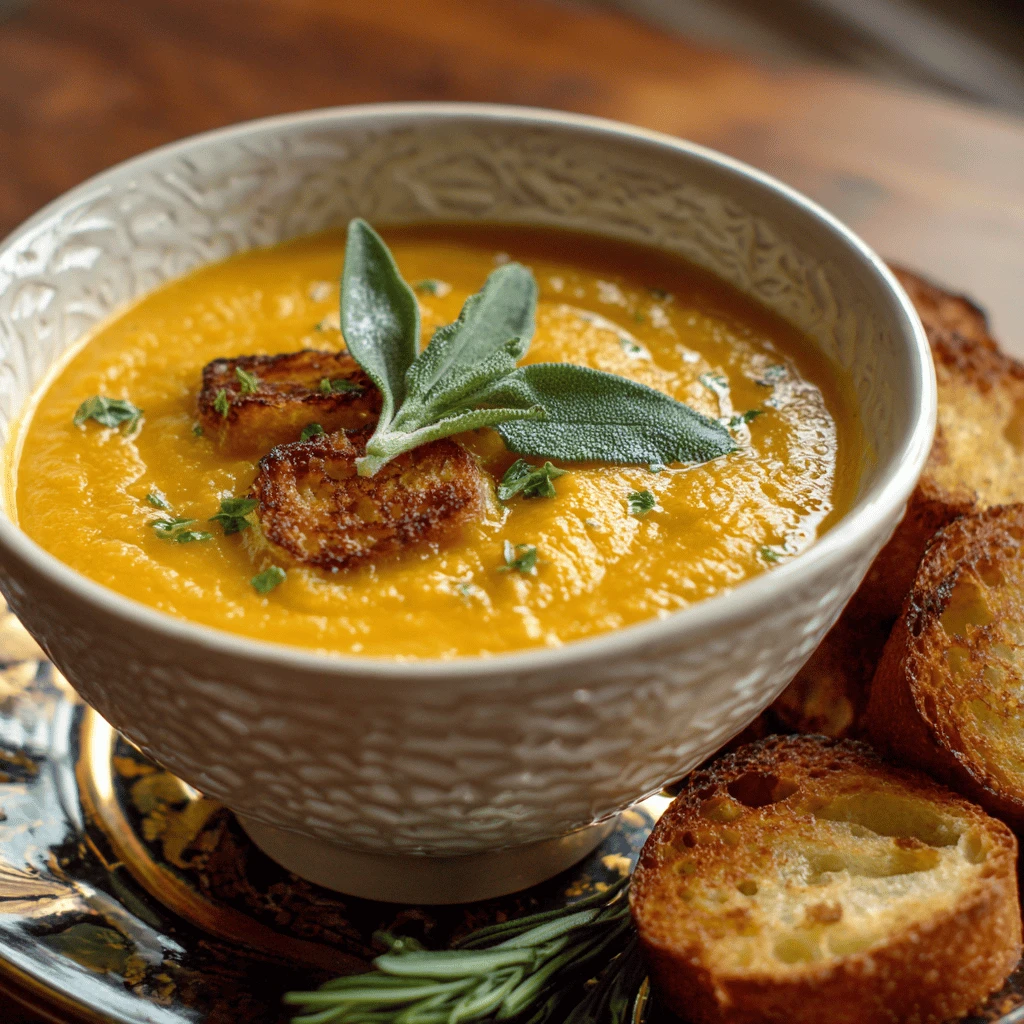
The garnish can elevate the soup’s presentation and add additional flavor. Consider these options:
- Toasted pumpkin seeds (pepitas)
- Croutons
- A swirl of cream or coconut milk
- Fresh sage leaves
- A drizzle of olive oil
- Crumbled goat cheese or feta (if not dairy-free)
Tips for Success
Making Pumpkin Sage Soup is relatively straightforward, but following these tips can help ensure a perfect result every time.
Choosing the Right Pumpkin
For the best flavor, use sugar pumpkins (pie pumpkins) rather than larger carving pumpkins. Sugar pumpkins are sweeter and have a smoother texture. If using canned pumpkin puree, choose a high-quality brand without added spices or sugars.
Balancing the Flavors
Taste the soup frequently and adjust the seasoning as needed. Pumpkin can be quite sweet, so be sure to balance it with enough salt, pepper, and sage.
Achieving the Perfect Texture
For a smooth and creamy soup, blend it thoroughly. If using a regular blender, be careful when blending hot liquids. Blend in small batches and vent the lid to prevent splattering.
Make-Ahead Tips
Pumpkin Sage Soup can be made ahead of time and stored in the refrigerator for up to 3 days. The flavors will actually meld and improve over time. Reheat gently over low heat before serving.
Freezing for Later
Pumpkin Sage Soup freezes well. Allow the soup to cool completely before transferring it to freezer-safe containers. Leave some headspace in the containers, as the soup will expand when frozen. Thaw overnight in the refrigerator before reheating.
Pairing and Serving Suggestions
Pumpkin Sage Soup is a versatile dish that can be served as an appetizer, a light lunch, or a side dish.
Appetizer
Serve small portions of the soup in individual bowls or shot glasses as an elegant appetizer. Garnish with a swirl of cream and a sprinkle of fresh sage.
Light Lunch
Serve a larger bowl of the soup with a side of crusty bread or a grilled cheese sandwich for a satisfying lunch.
Side Dish
Pumpkin Sage Soup is a perfect complement to a Thanksgiving feast. Serve it alongside roasted turkey, stuffing, and other traditional Thanksgiving dishes.
Wine Pairing
The creamy texture and earthy flavors of Pumpkin Sage Soup pair well with a variety of wines. Consider these options:

- Chardonnay: A buttery Chardonnay complements the richness of the soup.
- Pinot Grigio: A crisp Pinot Grigio provides a refreshing contrast to the soup’s sweetness.
- Riesling: An off-dry Riesling pairs well with the pumpkin and sage flavors.
Frequently Asked Questions (FAQs)
Here are some frequently asked questions about making Pumpkin Sage Soup:
Can I use butternut squash instead of pumpkin?
Yes, butternut squash is a great substitute for pumpkin. It has a similar sweetness and creamy texture.
Can I use dried sage instead of fresh?
Yes, but use less dried sage, as it is more potent. A good rule of thumb is to use about one-third the amount of dried sage as you would fresh sage.
How do I make the soup thicker?
If the soup is too thin, you can simmer it uncovered for a longer period to allow some of the liquid to evaporate. You can also add a cornstarch slurry (1 tablespoon of cornstarch mixed with 2 tablespoons of cold water) to thicken it.
How do I make the soup thinner?
If the soup is too thick, simply add more broth until you reach the desired consistency.
Can I add other vegetables to the soup?
Yes, you can add other vegetables such as carrots, celery, or leeks. Sauté them with the onion and garlic.
Is Pumpkin Sage Soup healthy?
Pumpkin Sage Soup can be a healthy dish, depending on the ingredients you use. Pumpkin is a good source of vitamins and fiber. Using low-sodium broth and limiting the amount of cream can help keep the soup healthy.
How long does Pumpkin Sage Soup last?
Pumpkin Sage Soup will last for 3-4 days in the refrigerator and up to 3 months in the freezer.