Ground Beef Stir-Fry with Rice Ground beef stir-fry with rice is a quick, easy, and satisfying meal perfect for busy weeknights. It’s a versatile dish that can be customized to your taste preferences and dietary needs. This guide will walk you through creating the perfect ground beef stir-fry, from choosing the right ingredients to mastering…
Ground Beef Stir-Fry with Rice
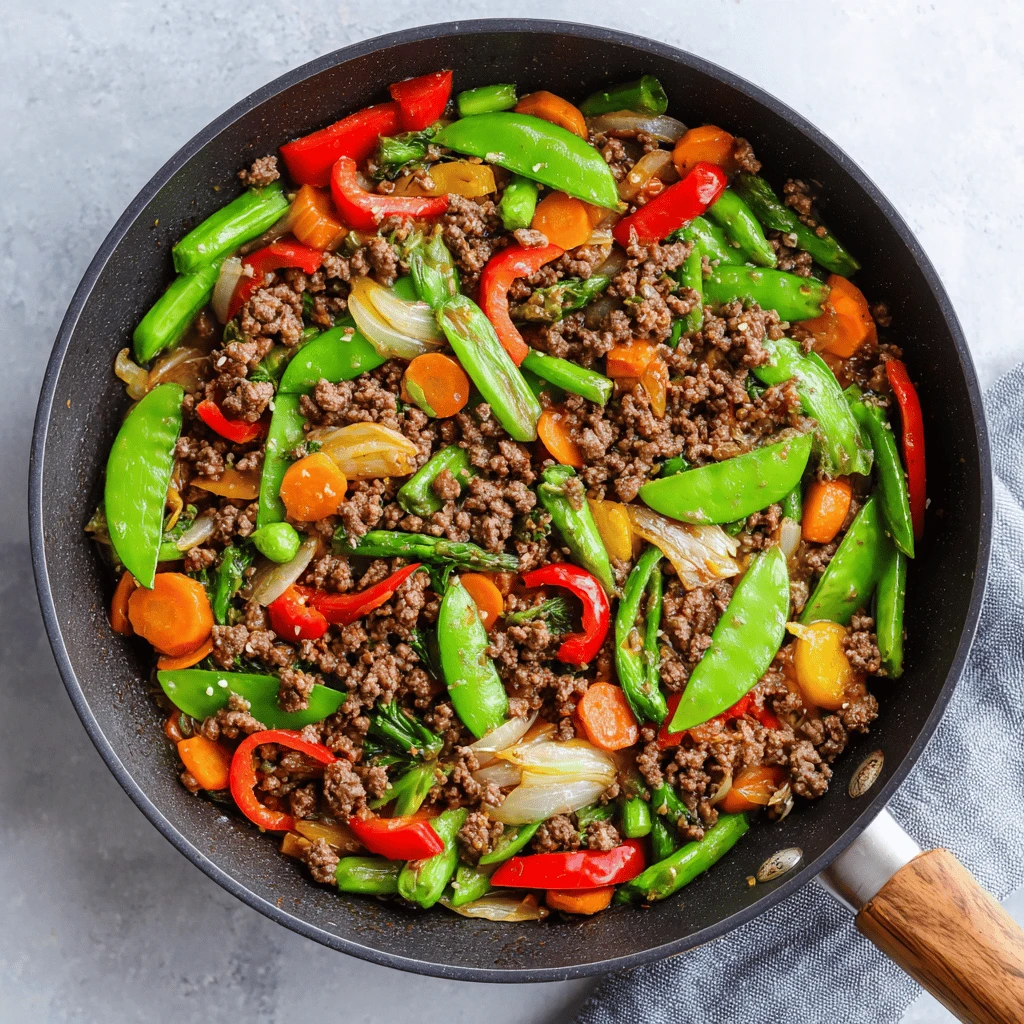
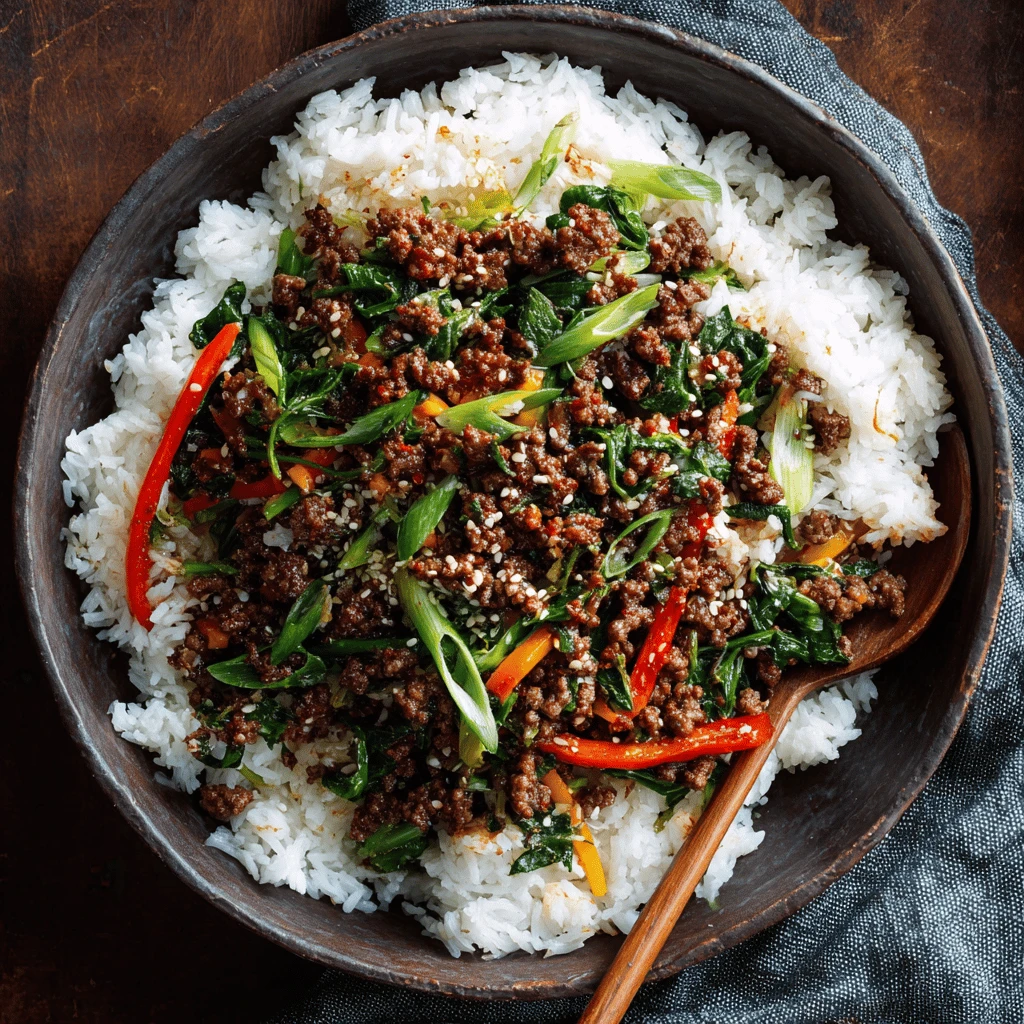
Ground beef stir-fry with rice is a quick, easy, and satisfying meal perfect for busy weeknights. It’s a versatile dish that can be customized to your taste preferences and dietary needs. This guide will walk you through creating the perfect ground beef stir-fry, from choosing the right ingredients to mastering the cooking technique.
Why Ground Beef Stir-Fry is a Weeknight Winner
Ground beef stir-fry is a champion of weeknight dinners for several compelling reasons. Firstly, it’s incredibly fast to prepare. Ground beef cooks quickly, and the stir-fry process itself is relatively short, meaning you can have a delicious meal on the table in under 30 minutes. Secondly, it’s budget-friendly. Ground beef is typically more affordable than other cuts of beef or protein sources like shrimp or chicken breast, making it an economical choice for family meals.
Another significant advantage is its adaptability. You can easily adapt the recipe to use whatever vegetables you have on hand, making it a great way to reduce food waste. Don’t have broccoli? Use bell peppers. Out of carrots? Try snap peas. The possibilities are endless!
Finally, ground beef stir-fry is a crowd-pleaser. The savory flavors, combined with the satisfying texture of ground beef and crisp-tender vegetables, make it a dish that appeals to a wide range of palates, even picky eaters. Served over fluffy rice, it’s a complete and balanced meal.
Essential Ingredients for a Delicious Stir-Fry
The key to a fantastic ground beef stir-fry lies in using fresh, high-quality ingredients. While the recipe is flexible, some core components are essential for achieving the best flavor and texture.
Choosing Your Ground Beef
The type of ground beef you choose will impact both the flavor and the fat content of your stir-fry. Opting for lean ground beef (90% lean or higher) is generally recommended for a healthier dish. It minimizes excess grease in the pan and helps keep the stir-fry light. However, leaner ground beef can sometimes be drier, so consider adding a touch more oil to the pan during cooking. Ground sirloin is another good choice. If you prefer a richer flavor, you can use ground chuck (80% lean), but be sure to drain off any excess fat after browning the beef.
Vegetable Power: Selecting Your Stir-Fry Mix
The vegetable selection is where you can really personalize your stir-fry. Here are some popular and delicious options:
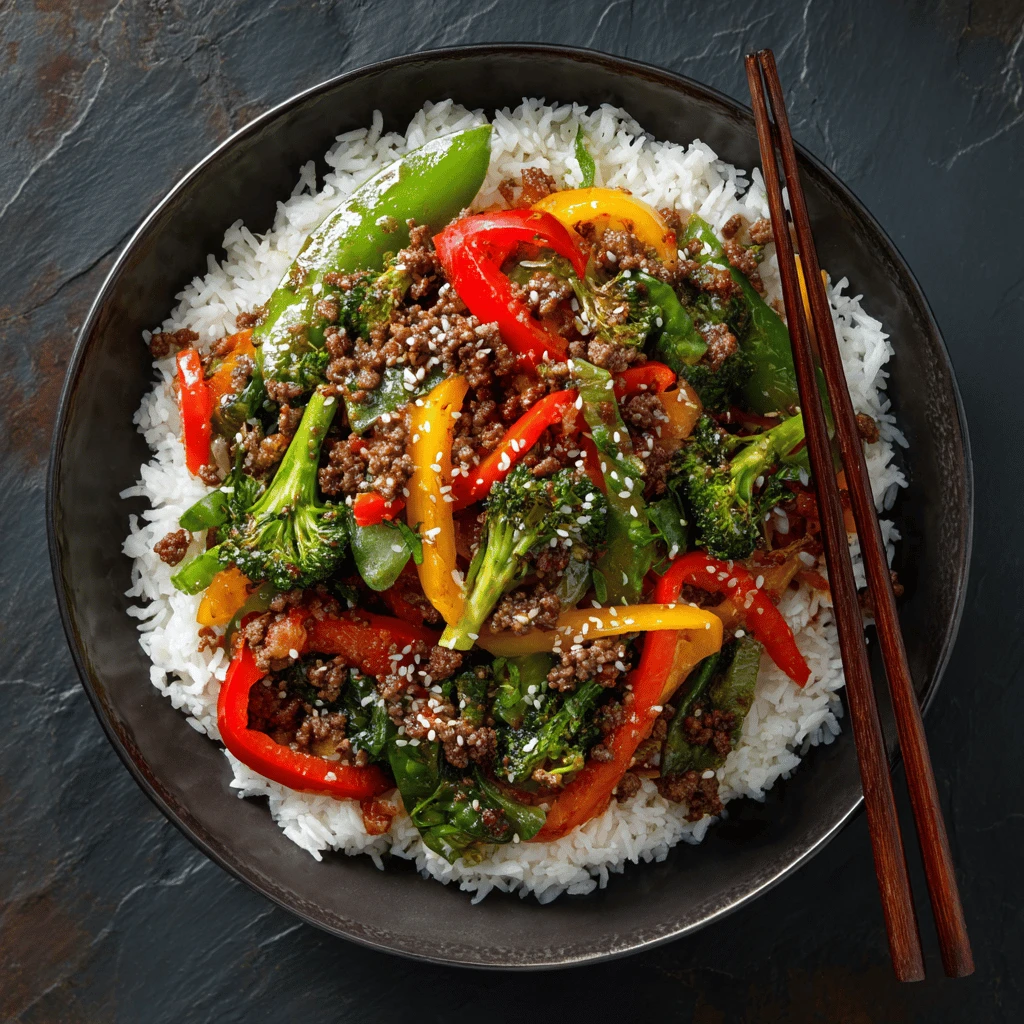
- Broccoli: Provides a nice crunch and earthy flavor. Cut into small florets for even cooking.
- Bell Peppers: Adds sweetness and vibrant color. Choose a mix of red, yellow, and orange peppers.
- Carrots: Offers sweetness and a satisfying crunch. Slice thinly or julienne for faster cooking.
- Onions: Essential for a savory base. Yellow or white onions work well.
- Garlic: Adds pungent flavor. Mince finely for even distribution.
- Ginger: Provides warmth and complexity. Grate fresh ginger for the best flavor.
- Snap Peas: Adds sweetness and a delightful snap.
- Mushrooms: Offers an earthy and savory element. Sliced shiitake or cremini mushrooms work well.
- Zucchini: Adds a mild flavor and absorbs the sauce beautifully.
Feel free to experiment with other vegetables based on your preferences and what’s in season.
The Secret to a Flavorful Sauce
The sauce is what ties the entire stir-fry together, adding depth, richness, and a touch of sweetness. A well-balanced sauce is crucial for creating a restaurant-quality dish. Here’s a basic sauce recipe you can adapt:
- Soy Sauce: The foundation of the sauce, providing saltiness and umami. Use low-sodium soy sauce to control the salt level.
- Oyster Sauce: Adds richness and a savory depth. A little goes a long way. If you don’t have oyster sauce, you can substitute with a teaspoon of hoisin sauce or a dash of fish sauce (use sparingly).
- Brown Sugar: Balances the saltiness and adds a touch of sweetness. You can substitute with honey or maple syrup.
- Cornstarch: Thickens the sauce, creating a glossy finish that coats the beef and vegetables.
- Sesame Oil: Adds a nutty aroma and flavor. Use toasted sesame oil for the best results.
- Rice Vinegar: Adds acidity and brightness to the sauce. You can substitute with apple cider vinegar or white wine vinegar.
- Ground Ginger & Garlic (Powdered): Can substitute for fresh in a pinch.
Serving it Right: Rice and Garnishes
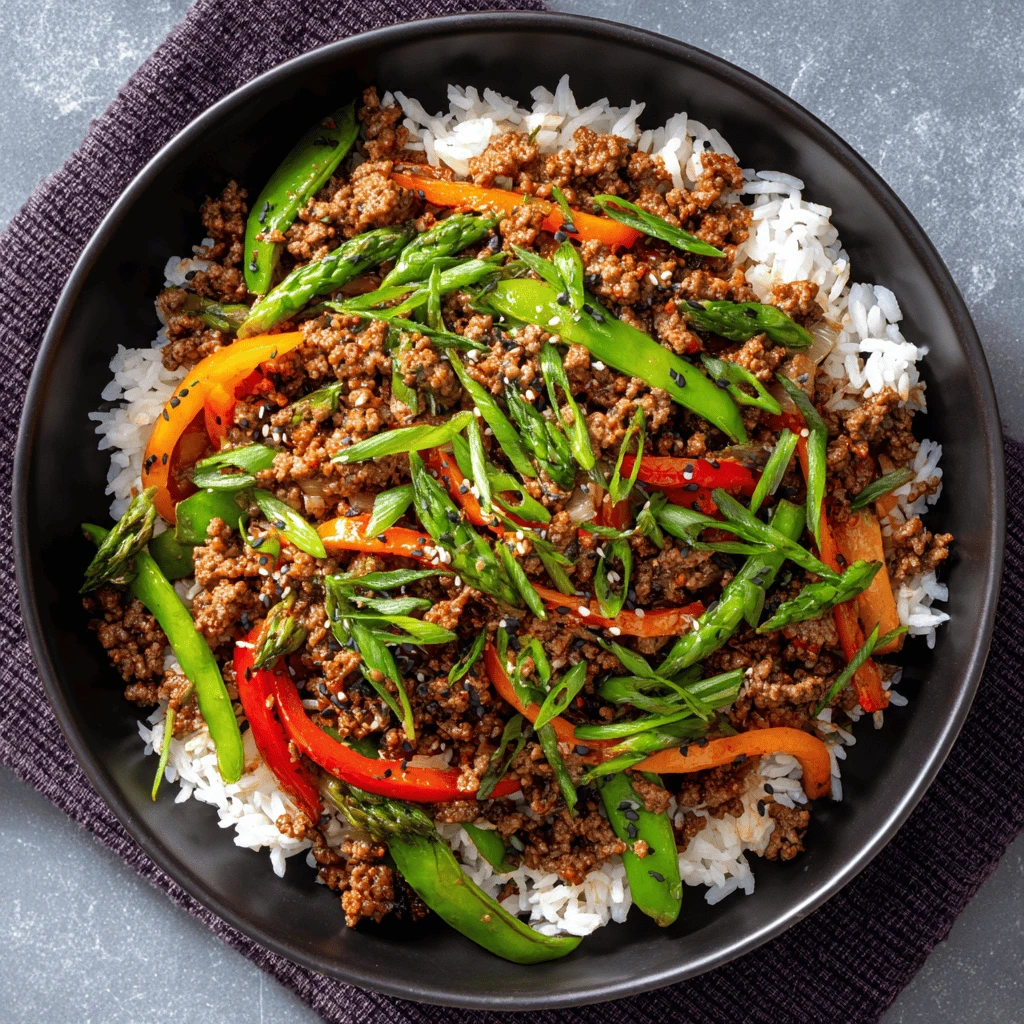
The best accompaniment for ground beef stir-fry is, undoubtedly, rice. White rice, brown rice, jasmine rice, or basmati rice all work well. Cook the rice according to package directions. For extra flavor, consider cooking the rice in chicken broth or adding a bay leaf to the pot.
To elevate your stir-fry, consider adding some garnishes:
- Sesame Seeds: Adds a nutty flavor and visual appeal.
- Chopped Green Onions: Provides a fresh, mild onion flavor and a pop of color.
- Crushed Red Pepper Flakes: Adds a touch of heat.
- Peanuts or Cashews: Adds a crunchy texture and nutty flavor.
- Cilantro: Adds a fresh, herbaceous note.
Mastering the Stir-Fry Technique
The stir-fry technique is crucial for achieving that signature crisp-tender texture and intense flavor. Here’s a step-by-step guide to mastering the art of stir-frying:
Preparation is Key: Mise en Place
Before you even turn on the stove, make sure you have all your ingredients prepped and ready to go. This is known as mise en place and it’s essential for successful stir-frying. Chop all your vegetables into bite-sized pieces, mince the garlic and ginger, and prepare the sauce in a separate bowl. Having everything ready to go will ensure that you can cook quickly and efficiently, preventing the vegetables from overcooking.
High Heat is Your Friend
Stir-frying requires high heat to cook the ingredients quickly and evenly. Use a large wok or skillet. A wok is ideal because its curved sides allow for even heat distribution and make it easy to toss the ingredients. If you don’t have a wok, a large skillet will work fine. Make sure the pan is thoroughly heated before adding any oil.
Browning the Ground Beef
Add a tablespoon of oil to the hot wok or skillet. Once the oil is shimmering, add the ground beef. Break it up with a spoon and cook until browned, about 5-7 minutes. Be careful not to overcrowd the pan, as this will lower the temperature and cause the beef to steam instead of brown. If necessary, cook the beef in batches. Once the beef is browned, remove it from the pan and set it aside.
Stir-Frying the Vegetables
Add another tablespoon of oil to the wok or skillet. Add the onions and cook until softened, about 2-3 minutes. Add the garlic and ginger and cook for another minute, until fragrant. Add the remaining vegetables, starting with the ones that take longer to cook, such as carrots and broccoli. Stir-fry for 5-7 minutes, or until the vegetables are crisp-tender.
Bringing it All Together: Sauce and Serving
Return the ground beef to the wok or skillet. Pour the sauce over the beef and vegetables and stir-fry until the sauce thickens and coats everything evenly, about 1-2 minutes. Serve immediately over rice, garnished with sesame seeds, green onions, or your favorite toppings.
Variations and Customization
One of the best things about ground beef stir-fry is its versatility. You can easily customize the recipe to suit your taste preferences and dietary needs.
Spice it Up
If you like a little heat, add a pinch of crushed red pepper flakes to the sauce or stir-fry. You can also add a tablespoon of sriracha or chili garlic sauce for extra flavor.
Make it Gluten-Free
To make the stir-fry gluten-free, use tamari instead of soy sauce. Tamari is a gluten-free soy sauce alternative that has a similar flavor.
Add Some Protein
In addition to ground beef, you can add other protein sources to your stir-fry, such as tofu, shrimp, or chicken. If adding tofu, press it first to remove excess moisture. If adding shrimp or chicken, cook it separately and add it to the stir-fry along with the ground beef.
Get Creative with Vegetables
Don’t be afraid to experiment with different vegetables. Other great options include bok choy, kale, snow peas, and edamame. You can also add some fruit, such as pineapple or mandarin oranges, for a sweet and tangy twist.
Make it Vegetarian or Vegan
To make the stir-fry vegetarian, substitute the ground beef with crumbled tofu or plant-based ground. For a vegan version, use maple syrup or agave nectar instead of honey, and ensure the oyster sauce substitute is also vegan.
Frequently Asked Questions (FAQ)
- Can I use frozen vegetables in ground beef stir-fry? Yes, you can use frozen vegetables. However, keep in mind that they may release more water than fresh vegetables, so you may need to cook them a bit longer.
- How long does ground beef stir-fry last in the refrigerator? Ground beef stir-fry can be stored in the refrigerator for up to 3-4 days. Make sure to store it in an airtight container.
- Can I freeze ground beef stir-fry? Yes, you can freeze ground beef stir-fry. Let it cool completely before transferring it to a freezer-safe container. It can be stored in the freezer for up to 2-3 months. When ready to eat, thaw it overnight in the refrigerator and reheat on the stovetop or in the microwave.
- What if I don’t have oyster sauce? If you don’t have oyster sauce, you can substitute with hoisin sauce, a dash of fish sauce, or simply omit it and add a bit more soy sauce.
- How do I prevent my stir-fry from being too soggy? To prevent a soggy stir-fry, make sure to use high heat, don’t overcrowd the pan, and don’t overcook the vegetables. It’s also important to drain any excess fat from the ground beef after browning.
- What kind of rice is best for stir-fry? White rice, brown rice, jasmine rice, and basmati rice all work well with stir-fry. Choose your favorite or experiment with different types.