
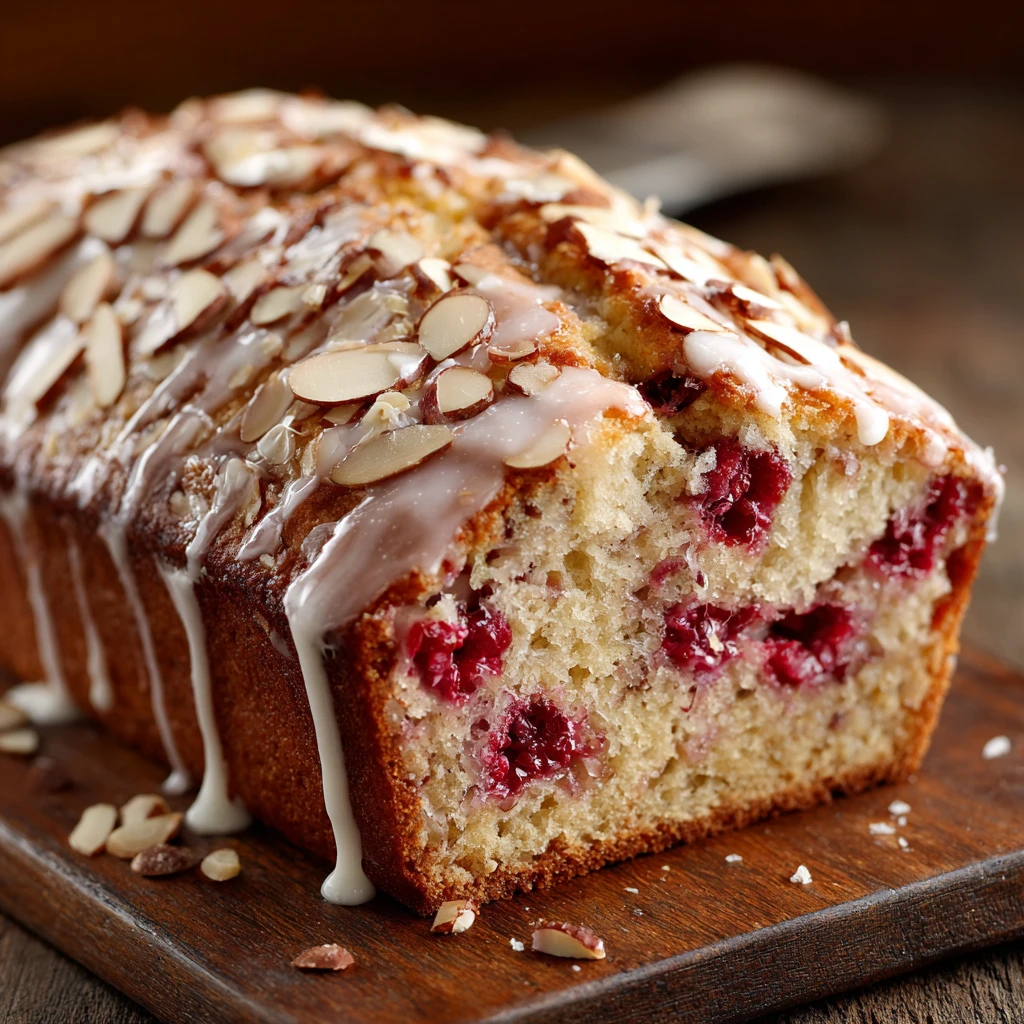
Raspberry Almond Glazed Bread Ingredients 2 1/4 cups all-purpose flour, plus more for dusting 1 teaspoon baking powder 1/2 teaspoon baking soda 1/4 teaspoon salt 1/2 cup (1 stick) unsalted butter, softened 3/4 cup granulated sugar 2 large eggs 1 teaspoon vanilla extract 1/2 cup sour cream or plain yogurt 1/2 cup raspberry jam (seedless…
Raspberry Almond Glazed Bread
Ingredients
- 2 1/4 cups all-purpose flour, plus more for dusting
- 1 teaspoon baking powder
- 1/2 teaspoon baking soda
- 1/4 teaspoon salt
- 1/2 cup (1 stick) unsalted butter, softened
- 3/4 cup granulated sugar
- 2 large eggs
- 1 teaspoon vanilla extract
- 1/2 cup sour cream or plain yogurt
- 1/2 cup raspberry jam (seedless preferred)
- 1/4 cup sliced almonds, toasted
Glaze:
- 1 cup powdered sugar
- 2-3 tablespoons milk or cream
- 1/4 teaspoon almond extract
Step-by-Step
1. Preheat your oven to 350°F (175°C). Grease and flour a 9×5 inch loaf pan.
2. In a medium bowl, whisk together the flour, baking powder, baking soda, and salt.
3. In a large bowl, cream together the softened butter and sugar until light and fluffy.
4. Beat in the eggs one at a time, then stir in the vanilla extract.
5. In a small bowl, whisk together the sour cream or yogurt and raspberry jam.
6. Gradually add the dry ingredients to the wet ingredients, alternating with the raspberry mixture, beginning and ending with the dry ingredients. Mix until just combined. Do not overmix.
7. Pour the batter into the prepared loaf pan and sprinkle with toasted sliced almonds.
8. Bake for 50-60 minutes, or until a wooden skewer inserted into the center comes out clean.
9. Let the bread cool in the pan for 10 minutes before transferring it to a wire rack to cool completely.
10. While the bread is cooling, prepare the glaze. In a small bowl, whisk together the powdered sugar, milk or cream, and almond extract until smooth.
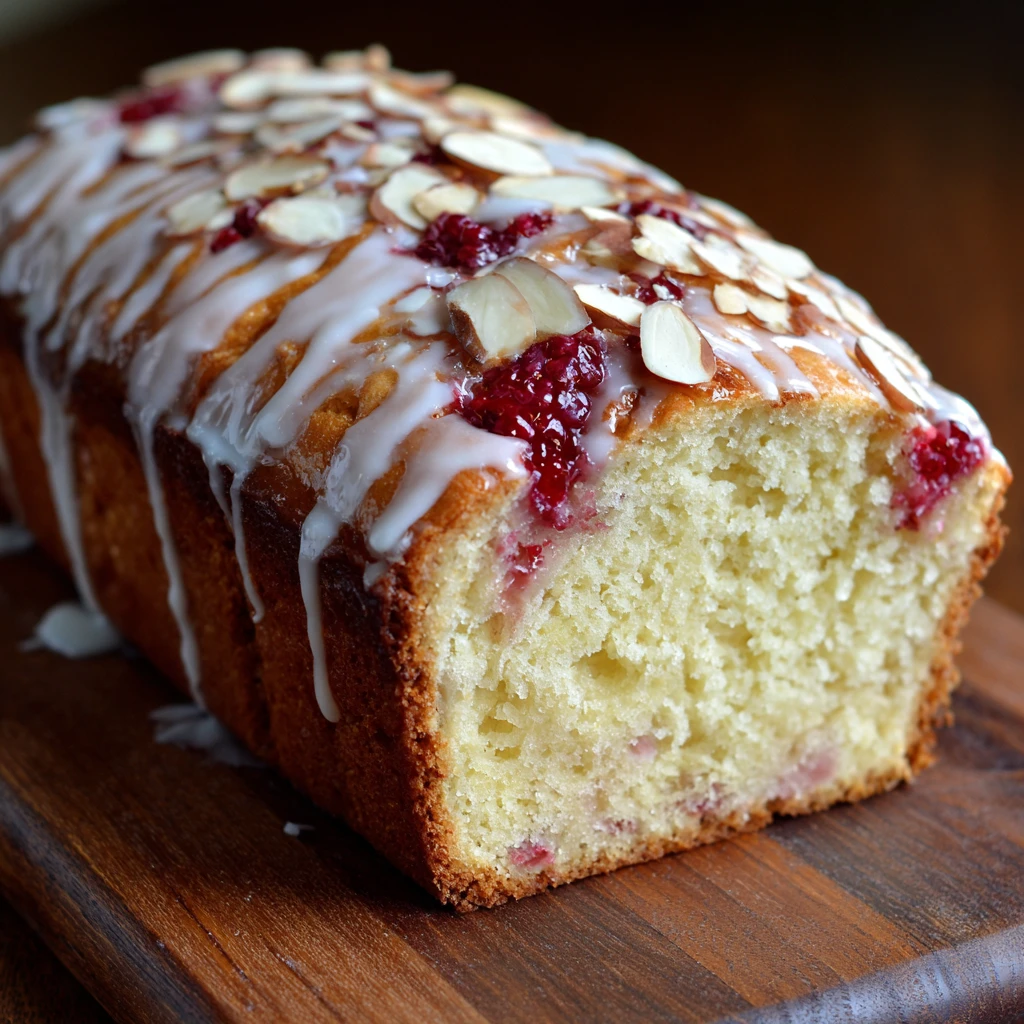
11. Once the bread is completely cooled, drizzle the glaze over the top. Let the glaze set before slicing and serving.
The Perfect Loaf: Mastering Raspberry Almond Glazed Bread
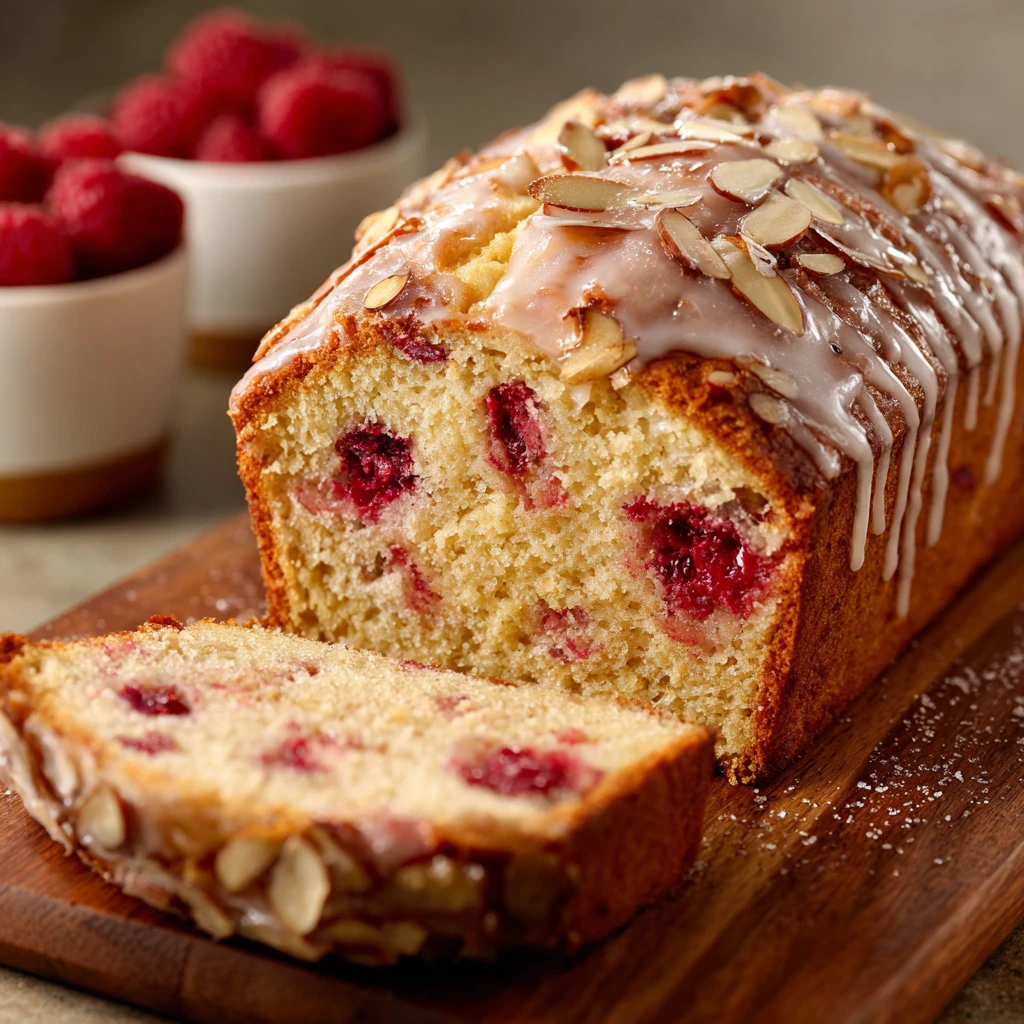
Raspberry Almond Glazed Bread is a delightful treat that balances the tangy sweetness of raspberries with the nutty crunch of almonds. It’s a perfect addition to brunch, a welcome afternoon snack, or even a simple dessert. But creating the perfect loaf requires attention to detail.
Choosing the Right Ingredients
The quality of your ingredients directly impacts the final product. Fresh, high-quality ingredients will yield the best flavor and texture.
Use unsalted butter to control the salt content of the bread. Softened butter is crucial for creating a smooth and creamy batter.
Opt for seedless raspberry jam for a smoother texture and cleaner look. If you only have jam with seeds, you can strain it through a fine-mesh sieve.
Toasting the almonds enhances their flavor and adds a satisfying crunch. Spread them on a baking sheet and toast them in a 350°F oven for 5-7 minutes, or until lightly golden.
The Mixing Process: Avoiding Common Mistakes
Overmixing is a common pitfall in baking. Overmixing develops the gluten in the flour, resulting in a tough, dense bread. Mix only until the ingredients are just combined.
Alternating the dry and wet ingredients ensures that the flour is evenly distributed throughout the batter, preventing lumps and creating a more tender crumb.
Don’t skip the step of creaming the butter and sugar. This process incorporates air into the batter, which contributes to a light and fluffy texture.
Baking Tips for Success
Accurate oven temperature is crucial for even baking. Use an oven thermometer to ensure your oven is properly calibrated.
To prevent the top of the bread from browning too quickly, tent it with foil during the last 15-20 minutes of baking.
The toothpick test is a reliable way to determine if the bread is done. Insert a wooden skewer into the center of the loaf. If it comes out clean or with a few moist crumbs, the bread is ready.
Glaze Variations and Flavor Enhancements
While the classic almond glaze is delicious, there are many ways to customize it to your liking.
Add a touch of lemon zest to the glaze for a bright, citrusy flavor.
Substitute different extracts for the almond extract. Vanilla, lemon, or even a hint of rosewater can create unique flavor profiles.
For a richer glaze, use melted butter instead of milk or cream.
Storage and Serving Suggestions
Store the bread in an airtight container at room temperature for up to 3 days. For longer storage, wrap it tightly in plastic wrap and freeze it for up to 2 months.
Let the frozen bread thaw completely at room temperature before serving.
Serve the bread with a dollop of whipped cream or a scoop of vanilla ice cream.
Pair it with a cup of coffee or tea for a delightful afternoon treat.
It’s also delicious toasted and served with butter or jam.
Troubleshooting Common Baking Issues
Even experienced bakers encounter problems. Understanding common issues and their solutions can help you achieve baking success.
Why is my bread dry?
Several factors can contribute to dry bread. Overbaking is a common culprit. Check the bread frequently during the last 15 minutes of baking and remove it from the oven as soon as a toothpick inserted into the center comes out clean.
Using too much flour can also result in dry bread. Measure your flour accurately, using a kitchen scale for best results.
Insufficient fat content can also lead to dryness. Make sure you are using the correct amount of butter or oil.
Why is my bread dense and heavy?
Overmixing is a common cause of dense bread. Mix only until the ingredients are just combined.
Using old or expired baking powder or baking soda can also result in a dense loaf. Make sure your leavening agents are fresh.
Insufficient leavening can also cause this. Ensure your ratios are accurate.
Why is my bread sinking in the middle?
This could be caused by several factors. Underbaking is a common cause. Make sure the bread is fully cooked before removing it from the oven.
Too much liquid in the batter can also cause sinking. Measure your ingredients accurately and avoid adding extra liquid.
Opening the oven door too frequently during baking can also cause the bread to collapse. Resist the urge to peek!
Why is my bread not rising properly?
Old or expired baking powder or baking soda is a primary cause.
Incorrect oven temperature is another. Use an oven thermometer to ensure your oven is properly calibrated.
Insufficient mixing can also lead to poor rising. Make sure you are mixing the ingredients thoroughly, but avoid overmixing.
Why is my glaze too thick or too thin?
Adjust the amount of milk or cream to achieve the desired consistency. Add more milk or cream to thin the glaze, or more powdered sugar to thicken it. A little goes a long way!
Healthier Options and Dietary Adaptations
While Raspberry Almond Glazed Bread is a treat, there are ways to make it healthier and suitable for various dietary needs.
Reducing Sugar Content
Substitute some of the granulated sugar with a sugar substitute like stevia or erythritol. Be mindful of the ratio, as sugar substitutes often have different sweetness levels than sugar.
Use unsweetened applesauce in place of some of the sugar. This will also add moisture to the bread.
Choose a raspberry jam that is low in sugar or sugar-free.
Gluten-Free Adaptations
Use a gluten-free all-purpose flour blend in place of regular flour. Make sure the blend contains xanthan gum, which helps to bind the ingredients together.
Consider adding a tablespoon of psyllium husk powder to the batter. This will help to improve the texture and structure of the gluten-free bread.
Be sure to check that all of your ingredients are gluten-free, including the baking powder and vanilla extract.
Dairy-Free Options
Substitute the butter with a dairy-free butter substitute or coconut oil.
Use almond milk, soy milk, or oat milk in place of milk or cream in the glaze.
Use dairy-free sour cream or yogurt in the batter.
Adding Nutrients
Incorporate whole wheat flour for added fiber. Replace up to half of the all-purpose flour with whole wheat flour.
Add chopped nuts or seeds to the batter for extra protein and healthy fats. Walnuts, pecans, or chia seeds are good choices.
Stir in some flaxseed meal for added fiber and omega-3 fatty acids.
Serving Suggestions and Occasions
Raspberry Almond Glazed Bread is versatile enough to be enjoyed in a variety of settings.
Brunch and Breakfast
Serve it as part of a brunch spread alongside eggs, bacon, and fruit.
Toast slices and spread them with butter or cream cheese for a quick and easy breakfast.
Serve it with a side of yogurt and granola for a more substantial breakfast.
Afternoon Tea and Snacks
Enjoy it with a cup of tea or coffee for a relaxing afternoon snack.
Serve it with a scoop of ice cream or a dollop of whipped cream for a simple dessert.
Cut it into small squares and serve it as part of a dessert platter.
Holidays and Special Occasions
Bake it for holidays like Easter, Mother’s Day, or Christmas.
Gift it to friends and family as a homemade treat.
Bring it to potlucks and parties as a crowd-pleasing dessert.
FAQ About Raspberry Almond Glazed Bread
Here are some frequently asked questions about making Raspberry Almond Glazed Bread:
Can I use fresh raspberries instead of jam?
While possible, fresh raspberries will add more moisture and might alter the bread’s texture. If using fresh raspberries, reduce the amount of sour cream/yogurt slightly.
Can I freeze Raspberry Almond Glazed Bread?
Yes, you can freeze it. Wrap it tightly in plastic wrap and then in foil or place it in a freezer bag. It can be frozen for up to 2 months.
What if I don’t have almond extract?
You can use vanilla extract instead, or omit it entirely. The almond extract enhances the almond flavor, but it’s not essential.
Can I make this recipe into muffins?
Yes, you can. Adjust the baking time accordingly (around 18-22 minutes) and check for doneness with a toothpick.
How do I prevent the almonds from sinking to the bottom?
Toss the almonds with a tablespoon of flour before sprinkling them on top. This helps them stay suspended in the batter.