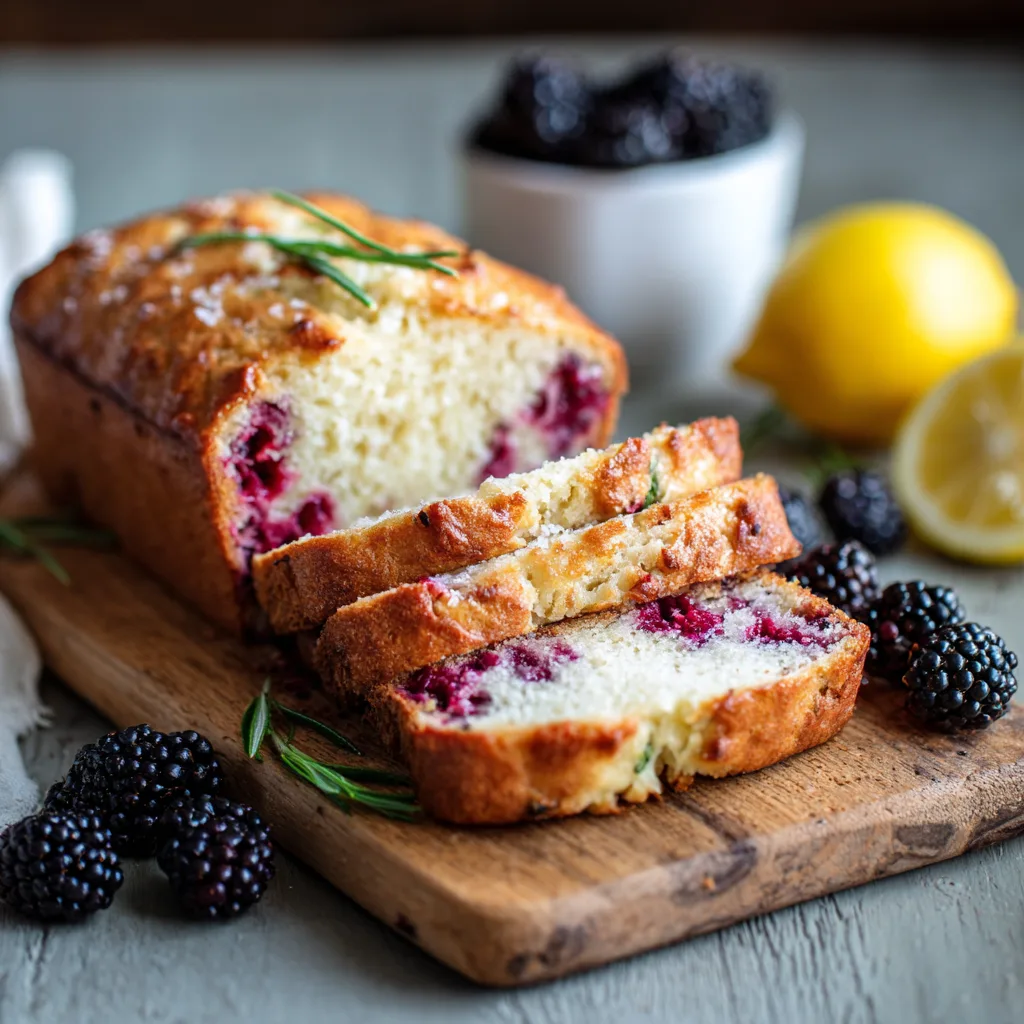
Blackberry Lemon Yogurt Bread This quick bread epitomizes simple, bright baking, offering a perfect marriage of tangy citrus, deep berry sweetness, and a moist, tender crumb achieved through the inclusion of rich Greek yogurt. Far more substantial than a cake yet softer than traditional bread, the Blackberry Lemon Yogurt Loaf is an ideal treat for…
Blackberry Lemon Yogurt Bread
This quick bread epitomizes simple, bright baking, offering a perfect marriage of tangy citrus, deep berry sweetness, and a moist, tender crumb achieved through the inclusion of rich Greek yogurt. Far more substantial than a cake yet softer than traditional bread, the Blackberry Lemon Yogurt Loaf is an ideal treat for breakfast, brunch, or a light dessert, celebrating the fresh, vibrant flavors of early summer. The key to its success lies in balancing the tartness of the lemon and blackberries with the gentle sweetness of the batter and the luxurious, melt-in-your-mouth texture provided by the yogurt and careful creaming technique.
Ingredients
For the Blackberry Lemon Yogurt Loaf
-
2 cups (250g) all-purpose flour, spooned and leveled
-
1 teaspoon baking powder
-
½ teaspoon baking soda
-
½ teaspoon salt
-
1 stick (½ cup/115g) unsalted butter, softened to room temperature
-
1 cup (200g) granulated sugar
-
2 large eggs, at room temperature
-
2 teaspoons vanilla extract
-
2/3 cup (160g) plain Greek yogurt (full-fat recommended), at room temperature
-
2 tablespoons fresh lemon zest (from 2–3 medium lemons)
-
1 tablespoon fresh lemon juice
-
1 ½ cups (200g) fresh blackberries, gently washed and dried
-
1 tablespoon extra all-purpose flour (for coating berries)
For the Lemon Glaze (Optional)
-
¾ cup (90g) confectioners’ (powdered) sugar
-
2–3 tablespoons fresh lemon juice
Step-by-Step Instructions
-
Prepare the Pan and Oven: Preheat your oven to 350°F (175°C). Grease a 9×5-inch loaf pan and line it with parchment paper, leaving an overhang on the long sides for easy removal.
-
Combine Dry Ingredients: In a medium bowl, whisk together the 2 cups of flour, baking powder, baking soda, and salt. Set aside.
-
Prepare the Berries: In a separate small bowl, gently toss the blackberries with the 1 tablespoon of extra flour. This simple step helps suspend the berries evenly throughout the batter and prevents them from sinking to the bottom. Set aside.
-
Flavor the Sugar (Aromatic Step): In a large mixing bowl (or the bowl of a stand mixer), combine the granulated sugar and the lemon zest. Using your fingertips, vigorously rub the zest into the sugar for about one minute until the sugar becomes fragrant, moist, and slightly yellow. This extracts the essential oils, intensifying the lemon aroma.
-
Cream the Butter and Sugar: Add the softened butter to the lemon-sugar mixture. Using a hand mixer or stand mixer fitted with the paddle attachment, beat on medium-high speed for 2–3 minutes until the mixture is light, fluffy, and pale. This process incorporates air, giving the quick bread its signature lift and tender structure.
-
Add Wet Ingredients: Beat in the eggs, one at a time, mixing well after each addition. Stir in the vanilla extract, then the room-temperature Greek yogurt and the 1 tablespoon of lemon juice until just combined.
-
Combine Wet and Dry: Reduce the mixer speed to low. Add half of the flour mixture and mix until almost combined. Add the remaining flour mixture and mix only until a few streaks of flour remain—it is crucial not to overmix at this stage.
-
Fold in Berries: Remove the bowl from the mixer. Using a rubber spatula, gently fold in the floured blackberries until they are evenly distributed throughout the batter. Do not overmix, or the batter will become tough.
-
Bake the Loaf: Pour the batter into the prepared loaf pan and smooth the top. Bake for 55–65 minutes. To prevent the top from browning too quickly, loosely tent the loaf with aluminum foil around the 35–40 minute mark. The bread is done when a toothpick inserted into the center comes out clean or with only a few moist crumbs attached.
-
Cool and Glaze: Let the loaf cool in the pan for 10–15 minutes before using the parchment paper overhang to lift it out onto a wire rack. Allow it to cool completely before applying the glaze.
-
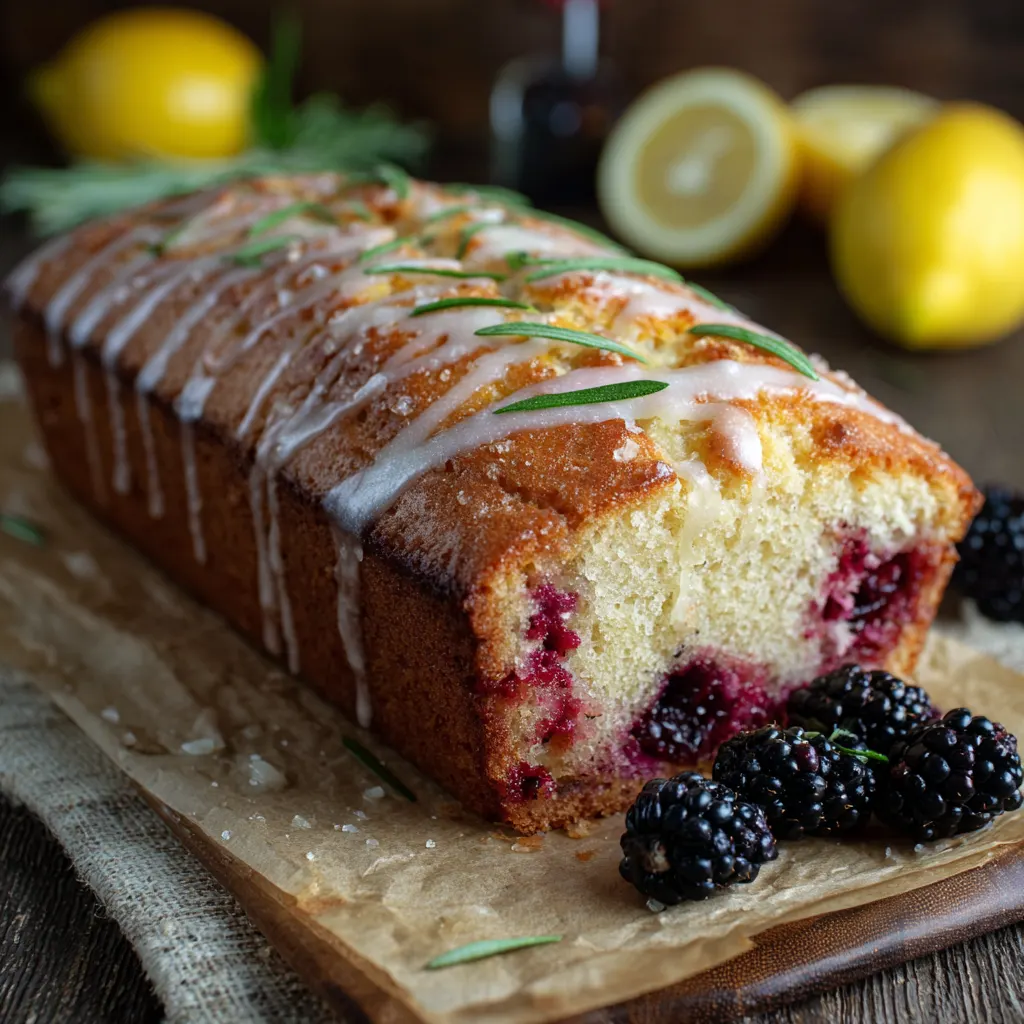
Prepare Glaze: Whisk together the confectioners’ sugar and lemon juice until smooth. If the glaze is too thick, add a few drops of milk or water; if it is too thin, add more powdered sugar. Drizzle the glaze generously over the cooled loaf and allow it to set for 15–20 minutes before slicing and serving.
The Science of Moisture: The Yogurt, Lemon, and Fat Triad
The exceptional texture of this loaf is not accidental; it is a direct result of three key ingredients working in harmony: Greek yogurt, lemon juice, and the selected fat. Understanding the role of each ensures a consistently moist and tender quick bread.
The Indispensable Greek Yogurt
Greek yogurt (or full-fat sour cream, a viable substitution) is the central element providing unparalleled moisture. Its high-fat and low-moisture profile, compared to regular milk or thinner yogurt, contributes richness without thinning the batter excessively. More importantly, yogurt is acidic. When combined with baking soda (a chemical leavening agent), the acid triggers a rapid release of carbon dioxide bubbles, creating a lighter, higher rise. This reaction not only adds lift but also helps to tenderize the gluten strands in the flour, preventing the bread from becoming dense or chewy. For the best results, always use plain, full-fat yogurt at room temperature, as cold ingredients can inhibit the leavening process and cause the batter to seize when mixed with melted or softened fat.
The Dual Role of Lemon
The lemon flavor is delivered through both zest and juice, serving distinct purposes. The zest, which contains concentrated essential oils, provides the pure, aromatic flavor—this is why rubbing it into the sugar is a crucial step, maximizing oil extraction. The juice, meanwhile, contributes the necessary acidity. In addition to activating the baking soda, the tart lemon juice cuts through the richness of the butter and yogurt, balancing the sweetness and brightening the entire flavor profile.
Choosing the Right Fat
While some recipes opt for neutral oil (canola or avocado) for moisture and a fine, even crumb, the use of softened, unsalted butter, as detailed in this primary recipe, offers a depth of flavor and structure that oil cannot replicate. The creaming method (beating softened butter with sugar) incorporates air bubbles that expand during baking, contributing to a lofty rise and a more “cakelike” texture. If choosing oil, expect a slightly denser, yet exceptionally moist, crumb.
Achieving the Perfect Quick Bread Texture
Successful quick bread baking relies on precision in technique, primarily concerning temperature and mixing. Over-mixing is the single most common error that leads to a tough, dry loaf.
Temperature Matters
The instruction to use room-temperature ingredients is paramount. When eggs, butter, and yogurt are all at the same temperate, they emulsify seamlessly, creating a smooth, stable batter that traps air efficiently during the creaming stage. Cold ingredients, especially straight from the refrigerator, can cause the butter to solidify or the batter to separate, resulting in a lumpy, uneven mixture that yields a dense loaf with poor texture and rise.
The Art of Gentle Mixing
Once the wet and dry ingredients are introduced, the goal is to mix them just until combined. Flour contains gluten, which develops elasticity when hydrated and agitated. Over-mixing develops too much gluten, transforming the tender crumb of a quick bread into the sturdy structure of a yeast bread, making it tough. Use the mixer on the lowest speed for the final flour addition, stopping when a few streaks of flour are still visible, and then finishing the combining by hand with a rubber spatula. This gentle approach ensures the crumb remains soft and velvety.
Managing Berry Sinkage
A common challenge in quick breads is preventing heavy berries from sinking to the bottom of the pan. The primary batter, rich with yogurt and fat, is quite thick, which naturally helps hold the berries in suspension. However, adding a light dusting of flour to the blackberries before folding them in provides a protective, dry coating that helps them grip the batter. For an extra layer of prevention, or when using frozen berries (which should be added without thawing), consider layering the batter: pour half the batter, sprinkle half the berries, add the remaining batter, and top with the rest of the fruit.
Customization and Seasonal Swaps
The Blackberry Lemon Yogurt Loaf is highly adaptable, allowing for simple modifications based on seasonal availability or dietary preferences without compromising the core quick-bread structure.
Fruit Alternatives
While the blackberry and lemon combination is classic, the versatility of the yogurt loaf base welcomes numerous substitutes.
-
Raspberry Lemon: Raspberries are softer and tarter than blackberries; handle them even more gently when folding into the batter.
-
Blueberry Lemon Cornmeal: Adding 1/4 cup of fine cornmeal to the dry ingredients (as seen in common variations) pairs beautifully with blueberries, introducing a slightly rustic, appealing crunch that enhances the quick bread texture.
-
Mixed Berry: A combination of sliced strawberries, blueberries, and raspberries works wonderfully, creating a colorful and complex flavor profile.
-
Frozen Berries: If using frozen blackberries, do not thaw them. Add them directly to the floured dry mix, incorporating them into the batter quickly to minimize the release of excess moisture, which can cool down the batter and affect the bake time.
Exploring Healthier Options
The traditional recipe can be subtly adapted for a slightly healthier take while maintaining moisture.
-
Whole Grains: Substitute up to half of the all-purpose flour with white whole wheat flour or oat flour for added fiber and a nuttier flavor, though this may require a touch more liquid (milk) to compensate for the higher absorbency of whole grains.
-
Natural Sweeteners: Granulated sugar can be replaced with alternatives like maple syrup or honey. If using a liquid sweetener, slightly reduce the amount of liquid ingredients (like yogurt or milk) to maintain the correct batter consistency.
-
Fat Swaps: Coconut oil (melted and cooled) is an excellent substitute for butter, offering a non-dairy option while keeping the texture rich.
Glazing and Topping Variations
The lemon glaze is standard, but other finishes can personalize the loaf:
-
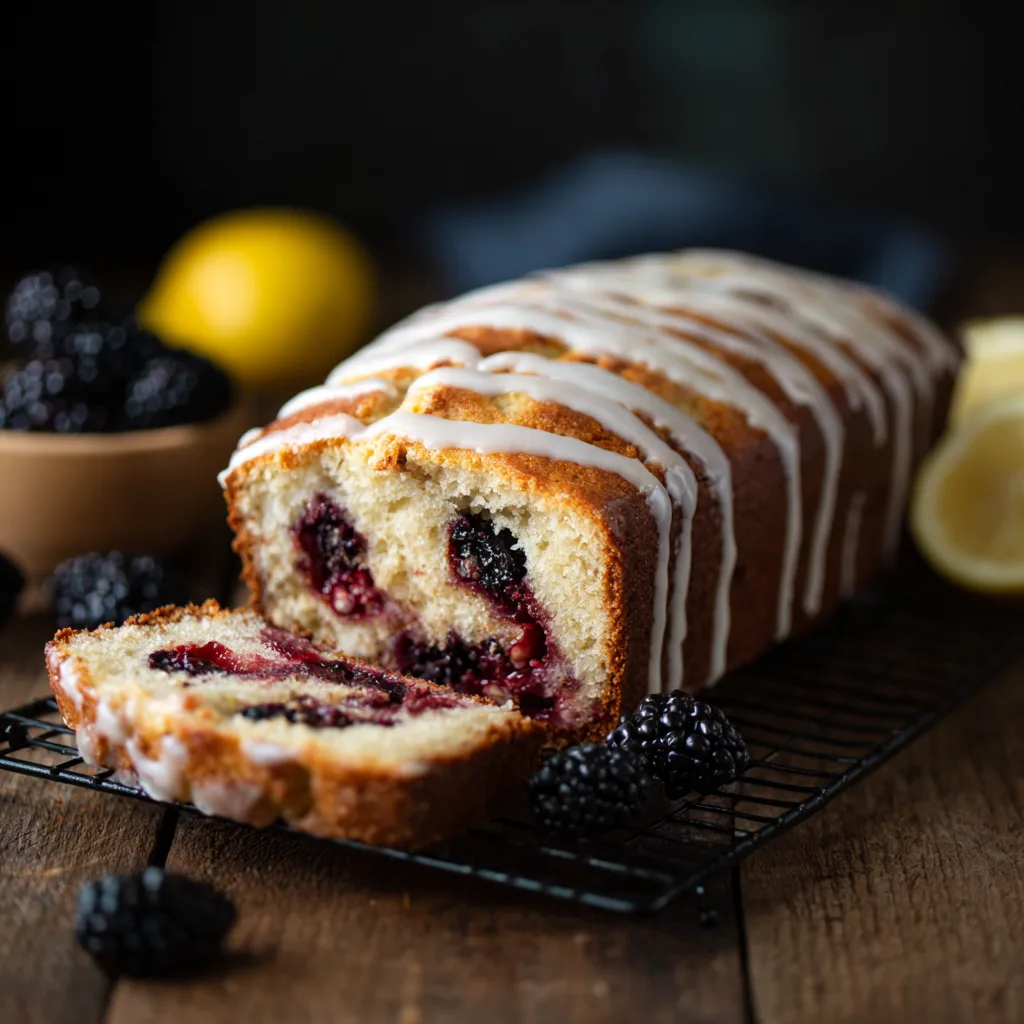
Simple Dusting: A simple sifting of confectioners’ sugar just before serving provides a delicate sweetness and a beautiful presentation without the heavy texture of a glaze.
-
Crumble Topping: Before baking, mix 1/4 cup of flour, 1/4 cup of sugar, and 2 tablespoons of cold butter until crumbly, then sprinkle over the batter. This adds a lovely textural element and a sweet crust.
-
Flaked Almonds: A sprinkle of flaked almonds or chopped walnuts on top of the batter before baking adds crunch and a sophisticated finish.
Serving, Storage, and Freezing
Proper handling of the baked loaf ensures its longevity and maintains its remarkable texture, whether serving immediately or planning ahead.
Ideal Serving Temperatures
The Blackberry Lemon Yogurt Loaf is best served once the glaze has fully set, allowing the flavors to meld completely. It can be served at room temperature, making it an excellent candidate for picnics, potlucks, and make-ahead brunches. A light warming in the microwave for 15-20 seconds can revive the aroma and soften the texture, especially on the second day. Serving suggestions include a side of plain Greek yogurt, a dollop of fresh whipped cream, or simply a cup of coffee or tea.
Short-Term Storage
Store the cooled loaf uncut, which helps preserve moisture. Wrap it tightly in plastic wrap or place it in an airtight container at room temperature. The bread will maintain its fresh texture for 3–4 days. If the weather is particularly warm or humid, refrigerating it may be necessary, but be aware that the cold temperature can sometimes dry out the crumb faster. If refrigerated, allow it to come back to room temperature before serving for the best flavor and texture.
Freezing for Long-Term Enjoyment
This quick bread freezes exceptionally well, making it a favorite for batch baking.
-
Preparation: Allow the loaf to cool completely. Do not apply the glaze before freezing.
-
Wrapping: Wrap the loaf tightly in plastic wrap, ensuring no surface is exposed to air. Follow this with a layer of aluminum foil, or place the wrapped loaf inside a freezer-safe zip-top bag.
-
Freezing: Freeze for up to three months.
-
Thawing: When ready to serve, thaw the wrapped loaf on the countertop at room temperature for several hours or overnight.
-
Finishing: Once thawed, prepare and drizzle the lemon glaze over the loaf immediately before serving. Slicing the loaf before freezing is also an option, which allows for quick thawing of individual portions.