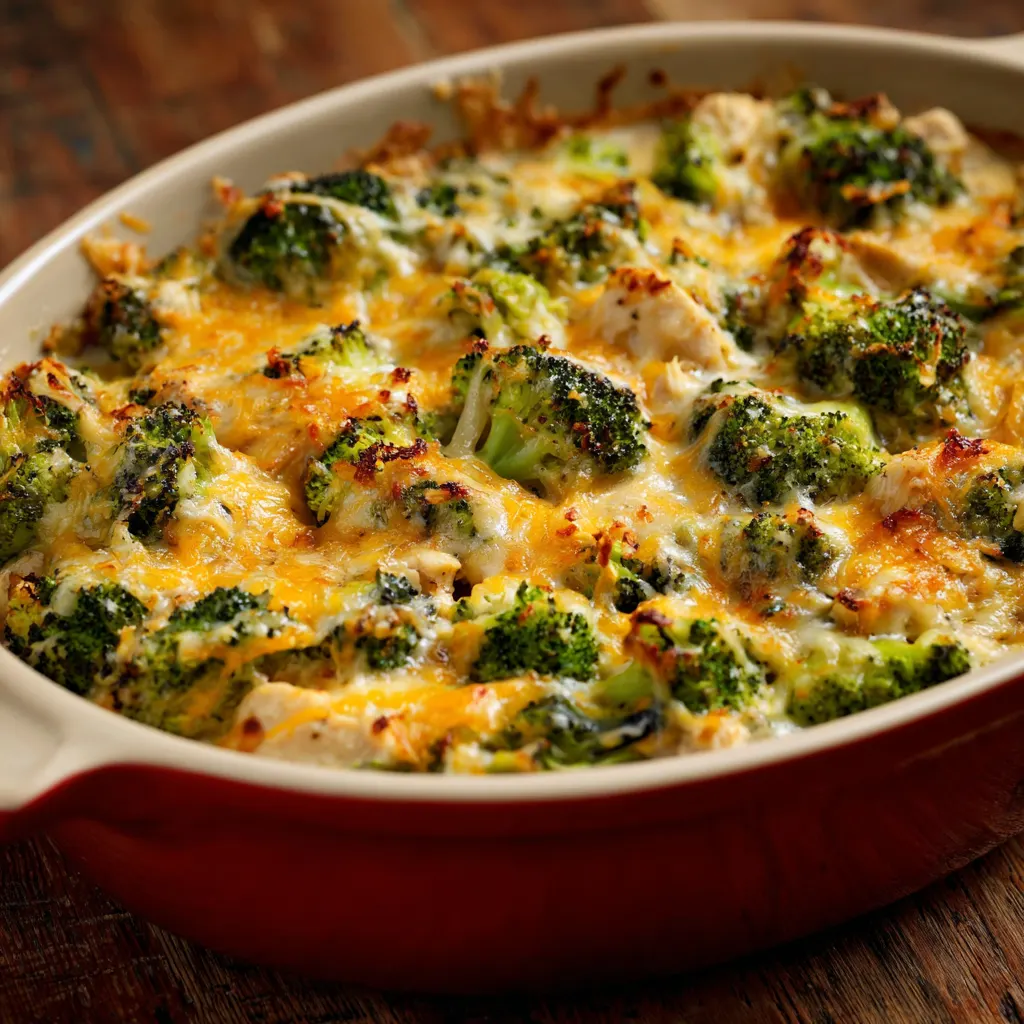
The Ultimate Cheesy Chicken and Broccoli Casserole: A Complete Guide The chicken and broccoli casserole with cheese is the definition of American comfort food—a creamy, hearty, and satisfying dish that seamlessly blends protein, vegetables, and rich, melty cheese into one easy-to-manage bake. Perfect for busy weeknights, large family gatherings, or meal prepping for the week…
The Ultimate Cheesy Chicken and Broccoli Casserole: A Complete Guide
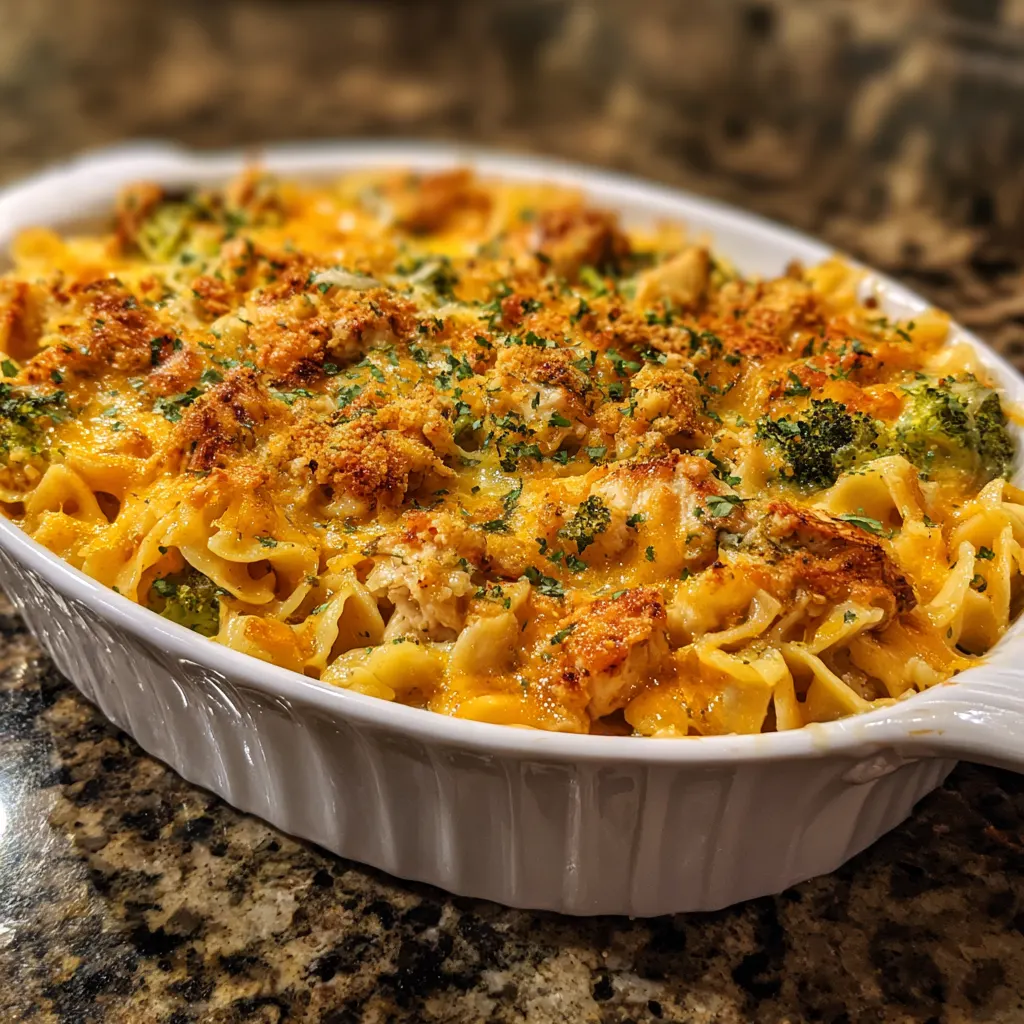
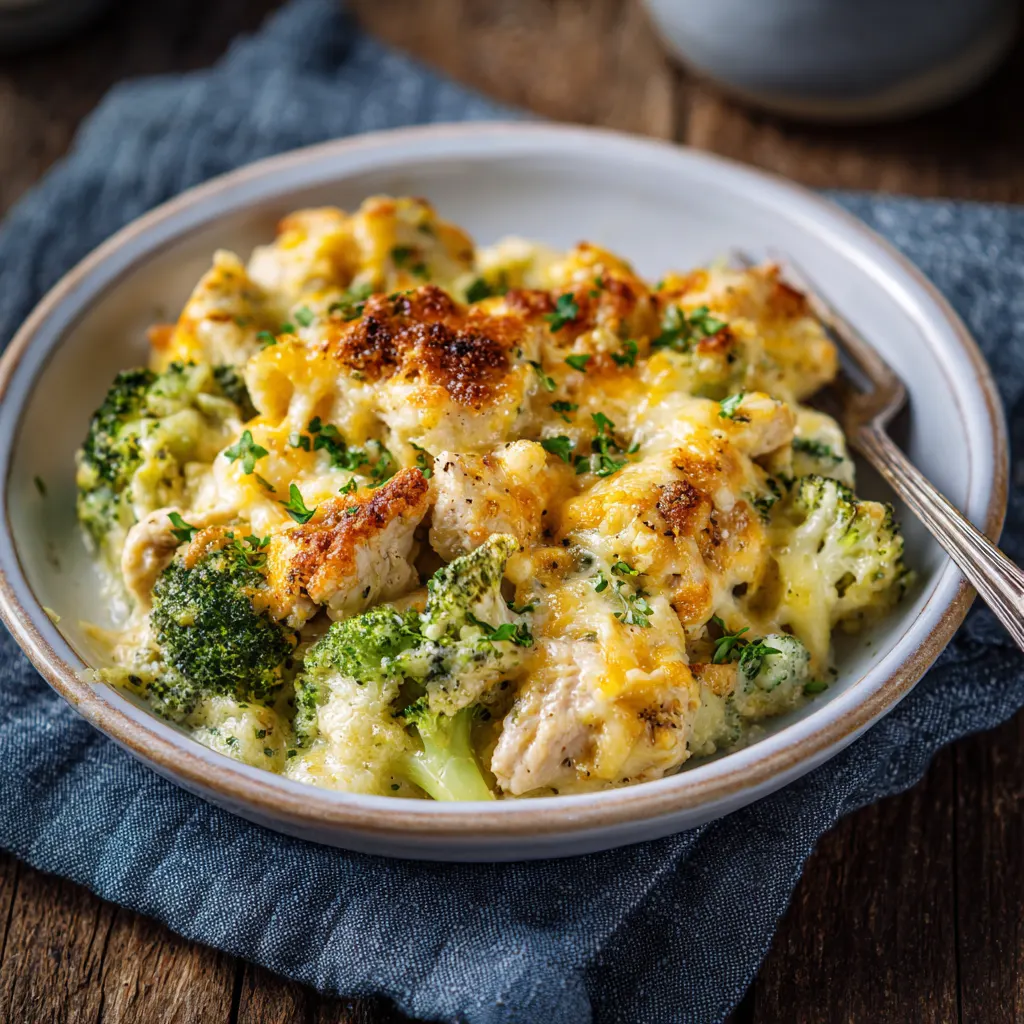
The chicken and broccoli casserole with cheese is the definition of American comfort food—a creamy, hearty, and satisfying dish that seamlessly blends protein, vegetables, and rich, melty cheese into one easy-to-manage bake. Perfect for busy weeknights, large family gatherings, or meal prepping for the week ahead, this classic recipe is infinitely adaptable and reliably delicious. Whether you prefer the streamlined efficiency of canned soup or the rich depth of a homemade sauce, mastering this casserole guarantees a warm, nostalgic favorite that will be requested again and again.
Ingredients
(Yields 8-10 servings in a 9×13 dish)
-
For the Chicken & Broccoli:
-
4 cups cooked chicken, shredded or diced (about 2 large breasts or 1 rotisserie chicken)
-
4 cups broccoli florets, fresh (steamed until crisp-tender) or frozen (thawed and drained)
-
1/2 teaspoon garlic powder
-
1/2 teaspoon dried Italian seasoning (optional)
-
Salt and freshly ground black pepper, to taste
-
-
For the Creamy Sauce:
-
2 (10.5 ounce) cans condensed cream of chicken soup
-
1 cup sour cream or plain Greek yogurt
-
1/2 cup whole milk (or half-and-half for extra richness)
-
2 cups sharp cheddar cheese, freshly shredded, divided
-
1/4 cup grated Parmesan cheese (optional, for depth)
-
-
For the Topping (Optional):
-
1 1/2 cups crushed buttery crackers (like Ritz) or panko breadcrumbs
-
4 tablespoons unsalted butter, melted
-
Step-by-Step Instructions
-
Prep the Components: Preheat your oven to 350°F (175°C). Lightly grease a 9×13-inch casserole dish and set aside. Ensure your chicken is cooked and shredded/diced, and your broccoli is pre-cooked or thawed and completely drained. This prevents a watery casserole.
-
Combine the Filling: In a large mixing bowl, combine the cooked chicken and prepared broccoli florets. Sprinkle with garlic powder, Italian seasoning, salt, and pepper.
-
Mix the Sauce: In a separate medium bowl, whisk together the condensed cream of chicken soup, sour cream (or Greek yogurt), and milk until smooth. Stir in 1.5 cups of the shredded cheddar cheese and all of the Parmesan cheese (if using). Taste the sauce and adjust seasonings as needed.
-
Assemble the Casserole: Pour the cheese sauce mixture over the chicken and broccoli. Gently fold the ingredients together until everything is evenly coated. Spread the mixture into the prepared 9×13-inch baking dish.
-
Add the Final Topping: Sprinkle the remaining 1/2 cup of shredded cheddar cheese over the top. If using a cracker topping, combine the crushed crackers or panko with the melted butter and sprinkle this mixture evenly over the cheese layer.
-
Bake and Serve: Bake for 25 to 35 minutes, or until the casserole is hot, bubbly around the edges, and the topping is golden brown. Remove from the oven and let it rest for 5 to 10 minutes before serving to allow the sauce to set.
The Foundation of Comfort: Mastering the Core Ingredients
The excellence of this casserole rests entirely on the quality and preparation of its three main components: chicken, broccoli, and the creamy, cheesy base. Paying attention to these foundational elements guarantees a superior result.
Choosing and Preparing the Chicken
While any cooked chicken will work, using shredded rotisserie chicken is the ultimate shortcut, offering tender meat and significantly cutting down on prep time. If cooking fresh chicken, boneless, skinless chicken breasts or thighs are ideal.
-
Cooking Method: Chicken should be cooked fully before being added to the casserole. You can boil, pan-fry, or bake seasoned chicken until the internal temperature reaches 165°F. Dicing the chicken into uniform, bite-sized pieces ensures it mixes evenly and doesn’t dry out during the final bake.
-
Seasoning: Even if using rotisserie chicken, a light seasoning of the chicken and broccoli mixture before adding the sauce is essential. Common additions include garlic powder, onion powder, dried thyme, or Italian seasoning to build flavor beyond the canned soup base.
Handling the Broccoli
The biggest mistake home cooks make is adding raw or poorly drained broccoli, which releases excess moisture, resulting in a thin, watery sauce.
-
Fresh Broccoli: If using fresh florets, they must be blanched or steamed until crisp-tender. The broccoli should still have some resistance (al dente) since it will continue to cook in the oven. Shocking it in cold water after steaming helps maintain its color.
-
Frozen Broccoli: Frozen broccoli is convenient but must be fully thawed and thoroughly drained—pat it dry with paper towels if necessary. Since frozen broccoli is already blanched, adding it directly can save a step, but ensuring it is dry is paramount.
The Sauce Shortcut vs. Scratch
Most classic recipes rely on condensed cream of chicken soup (or cream of mushroom/broccoli cheese soup) combined with sour cream or mayonnaise for instant creaminess and tang.
-
The Homestyle Approach: For those avoiding canned soups, a homemade white sauce (béchamel) provides the richest flavor. Start by melting butter, whisking in flour to create a roux, and then gradually incorporating milk or half-and-half, simmering until thickened. Stir in the cheddar cheese, along with seasonings like dry mustard or cayenne, to create a deeply flavorful, from-scratch sauce that elevates the entire dish.
Beyond Cheddar: Savory Variations and Crunchy Toppings
While sharp cheddar is the traditional cheese for its excellent melting properties and assertive flavor, experimentation with other cheeses and toppings is key to optimizing this dish for your family’s preferences.
Cheese Blends for Depth
Using a combination of cheeses provides a more complex flavor profile and superior texture.
-
Sharp Cheddar: Always the backbone. Shredding a block of cheese yourself melts smoother than pre-shredded varieties, which often contain anti-caking agents.
-
Monterey Jack/Colby Jack: These are excellent additions for stretch and mild, buttery flavor.
-
Processed Cheese (e.g., Velveeta): A small amount can be added to the sauce mixture to guarantee an unbelievably smooth, almost liquid-gold creaminess.
-
Parmesan or Romano: These grated hard cheeses add a sharp, salty depth that cuts through the richness of the cheddar and cream, preventing the dish from tasting flat.
The Perfect Topping
A contrasting texture is essential for a balanced casserole experience. The crunchy topping offers a satisfying counterpoint to the soft chicken and creamy sauce.
-
Buttery Crackers (Ritz Style): The most classic choice. They bake into a buttery, salty, and golden crust.
-
Panko Breadcrumbs: For a lighter, airier, and crispier crunch, Panko offers superior texture compared to standard breadcrumbs. Tossing them with melted butter and a pinch of paprika before sprinkling them on top ensures a golden finish.
-
Fried Onions or Potato Chips: Crushed French fried onions or even kettle-cooked potato chips provide a unique savory saltiness and irresistible crunch.
-
Cheese Crust: For a topping-free casserole, reserving half a cup of shredded cheese and letting it brown and bubble during the final minutes of baking creates a beautifully golden, caramelized crust.
A Heartier Meal: Integrating Starches for a Complete Bake
One of the most common variations of this recipe is the inclusion of a starch directly into the mixture, transforming the bake from a main component into a complete, one-dish meal. The choice is typically between pasta or rice.
The Chicken and Rice Casserole
Adding rice is the most popular way to bulk up the dish, transforming the sauce into a coating for the grains while it bakes.
-
Pre-Cooked Rice is Crucial: For best results, use cooked long-grain white rice (about 3 cups) that has been cooled. Adding uncooked rice requires much more liquid and a longer baking time, which risks drying out the chicken and overcooking the broccoli.
-
Liquid Management: If adding cooked rice, you may need to slightly increase the amount of sauce ingredients (or add a splash more milk or chicken broth) as the rice will absorb some liquid during baking, helping to prevent a watery casserole.
-
Pasta Option: Cooked, short pasta shapes like penne, elbow macaroni, or rotini can be substituted for the rice. Ensure the pasta is cooked only to al dente—or slightly undercooked—as it will soften considerably in the hot sauce during the oven time.
Serving Over Starches (The Classic Approach)
Many cooks prefer to keep the casserole mixture starched-free and serve it over a neutral base. This is often the best choice if you are aiming for a lower-carb or healthier variation.
-
Ideal Pairings: Steamed white or brown rice, wide egg noodles, mashed potatoes, or even baked potatoes are traditional accompaniments that allow the creamy casserole filling to be showcased as the star.
-
Low-Carb Options: Serving the casserole over cauliflower rice, zucchini noodles (zoodles), or a bed of sautéed spinach keeps the dish compliant with low-carb and keto diets while providing a textural contrast.
Lighter Living: Nutritional Upgrades and Meal Prep Solutions
While a traditional cheesy casserole is inherently rich, it’s remarkably simple to incorporate healthier swaps and make this dish a more nutrient-dense option without sacrificing the essential comfort factor.
Smart Swaps for a Lighter Sauce
The major caloric components in the classic recipe are the condensed soup and the sour cream/mayonnaise. Simple substitutions can lighten the calorie and fat content significantly.
-
Replace Canned Soup: Use a homemade béchamel sauce made with skim or 2% milk instead of whole milk, and substitute the butter with olive oil in the roux. Alternatively, use low-sodium, healthy-request cream of chicken soup.
-
Swap Sour Cream/Mayo: Substitute plain Greek yogurt for the sour cream or mayonnaise. Greek yogurt provides the same necessary tang and body but with higher protein and lower fat content.
-
Focus on Lean Protein: Always choose boneless, skinless chicken breast over fattier thighs.
Nutritional Powerhouse: The Benefits of Broccoli
The inclusion of broccoli is the primary nutritional benefit of this dish, adding essential vitamins and fiber.
-
Vitamin Rich: Broccoli is an excellent source of Vitamin C (supporting immune function) and Vitamin K (essential for bone health).
-
Fiber: The high fiber content aids digestion and contributes to overall satiety, helping the meal feel hearty and substantial. Using a greater ratio of broccoli to chicken or rice can further boost the nutritional profile.
Planning Ahead: Freezing, Storage, and Serving Suggestions
This casserole is a champion of meal preparation, lending itself perfectly to make-ahead assembly and freezing for future use. Knowing how to store and reheat it properly ensures you have a delicious meal ready when time is short.
Make-Ahead and Storage
-
Refrigeration (Unbaked): The casserole can be fully assembled (mixed and placed in the dish, but without the cracker topping) and covered tightly. Store it in the refrigerator for up to two days. When ready to bake, let it sit at room temperature for about 30 minutes, then add the topping and bake as directed, increasing the bake time by about 10-15 minutes if needed.
-
Freezing (Unbaked): Casseroles freeze exceptionally well. Assemble the filling in a freezer-safe aluminum dish, cover tightly with plastic wrap and then foil. It can be frozen for up to three months.
-
Thawing: Thaw overnight in the refrigerator before baking. Add the topping only just before placing it in the oven.
-
Baking from Frozen: If you must bake from frozen, remove all plastic wrap, cover tightly with foil, and bake at 350°F for about 45 minutes, then remove the foil, add the topping, and bake uncovered for an additional 20-30 minutes until bubbling and heated through (internal temperature 165°F).
-
Reheating Leftovers
Store leftovers in an airtight container in the refrigerator for 3-4 days. To reheat, the microwave works for individual portions, but reheating in the oven (covered with foil at 300°F until heated through) is the best way to maintain the creamy texture without drying out the chicken.
Perfect Side Dishes
Because this dish is rich and creamy, it pairs best with fresh, acidic, or light counterpoints.
-
Green Salad: A simple green salad dressed with a tart vinaigrette provides a fresh contrast.
-
Dinner Rolls or Garlic Bread: Ideal for soaking up any remaining creamy cheese sauce.
-
Fresh Fruit: A side of sliced apples or berries offers a light, sweet palate cleanser.