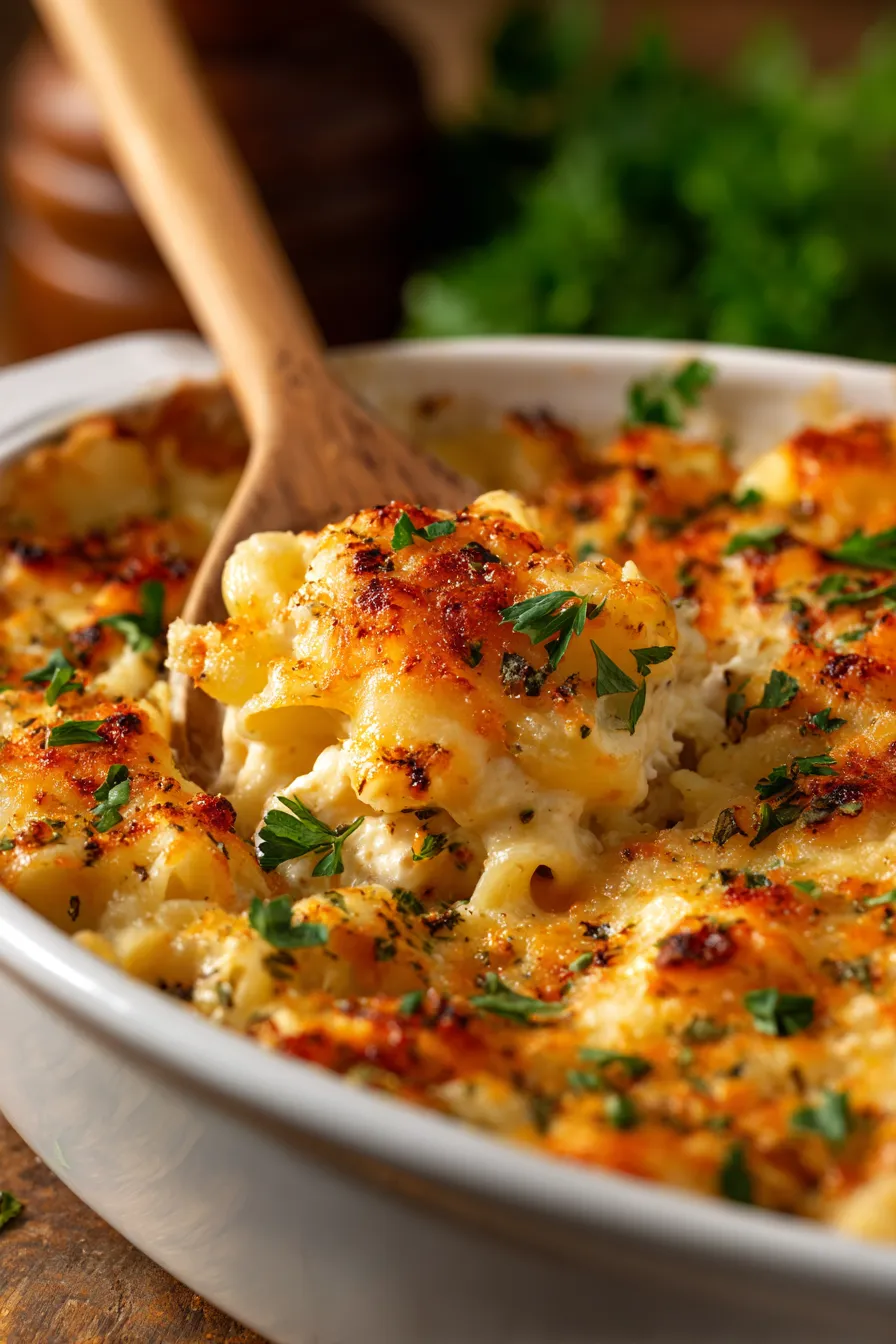
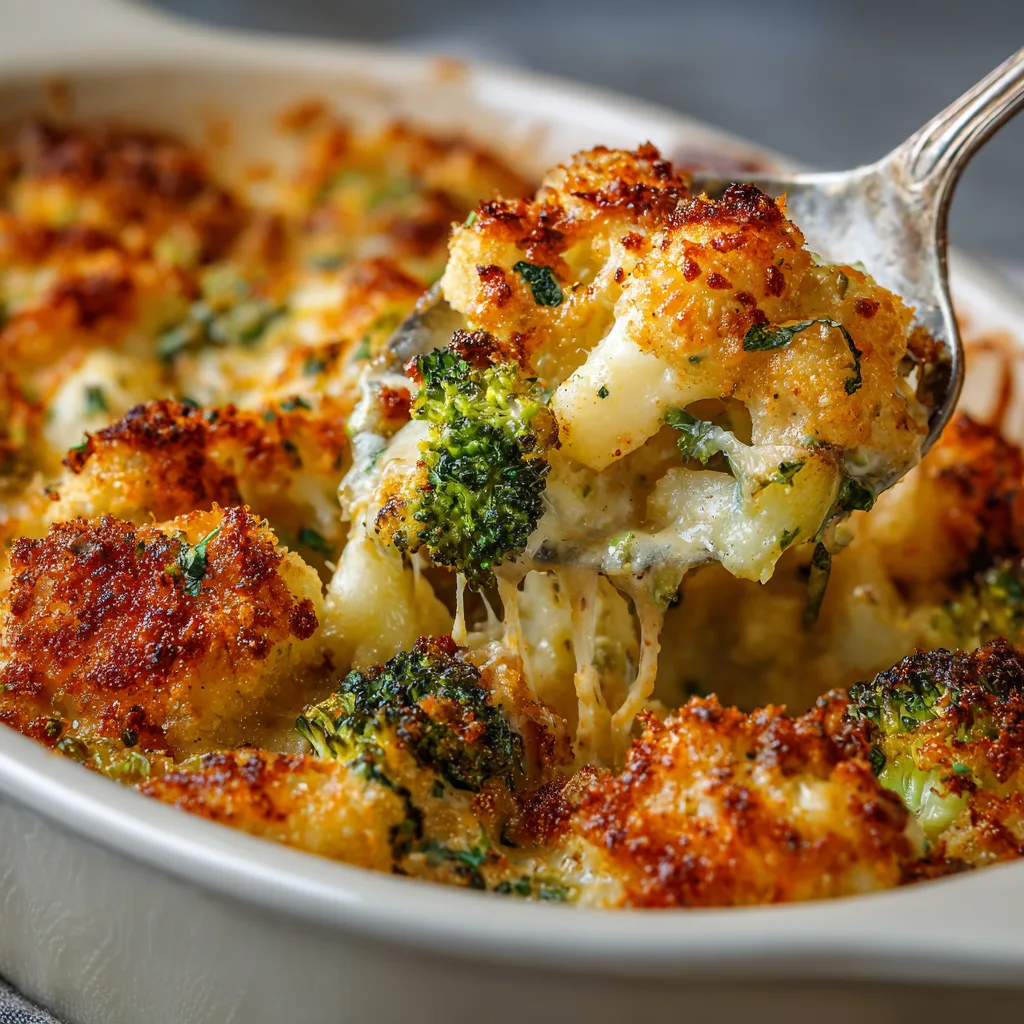
Cheesy Broccoli and Cauliflower Gratin stands as the pinnacle of comfort food side dishes—a creamy, rich, and utterly luxurious pairing of healthy cruciferous vegetables and a decadent blanket of melted cheese. More sophisticated than a simple casserole yet straightforward enough for a weeknight, this au gratin preparation transforms humble broccoli and cauliflower into a holiday-worthy…
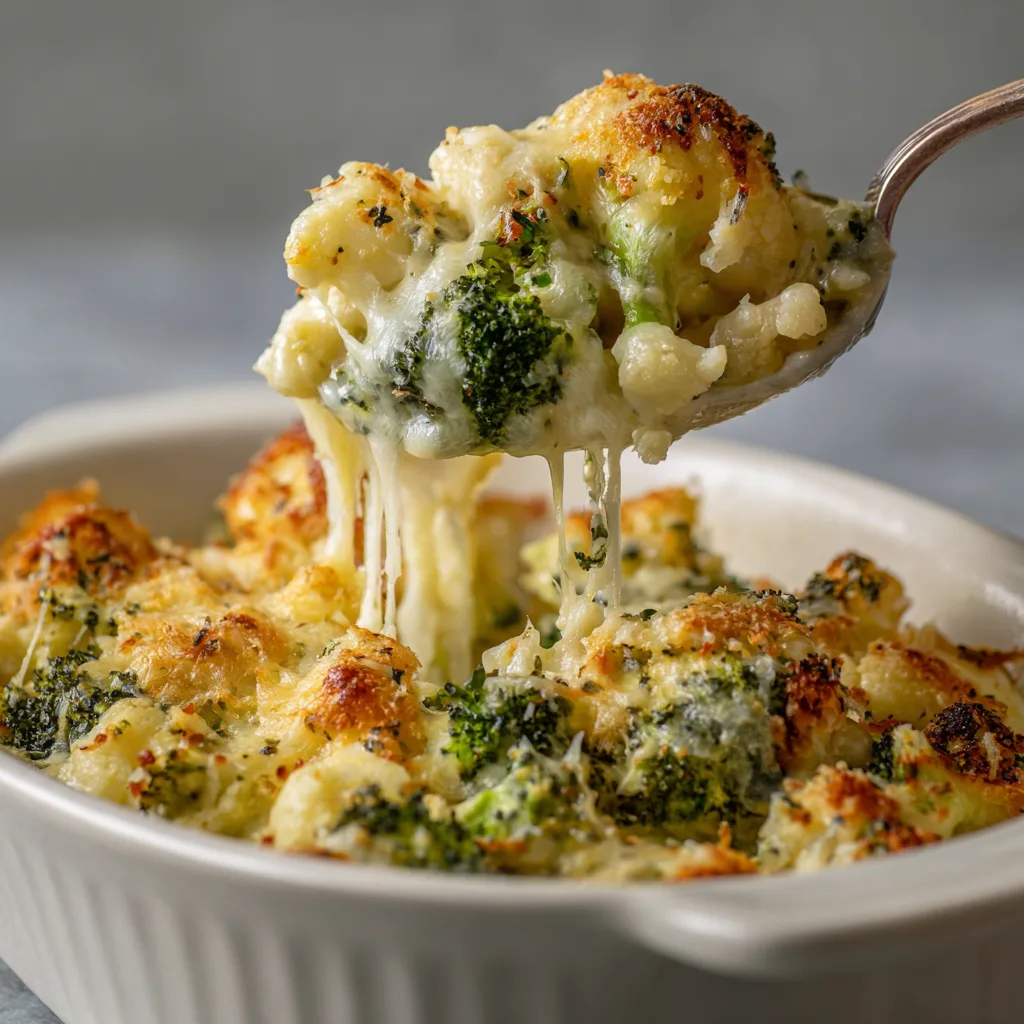
Cheesy Broccoli and Cauliflower Gratin stands as the pinnacle of comfort food side dishes—a creamy, rich, and utterly luxurious pairing of healthy cruciferous vegetables and a decadent blanket of melted cheese. More sophisticated than a simple casserole yet straightforward enough for a weeknight, this au gratin preparation transforms humble broccoli and cauliflower into a holiday-worthy centerpiece. The keys to its success lie in balancing the sharpness of the cheese, the silkiness of the sauce, and the crisp bite of the topping, creating an irresistible texture contrast that makes this classic dish beloved by all ages.
The Essential Recipe: Ingredients and Preparation
To create the perfect gratin, a careful balance of high-quality ingredients and precise technique is required. This recipe outlines the foundational method for achieving a creamy, deeply flavored dish.
Ingredients
For the Vegetables:
-
1 large head of cauliflower (about 1.5 lbs), cut into 1-inch florets
-
1 large head of broccoli (about 1.5 lbs), cut into 1-inch florets
-
1 tablespoon salt (for boiling water)
For the Classic Mornay Sauce:
-
4 tablespoons (1/2 stick) unsalted butter
-
1/4 cup all-purpose flour
-
3 cups whole milk, warmed
-
1/2 teaspoon dry mustard powder
-
1/4 teaspoon freshly grated nutmeg
-
1/2 teaspoon black pepper
-
1 teaspoon Kosher salt (or to taste)
-
1 cup (4 ounces) grated sharp Cheddar cheese
-
1 cup (4 ounces) grated Gruyère cheese (or Comté/Havarti)
For the Topping:
-
1/2 cup Panko breadcrumbs (recommended for maximum crunch)
-
2 tablespoons unsalted butter, melted
-
1/4 cup grated Parmesan cheese
-
1/2 teaspoon paprika (optional, for color)
Step-by-Step Instructions
1. Prepare and Par-Cook the Vegetables: Fill a large pot with water and add 1 tablespoon of salt. Bring to a rolling boil. Add the cauliflower florets and cook for 3 minutes. Add the broccoli florets and continue cooking for another 2 minutes. The vegetables should be crisp-tender, still firm, and bright green—do not overcook. Immediately drain the vegetables in a colander and spread them out on a baking sheet lined with paper towels to cool and allow excess moisture to evaporate. This step is crucial for preventing a watery gratin.
2. Make the Roux: Preheat your oven to 375°F (190°C). Grease a 9×13 inch or equivalent 3-quart baking dish. In a medium saucepan, melt the 4 tablespoons of butter over medium heat. Once the butter is melted and slightly foaming, whisk in the flour. Cook the roux, stirring constantly, for 1 to 2 minutes. The mixture should be smooth and a pale blonde color, cooking away the raw flour taste.
3. Build the Mornay Sauce: Gradually whisk the warm milk into the roux, starting with a small amount to make a thick paste, then slowly adding the rest. Continue whisking constantly over medium heat until the sauce comes to a gentle simmer and thickens enough to coat the back of a spoon (about 5–7 minutes). Remove the saucepan from the heat.
4. Finish the Sauce and Assemble: Stir in the dry mustard, nutmeg, pepper, and salt. Add the grated Cheddar and Gruyère cheeses, whisking until the cheese is completely melted and the sauce is smooth and luxurious. Taste the sauce and adjust seasonings as needed. Place the par-cooked broccoli and cauliflower in the prepared baking dish. Pour the entire cheese sauce evenly over the vegetables, gently tossing to coat.
5. Prepare the Topping and Bake: In a small bowl, combine the Panko breadcrumbs, melted butter, Parmesan cheese, and paprika (if using). Sprinkle the topping evenly over the surface of the gratin. Bake for 25 to 30 minutes, or until the sauce is bubbly around the edges and the topping is golden brown and crisp. For extra color and crunch, run the dish under the broiler for 1 to 2 minutes, watching carefully to prevent burning. Let the gratin rest for 5-10 minutes before serving.
Mastering the Mornay: Secrets to the Perfect Cheese Sauce
The heart of any successful gratin is the Mornay sauce, a classic French derivative of Béchamel. Getting the sauce right is key to avoiding both a grainy texture and a watery dish.
The process begins with the roux, a mixture of equal parts fat (butter) and flour by weight, though usually volume is used in home cooking. Cooking the roux for a full two minutes eliminates the chalky taste of raw flour, resulting in a cleaner-tasting sauce.
The Thermal Shock Principle: A common pitfall is lumpy sauce. This is easily avoided by following the “hot and cold” rule: if your roux is hot, add cold liquid; if your roux is cold, add hot liquid. In our recipe, we use a hot roux and warm milk. Warming the milk slightly reduces the cooking time and thermal shock but is not strictly necessary as long as you whisk constantly. Gradual addition is the most critical factor, allowing the starches in the flour to absorb the liquid without clumping.
The Crucial Role of Cheese Selection: A Mornay sauce requires two things from its cheese: flavor depth and melting quality.
-
The Melters (The Body): Medium-aged cheeses like sharp Cheddar, Monterey Jack, or low-moisture Mozzarella provide the classic creamy body and excellent stretch. Sharp Cheddar is the traditional choice for its unmistakable flavor.
-
The Flavor Boosters (The Soul): High-flavor, high-fat cheeses that melt well but also add complex notes are essential. Gruyère (or its cousin Comté) is the gold standard, offering nutty, earthy, and savory depth. For a smoother texture, Havarti is an excellent choice. Finally, a small amount of Parmesan or Pecorino Romano mixed into the topping adds a salty, umami crunch.
Essential Seasoning Enhancements: A Mornay is bland without proper seasoning. Beyond salt and pepper, two ingredients elevate the sauce from good to great:
-
Nutmeg: A pinch of freshly grated nutmeg is the traditional, non-negotiable finish for Béchamel and Mornay sauces. It enhances the dairy flavor without tasting like nutmeg itself.
-
Mustard Powder: Dry mustard powder (or a teaspoon of Dijon mustard) adds a necessary tang and stabilizes the emulsification of the cheese, ensuring a smoother sauce consistency.
Vegetable Preparation: Choosing Your Technique (Blanching vs. Roasting)
The method you choose for preparing the broccoli and cauliflower florets before they meet the cheese sauce fundamentally dictates the final texture and flavor profile of the gratin.
Method 1: Blanching and Steaming (The Classic Method)
As demonstrated in the main recipe, par-cooking the vegetables in boiling water or a steamer basket is the most traditional approach.
-
Goal: To achieve a crisp-tender texture. The vegetables should be just starting to soften, as they will continue cooking in the hot sauce in the oven. Undercooking is better than overcooking; mushy vegetables are the downfall of any gratin.
-
Why it works: This method ensures even cooking and keeps the vegetables’ color vibrant (especially the broccoli).
-
Key Tip: The Moisture Problem: Broccoli and cauliflower are high in water. After par-cooking, they must be thoroughly drained and laid out to steam off excess moisture. If they go into the dish wet, they will thin out the cheese sauce, resulting in a runny gratin. Patting them dry with paper towels or letting them air-dry for 10 minutes is a critical step often overlooked.
Method 2: Roasting (The Flavor Optimization Method)
For a deeper, more savory flavor, roasting the vegetables before adding the cheese sauce is the superior technique.
-
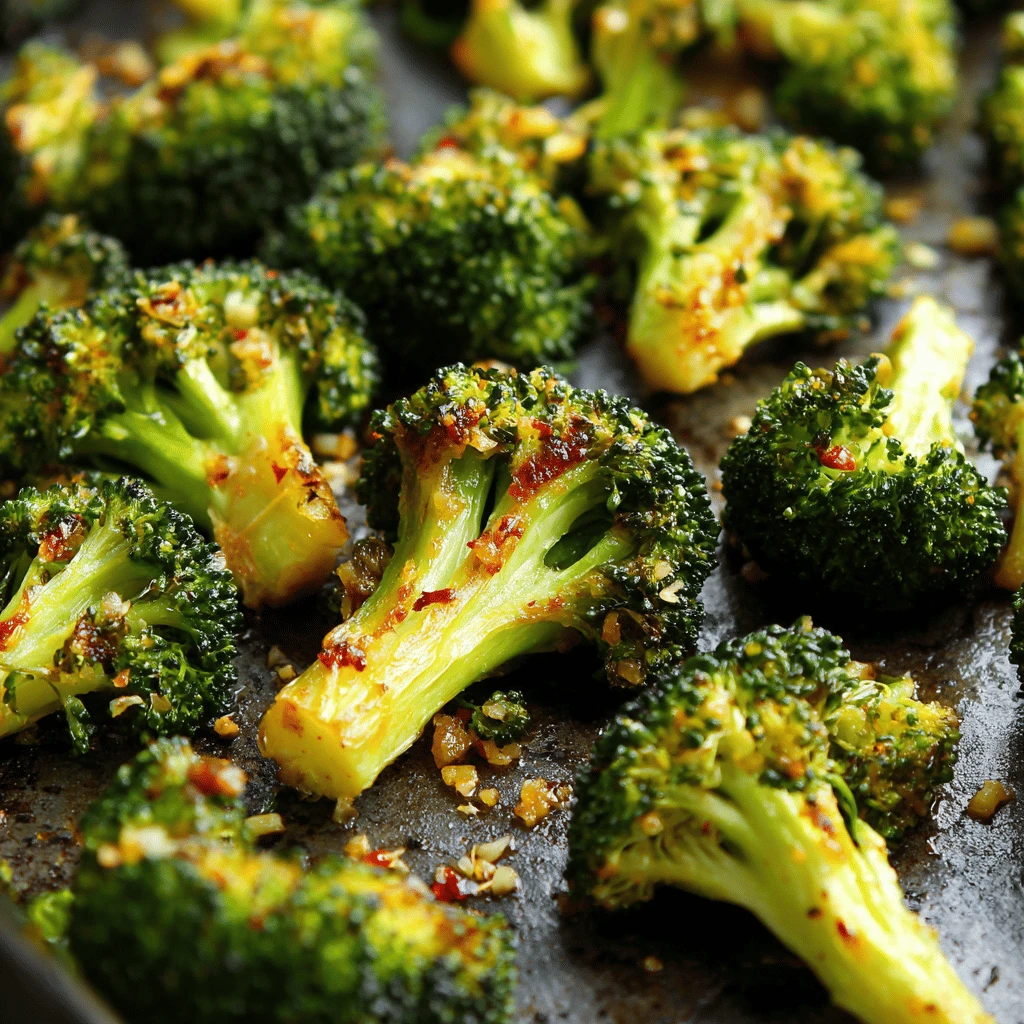
Process: Toss the raw florets with 1–2 tablespoons of olive oil, salt, and pepper. Roast at 400°F (200°C) for 15–20 minutes, or until the edges begin to brown and caramelize slightly.
-
Flavor Impact: Roasting brings out the natural sweetness of the broccoli and cauliflower through the Maillard reaction. This nutty, caramelized flavor stands up beautifully to the richness of the cheese sauce, adding a complex layer of taste that blanching simply cannot achieve.
-
Texture Benefit: Roasting significantly reduces the moisture content in the vegetables, virtually eliminating the risk of a watery gratin, while still leaving them tender-crisp.
For the most optimized, flavor-forward gratin, the roasting method is highly recommended, as it transforms the dish from a good side into a truly exceptional one.
The Art of the Crisp Topping and Flavor Customization
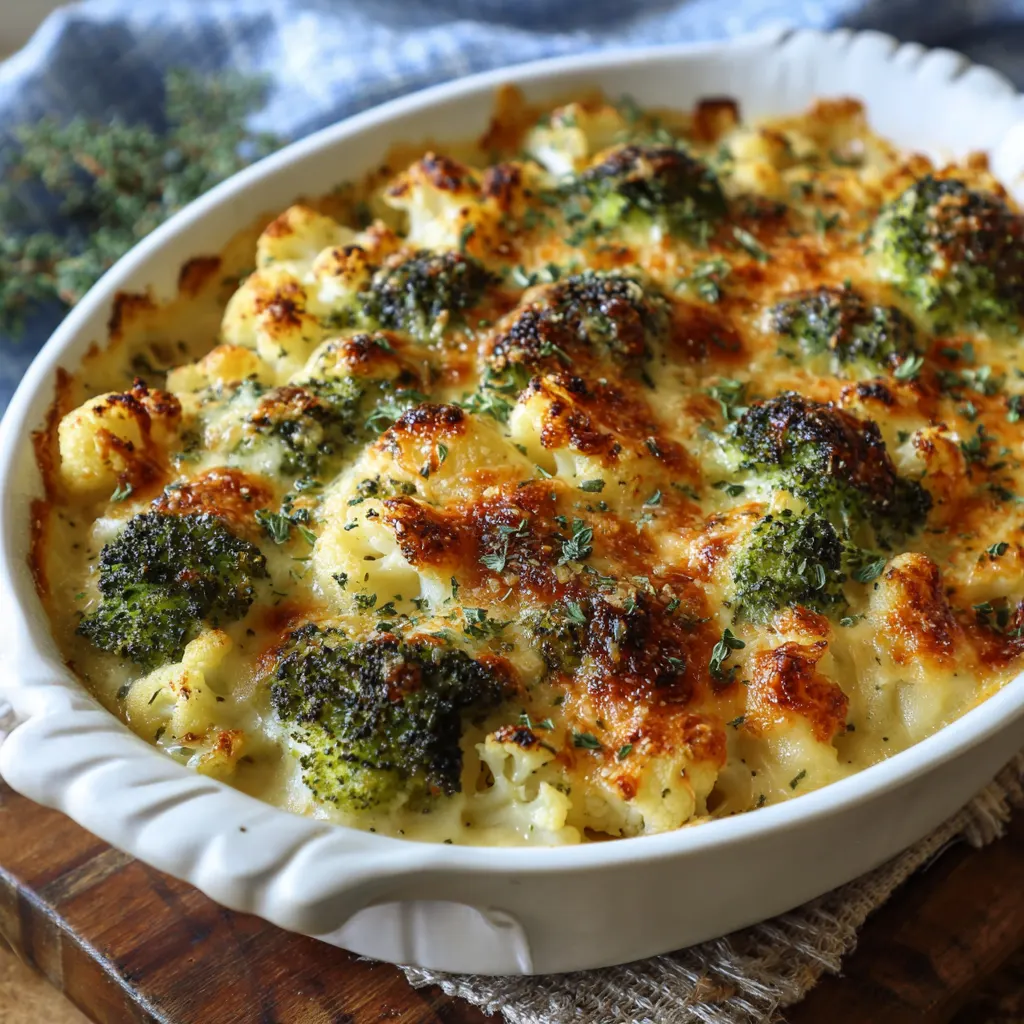
The term “gratin” specifically refers to the browned crust or topping that forms over a dish. Achieving a beautifully golden, crunchy surface is essential to the dish’s appeal and provides the necessary textural counterpoint to the creamy sauce.
Perfecting the Crust:
-
Panko Preference: While traditional breadcrumbs work, Panko breadcrumbs are superior for this dish. Panko is lighter, airier, and absorbs less fat than traditional crumbs, resulting in a much crispier, crunchier layer that holds up well during baking.
-
Fat is Flavor (and Crunch): The breadcrumbs must be tossed with melted butter or olive oil. This step is not optional; the fat allows the crumbs to brown evenly and become crisp, rather than simply drying out in the oven.
-
Flavor Integration: Mixing grated Parmesan cheese, herbs (like fresh thyme or dried oregano), garlic powder, or a dash of paprika into the breadcrumb mixture ensures every bite of the crust is seasoned and adds visual appeal.
Advanced Flavor Customization:
Once the basic technique is mastered, this gratin is highly adaptable to a variety of culinary styles:
-
Aromatics: For a deeper base flavor, sautéing finely diced shallots or onion with minced garlic in the initial butter before making the roux (Step 2) adds savory depth.
-
Spices: A small pinch of cayenne pepper or a teaspoon of crushed red pepper flakes stirred into the cheese sauce can provide a delightful, warming heat that cuts through the richness of the dairy.
-
Savory Liquids: Replacing a quarter cup of the milk with low-sodium chicken broth, vegetable broth, or even dry white wine (such as Pinot Grigio) in the sauce can introduce a layer of complexity and savory umami often found in professional kitchens.
-
Herb Finish: Freshly chopped chives, parsley, or thyme sprinkled over the gratin immediately after it comes out of the oven will add a vibrant, fresh note and a beautiful pop of color.
Serving, Storage, and Optimization for Meal Prep
The Cheesy Broccoli and Cauliflower Gratin is a versatile side dish that pairs exceptionally well with roasted meats, holiday feasts, or simply as a hearty main dish for a vegetarian meal. Proper planning and serving techniques ensure maximum enjoyment.
Ideal Pairings: The richness of the gratin makes it a perfect accompaniment to lean proteins. It is traditionally served alongside:
-
Roasted Chicken or Turkey
-
Glazed Ham or Pork Loin
-
Steak or Prime Rib
-
Simple pan-seared fish
Make-Ahead and Storage: The gratin is an excellent candidate for meal preparation, which is especially helpful when planning a large dinner.
-
Make-Ahead (Unbaked): Prepare the vegetables and the cheese sauce completely. Combine the vegetables and sauce in the baking dish, but do not add the breadcrumb topping. Cover the dish tightly and refrigerate for up to 24 hours. When ready to bake, preheat the oven, sprinkle on the topping, and allow an extra 10–15 minutes of baking time, as the dish will be starting cold.
-
Storage (Leftovers): Store cooled leftovers in an airtight container in the refrigerator for up to 3–4 days.
-
Reheating: To maintain the crisp topping, reheat individual portions in a toaster oven or air fryer at 350°F (175°C) until warm and bubbly. If reheating the entire dish, cover it loosely with foil for the first 15 minutes in a 350°F oven to prevent the topping from burning, then remove the foil for the last 5 minutes.
A Note on Nutrition: While the dish is rich, it is a highly effective way to encourage vegetable consumption. Broccoli and cauliflower are high in fiber, Vitamin C, and other essential nutrients. Portions can be adjusted for a lighter meal by using reduced-fat milk and carefully portioning the cheese. However, for true comfort and flavor, using whole milk and high-quality cheese is worth the indulgence. This gratin is a testament to the fact that even the most comforting dishes can be rooted in healthy, vibrant vegetables.