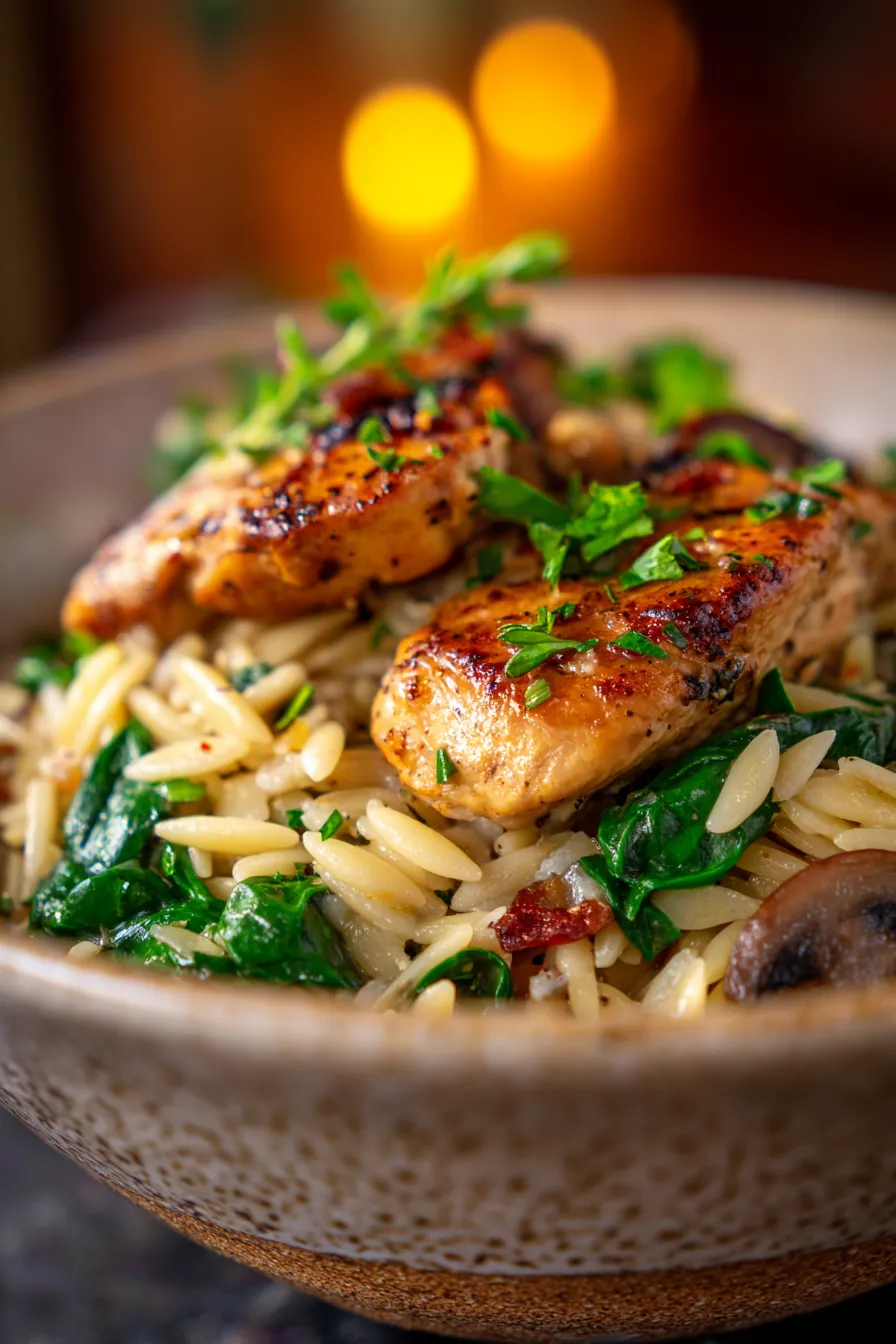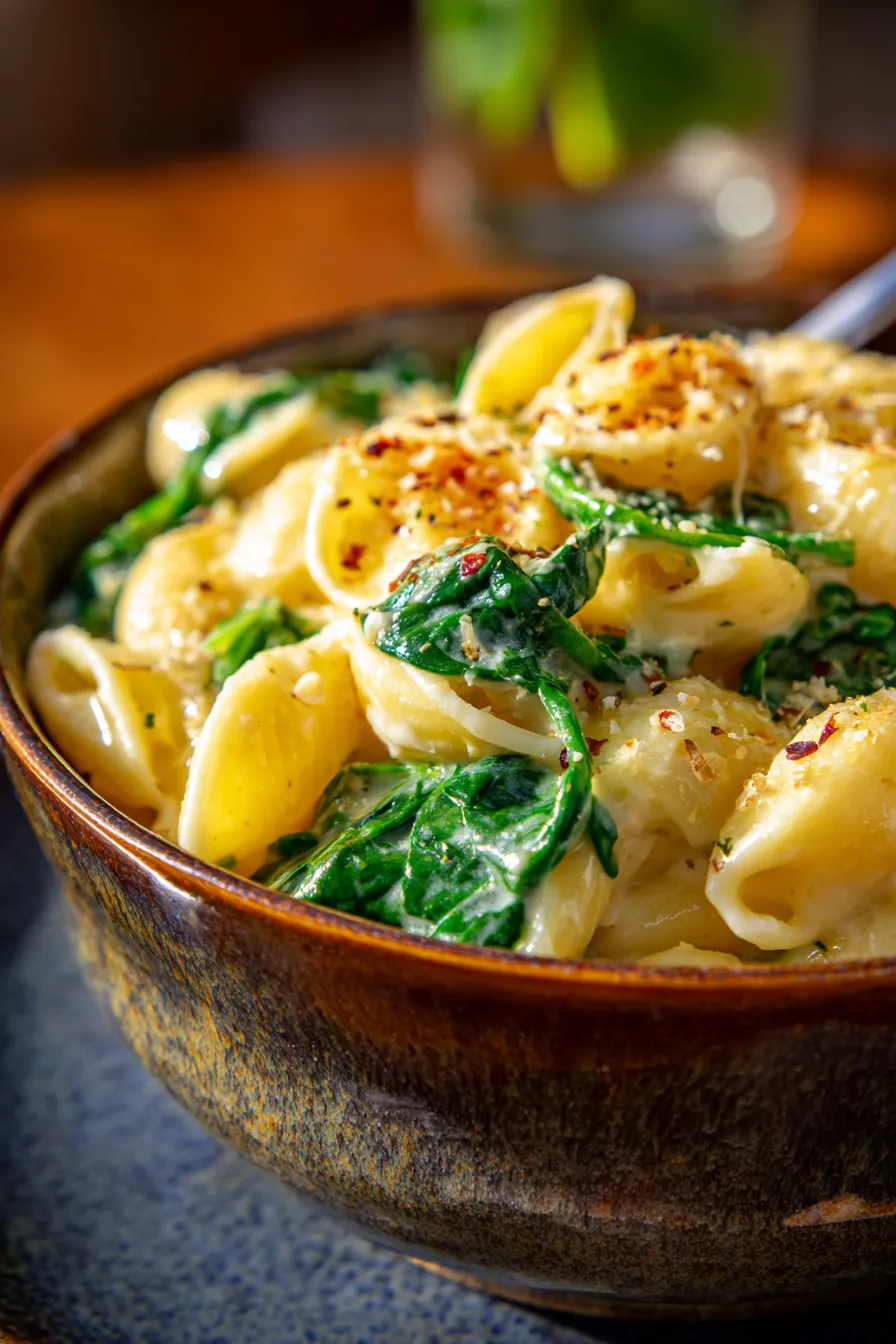
Easy Cheesy Chicken Pasta: The Ultimate 30-Minute Skillet Dinner This creamy, comforting Cheesy Chicken Pasta is the definition of a perfect weeknight meal. It strikes the ideal balance between rich flavor and effortless preparation, transforming simple pantry staples into a satisfying, restaurant-quality dish in under 30 minutes. Whether you’re cooking for a busy family or…
Easy Cheesy Chicken Pasta: The Ultimate 30-Minute Skillet Dinner
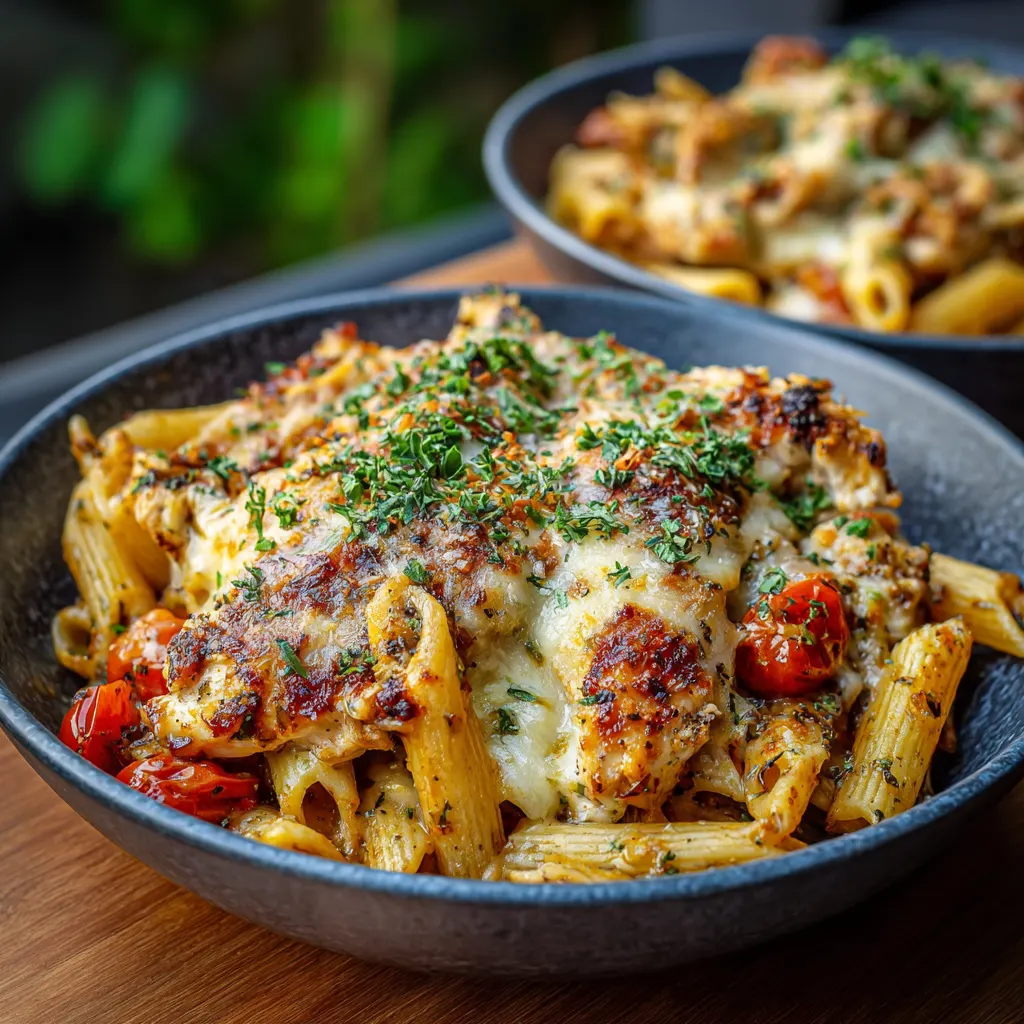
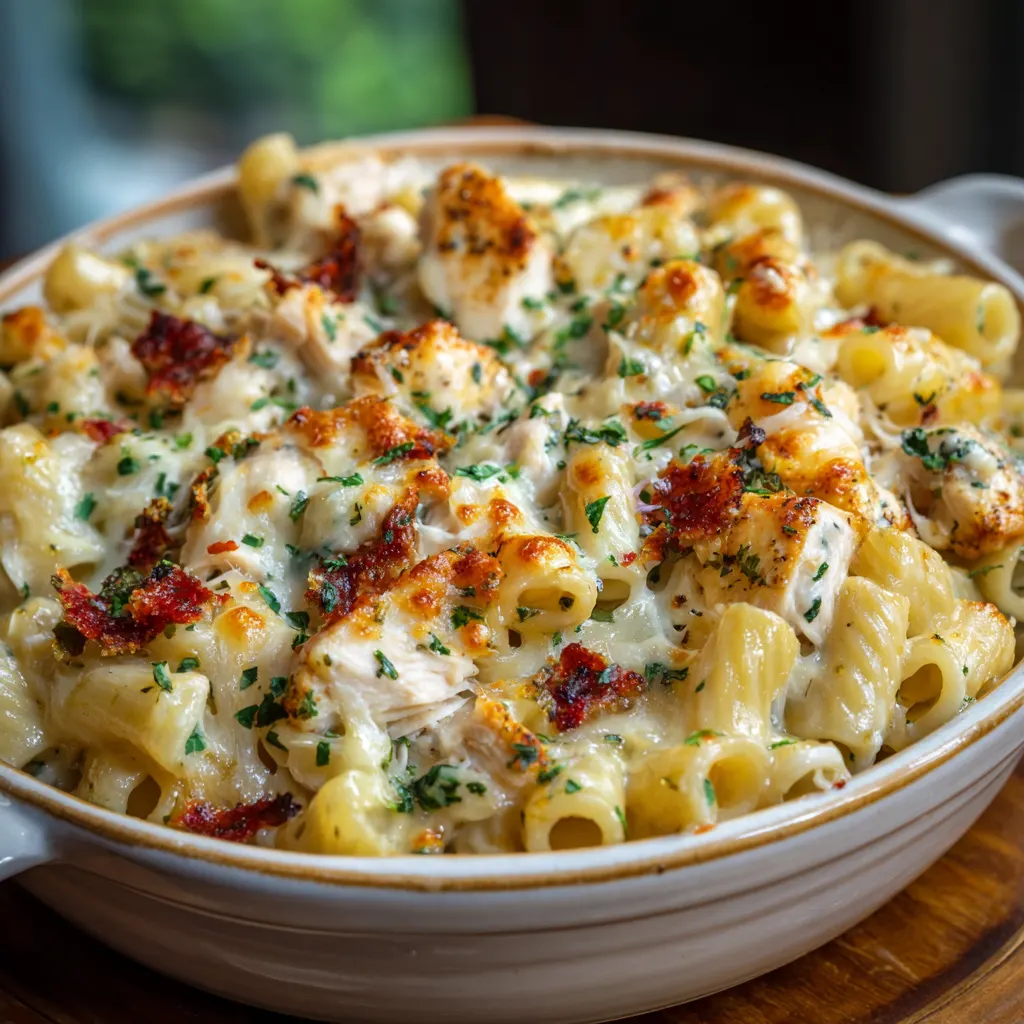
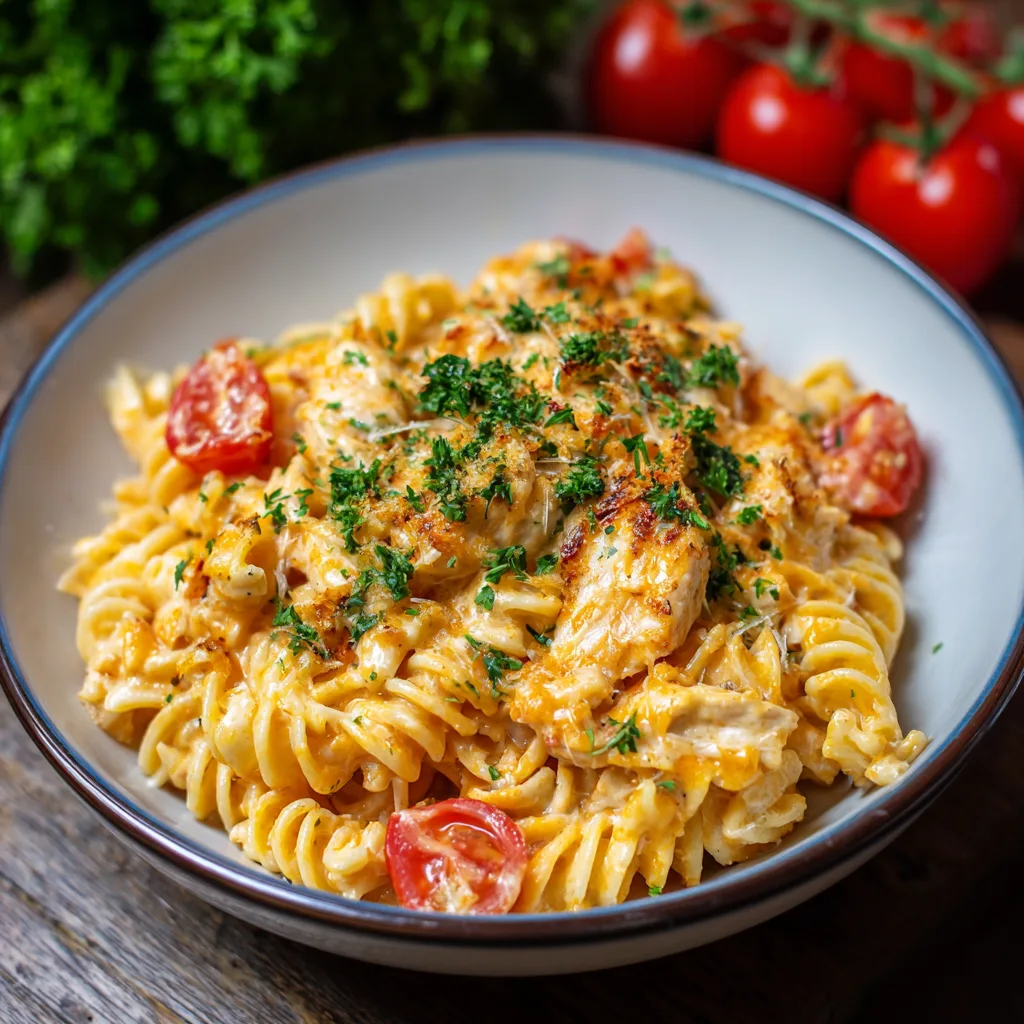
This creamy, comforting Cheesy Chicken Pasta is the definition of a perfect weeknight meal. It strikes the ideal balance between rich flavor and effortless preparation, transforming simple pantry staples into a satisfying, restaurant-quality dish in under 30 minutes. Whether you’re cooking for a busy family or craving cozy comfort, this recipe provides a foolproof method for achieving tender chicken, perfectly cooked pasta, and an unbelievably smooth, gooey cheese sauce that clings to every bite.
Ingredients
-
12 oz short pasta (penne, rotini, or shells are ideal)
-
2 tablespoons olive oil
-
1 small yellow onion, finely diced
-
3 cloves garlic, minced
-
2 tablespoons all-purpose flour (or gluten-free flour blend)
-
2 cups low-sodium chicken broth
-
1 cup whole milk or half-and-half
-
1 teaspoon Italian seasoning
-
1/2 teaspoon salt, plus more for pasta water
-
1/4 teaspoon black pepper
-
1/4 teaspoon red pepper flakes (optional, for a kick)
-
3 cups cooked chicken, shredded or cubed (rotisserie chicken works best)
-
1 cup (4 oz) freshly shredded sharp cheddar cheese
-
1 cup (4 oz) freshly shredded mozzarella cheese
-
1/2 cup grated Parmesan cheese
-
2 tablespoons fresh parsley, chopped (for garnish)
Step-by-Step Instructions
1. Cook the Pasta
Bring a large pot of salted water to a rolling boil. Add the pasta and cook according to package directions, reducing the cook time by about 1 minute (you want it slightly al dente since it will finish cooking in the sauce). Before draining, reserve 1 cup of the starchy pasta cooking water. Drain the remaining pasta and set aside.
2. Sauté Aromatics
Heat the olive oil in a large skillet or Dutch oven over medium heat. Add the diced onion and sauté for 3–5 minutes until soft and translucent. Add the minced garlic and red pepper flakes (if using), cooking for another 30–60 seconds until fragrant. Do not let the garlic burn.
3. Build the Roux and Sauce Base
Sprinkle the flour over the onion and garlic mixture. Stir constantly for 1 minute to cook out the raw flour taste—this creates a roux which will thicken the sauce. Slowly whisk in the chicken broth until the mixture is smooth, then slowly whisk in the milk or half-and-half.
4. Season and Thicken
Bring the sauce mixture to a gentle simmer, stirring frequently. Add the Italian seasoning, salt, and black pepper. Allow the sauce to simmer for 2–3 minutes until it begins to visibly thicken enough to coat the back of a spoon. If the sauce seems too thin, let it simmer longer. If it becomes too thick, add a tablespoon or two of the reserved pasta water.
5. Melt the Cheese
Reduce the heat to low. Gradually sprinkle in the shredded cheddar, mozzarella, and Parmesan cheeses, stirring until each addition is completely melted and smooth before adding the next. This gentle, low-heat process prevents the sauce from separating or becoming grainy.
6. Combine and Serve
Fold the cooked chicken and the drained, reserved pasta into the skillet. Stir gently until the pasta and chicken are thoroughly coated in the luxurious cheese sauce. Let it simmer for one final minute to allow the pasta to absorb some of the flavor. Garnish generously with fresh parsley and serve immediately.
The Foundation of Flavor: Perfecting the Cheese Sauce
Achieving a restaurant-quality, creamy sauce is the most critical element of this recipe. While the core instructions rely on a classic roux, understanding a few key secrets ensures your sauce is consistently smooth, velvety, and never grainy.
The Importance of the Starch
The search for the perfect creamy sauce always leads back to starch, which acts as the emulsifier and thickener.
-
The Roux: By cooking flour in butter or oil (a roux), you create a stable base that binds the fat and liquid (broth and milk). The ratio is critical: equal parts fat and flour (2 tablespoons butter/oil to 2 tablespoons flour) will provide sufficient thickening for the 3 cups of liquid (broth/milk) used in this recipe.
-
The Secret Ingredient: Pasta Water: The starchy water reserved from cooking the pasta is a culinary secret weapon. The starch molecules released by the noodles act as a natural thickener and emulsifier. If your sauce is too thick or heavy, whisking in a few tablespoons of this cloudy water will loosen the sauce while simultaneously adding depth and helping the cheese stay integrated and glossy.
The Golden Rule of Cheesy Sauces
Always use freshly shredded cheese rather than pre-shredded cheese from a bag. Pre-shredded varieties are often coated in anti-caking agents like potato starch or cellulose, which inhibit proper melting and can give the sauce a grainy, unpleasant texture.
Furthermore, use a blend of cheeses for complexity. The combination of:
-
Cheddar or Monterey Jack: Provides the classic, sharp “cheesy” flavor.
-
Mozzarella: Offers incredible melt and stringiness (gooeyness).
-
Parmesan or Romano: Adds a necessary salty, umami depth to balance the richness.
Smart Chicken Preparation for Maximum Flavor and Speed
The “easy” in this recipe largely depends on how you handle the chicken. The results show two main paths: the time-saver and the flavor-builder.
The Time-Saving Path: Rotisserie is King
For the fastest possible meal (the 30-minute target), pre-cooked chicken is indispensable.
-
Rotisserie Chicken: This is the best choice. It is perfectly seasoned, already moist, and shreds beautifully. A single rotisserie chicken provides more than enough meat for a standard batch of pasta.
-
Leftover Chicken: Diced grilled or baked chicken breast is an excellent substitute. Ensure it’s not overly dry before adding it to the sauce.
When using pre-cooked chicken, add it to the sauce only at the end, just before adding the pasta. It only needs to be warmed through, preventing it from drying out in the simmering liquid.
The Flavor-Building Path: Cooking from Scratch
If you have an extra 10–15 minutes, cooking the chicken within the skillet adds a depth of flavor that enhances the entire dish.
-
Preparation: Cut two boneless, skinless chicken breasts or four chicken thighs into bite-sized cubes.
-
Searing: Season the raw chicken cubes generously with salt, pepper, and paprika. Before starting the recipe, heat the olive oil and sear the chicken until golden brown and cooked through (about 5-7 minutes).
-
Rest and Reserve: Remove the cooked chicken and set it aside. Leave any browned bits (fond) in the skillet—these bits are pure flavor. Proceed with sautéing the onion and garlic as instructed in the main recipe. Any juices that collect on the chicken plate should be poured into the sauce base for maximum depth.
Customizing Your Dish: Best Pasta Shapes and Vegetable Add-ins
The Cheesy Chicken Pasta base is a blank canvas for customization. Adjusting the pasta shape and adding vegetables allows you to make the dish healthier, heartier, or tailored to seasonal ingredients.
Choosing the Ideal Pasta Shape
The right pasta shape is designed to hold the thick, creamy sauce effectively. Avoid long, slippery noodles like spaghetti or fettuccine, which won’t stand up well to the heavy cheese sauce.
Essential Vegetable Add-ins
Adding vegetables provides color, texture, and nutritional value. Since the cook time is fast, choose vegetables that cook quickly or can be added pre-cooked:
-
Quick Sauté: Add diced bell peppers (red or yellow) and sliced mushrooms along with the onion in Step 2.
-
Blanch/Frozen: Add fresh broccoli florets or frozen peas directly to the pasta water during the last 3 minutes of boiling the pasta. Drain them with the pasta, and fold them into the finished sauce.
-
Flavor Boost: Stir in 1/2 cup of finely chopped sun-dried tomatoes (packed in oil, drained) or 1 cup of fresh spinach leaves when you add the chicken and pasta. The heat from the sauce will wilt the spinach immediately.
From Skillet to Casserole: The Baked Pasta Variation
While the skillet version is the quickest, transforming this dish into a Cheesy Chicken Pasta Bake is perfect for weekend cooking, entertaining, or meal prepping.
The Casserole Conversion
-
Prep the Mix: Follow the main recipe through Step 5 (Melt the Cheese), but keep the sauce slightly thinner than you would for a skillet meal.
-
Combine: Fold the cooked, al dente pasta and chicken into the sauce mixture.
-
Transfer and Top: Pour the mixture into a lightly greased 9×13 inch baking dish.
-
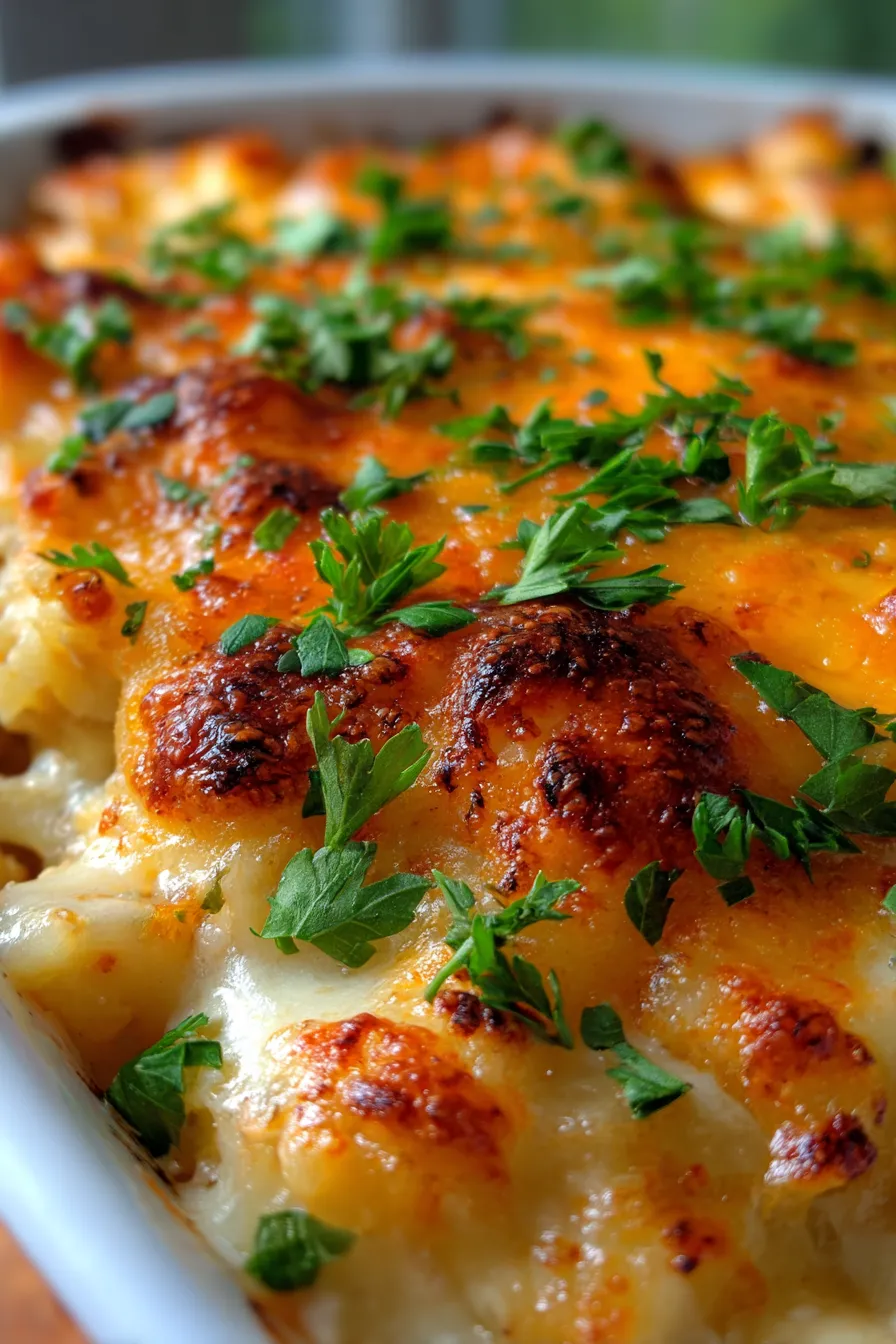
The Crunch Factor: Top the casserole with 1/2 cup of extra shredded mozzarella and a mixture of Italian-style breadcrumbs tossed with 1 tablespoon of melted butter. This creates a golden, crunchy crust.
-
Bake: Bake in a preheated oven at 375°F (190°C) for 20–25 minutes, or until the topping is golden brown and the sauce is bubbly throughout.
The key advantage of the baked variation is that it can be assembled entirely ahead of time, covered, and refrigerated for up to 24 hours. Just add about 10–15 minutes to the total baking time if cooking straight from the refrigerator.
Make-Ahead, Storage, and Reheating Tips
This recipe is incredibly practical for batch cooking and meal prep, provided you take steps to ensure the pasta doesn’t absorb all the moisture in storage.
Storage
-
Cool Quickly: Allow the pasta dish to cool completely before transferring it to airtight containers. This prevents condensation buildup and keeps the texture optimal.
-
Portion Control: Store single-serving portions in individual containers for grab-and-go lunches. The pasta will keep safely in the refrigerator for 3 to 4 days.
-
Freezing (Casserole Only): If you made the baked version, you can freeze it unbaked. Cover the baking dish tightly with plastic wrap and then foil. Freeze for up to 3 months. When ready to eat, thaw overnight in the refrigerator and bake as directed.
Reheating
The primary challenge when reheating creamy pasta is preventing the sauce from drying out or splitting.
-
Microwave (Quickest): Place a portion in a microwave-safe bowl. Add 1–2 teaspoons of milk, half-and-half, or chicken broth to the container. Cover loosely and heat in 60-second intervals, stirring in between, until heated through.
-
Stovetop (Best Quality): Transfer the leftovers to a small saucepan. Add 1/4 cup of liquid (milk or broth) per 2 cups of pasta. Heat over medium-low heat, stirring constantly, until the sauce re-emulsifies and the pasta is hot.
-
Oven (Casserole): Preheat the oven to 350°F (175°C). Cover the dish tightly with aluminum foil to retain moisture. Bake for 20–30 minutes, or until an internal temperature of 165°F (74°C) is reached. Remove the foil for the last 5 minutes to crisp the top if desired.