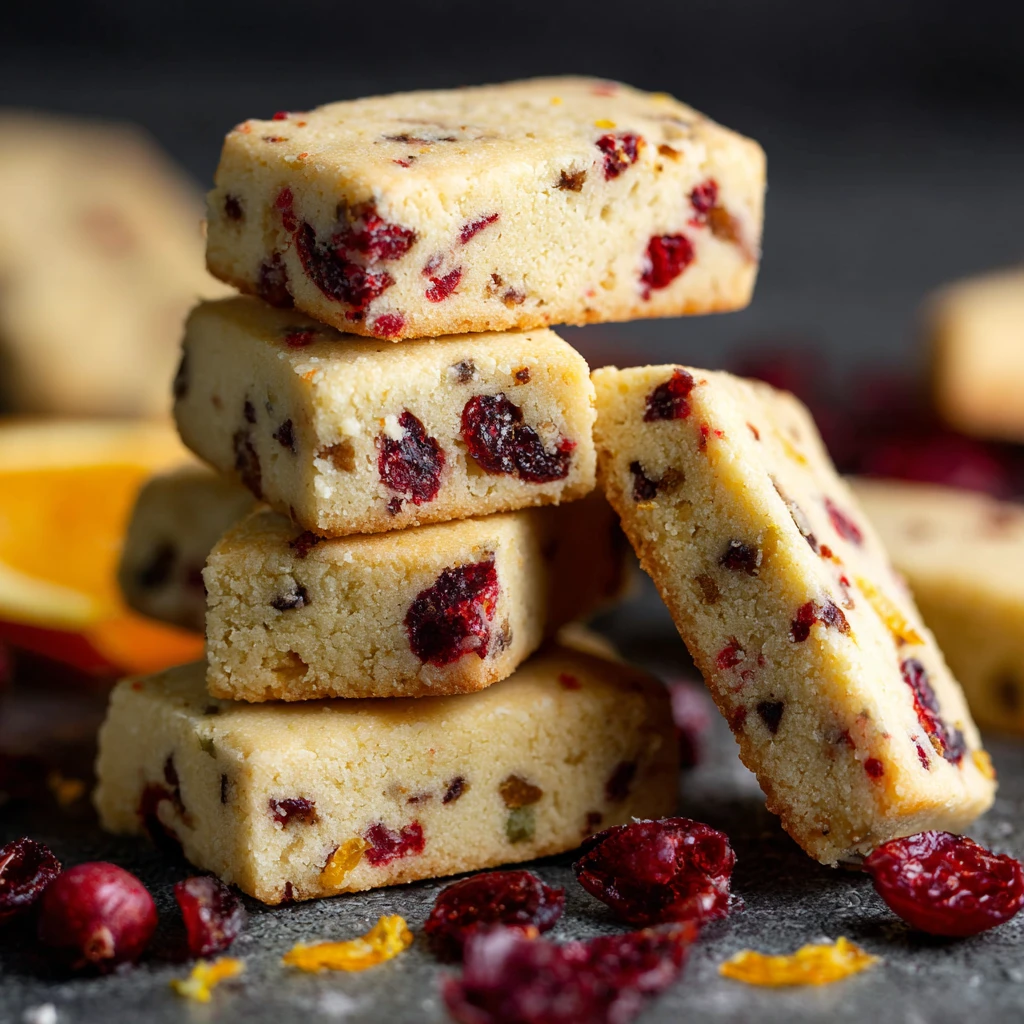
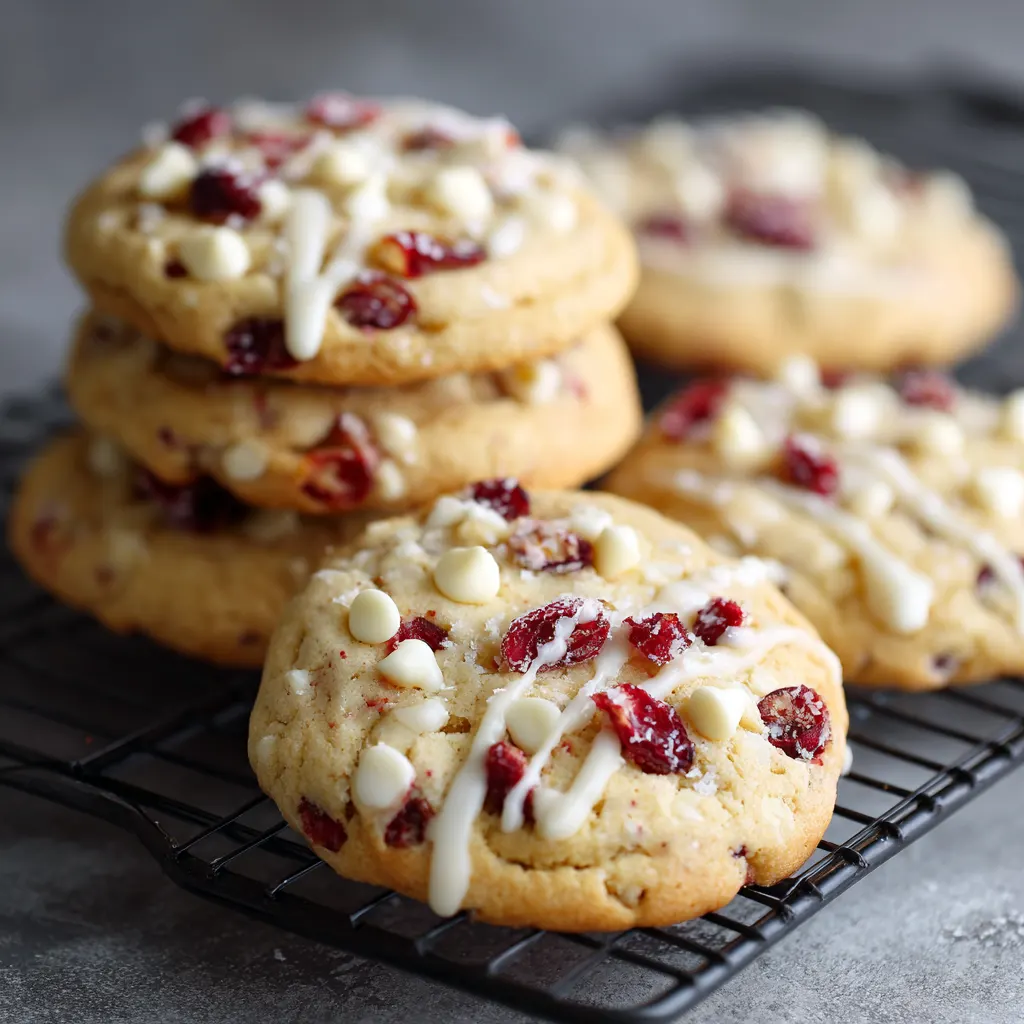
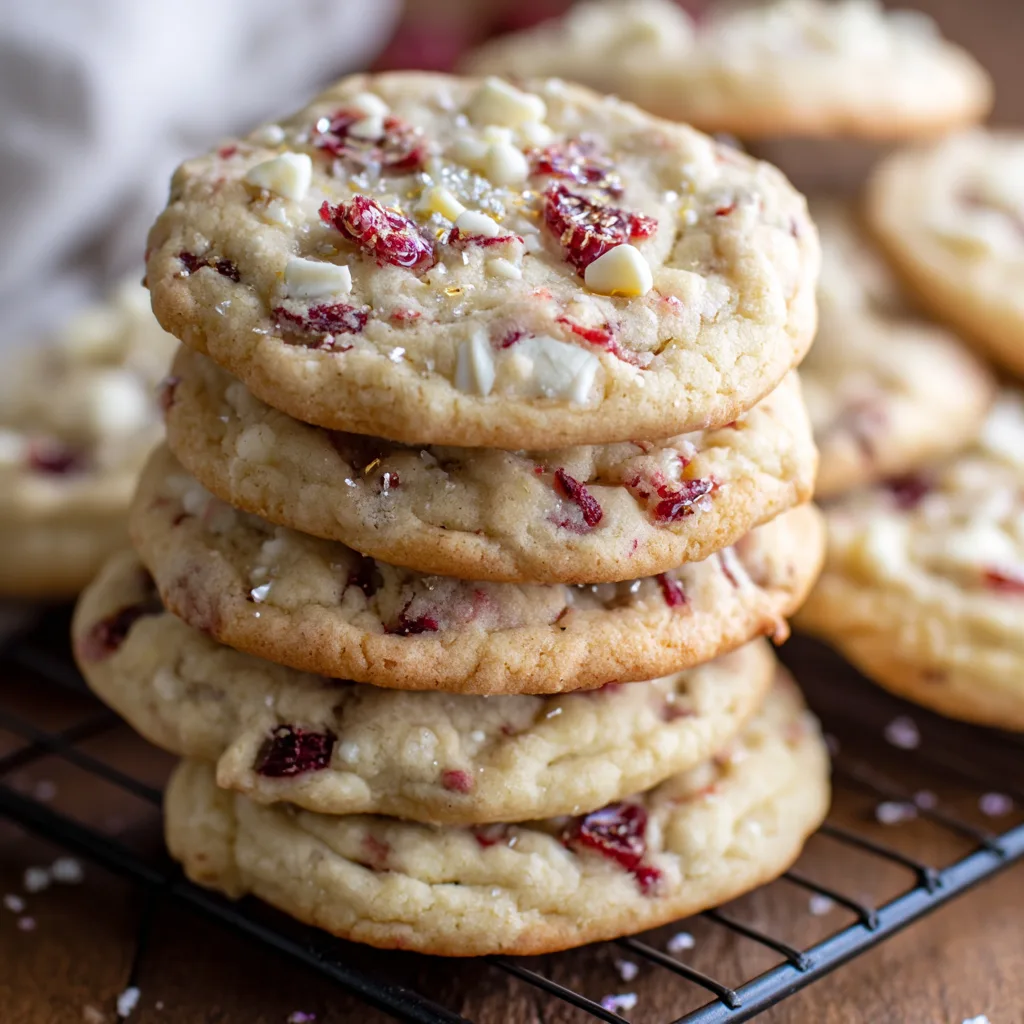
The marriage of sweet, creamy white chocolate and tart, jewel-toned cranberries creates a truly exceptional cookie, perfect for holiday gatherings or an elevated everyday treat. When finished with a luxurious white chocolate frosting, this cookie transcends the common drop variety, offering a balanced textural experience—a soft, chewy center with slightly crisp edges—and a sophisticated flavor…
The marriage of sweet, creamy white chocolate and tart, jewel-toned cranberries creates a truly exceptional cookie, perfect for holiday gatherings or an elevated everyday treat. When finished with a luxurious white chocolate frosting, this cookie transcends the common drop variety, offering a balanced textural experience—a soft, chewy center with slightly crisp edges—and a sophisticated flavor profile. For the best result, pay attention to ingredient quality and small technique adjustments, ensuring every batch is bakery-worthy.
Ingredients
For the Cranberry White Chocolate Cookies
-
2 ½ cups (315g) all-purpose flour
-
1 teaspoon baking soda
-
½ teaspoon salt
-
1 teaspoon cornstarch (for softer cookies)
-
1 cup (227g) unsalted butter, softened to room temperature
-
¾ cup (150g) packed light brown sugar
-
½ cup (100g) granulated sugar
-
2 large eggs, room temperature
-
2 teaspoons pure vanilla extract
-
1 tablespoon finely grated orange zest (from 1 large orange)
-
1 ½ cups (210g) dried sweetened cranberries
-
1 ½ cups (255g) white chocolate chips or coarsely chopped white chocolate bar
For the Creamy White Chocolate Frosting
-
4 ounces (113g) high-quality white chocolate, finely chopped
-
½ cup (113g) unsalted butter, softened
-
1 ½ cups (180g) powdered sugar, sifted
-
2 teaspoons pure vanilla extract
-
¼ teaspoon salt
-
2 to 3 Tablespoons heavy cream or milk
Step-by-Step Instructions
I. Prepare the Cookie Dough
-
Whisk Dry Ingredients: In a medium bowl, whisk together the flour, baking soda, salt, and cornstarch. Set aside.
-
Cream Butter and Sugars: In the bowl of a stand mixer fitted with the paddle attachment (or using a hand mixer), beat the softened butter, brown sugar, granulated sugar, and orange zest on medium speed until the mixture is light, fluffy, and noticeably pale, about 3 minutes. Scrape down the sides of the bowl as needed.
-
Add Wet Ingredients: Add the eggs one at a time, beating well after each addition. Mix in the vanilla extract until just combined.
-
Combine: With the mixer on low speed, gradually add the dry ingredient mixture to the wet ingredients, mixing only until just combined and a few streaks of flour remain. Do not overmix.
-
Fold in Mix-ins: Gently fold in the dried cranberries and white chocolate chips using a rubber spatula until they are evenly distributed throughout the dough.
-
Chill (Optional but Recommended): Cover the dough tightly and chill in the refrigerator for at least 1 hour, or up to 24 hours. Chilling prevents over-spreading and concentrates flavor. If chilling longer than 4 hours, let the dough sit at room temperature for 15 minutes before scooping.
-
Preheat and Scoop: Preheat your oven to 350°F (175°C). Line two large baking sheets with parchment paper or silicone baking mats. Scoop the dough using a 2-tablespoon cookie scoop, spacing the balls about 2 inches apart.
II. Bake and Cool the Cookies
-
Bake: Bake one sheet at a time for 10 to 12 minutes, or until the edges are set and lightly golden brown, but the centers still look slightly soft and underdone.
-
Enhance Aesthetics: Immediately after removing the cookies from the oven, press a few extra white chocolate chips and cranberries into the tops of the warm cookies for a professional appearance.
-
Cool: Let the cookies cool on the baking sheet for 5 minutes before transferring them carefully to a wire rack to cool completely. The cookies must be completely cooled before frosting.
III. Prepare and Apply the Frosting
-
Melt White Chocolate: Place the chopped white chocolate in a microwave-safe bowl and heat in 30-second intervals, stirring between each, until completely smooth. Alternatively, melt over a double boiler. Set aside to cool slightly.
-
Whip Butter: In a clean bowl, beat the softened butter on medium speed until light and creamy.
-
Make Frosting: Gradually add the sifted powdered sugar, vanilla extract, and salt to the butter, beating on low speed until combined, then increase to medium-high and beat until fluffy.
-
Incorporate Chocolate: Slowly drizzle the slightly cooled, melted white chocolate into the frosting mixture while the mixer runs on low. Increase speed and beat until the frosting is smooth and light.
-
Adjust Consistency: Add heavy cream one tablespoon at a time until the desired texture is reached—creamy and spreadable, but not runny.
-
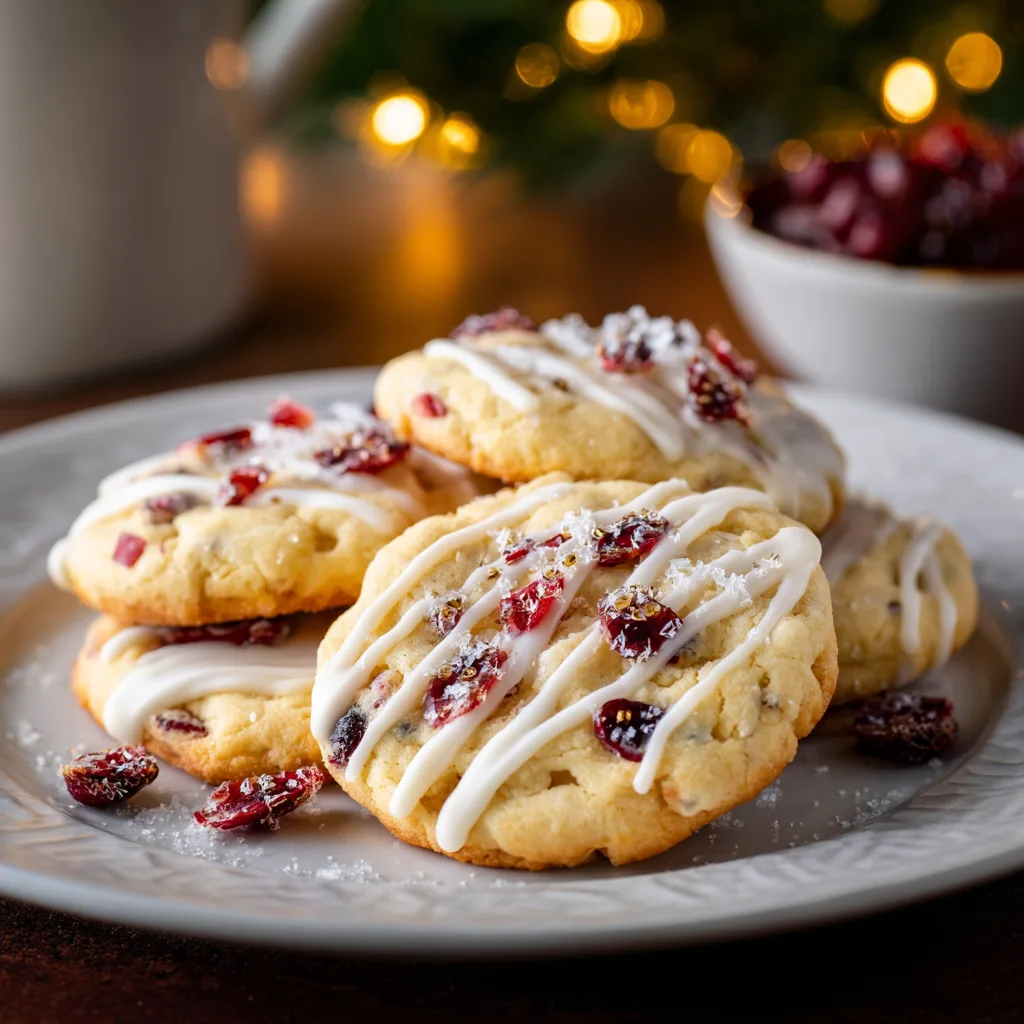
Frost: Once the cookies are completely cool, spread a small amount of frosting onto each cookie using an offset spatula or drizzle the frosting generously with a spoon or piping bag. Allow the frosting to set for at least 30 minutes before storing or serving.
The Science of Softness: Achieving the Perfect Cookie Texture
The quest for the perfect cookie—one that is thick, chewy, and holds its shape without spreading too thin—begins with understanding the core ingredients. Optimizing the fat, sugar, and flour components is essential to elevate this recipe from good to truly exceptional.
The Creaming Method and Butter Temperature
For thick, soft cookies, the most crucial step is the creaming of the butter and sugars. When butter, ideally softened to cool room temperature (about 67°F), is beaten with sugar, tiny air pockets are incorporated into the mixture. This process, known as aeration, is what gives the final cookie its lift and chewy texture. Butter that is too soft or melted will not incorporate enough air, resulting in flat, greasy cookies.
Balancing Sugars for Chewy Texture
The ratio of white to brown sugar dictates the final moisture and chewiness. This recipe favors a higher ratio of brown sugar to white sugar for key reasons:
-
Brown Sugar: Contains molasses, which adds depth of flavor, retains more moisture, and contributes to the cookie’s signature chewiness and soft interior.
-
Granulated Sugar: Primarily helps the cookies spread slightly and promotes those appealing crisp edges.
The Role of Starch and Leavening
Adding a small amount of cornstarch (or sometimes cream of tartar) to the dry ingredients is an advanced technique widely utilized in bakery-style recipes. Cornstarch tenderizes the flour, helping to keep the center of the cookie exceptionally soft and thick, preventing the dough from becoming cakey. The combination of baking soda and a slight acidity (often provided by the brown sugar and cranberries) ensures the cookie rises optimally without being overly airy.
The Harmony of Taste: Selecting the Best Mix-ins
While the cookie dough provides the structural base, the cranberries and white chocolate deliver the signature flavor contrast that defines this treat. Making intentional choices regarding these mix-ins, along with an often-overlooked secret ingredient, is key to optimizing the final profile.
White Chocolate Quality and Preparation
White chocolate, being cocoa butter and milk solids, can be polarizing, but high-quality options melt smoothly and offer a rich, milky flavor. It is crucial to use true white chocolate rather than ‘white baking chips,’ which may contain less cocoa butter and more stabilizers.
-
Best Practice: Choose a good-quality white chocolate bar and chop it yourself. Chopped pieces create uneven pockets of melted chocolate in the cookie, resulting in a superior, gooey texture compared to uniform chips.
-
For Frosting: Use high-quality white chocolate bars or melting wafers for the frosting, as they melt smoother and set better than standard chips, ensuring a silky finish.
Dried vs. Fresh Cranberries
While the recipe calls for dried cranberries (for traditional chew and convenience), the choice of cranberry affects the final result significantly:
-
Dried Cranberries: Provide an intense chewiness and tartness. For a juicier bite, consider soaking them briefly in hot water or orange juice before folding them into the dough (make sure to pat them completely dry afterward).
-
Fresh or Frozen Cranberries: These burst in the oven, releasing a sharp, tart juice that beautifully cuts the richness of the white chocolate. If using fresh/frozen berries, toss them in 1 tablespoon of flour before mixing them into the dough—this essential step absorbs excess moisture and prevents the cookies from turning green or becoming soggy.
The Secret Ingredient: Citrus Zest
The combination of cranberry and white chocolate is excellent, but the inclusion of orange zest elevates the flavor to a gourmet level. The bright, fragrant oils from the zest awaken the cranberries, mimicking the classic holiday pairing of cranberry and orange. Ensure the zest is grated very finely and creamed with the butter and sugar, allowing the essential oils to infuse the fat and distribute throughout the dough. A dash of almond extract can also provide a subtle, complex, “bakery-bought” flavor.
Beyond the Drizzle: Crafting the Ideal White Chocolate Frosting
The “frosted” requirement transforms this cookie into a stunning centerpiece. While a simple glaze works in a pinch, a creamy white chocolate frosting provides the texture and flavor depth necessary for a professional finish.
Choosing Your Frosting Style
Depending on your preference, you can choose one of three popular frosting styles for these cookies:
-
Simple Glaze: A mixture of powdered sugar and a small amount of liquid (milk, lemon juice, or orange juice). This yields a thin, shiny coating that hardens quickly. Ideal for stackable cookies.
-
Cream Cheese Glaze: Powdered sugar, a touch of cream cheese, and a splash of milk. This offers a mild tanginess that complements the tart cranberries and is slightly more stable than a simple glaze.
-
Creamy White Chocolate Frosting (Recommended): The recipe provided uses this method. It is a true American-style buttercream enriched with melted white chocolate. This frosting is spreadable, holds its shape, and has the deepest, most luxurious flavor.
Tips for a Smooth, Stable Frosting
-
Cool the Melted Chocolate: Never add hot melted white chocolate to a butter/sugar mixture, as it will melt the fat and create a greasy, broken frosting. Allow the melted chocolate to cool for several minutes until it is just slightly warm to the touch.
-
Sift Powdered Sugar: Sifting is non-negotiable for smooth frosting. Powdered sugar often clumps, and these lumps will not beat out completely.
-
Use High-Fat Liquid: Heavy cream, rather than skim milk, provides the best richness and stability when adjusting the frosting consistency.
-
Application: For a classic look, use a small offset spatula to spread the frosting across the cooled cookie. For an intricate finish, transfer the frosting to a piping bag with a round tip and create a swirl, or simply use a fork to drizzle thin, chaotic lines across the surface.
Troubleshooting and Longevity: Perfecting the Bake and Storage
Even with a perfect recipe, minor adjustments in technique can drastically improve your final product. Knowing how to manage dough temperature and oven conditions, and how to properly store your cookies, ensures your effort yields consistent results.
Essential Baking Troubleshooting
| Problem | Cause | Solution |
| Cookies Spread Too Thin | Butter was too warm or dough wasn’t chilled. Too much sugar relative to flour. | Chill the dough for at least 60 minutes. If the butter was too soft, mix in a few tablespoons of extra flour and re-chill. |
| Cookies Are Cakey/Dry | Too much flour (common measuring mistake) or overmixing the dough. | Use the “spoon and level” method for measuring flour, or weigh the ingredients. Mix the flour only until just combined. |
| Bottoms Burn Easily | Dark-colored baking sheets or rack placed too low. | Use light-colored baking sheets and line them with parchment paper. Bake on the middle or upper-middle rack. |
| Cookies Are Pale | Removed from the oven too soon. | Look for golden edges, not just a set center. A good cookie base should have a slight caramelized color around the rim. |
Maximizing Freshness and Serving
Storage of Baked Cookies: Once the frosting has fully set, store the cookies in an airtight container at room temperature for up to 5 days. For optimal texture, you can include a slice of bread in the container to absorb ambient moisture and help keep the cookies soft.
Make-Ahead and Freezing: This recipe is highly freezer-friendly:
-
Freezing Dough: Scoop the unbaked dough balls onto a parchment-lined sheet and flash-freeze until solid. Transfer the frozen dough balls to a freezer-safe zip-top bag for up to 3 months. When ready to bake, place the frozen balls on a baking sheet and bake as usual, adding 2–4 minutes to the total baking time.
-
Freezing Baked Cookies: Flash-freeze unfrosted, cooled cookies. Once solid, layer them in an airtight container with parchment paper between layers. Thaw completely before frosting. This preparation is ideal for making large batches well in advance of a major event.
These Frosted Cranberry White Chocolate Cookies are designed to impress, offering a sophisticated twist on a classic combination. By adhering to the precise techniques for ingredient ratios, flavor boosts like orange zest, and the final creamy frosting, you can reliably achieve a decadent, perfectly textured cookie that will quickly become a cherished recipe.