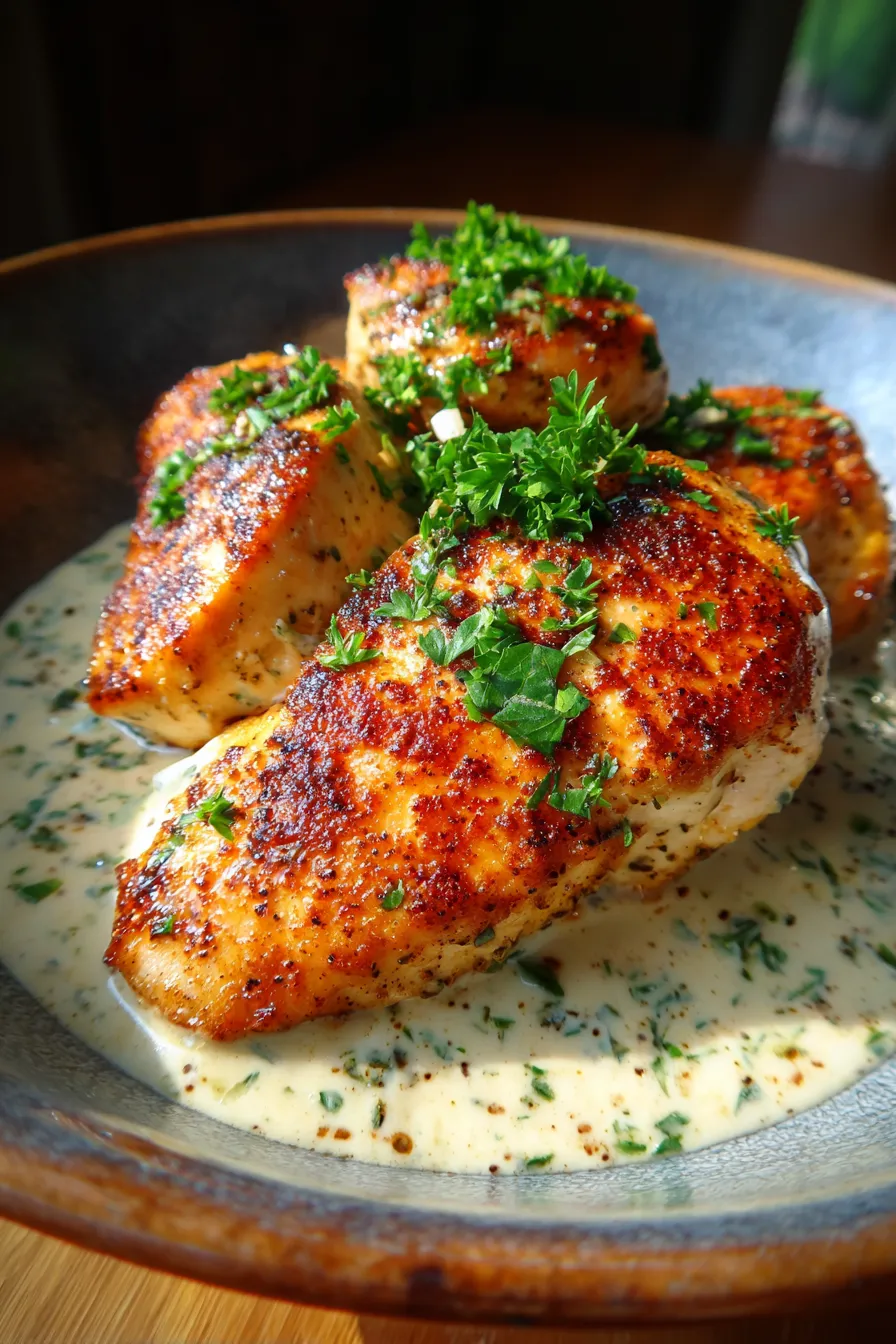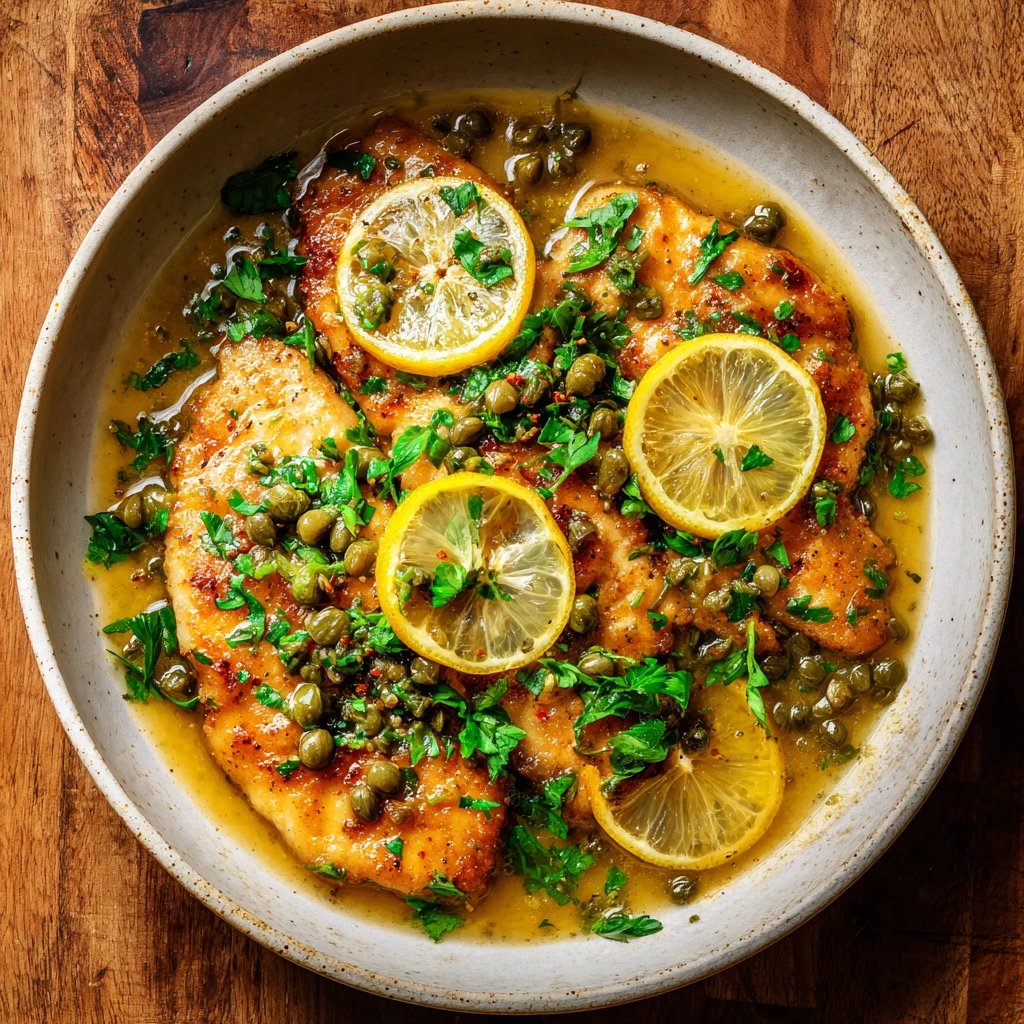
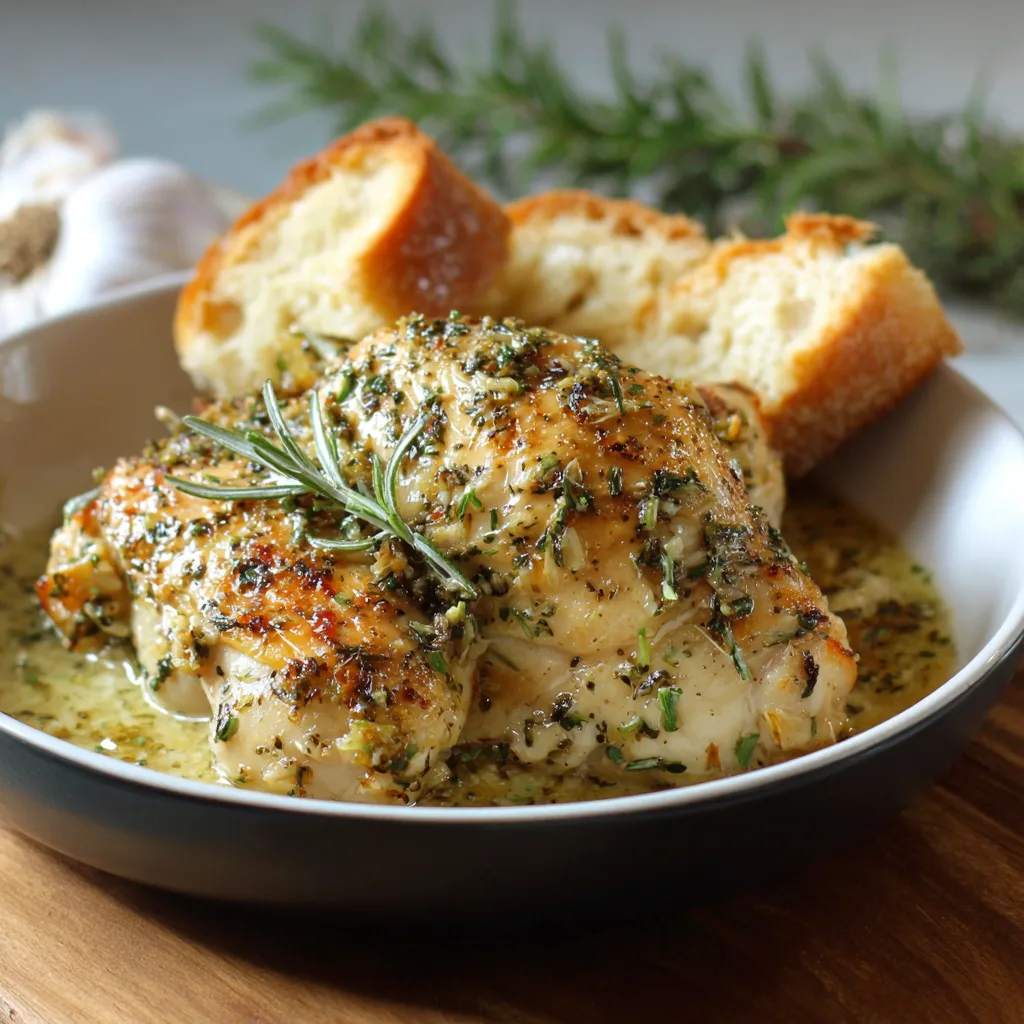
When searching for a quick, comforting, and irresistibly flavorful weeknight dinner, the Garlic Herb Chicken stands as an undeniable champion. This dish requires minimal pantry staples, clocks in at under 30 minutes, and delivers a succulent, savory experience that tastes anything but simple. Whether you opt for a juicy chicken breast or a tender thigh,…
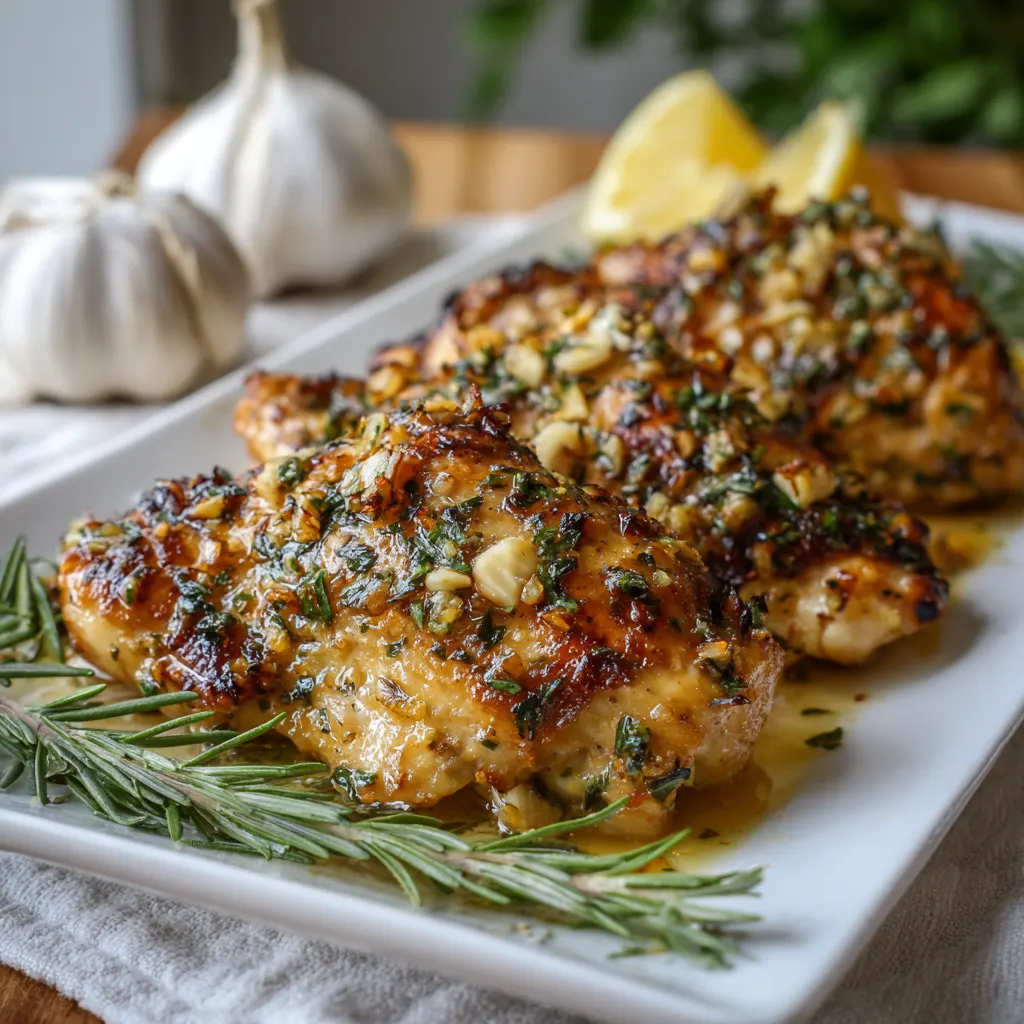
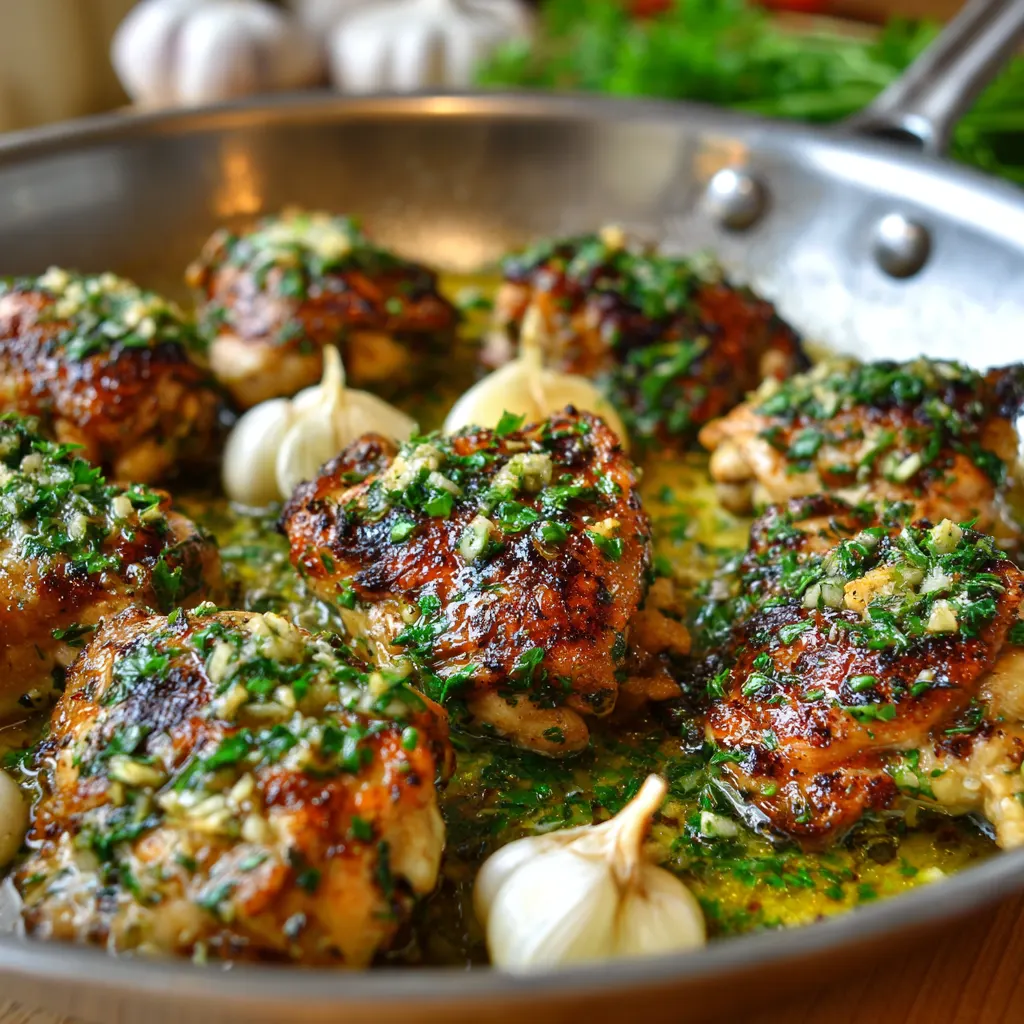
When searching for a quick, comforting, and irresistibly flavorful weeknight dinner, the Garlic Herb Chicken stands as an undeniable champion. This dish requires minimal pantry staples, clocks in at under 30 minutes, and delivers a succulent, savory experience that tastes anything but simple. Whether you opt for a juicy chicken breast or a tender thigh, coating it in a rich blend of butter, fresh garlic, and robust herbs creates a fragrant, golden crust while building a deeply flavorful pan sauce—the very essence of easy, elevated home cooking.
Ingredients
-
4 boneless, skinless chicken breasts (about 6 oz. each) or 6 boneless, skinless chicken thighs
-
1 tablespoon olive oil, divided
-
½ teaspoon salt, plus more to taste
-
¼ teaspoon freshly ground black pepper, plus more to taste
-
4 tablespoons (½ stick) unsalted butter, divided
-
5 cloves garlic, freshly minced
-
1 tablespoon fresh rosemary, finely chopped
-
1 tablespoon fresh thyme, finely chopped
-
½ cup low-sodium chicken broth, dry white wine, or water
-
1 tablespoon fresh lemon juice
-
2 tablespoons fresh parsley, chopped (for garnish and final flavor)
Step-by-Step Instructions
1. Prepare the Chicken:
If using chicken breasts, place them between two sheets of plastic wrap and use a meat mallet or rolling pin to pound them to a uniform thickness of about ¾ inch. Pat the chicken dry with paper towels—this is essential for a good sear. Season both sides generously with the ½ teaspoon of salt and ¼ teaspoon of pepper.
2. Sear the Chicken:
Heat a large 12-inch cast-iron or heavy-bottomed skillet over medium-high heat. Add 1 teaspoon of olive oil and 1 tablespoon of butter. Once the butter is melted and the oil is shimmering, add the chicken to the pan. Do not crowd the pan; work in batches if necessary. Sear the chicken for 3 to 4 minutes per side until deeply golden brown, forming a flavorful crust (called fond).
3. Rest and Prepare Aromatics:
Remove the chicken from the skillet and transfer it to a plate. Tent loosely with foil to keep warm and allow the juices to settle. Reduce the heat to medium-low. Add the remaining 3 tablespoons of butter to the skillet, scraping up any browned bits from the bottom. Once melted, add the minced garlic, rosemary, and thyme. Cook for 30 to 60 seconds until fragrant, being careful not to let the garlic burn.
4. Build the Pan Sauce:
Pour the chicken broth (or wine) into the skillet. Use a wooden spoon or spatula to vigorously scrape up all the flavorful browned bits (fond) from the bottom of the pan—this is the base of your sauce. Bring the liquid to a gentle simmer and let it reduce for 1 to 2 minutes until it slightly thickens. Stir in the fresh lemon juice.
5. Finish and Serve:
Return the seared chicken and any accumulated juices from the plate back into the skillet. Spoon the garlic-herb pan sauce generously over the chicken. Allow it to simmer gently for 1 to 2 minutes to warm the chicken through and ensure it reaches an internal temperature of 165°F (74°C). Garnish with the fresh parsley and serve immediately, spooning the remaining sauce over the top.
The Art of the Compound Butter and Herb Blend
While the steps are simple, the true magic of this dish lies in the aromatic blend. The combination of butter, garlic, and fresh herbs creates a powerful flavor profile that instantly elevates the chicken. Mastering this compound mixture is key to optimization.
Selecting the Perfect Herbs
A classic garlic-herb combination uses the “holy trinity” of savory herbs, often combined with butter:
-
Rosemary: Offers a piney, earthy aroma that holds up well to heat. Best when finely minced to prevent tough pieces.
-
Thyme: Provides a delicate, slightly minty flavor that complements chicken beautifully.
-
Parsley: Used for brightness, color, and a final, fresh lift. Always added at the very end or as a garnish.
Fresh vs. Dried: For maximum impact, fresh herbs are always preferred. They release aromatic oils that blend seamlessly with the butter and garlic. If using dried herbs, remember the golden rule: dried herbs are three times more potent than fresh. Use only one-third of the amount specified for fresh (e.g., 1 teaspoon of dried thyme instead of 1 tablespoon of fresh). Dried basil and oregano also make excellent additions, especially when combined with garlic powder in a pre-seasoning step.
Maximizing Garlic Impact
This recipe uses two forms of garlic for depth:
-
Fresh Minced Garlic: Added to the melted butter to infuse the sauce. It provides the pungent, savory, sweet notes of cooked garlic.
-
Garlic Powder (Optional Pre-Seasoning): Applying a small amount (about ½ teaspoon) to the raw chicken along with salt and pepper helps ensure the garlic flavor penetrates the meat itself, rather than just sitting on the surface.
Pro Tip: Never add fresh garlic to a screaming hot pan, as it will burn instantly and turn bitter. Always reduce the heat to medium-low or remove the pan from the heat entirely before stirring in the minced garlic.
Choose Your Cooking Adventure: Skillet, Oven, or Sheet Pan
The “Garlic Herb Chicken” is versatile and can be adapted to various techniques, making it suitable for any kitchen or timeframe. The core flavor profile remains consistent, but the texture and convenience vary greatly.
The Skillet Method (Fastest & Sauciest)
As detailed in the core recipe, the pan-seared skillet method is the fastest (20 minutes total) and results in the richest sauce.
-
Best for: Chicken breasts or sliced chicken tenders.
-
Technique Focus: The initial sear is crucial. It locks in moisture and creates the fond necessary for a flavorful sauce base. By removing the chicken, you prevent overcooking while allowing you to properly temper the garlic and deglaze the pan.
-
Optimization: Using an oven-safe skillet (like cast iron) allows you to sear on the stovetop and finish in the oven (around 375°F for 5-8 minutes) if you are working with thicker cuts like bone-in thighs, ensuring they are cooked through without drying out the surface.
The Baked Method (Hands-Off & Healthier)
For a simple, hands-off approach, baking is ideal.
-
Best for: Thicker chicken breasts or large portions.
-
Technique Focus: Creating a “butter paste” is necessary here. Combine softened butter with all the herbs, minced garlic, and seasonings (salt, pepper, garlic powder, onion powder). Pat the chicken dry and spread the compound butter evenly over the surface.
-
Execution: Bake at a high temperature (400°F or 425°F) for approximately 18 to 22 minutes, depending on thickness, until the internal temperature is 165°F. The high heat ensures the chicken cooks quickly before it has a chance to dry out.
The One-Pan Sheet Dinner (Complete Meal)
For busy cooks, transforming this into a complete meal is effortless using the sheet pan method.
-
Process: Toss chopped root vegetables (potatoes, carrots, chopped cabbage, Brussels sprouts) with olive oil, salt, pepper, and some of the herb mixture. Spread them on a baking sheet. Place the chicken (coated in the herb butter paste) in the center of the pan.
-
Timing: Root vegetables need longer to cook than chicken. Start the vegetables first at 400°F for 10-15 minutes, then add the seasoned chicken and cook for the remaining 20 minutes until the chicken is done and the vegetables are tender.
Mastering the Sauce and Deglazing Techniques
The sauce is what transforms simple seared chicken into a luxurious dinner. The technique of deglazing—using liquid to lift the caramelized solids from the pan—is the secret to capturing those deep, savory flavors.
The Role of Fond
Fond (French for “base”) refers to the brown, caramelized bits of protein and sugars that stick to the bottom of the pan after searing the chicken. These bits are pure concentrated flavor. When you deglaze, the liquid dissolves the fond, incorporating it into the sauce.
Choosing Your Deglazing Liquid
-
Chicken Broth: The most common and reliable choice. It adds mild savory depth without overpowering the herbs and garlic. Always use low-sodium broth to control the seasoning.
-
Dry White Wine (e.g., Sauvignon Blanc): Adds acidity and complexity, resulting in a more sophisticated, restaurant-quality sauce. The alcohol cooks off, leaving a beautiful flavor. If using wine, allow it to simmer for an extra minute to ensure the raw alcohol flavor dissipates.
-
Brandy: A less common but powerful choice that adds a note of warmth and subtle sweetness, often used when aiming for a rich, French-style sauce.
The Creamy Variation
For a rich, comforting meal, you can easily adapt the pan sauce into a creamy, lush coating:
-
Follow the standard searing and deglazing steps (Steps 1-4).
-
After deglazing, whisk in 1 to 2 tablespoons of all-purpose flour to the simmering liquid to create a roux base, cooking for one minute.
-
Slowly pour in ½ cup of half-and-half or heavy cream while continuously whisking to prevent lumps.
-
Stir in ¼ cup of grated Parmesan cheese until melted and smooth.
-
Return the chicken to the creamy sauce and simmer until heated through. The cheese and cream bind the garlic and herbs, creating a sauce that clings beautifully to the meat.
Perfect Pairings, Storage, and Flavor Variations
An “easy dinner” is only complete when paired thoughtfully, stored efficiently, and open to simple variations that prevent dinner fatigue.
Storage and Reheating
Garlic Herb Chicken is fantastic for meal prep, as it holds its flavor well and remains juicy (especially if using chicken thighs).
-
Refrigeration: Store leftovers in an airtight container in the refrigerator for up to 3 to 5 days.
-
Reheating: The best way to reheat is in a skillet over low heat, covered, adding a splash of chicken stock or water to prevent drying out and refresh the sauce. Alternatively, heat in a preheated oven (300°F) until warmed through. Avoid the microwave, which can make the chicken tough.
Simple Flavor Variations
For an easy twist on the classic, incorporate these ingredients into the pan sauce:
-
Spicy Kick: Add ¼ teaspoon of red pepper flakes along with the garlic in the pan.
-
Smoky Depth: Season the raw chicken with ½ teaspoon of smoked paprika before searing.
-
Umami Richness: Stir in 1 to 2 tablespoons of drained, finely chopped sun-dried tomatoes when you add the deglazing liquid. They add chewiness, color, and a concentrated savory-sweet flavor that pairs exceptionally well with the herbs and garlic.