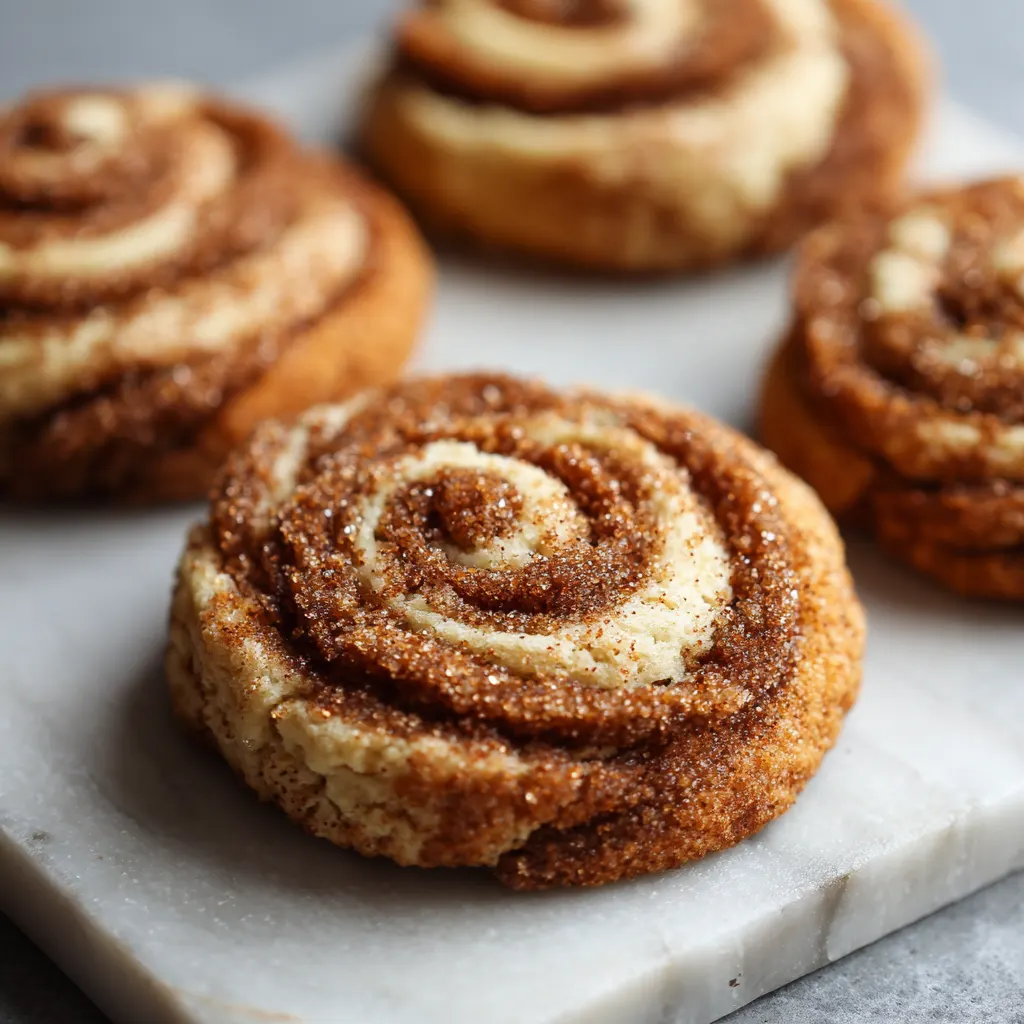
The convergence of two classic holiday treats—the soft, tangy Snickerdoodle and the warm, richly spiced Gingerbread—results in a masterpiece of texture and flavor: the Gingerbread Snickerdoodle Swirl Cookie. This recipe delivers a perfectly balanced bite, where the bright notes of cinnamon and cream of tartar intertwine with the deep, aromatic warmth of molasses, ginger, and…
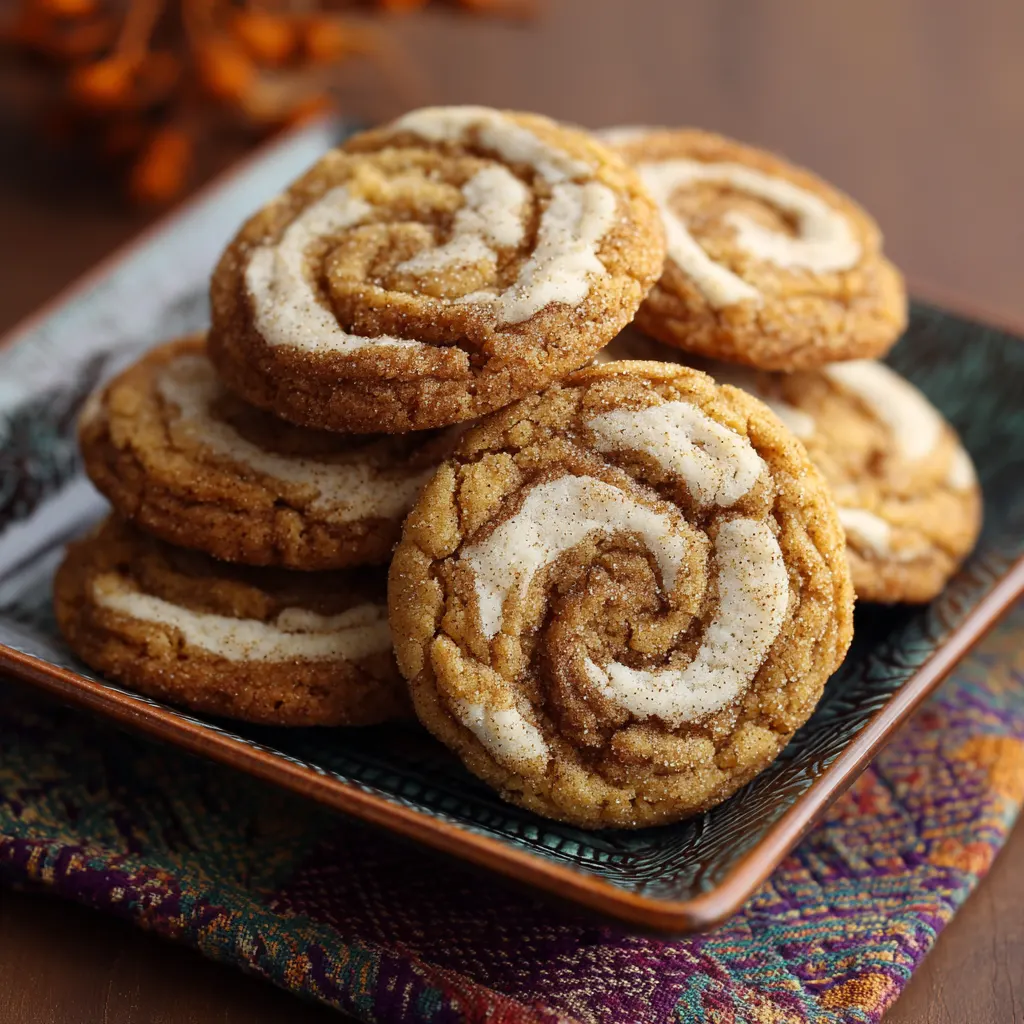
The convergence of two classic holiday treats—the soft, tangy Snickerdoodle and the warm, richly spiced Gingerbread—results in a masterpiece of texture and flavor: the Gingerbread Snickerdoodle Swirl Cookie. This recipe delivers a perfectly balanced bite, where the bright notes of cinnamon and cream of tartar intertwine with the deep, aromatic warmth of molasses, ginger, and cloves. The stunning marbled appearance, achieved by twisting two distinct doughs, makes this cookie a beautiful and irresistible addition to any festive occasion, proving that sometimes, the best desserts are those that dare to combine beloved traditions.
Ingredients
For the Snickerdoodle Dough (Vanilla/Cinnamon Base)
-
1 cup (2 sticks) unsalted butter, softened
-
1 cup granulated sugar
-
1 large egg, room temperature
-
1 teaspoon vanilla extract
-
2 cups all-purpose flour, spooned and leveled
-
2 teaspoons cream of tartar
-
1 teaspoon baking soda
-
½ teaspoon kosher salt
For the Gingerbread Dough (Molasses/Spice Base)
-
1 cup (2 sticks) unsalted butter, softened
-
¾ cup packed light brown sugar
-
¼ cup granulated sugar
-
1 large egg, room temperature
-
¼ cup unsulphured molasses (not blackstrap)
-
1 teaspoon vanilla extract
-
2 ¼ cups all-purpose flour, spooned and leveled
-
2 teaspoons ground ginger
-
1 ½ teaspoons ground cinnamon
-
½ teaspoon ground cloves
-
1 teaspoon baking soda
-
½ teaspoon kosher salt
For the Spiced Sugar Coating
-
½ cup granulated sugar
-
2 tablespoons ground cinnamon
-
1 teaspoon ground ginger
Step-by-Step Instructions
1. Prepare the Spiced Sugar Coating In a small, shallow bowl, whisk together the coating ingredients (½ cup granulated sugar, 2 tablespoons cinnamon, 1 teaspoon ginger). Set aside.
2. Make the Snickerdoodle Dough In a stand mixer fitted with the paddle attachment, cream the 1 cup butter and 1 cup granulated sugar on medium speed until light and fluffy (3-4 minutes). Beat in the 1 egg and 1 teaspoon vanilla until just combined, scraping down the bowl as needed. In a separate bowl, whisk together the 2 cups flour, cream of tartar, 1 teaspoon baking soda, and ½ teaspoon salt. Gradually add the dry ingredients to the wet ingredients, mixing on low speed until the dough is just combined and soft. Do not overmix. Transfer the dough to a separate bowl, cover, and set aside.
3. Make the Gingerbread Dough Using the same mixer bowl (no need to clean), cream the 1 cup butter, brown sugar, and ¼ cup granulated sugar on medium speed until light and fluffy (3-4 minutes). Beat in the 1 egg, molasses, and 1 teaspoon vanilla until well combined, about 1 minute. In a separate bowl, whisk together the 2 ¼ cups flour, 2 teaspoons ginger, 1 ½ teaspoons cinnamon, ½ teaspoon cloves, 1 teaspoon baking soda, and ½ teaspoon salt. Gradually add the dry ingredients to the wet, mixing on low speed until the dough is just combined.
4. Chill the Dough Cover both the Snickerdoodle dough and the Gingerbread dough bowls tightly with plastic wrap. Chill them in the refrigerator for a minimum of 30 minutes, and ideally for 1 hour. Chilling is essential for firming the dough and achieving distinct swirls.
5. Preheat and Prepare Preheat your oven to 375°F (190°C). Line two large baking sheets with parchment paper or silicone baking mats.
6. Create the Swirls Remove the chilled doughs. For each cookie, scoop out a rounded tablespoon of the Snickerdoodle dough and a rounded tablespoon of the Gingerbread dough.
-
Rope Method (For best swirl definition): Gently roll each tablespoon of dough into a separate rope, about 3-4 inches long. Lay the two ropes side-by-side, then gently twist them together two or three times. Roll the twisted ropes lightly between your palms to form a cohesive, smooth ball, being careful not to over-blend the colors.
-
Squish Method (For marbled look): Simply press the two dough portions together, then roll into a ball.
7. Coat and Bake Roll each dough ball completely in the prepared Spiced Sugar Coating. Place the coated balls two inches apart on the prepared baking sheets. Bake for 10–12 minutes, or until the edges are set and lightly golden, but the centers still look slightly soft.
8. Cool and Finish Remove the baking sheets from the oven. Allow the cookies to cool on the sheet for 5 minutes (they will continue to set). Transfer the cookies to a wire rack to cool completely.
Mastering the Marbling Technique
The hallmark of the Gingerbread Snickerdoodle Swirl Cookie lies in its striking visual appeal. Achieving the perfect marble—a clean, distinct separation of the light snickerdoodle and the dark gingerbread doughs—requires precision in the final shaping steps. This goes beyond the basics of creaming and mixing; it is a careful culinary artistry that ensures every cookie is as beautiful as it is delicious.
The crucial first step is proper chilling. Regardless of your chosen shaping method, both doughs must be firm and cold. If the dough is too warm, the contrasting colors will quickly blend into a muddy tan or brown mess. Chilling for at least an hour allows the fats to solidify, providing a structure that resists immediate mixing.
When it comes to forming the swirl, the Rope and Twist Method offers the best results. By forming two separate ropes, you introduce defined striations that carry through the cookie as it bakes and spreads. Twist the ropes only lightly—two to three gentle rotations are usually sufficient. When rolling the twisted dough into a ball, use minimal pressure and friction. The goal is to bring the pieces together into a sphere, not to homogenize the mixture. If the surface is too smooth, the final baked cookie will lack the signature crackle and dynamic swirl patterns that catch the eye. A slight irregularity on the surface often translates into a more dramatic crackled finish once baked.
The Essential Science of Flavor and Texture
The magic of this cookie lies in the synergistic relationship between the Snickerdoodle and Gingerbread components. This is more than just combining ingredients; it is a careful interplay of acids, sugars, and spices that determines the final texture and robust flavor profile.
The Snickerdoodle’s Signature Tang
The classic Snickerdoodle texture—soft, chewy, and slightly crinkled—is achieved through the use of cream of tartar. This acidic powder, a byproduct of winemaking, is critical in three ways:
-
Leavening: When combined with baking soda, it acts as a powerful, fast-acting leavening agent, causing the dough to rise quickly and then fall, creating the characteristic crackled surface.
-
Texture: The acidity inhibits the crystallization of sugar, resulting in a tender, chewy crumb rather than a crisp or crumbly one.
-
Flavor: It imparts the distinctive, slightly tart flavor that separates a snickerdoodle from a simple sugar cookie.
The Gingerbread’s Depth and Warmth
The Gingerbread portion introduces complexity through its careful selection of spices and the addition of molasses. Molasses is the key flavor driver, offering a deep, earthy, bittersweet note that permeates the dough. It also contributes significantly to the cookie’s texture and color:
-
Moisture: Molasses is an inverted sugar, meaning it attracts and retains moisture, resulting in a cookie that stays soft and chewy for days.
-
Color: The dark pigment provides the striking color contrast necessary for the “swirl” effect.
The spice blend, typically featuring ginger, cinnamon, cloves, and sometimes nutmeg, is often more potent than a standard ginger cookie. The high concentration is necessary to ensure the warm flavors can compete with the brightness of the snickerdoodle’s cream of tartar. Using fresh, high-quality spices is paramount, as their volatile oils degrade over time, diminishing the aromatic “snap” expected from a truly great gingerbread.
Expert Tips for a Perfect Batch
Success in cookie baking often hinges on small, critical details. Following these expert tips will ensure your Gingerbread Snickerdoodle Swirl Cookies achieve optimal flavor, texture, and appearance.
1. Temperature is Key
Ensure all primary ingredients, specifically the butter and eggs, are at room temperature. Softened butter creams easily with sugar, incorporating air that is vital for lift and a tender crumb. Cold ingredients do not emulsify properly, leading to a denser, greasier cookie.
2. The Art of Accurate Measurement
For consistent results, especially with a recipe that involves two doughs, measuring flour accurately is non-negotiable. Use the spoon and level method: lightly spoon the flour into the measuring cup until overflowing, then use a straight edge (like a knife handle) to scrape the excess off the top. Scooping flour directly from the bag compacts it, resulting in 20-30% more flour than required, which yields a dry, tough cookie that won’t spread correctly.
3. The Chilling Commitment
While 30 minutes is the minimum chilling time, an hour, or even overnight, is preferable. Dough that is chilled not only preserves the swirl definition but also allows the flour to fully hydrate and the spices to bloom. This results in superior texture and richer flavor. For longer chilling, bring the dough out of the refrigerator 10-15 minutes before shaping to allow it to become slightly pliable.
4. Do Not Overbake
These cookies are meant to be pillowy and chewy. Overbaking is the single greatest cause of dry, hard cookies. When you remove the trays from the oven, the cookies should look lightly set around the edges but still appear soft and slightly underdone in the center. They will continue to bake and firm up on the hot pan during the crucial 5-minute resting period. Trust this step—it is the secret to a soft center that lasts.
Creative Variations and Optimal Storage
While the traditional swirl cookie is a perfect standalone treat, it also serves as an excellent canvas for simple creative variations. Proper storage techniques, meanwhile, ensure that these festive cookies maintain their fresh-baked quality long after the last cooling rack has been emptied.
Enhancing the Presentation and Flavor
-
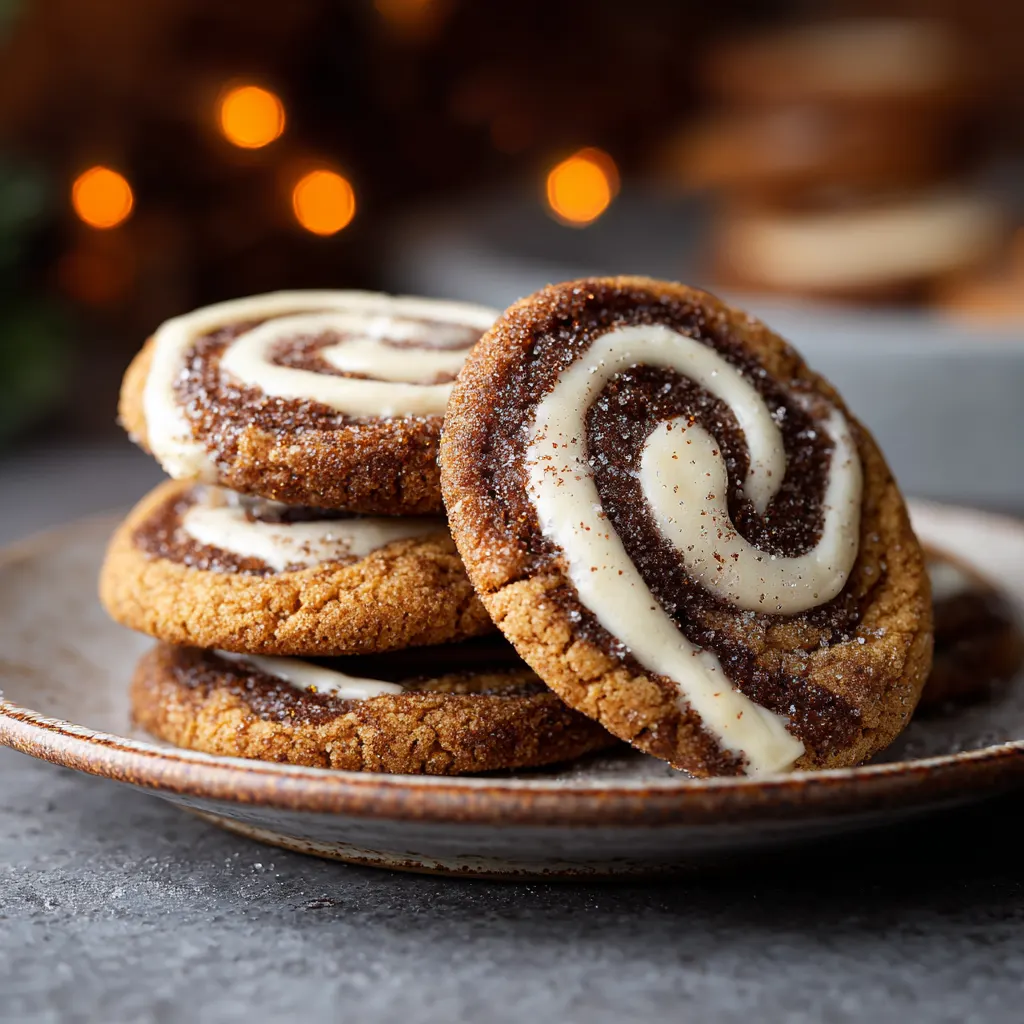
White Chocolate Drizzle: Once the cookies are completely cooled, melt white chocolate or high-quality white melting wafers. Drizzle the melted chocolate across the swirls for an added layer of sweetness and a beautiful, snowy aesthetic that perfectly complements the rich spices.
-
Spice Intensity: For those who prefer an extra kick, add one teaspoon of freshly grated ginger to the Gingerbread dough alongside the molasses and vanilla. This provides a clean, bright burst of heat that intensifies the holiday flavor.
-
Brown Butter Base: Elevate the flavor profile by using brown butter in place of softened butter. Brown the butter (browning 1 cup of butter will yield slightly less than 1 cup) and allow it to cool and solidify slightly before creaming it with the sugars. This nutty, complex base adds a sophisticated depth to both doughs.
Storage and Longevity
The high moisture content provided by the molasses helps these cookies maintain their softness for an extended period.
-
Baked Cookies: Store baked and completely cooled cookies in an airtight container at room temperature for up to one week. To preserve maximum softness, place half a slice of bread (like sandwich bread) inside the container; the bread’s moisture will be absorbed by the air, keeping the cookies fresh.
-
Freezing Dough: The prepared, unbaked dough is excellent for freezing. Scoop the dough into balls, roll them in the spiced sugar coating, and flash-freeze them on a baking sheet until solid. Transfer the frozen dough balls to a zip-top freezer bag or container. They can be stored for up to three months. When ready to bake, place the frozen balls on a prepared baking sheet and add 2–4 minutes to the original bake time.
-
Freezing Baked Cookies: Baked and cooled cookies can also be frozen for up to three months. Layer them between pieces of parchment or wax paper in an airtight container. Thaw them overnight at room temperature before serving.
Whether stacked on a holiday platter or enjoyed with a mug of hot cocoa, these Gingerbread Snickerdoodle Swirl Cookies are a triumph of fusion baking, offering a memorable combination of flavors and textures that defines seasonal comfort.