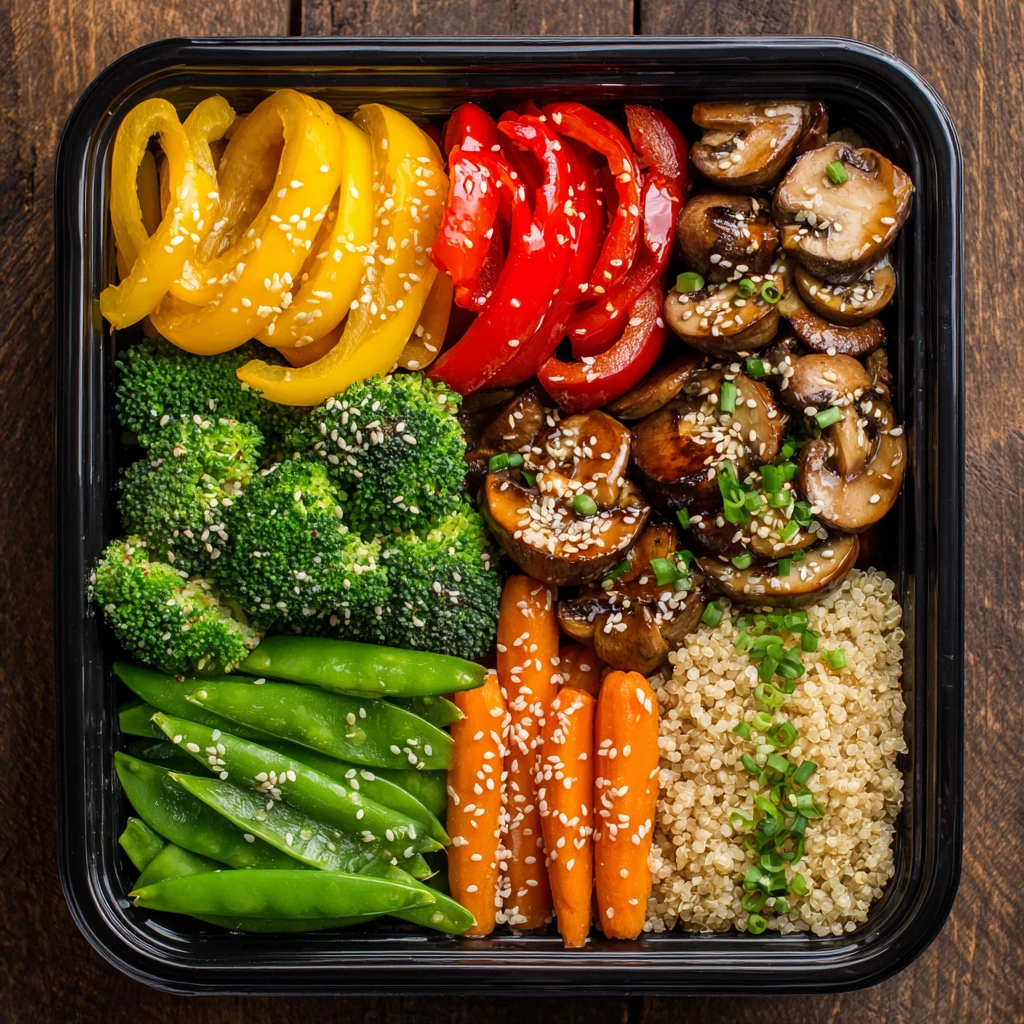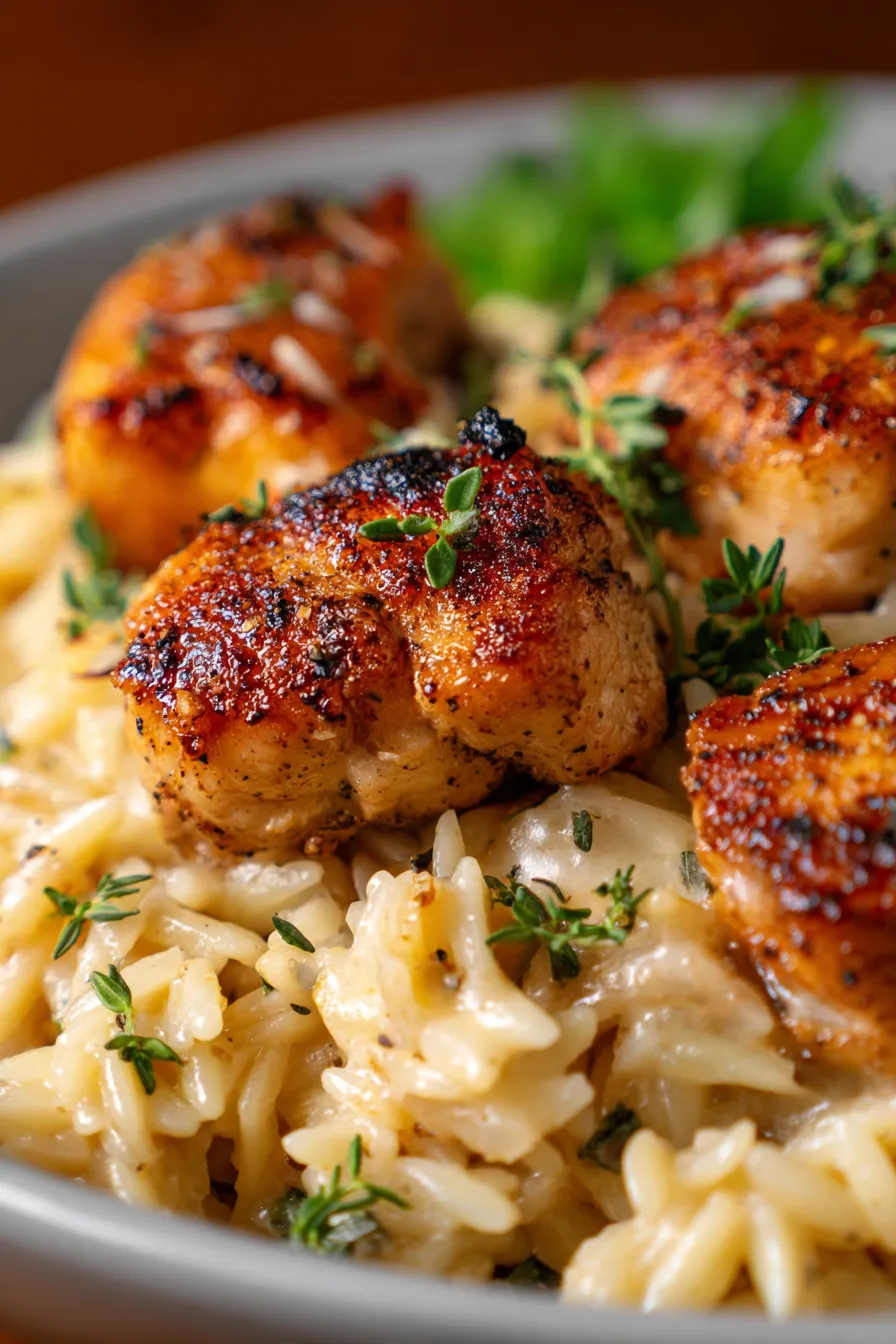
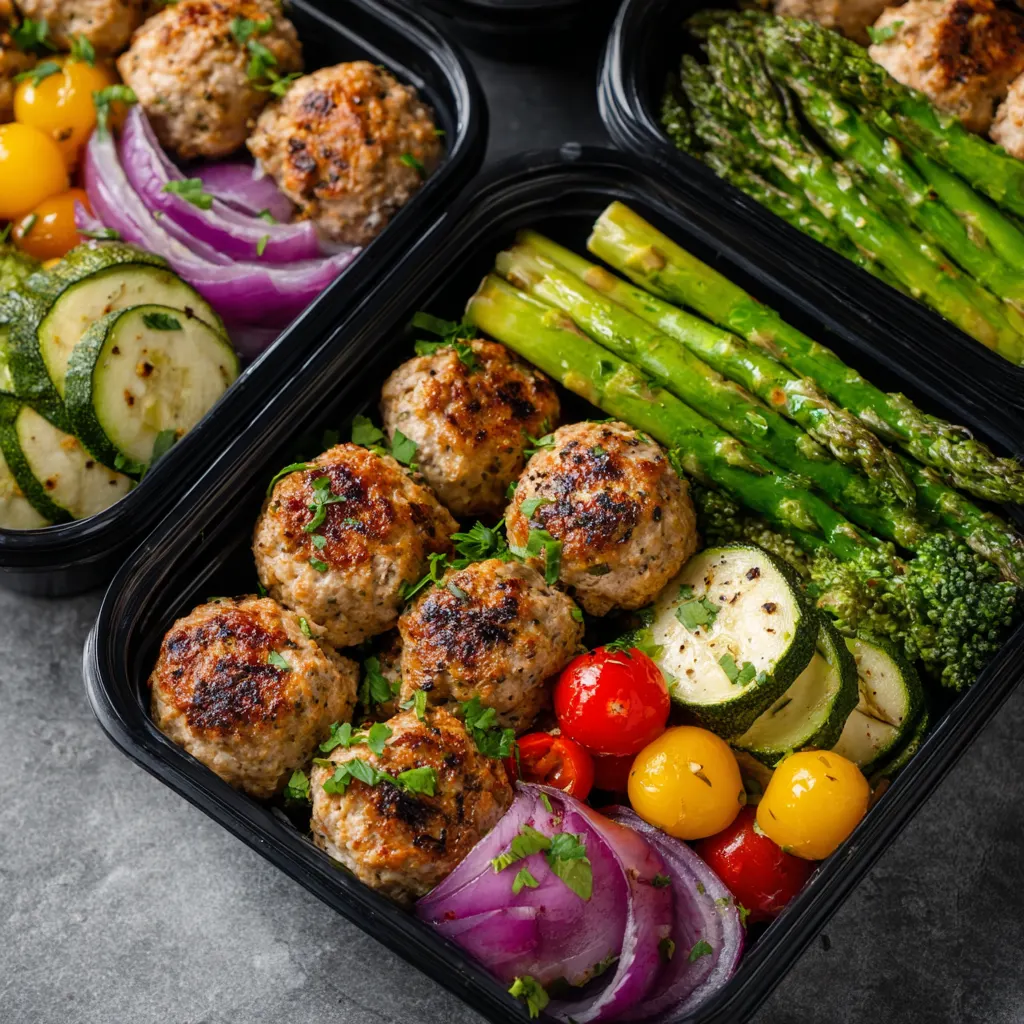
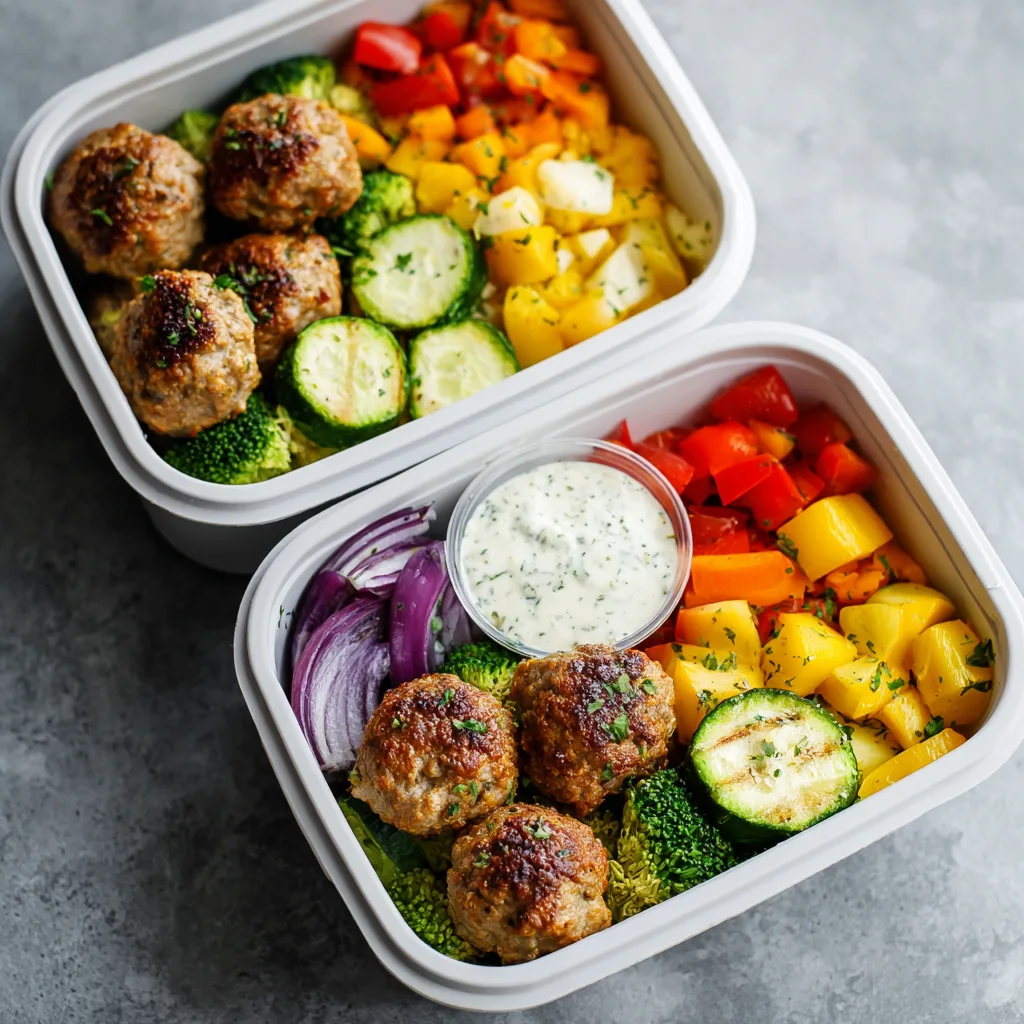
The Ultimate Healthy Turkey Meatball Meal Prep Bowls Meal prepping is the secret weapon for anyone looking to maintain a healthy lifestyle without sacrificing flavor or spending hours in the kitchen every single night. These Healthy Turkey Meatball Meal Prep Bowls are the perfect solution: they are packed with lean protein, fiber-rich complex carbohydrates, and…
The Ultimate Healthy Turkey Meatball Meal Prep Bowls
Meal prepping is the secret weapon for anyone looking to maintain a healthy lifestyle without sacrificing flavor or spending hours in the kitchen every single night. These Healthy Turkey Meatball Meal Prep Bowls are the perfect solution: they are packed with lean protein, fiber-rich complex carbohydrates, and vibrant roasted vegetables. Unlike beef-based recipes, ground turkey provides a lighter profile that pairs beautifully with a variety of seasonings, making these bowls a versatile staple for your weekly rotation. By spending just 45 minutes on Sunday, you can ensure that your lunches for the week are nutrient-dense, satisfying, and ready to grab and go.
Ingredients
For the Turkey Meatballs:
-
1 lb lean ground turkey (93% lean is recommended for the best texture)
-
1/2 cup panko breadcrumbs (or almond meal for a gluten-free option)
-
1 large egg, lightly beaten
-
2 cloves garlic, minced
-
1/4 cup fresh parsley, finely chopped
-
1 tsp dried oregano
-
1/2 tsp onion powder
-
1/2 tsp sea salt and 1/4 tsp black pepper
-
1 tbsp olive oil (for browning)
For the Roasted Vegetables:
-
2 cups broccoli florets
-
1 large bell pepper (any color), sliced into strips
-
1 medium zucchini, halved and sliced
-
2 tbsp olive oil
-
1 tsp Italian seasoning
For the Base and Garnish:
-
2 cups cooked quinoa or brown rice
-
Fresh lemon wedges
-
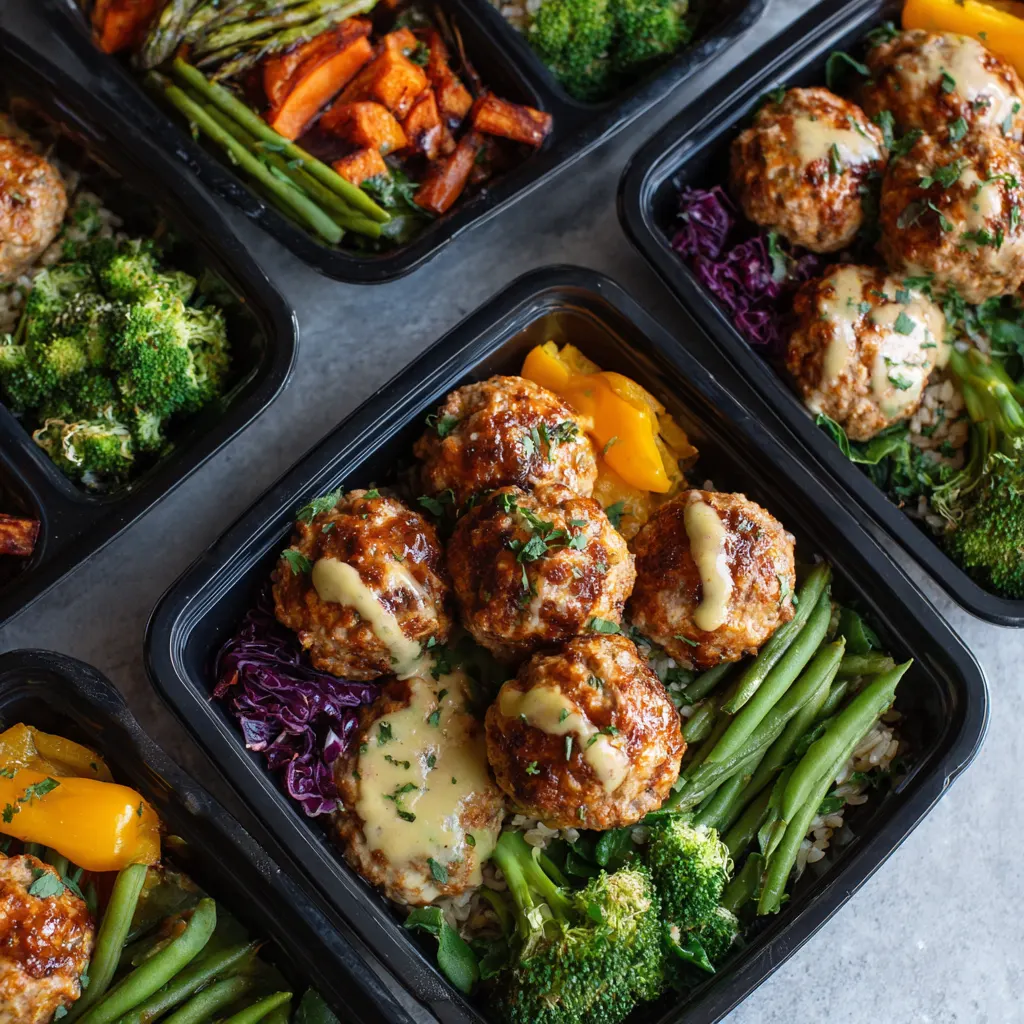
Optional: A dollop of Greek yogurt or hummus for creaminess
Step-by-Step Instructions
-
Prep the Oven and Veggies: Preheat your oven to 400°F (200°C). On a large sheet pan, toss the broccoli, bell peppers, and zucchini with olive oil, Italian seasoning, salt, and pepper. Spread them in a single layer, leaving space for the meatballs if using a large enough pan.
-
Mix the Meatballs: In a large mixing bowl, combine the ground turkey, breadcrumbs, egg, garlic, parsley, oregano, onion powder, salt, and pepper. Mix with your hands until just combined—be careful not to overwork the meat, or the meatballs will become tough.
-
Form and Sear: Roll the mixture into approximately 12–15 golf-ball-sized rounds. For extra flavor, heat 1 tablespoon of olive oil in a skillet over medium-high heat and sear the meatballs for 2 minutes per side until golden brown. (Alternatively, you can skip the sear and place them directly on the baking sheet).
-
Bake: Place the meatballs on the baking sheet with the vegetables (or on a separate parchment-lined tray). Bake for 15–18 minutes, or until the internal temperature of the meatballs reaches 165°F and the vegetables are tender-crisp.
-
Assemble: Divide the cooked quinoa or rice among four meal prep containers. Top each with 3–4 meatballs and a generous portion of roasted vegetables. Add a lemon wedge to each container to squeeze over the dish just before eating.
Maximizing Flavor and Nutrition
The key to a successful meal prep bowl lies in the balance of macro-nutrients and the depth of seasoning. Ground turkey is notoriously lean, which means it can occasionally lean toward being dry if overcooked. To prevent this, consider adding finely grated zucchini or a splash of Worcestershire sauce to the meat mixture; this adds moisture and “umami” without significantly altering the calorie count. Furthermore, using fresh herbs like parsley or cilantro rather than just dried versions provides a bright, “fresh-cooked” taste even on day four of your meal plan.
From a nutritional standpoint, these bowls are a powerhouse. By opting for turkey over red meat, you reduce saturated fat intake while maintaining a high protein count essential for muscle recovery and satiety. Choosing a base like quinoa provides all nine essential amino acids, making it a complete protein source, while the variety of colors in the roasted vegetables ensures a broad spectrum of antioxidants and vitamins. To keep the glycemic index low, ensure your grains are whole and your vegetables are not overcooked to the point of losing their structural integrity.
Storage and Reheating Best Practices
Proper storage is what separates a soggy meal prep from a delicious one. Once your meatballs and vegetables have finished cooking, allow them to cool to room temperature before sealing the lids on your containers. Sealing hot food creates steam, which leads to condensation and eventually mushy vegetables. Use airtight glass containers if possible; glass is not only BPA-free but also holds up better during reheating and doesn’t retain odors or stains from sauces.
When you are ready to eat, reheating should be done with care. To keep the turkey meatballs juicy, sprinkle a teaspoon of water over the bowl before microwaving it for 90 seconds to two minutes. This creates a mini-steam environment that rehydrates the grains and the meat. If you prefer a more “fresh” texture, you can also reheat the meatballs and veggies in a toaster oven or air fryer for a few minutes while keeping the grains and any cold garnishes (like hummus or fresh greens) separate.
Customization and Sauce Variations
One of the greatest strengths of the turkey meatball bowl is its adaptability. You can easily pivot the flavor profile to prevent “meal prep fatigue.” For a Mediterranean twist, serve the meatballs with a side of cucumber-tomato salad, feta cheese, and a dollop of tzatziki. If you prefer Asian-inspired flavors, swap the Italian seasoning for ginger and soy sauce in the meatballs, and serve them over jasmine rice with steamed bok choy and a drizzle of sriracha-mayo.
Don’t underestimate the power of a good sauce. While the lemon wedge provides a hit of acidity that wakes up the flavors, a homemade vinaigrette or a light tahini dressing can transform the dish. If you are watching your calorie intake, look toward salsa, hot sauce, or a squeeze of lime to add punch without the fats. By rotating your spices and sauces, this single base recipe can provide dozens of different culinary experiences throughout the month, making it easier than ever to stick to your health goals.