The Ultimate Honey Brown Sugar Ham Glaze: A Recipe for the Perfect Holiday Centerpiece Whether it is for a formal Christmas dinner, a casual Easter brunch, or a Sunday family gathering, a baked ham is the undisputed king of the table. However, a ham is only as good as its glaze. While many store-bought hams…
The Ultimate Honey Brown Sugar Ham Glaze: A Recipe for the Perfect Holiday Centerpiece
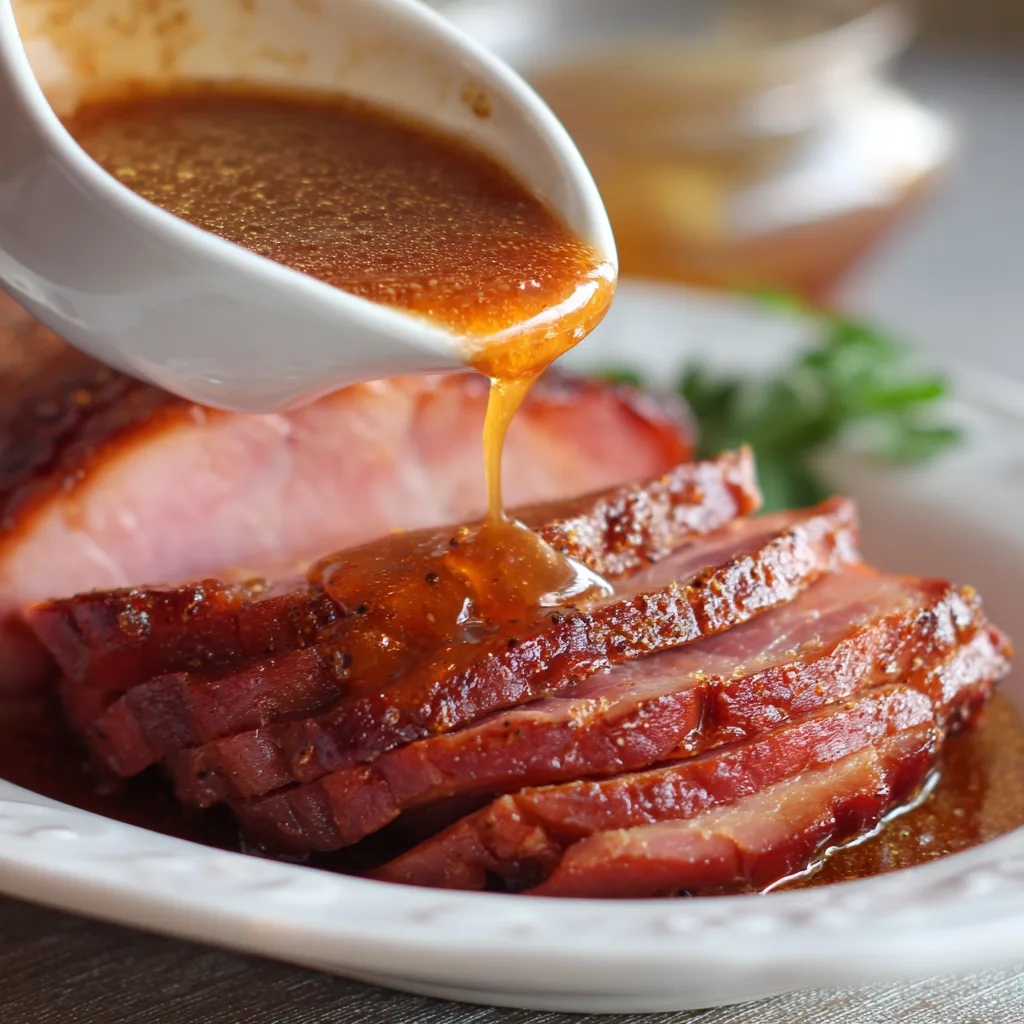
Whether it is for a formal Christmas dinner, a casual Easter brunch, or a Sunday family gathering, a baked ham is the undisputed king of the table. However, a ham is only as good as its glaze. While many store-bought hams come with a pre-packaged seasoning packet, they often lack the depth, tackiness, and caramelized finish that makes a meal truly memorable. The combination of honey and brown sugar creates a classic profile that balances the natural saltiness of the pork with a rich, amber sweetness.
The Ingredients for the Perfect Glaze
To achieve a professional-grade crust and a succulent interior, you need a balance of sugars, acids, and aromatics. This recipe focuses on high-quality staples that create a thick, pourable sauce that won’t simply slide off the meat.
-
1 cup Brown Sugar: Packed firmly. Use dark brown sugar if you prefer a deeper, molasses-like undertone.
-
½ cup Honey: Provides the distinct floral sweetness and the “sticky” factor.
-
¼ cup Pineapple Juice or Apple Cider Vinegar: The acidity cuts through the fat and balances the sugar.
-
2 tablespoons Dijon Mustard: Adds a sophisticated tang and acts as an emulsifier for the sauce.
-
½ teaspoon Ground Cinnamon: Adds warmth.
-
¼ teaspoon Ground Cloves: The quintessential holiday spice that pairs perfectly with pork.
-
1 tablespoon Unsalted Butter: Stirred in at the end for a glossy, photo-ready finish.
Step-by-Step Preparation and Application
-
Prep the Ham: Take your fully cooked (usually smoked or spiral-cut) ham out of the refrigerator about 30 minutes before baking to take the chill off. Preheat your oven to 325°F (165°C). Place the ham in a roasting pan with a small amount of water or fruit juice in the bottom to prevent drying. Cover tightly with foil.
-
Simmer the Sauce: While the ham begins its initial heating phase, combine the brown sugar, honey, pineapple juice (or vinegar), Dijon mustard, cinnamon, and cloves in a small saucepan over medium heat. Stir constantly until the sugar has completely dissolved and the mixture begins to bubble slightly. Reduce the heat and simmer for 3–5 minutes until it thickens into a syrup. Whisk in the butter at the very end.
-
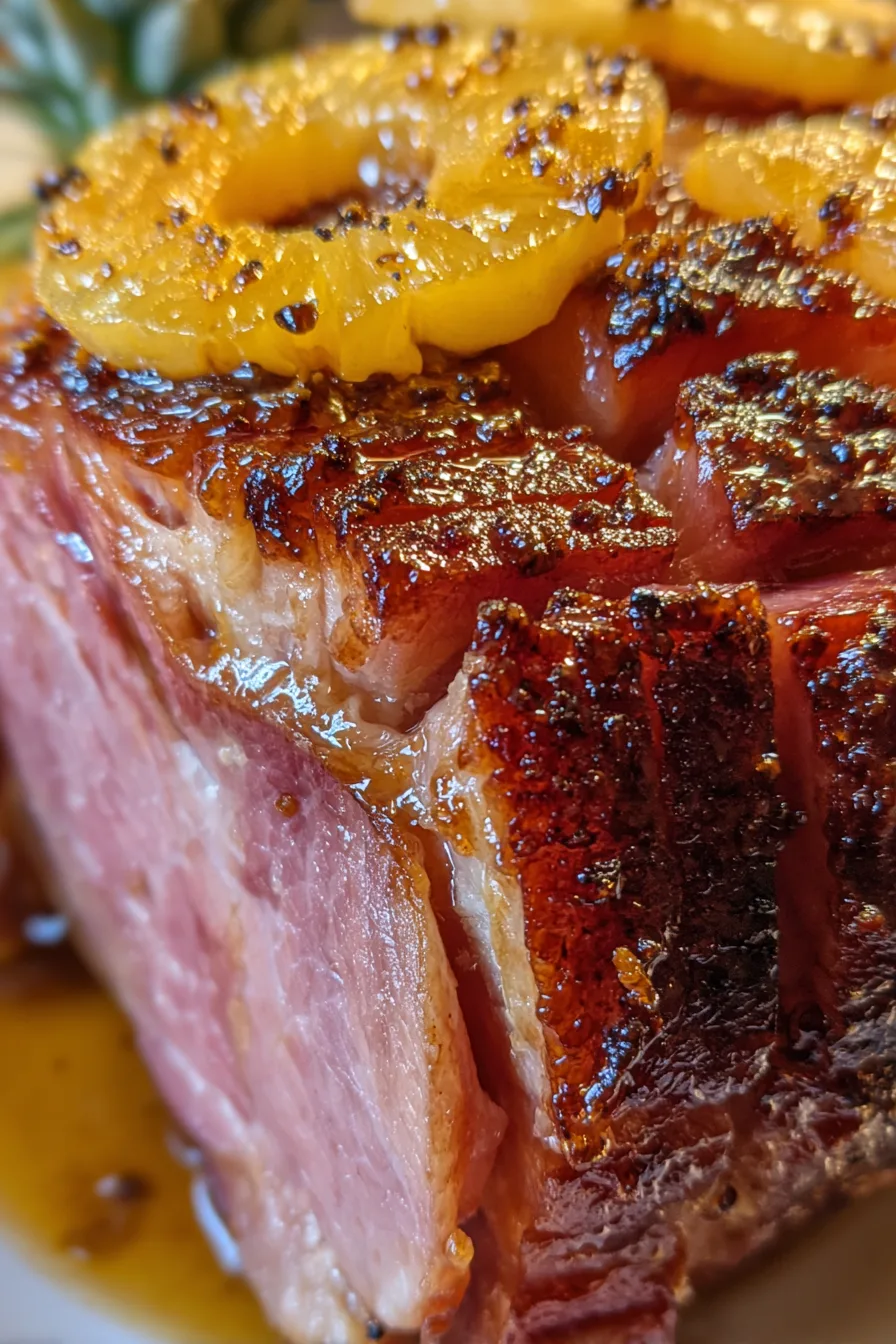
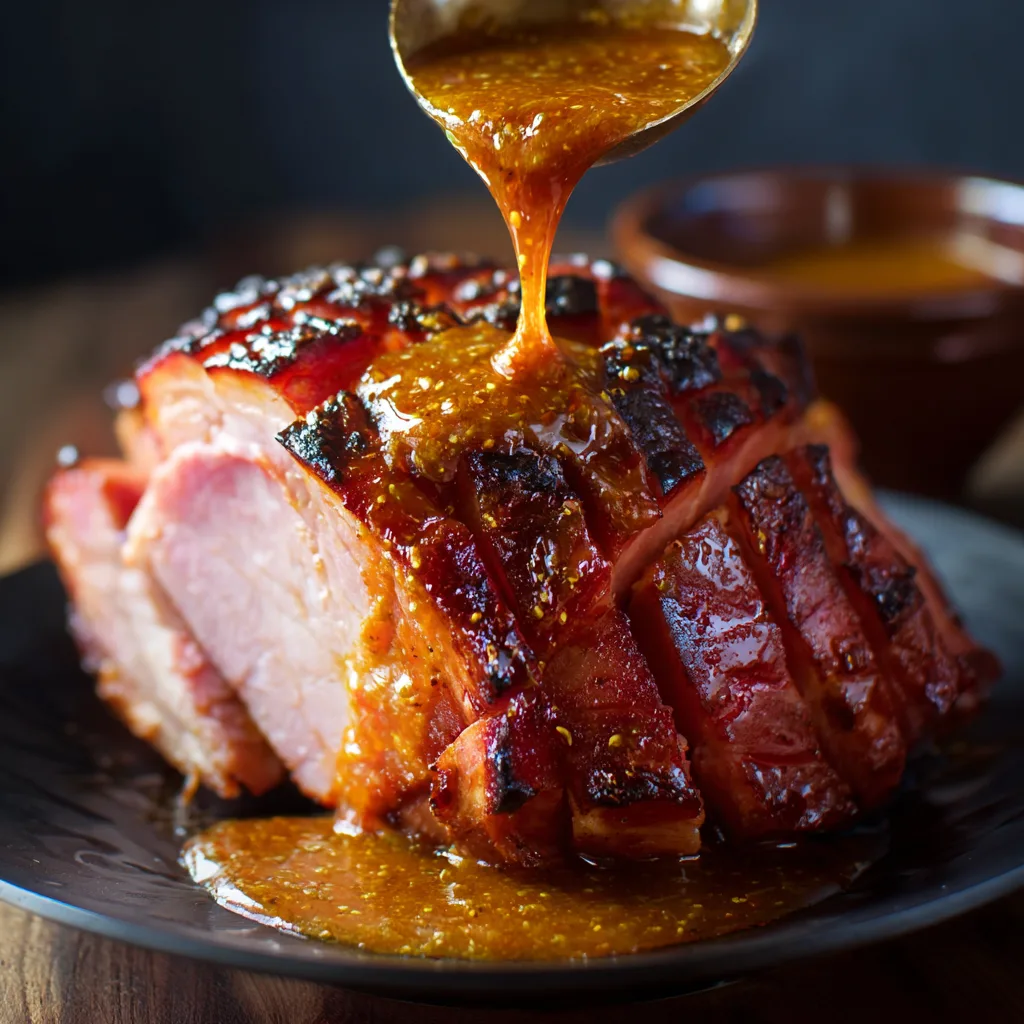
The First Baste: About 30 minutes before the ham is finished heating (refer to the weight-based timing on your ham’s packaging), remove it from the oven and increase the oven temperature to 400°F (200°C). Carefully remove the foil. Generously brush about half of the honey brown sugar sauce over the entire surface, ensuring it gets into the crevices of the spiral slices.
-
The Caramelization Phase: Return the ham to the oven uncovered. Baste again every 10 minutes with the remaining sauce. Watch closely during these final 20–30 minutes; the high sugar content means the glaze can move from caramelized to burnt very quickly.
-
The Rest: Once the glaze is bubbly, dark amber, and slightly tacky to the touch, remove the ham from the oven. Tent it loosely with foil and let it rest for at least 15 minutes. This allows the juices to redistribute and the glaze to set firmly onto the crust.
Secrets to a Superior Glazed Crust
The difference between a “good” ham and a “great” ham lies in the texture of the exterior. To achieve that coveted crackling, sugary crust, you must master the temperature shift. Starting the ham at a lower temperature ensures the internal meat remains juicy and tender. However, the glaze requires a blast of higher heat—typically between 375°F and 400°F—to undergo the Maillard reaction. This chemical process transforms the simple sugars into a complex, toasted coating.
If you find your glaze is too thin, don’t be afraid to let the sauce simmer on the stove for a few extra minutes before applying. A thicker sauce adheres better to the meat. For those who enjoy a bit of texture, you can also “stud” the ham with whole cloves in a diamond pattern before baking, which adds both visual appeal and a deep, aromatic infusion.
Choosing and Preparing the Right Cut
Not all hams are created equal, and your choice of meat will dictate how you handle the sauce. A Spiral-Cut Ham is the most popular choice for convenience, as it is pre-sliced to the bone. When using a spiral-cut, be extra careful not to overcook it, as the slices can dry out easily. Use the glaze to “seal” the slices together during the final basting stages.
If you opt for a Whole or Half Bone-In Ham (not pre-sliced), you have the advantage of moisture retention. For these cuts, use a sharp knife to score the fat in a crosshatch pattern about 1/4 inch deep. This creates “channels” for the honey brown sugar sauce to seep into the meat rather than just sitting on the surface. Regardless of the cut, always look for “city hams” (wet-cured) for this recipe, as “country hams” (dry-cured) are often too salty for a heavy sugar glaze.
Serving Suggestions and Leftover Inspiration
Once your masterpiece is out of the oven, presentation is key. Garnish the platter with fresh rosemary sprigs, sliced oranges, or caramelized pineapple rings to complement the flavors in the glaze. The sweetness of the honey and brown sugar pairs exceptionally well with savory sides like garlic mashed potatoes, roasted Brussels sprouts with balsamic glaze, or a sharp white cheddar macaroni and cheese.
The beauty of a honey brown sugar ham is that it keeps giving long after the main event. Leftover slices are perfect for gourmet sandwiches paired with brie and honey mustard. You can also dice the glazed ends to add a sweet-and-salty kick to breakfast hashes or split pea soup. Because the glaze acts as a preservative of sorts, the meat stays flavorful and moist for several days when stored properly in the refrigerator, making your holiday prep well worth the effort.