
The Ultimate Recipe for Baked Honey Mustard Chicken Baked Honey Mustard Chicken is the quintessential easy weeknight meal, blending the sweet depth of honey with the sharp tang of mustard to create a caramelized, irresistible glaze. This classic combination delivers a dish that is both sophisticated enough for guests and simple enough for quick preparation,…
The Ultimate Recipe for Baked Honey Mustard Chicken
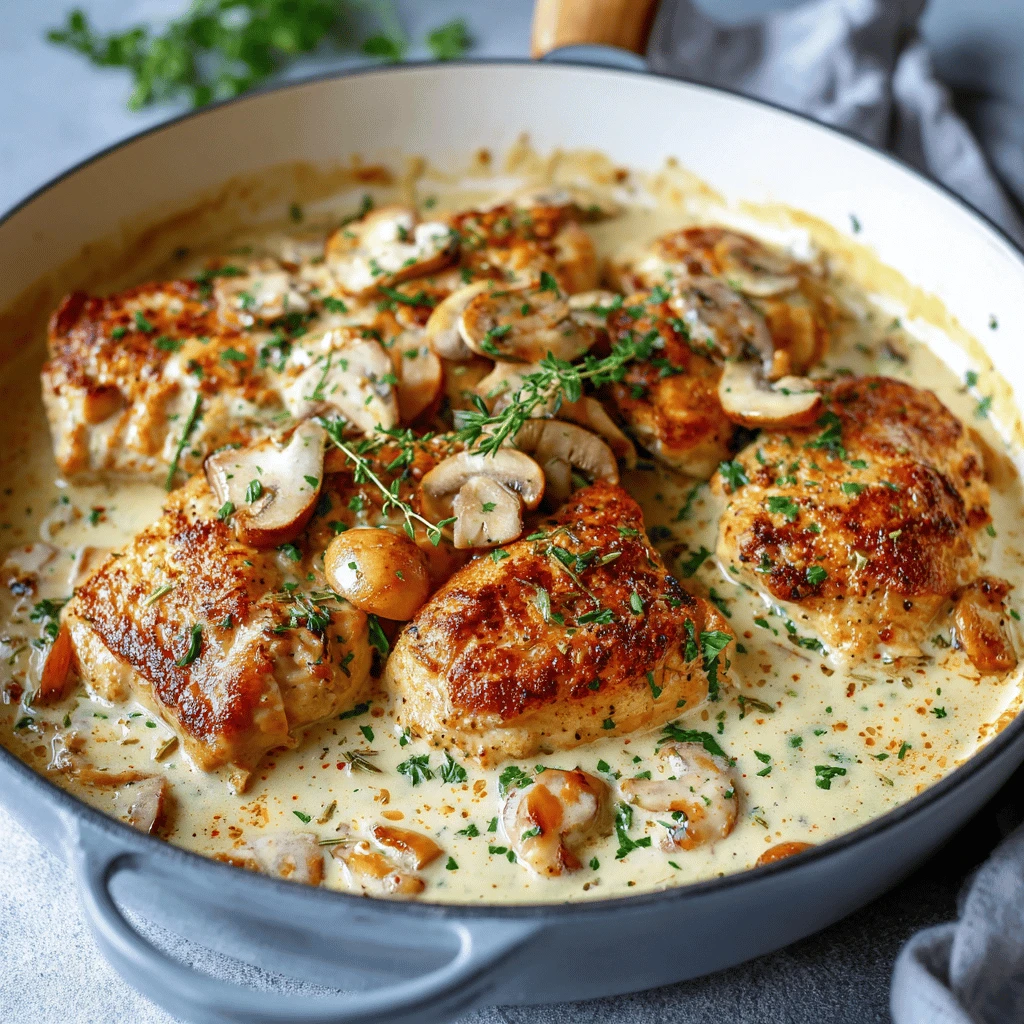
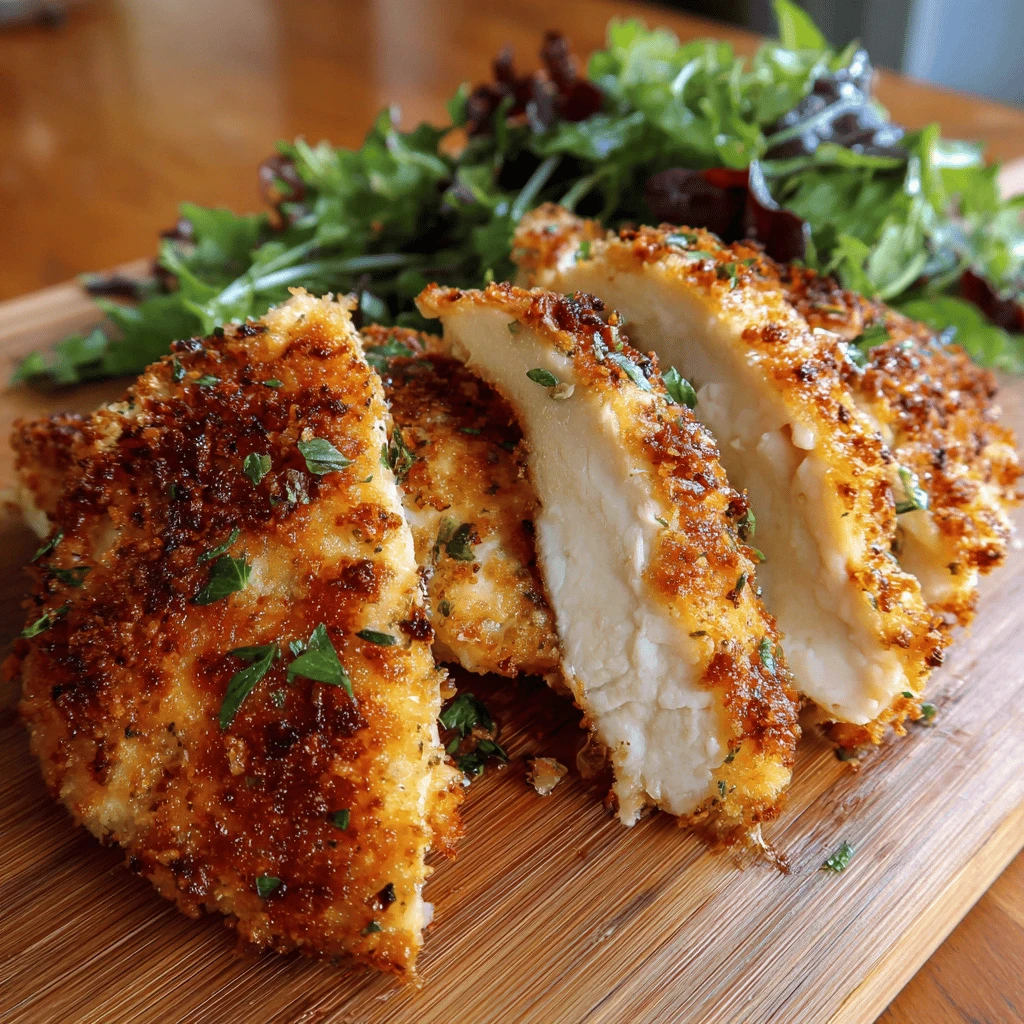
Baked Honey Mustard Chicken is the quintessential easy weeknight meal, blending the sweet depth of honey with the sharp tang of mustard to create a caramelized, irresistible glaze. This classic combination delivers a dish that is both sophisticated enough for guests and simple enough for quick preparation, consistently yielding tender, flavorful meat. Whether you prefer the lean texture of a chicken breast or the rich succulence of a thigh, this recipe provides the core technique for achieving perfectly baked chicken every time, sealing in the juices and maximizing the deeply satisfying flavor profile.
Ingredients
For the Chicken:
-
2 lbs boneless, skinless chicken breasts or thighs (4-6 pieces)
-
1 tablespoon olive oil (for searing, optional)
-
1 teaspoon Kosher salt
-
½ teaspoon black pepper
For the Honey Mustard Glaze (The Core Ratio):
-
½ cup high-quality Dijon mustard (or a mix of Dijon and stone-ground)
-
½ cup natural honey
-
1 tablespoon apple cider vinegar or fresh lemon juice (for balance)
-
2 cloves garlic, minced (or 1 teaspoon garlic powder)
-
1 teaspoon dried oregano or thyme (optional, for seasoning)
-
1 tablespoon olive oil (to help emulsify the sauce)
Step-by-Step Instructions
1. Prepare the Chicken:
Pat the chicken pieces completely dry using paper towels. This crucial step removes surface moisture, which helps the glaze adhere better and promotes a superior sear or crispier edges during baking. Season the chicken generously with salt and pepper.
2. Make the Glaze:
In a medium bowl, whisk together the Dijon mustard, honey, apple cider vinegar (or lemon juice), minced garlic, dried herb of choice (if using), and olive oil until the mixture is smooth and slightly emulsified. The ratio of honey to mustard should be balanced; taste and adjust based on your preference for sweet versus tangy.
3. Marinate (Recommended):
Pour about ¾ of the glaze into a large bowl or a sealable bag. Add the seasoned chicken and turn the pieces to ensure they are fully coated. Reserve the remaining ¼ of the glaze for basting later. Refrigerate the chicken to marinate for at least 30 minutes, or up to 4 hours, to allow the flavors to penetrate the meat.
4. Preheat and Arrange:
Preheat your oven to 400°F (200°C). Lightly grease a rimmed baking dish or sheet pan, or line it with parchment paper for easy cleanup. Place the marinated chicken pieces on the prepared pan, ensuring they are not touching for even cooking.
5. Bake the Chicken:
Bake the chicken uncovered for 15 minutes. This initial baking time helps set the meat and begins the cooking process.
6. Glaze and Finish:
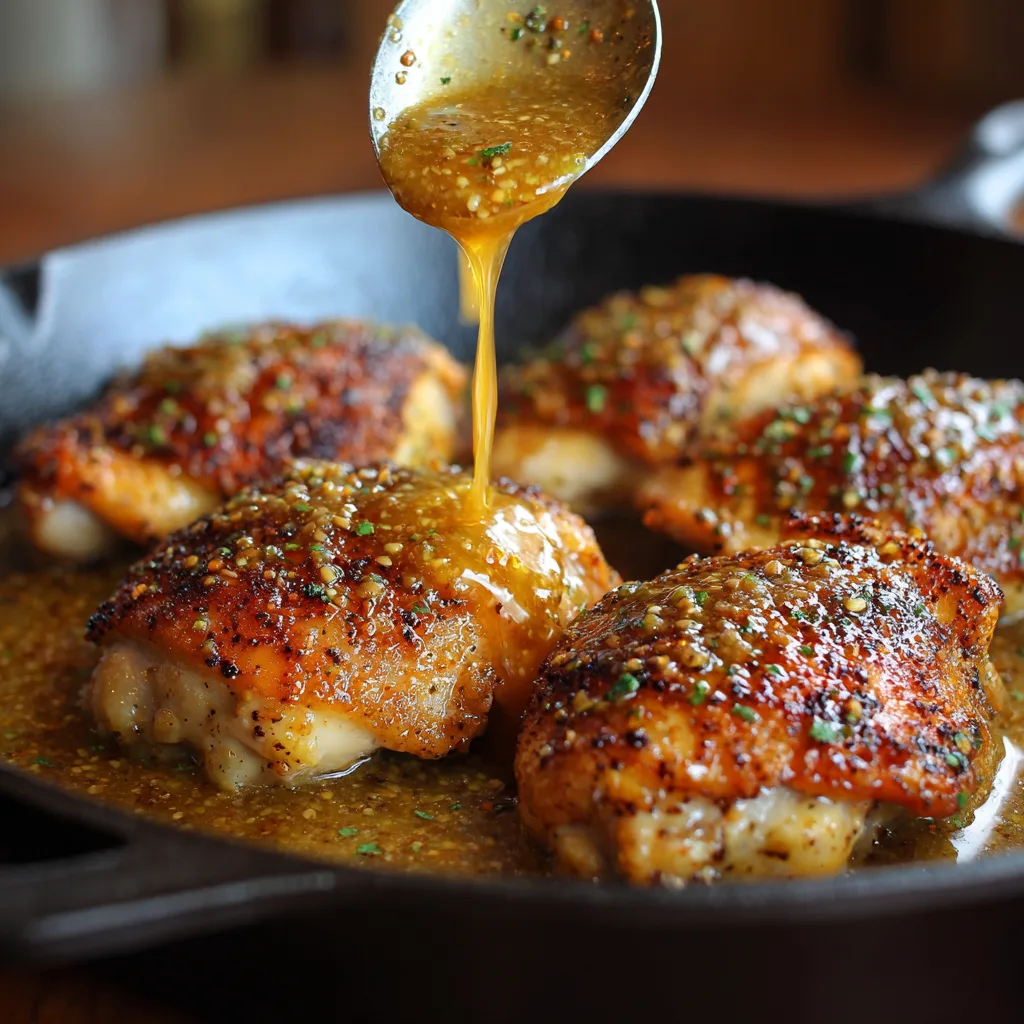
Remove the chicken from the oven. Brush the reserved glaze generously over the tops and sides of the chicken pieces. Return the chicken to the oven and continue baking for another 10 to 20 minutes (depending on the cut and thickness). The total cook time will be:
-
Boneless Chicken Breasts: 25–30 minutes total.
-
Boneless Chicken Thighs: 30–35 minutes total.
-
Bone-in Thighs/Legs: 40–50 minutes total.
7. Check Temperature and Rest:
The chicken is fully cooked when its internal temperature reaches 165°F (74°C) at its thickest point, as measured by a meat thermometer. For thighs, some cooks prefer to let them reach 175°F (80°C) for maximum tenderness. Remove the dish from the oven and let the chicken rest, uncovered, for 5 to 10 minutes before slicing or serving. This resting period is critical, allowing the juices to redistribute back into the meat for a supremely tender result.
Crafting the Perfect Honey Mustard Glaze
The success of this dish rests entirely on the balance of the honey mustard glaze. It’s more than just two ingredients; it is a careful harmony of sweet, acidic, and savory elements designed to caramelize without burning.
The Essential Ratio and Mustard Choice
The classic honey mustard pairing is typically a 1:1 ratio, often using equal parts honey and mustard by volume (e.g., 1/4 cup of each). This ratio provides a reliable baseline, but the specific type of mustard chosen will profoundly impact the final flavor:
-
Dijon Mustard: The most popular choice. It offers a creamy texture and a characteristic sharp, clean tang. Its spice is immediate and helps cut through the richness of the chicken and the sweetness of the honey.
-
Stone-Ground Mustard: Provides texture from the crushed seeds and a milder, earthier flavor. The seeds also help the glaze adhere better to the chicken, creating a beautiful, rustic coating.
-
Yellow Mustard: Avoid traditional bright yellow mustard, as its flavor profile is often too mild and vinegary for a baked dish, failing to provide the necessary complexity.
The Critical Role of Acidity and Aromatics
To prevent the glaze from tasting sickly sweet, a dash of acidity is essential. A tablespoon of apple cider vinegar or fresh lemon juice brightens the entire sauce and enhances the flavor contrast. Furthermore, aromatics like minced garlic or garlic powder add a savory depth that moves the flavor from a simple condiment to a robust marinade and glaze. For an extra layer of complexity, consider adding a hint of Worcestershire sauce for umami and tang, or a small amount of Italian dressing for a richer, more herbaceous note, as some expert recipes recommend.
Mastering the Chicken Cut and Preparation
Choosing the right cut of chicken and preparing it correctly are fundamental steps for guaranteeing a juicy and flavorful final product.
Breasts vs. Thighs: The Ultimate Debate
Both boneless, skinless chicken breasts and thighs work well for honey mustard chicken, but they require slight adjustments in cooking time and yield different results:
| Cut | Characteristics | Baking Consideration |
| Chicken Breasts | Leaner, mild flavor, preferred by health-conscious cooks. | Must be cooked precisely to 165°F (74°C). Easily prone to drying out if overcooked. |
| Chicken Thighs | Richer, higher fat content, more forgiving, guaranteed juiciness. | Tastes best when cooked to 175°F (80°C) or higher. Less susceptible to drying out during baking. |
Expert Tip on Uniformity: Regardless of the cut, if using breasts, try to select pieces that are of similar thickness to ensure they cook evenly. If they are very thick, you can gently pound them to a uniform thickness of about 1 inch.
Maximizing Flavor Through Marination
While the chicken can be glazed and baked immediately, marination is the key to maximum flavor infusion. The acidic components in the mustard and lemon juice/vinegar (if added) help to tenderize the muscle fibers of the chicken. A minimum of 30 minutes is beneficial, but allowing the chicken to soak for 2 to 4 hours, or even overnight, will produce a far more tender and deeply flavored meal. Ensure you always reserve a separate portion of the glaze before it touches the raw chicken for basting.
The Optional Searing Technique
For boneless, skinless chicken breasts or thighs, some chefs recommend a quick, high-heat sear in an oven-safe skillet before baking. Searing for 1-2 minutes per side creates a beautiful golden crust, locking in moisture and providing a rich, savory layer beneath the sweet glaze. If using this technique, reduce the overall oven baking time accordingly.
The Science of Baking for Juicy Results
Baking honey mustard chicken requires a delicate balance of heat control. Honey is a sugar, and sugar burns easily at high temperatures. The key is to bake the chicken long enough to cook through, but to apply the glaze at the right time to achieve perfect caramelization without scorching.
Temperature and Timing Strategy
A medium-high heat, specifically 400°F (200°C), is generally ideal for baked chicken parts. It is hot enough to cook the chicken relatively quickly, reducing the chance of dryness, but not so hot that the honey immediately turns black.
The recommended technique is a two-stage cooking process:
-
Stage 1 (Initial Cook): Bake the seasoned, marinated chicken without the final glaze for 15 minutes. This allows the heat to penetrate and set the chicken structure.
-
Stage 2 (Glaze and Finish): Brush on the reserved glaze and reduce the heat (or keep it at 400°F, watching closely) for the remaining 10–20 minutes. This final stage allows the honey to caramelize and thicken into that beautiful golden coating.
The Importance of the Internal Thermometer
Eyeing the chicken is never enough when dealing with high-sugar glazes. An instant-read meat thermometer is your most reliable tool. The ultimate goal is an internal temperature of 165°F (74°C). Check the thickest part of the largest piece. Once this temperature is reached, remove the chicken immediately. The carryover cooking that occurs during the resting phase will often raise the internal temperature a few more degrees.
The Crucial Rest
Resting the chicken is non-negotiable. When chicken bakes, the muscle fibers contract and push all the moisture (juices) toward the center. Cutting into the chicken immediately after removing it from the oven causes those juices to flood out, resulting in dry meat. Allowing the chicken to rest for 5–10 minutes lets the muscle fibers relax and redistribute the moisture throughout the piece, ensuring every bite is succulent.
One-Pan Wonders and Complementary Sides
Honey Mustard Chicken is inherently versatile and pairs well with a wide variety of sides, lending itself perfectly to the convenience of a sheet pan or one-dish meal.
Creating a Sheet Pan Honey Mustard Dinner
For the ultimate streamlined cooking experience, you can turn this recipe into a complete one-pan dinner. The residual drippings from the chicken, combined with the caramelized honey mustard, create a delicious dressing for roasting vegetables.
Recommended Vegetables: Use hearty, root vegetables that can withstand the 400°F heat and require a similar cook time to the chicken:
-
Baby Potatoes (cut into halves or quarters)
-
Carrots (cut into 1-inch pieces)
-
Broccoli florets
-
Quartered Red Onion
Method: Toss the prepared vegetables in olive oil, salt, and pepper (and perhaps a sprinkle of Montreal Chicken Seasoning or dried rosemary) and spread them out on the sheet pan. Place the marinated chicken directly on top of or nestled among the vegetables. The vegetables will soften and soak up the flavorful chicken juices and glaze drippings, creating a cohesive, delicious meal with minimal cleanup.
Classic Side Pairings
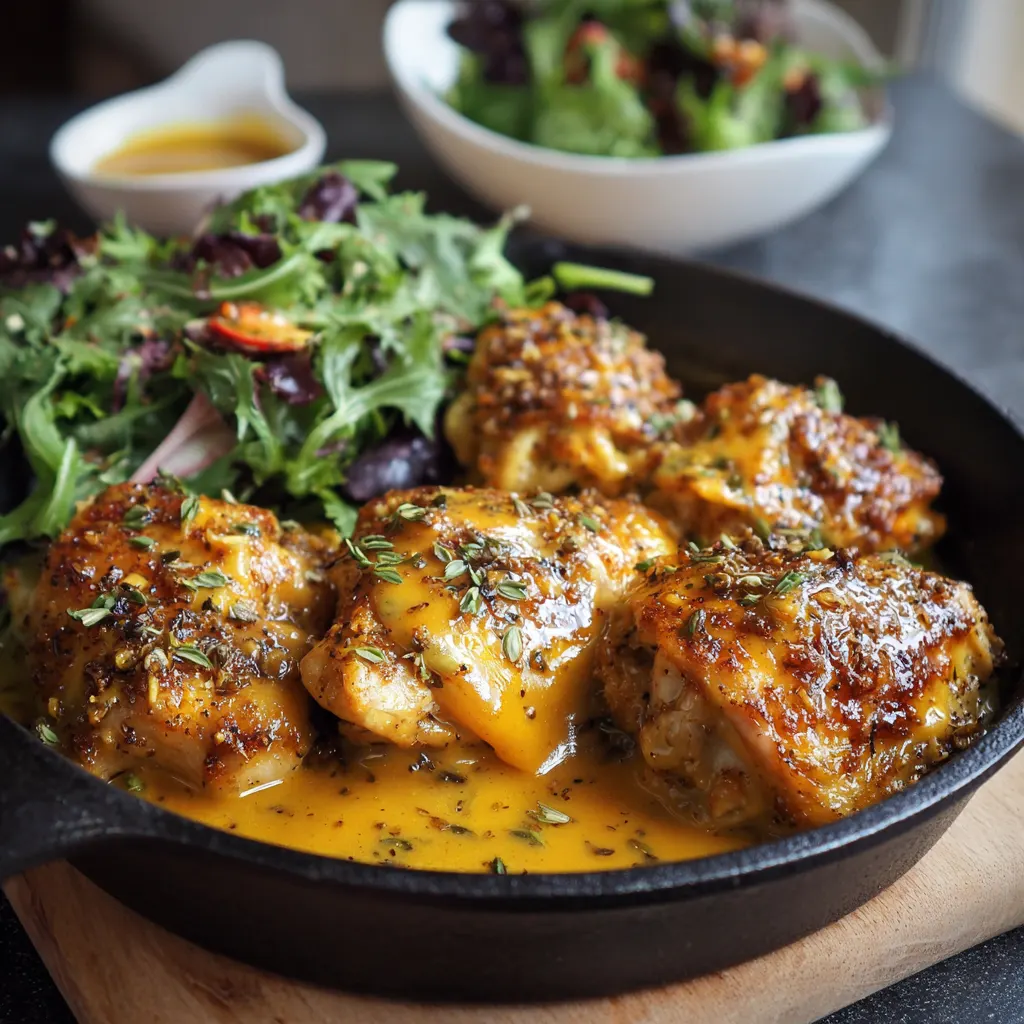
If opting for a separate side, the classic pairing for the sweet and tangy profile of the glaze is a starch to soak up the extra sauce, along with a lightly dressed green vegetable for contrast:
-
Starches: Creamy mashed potatoes, white rice, cilantro-lime rice, or quinoa.
-
Greens: Simple sautéed green beans, roasted asparagus, or a fresh Caesar salad.
-
Other: Simple side salads with a light vinaigrette provide a refreshing counterpoint to the rich glaze.
Troubleshooting, Storage, and Flavor Variations
An optimized recipe anticipates problems and offers solutions, ensuring success for home cooks of all skill levels.
Troubleshooting Common Issues
| Issue | Cause | Solution |
| Glaze is Burning/Blackening | Applied too early or oven temperature is too high. | Apply the glaze only during the last 10–15 minutes of baking. If the top starts to burn, loosely tent the dish with foil. |
| Chicken is Dry | Overcooked or not rested properly. | Use a meat thermometer to ensure chicken is removed promptly at 165°F (74°C). Always allow the meat to rest for 5-10 minutes. |
| Sauce is Too Runny | Chicken released too much liquid during baking. | When checking the internal temperature, if the sauce is still too thin, remove the chicken and tent it with foil. Pour the pan juices into a saucepan, bring to a simmer, and whisk in a cornstarch slurry (1 tsp cornstarch mixed with 1 tsp cold water) to thicken it before pouring back over the chicken. |
Flavor Variations for Customization
Once you master the base recipe, you can easily introduce small changes for variety:
-
Add Heat: Whisk in a pinch of Cayenne Pepper or a dash of Sriracha to the glaze for a “Spicy Honey Mustard” version.
-
Herb Swap: Replace oregano/thyme with Rosemary for a more Mediterranean profile, or Tarragon for a subtle licorice note.
-
Citrus Infusion: Increase the lemon juice or add the zest of one lemon to brighten the flavor significantly.
-
Tang Boost: Substitute a portion of the Dijon mustard with Spicy Brown Mustard for a more pungent, stronger tang.
Storage and Reheating
Baked Honey Mustard Chicken is excellent for meal prep.
-
Storage: Store leftovers in an airtight container in the refrigerator for up to 3 to 4 days.
-
Freezing: Cooked chicken can be frozen for up to 3 months. Thaw overnight in the refrigerator.
-
Reheating: To prevent dryness, reheat the chicken slowly. Place it in a baking dish, cover it with foil, and warm it in a 300°F (150°C) oven for about 15–20 minutes, or until steaming hot. A few seconds in the microwave is quick, but can dry the meat out.