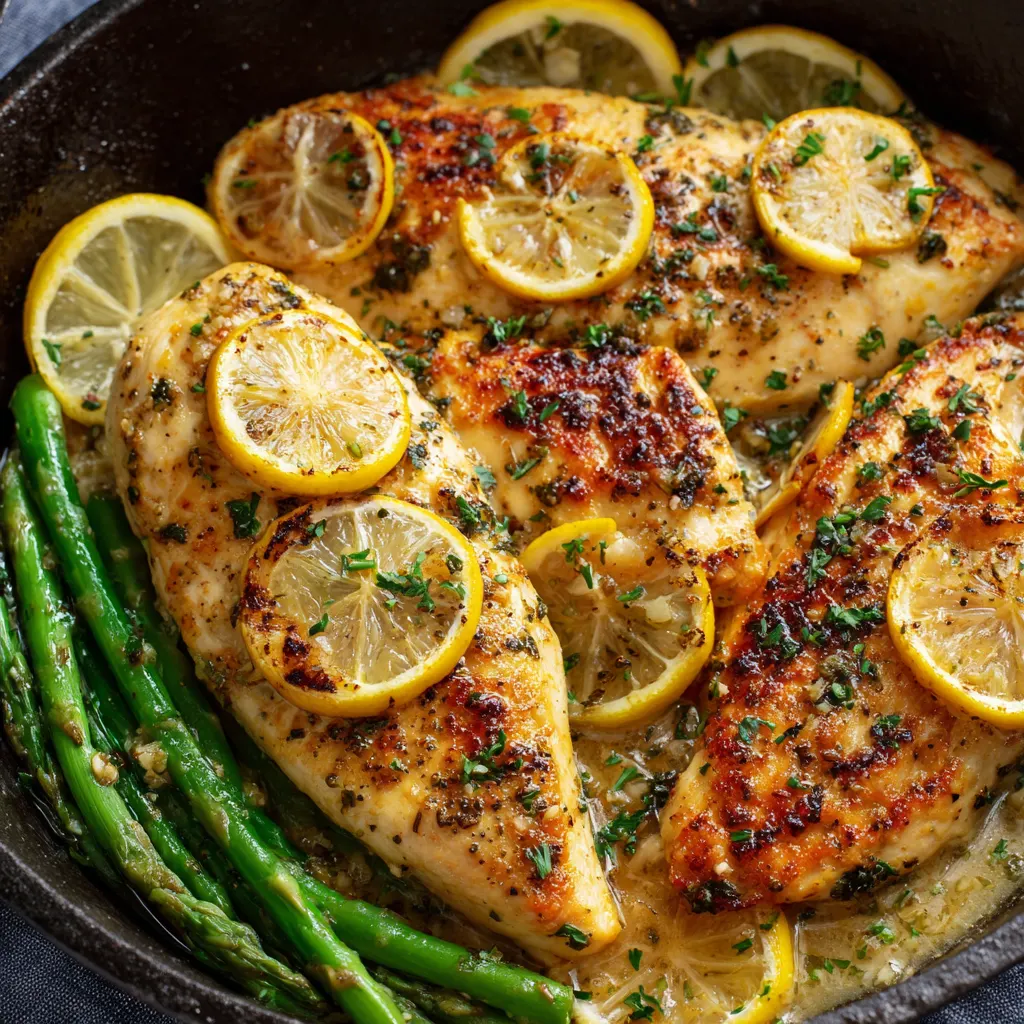
Lemon Garlic Butter Chicken Breast: The Ultimate 20-Minute Weeknight Recipe Weeknight meals demand maximum flavor for minimum effort, and no dish captures that philosophy quite like Lemon Garlic Butter Chicken Breast. This iconic preparation transforms simple boneless, skinless chicken breasts into a restaurant-quality centerpiece in under 20 minutes. It’s the perfect harmony of bright, tangy…
Lemon Garlic Butter Chicken Breast: The Ultimate 20-Minute Weeknight Recipe
Weeknight meals demand maximum flavor for minimum effort, and no dish captures that philosophy quite like Lemon Garlic Butter Chicken Breast. This iconic preparation transforms simple boneless, skinless chicken breasts into a restaurant-quality centerpiece in under 20 minutes. It’s the perfect harmony of bright, tangy lemon, rich, savory butter, and aromatic garlic, all coming together in a single pan to create a luscious, golden sauce that begs to be spooned over everything. Whether you are a novice cook or a seasoned home chef, mastering this fast, foundational recipe is the first step to unlocking countless flavorful variations and securing your go-to dish for busy evenings.
Ingredients
For the Chicken
-
4 boneless, skinless chicken breasts (about 1.5 lbs total)
-
1 Tbsp olive oil (or avocado oil)
-
1 Tbsp unsalted butter
-
1 tsp kosher salt
-
½ tsp freshly ground black pepper
-
½ tsp garlic powder (optional, for seasoning the chicken)
For the Lemon Garlic Butter Sauce
-
4 Tbsp unsalted butter, divided
-
4-5 cloves fresh garlic, minced (or 1 Tbsp minced jarred garlic)
-
¼ cup chicken broth (low-sodium)
-
3 Tbsp fresh lemon juice (from 1 medium lemon)
-
1 tsp lemon zest (optional, but highly recommended for concentrated flavor)
-
1 Tbsp dry white wine (like Chardonnay or Pinot Grigot, optional, for deglazing)
-
2 Tbsp fresh parsley, chopped (for garnish)
-
¼ tsp crushed red pepper flakes (optional, for a touch of heat)
Step-by-Step Instructions
-
Prepare the Chicken: Place each chicken breast between two sheets of plastic wrap or parchment paper. Using a meat mallet, lightly pound the thicker end until the breast is of uniform thickness (about ½ to ¾ inch thick). This ensures even, quick cooking and prevents the chicken from drying out. Pat the chicken completely dry with paper towels, then season both sides generously with salt, pepper, and garlic powder (if using).
-
Sear the Chicken: Heat the olive oil and 1 tablespoon of butter in a large, heavy-bottomed skillet (cast iron or stainless steel is ideal) over medium-high heat until the oil shimmers and the butter melts. Add the chicken breasts to the hot skillet, ensuring not to overcrowd the pan (cook in batches if necessary). Sear for 4–5 minutes per side, or until a beautiful golden-brown crust forms and the internal temperature reaches 165°F (74°C).
-
Rest the Chicken: Transfer the cooked chicken to a clean plate or cutting board. Cover loosely with foil and allow it to rest for at least 5 minutes. This crucial step allows the juices to redistribute, guaranteeing maximum tenderness and moisture.
-
Build the Pan Sauce: Reduce the heat to medium-low. If using, pour the white wine into the skillet and scrape up any browned bits (fond) from the bottom of the pan—this is where much of the flavor resides. Cook for 30 seconds until reduced.
-
Finish the Sauce: Add the remaining 3 tablespoons of butter and the minced fresh garlic to the pan. Cook for about 1 minute, stirring constantly, until the garlic is fragrant but not browned or burned. Stir in the chicken broth, fresh lemon juice, lemon zest, and red pepper flakes (if using). Bring the sauce to a light simmer and cook for 2–3 minutes, allowing it to reduce and thicken slightly. Taste and adjust seasoning with additional salt or pepper if needed.
-
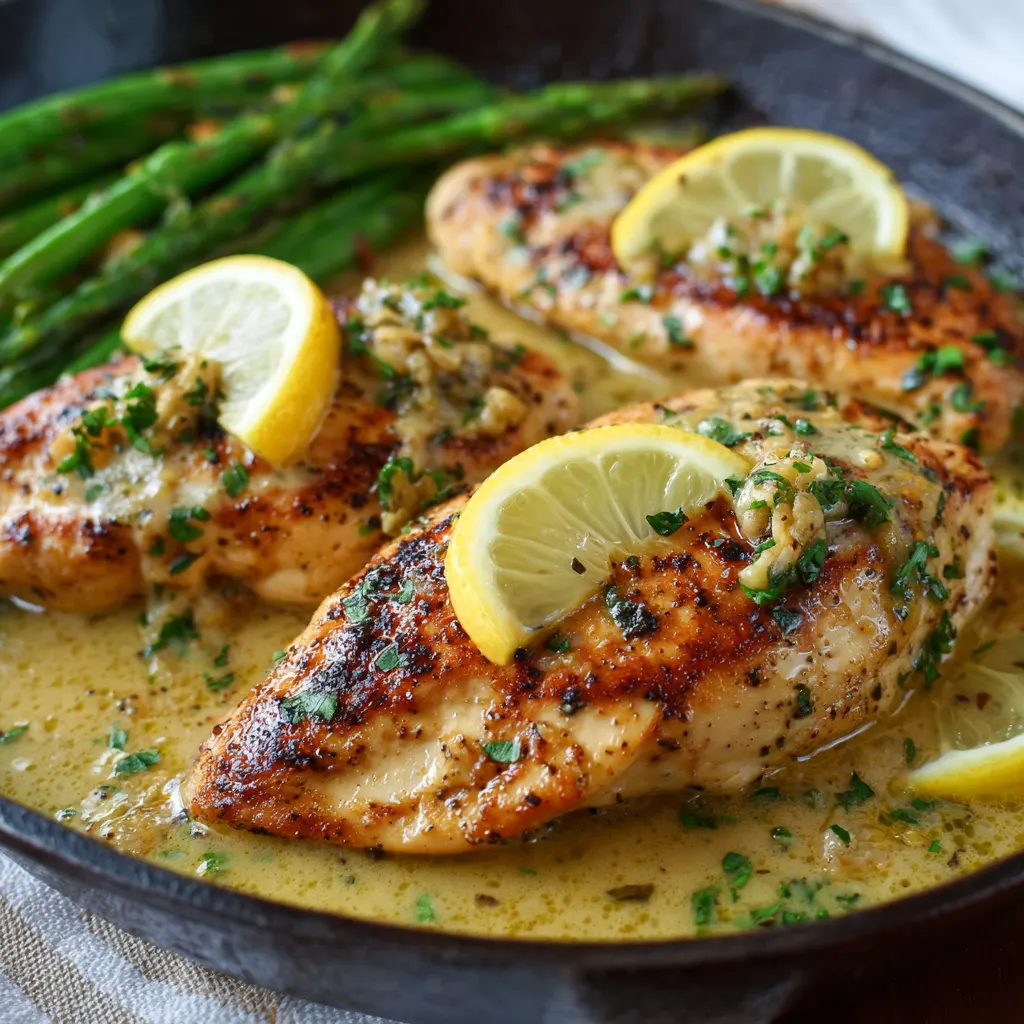
Combine and Serve: Return the rested chicken breasts and any accumulated plate juices to the skillet. Spoon the lemon garlic butter sauce generously over the chicken. Garnish immediately with fresh chopped parsley and serve hot.
Mastering the Sear: Secrets to Juiciness and Flavor
The difference between a dry, mediocre chicken dish and a truly exceptional one lies in the technique, specifically the high-heat sear. While the sauce provides the flavor, proper cooking ensures the texture.
The Power of Pounding
The first key step is creating cutlets of even thickness. Most chicken breasts are thicker at one end, which leads to uneven cooking—the thin end is dry by the time the thick end reaches a safe internal temperature. Lightly pounding the chicken to a uniform thickness of about half an inch solves this problem instantly, cutting the cooking time and ensuring every bite is moist. If you don’t have a meat mallet, the bottom of a heavy skillet works just as well.
The Role of Oil and Butter
Achieving a beautiful golden crust requires a high cooking temperature, but butter burns easily. The secret to a successful sear is using a blend of fats: a high-smoke point oil like olive or avocado oil, combined with a tablespoon of butter. The oil protects the butter, allowing it to contribute a nutty flavor while preventing the pan from scorching. Always wait until the oil is shimmering and the butter has fully melted before introducing the chicken.
The Critical Internal Temperature
Never rely solely on visual cues. The only way to guarantee a safe and perfectly cooked chicken breast is by using an instant-read meat thermometer. Insert the thermometer into the thickest part of the chicken, avoiding the bone (if applicable). The chicken is done precisely when it reaches 165°F (74°C). Cooking beyond this temperature, even by a few degrees, sacrifices moisture. The mandatory 5-minute rest period allows the temperature to stabilize, often rising slightly (carry-over cooking), and ensures the meat retains all its flavorful juices.
The Art of the Sauce: Building Depth with Lemon, Wine, and Herbs
The lemon garlic butter sauce is the signature element of this dish, and its preparation is a testament to the simplicity of classic French-inspired cuisine. This sauce is a quick pan sauce, built directly on the foundation of flavor left behind by the cooked chicken.
Deglazing for Depth (The Fond)
After removing the chicken, the skillet holds caramelized meat particles and seasonings known as fond. This fond is pure, concentrated flavor. Using a splash of dry white wine (like Sauvignon Blanc or Pinot Grigio) or even just a little extra chicken broth to deglaze the pan is essential. Pouring the liquid into the hot pan and scraping the bottom with a wooden spoon releases these flavorful bits, dissolving them into the base of your sauce.
Preventing Burned Garlic
Garlic is delicious, but burned garlic is bitter and ruins the entire sauce. The trick is timing. Never add the garlic while the pan is hot from searing the chicken. Always reduce the heat to medium-low first, then add the remaining butter and the minced garlic. Cooking the garlic for just 30 to 60 seconds until it is fragrant is sufficient. This step toasts the garlic, releasing its aroma without letting it turn brown.
Brightness with Zest
While lemon juice provides the necessary acidity and tang, lemon zest is where the most potent, concentrated lemon oil resides. Adding zest to the sauce along with the juice amplifies the citrus flavor without making the sauce overly sour or watery. For best results, use a microplane to grate the zest of half a lemon before you cut it for the juice, being careful to only remove the yellow part and avoid the bitter white pith underneath. Fresh parsley, stirred in at the very end, provides a fresh, clean contrast to the richness of the butter and acts as a beautiful garnish.
Effortless Pairings: What to Serve with Lemon Garlic Butter Chicken
This chicken is incredibly versatile, pairing well with a variety of starches and vegetables. The goal is to choose sides that can soak up the luscious lemon garlic butter sauce.
Starches That Capture the Sauce
-
Angel Hair Pasta or Linguine: The light strands of pasta are ideal for catching and carrying the butter sauce. Toss the cooked pasta directly into the skillet with the sauce before serving the chicken over the top. A light dusting of grated Parmesan cheese completes the dish.
-
Fluffy Rice: Basmati or Jasmine rice provides a neutral, absorbent base. The butter sauce mixes perfectly with the rice, creating a flavorful pilaf-like side.
-
Mashed Potatoes: For ultimate comfort, creamy mashed potatoes or cauliflower mash offer a hearty sponge for the rich pan sauce.
Complementary Vegetables
-
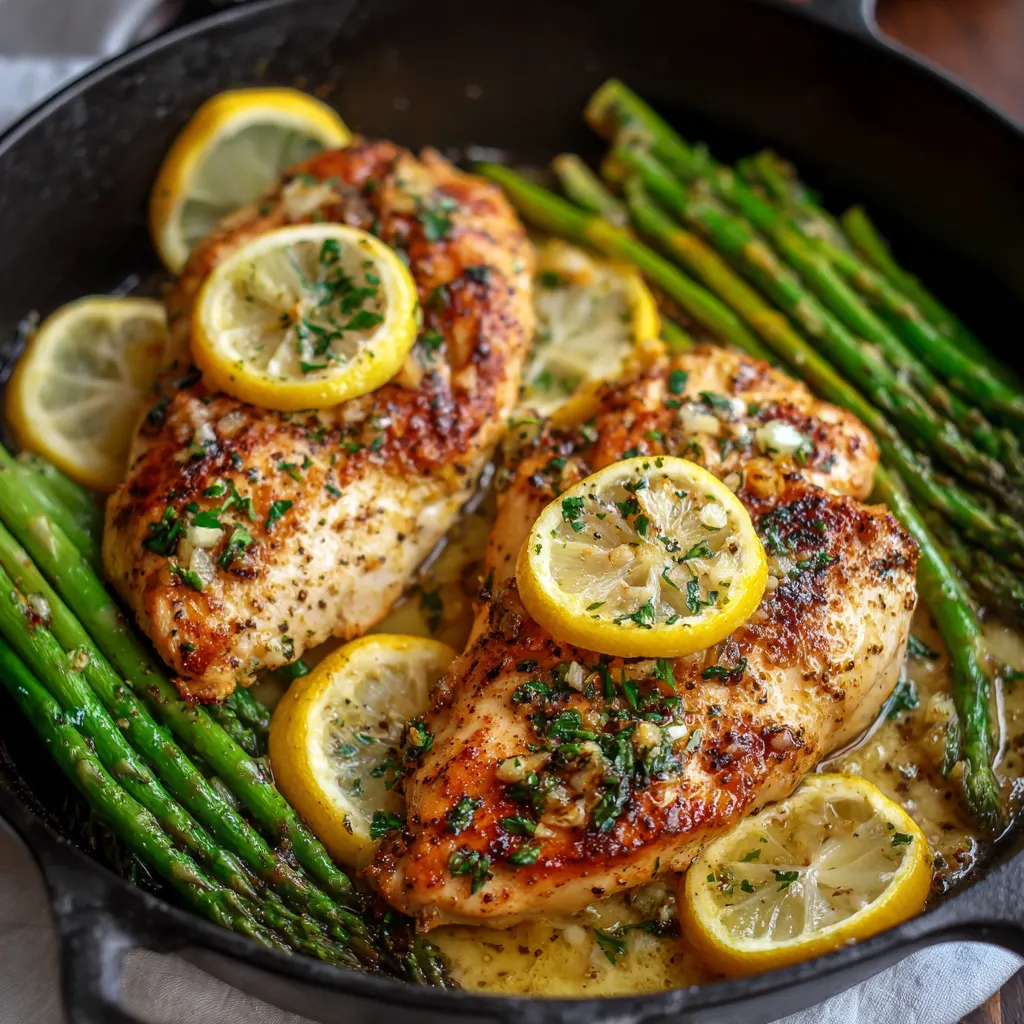
Asparagus: A classic pairing. Sautéed or roasted asparagus spears offer a delicate bitterness that cuts through the richness of the butter. Many one-pan versions of this recipe add the asparagus directly into the skillet during the sauce reduction stage.
-
Green Beans: Lightly steamed or quickly blanched green beans, finished with a pinch of salt and a drizzle of the chicken’s pan sauce, make for a bright and crunchy side.
-
Broccolini: Roasted broccolini with a slight char provides a complex, savory complement to the chicken.
Customization and Meal Prep: Making the Recipe Your Own
The beauty of a classic recipe is its foundation, which allows for infinite customization based on preference and pantry staples.
Flavor and Texture Variations
-
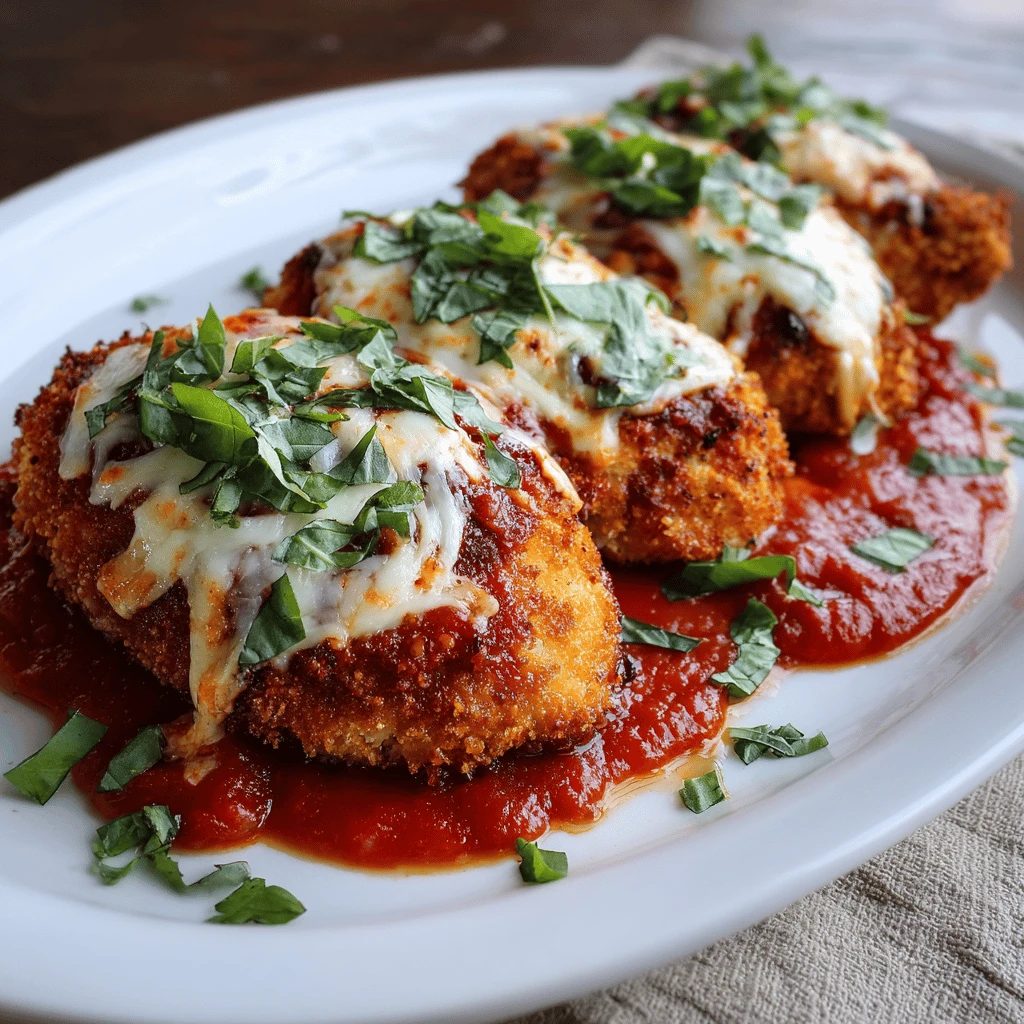
Parmesan Crusted Chicken: For an added layer of texture and flavor, dredge the pounded chicken cutlets in a mixture of flour, grated Parmesan cheese, and Italian seasoning before searing. This creates a crispy, savory crust that holds up perfectly to the pan sauce.
-
Add Heat: Stir in ¼ teaspoon of crushed red pepper flakes to the pan sauce for a mild, spicy kick that balances the acidity of the lemon. For a smokier heat, a pinch of paprika can be added to the chicken seasoning.
-
Herb and Aromatic Switches: While parsley is traditional, experiment with other herbs. Fresh thyme, rosemary, or dried Italian seasoning can be incorporated into the sauce. For a Mediterranean twist, stir in 1 tablespoon of capers or sun-dried tomatoes along with the lemon juice.
Storage and Reheating Tips
Lemon Garlic Butter Chicken is best enjoyed immediately after it is prepared, but it makes excellent leftovers when stored correctly.
-
Storage: Allow the chicken and sauce to cool completely before transferring them to an airtight container. Refrigerate for up to 3–4 days.
-
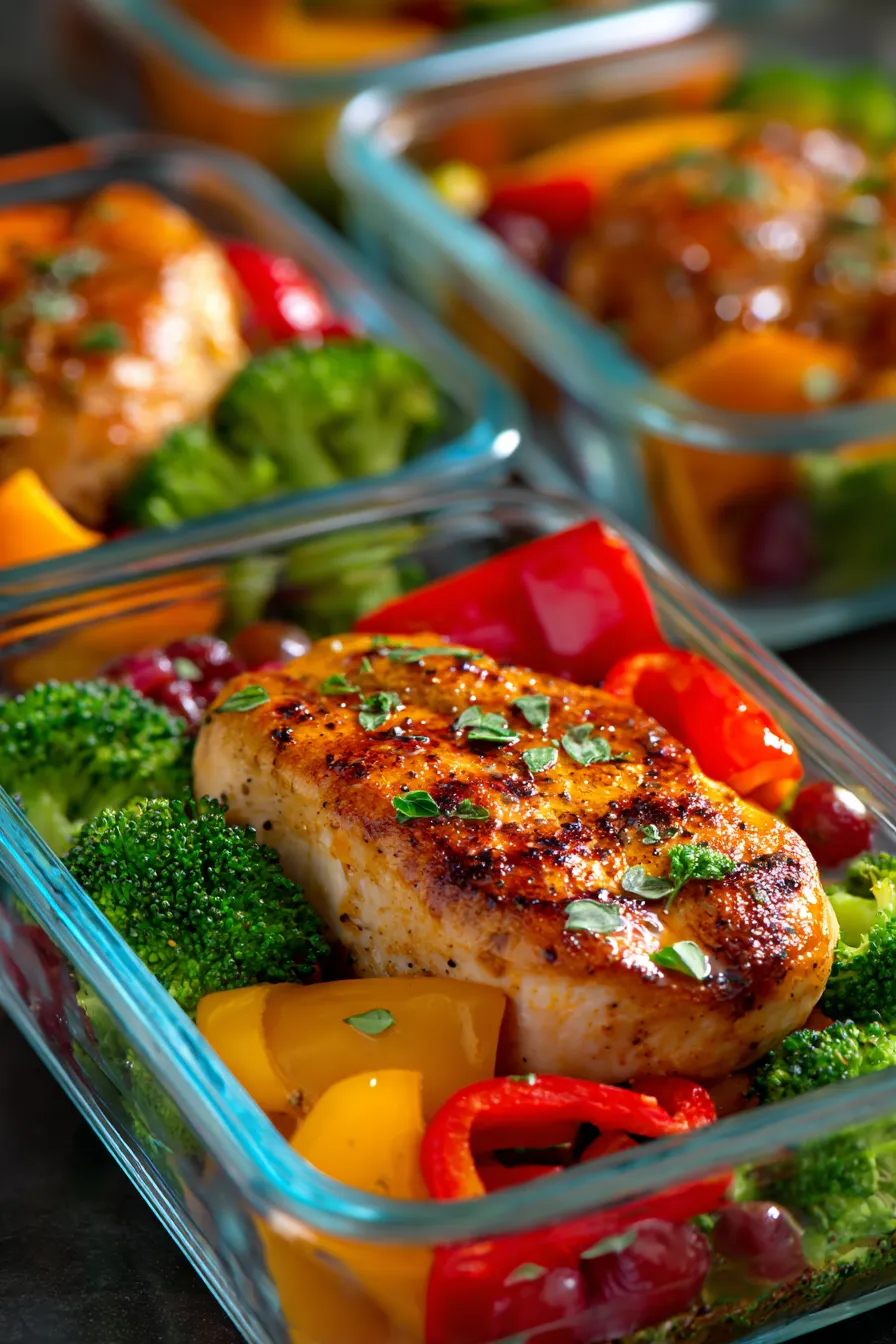
Reheating (Stovetop Best): To reheat without drying out the chicken, slice the chicken breasts and place them in a skillet over low heat. Add a splash of water or extra chicken broth to the pan with the sauce. Cover the skillet and let it gently steam until warmed through (about 6–8 minutes). The added liquid helps revitalize the sauce and keeps the meat moist.
-
Freezing: This dish can be frozen, but the sauce tends to separate due to the high fat content of the butter. If freezing, consider preparing the chicken and only adding a small amount of sauce, then preparing a fresh batch of sauce upon thawing and reheating. It will keep well for up to 3 months.