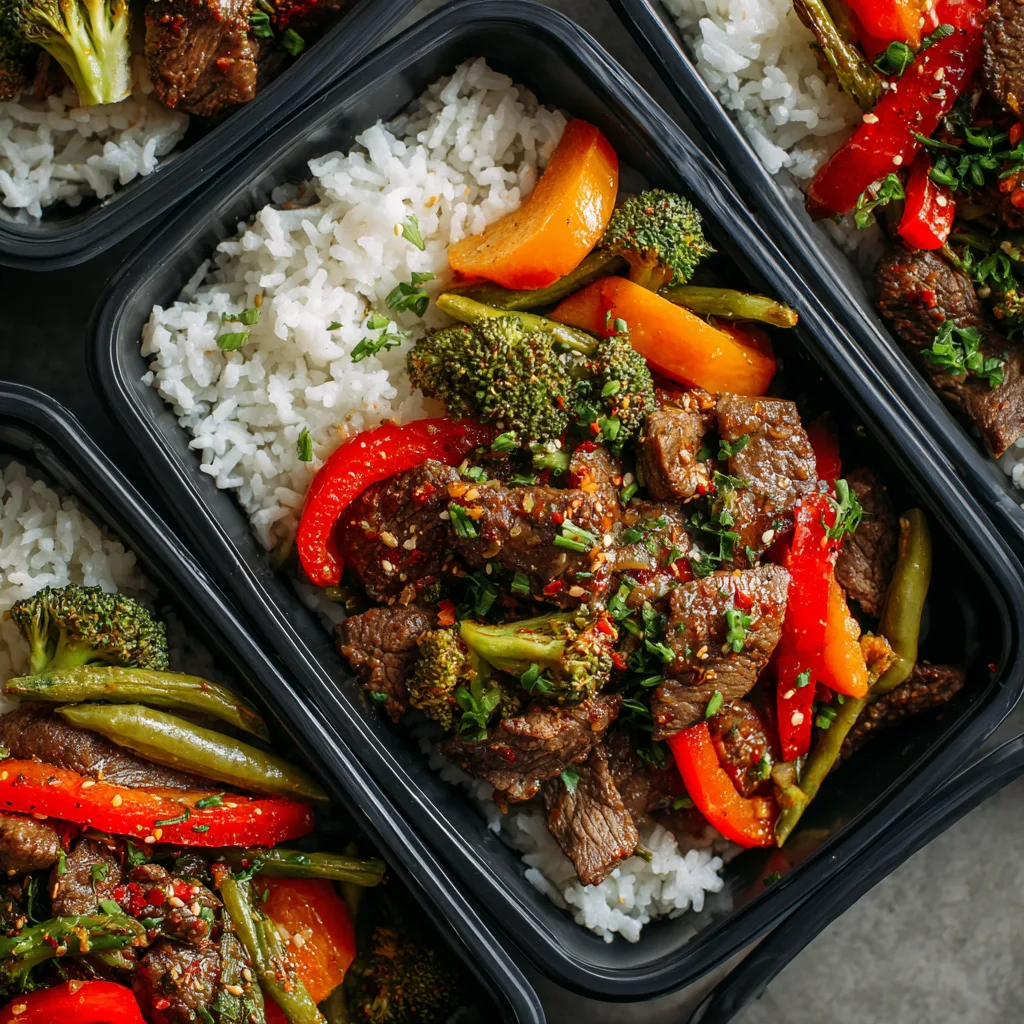
Spicy Beef Stir-Fry: The Ultimate High-Protein Meal Prep Guide Finding the perfect balance between a flavor-packed dinner and a functional meal prep routine often leads to one classic dish: the Spicy Beef Stir-Fry. This recipe is a favorite for fitness enthusiasts and busy professionals alike because it hits every requirement for a successful weekday lunch….
Spicy Beef Stir-Fry: The Ultimate High-Protein Meal Prep Guide
Finding the perfect balance between a flavor-packed dinner and a functional meal prep routine often leads to one classic dish: the Spicy Beef Stir-Fry. This recipe is a favorite for fitness enthusiasts and busy professionals alike because it hits every requirement for a successful weekday lunch. It is high in protein, rich in micronutrients from fresh vegetables, and, most importantly, it maintains its texture and heat after being reheated. By combining tender strips of steak with a zingy, chili-infused sauce and crisp aromatics, you can transform your mid-day break from a mundane chore into a culinary highlight.
Ingredients You’ll Need
For the Beef & Marinade:
-
1.5 lbs Flank Steak or Sirloin: Thinly sliced against the grain.
-
2 tbsp Soy Sauce: Low sodium is preferred.
-
1 tbsp Cornstarch: The secret to “velveting” the meat for tenderness.
-
1 tsp Toasted Sesame Oil: For an earthy base note.
The Spicy Stir-Fry Sauce:
-
1/4 cup Beef Broth: To create a silky consistency.
-
3 tbsp Soy Sauce: For depth and salt.
-
1-2 tbsp Sriracha or Chili Garlic Sauce: Adjust based on your heat preference.
-
1 tbsp Honey or Brown Sugar: To balance the spice and acidity.
-
1 tbsp Fresh Ginger: Grated or finely minced.
-
3 cloves Garlic: Minced.
Vegetables & Base:
-
2 Large Bell Peppers: Any color, sliced into strips.
-
2 cups Broccoli Florets: Bite-sized pieces.
-
1 bunch Green Onions: Chopped (separate whites and greens).
-
Optional: Snap peas, sliced carrots, or baby corn.
-
For Serving: 3 cups cooked jasmine rice, brown rice, or cauliflower rice.
Step-by-Step Instructions
-
Prep the Beef: In a medium bowl, whisk together the soy sauce, cornstarch, and sesame oil. Add the sliced beef and toss to coat thoroughly. Let it marinate for at least 15–20 minutes. This ensures the beef stays juicy during the high-heat cooking process.
-
Whisk the Sauce: In a separate small bowl or jar, combine the beef broth, soy sauce, sriracha, honey, minced ginger, and garlic. Stir well and set aside.
-
Sear the Steak: Heat a large wok or heavy-bottomed skillet over high heat with a tablespoon of high-smoke-point oil (like avocado or vegetable oil). Add the beef in a single layer. Sear for 2–3 minutes until browned and slightly crisp on the edges. Remove the beef from the pan and set aside on a plate.
-
Sauté the Vegetables: In the same pan, add a splash of water or oil if needed. Toss in the broccoli and peppers. Stir-fry for 4–5 minutes until the vegetables are vibrant and tender-crisp. Add the whites of the green onions during the last minute.
-
Combine and Thicken: Return the beef and any accumulated juices to the pan. Pour the spicy sauce over the mixture. Toss constantly for 1–2 minutes until the sauce bubbles and thickens into a glossy glaze that coats every ingredient.
-
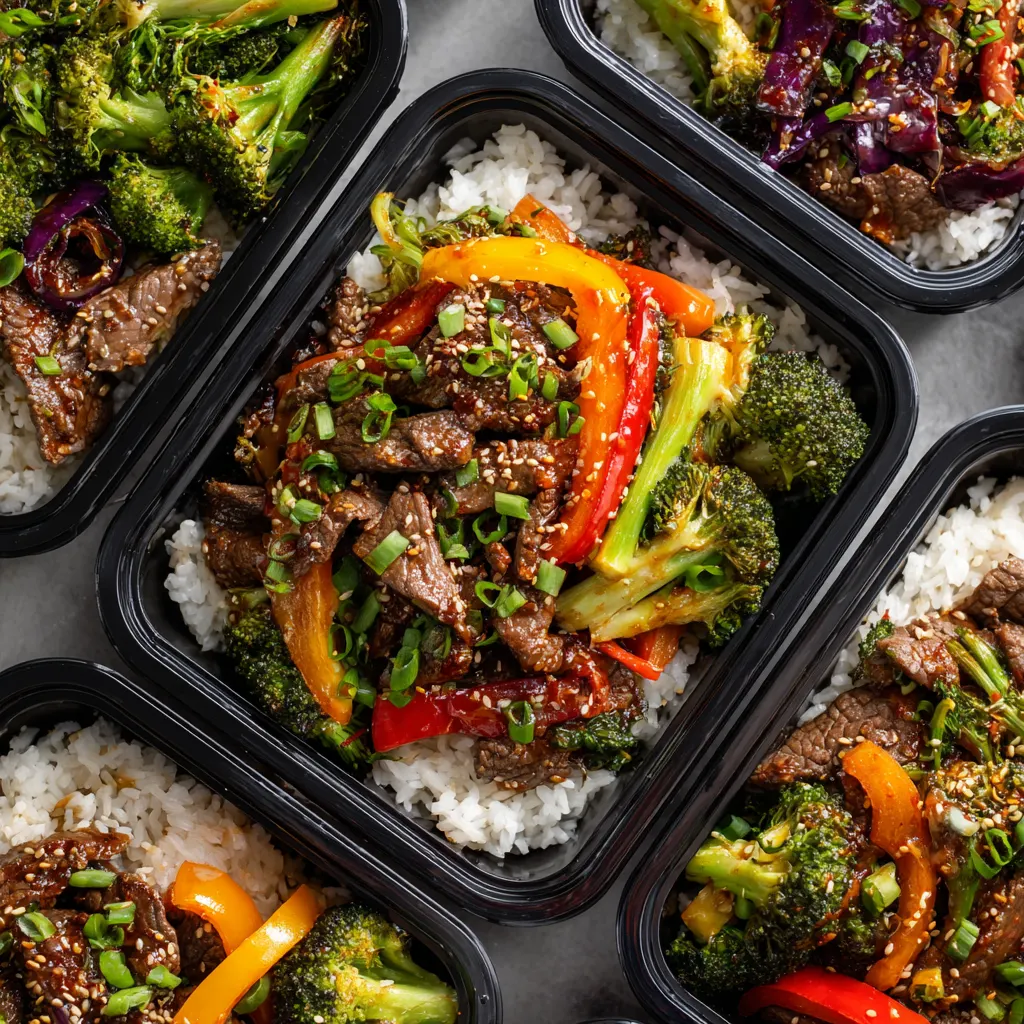
Portion for Meal Prep: Allow the stir-fry to cool slightly. Divide the cooked rice into four or five airtight containers, then top with an even portion of the spicy beef and vegetable mixture. Garnish with the remaining green onion tops and sesame seeds.
Mastering the Art of Tender Beef
The most common pitfall in beef stir-fry is chewy, tough meat. To achieve restaurant-quality results, the cut of meat and the slicing technique are paramount. Flank steak and skirt steak are the gold standards for stir-fry because they soak up marinades beautifully, but they must be sliced “against the grain.” Look for the long muscle fibers running through the meat and cut perpendicular to them; this shortens the fibers, making the meat easy to bite through.
Furthermore, the “velveting” technique used in this recipe—coating the meat in a mixture of cornstarch and liquid—creates a protective barrier. This prevents the beef from drying out when exposed to the intense heat of the wok. When you sear the meat, ensure the pan is screaming hot. You want a quick sear to lock in juices, rather than a slow boil that results in grey, rubbery steak.
Optimizing Your Vegetables for Texture
One of the challenges of meal prepping stir-fry is preventing the vegetables from becoming mushy by Wednesday. The key is “undercooking” them slightly during the initial prep. When you stir-fry your peppers and broccoli, aim for a state where they are bright in color but still have a distinct “snap.”
Since you will likely be reheating these containers in a microwave, the steam trapped inside the container will finish the cooking process. Choosing “hardy” vegetables also helps maintain integrity. While spinach or zucchini might wilt significantly over a few days, vegetables like snap peas, carrots, broccoli, and bell peppers hold their structure remarkably well, ensuring your meal tastes fresh even four days later.
Flavor Customization and Heat Control
The beauty of a home-cooked spicy stir-fry is the ability to calibrate the “kick” to your specific palate. If you prefer a slow, numbing heat, consider adding Szechuan peppercorns or dried red chilies to the oil before adding your beef. For a sharp, vinegary heat, lean more heavily on Sriracha. If you find the sauce has become too spicy, you can easily mellow it out with an extra teaspoon of honey or a squeeze of fresh lime juice just before serving.
For those looking to lower the carbohydrate count, this recipe is incredibly versatile. You can swap the rice for cauliflower rice or even serve the beef and peppers over a bed of sautéed cabbage. If you are looking for extra crunch, adding toasted cashews or peanuts at the very end adds a layer of healthy fats and a satisfying textural contrast that elevates the dish from a simple “prep” to a gourmet meal.
Storage and Reheating Best Practices
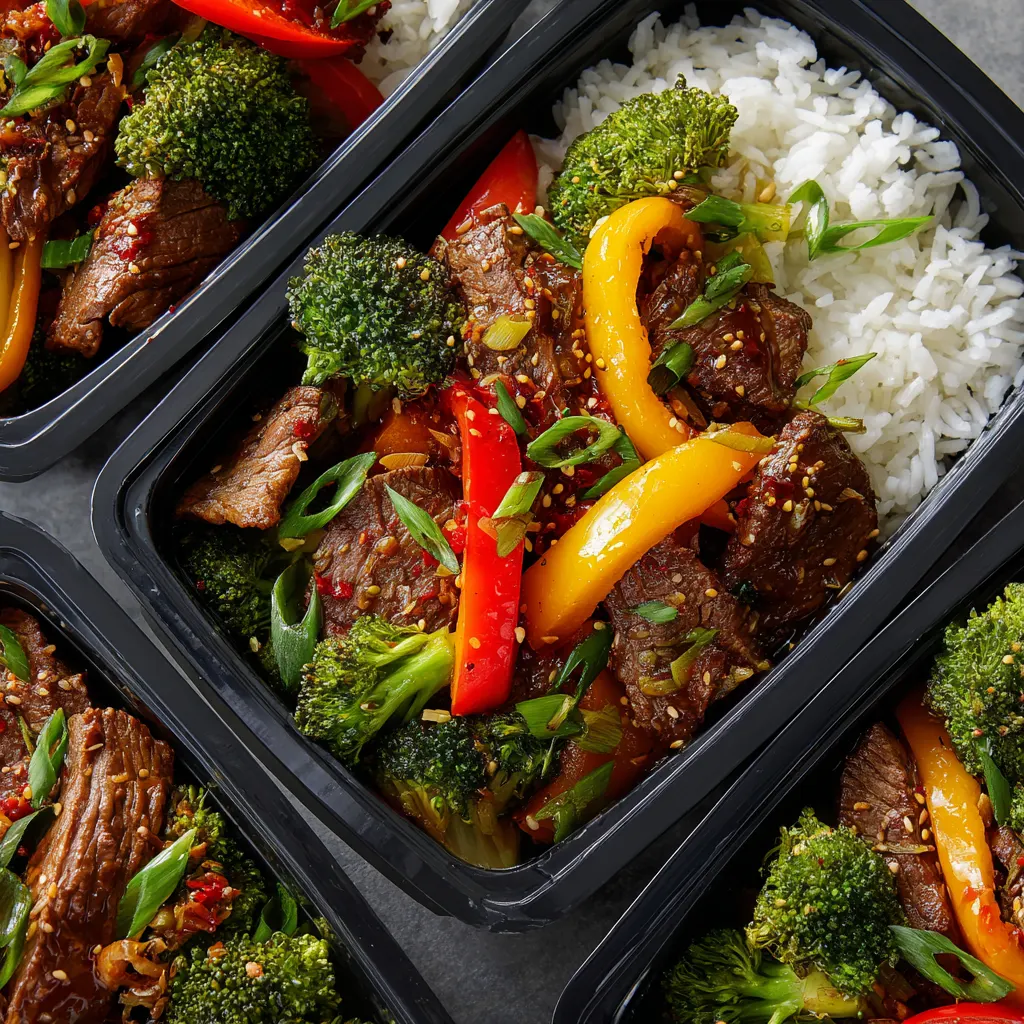
To maximize the shelf life of your spicy beef stir-fry, allow the food to reach room temperature before sealing the lids on your containers. Sealing hot food creates excess condensation, which leads to soggy rice and watered-down sauce. Once cooled, these meals will stay fresh in the refrigerator for up to four days.
When you are ready to eat, sprinkle a few drops of water over the rice before microwaving. This creates a mini-steam effect that fluffs the grains and prevents the beef from toughening. Heat in 60-second intervals, stirring halfway through, to ensure even temperature distribution. With this method, you have a hot, nutritious, and incredibly flavorful meal ready in minutes, proving that healthy eating never has to be boring.