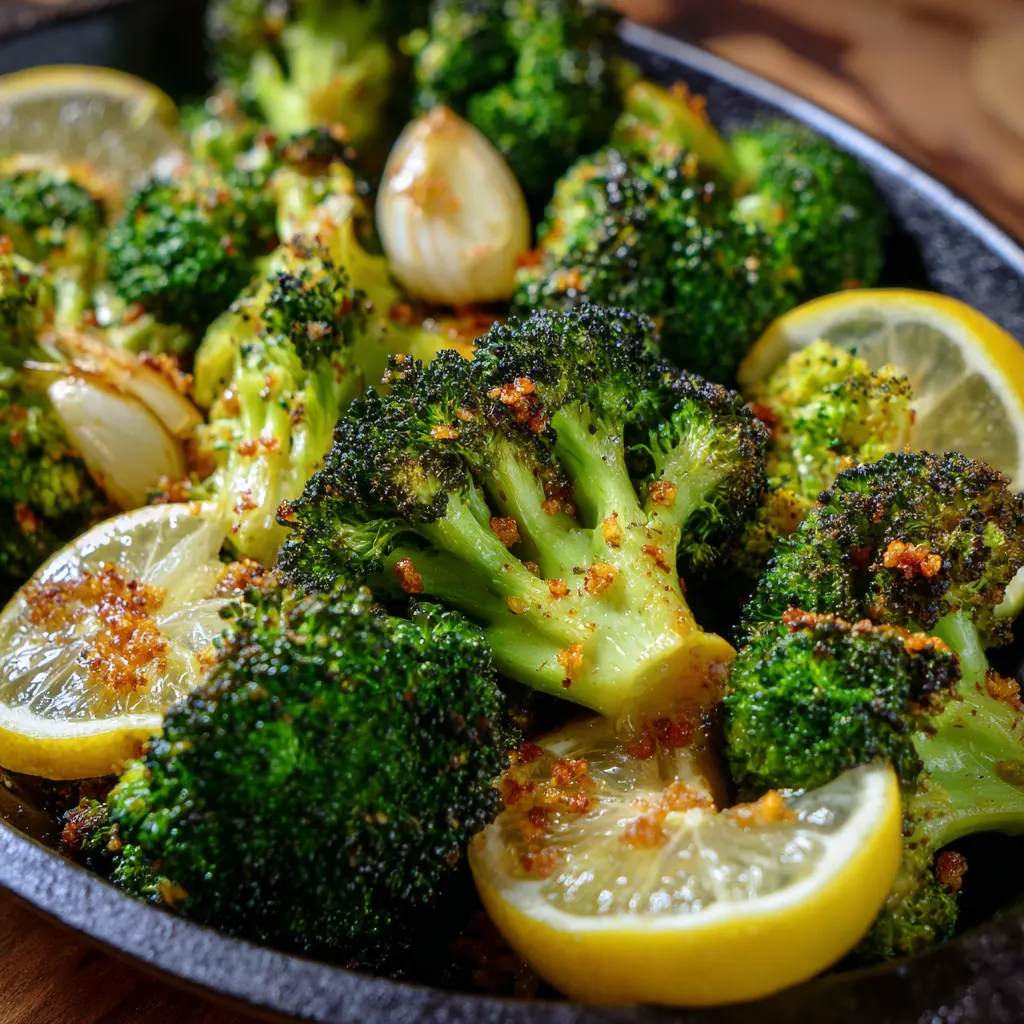
Oven-roasted broccoli is arguably the best way to enjoy this nutritional powerhouse, transforming its often-maligned texture into something crispy, tender, and subtly sweet. The high heat of the oven coaxes out the vegetable’s natural sugars, creating satisfyingly charred edges and a delightful, caramelized crunch. When paired with the bright, sharp acidity of fresh lemon and…
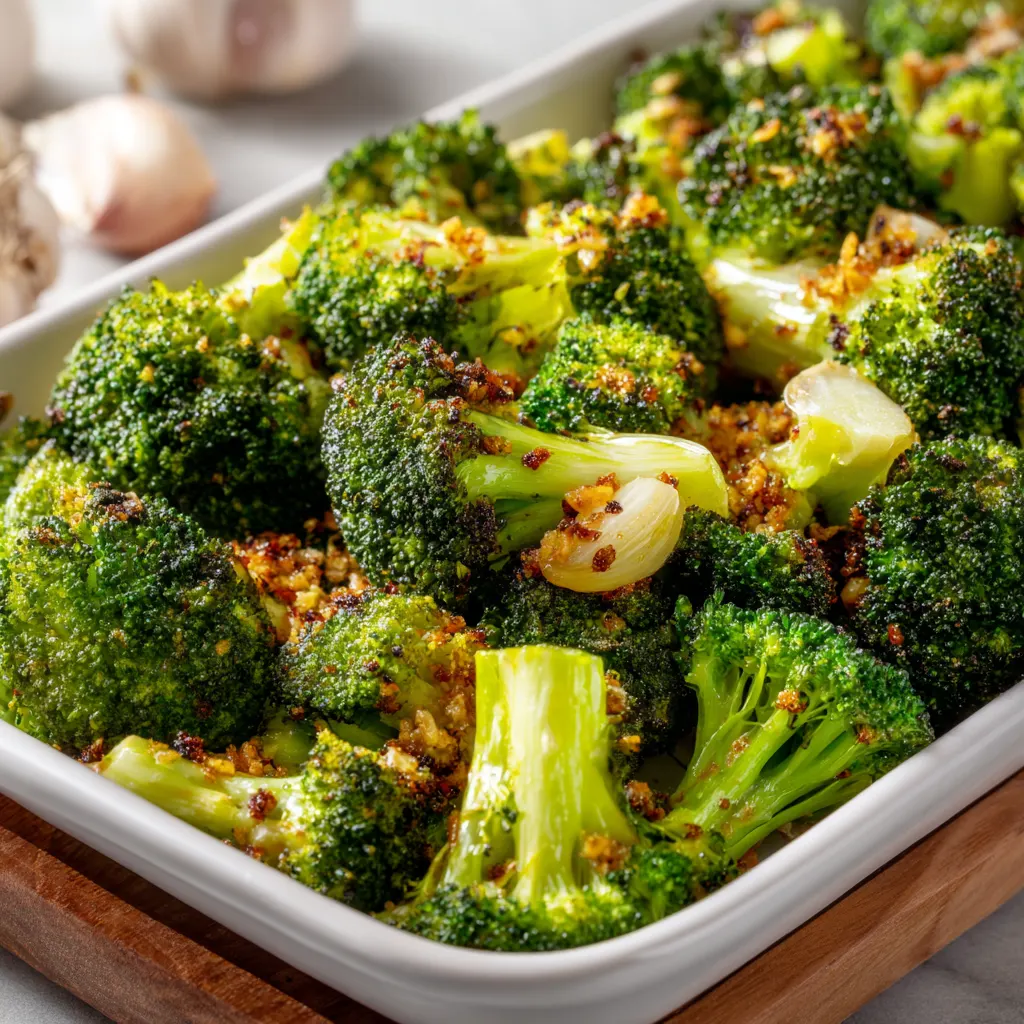
Oven-roasted broccoli is arguably the best way to enjoy this nutritional powerhouse, transforming its often-maligned texture into something crispy, tender, and subtly sweet. The high heat of the oven coaxes out the vegetable’s natural sugars, creating satisfyingly charred edges and a delightful, caramelized crunch. When paired with the bright, sharp acidity of fresh lemon and the warm, pungent aromatics of garlic, it becomes an instant classic—a versatile, effortless side dish that elevates any meal, converting even the staunchest vegetable skeptics. It’s a clean, simple, and rapid preparation method that should be in every home cook’s repertoire.
Essential Ingredients
-
1.5 lbs (approx. 2 medium heads) fresh broccoli, cut into 1 to 1.5-inch florets
-
3–4 cloves fresh garlic, thinly sliced or roughly minced
-
3 tablespoons Extra Virgin Olive Oil (EVOO)
-
1 teaspoon Kosher salt (or more, to taste)
-
½ teaspoon freshly ground black pepper
-
1 medium lemon (for juice and zest)
-
Optional Finish: 2-3 tablespoons freshly grated or shaved Parmesan cheese
Step-by-Step Instructions
-
Preheat the Oven: Adjust an oven rack to the center position and preheat the oven to 425°F (220°C). Line a large, rimmed baking sheet with parchment paper for easy cleanup, if desired.
-
Prepare and Season: In a large mixing bowl, combine the washed and dried broccoli florets and the sliced or minced garlic. Drizzle with the olive oil, sprinkle with salt and pepper, and add the zest of the entire lemon. Use your hands to toss thoroughly until every piece is evenly coated and glistening.
-
Roast in a Single Layer: Spread the seasoned broccoli onto the prepared baking sheet in a single, even layer. Crucially, do not overcrowd the pan; ensure there is adequate space between the florets so they roast rather than steam. If necessary, use a second baking sheet.
-
Bake and Turn: Place the sheet pan in the preheated oven. Roast for a total of 18 to 25 minutes. After 10 to 12 minutes, use a spatula to toss and turn the broccoli and garlic mixture for even browning and to prevent the garlic from scorching.
-
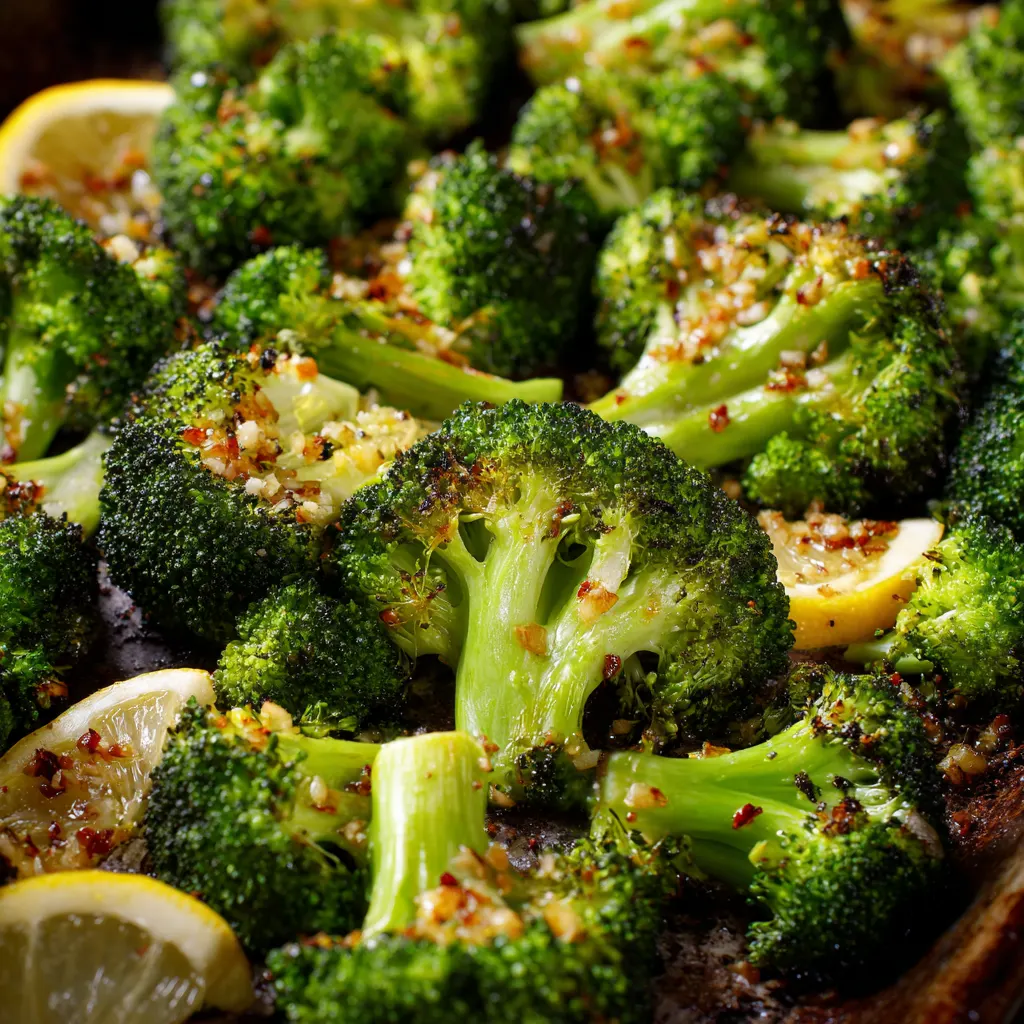
Finish and Serve: The broccoli is ready when it is tender when pierced with a fork, with deeply browned, slightly crispy, or charred edges. Remove the pan from the oven. Immediately squeeze the juice of half of the lemon liberally over the hot broccoli. If using, toss with the Parmesan cheese. Taste, adjust salt and pepper as needed, and serve immediately while hot.
The Science of Sizzle: Mastering the Roast
Achieving perfectly crispy, tender-crisp roasted broccoli requires attention to a few simple, yet vital, scientific principles related to heat and moisture management. The goal is to maximize caramelization while preventing the florets from turning mushy.
Temperature and Caramelization
The recommended temperature range of 400°F to 425°F is essential. This high heat initiates the Maillard reaction, a chemical process between amino acids and reducing sugars that gives browned food its deep, complex flavor. This reaction is what creates the sweet, nutty, and savory notes often referred to as “umami” in the roasted broccoli tips. If the temperature is too low, the broccoli will cook through but essentially steam and remain pale green and soft. At 425°F, the moisture evaporates quickly, allowing the exterior to crisp and caramelize before the interior overcooks.
The Single-Layer Rule
The single most common mistake in roasting vegetables is overcrowding the pan. When too many vegetables are packed together, they release moisture that gets trapped, creating a humid environment. This instantly lowers the temperature of the pan surface, causing the broccoli to steam in its own liquid instead of roasting. The result is soft, dull, soggy florets. By spreading the broccoli in a true single layer, the moisture immediately evaporates, exposing the vegetable to the dry, high heat needed for crispness and browning. If you are preparing a large batch, always use two separate sheet pans.
Handling the Garlic
Garlic is delicate and prone to burning at high temperatures, which introduces an unpleasant, acrid bitterness. To mitigate this risk:
-
Slice vs. Mince: If roasting at 425°F for more than 15 minutes, thinly slicing the garlic is generally safer than mincing. Sliced pieces have less surface area exposed and are less likely to disappear into a burnt crisp.
-
Add Mid-Cook: For maximum flavor and safety, some chefs recommend adding the garlic only during the last 5 to 7 minutes of roasting, once the broccoli is already browning.
-
Use Roasted Garlic: For a sweeter, milder depth of flavor, roast a whole head of garlic separately until soft (wrapped in foil with olive oil) and then squeeze the pulp over the finished broccoli.
The Perfect Trio: Selecting and Balancing Key Ingredients
While the recipe is simple, the quality and preparation of the core ingredients—broccoli, oil, and aromatics—dictate the final dish’s success.
Broccoli Selection and Prep
Choose heads of broccoli that are firm, tightly packed, and vibrant green. Avoid any yellowing or flowering. When preparing, focus on creating uniform florets. While the size can vary slightly, aim for pieces between 1 and 1.5 inches. This ensures even cooking; small slivers will burn, while giant chunks will remain raw in the center.
Don’t discard the stems! Peel the tough outer layer and chop the tender interior stem into small, coin-sized pieces. These can be tossed with the florets and roasted alongside them, as they have a slightly sweeter flavor and roast well.
Finally, ensuring the broccoli is completely dry before oiling and seasoning is crucial. Residual water will lower the temperature and lead to steaming, undermining your efforts to achieve crisp edges. A quick pat-down with a kitchen towel or paper towel works wonders.
Oil Choice and Coverage
Extra virgin olive oil (EVOO) is the standard choice for this dish due to its flavor, but any oil with a high smoke point (like avocado oil) works well, especially if you plan to roast at the maximum 450°F. The key is balance:
-
Sufficient Coating: The broccoli needs enough oil to be glistening and coated, which facilitates heat transfer and crisping. For 1.5 pounds of broccoli, 3 tablespoons is an ideal starting point.
-
Avoid Drowning: The florets should not be swimming in oil. Too much oil will make the edges greasy rather than crisp. If the oil pools at the bottom of the bowl after tossing, you’ve used too much.
Lemon Zest vs. Lemon Juice
The interaction between the lemon’s zest and its juice is the secret to maximizing the bright, signature flavor of this side dish.
-
Zest for Depth: The zest contains the lemon’s aromatic oils. Adding the zest before roasting allows these oils to infuse and permeate the olive oil and broccoli as it cooks, building a foundational citrus flavor.
-
Juice for Brightness: The fresh juice must be added after the broccoli comes out of the oven. If lemon juice is added before roasting, the acid is dulled and muted by the heat, resulting in a flat flavor. Adding it at the end ensures a vibrant, refreshing tang that cuts through the savory garlic and the richness of the oil.
Flavor Fusion: Creative Variations and Elevating the Dish
The core lemon-garlic recipe is perfect as is, but its robust foundation makes it an excellent canvas for customization. A few simple additions can drastically alter the profile of the dish.
The Parmesan Finish
Adding Parmesan cheese is perhaps the most popular enhancement. The savory, salty notes of Parmigiano-Reggiano provide an incredible umami counterpoint to the bitterness of the broccoli and the acidity of the lemon.
-
When to Add: Cheese should always be added after the roasting is complete. The residual heat of the broccoli is enough to soften and melt the cheese slightly without burning it. Tossing it with the hot, lemon-dressed broccoli immediately after removing it from the oven creates a light, salty crust. Use freshly grated or shaved Parmesan for the best texture and flavor.
Heat and Spice
For those who crave a bit of warmth, a pinch of heat provides a pleasant contrast:
-
Red Pepper Flakes: A light sprinkle of crushed red pepper flakes can be added either before roasting (for a deeper, cooked-in heat) or immediately after (for a brighter, more immediate spice).
-
Spice Blends: Try adding a dash of smoked paprika for a smoky depth, or a small amount of onion powder for a more complex savory profile. Tumeric, cumin, and coriander can also be used, depending on the main dish you are pairing it with.
Texture and Crunch
Introducing contrasting textures elevates the dish from a simple side to a dynamic culinary experience.
-
Toasted Nuts: Slivers of toasted almonds, pine nuts, or chopped walnuts offer a delightful crunch. These should be toasted separately or added to the pan during the last few minutes of roasting to prevent them from burning, and then tossed with the finished broccoli.
-
Herbs: Fresh herbs, added after roasting, provide an extra layer of freshness. Chopped parsley, fresh basil, or a few sprigs of thyme or rosemary can brighten the overall taste.
Pairing and Prep: Making the Most of Your Side
The simplicity and balanced flavor of Lemon Garlic Roasted Broccoli make it an incredibly versatile side dish that integrates seamlessly into a variety of meal plans.
Perfect Pairings
Due to its bright, acidic, and savory profile, this broccoli is designed to cut through rich or heavy main courses.
-
Lean Proteins: It is a classic pairing for light proteins like grilled chicken, baked fish (especially salmon or cod), and seared scallops. The lemon notes complement the seafood beautifully.
-
Pasta and Grains: Toss the finished broccoli, along with its oil and lemon dressing, into simple pasta dishes, rice bowls, or quinoa salads for a flavorful vegetarian meal.
-
Meats: It provides a necessary green counterpoint to heavier meats like roasted pork loin, lamb chops, or steak, offering a palate cleanser with every bite.
Meal Prep and Storage
This recipe is excellent for meal preparation, though its texture is always best immediately after roasting.
-
Storage: Store leftovers in an airtight container in the refrigerator for up to 3 days. Note that the crispy edges will soften overnight.
-
Reheating for Crispness: To restore some of the desired crunch, avoid the microwave. Instead, reheat the broccoli on a dry baking sheet in a 350°F (175°C) oven for about 8 to 10 minutes, or use an air fryer. This re-crisps the exterior without completely overcooking the interior.
-
Serving Cold: Leftovers can also be served cold or at room temperature as a flavorful addition to an antipasto platter or a hearty lunch salad. The lemon-garlic dressing acts as a natural marinade, infusing the florets with even more flavor.