
Veggie Stir-Fry Meal Prep Ideas Stir-fries are a fantastic way to pack a ton of vegetables into a single meal. They’re quick, easy, and endlessly customizable, making them perfect for meal prepping. But sometimes, coming up with new and exciting stir-fry combinations can be a challenge. This article provides you with inspiration and practical tips…
Veggie Stir-Fry Meal Prep Ideas
Stir-fries are a fantastic way to pack a ton of vegetables into a single meal. They’re quick, easy, and endlessly customizable, making them perfect for meal prepping. But sometimes, coming up with new and exciting stir-fry combinations can be a challenge. This article provides you with inspiration and practical tips for creating delicious and healthy veggie stir-fry meal prep recipes that will keep your taste buds happy and your schedule on track.
Why Veggie Stir-Fry is Perfect for Meal Prep
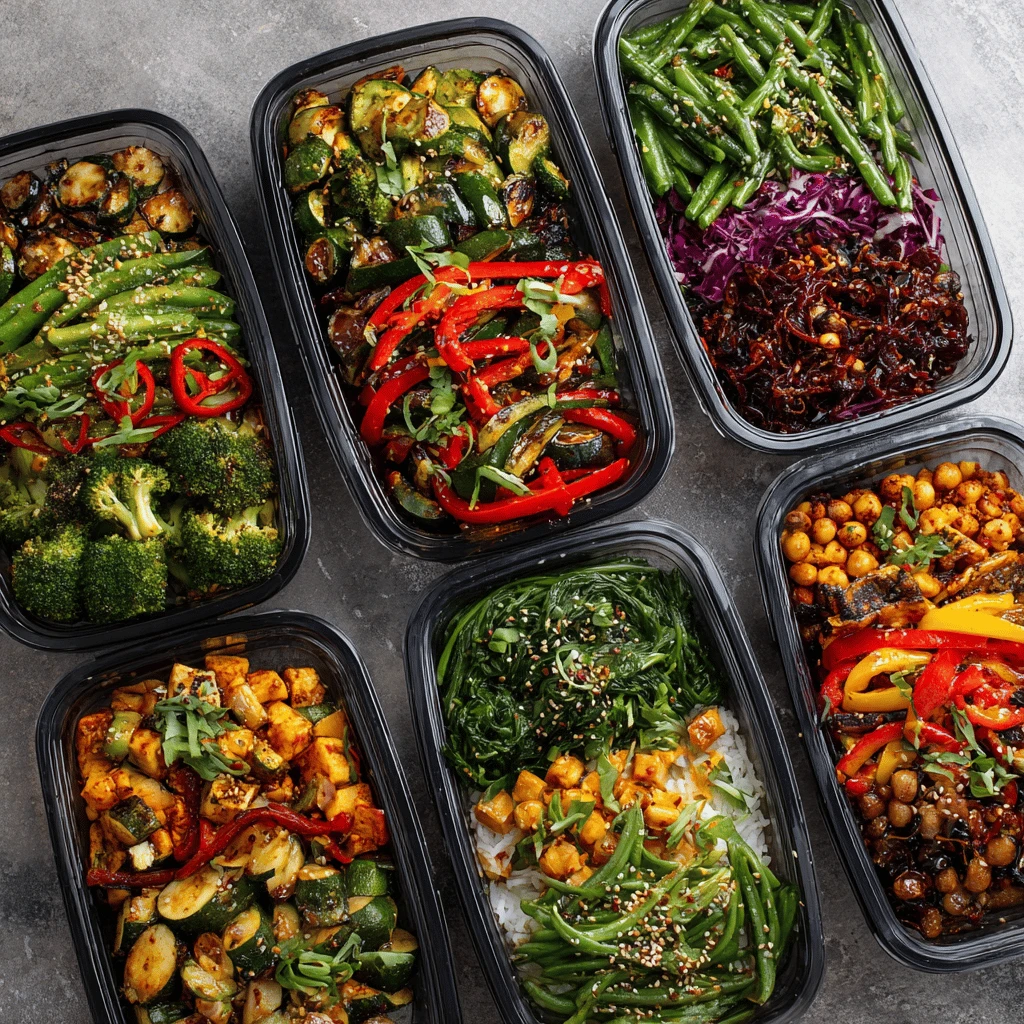
Veggie stir-fries offer numerous advantages when it comes to meal prepping:
- Nutrient-Packed: You can load up on vitamins, minerals, and fiber by using a wide variety of colorful vegetables.
- Versatile: The possibilities are endless! Swap out different vegetables, proteins (tofu, tempeh), and sauces to create diverse and exciting meals each week.
- Quick & Easy: Stir-fries cook quickly, making them ideal for busy weeknights or weekend meal prep sessions.
- Customizable: Cater to dietary restrictions and preferences by adjusting the ingredients to suit your needs (gluten-free, vegan, low-carb).
- Reheats Well: Stir-fries generally reheat well, especially when stored properly, making them perfect for enjoying throughout the week.
Key Ingredients for Veggie Stir-Fry Success
The foundation of any great veggie stir-fry lies in the quality and variety of its ingredients. Here’s a breakdown of essential components:
The Vegetable Base
Aim for a rainbow of colors to maximize nutritional benefits. Great options include:
- Broccoli & Cauliflower: These cruciferous vegetables add a satisfying crunch and are packed with vitamins.
- Bell Peppers: Choose different colors (red, yellow, orange) for visual appeal and varying levels of sweetness.
- Carrots: Julienne or slice carrots thinly for even cooking.
- Snap Peas & Snow Peas: Add a delightful sweetness and crispness.
- Mushrooms: Shiitake, cremini, or button mushrooms all work well, adding an earthy flavor.
- Onions & Garlic: Essential for building flavor.
- Spinach & Bok Choy: Add these leafy greens towards the end of cooking to prevent them from becoming too wilted.
- Zucchini & Summer Squash: Mild in flavor and readily absorb the sauce.
- Edamame: Adds plant-based protein and a vibrant green color.
Protein Powerhouse (Optional)
While the focus is on vegetables, consider adding a plant-based protein source for a more complete meal.
- Tofu: Firm or extra-firm tofu works best. Press it to remove excess water and cube it before stir-frying.
- Tempeh: Another excellent source of protein. Marinate it before adding it to the stir-fry for extra flavor.
- Edamame: As mentioned earlier, edamame provides a boost of protein.
- Chickpeas: Roasted or pan-fried chickpeas add a satisfying crunch and protein.
The Flavor Enhancer: Stir-Fry Sauce
The sauce is what ties everything together and gives your stir-fry its unique flavor profile. Here are a few options:
- Soy Sauce Based: Combine soy sauce (or tamari for gluten-free), rice vinegar, sesame oil, ginger, garlic, and a touch of sweetener (maple syrup, agave, or brown sugar).
- Peanut Sauce: Blend peanut butter, soy sauce, rice vinegar, honey (or maple syrup), sesame oil, ginger, and garlic. Add water to thin to desired consistency.
- Hoisin Sauce: Hoisin sauce has a rich, sweet, and savory flavor. Combine it with soy sauce, rice vinegar, and sesame oil.
- Teriyaki Sauce: Use store-bought or homemade teriyaki sauce.
The Carb Component (Optional)
Serve your stir-fry over a bed of your favorite carbohydrates:
- Rice: Brown rice, white rice, or jasmine rice are all good options.
- Noodles: Udon noodles, soba noodles, or rice noodles work well.
- Quinoa: A high-protein, gluten-free option.
Finishing Touches
These add texture, flavor, and visual appeal:
- Sesame Seeds: Sprinkle sesame seeds over the finished stir-fry.
- Chopped Green Onions: Add a fresh, oniony flavor.
- Crushed Peanuts: Provide a satisfying crunch (especially with peanut sauce).
- Red Pepper Flakes: Add a touch of heat.
- Fresh Herbs: Cilantro, basil, or mint can add a bright, fresh flavor.
Delicious Veggie Stir-Fry Meal Prep Recipes
Here are a few recipe ideas to get you started:
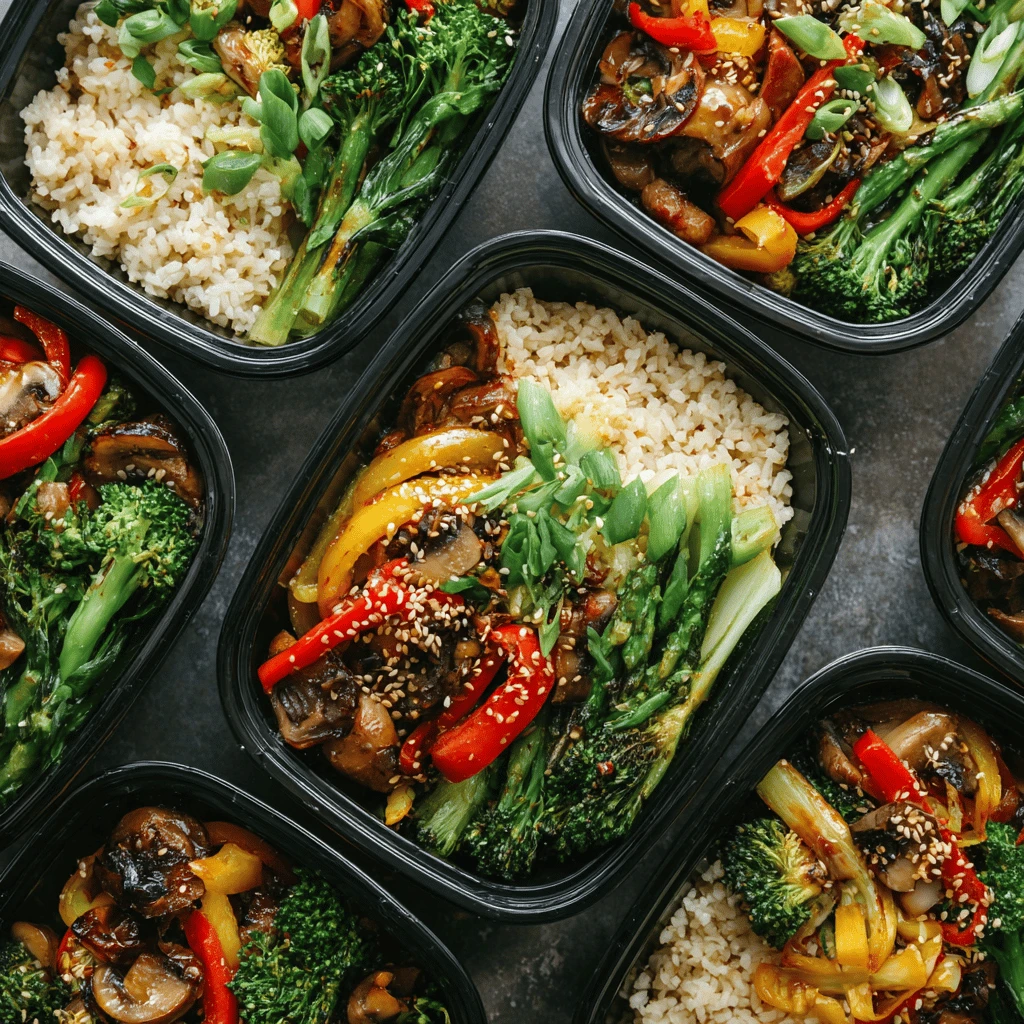
Broccoli & Tofu Stir-Fry with Peanut Sauce
- Vegetables: Broccoli florets, sliced bell peppers, shredded carrots, chopped onions, minced garlic.
- Protein: Cubed firm tofu (pressed).
- Sauce: Peanut butter, soy sauce, rice vinegar, honey, sesame oil, ginger, garlic, water.
- Serving Suggestion: Brown rice.
- Garnish: Crushed peanuts, chopped green onions.
Shiitake Mushroom & Bok Choy Stir-Fry with Soy-Ginger Sauce
- Vegetables: Sliced shiitake mushrooms, chopped bok choy, sliced snap peas, minced ginger, minced garlic.
- Protein: Edamame (shelled).
- Sauce: Soy sauce, rice vinegar, sesame oil, grated ginger, minced garlic, maple syrup.
- Serving Suggestion: Soba noodles.
- Garnish: Sesame seeds, chopped green onions.
Rainbow Veggie Stir-Fry with Hoisin Sauce
- Vegetables: Broccoli florets, sliced bell peppers (red, yellow, orange), shredded carrots, sliced zucchini, chopped onions, minced garlic.
- Protein: Tempeh (cubed and marinated).
- Sauce: Hoisin sauce, soy sauce, rice vinegar, sesame oil.
- Serving Suggestion: Quinoa.
- Garnish: Red pepper flakes, chopped cilantro.
Spicy Cauliflower and Chickpea Stir-Fry
- Vegetables: Cauliflower florets, sliced bell peppers, diced onion, minced garlic, spinach.
- Protein: Chickpeas.
- Sauce: Soy sauce, chili garlic sauce, rice vinegar, sesame oil, ginger, honey.
- Serving Suggestion: Rice noodles.
- Garnish: Green onions, sesame seeds.
Tips for Successful Veggie Stir-Fry Meal Prep
- Prep in Advance: Chop vegetables and prepare the sauce ahead of time to streamline the cooking process. Store them separately in airtight containers in the refrigerator.
- Don’t Overcrowd the Pan: Cook vegetables in batches to ensure even cooking and prevent steaming.
- Stir-Fry at High Heat: Use a wok or large skillet and cook over high heat for best results.
- Cook Vegetables to Your Liking: Some people prefer their vegetables crisp-tender, while others like them more well-done. Adjust the cooking time accordingly.
- Add Sauces at the End: Add the sauce towards the end of cooking to prevent it from burning or becoming too thick.
- Store Properly: Allow the stir-fry to cool completely before transferring it to airtight containers. Store in the refrigerator for up to 4 days.
- Reheat Properly: Reheat in a skillet on the stovetop or in the microwave. Add a splash of water or broth if needed to prevent it from drying out.
- Consider Freezing: While stir-fries are best fresh, they can be frozen. Cook the stir-fry, cool it completely, and then freeze it in portion-sized containers. Use within 2-3 months for best quality. When reheating, add a little extra sauce as it may have been absorbed during freezing.
- Invest in a Good Wok: A quality wok will distribute heat evenly and make stir-frying easier and more enjoyable.
Frequently Asked Questions (FAQs)
- How long does veggie stir-fry last in the fridge? Properly stored in an airtight container in the refrigerator, veggie stir-fry will last for up to 4 days.
- Can I freeze veggie stir-fry? Yes, veggie stir-fry can be frozen for 2-3 months. Cool completely before freezing in portion-sized containers. Add extra sauce when reheating.
- What are the best vegetables for stir-fry? The best vegetables for stir-fry are those that hold their shape well and cook quickly. Good options include broccoli, bell peppers, carrots, snap peas, mushrooms, and zucchini.
- How do I prevent my stir-fry from being soggy? To prevent soggy stir-fry, don’t overcrowd the pan, cook over high heat, and avoid adding too much sauce.
- What’s a good substitute for soy sauce? For a gluten-free option, use tamari. Coconut aminos are another alternative, offering a slightly sweeter flavor.
- How can I make my stir-fry spicy? Add red pepper flakes, chili garlic sauce, or a chopped chili pepper to your stir-fry.
- Is stir-fry healthy? Yes, stir-fry can be a very healthy meal, especially when it is loaded with vegetables and lean protein.