Shrimp Stir-Fry Meal Prep Ideas: Delicious & Healthy Recipes Shrimp stir-fry is a fantastic meal prep option – it’s quick to cook, packed with protein, and incredibly versatile. Whether you’re aiming for a healthy lunch, a convenient dinner, or simply looking to simplify your week, this guide will provide you with delicious and easy shrimp…
Shrimp Stir-Fry Meal Prep Ideas: Delicious & Healthy Recipes
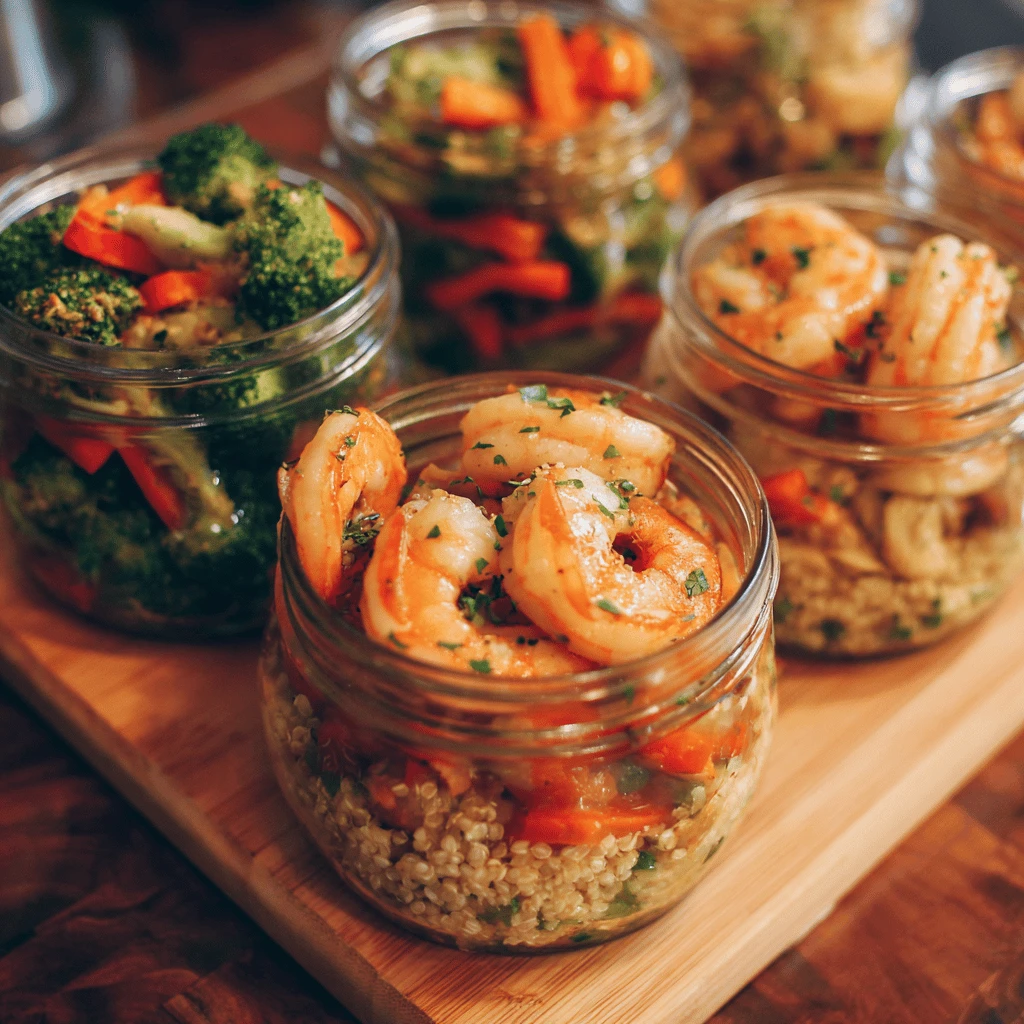
Shrimp stir-fry is a fantastic meal prep option – it’s quick to cook, packed with protein, and incredibly versatile. Whether you’re aiming for a healthy lunch, a convenient dinner, or simply looking to simplify your week, this guide will provide you with delicious and easy shrimp stir-fry meal prep ideas, along with tips for storing and reheating.

Why Shrimp Stir-Fry is Perfect for Meal Prep
Shrimp is a lean protein source that cooks quickly, making it ideal for busy weeknights. Stir-fries are also a great way to incorporate a variety of vegetables, ensuring you get a balanced and nutritious meal. Moreover, shrimp stir-fry tastes great reheated, provided it’s stored properly.
Health Benefits of Shrimp
Shrimp is low in calories and rich in nutrients like selenium, vitamin B12, and omega-3 fatty acids. Selenium is an antioxidant that supports thyroid function, while vitamin B12 is essential for nerve function and energy production. Omega-3 fatty acids are known for their heart-healthy benefits.
Customizing Your Stir-Fry
The beauty of a stir-fry lies in its adaptability. You can easily customize it to your liking by choosing your favorite vegetables, sauces, and seasonings. This makes it easy to create a meal that fits your dietary needs and preferences. Whether you prefer a spicy kick, a savory depth, or a sweet note, the possibilities are endless.
Delicious Shrimp Stir-Fry Recipes for Meal Prep
Here are three delicious and easy shrimp stir-fry recipes perfect for meal prepping. Each recipe serves 4 and can be easily scaled up or down.
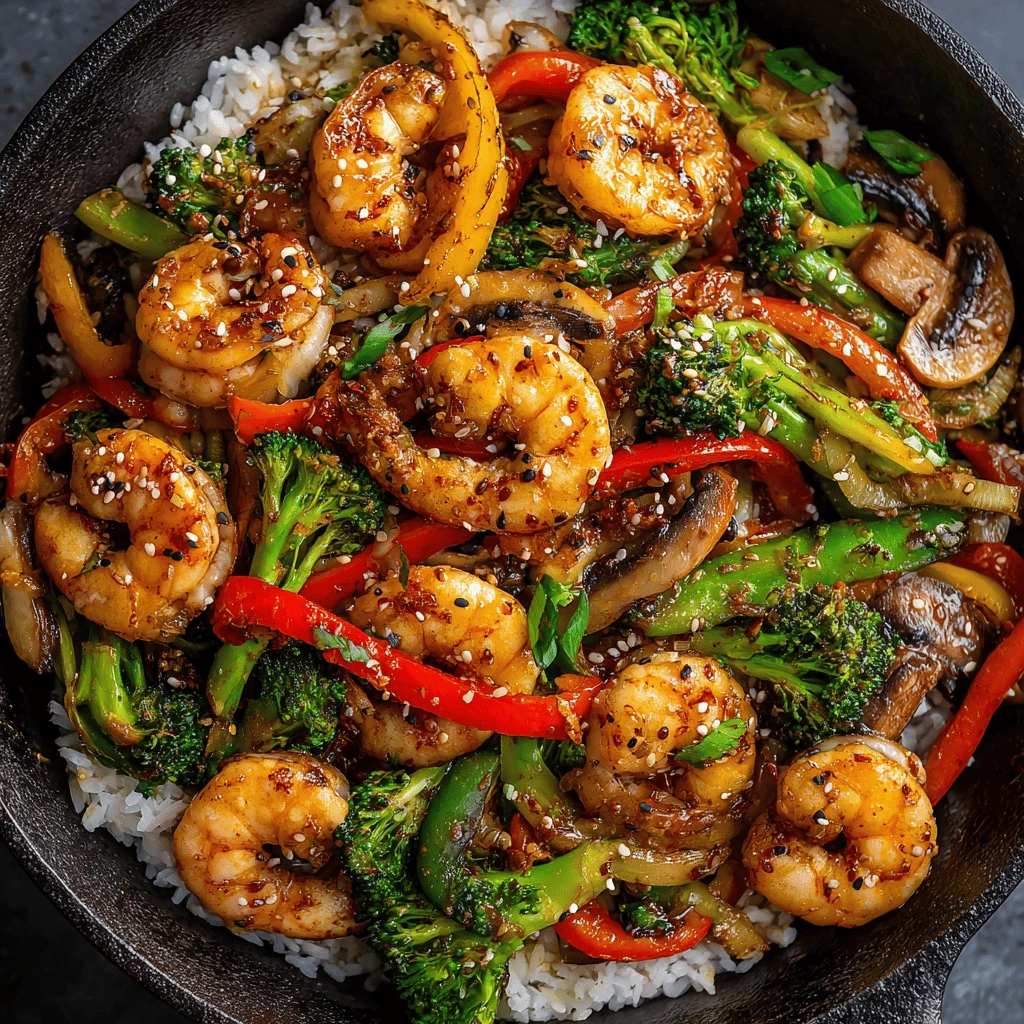
Classic Shrimp and Broccoli Stir-Fry
This recipe is a simple and healthy option that’s perfect for a quick lunch or dinner.
Ingredients:
- 1 pound large shrimp, peeled and deveined
- 2 cups broccoli florets
- 1 red bell pepper, thinly sliced
- 2 cloves garlic, minced
- 1 inch ginger, grated
- 2 tablespoons soy sauce (low sodium)
- 1 tablespoon honey
- 1 tablespoon rice vinegar
- 1 teaspoon sesame oil
- 1 tablespoon cornstarch
- Cooked rice or quinoa for serving
Instructions:
1. In a small bowl, whisk together soy sauce, honey, rice vinegar, sesame oil, and cornstarch. Set aside.
2. Heat a large skillet or wok over medium-high heat. Add a tablespoon of oil (canola or vegetable oil works well).
3. Add the shrimp and cook for 2-3 minutes, until pink and cooked through. Remove the shrimp from the skillet and set aside.
4. Add the broccoli and bell pepper to the skillet and cook for 5-7 minutes, until tender-crisp.
5. Add the garlic and ginger to the skillet and cook for 1 minute, until fragrant.
6. Pour the sauce over the vegetables and bring to a simmer. Cook for 1-2 minutes, until the sauce has thickened.
7. Return the shrimp to the skillet and toss to coat with the sauce.
8. Serve the shrimp stir-fry over cooked rice or quinoa.
Spicy Sriracha Shrimp Stir-Fry
For those who enjoy a little heat, this Sriracha shrimp stir-fry is sure to satisfy.
Ingredients:
- 1 pound large shrimp, peeled and deveined
- 1 red bell pepper, thinly sliced
- 1 green bell pepper, thinly sliced
- 1 onion, thinly sliced
- 2 cloves garlic, minced
- 1 inch ginger, grated
- 2 tablespoons soy sauce (low sodium)
- 1 tablespoon Sriracha sauce (adjust to taste)
- 1 tablespoon honey
- 1 tablespoon rice vinegar
- 1 teaspoon sesame oil
- 1 tablespoon cornstarch
- Cooked noodles or rice for serving
Instructions:
1. In a small bowl, whisk together soy sauce, Sriracha, honey, rice vinegar, sesame oil, and cornstarch. Set aside.
2. Heat a large skillet or wok over medium-high heat. Add a tablespoon of oil.
3. Add the shrimp and cook for 2-3 minutes, until pink and cooked through. Remove the shrimp from the skillet and set aside.
4. Add the bell peppers and onion to the skillet and cook for 5-7 minutes, until tender-crisp.
5. Add the garlic and ginger to the skillet and cook for 1 minute, until fragrant.
6. Pour the sauce over the vegetables and bring to a simmer. Cook for 1-2 minutes, until the sauce has thickened.
7. Return the shrimp to the skillet and toss to coat with the sauce.
8. Serve the shrimp stir-fry over cooked noodles or rice.
Coconut Curry Shrimp Stir-Fry
This flavorful stir-fry combines the richness of coconut milk with the warmth of curry spices.
Ingredients:
- 1 pound large shrimp, peeled and deveined
- 1 can (13.5 oz) coconut milk
- 1 red bell pepper, thinly sliced
- 1 zucchini, thinly sliced
- 1 cup snow peas
- 2 cloves garlic, minced
- 1 inch ginger, grated
- 2 tablespoons red curry paste (adjust to taste)
- 1 tablespoon fish sauce (optional)
- 1 tablespoon lime juice
- Fresh cilantro, chopped, for garnish
- Cooked rice or quinoa for serving
Instructions:
1. Heat a large skillet or wok over medium-high heat. Add a tablespoon of oil.
2. Add the shrimp and cook for 2-3 minutes, until pink and cooked through. Remove the shrimp from the skillet and set aside.
3. Add the bell pepper, zucchini, and snow peas to the skillet and cook for 5-7 minutes, until tender-crisp.
4. Add the garlic and ginger to the skillet and cook for 1 minute, until fragrant.
5. Stir in the red curry paste and cook for 1 minute more.
6. Pour in the coconut milk and bring to a simmer. Cook for 5 minutes, until the sauce has slightly thickened.
7. Stir in the fish sauce (if using) and lime juice.
8. Return the shrimp to the skillet and toss to coat with the sauce.
9. Serve the shrimp stir-fry over cooked rice or quinoa, garnished with fresh cilantro.
Tips for Storing and Reheating Shrimp Stir-Fry
Proper storage and reheating are crucial for maintaining the quality and safety of your shrimp stir-fry.
Cooling and Storing
- Cool down: Allow the stir-fry to cool completely before storing it. This prevents condensation from forming, which can make the food soggy and promote bacterial growth.
- Portioning: Divide the stir-fry into individual containers for easy portioning and reheating.
- Airtight containers: Store the stir-fry in airtight containers to prevent it from drying out and absorbing odors from the refrigerator.
- Refrigeration: Store the stir-fry in the refrigerator for up to 3-4 days.
Reheating
- Microwave: The microwave is the quickest way to reheat shrimp stir-fry. Place the stir-fry in a microwave-safe dish, cover loosely, and heat in 1-minute intervals, stirring in between, until heated through. Be careful not to overheat, as this can make the shrimp tough.
- Skillet: For a more even reheat, you can reheat the stir-fry in a skillet. Heat a tablespoon of oil in a skillet over medium heat. Add the stir-fry and cook, stirring occasionally, until heated through.
- Oven: While less common, you can also reheat shrimp stir-fry in the oven. Preheat the oven to 350°F (175°C). Place the stir-fry in an oven-safe dish, cover with foil, and heat for 15-20 minutes, or until heated through.
Safety Considerations
- Don’t leave at room temperature: Never leave cooked shrimp stir-fry at room temperature for more than two hours. Bacteria can grow rapidly at room temperature.
- Reheat thoroughly: Ensure the stir-fry is heated through to an internal temperature of 165°F (74°C) to kill any harmful bacteria.
- Discard if questionable: If the stir-fry has an unusual odor or appearance, discard it to avoid the risk of food poisoning.
Variations and Customization Options
One of the best things about shrimp stir-fry is how versatile it is. You can easily adapt the recipes to suit your taste preferences and dietary needs.
Vegetable Variations
Feel free to swap out or add any vegetables you like. Some great options include:
- Carrots
- Mushrooms
- Snap peas
- Baby corn
- Water chestnuts
- Bok choy
- Asparagus
Sauce Variations
Experiment with different sauces to create unique flavor profiles. Some ideas include:
- Teriyaki sauce
- Hoisin sauce
- Oyster sauce
- Peanut sauce
- Sweet chili sauce
Protein Variations
While this article focuses on shrimp, you can easily substitute it with other proteins, such as:
- Chicken
- Beef
- Tofu
Low-Carb Options
To make a low-carb shrimp stir-fry, skip the rice or noodles and serve it over cauliflower rice or zucchini noodles. You can also use low-carb soy sauce alternatives like coconut aminos.
Dietary Considerations
- Gluten-free: Use gluten-free soy sauce or tamari.
- Dairy-free: Ensure your sauces and other ingredients are dairy-free.
- Vegetarian/Vegan: Replace the shrimp with tofu or tempeh.
Frequently Asked Questions (FAQ)
Here are some common questions about making and storing shrimp stir-fry.
How long can I store shrimp stir-fry in the refrigerator?
You can safely store shrimp stir-fry in the refrigerator for up to 3-4 days. Make sure to store it in an airtight container.
Can I freeze shrimp stir-fry?
While you can freeze shrimp stir-fry, the texture of the shrimp and vegetables may change upon thawing. It’s best to consume it within 1-2 months for optimal quality.
How do I prevent my stir-fry from becoming soggy?
To prevent sogginess, avoid overcrowding the pan when cooking, and make sure to drain any excess liquid from the vegetables before adding them to the stir-fry. Cooling the stir-fry completely before storing it also helps.
What are some healthy sides to serve with shrimp stir-fry?
Healthy side options include brown rice, quinoa, steamed vegetables, or a side salad.
Can I use frozen shrimp for stir-fry?
Yes, frozen shrimp works well in stir-fries. Just make sure to thaw it completely and pat it dry before cooking.
What is the best way to reheat shrimp stir-fry?
The best way to reheat shrimp stir-fry is in a skillet over medium heat, stirring occasionally, until heated through. You can also use the microwave, but be careful not to overcook the shrimp.
What kind of oil should I use for stir-frying?
Use a high-smoke-point oil like canola, vegetable, or peanut oil.