
In the culinary landscape, few dishes deliver the rustic satisfaction and profound depth of flavor quite like Chicken Cacciatore. Meaning “hunter-style” in Italian, this dish traditionally involves braising chicken pieces with tomatoes, onions, peppers, and herbs. Translating this centuries-old Italian classic to the modern slow cooker not only streamlines the process into a convenient, hands-off…
In the culinary landscape, few dishes deliver the rustic satisfaction and profound depth of flavor quite like Chicken Cacciatore. Meaning “hunter-style” in Italian, this dish traditionally involves braising chicken pieces with tomatoes, onions, peppers, and herbs. Translating this centuries-old Italian classic to the modern slow cooker not only streamlines the process into a convenient, hands-off affair but also allows the rich, savory flavors of the sauce to meld over hours, resulting in chicken that is fall-apart tender and a deeply satisfying, hearty sauce. This guide provides the definitive recipe for an optimized slow cooker cacciatore, followed by the essential techniques, ingredient insights, and serving suggestions that elevate this simple weeknight dinner into an authentic family favorite.
Ingredients
For the Chicken and Searing (Optional but Recommended)
-
2 lbs boneless, skinless chicken thighs (about 6-8 pieces)
-
1 tablespoon olive oil (for searing)
-
1 teaspoon Kosher salt, divided
-
½ teaspoon black pepper, divided
For the Sauce and Vegetables
-
2 (14.5 oz) cans diced tomatoes, or 1 (28 oz) can crushed tomatoes (preferably San Marzano style)
-
1 (6 oz) can tomato paste
-
1 large yellow onion, sliced or diced
-
1 large red bell pepper, sliced
-
1 large green bell pepper, sliced
-
8 oz cremini or button mushrooms, sliced
-
4 cloves garlic, minced
-
½ cup dry red or white wine (such as Chianti, Pinot Grigio, or Sauvignon Blanc) or low-sodium chicken broth
-
2 teaspoons dried Italian seasoning
-
1 teaspoon dried oregano
-
½ teaspoon crushed red pepper flakes (optional)
-
1 cup chicken broth (low-sodium)
-
Fresh basil and parsley, chopped (for garnish)
Step-by-Step Instructions
1. Prepare the Chicken (Optional Searing)
In a small bowl, combine ½ teaspoon salt and ¼ teaspoon pepper. Pat the chicken thighs dry and season both sides. Heat 1 tablespoon of olive oil in a large skillet over medium-high heat. Sear the chicken for 3 to 4 minutes per side until lightly browned. Note: Searing adds a layer of rich flavor and helps the chicken hold its shape, but for a true “dump-and-go” recipe, this step can be skipped. Transfer the seared chicken to the slow cooker insert.
2. Build the Sauce Base
If you chose to sear the chicken, you can use the same skillet to briefly sauté the onions and peppers for 3-5 minutes until slightly softened (optional, but recommended). Add the minced garlic and cook for 1 minute until fragrant. If using wine, deglaze the pan with the wine, scraping up any browned bits (fond) from the chicken, and let it simmer for 1 minute before pouring the mixture into the slow cooker.
3. Assemble and Slow Cook
Add the remaining ingredients (canned tomatoes, tomato paste, mushrooms, Italian seasoning, oregano, red pepper flakes, remaining salt and pepper, and chicken broth) to the slow cooker. Stir the vegetables and sauce ingredients thoroughly to combine. Nestle the chicken into the sauce mixture, ensuring it is mostly submerged. Cover the slow cooker. Cook on Low for 6 to 8 hours or on High for 3 to 4 hours, or until the chicken is fork-tender and reaches an internal temperature of 165°F (74°C).
4. Finish and Serve
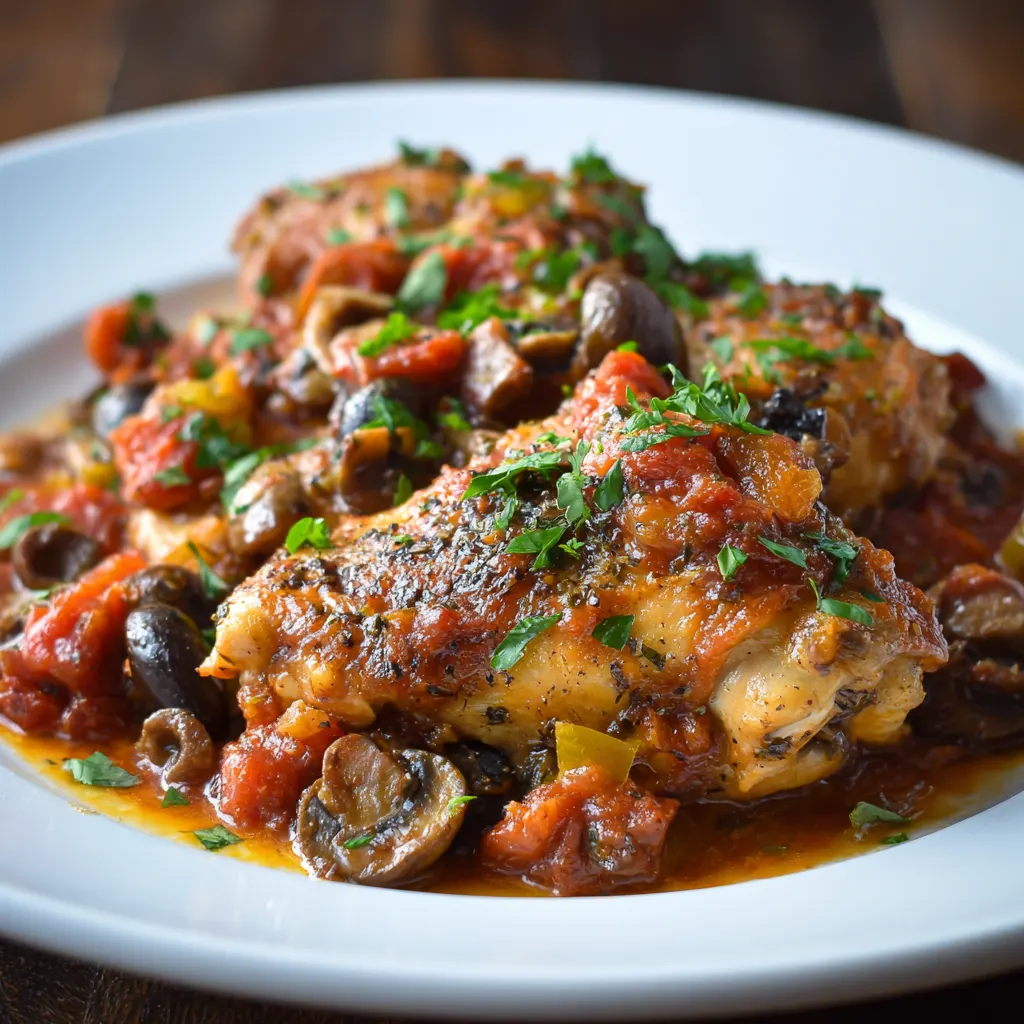
Once cooked, remove the lid. The chicken should be tender enough to shred easily. You can shred it and stir it back into the sauce, or leave the pieces whole. Taste the sauce and adjust seasonings (salt, pepper, or a pinch of sugar to balance acidity) as needed. If the sauce is too thin, see the thickening tip in Section 5. Ladle generously over your favorite pasta, polenta, or rice, and garnish with fresh chopped parsley and basil.
Achieving Authentic “Hunter’s Style” Flavor in the Slow Cooker
The slow cooker is a tool of convenience, but leveraging a few simple techniques can ensure the final dish captures the deep, rustic flavor profile of traditional, braised cacciatore. The key to success lies in choosing the right cut of meat and managing moisture and depth of flavor.
The Chicken Cut Debate: Thighs vs. Breasts
While boneless, skinless chicken breasts are a common choice for quick meals, the consensus for truly flavorful slow cooker cacciatore favors bone-in, skinless chicken thighs. Thigh meat contains more fat and connective tissue, which breaks down over the long cooking time, resulting in exceptionally juicy and tender chicken that resists drying out. If using boneless, skinless chicken breasts, be mindful of the cooking time, as they can quickly become tough if overcooked. For any bone-in chicken, removing the skin before cooking is crucial. Skin left on in the slow cooker will not crisp up; instead, it will turn soft and fatty, compromising the texture of the dish.
The Searing Difference
Many slow cooker recipes advocate for the “dump-and-go” method, and while this yields an edible meal, skipping the searing step leaves a vast amount of flavor potential unrealized. Searing the chicken thighs for a few minutes per side creates the Maillard reaction, developing a layer of rich, brown crust that deepens the savory notes of the final dish. Furthermore, deglazing the searing pan with a small amount of wine or broth and adding those pan drippings (known as fond) to the slow cooker infuses the entire sauce with concentrated chicken flavor, bridging the gap between a simple crockpot meal and a slow-braised masterpiece.
The Importance of Layering
For even cooking and superior flavor distribution, consider the order in which ingredients are added. Placing denser, slow-cooking vegetables (onions, carrots, bell peppers) on the bottom of the slow cooker helps insulate the chicken from the direct heat source. The chicken can then be nestled on top, and the sauce poured over it. This layering ensures that the vegetables soften perfectly without turning to mush, while the chicken cooks evenly and bathes in the aromatic sauce.
A Deep Dive into Ingredients: Crafting the Perfect Cacciatore Sauce
The essence of cacciatore lies in its vibrant, balanced tomato sauce, which should be savory, slightly acidic, and rich with herbs. Optimizing the sauce involves selecting high-quality base ingredients and knowing how to incorporate balancing agents.
The Tomato Base
The foundation of the sauce is the tomato. For the best, most authentic flavor, many enthusiasts recommend using San Marzano crushed tomatoes. These Italian plum tomatoes are known for their sweet flavor, low acidity, and thick pulp. When cooking in a slow cooker, which doesn’t allow for much moisture evaporation, using a concentrated tomato paste is vital. Tomato paste not only thickens the sauce but also adds a necessary depth of umami and richness that canned diced or crushed tomatoes alone cannot provide. For ultimate convenience, a high-quality jarred marinara or spaghetti sauce can be used, though this often reduces the cook’s ability to control the specific spice and herb levels.
The Role of Acidity and Wine
Authentic cacciatore recipes often call for wine to deglaze the pan and lend complexity. A dry red wine (like Chianti or a dry Cabernet Sauvignon) or a dry white wine (such as Pinot Grigio or Sauvignon Blanc) works best, as its acidity brightens the heavy, slow-cooked sauce. During the initial cooking or sautéing step, the alcohol evaporates, leaving behind only the rich flavor notes. For those avoiding alcohol, a splash of balsamic vinegar or a tablespoon of red wine vinegar paired with a small amount of chicken broth can mimic the necessary acidic balance, preventing the final dish from tasting flat.
Vegetable and Herb Variations
While bell peppers, onions, and mushrooms are non-negotiable staples, several variations can enhance the final dish:
-
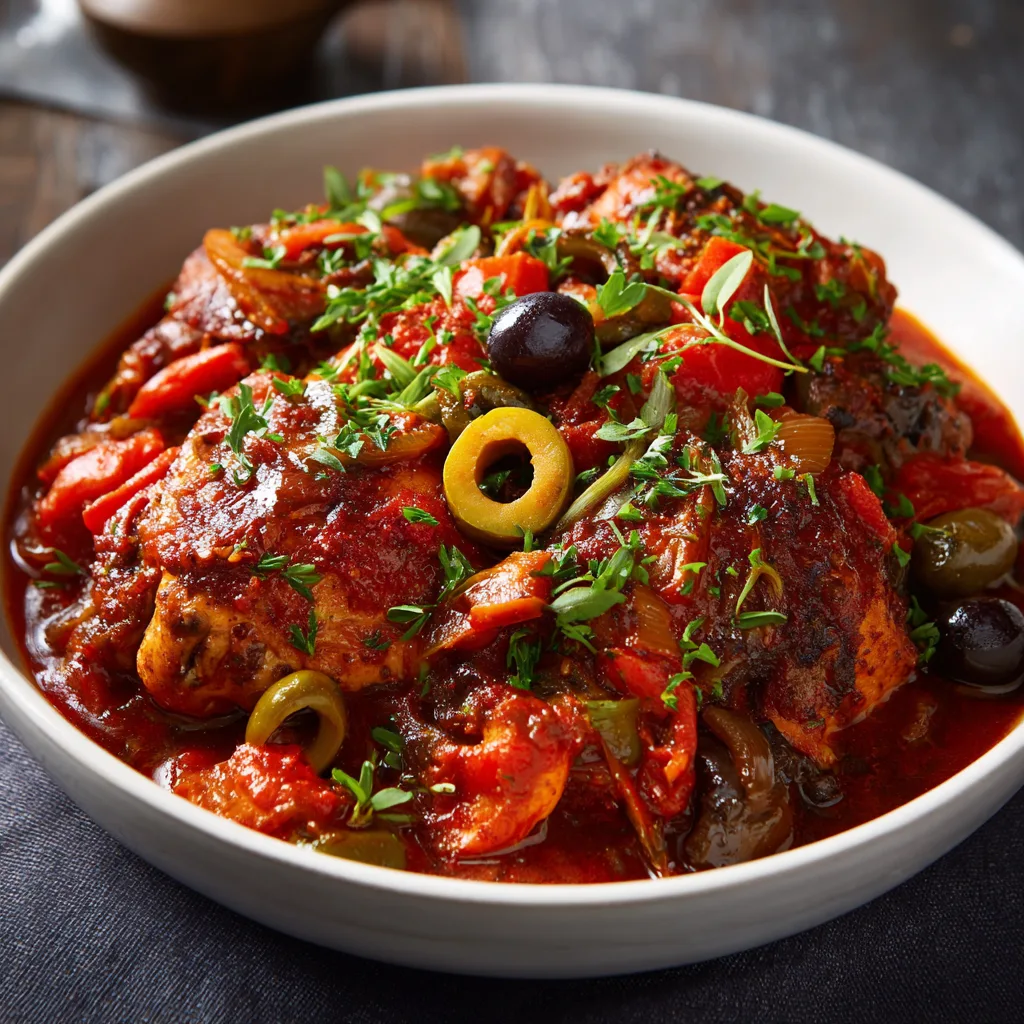
Olives: Adding a ½ cup of pitted Kalamata or Castelvetrano olives during the last hour of cooking introduces a salty, briny depth that complements the tomato sauce beautifully.
-
Carrots: Some recipes include diced carrots, which soften over the hours and add a subtle sweetness, balancing the tomato acidity and enhancing the nutritional profile.
-
Fresh Herbs: While dried Italian seasoning is a workhorse in the slow cooker, fresh herbs are best used as a garnish. Chopped fresh parsley, basil, or a sprig of fresh rosemary stirred in just before serving delivers a burst of brightness that freshens the deep, slow-cooked flavors.
Pairing and Presentation: Serving Your Chicken Cacciatore
Chicken Cacciatore is a versatile dish that transitions easily from a simple weeknight meal to an elegant, rustic dinner party centerpiece. The rich, savory sauce lends itself well to a variety of accompaniments designed to absorb and highlight the liquid gold.
Classic Accompaniments
The most traditional way to serve cacciatore is over a hearty, sauce-grabbing starch.
-
Pasta: Choose a pasta shape with grooves, ridges, or holes to capture the sauce effectively. Rigatoni, penne, or ditalini are excellent choices. Long strands like linguine or fettuccine also work well, especially if the chicken has been shredded into the sauce.
-
Polenta: Creamy, slow-cooked polenta (coarsely ground cornmeal) is a favorite pairing. Its neutral, slightly earthy flavor and velvety texture provide a perfect canvas for the rustic chicken and vegetable sauce.
-
Rice: Simple white rice (like jasmine or basmati) or heartier brown rice makes an excellent base, particularly for soaking up thinner sauces.
-
Bread: A crusty loaf of Italian or French bread, served warm, is essential for “mopping up” the remaining sauce on the plate—a practice known affectionately as fare la scarpetta.
Dietary and Modern Alternatives
For those adhering to specific dietary plans, the naturally low-carb nature of the chicken and sauce makes cacciatore highly adaptable:
-
Low-Carb: Serve over cauliflower rice, spiralized zucchini noodles (zoodles), or baked spaghetti squash.
-
Gluten-Free: Ensure that all wine or broth used is certified gluten-free, and serve over gluten-free pasta or rice.
Wine Pairings
As a rustic, tomato-based Italian dish, the cacciatore pairs best with a medium-bodied red wine that has good acidity and soft tannins. A classic choice is a Chianti or a Pinot Noir. These wines complement the acidity of the tomatoes without overpowering the herbs and chicken. If you used white wine in the recipe, a crisp, dry white like Pinot Grigio is also a refreshing option.
Troubleshooting and Storage: Ensuring Perfect Results Every Time
While the slow cooker is inherently forgiving, the long cooking process can lead to a few common issues. Knowing how to troubleshoot and safely store your leftovers ensures a perfect meal every time.
Managing a Thin or Watery Sauce
The most frequent issue with slow cooker chicken cacciatore is a sauce that is too thin. This is because the tight lid prevents the steam and moisture from evaporating, and the vegetables (especially mushrooms and peppers) release their internal water content.
Solutions for Thickening:
-
Simmer Uncovered: After the chicken is fully cooked and removed, switch the slow cooker to High (or transfer the sauce to a saucepan) and let the sauce simmer uncovered for 30 to 60 minutes. This simple reduction method allows excess water to evaporate, concentrating the flavors and thickening the sauce naturally.
-
Cornstarch Slurry: For a quicker fix, mix 2 tablespoons of cornstarch with 3 tablespoons of cold water in a separate bowl until smooth (this is called a slurry). Stir this mixture into the hot sauce and cook on High, stirring frequently, until the sauce thickens, usually within 15–20 minutes.
Avoiding Overcooked and Dry Chicken
While thighs are more forgiving, chicken breasts can quickly dry out. Check the internal temperature—the chicken is done when it reaches 165°F (74°C). If using breasts, err on the side of the shorter cooking time (3 hours on High or 6 hours on Low). If you know you’ll be cooking for the full 8 hours, using bone-in thighs is the safest bet to maintain moisture.
Safely Storing and Freezing
Slow Cooker Chicken Cacciatore is an excellent meal prep recipe, as it stores and freezes exceptionally well.
-
Refrigeration: Store the chicken and sauce in separate, airtight containers in the refrigerator for up to 3–4 days. Pro Tip: If serving with pasta, always store the sauce and the cooked pasta separately to prevent the noodles from becoming soggy and absorbing all the moisture.
-
Freezing: Cacciatore is freezer-friendly for up to 3 months. Cool the dish completely, then transfer the chicken and sauce to freezer-safe containers, leaving about an inch of headspace. Thaw overnight in the refrigerator before reheating on the stovetop or in the microwave. Reheating on the stovetop allows you to make any final adjustments to the sauce’s consistency or seasoning.