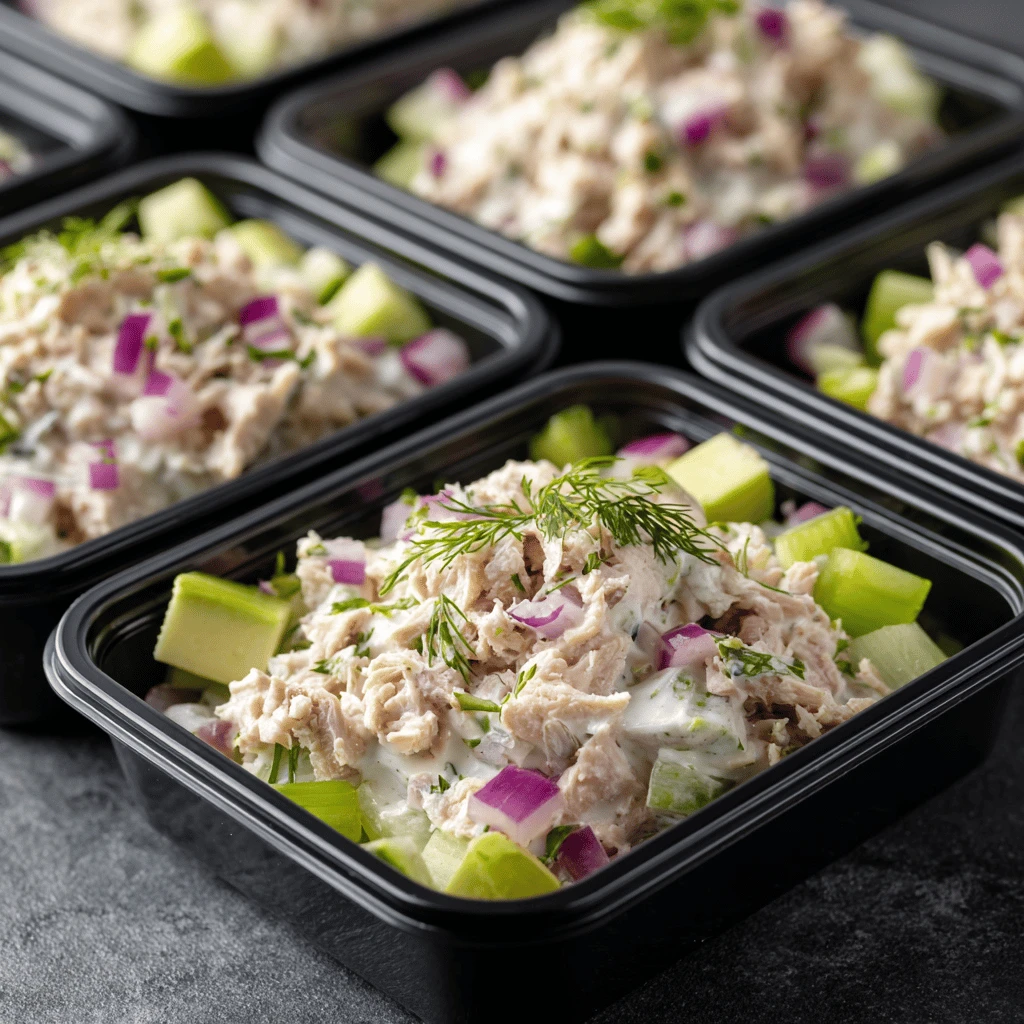
Healthy Tuna Meal Prep Idea Ingredients 5 cans (5 ounces each) tuna in water, drained 1/2 cup plain Greek yogurt (non-fat or low-fat) 1/4 cup red onion, finely chopped 1/4 cup celery, finely chopped 2 tablespoons fresh lemon juice 1 tablespoon Dijon mustard 1 teaspoon dried dill (or 1 tablespoon fresh dill, chopped) 1/4 teaspoon…
Healthy Tuna Meal Prep Idea
Ingredients
- 5 cans (5 ounces each) tuna in water, drained
- 1/2 cup plain Greek yogurt (non-fat or low-fat)
- 1/4 cup red onion, finely chopped
- 1/4 cup celery, finely chopped
- 2 tablespoons fresh lemon juice
- 1 tablespoon Dijon mustard
- 1 teaspoon dried dill (or 1 tablespoon fresh dill, chopped)
- 1/4 teaspoon black pepper
- Salt to taste
- Optional add-ins: avocado, corn, chopped pickles, bell peppers
Step-by-Step Instructions
1. Drain the tuna thoroughly. Press out any excess water. This helps prevent the tuna salad from becoming soggy.
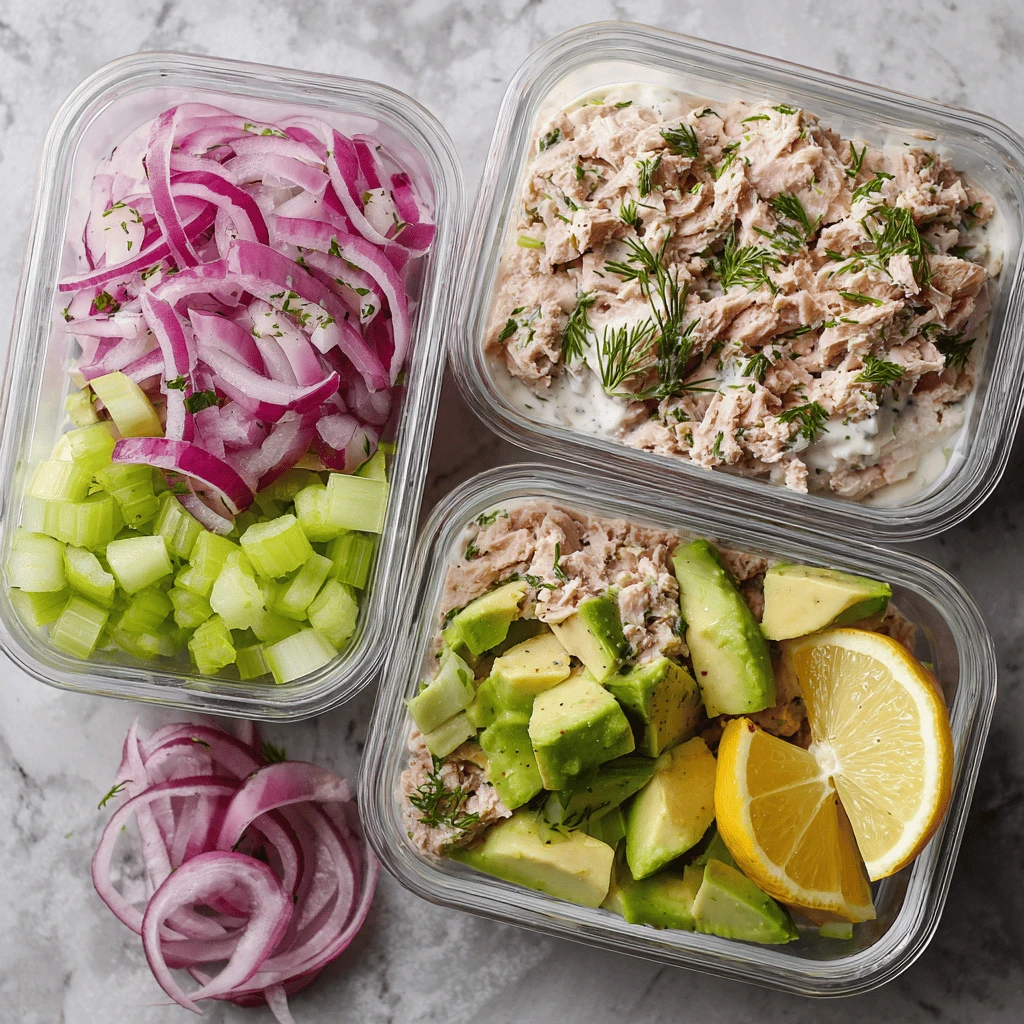
2. In a large bowl, combine the drained tuna, Greek yogurt, red onion, and celery.
3. Add the lemon juice, Dijon mustard, dried dill, and black pepper to the bowl.
4. Mix all ingredients together until well combined. Taste and add salt to your preference.
5. If desired, add any optional ingredients, such as avocado, corn, chopped pickles, or bell peppers. Mix gently to incorporate.
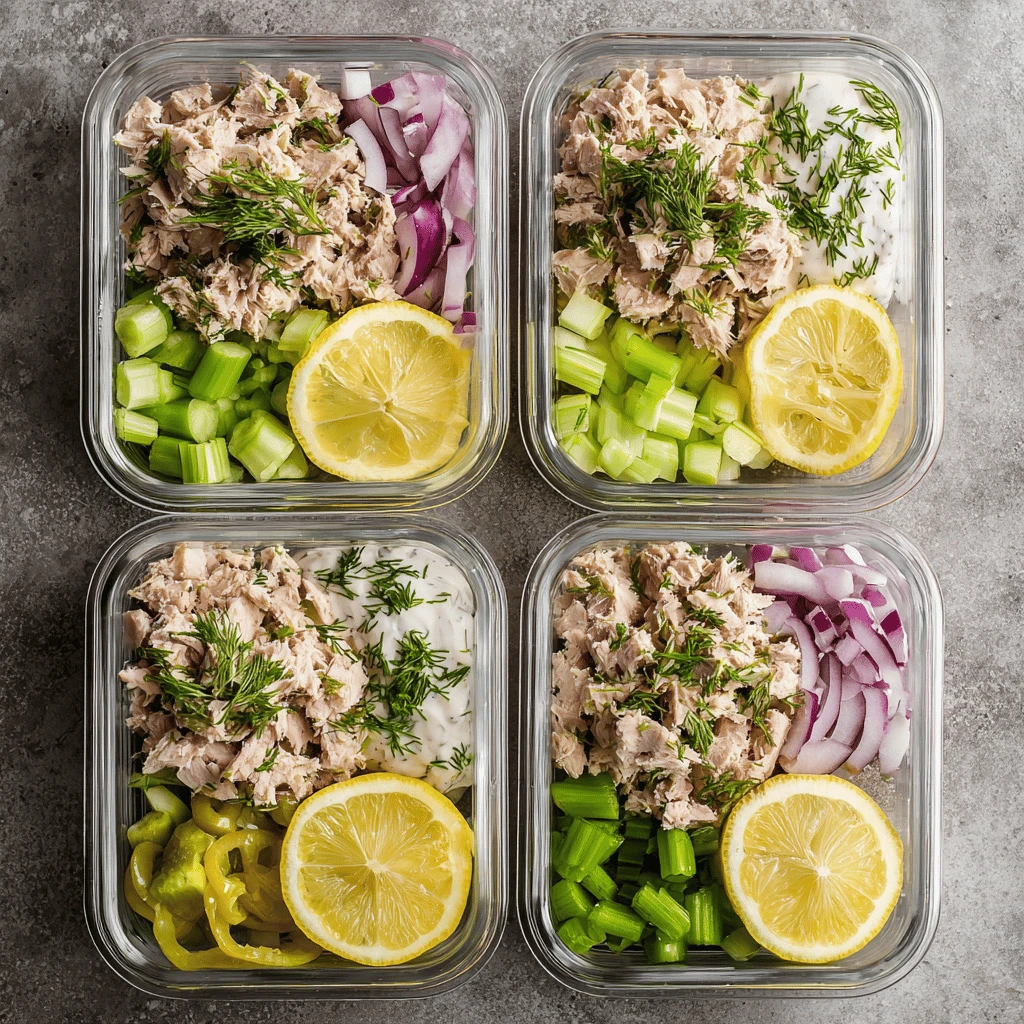
6. Divide the tuna salad evenly into meal prep containers.
7. Pair with your choice of sides. Options include whole-wheat crackers, cucumber slices, mixed greens salad, hard-boiled eggs, or a side of fruit.
8. Seal the containers tightly and store them in the refrigerator for up to 3-4 days.
9. When ready to eat, grab a container from the fridge and enjoy your healthy tuna meal prep!
10. Consider packing your sides separately to prevent them from becoming soggy if not consumed immediately.
Making Tuna Meal Prep Work For You
Choosing the Right Tuna
Selecting the right tuna is key for both taste and health. Opt for tuna packed in water rather than oil to reduce the overall calorie and fat content. Look for sustainably sourced tuna whenever possible. This ensures that you’re making an environmentally conscious choice. Albacore tuna has a firmer texture and a milder flavor compared to skipjack tuna.
Consider the sodium content as well. Some canned tuna can be quite high in sodium. Look for low-sodium options if you are watching your salt intake. Different brands also vary in taste and texture, so feel free to experiment to find your favorite.
Customizing Your Tuna Salad
The base tuna salad recipe is a blank canvas for your favorite flavors. Don’t be afraid to get creative. Adding a little heat with some sriracha or chili flakes can give your meal prep a kick. Experimenting with different herbs and spices, such as smoked paprika or garlic powder, can add depth of flavor.
For added crunch and nutrients, consider including finely chopped vegetables. Carrots, bell peppers, and cucumbers are all excellent choices. A squeeze of lime juice instead of lemon juice can provide a different citrus profile. Remember to adjust the seasonings to your taste preferences.
Meal Prep Container Considerations
The right containers are essential for successful meal prepping. Choose containers that are airtight to keep your tuna salad fresh and prevent it from drying out. Glass containers are a good option as they are reusable and don’t leach chemicals into your food. Plastic containers are also acceptable, but make sure they are BPA-free.
Consider the size of your containers. Choose containers that are appropriately sized for your portion sizes to avoid food waste. Stackable containers can help save space in your refrigerator. Labeling your containers with the date you prepared the meal is always a good idea.
Side Dish Ideas for Tuna Meal Prep
Healthy Carbohydrate Options
Pairing your tuna salad with a healthy carbohydrate source will provide you with sustained energy. Whole-wheat crackers are a convenient and nutritious option. Quinoa is another excellent choice, offering both complex carbohydrates and protein. Brown rice is a good alternative if you prefer a grain with a slightly nutty flavor.
Sweet potatoes, either roasted or mashed, provide fiber and vitamins. Avoid refined carbohydrates like white bread, which lack nutritional value. Be mindful of portion sizes to maintain a balanced meal.
Fresh Vegetable Pairings
Adding fresh vegetables to your tuna meal prep will boost its nutritional content and add variety. Cucumber slices are a refreshing and hydrating option. Cherry tomatoes offer a burst of flavor and are packed with antioxidants. Baby carrots are a convenient and crunchy snack.
A mixed greens salad provides a good source of vitamins and minerals. Consider adding a simple vinaigrette dressing to your salad. Bell pepper strips, in various colors, are another colorful and nutritious choice.
Protein and Healthy Fat Additions
Including additional protein and healthy fats in your meal prep can help keep you feeling full and satisfied. Hard-boiled eggs are a great source of protein and essential nutrients. A small portion of avocado provides healthy fats and a creamy texture.
A handful of almonds or walnuts offers additional healthy fats and fiber. Edamame is a good source of plant-based protein and fiber. Be mindful of portion sizes, especially when adding nuts and avocado, as they are calorie-dense.
Health Benefits of Tuna Meal Prep
Protein Powerhouse
Tuna is an excellent source of lean protein, which is essential for building and repairing tissues in the body. Protein also helps to keep you feeling full and satisfied, which can aid in weight management. Including tuna in your meal prep ensures that you are getting an adequate amount of protein in your diet. Protein is also vital for muscle growth and repair.
Consuming sufficient protein can also help to stabilize blood sugar levels. Tuna provides a complete protein source, meaning it contains all nine essential amino acids. This makes it a valuable addition to any healthy eating plan.
Omega-3 Fatty Acids
Tuna is rich in omega-3 fatty acids, which are beneficial for heart health. Omega-3s can help to reduce inflammation, lower blood pressure, and improve cholesterol levels. Incorporating tuna into your meal prep can contribute to overall cardiovascular health.
Omega-3 fatty acids are also important for brain health and cognitive function. They may help to improve memory and reduce the risk of age-related cognitive decline. Regular consumption of omega-3s is associated with a lower risk of several chronic diseases.
Essential Vitamins and Minerals
Tuna is packed with essential vitamins and minerals, including vitamin D, vitamin B12, and selenium. Vitamin D is important for bone health and immune function. Vitamin B12 is crucial for nerve function and red blood cell production. Selenium is an antioxidant that helps to protect the body against damage from free radicals.
Tuna also contains iron, which is essential for carrying oxygen throughout the body. These vitamins and minerals play important roles in maintaining overall health and well-being. Including tuna in your meal prep can help you meet your daily nutrient needs.
Tips for Perfect Tuna Meal Prep
Preventing Soggy Tuna Salad
One of the biggest challenges with tuna meal prep is preventing the tuna salad from becoming soggy. The key is to remove as much excess water from the tuna as possible. Drain the tuna thoroughly and press it with a paper towel to remove any remaining moisture.
Avoid adding watery vegetables, such as tomatoes, directly to the tuna salad. If you want to include them, pack them separately and add them just before eating. Storing the tuna salad in airtight containers will also help to prevent it from absorbing moisture from the air.
Maintaining Freshness
To ensure your tuna meal prep stays fresh, store it in the refrigerator at a temperature below 40°F (4°C). Use airtight containers to prevent the tuna salad from drying out or absorbing odors from other foods.
Consume your tuna meal prep within 3-4 days for optimal freshness and safety. Avoid leaving the tuna salad at room temperature for more than two hours. If you are packing the meal prep for lunch, consider using an insulated lunch bag with an ice pack to keep it cool.
Safety Considerations
When preparing tuna meal prep, it is important to follow proper food safety guidelines. Wash your hands thoroughly before and after handling tuna. Use clean utensils and cutting boards to prevent cross-contamination.
Ensure that the tuna is properly stored and refrigerated to prevent bacterial growth. If you notice any signs of spoilage, such as an unusual odor or discoloration, discard the tuna salad immediately. Pregnant women and individuals with compromised immune systems should consult with a healthcare professional before consuming canned tuna.
FAQ About Tuna Meal Prep
How long does tuna meal prep last in the fridge?
Tuna meal prep, when stored properly in an airtight container in the refrigerator, generally lasts for 3-4 days. It’s crucial to keep it at a temperature below 40°F (4°C) to prevent bacterial growth.
Can I freeze tuna salad for meal prep?
Freezing tuna salad is not recommended. The mayonnaise or Greek yogurt base tends to separate and become watery upon thawing, resulting in a less desirable texture and taste. It’s best to prepare fresh tuna salad for meal prep each week.
What are some healthy alternatives to mayonnaise in tuna salad?
Greek yogurt is an excellent healthy alternative to mayonnaise. It’s lower in calories and fat while providing a good source of protein. Avocado can also be used for a creamy texture and healthy fats. Other options include hummus or a vinaigrette dressing for a lighter flavor.
Is canned tuna safe to eat every day?
While tuna is nutritious, it’s important to be mindful of mercury levels, especially with albacore tuna. The FDA recommends that adults can safely eat one serving (4 ounces) of albacore tuna per week. Skipjack tuna has lower mercury levels, so you can consume it more frequently. Pregnant women and young children should follow specific guidelines from their healthcare providers.
What are some ways to add flavor to tuna salad without adding calories?
Adding herbs and spices is a great way to enhance the flavor of tuna salad without adding extra calories. Lemon juice, Dijon mustard, garlic powder, onion powder, dried dill, and paprika are all excellent choices. Chopped vegetables like celery, red onion, and bell peppers also add flavor and texture with minimal calories.