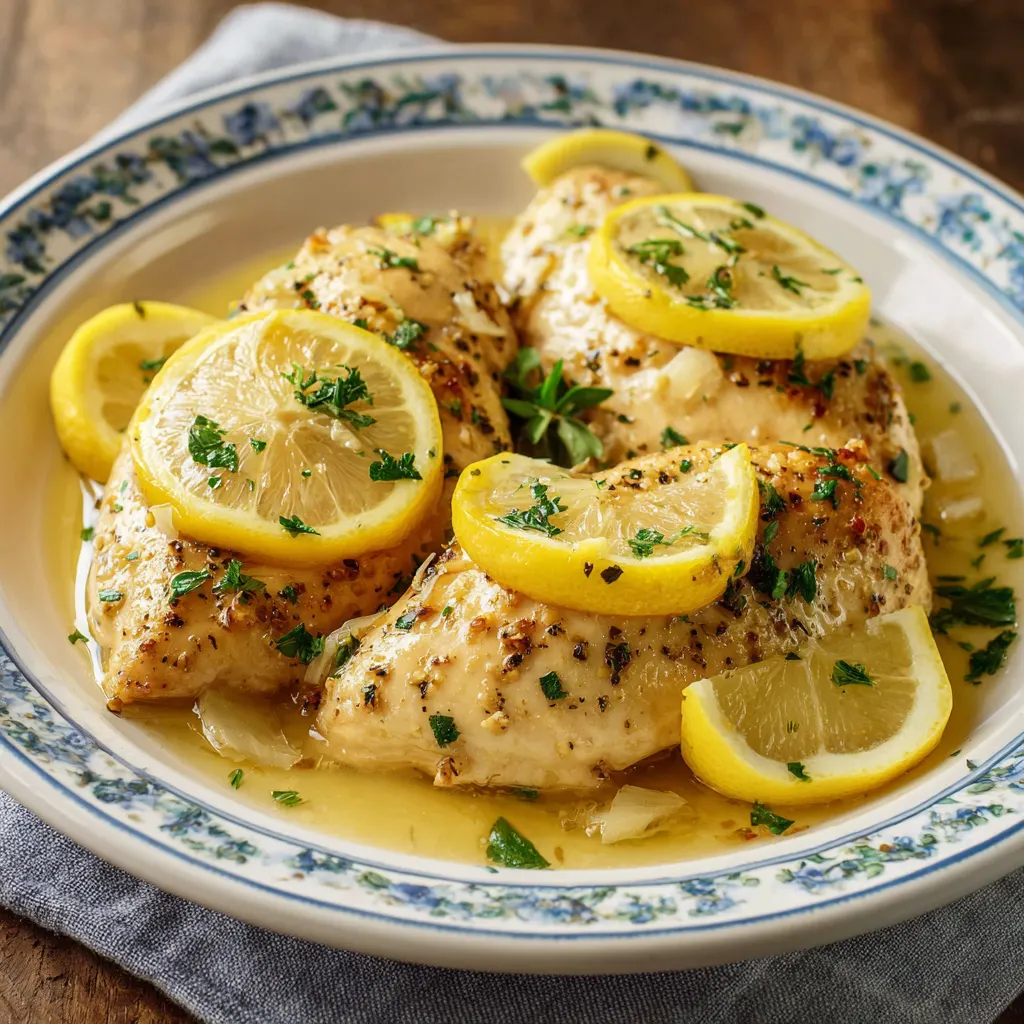
The slow cooker is an indispensable tool for achieving tender, flavorful chicken breast, a cut notorious for drying out when cooked quickly. This Lemon Garlic Chicken Breast recipe transforms simple pantry staples into a bright, savory, and incredibly satisfying meal with minimal hands-on effort. By utilizing the low-and-slow cooking method, the chicken soaks up a…
The slow cooker is an indispensable tool for achieving tender, flavorful chicken breast, a cut notorious for drying out when cooked quickly. This Lemon Garlic Chicken Breast recipe transforms simple pantry staples into a bright, savory, and incredibly satisfying meal with minimal hands-on effort. By utilizing the low-and-slow cooking method, the chicken soaks up a rich, herbaceous citrus bath, resulting in meat so moist it can be shredded with a fork or served beautifully whole. Whether you need a simple weeknight dinner or a versatile foundation for meal prep, this classic recipe is a reliable winner that brings the zesty aromas of the Mediterranean right into your kitchen.
Ingredients
For the Chicken and Seasoning:
-
2 lbs boneless, skinless chicken breasts (4 to 6 pieces)
-
1 teaspoon Kosher salt
-
½ teaspoon freshly ground black pepper
-
1 teaspoon dried oregano or Italian seasoning
-
½ teaspoon garlic powder
-
1 tablespoon olive oil (for searing, optional)
For the Slow Cooker Sauce:
-
4 tablespoons unsalted butter, divided
-
4 to 6 cloves garlic, minced (or 1 head of garlic, sliced in half horizontally)
-
1 cup low-sodium chicken broth
-
¼ cup fresh lemon juice (from 1 to 2 lemons)
-
1 teaspoon lemon zest (from 1 lemon)
Optional Creamy Finish and Thickeners:
-
½ cup half-and-half or heavy cream
-
2 tablespoons cornstarch
-
2 tablespoons cold water
-
¼ cup grated Parmesan cheese
For Garnish:
-
2 tablespoons fresh parsley, chopped
-
Lemon slices (optional)
Step-by-Step Cooking Instructions
-
Season the Chicken: Pat the chicken breasts dry with paper towels. This helps the seasoning adhere and, if searing, promotes browning. Season generously on both sides with the salt, pepper, oregano/Italian seasoning, and garlic powder.
-
Sear (Optional but Recommended): Heat the olive oil in a large skillet over medium-high heat. Once hot, sear the chicken breasts for 3 to 4 minutes per side, just until a light golden-brown crust forms. This step builds immense depth of flavor (the Maillard reaction) and color. Transfer the seared chicken to the bottom of your 5- to 6-quart slow cooker insert. If you skipped searing, simply place the raw chicken into the slow cooker.
-
Prepare the Liquid Base: In a small bowl, whisk together the chicken broth, lemon juice, and lemon zest.
-
Assemble and Cook: Pour the liquid mixture over the chicken breasts. Dot the top of the chicken with the remaining 3 tablespoons of butter cut into small pieces. Add the minced garlic (or place the sliced head of garlic) around the chicken.
-
Set and Go: Cover the slow cooker. Cook on LOW for 4 to 6 hours or on HIGH for 2.5 to 3.5 hours. The chicken is done when it is fork-tender and registers an internal temperature of 165°F.
-
Thicken the Sauce (Optional): Once the chicken is cooked, remove it to a cutting board and tent it loosely with foil. If you desire a thicker sauce, whisk the cornstarch with the cold water to create a smooth slurry. Stir the slurry into the cooking liquid in the slow cooker.
-
Add Cream (Optional): If making a creamy sauce, stir in the half-and-half or heavy cream (and Parmesan cheese, if using). Cover and cook on HIGH for an additional 15 to 20 minutes, or until the sauce has reached your desired thickness.
-
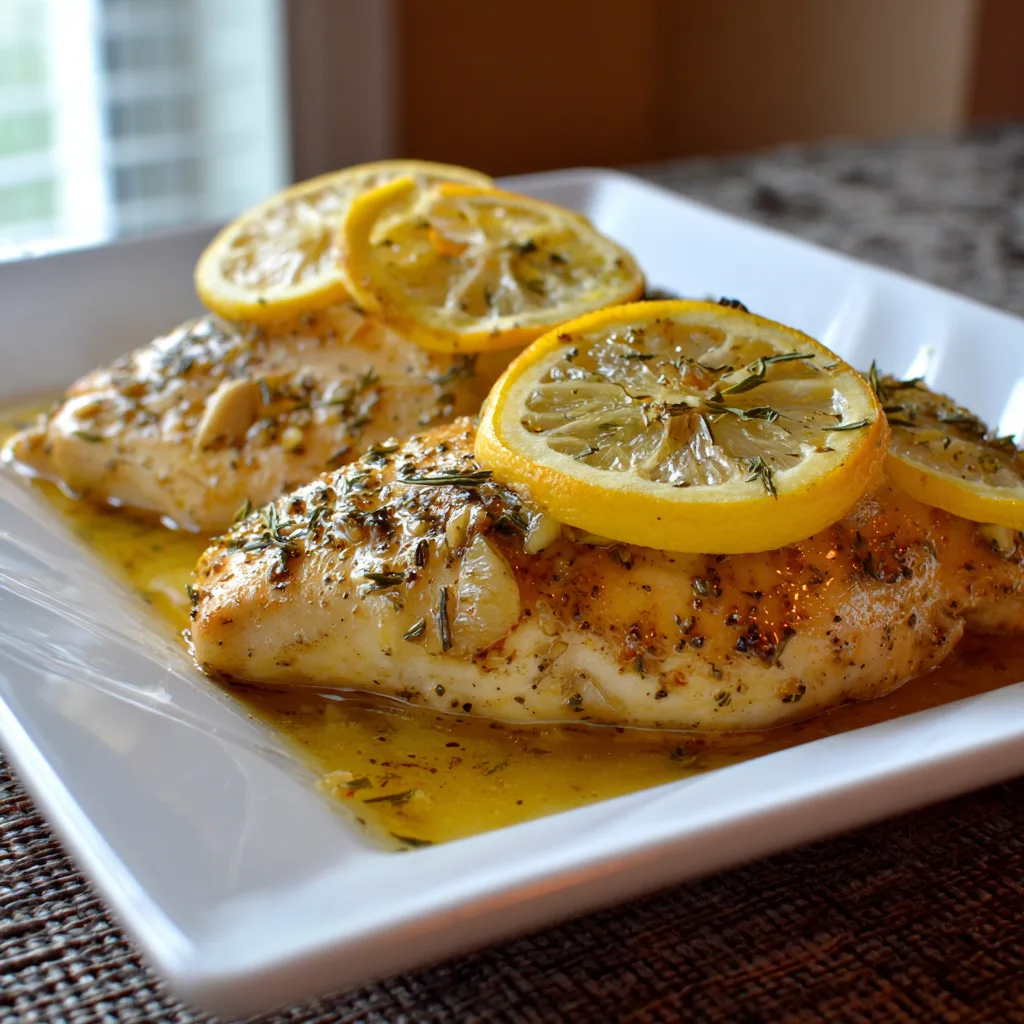
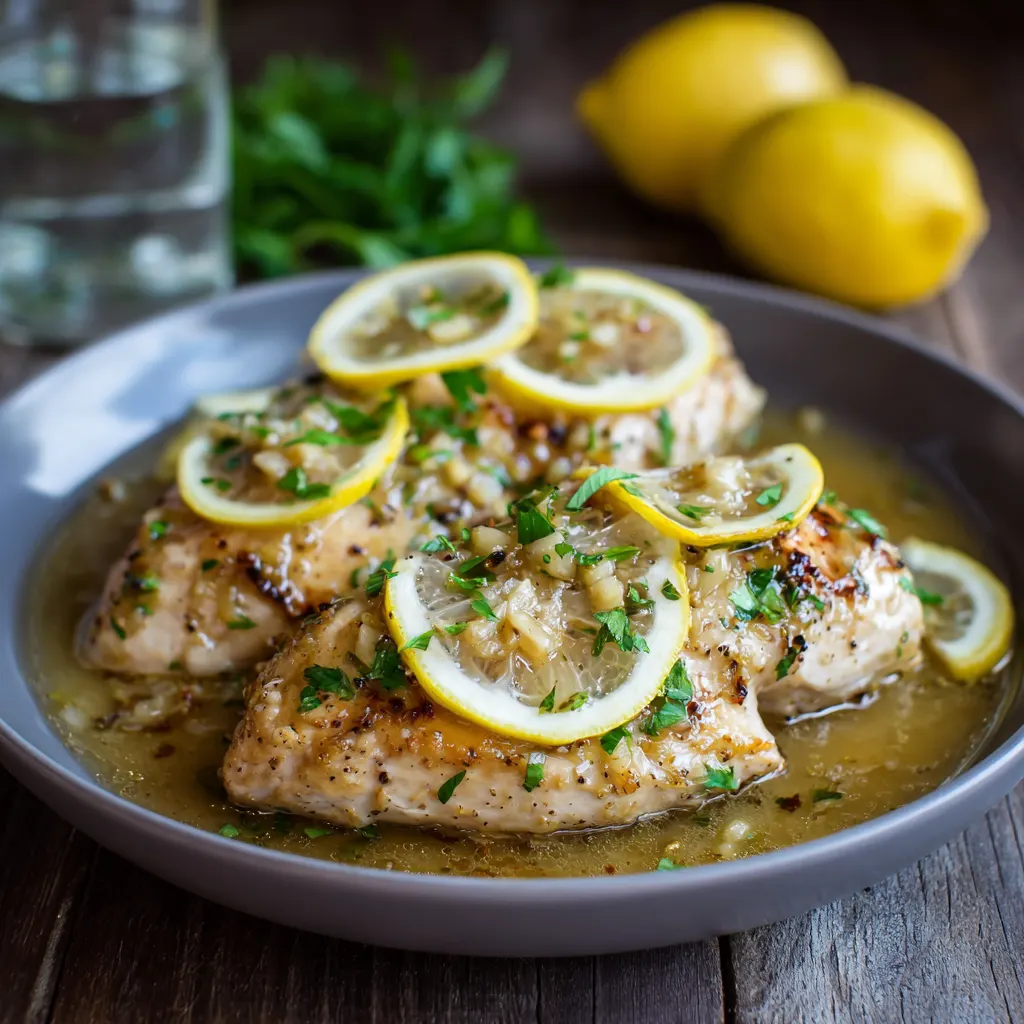
Serve: Slice or shred the chicken. Return the chicken to the slow cooker to coat it in the finished sauce, or place the chicken on serving plates and spoon the sauce generously over the top. Garnish with fresh parsley and lemon slices.
The Magic of Low and Slow: Ensuring Unbeatable Juiciness
The fear of dry chicken breast often deters home cooks from attempting it in the slow cooker, but this appliance is actually one of the best tools for the job, provided you follow a few key rules. The slow cooker’s gentle, consistent heat creates a moist, contained environment that acts almost like a steamer, locking in the natural juices while the protein slowly tenderizes.
Why Low is Always Best
While the “High” setting offers speed, the “Low” setting is the secret to ultimate tenderness. Cooking on low heat allows the internal temperature of the chicken to rise slowly and evenly. When chicken breast cooks too quickly, the muscle fibers contract rapidly, squeezing out moisture and resulting in a dry, stringy texture. The slow cook time prevents this sudden moisture loss, allowing the meat to absorb the surrounding flavorful liquid—the lemon-garlic butter sauce—leaving you with incredibly succulent results.
The Power of the Searing Step
For a truly optimized recipe, do not skip the optional step of searing the chicken breasts before adding them to the slow cooker. This extra five minutes of work provides several essential benefits:
-
Deeper Flavor (Maillard Reaction): Searing creates a brown crust on the exterior of the chicken through the Maillard reaction, developing hundreds of complex flavor compounds that simple boiling cannot achieve.
-
Aesthetic Appeal: It gives the chicken a golden, appetizing color that prevents the “boiled” look sometimes associated with slow-cooked poultry.
-
Texture: The seared surface holds up better to the long cook time, resulting in a more satisfying texture for sliced chicken breasts.
If you are pressed for time, you can certainly skip the sear and still have a delicious meal, but for a professional-grade result, it is highly recommended.
Mastering the Flavor Profile: The Lemon-Garlic Continuum
The success of this dish lies in finding the perfect balance between bright, acidic lemon and warm, pungent garlic. Both ingredients are essential, but the quantity and form used significantly alter the final flavor.
Maximizing Citrus Brightness
-
Fresh vs. Bottled: Always use freshly squeezed lemon juice and fresh lemon zest for this recipe. Bottled lemon juice often contains preservatives that can give the sauce an artificial, overly acidic, or metallic flavor. Fresh juice is cleaner and brighter.
-
The Zest Factor: The zest, the colored outer layer of the lemon peel, contains the concentrated essential oils. Adding zest to the slow cooker provides the primary citrus aroma and depth. The juice provides the necessary acid, which is key to tenderizing the chicken and balancing the richness of the butter and broth.
-
Balancing Acidity: If, after the full cook time, the sauce tastes too sour or sharp, a common culinary technique is to stir in a teaspoon of sugar or honey. This doesn’t make the sauce sweet, but rather harmonizes the high notes of the acid and creates a rounder, more balanced flavor profile.
Optimizing the Garlic
The amount of garlic is often a matter of personal preference, but many popular recipes call for a generous amount—sometimes up to eight cloves. You have two main approaches:
-
Minced Garlic: Using finely minced or pressed garlic ensures the strong flavor is infused throughout the liquid, resulting in a pervasive garlic presence in the sauce.
-
Whole Garlic Heads (Roasted Garlic Effect): Cutting the tops off whole heads of garlic and placing them cut-side down in the cooker yields a sweet, mellow, roasted garlic flavor. The cloves soften and caramelize inside their paper shells, becoming buttery and spreadable, rather than sharp.
The Creamy Variation
One of the most popular tweaks to this recipe is transforming the light, buttery broth into a rich, creamy sauce. This should only be done in the final 20 to 30 minutes of cooking.
The key is preventing the dairy from curdling. When high heat and acid (lemon juice) mix with low-fat dairy, separation can occur. To avoid this, use a full-fat dairy product like heavy cream or half-and-half, and always introduce a stabilizer/thickener before or with the cream. A cornstarch slurry or a roux made from flour and butter ensures the sauce binds smoothly, creating a velvety consistency that is perfect for pairing with pasta or mashed potatoes. Adding grated Parmesan cheese at this stage also thickens the sauce and adds a layer of savory, umami flavor
Complete Meal Planning: Versatile Serving and Pairing Ideas
One of the greatest advantages of slow-cooked chicken is its versatility. It can be served whole, shredded, or chopped, and the delicious pan sauce it creates can transform simple side dishes into a cohesive meal.
The One-Pot Dinner Approach
For the ultimate convenience, you can easily turn this recipe into a complete one-pot meal by adding vegetables directly to the slow cooker.
-
Starchy Vegetables: Harder vegetables like small potatoes (baby red or Yukon Gold, quartered) can be added at the start of the cooking time. Place the potatoes on the bottom of the slow cooker—they act as a rack to keep the chicken slightly elevated and ensure they cook tenderly in the liquid.
-
Softer Vegetables: More delicate vegetables, such as fresh green beans, broccoli, or zucchini, should only be added during the final 30 to 45 minutes of cooking. Adding them too early will result in soft, mushy vegetables.
Classic Serving Suggestions
-
Over Rice or Grains: Serve the sliced chicken and sauce over a bed of fluffy white rice, brown rice, or quinoa. The grains soak up the bright, buttery liquid, creating a balanced plate.
-
Pasta Perfection: Shred the cooked chicken and toss it with the thickened creamy lemon-garlic sauce and your favorite pasta shape—penne, fettuccine, or linguine all work well.
-
Comfort Food Sides: Pair the chicken with traditional comfort sides that benefit from a generous spooning of the sauce, such as mashed potatoes or creamy polenta.
-
Low-Carb Options: For a lighter, low-carb meal, serve the chicken alongside sautéed spinach, asparagus, or over a bed of cauliflower rice.
Leftovers and Meal Prep
The generous yield of this recipe makes it an ideal candidate for weekly meal preparation. Once shredded, the lemon-garlic chicken can be used in numerous ways for lunches:
-
Chicken Salad: Mix the shredded chicken with mayonnaise, a little extra lemon juice, and capers for a twist on classic chicken salad.
-
Grain Bowls: Use the shredded chicken as the protein base for cold grain bowls with chopped cucumbers, cherry tomatoes, olives, and a drizzle of the cooking sauce.
-
Wraps and Tacos: Stuff the shredded meat into warm tortillas or pita bread with a fresh cucumber-yogurt sauce for a quick, vibrant lunch.
Troubleshooting and Ensuring Long-Term Success
While the slow cooker is known for being a forgiving appliance, a few common pitfalls can prevent this Lemon Garlic Chicken from reaching its full potential.
| Challenge | Solution and Prevention |
| Dry or Rubbery Chicken | Prevention: Do not overcook. Chicken breast is done at 165°F. Check the temperature with an instant-read thermometer 30 minutes before the suggested end time. If your slow cooker runs hot, cook on LOW and use the shorter end of the time range (4 hours). As soon as it reaches 165°F, switch the slow cooker to the “Keep Warm” setting. |
| Sauce is Too Thin | Solution: The liquid produced by slow cooking is essentially a stock. If you need it thicker, remove the chicken, bring the liquid to a simmer in a small saucepan on the stove, and whisk in a cornstarch slurry (2 Tbsp cornstarch mixed with 2 Tbsp cold water). Boil gently for 2-3 minutes until thickened. |
| Chicken Lacks Color/Flavor | Solution: This is solved with the searing step. Browning the chicken beforehand (the Maillard reaction) adds color and a deep savory base. Always season the chicken generously with salt and pepper before it goes into the pot. |
| Creamy Sauce Curdles | Prevention: Never add low-fat dairy at the start of the cooking process. Wait until the very end, ensure the sauce is thickened with a cornstarch slurry first, and use full-fat options like heavy cream or half-and-half. Stir gently and heat only until warmed through and thickened. |
Storage and Reheating
Refrigeration: Allow the chicken and sauce to cool slightly before transferring them to an airtight container. Store in the refrigerator for up to 3 to 4 days.
Freezing: This recipe freezes exceptionally well. Place the cooked, sliced, or shredded chicken and the sauce together in a freezer-safe bag or container, removing as much air as possible. It can be stored for up to 3 months. Thaw overnight in the refrigerator.
Reheating: Reheat the chicken and sauce on the stovetop over medium-low heat to maintain moisture. If the sauce has separated slightly upon reheating, a quick whisk or the addition of a small pat of butter can usually bring it back together. Avoid using high heat, which can dry out the chicken and cause the sauce to separate again.