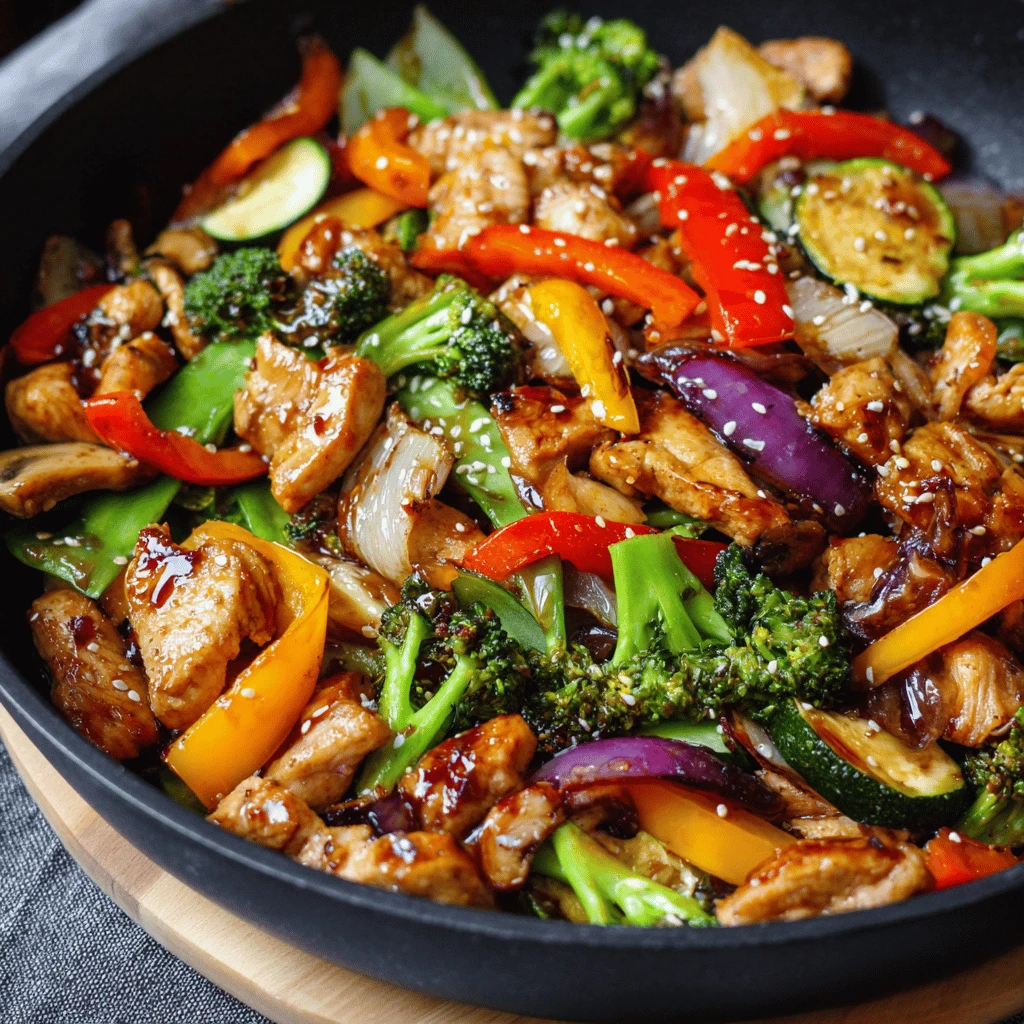
Teriyaki Chicken and Vegetables: A Delicious and Healthy Stir-Fry Teriyaki Chicken and Vegetables is a classic dish that’s both flavorful and nutritious. This easy-to-make stir-fry combines tender chicken with a medley of colorful vegetables, all coated in a rich and savory teriyaki sauce. Whether you’re looking for a quick weeknight meal or a crowd-pleasing dish…
Teriyaki Chicken and Vegetables: A Delicious and Healthy Stir-Fry
Teriyaki Chicken and Vegetables is a classic dish that’s both flavorful and nutritious. This easy-to-make stir-fry combines tender chicken with a medley of colorful vegetables, all coated in a rich and savory teriyaki sauce. Whether you’re looking for a quick weeknight meal or a crowd-pleasing dish for a gathering, this recipe is sure to be a hit.
The Magic of Teriyaki: Understanding the Sauce
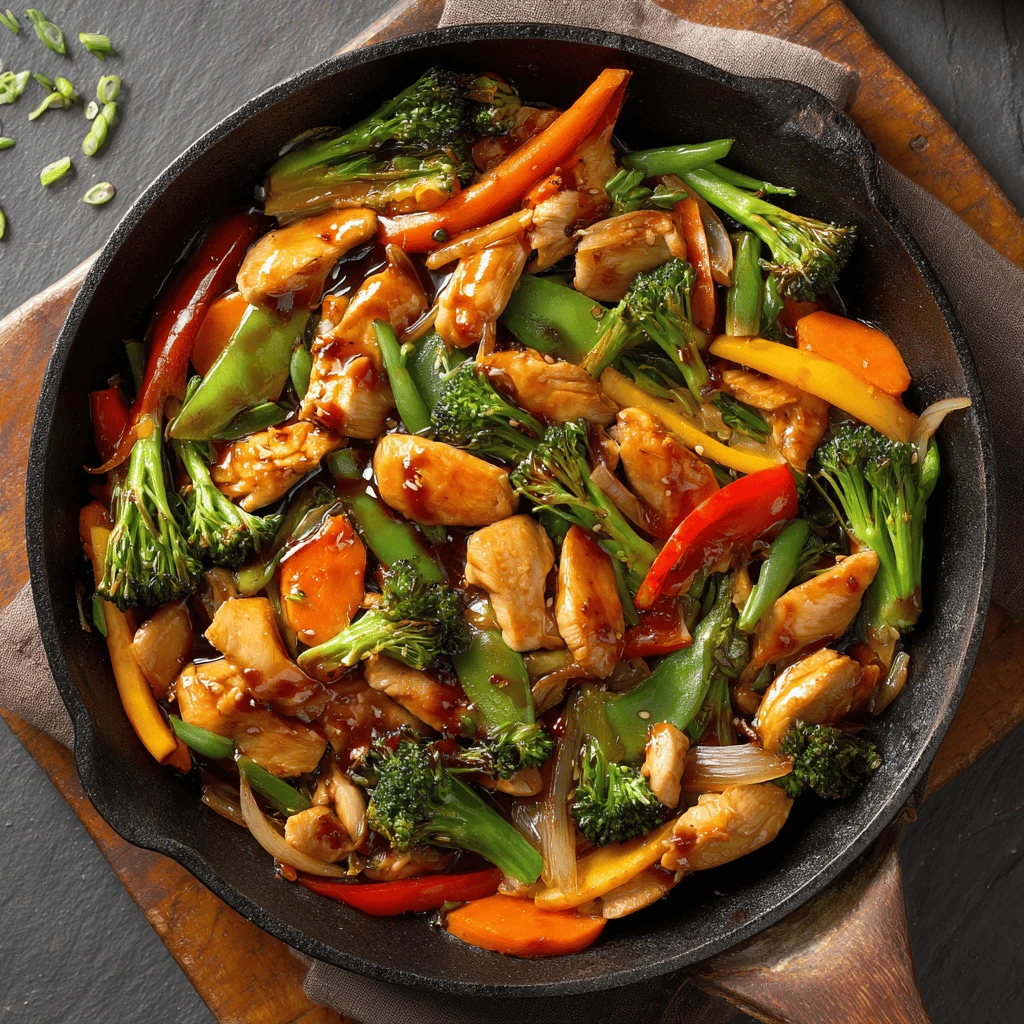
Teriyaki sauce is the heart and soul of this dish. Its unique sweet and savory flavor comes from a blend of soy sauce, mirin (or sake), sugar, and ginger. The sauce not only adds a delicious glaze to the chicken and vegetables but also helps to tenderize the chicken during cooking.
Key Ingredients for Authentic Teriyaki Sauce
To create a truly authentic teriyaki experience, start with quality ingredients.
- Soy Sauce: Use a naturally brewed soy sauce for the best flavor. Low-sodium options are also available.
- Mirin: This sweet rice wine adds a delicate sweetness and depth of flavor. If you don’t have mirin, you can substitute with sake or dry sherry, adding a touch of extra sugar.
- Sugar: Brown sugar or honey can be used to add sweetness and viscosity to the sauce.
- Ginger: Freshly grated ginger is essential for adding a warm and aromatic note to the sauce. You can also use ginger paste as a convenient alternative.
- Garlic: A clove or two of minced garlic enhances the savory flavor profile of the teriyaki sauce.
- Optional additions: Some variations include a pinch of red pepper flakes for a little heat, sesame oil for aroma, or cornstarch to thicken the sauce.
Making Your Own Teriyaki Sauce vs. Store-Bought
While convenient, store-bought teriyaki sauce often contains preservatives and artificial flavors. Making your own sauce is surprisingly easy and allows you to control the ingredients and customize the flavor to your liking. Homemade teriyaki sauce also tends to be much richer and more flavorful than store-bought versions. By making your own, you can avoid any ingredients you want to omit.
Here’s a simple recipe: combine soy sauce, mirin, sugar, grated ginger, and minced garlic in a saucepan. Bring to a simmer and cook until slightly thickened. This will provide you with a wonderful foundation for the entire recipe.
Selecting the Perfect Chicken and Vegetables
Choosing the right ingredients is crucial for achieving a delicious and well-balanced teriyaki chicken and vegetable stir-fry.
Choosing Your Cut of Chicken
Boneless, skinless chicken thighs and breasts are excellent choices for this dish. Chicken thighs offer a richer flavor and remain more moist during cooking, while chicken breasts are leaner. Cut the chicken into bite-sized pieces for even cooking and easy eating. Remember to trim any visible after the cooking, fat or skin to keep the dish as healthy as possible.
The Best Vegetables for Stir-Fry
The beauty of this recipe lies in its versatility. You can use a variety of vegetables based on your preference and what’s in season.
- Broccoli: Adds a vibrant green color and a slightly bitter taste that complements the sweetness of the teriyaki sauce.
- Bell Peppers: Red, yellow, and orange bell peppers provide sweetness and a crisp texture.
- Carrots: Sliced carrots add a touch of sweetness and a satisfying crunch.
- Onions: Sliced onions provide a savory base and add depth of flavor.
- Snap Peas: These add a crisp texture and a slightly sweet taste.
- Mushrooms: Cremini or shiitake mushrooms add an earthy flavor and a meaty texture.
- Zucchini: Offers a mild flavor and a soft texture.
- Edamame: Shelled edamame adds a pop of protein and a slightly nutty flavor.
Mix and match your favorite vegetables to create a colorful and nutritious stir-fry. Ensure the vegetables are all cut into similar sizes for even cooking.
Preparing Your Ingredients for Success
Proper preparation is key to a successful stir-fry. Before you begin cooking, make sure all your ingredients are prepped and ready to go. Cut the chicken into bite-sized pieces, chop the vegetables into uniform sizes, and have your teriyaki sauce readily available. This will ensure that the cooking process is quick and efficient. Marinating the chicken in some of the teriyaki sauce for at least 30 minutes can help to tenderize it and infuse it with flavor.
Cooking Techniques for a Perfect Stir-Fry
Mastering the art of stir-frying is essential for creating a delicious teriyaki chicken and vegetable dish.
The Importance of High Heat
Stir-frying is a high-heat cooking method that requires a hot pan and constant stirring. This allows the ingredients to cook quickly and evenly, while maintaining their crisp texture. Use a wok or a large skillet with high sides for best results. Get the pan screaming hot before adding any ingredients.
The Order of Cooking
The order in which you add the ingredients to the pan is crucial. Start by cooking the chicken until it’s browned and cooked through. Remove the chicken from the pan and set it aside. Next, add the vegetables, starting with the ones that take the longest to cook, such as carrots and broccoli. Stir-fry the vegetables until they are tender-crisp. Finally, return the chicken to the pan and pour in the teriyaki sauce. Cook until the sauce has thickened and coats the chicken and vegetables evenly.
Tips for Achieving a Restaurant-Quality Stir-Fry
- Don’t overcrowd the pan: Cook the ingredients in batches if necessary to avoid overcrowding the pan. Overcrowding will lower the temperature of the pan and result in steamed vegetables instead of stir-fried ones.
- Use a good quality oil: Use a high-heat oil such as canola, peanut, or vegetable oil.
- Stir constantly: Keep the ingredients moving in the pan to ensure even cooking and prevent burning.
- Adjust the sauce to your liking: Taste the teriyaki sauce and adjust the sweetness or saltiness to your preference.
Serving and Enjoying Your Teriyaki Chicken and Vegetables
Once your teriyaki chicken and vegetables are cooked to perfection, it’s time to serve and enjoy!
Serving Suggestions
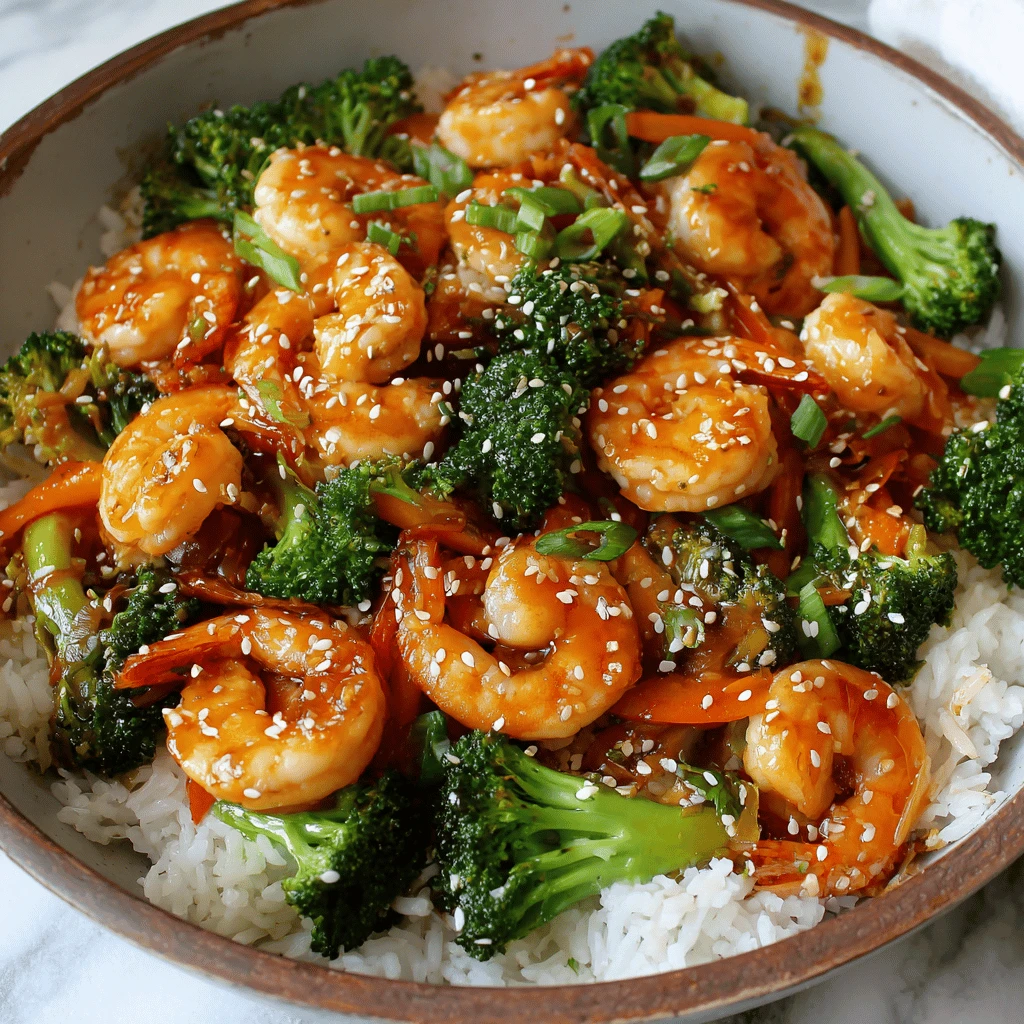
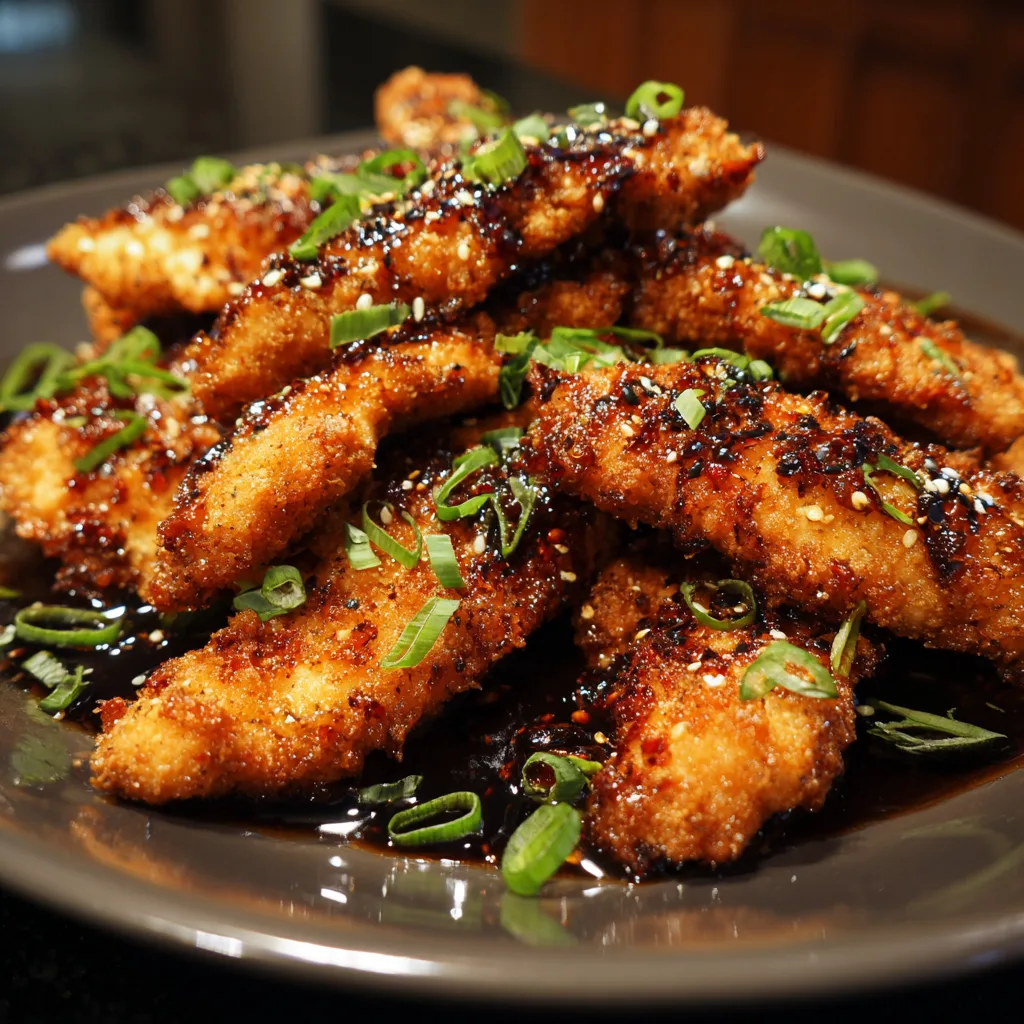
This dish is delicious served over steamed rice, quinoa, or noodles. Garnish with sesame seeds and chopped green onions for a visually appealing and flavorful finish. You can also serve it with a side of steamed broccoli or a fresh salad.
Creative Variations and Additions
Get creative and customize this dish to your liking. Add some pineapple chunks for a tropical twist, or sprinkle with chopped peanuts for added crunch. You can also add a drizzle of sriracha for a spicy kick. Consider adding a small amount of rice vinegar when plating for a nice brightness.
Storing Leftovers and Reheating
Leftovers can be stored in an airtight container in the refrigerator for up to 3 days. To reheat, simply microwave or stir-fry in a pan until heated through. Add a splash of water or broth if the sauce has thickened too much.
Health Benefits of Teriyaki Chicken and Vegetables
This dish offers a variety of health benefits due to its lean protein, fiber-rich vegetables, and flavorful sauce.
Nutritional Value
Chicken is a good source of lean protein, which is essential for building and repairing tissues. Vegetables are packed with vitamins, minerals, and fiber, which are important for overall health. Teriyaki sauce, while high in sodium, can be made healthier by using low-sodium soy sauce and reducing the amount of sugar. Choosing brown rice or quinoa as the base can increase the fiber content even more.
Making it a Balanced Meal
Teriyaki Chicken and Vegetables is a well-balanced meal that provides carbohydrates, protein, and healthy fats. It’s important to choose a variety of colorful vegetables to ensure you are getting a wide range of nutrients. Portion control is also key, as teriyaki sauce can be high in sodium and sugar.
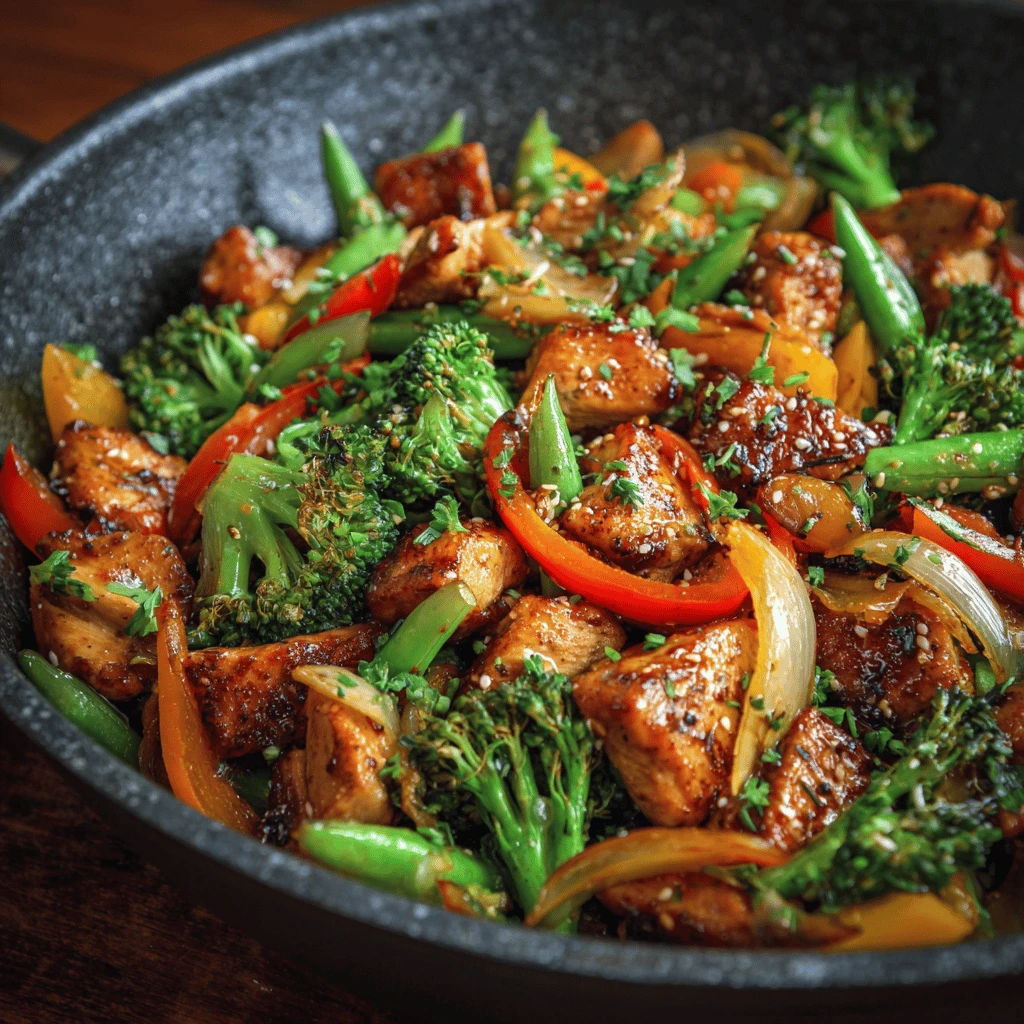
Tips for a Healthier Teriyaki Chicken and Vegetable Dish
- Use low-sodium soy sauce.
- Reduce the amount of sugar in the teriyaki sauce.
- Use lean chicken breast.
- Load up on vegetables.
- Serve over brown rice or quinoa.
- Avoid adding extra salt or oil during cooking.
- Add fresh herbs like cilantro and parsley for added flavor and nutrients.
Frequently Asked Questions (FAQ)
-
- Can I use frozen vegetables?
Yes, frozen vegetables can be used. Thaw them slightly before stir-frying to remove excess moisture.
-
- Can I make this dish ahead of time?
Yes, you can make the teriyaki sauce and chop the vegetables ahead of time. Store them separately in the refrigerator until ready to cook. It is better to cook and then store, versus pre-chopping the vegetables.
-
- Can I substitute honey for sugar in the teriyaki sauce?
Yes, honey can be used as a substitute for sugar. Use equal amounts of honey for the best results.
-
- How do I thicken the teriyaki sauce?
You can thicken the teriyaki sauce by adding a cornstarch slurry (mix 1 tablespoon of cornstarch with 2 tablespoons of cold water). Add the slurry to the sauce while it's simmering and cook until thickened.
-
- Is teriyaki chicken and vegetables gluten-free?
No, traditional teriyaki sauce contains soy sauce, which typically contains wheat. To make it gluten-free, use tamari sauce, which is a gluten-free soy sauce alternative.
-
- Can I add other protein sources?
Of course. Tofu, shrimp, or beef can be great additions or substitutions for the chicken.
-
- Is it okay to use store-bought sauce?
While homemade is better for controlling ingredients, store-bought sauces are fine in a pinch. Look for lower sodium options with minimal added sugar.
-
- How long does the chicken need to marinade?
Ideally, marinating the chicken for at least 30 minutes allows the flavors to penetrate. For the best results, marinate for up to 2 hours in the refrigerator.
-
- What’s the best way to reheat the stir-fry?
Reheat leftovers in a skillet over medium heat or in the microwave. Add a splash of broth or water to keep it moist.
-
- Can I add nuts or seeds?
Toasted sesame seeds or chopped cashews can be sprinkled on top of the finished dish for added crunch and flavor.