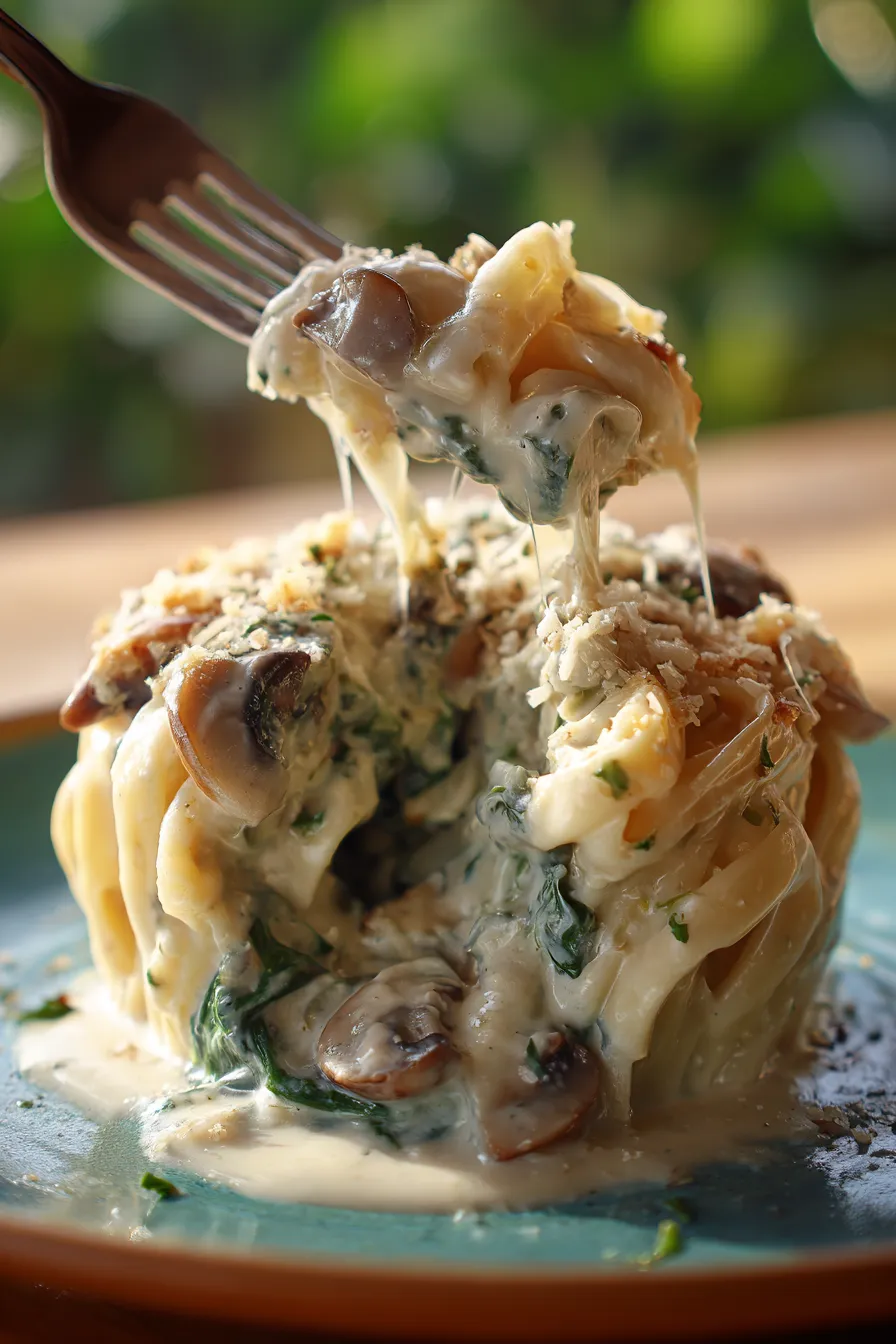
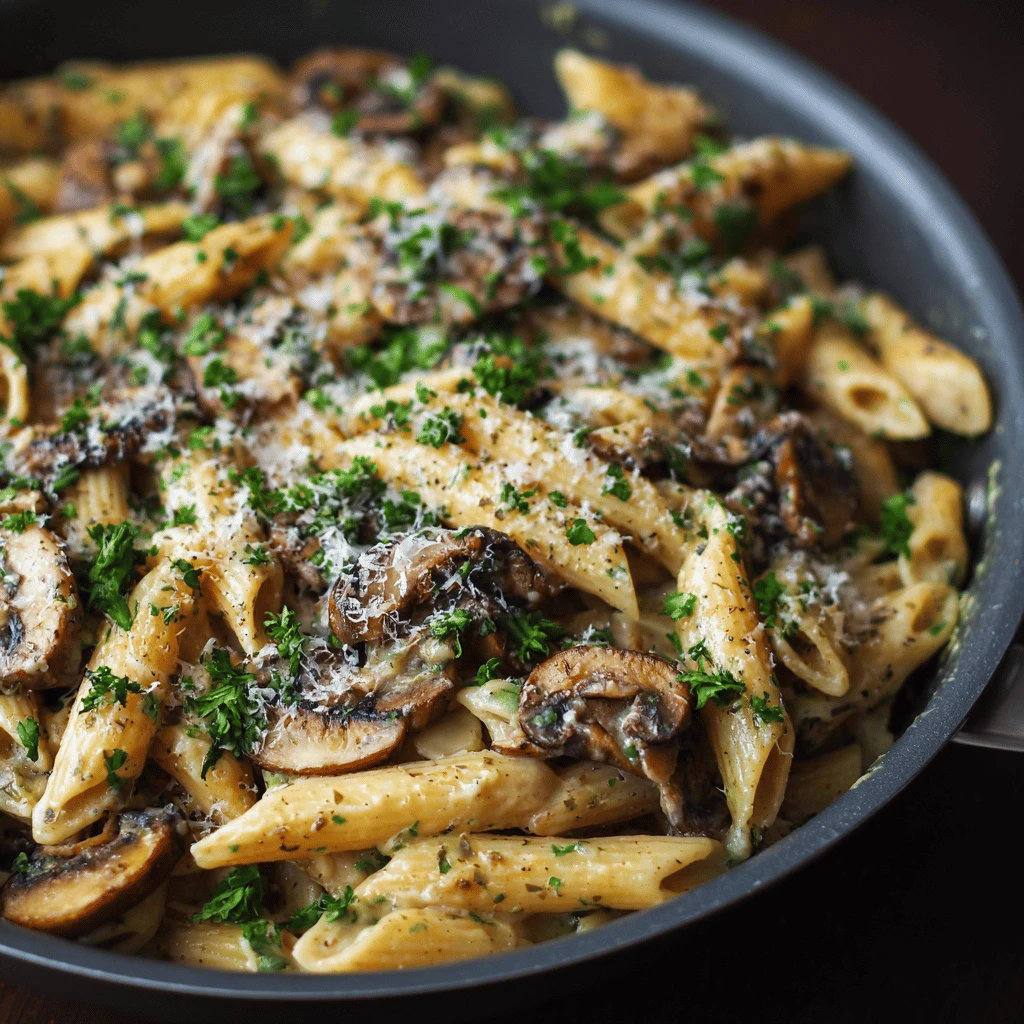
Easy Recipe: Creamy Mushroom Pasta Creamy mushroom pasta is a classic comfort food dish that’s surprisingly easy to make. This recipe delivers a restaurant-quality meal in the comfort of your own kitchen, using simple ingredients and straightforward techniques. Whether you’re a seasoned cook or a beginner, this recipe is guaranteed to impress. The Magic of…
Easy Recipe: Creamy Mushroom Pasta
Creamy mushroom pasta is a classic comfort food dish that’s surprisingly easy to make. This recipe delivers a restaurant-quality meal in the comfort of your own kitchen, using simple ingredients and straightforward techniques. Whether you’re a seasoned cook or a beginner, this recipe is guaranteed to impress.
The Magic of Mushrooms: Selecting and Preparing Your Fungi
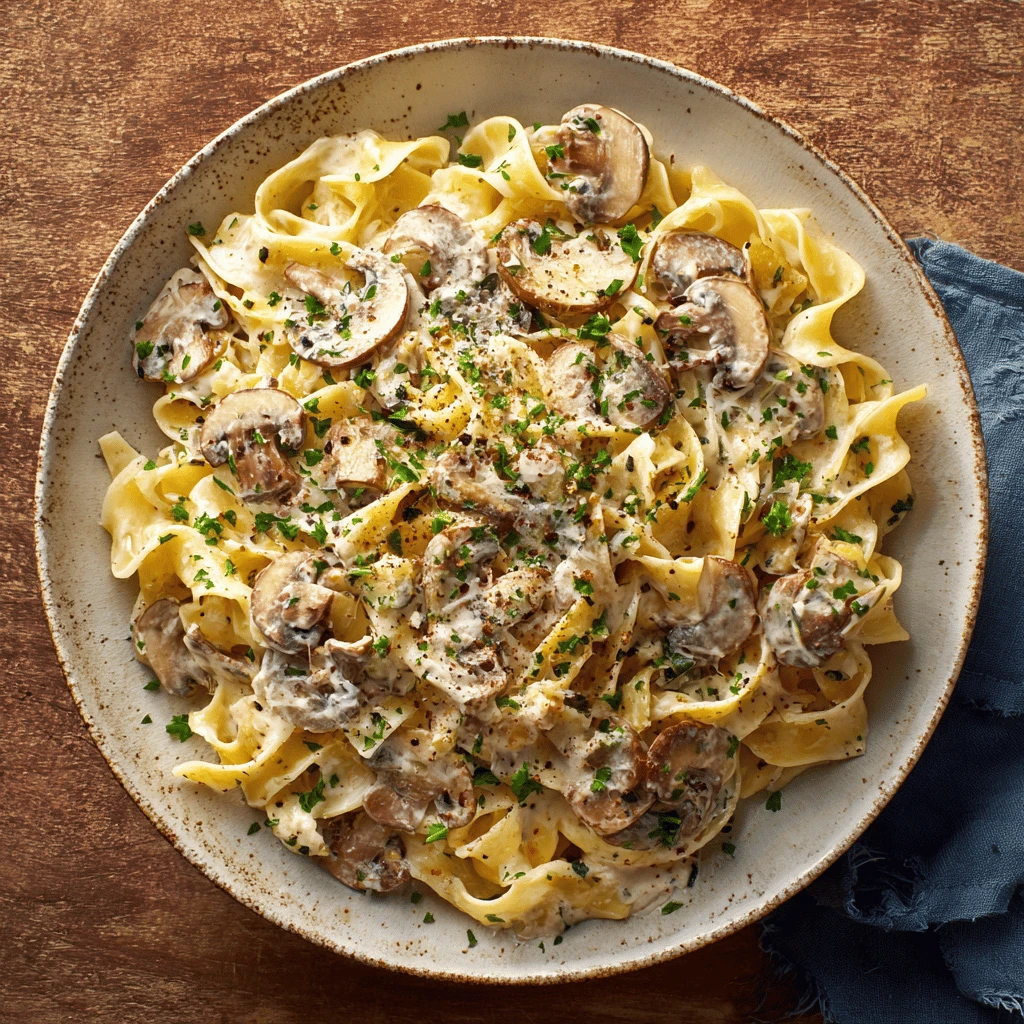
The star of this dish is, of course, the mushrooms. The type of mushroom you choose will significantly impact the flavor profile of your pasta.
Choosing Your Mushrooms
- Cremini Mushrooms: These are a great all-around choice, offering a mild, earthy flavor that complements the cream sauce beautifully. They’re readily available in most supermarkets.
- Shiitake Mushrooms: For a more robust and umami-rich flavor, consider shiitake mushrooms. Remove the tough stems before slicing.
- Oyster Mushrooms: These delicate mushrooms have a subtle, slightly sweet flavor and a velvety texture. They cook quickly and add a unique dimension to the dish.
- Porcini Mushrooms: If you’re feeling adventurous and want to splurge, dried porcini mushrooms (rehydrated) offer an intense, nutty flavor. A little goes a long way.
- Mushroom Blend: Don’t be afraid to mix and match! A combination of different mushrooms creates a complex and interesting flavor profile.
Preparing Your Mushrooms
Proper preparation is key to achieving the best texture and flavor.
1. Cleaning: Gently clean the mushrooms with a damp paper towel or a soft brush to remove any dirt. Avoid soaking them in water, as they will absorb it and become soggy.
2. Slicing: Slice the mushrooms into uniform pieces, about ¼ inch thick. This ensures even cooking.
3. Sautéing: The most important step is to sauté the mushrooms properly. Use a large skillet and don’t overcrowd it. Overcrowding will cause the mushrooms to steam instead of brown, resulting in a less flavorful dish. Sauté in butter or olive oil (or a combination) over medium-high heat until they are golden brown and tender. This usually takes 8-10 minutes. Season with salt and pepper during the last few minutes of cooking.
Building the Creamy Sauce: A Symphony of Flavors
The creamy sauce is what brings this dish together, creating a rich and decadent coating for the pasta and mushrooms.
The Base: Aromatics and Wine
1. Sauté Aromatics: Start by sautéing minced garlic and finely chopped shallots (or onions) in butter or olive oil until softened and fragrant. This usually takes about 2-3 minutes. Be careful not to burn the garlic.
2. Deglaze with Wine: Add a splash of dry white wine (such as Sauvignon Blanc or Pinot Grigio) to the skillet. This will deglaze the pan, lifting any flavorful browned bits from the bottom. Let the wine simmer for a few minutes until it has reduced slightly. If you prefer not to use wine, you can substitute chicken or vegetable broth.
Adding the Cream
1. Incorporate the Cream: Pour in heavy cream or half-and-half. For a lighter sauce, use half-and-half, but be aware that it won’t be as rich. Bring the sauce to a simmer, then reduce the heat and let it thicken slightly.
2. Seasoning: Season the sauce with salt, black pepper, and a pinch of nutmeg (optional). Fresh herbs like thyme or parsley can also be added for extra flavor.
The Secret Ingredient: Parmesan Cheese
Adding freshly grated Parmesan cheese is crucial for creating a creamy, flavorful sauce.
1. Incorporate Parmesan: Remove the skillet from the heat and stir in the Parmesan cheese until it melts and the sauce becomes smooth and glossy.
2. Adjust Consistency: If the sauce is too thick, add a little pasta water to thin it out. Pasta water is the starchy water that the pasta was cooked in. It helps the sauce cling to the pasta.
Pasta Perfection: Cooking and Combining
Choosing the right pasta and cooking it to perfection are essential for a satisfying dish.
Choosing Your Pasta
- Long Pasta: Linguine, fettuccine, or spaghetti are excellent choices for creamy sauces. Their long strands allow the sauce to coat them evenly.
- Short Pasta: Penne or fusilli can also be used, especially if you prefer a more textured bite.
Cooking the Pasta
1. Salt the Water: Bring a large pot of salted water to a boil. Adding salt to the pasta water seasons the pasta from the inside out.
2. Cook Al Dente: Add the pasta to the boiling water and cook according to the package directions, until al dente. “Al dente” means “to the tooth” in Italian, indicating that the pasta should be firm and slightly chewy.
3. Reserve Pasta Water: Before draining the pasta, reserve about 1 cup of the pasta water. This starchy water can be used to adjust the consistency of the sauce.
4. Drain and Combine: Drain the pasta and immediately add it to the skillet with the creamy mushroom sauce. Toss to coat the pasta evenly. Add a little pasta water if needed to achieve the desired consistency.
Elevating Your Dish: Additions and Variations
While the basic creamy mushroom pasta is delicious on its own, there are many ways to customize and elevate the dish to your liking.
Protein Power
- Chicken: Add grilled or pan-fried chicken breast for a protein boost.
- Shrimp: Sauté shrimp with the mushrooms for a seafood twist.
- Sausage: Italian sausage or pancetta adds a savory and meaty element.
- Vegetarian Options: Tofu or plant-based sausage can be added for vegetarian meals.
Vegetable Variations
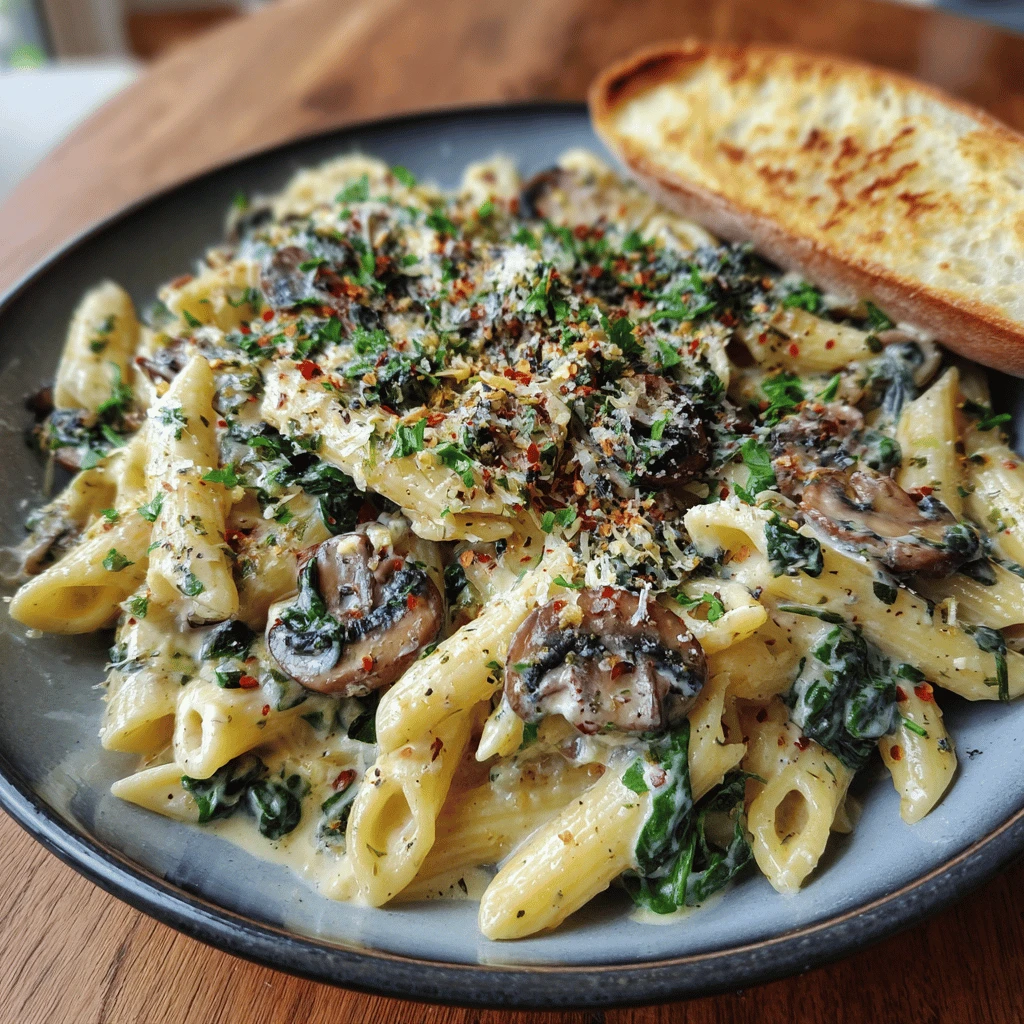
- Spinach: Add fresh spinach to the sauce during the last few minutes of cooking for a boost of vitamins and color.
- Asparagus: Sauté asparagus with the mushrooms for a spring-inspired dish.
- Sun-dried Tomatoes: Add sun-dried tomatoes for a burst of intense flavor.
- Peas: Stir in frozen peas during the last few minutes of cooking for a touch of sweetness.
Flavor Enhancers
- Truffle Oil: A drizzle of truffle oil adds a luxurious and earthy aroma. Use sparingly, as it can be overpowering.
- Lemon Zest: A touch of lemon zest brightens the flavors and adds a zesty note.
- Red Pepper Flakes: Add a pinch of red pepper flakes for a hint of spice.
- Fresh Herbs: Garnish with fresh parsley, thyme, or chives for added flavor and visual appeal.
Serving and Storing Your Masterpiece
Presentation matters! Serving your creamy mushroom pasta with a thoughtful touch can elevate the dining experience.
Serving Suggestions
- Garnish: Garnish with freshly grated Parmesan cheese, chopped parsley, and a drizzle of olive oil.
- Side Dish: Serve with a simple side salad or crusty bread for soaking up the sauce.
- Wine Pairing: Pair with a crisp white wine, such as Chardonnay or Pinot Grigio.
Storing Leftovers
- Refrigerate: Store leftover creamy mushroom pasta in an airtight container in the refrigerator for up to 3 days.
- Reheating: Reheat gently in a skillet over low heat, adding a splash of milk or cream if needed to prevent the sauce from drying out. Avoid microwaving, as it can make the pasta rubbery.
- Freezing: Freezing creamy pasta dishes is not recommended as the sauce may separate and become grainy upon thawing.
Frequently Asked Questions (FAQ)
Can I make this recipe vegan?
Yes, you can. Substitute the butter with olive oil or plant-based butter. Use plant-based cream and Parmesan cheese alternatives. Ensure the pasta is egg-free.
Can I use dried mushrooms instead of fresh?
Yes, you can use dried mushrooms. Rehydrate them in hot water for about 20-30 minutes before using. Be sure to strain the liquid and use it as part of your broth for extra flavor.
Can I add chicken to this dish?
Absolutely! Cook the chicken separately and add it to the pasta and sauce in the final steps.
What can I use instead of white wine?
Chicken or vegetable broth works well as a substitute for white wine. You can also add a splash of lemon juice for acidity.
How do I prevent the sauce from being too thick?
Use pasta water to thin out the sauce as needed. Add it gradually until you reach the desired consistency.