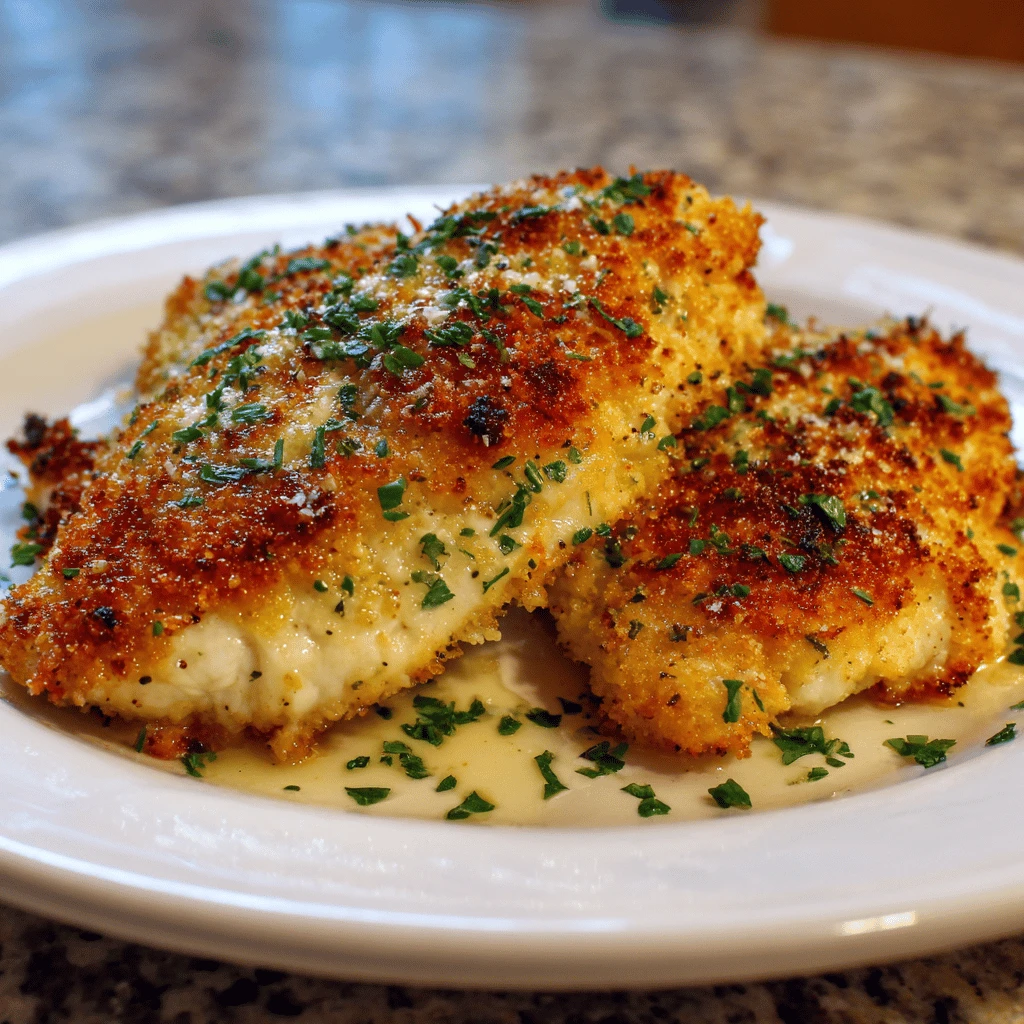
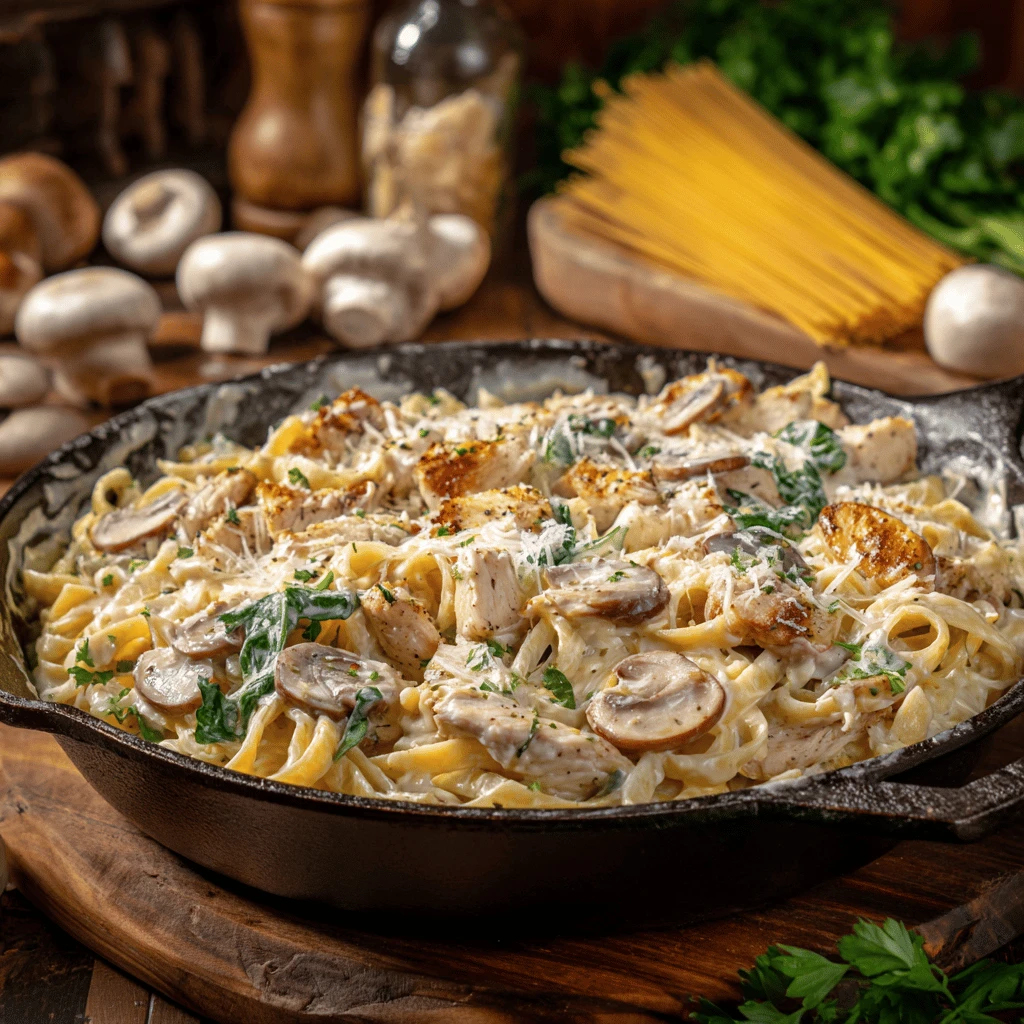
Creamy Chicken Alfredo Pasta A Timeless Comfort Food Classic Creamy Chicken Alfredo Pasta: the very name conjures images of rich, satisfying meals shared with loved ones. This dish, a perennial favorite, is more than just a pasta; it’s an experience. It’s the warmth of a creamy sauce clinging to perfectly cooked noodles, the savory delight…
Creamy Chicken Alfredo Pasta
A Timeless Comfort Food Classic
Creamy Chicken Alfredo Pasta: the very name conjures images of rich, satisfying meals shared with loved ones. This dish, a perennial favorite, is more than just a pasta; it’s an experience. It’s the warmth of a creamy sauce clinging to perfectly cooked noodles, the savory delight of tender chicken, and the subtle sharpness of Parmesan cheese. Whether you’re a seasoned chef or a novice cook, mastering this recipe is a rewarding culinary endeavor. This article will guide you through creating the ultimate Creamy Chicken Alfredo Pasta, offering tips, variations, and answers to frequently asked questions.
Crafting the Perfect Alfredo Sauce
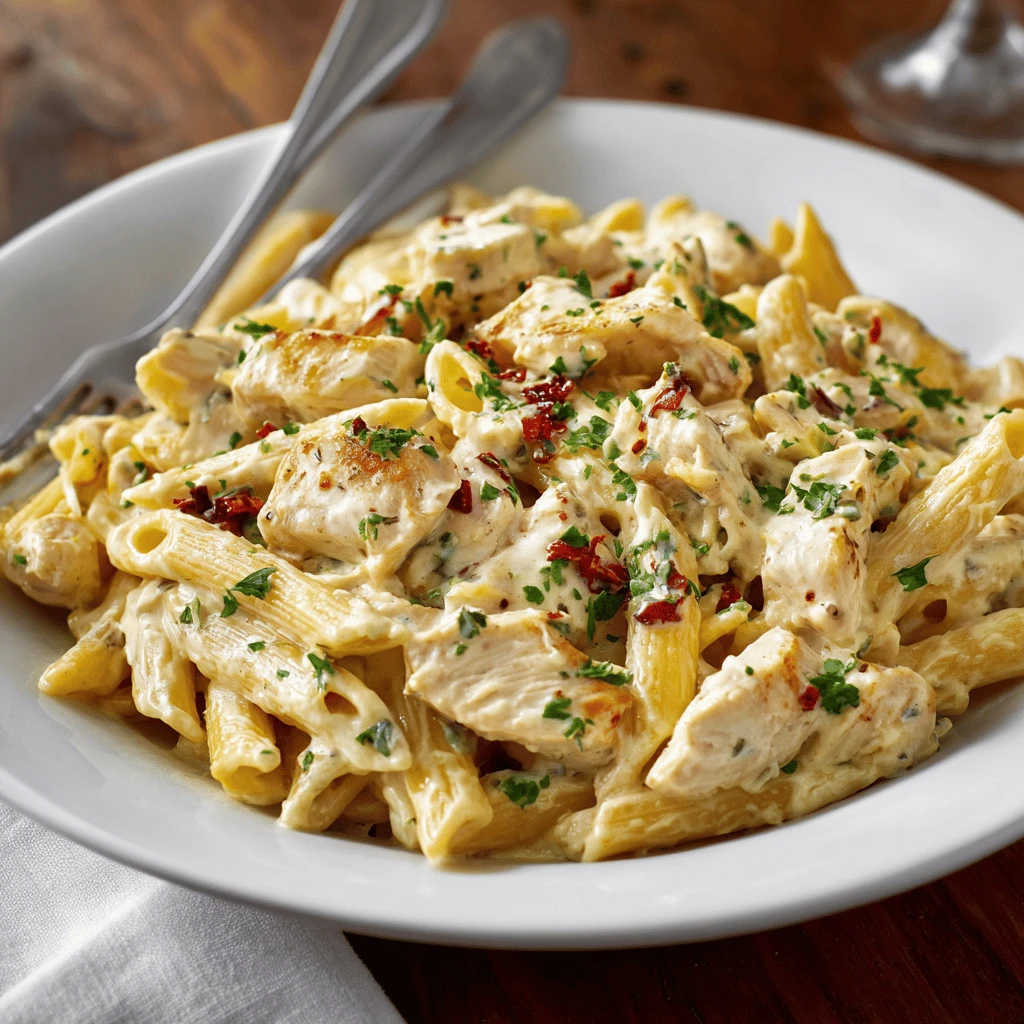
The heart of any great Chicken Alfredo lies in its sauce. Achieving the right consistency and flavor requires understanding the key ingredients and techniques.
Essential Ingredients for Alfredo Sauce
- Butter: Use unsalted butter for the best control over the saltiness of the sauce. High-quality butter contributes significantly to the richness and flavor.
- Heavy Cream: Heavy cream (or double cream) is crucial for the velvety texture. Avoid using milk or half-and-half, as they won’t provide the necessary thickness.
- Parmesan Cheese: Freshly grated Parmesan Reggiano is the gold standard. Pre-shredded cheese often contains cellulose, which can prevent it from melting smoothly.
- Garlic: Freshly minced garlic adds a pungent aroma and flavor that complements the other ingredients beautifully.
- Salt and Pepper: Seasoning is essential. Start with a small amount and adjust to your taste. White pepper is often preferred for its milder flavor and appearance.
- Optional: Nutmeg: A pinch of freshly grated nutmeg can add a subtle warmth and complexity to the sauce.
Step-by-Step Alfredo Sauce Instructions
1. Melt the Butter: In a large skillet or saucepan over medium heat, melt the butter. Be careful not to brown it.
2. Sauté the Garlic: Add the minced garlic and sauté for about 30 seconds, until fragrant. Avoid burning the garlic, as it will turn bitter.
3. Add the Cream: Pour in the heavy cream and bring to a simmer. Reduce the heat to low and let it gently simmer for 5-7 minutes, allowing it to thicken slightly.
4. Incorporate the Parmesan: Gradually add the grated Parmesan cheese, whisking continuously until it’s completely melted and the sauce is smooth.
5. Season to Taste: Season with salt, pepper, and a pinch of nutmeg, if using. Taste and adjust the seasoning as needed.
6. Maintain Warmth: Keep the sauce warm over low heat while you prepare the pasta and chicken. If it becomes too thick, add a splash of pasta water to thin it out.
Troubleshooting Common Alfredo Sauce Issues
- Sauce Too Thin: Continue simmering the sauce over low heat to allow it to thicken. You can also add a small amount of cornstarch slurry (1 teaspoon cornstarch mixed with 1 tablespoon cold water) to help thicken it.
- Sauce Too Thick: Add a splash of pasta water or additional heavy cream to thin the sauce to your desired consistency.
- Sauce Grainy: This is often caused by overheating the cheese. Keep the heat low and add the Parmesan cheese gradually, whisking continuously. If the sauce becomes grainy, try adding a tablespoon of lemon juice, which can help smooth it out.
Preparing the Chicken and Pasta
While the sauce is the star, the chicken and pasta are equally important components of this dish.
Choosing and Cooking the Chicken
- Chicken Breast: Boneless, skinless chicken breasts are the most common choice. They cook quickly and evenly.
- Chicken Thighs: Boneless, skinless chicken thighs are a flavorful alternative. They tend to be more tender and juicy than chicken breasts.
- Preparation: Cut the chicken into bite-sized pieces or thin slices for even cooking and easy incorporation into the pasta.
- Cooking Methods:
Pan-Seared: Season the chicken with salt, pepper, and any other desired spices (such as garlic powder, paprika, or Italian seasoning). Heat a tablespoon of olive oil or butter in a skillet over medium-high heat. Cook the chicken until it's browned and cooked through, about 5-7 minutes per side, depending on the thickness.
Grilled: Marinate the chicken in a mixture of olive oil, lemon juice, garlic, and herbs. Grill over medium heat until cooked through, about 6-8 minutes per side.
Baked: Preheat the oven to 375°F (190°C). Place the seasoned chicken in a baking dish and bake for 20-25 minutes, or until cooked through.
- Ensuring Doneness: Use a meat thermometer to ensure the chicken is cooked to an internal temperature of 165°F (74°C).
Selecting and Cooking the Pasta
- Pasta Shape: Fettuccine is the traditional choice for Chicken Alfredo, but other long pasta shapes like spaghetti, linguine, or tagliatelle also work well.
- Cooking the Pasta: Cook the pasta according to the package directions until al dente (slightly firm to the bite). Reserve about 1 cup of pasta water before draining.
- Why Pasta Water? The starchy pasta water helps to bind the sauce to the pasta, creating a creamier and more cohesive dish. Add a little pasta water to the sauce if it becomes too thick or if you want to create a more emulsified sauce.
Assembling and Serving the Dish
Bringing all the components together is the final step in creating your masterpiece.
Combining the Ingredients
1. Add Pasta to Sauce: Add the cooked pasta to the warm Alfredo sauce and toss gently to coat.
2. Incorporate Chicken: Add the cooked chicken to the pasta and sauce mixture and toss to combine.
3. Adjust Consistency: If the sauce is too thick, add a splash of pasta water to thin it out.
4. Serve Immediately: Serve the Creamy Chicken Alfredo Pasta immediately while it’s hot and the sauce is creamy.
Garnishing and Serving Suggestions
- Fresh Parsley: Sprinkle with freshly chopped parsley for a pop of color and freshness.
- Additional Parmesan Cheese: Grate additional Parmesan cheese over the top for extra flavor.
- Cracked Black Pepper: A few cracks of black pepper can add a subtle spice.
- Side Dishes: Serve with a side of garlic bread, a green salad, or roasted vegetables.
Variations and Additions
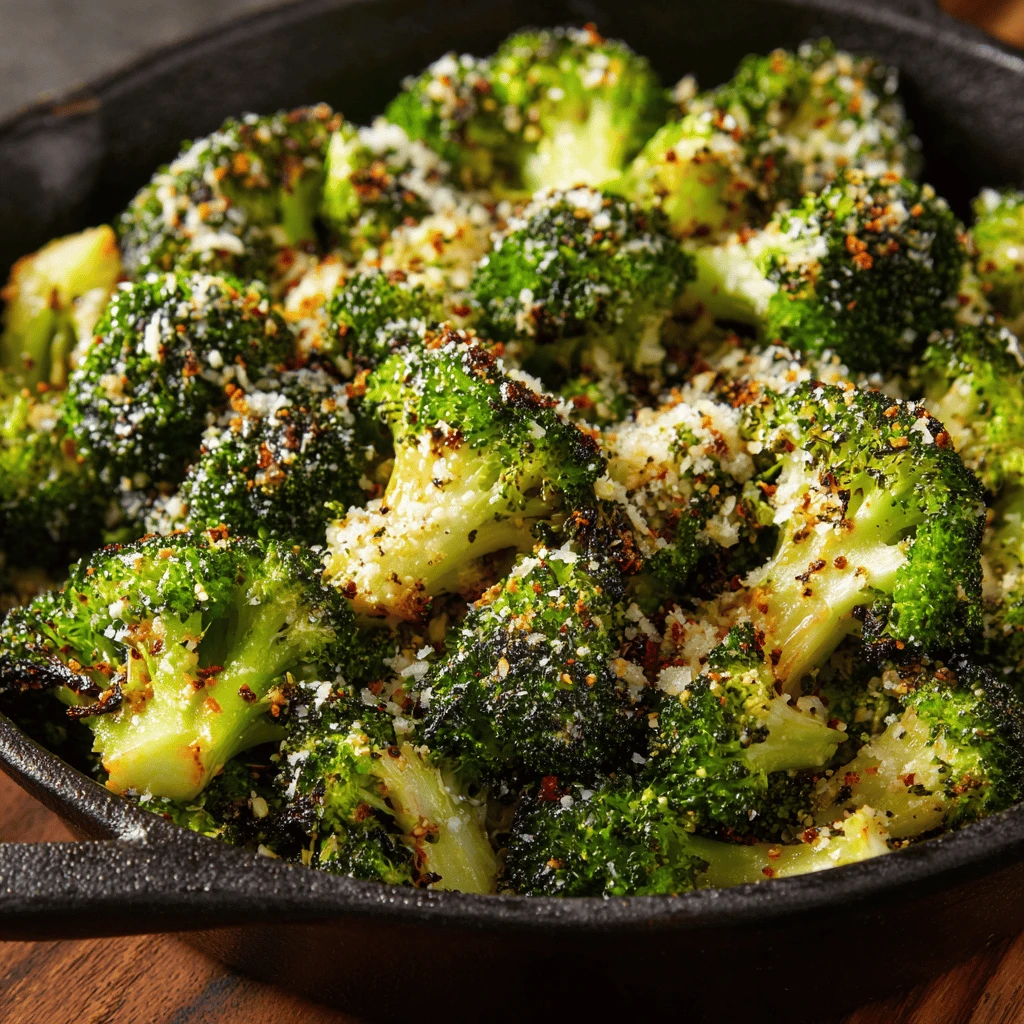
- Vegetables: Add sautéed mushrooms, broccoli florets, spinach, or sun-dried tomatoes to the pasta for added flavor and nutrients.
- Seafood: Replace the chicken with shrimp, scallops, or lobster for a decadent twist.
- Spicy Alfredo: Add a pinch of red pepper flakes or a dash of hot sauce to the sauce for a spicy kick.
- Lemon Alfredo: Add the zest and juice of one lemon to the sauce for a bright and tangy flavor.
- Creamy Pesto Alfredo: Swirl in a spoonful of pesto sauce for a flavorful variation.
Tips for Success and Storage
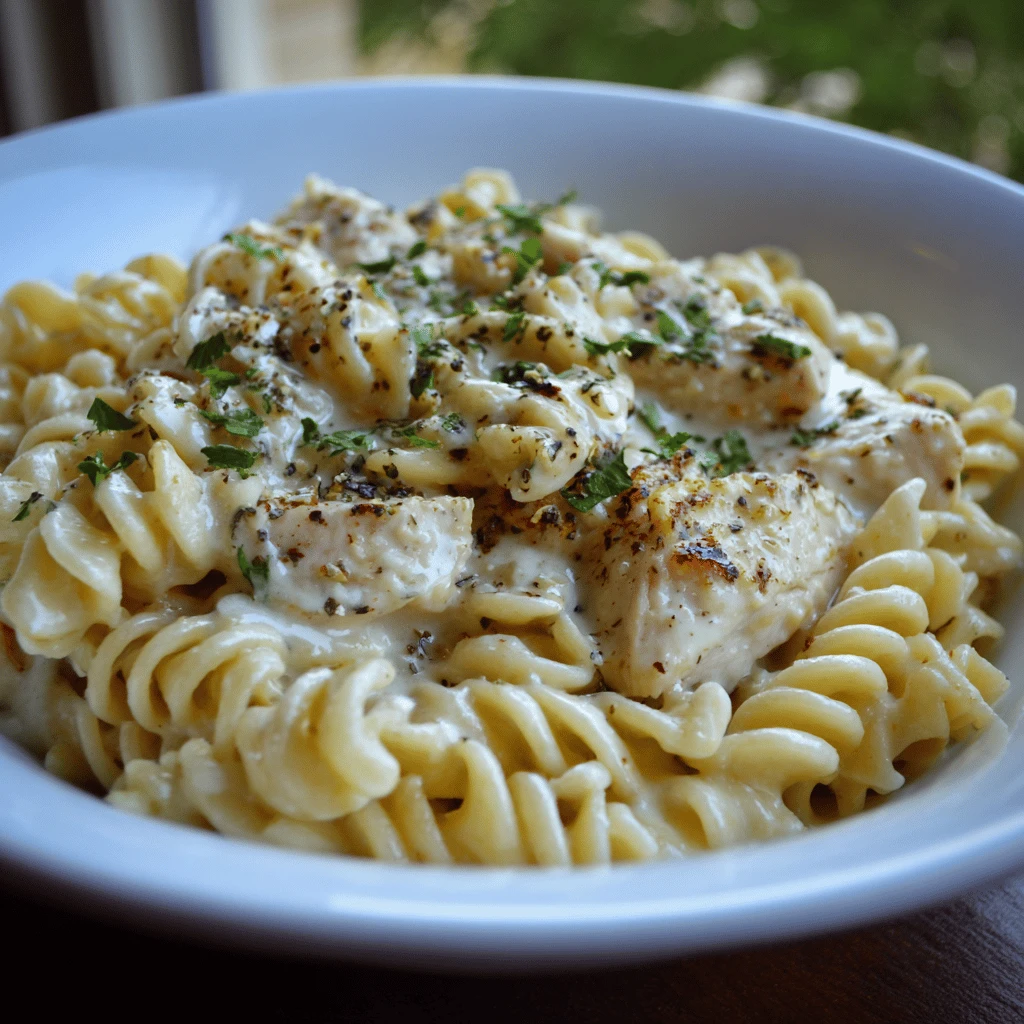
Here are some essential tips to ensure your Creamy Chicken Alfredo Pasta is a resounding success, along with guidance on proper storage.
Key Tips for Optimal Results
- Use High-Quality Ingredients: The quality of the ingredients directly impacts the flavor of the dish. Use fresh, high-quality butter, cream, and Parmesan cheese.
- Don’t Overcook the Pasta: Overcooked pasta will become mushy and won’t hold the sauce well. Cook the pasta al dente.
- Keep the Sauce Warm: The Alfredo sauce is best served warm. If it sits for too long, it may become thick and gloppy. Keep it warm over low heat or in a warm oven.
- Adjust Seasoning: Taste the sauce frequently and adjust the seasoning as needed. Salt, pepper, and a pinch of nutmeg can make a big difference.
- Grate Your Own Cheese: Pre-shredded cheese often contains cellulose, which prevents it from melting smoothly. Freshly grated Parmesan cheese melts beautifully and adds a superior flavor.
Storage and Reheating Instructions
- Storage: Store leftover Creamy Chicken Alfredo Pasta in an airtight container in the refrigerator for up to 3 days.
- Reheating: Reheat the pasta gently in a skillet over low heat, adding a splash of milk or cream to help loosen the sauce. You can also reheat it in the microwave, but be careful not to overheat it, as the sauce may separate.
- Freezing: Freezing Creamy Chicken Alfredo Pasta is not recommended, as the sauce may separate and become grainy when thawed.
Frequently Asked Questions (FAQ)
- Why is my Alfredo sauce grainy? This is usually caused by overheating the cheese. Keep the heat low and add the Parmesan cheese gradually, whisking continuously.
- How do I thicken Alfredo sauce? Continue simmering the sauce over low heat to allow it to thicken. You can also add a small amount of cornstarch slurry (1 teaspoon cornstarch mixed with 1 tablespoon cold water).
- Can I use milk instead of heavy cream in Alfredo sauce? While you can, it will not be as rich or creamy. Heavy cream is recommended for the best results.
- What kind of pasta is best for Alfredo sauce? Fettuccine is the traditional choice, but other long pasta shapes like spaghetti, linguine, or tagliatelle also work well.
- How can I make my Alfredo sauce more flavorful? Use high-quality ingredients, add a pinch of nutmeg, and adjust the seasoning to your taste. You can also add sautéed garlic, herbs, or spices.
- Why does my Alfredo sauce separate? This can happen if the sauce is overheated or if it sits for too long. Keep the heat low and serve the sauce immediately.
- Can I make Alfredo sauce ahead of time? It’s best to make the sauce fresh, but you can prepare it a few hours in advance and keep it warm over low heat.
- What goes well with Chicken Alfredo? Garlic bread, a green salad, and roasted vegetables are all excellent side dishes.
- How do I prevent the pasta from sticking together? Toss the cooked pasta with a little olive oil or butter to prevent it from sticking together. You can also add it directly to the sauce as soon as it’s cooked.
- Can I add vegetables to Chicken Alfredo? Yes! Sautéed mushrooms, broccoli florets, spinach, or sun-dried tomatoes are all great additions.