Healthy Tuna Salad Meal Prep Tuna salad, a classic lunchtime staple, often gets a bad rap for being unhealthy. Loaded with mayonnaise and served on white bread, it can quickly become a calorie bomb. However, with a few smart swaps and a focus on fresh ingredients, tuna salad can be a nutritious and delicious meal…
Healthy Tuna Salad Meal Prep
Tuna salad, a classic lunchtime staple, often gets a bad rap for being unhealthy. Loaded with mayonnaise and served on white bread, it can quickly become a calorie bomb. However, with a few smart swaps and a focus on fresh ingredients, tuna salad can be a nutritious and delicious meal prep option. This guide will walk you through creating healthy tuna salad meal prep that’s both satisfying and beneficial for your well-being.
Section 1: Rethinking Tuna Salad: Making it Healthy
The key to a healthy tuna salad lies in re-evaluating the traditional ingredients and preparation methods. Let’s break down the components:
- Tuna Selection: Opt for tuna canned in water rather than oil. Water-packed tuna is lower in calories and fat. Look for sustainably sourced tuna to make an environmentally conscious choice. Albacore tuna is higher in omega-3 fatty acids but also contains more mercury, so moderation is key. Skipjack tuna is a lower-mercury option.
- Mayonnaise Alternatives: Traditional mayonnaise is high in fat and calories. Consider healthier alternatives such as:
Greek Yogurt: Plain, non-fat Greek yogurt provides a creamy texture and a protein boost, significantly reducing the fat content.
Avocado: Mashed avocado adds healthy fats, a creamy texture, and essential nutrients.
Hummus: Hummus contributes fiber and plant-based protein, creating a unique and flavorful tuna salad.
Light Mayonnaise: If you prefer the taste of mayonnaise, choose a light or reduced-fat version to cut down on calories and fat.
- Adding Vegetables for Nutrients and Crunch: Incorporating vegetables into your tuna salad adds essential vitamins, minerals, and fiber, enhancing both the nutritional value and the overall texture. Great options include:
Celery: Provides a satisfying crunch and subtle flavor.
Red Onion: Offers a sharp, pungent flavor and antioxidants.
Bell Peppers: Adds sweetness, color, and vitamin C.
Pickles or Relish: Provides tanginess and a burst of flavor.
Cucumber: Adds a refreshing crunch and hydration.
- Flavor Enhancers: Don’t be afraid to experiment with herbs and spices to boost the flavor of your tuna salad without adding extra calories or unhealthy fats. Consider these options:
Dill: A classic pairing with tuna, adding a fresh, herbaceous flavor.
Parsley: A versatile herb that adds freshness and brightness.
Lemon Juice: Brightens the flavor and adds acidity.
Black Pepper: Adds a touch of spice.
Mustard: Dijon mustard or yellow mustard adds tanginess and depth of flavor.
Section 2: Recipe Ideas: Healthy Tuna Salad Variations
Now that we’ve explored healthier ingredient options, let’s dive into some delicious and creative tuna salad recipe ideas:
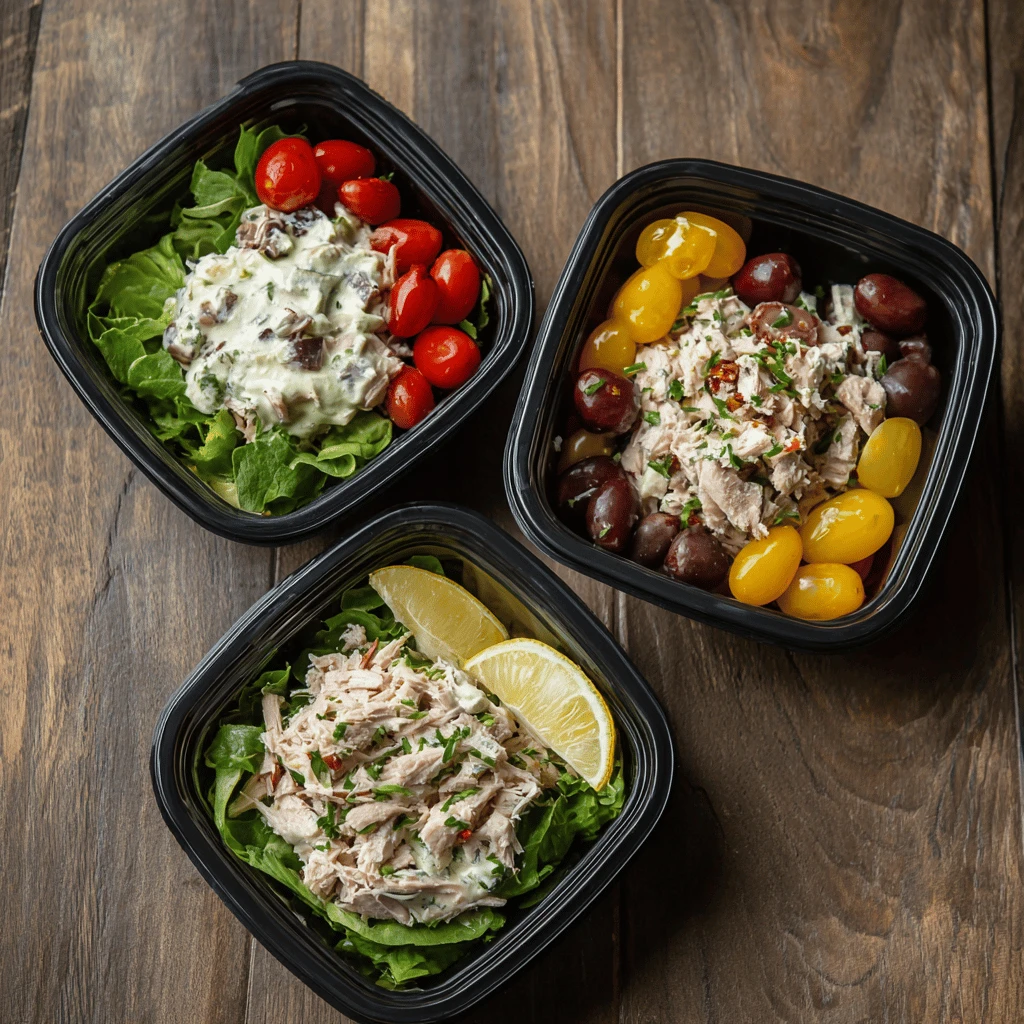
- Greek Yogurt Tuna Salad: Combine water-packed tuna with plain Greek yogurt, diced celery, red onion, dill, lemon juice, and black pepper. This version is high in protein and low in fat.
- Avocado Tuna Salad: Mash avocado and mix it with tuna, diced cucumber, red onion, and a squeeze of lime juice. This recipe is rich in healthy fats and provides a creamy, satisfying texture.
- Hummus Tuna Salad: Combine tuna with hummus, chopped bell peppers, and a sprinkle of paprika. This variation offers a unique flavor profile and adds plant-based protein and fiber.
- Spicy Tuna Salad: Add a dash of sriracha or a pinch of red pepper flakes to your favorite tuna salad recipe for a kick of heat.
- Mediterranean Tuna Salad: Combine tuna with chopped Kalamata olives, sun-dried tomatoes, feta cheese, and a drizzle of olive oil. This recipe provides a taste of the Mediterranean and is packed with healthy fats and antioxidants.
- Curry Tuna Salad: Add a teaspoon of curry powder to your tuna salad for a warm, aromatic flavor. Consider adding raisins or chopped mango for a touch of sweetness.
Example Recipe: Lemon-Dill Greek Yogurt Tuna Salad
- 1 can (5 ounces) tuna in water, drained
- 1/4 cup plain Greek yogurt
- 1/4 cup diced celery
- 2 tablespoons diced red onion
- 1 tablespoon chopped fresh dill
- 1 tablespoon lemon juice
- Salt and pepper to taste
Combine all ingredients in a bowl and mix well. Season with salt and pepper to taste.
Section 3: Meal Prep Strategies: Preparing for the Week
Tuna salad is an excellent meal prep option because it’s easy to make ahead of time and can be stored in the refrigerator for several days. Here are some tips for successful tuna salad meal prep:
- Prepare the Tuna Salad: Make a batch of your favorite healthy tuna salad recipe on the weekend or evening.
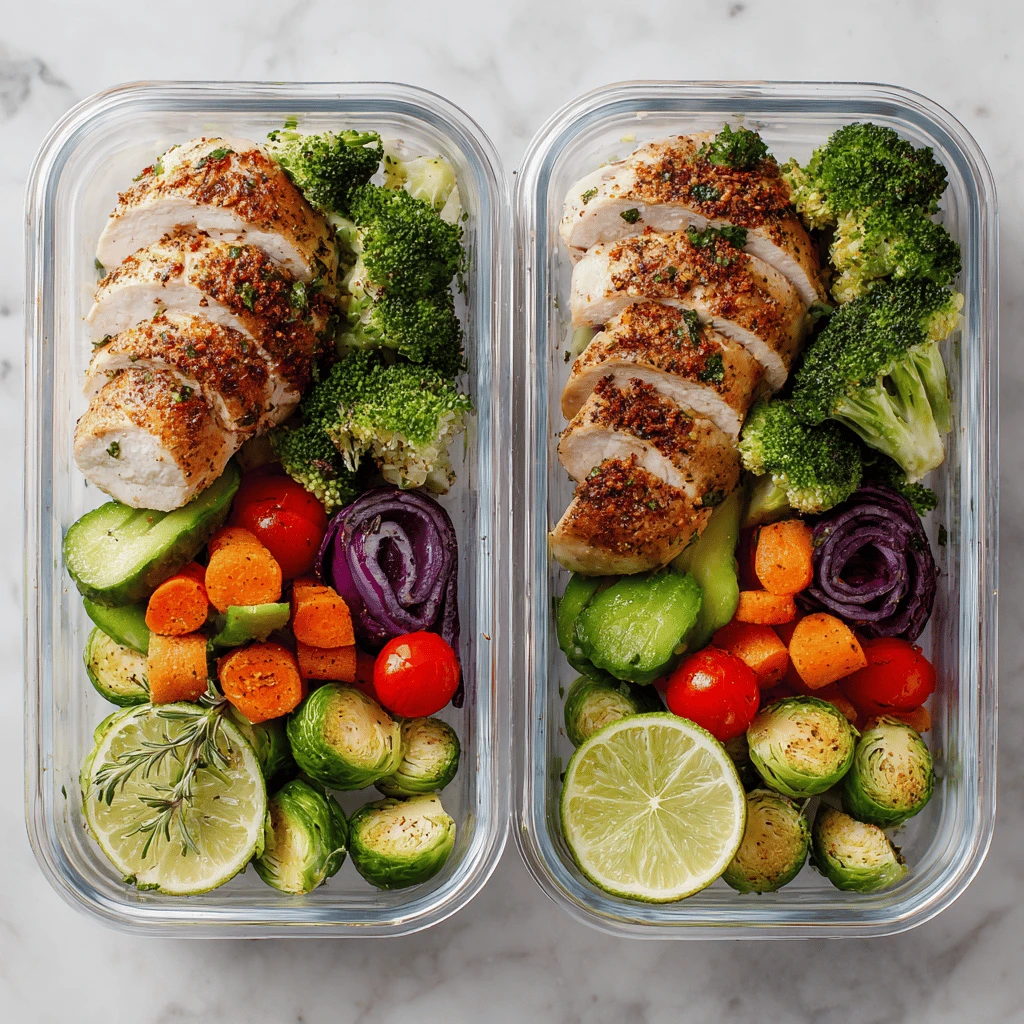
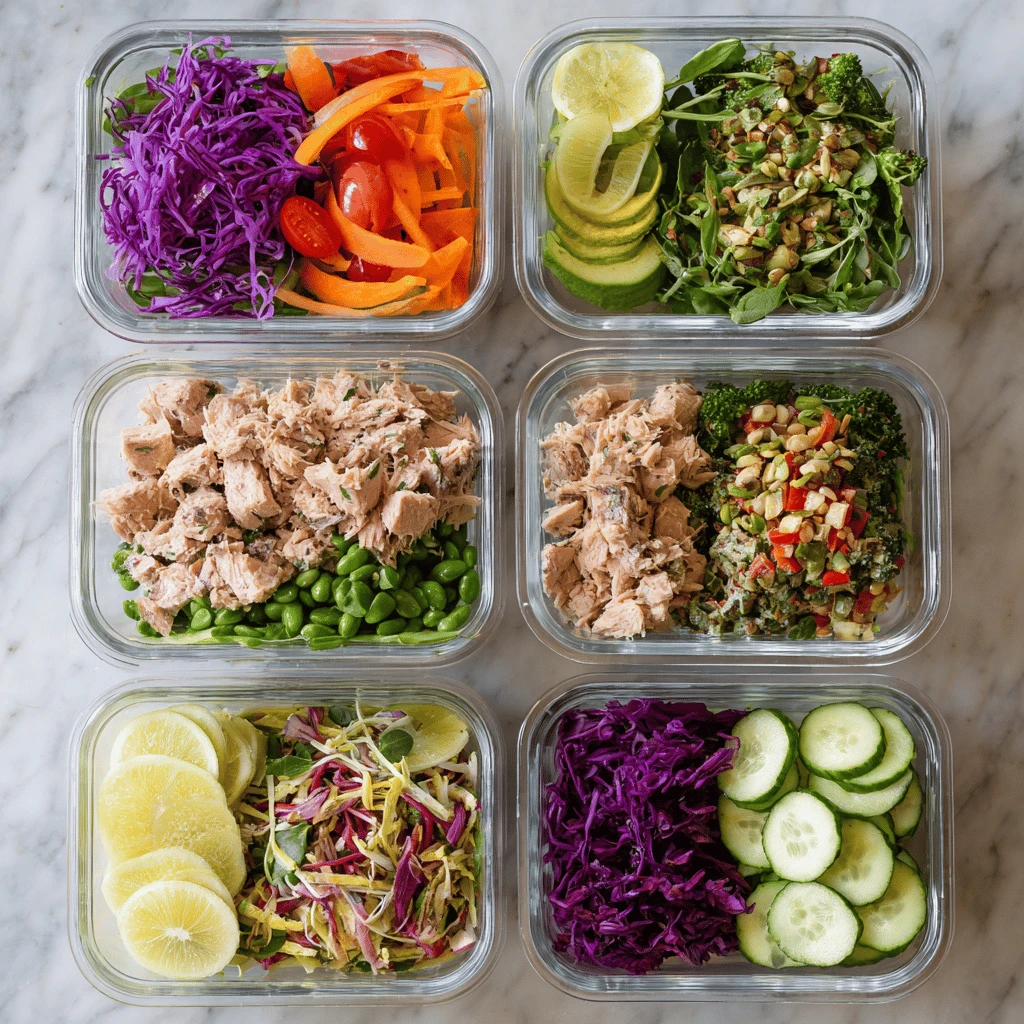
- Choose Your Containers: Select airtight containers to store the tuna salad. Glass containers are a great eco-friendly option, or BPA-free plastic containers work well.
- Portion Control: Divide the tuna salad into individual servings to help control your calorie intake and make it easy to grab and go.
- Storage: Store the tuna salad in the refrigerator for up to 3-4 days.
- Pairing Options: Plan your pairings to make complete and balanced meals. Consider these options:
Whole-Wheat Bread or Crackers: Provides complex carbohydrates for energy.
Lettuce Wraps: A low-carb option for those watching their carbohydrate intake.
Salad Greens: Creates a larger, more filling salad.
Hard-Boiled Eggs: Adds extra protein and nutrients.
Vegetable Sticks: Provides additional vitamins, minerals, and fiber. (Carrots, Celery, Bell Peppers).
Fruit: Apples, grapes, or berries make a refreshing and healthy side dish.
- Keep it Separate (Sometimes): If you’re pairing your tuna salad with crackers or bread, consider storing them separately to prevent them from getting soggy.
Section 4: Serving Suggestions: Enjoying Your Healthy Tuna Salad
There are countless ways to enjoy your healthy tuna salad meal prep. Here are a few serving suggestions:
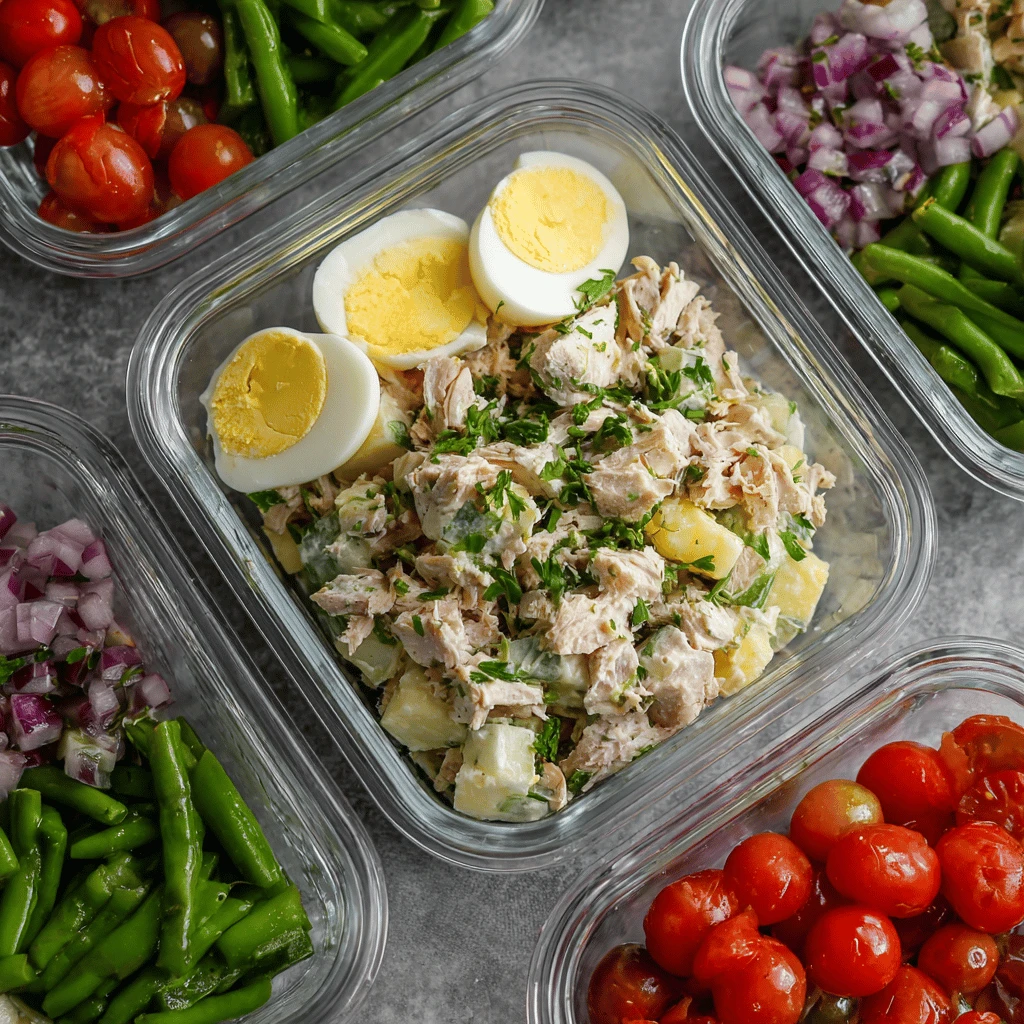
- Classic Tuna Salad Sandwich: Spread tuna salad on whole-wheat bread or toast for a quick and easy lunch. Add lettuce, tomato, and sprouts for extra flavor and nutrients.
- Tuna Salad Lettuce Wraps: Spoon tuna salad into crisp lettuce leaves for a low-carb and refreshing meal.
- Tuna Salad Stuffed Avocado: Halve an avocado and fill it with tuna salad for a healthy and satisfying lunch or snack.
- Tuna Salad Salad: Top a bed of mixed greens with tuna salad, chopped vegetables, and a light vinaigrette dressing for a larger, more filling salad.
- Tuna Salad with Crackers: Serve tuna salad with whole-grain crackers for a simple and convenient snack or light meal.
- Tuna Melt Makeover: Instead of making a traditional tuna melt with regular cheese, use a small amount of part-skim mozzarella or a sprinkle of nutritional yeast on whole-wheat bread and broil until melted.
Tips for Enhancing the Presentation:
- Garnish with fresh herbs like dill or parsley.
- Arrange the tuna salad artfully on a plate or in a bowl.
- Add a colorful side dish, such as sliced tomatoes or cucumber.
Section 5: Addressing Common Concerns and FAQs
- Is tuna salad healthy?
When prepared with healthy ingredients and in moderation, tuna salad can be a nutritious part of a balanced diet. Focus on using water-packed tuna, healthy mayonnaise alternatives, and plenty of vegetables.
- How long does tuna salad last in the refrigerator?
Tuna salad can be stored in the refrigerator for up to 3-4 days. Make sure to store it in an airtight container to prevent it from drying out and to minimize the risk of bacterial growth.
- Can I freeze tuna salad?
Freezing tuna salad is not recommended, as it can affect the texture and flavor. Mayonnaise-based salads, in particular, tend to separate and become watery when thawed.
- What are the best vegetables to add to tuna salad?
Good choices include celery, red onion, bell peppers, pickles or relish, and cucumber. These vegetables add crunch, flavor, and essential nutrients.
- What are some healthy alternatives to mayonnaise in tuna salad?
Excellent alternatives include plain Greek yogurt, mashed avocado, hummus, and light mayonnaise. These options significantly reduce the fat and calorie content while adding extra nutrients and flavor.
- Is it safe to eat tuna every day?
While tuna is a good source of protein and omega-3 fatty acids, it's important to consume it in moderation due to mercury content. The FDA recommends that adults eat 2-3 servings (8-12 ounces) of fish per week from a variety of sources. Choose lower-mercury options like skipjack tuna more often.
- How can I make tuna salad more flavorful without adding extra calories?
Use herbs and spices to enhance the flavor without adding extra calories. Consider adding dill, parsley, lemon juice, black pepper, or mustard.