Carrot Sticks with Hummus: The Perfect Healthy Snack Carrot sticks and hummus: it’s a snack combination that has become synonymous with healthy eating. But beyond the simple recognition of its nutritional benefits, lies a deeply satisfying and versatile snack option suitable for diverse palates and lifestyles. This article will dive into why carrot sticks and…
Carrot Sticks with Hummus: The Perfect Healthy Snack
Carrot sticks and hummus: it’s a snack combination that has become synonymous with healthy eating. But beyond the simple recognition of its nutritional benefits, lies a deeply satisfying and versatile snack option suitable for diverse palates and lifestyles. This article will dive into why carrot sticks and hummus make such a winning pair, explore different hummus variations, offer preparation tips, and answer common questions about this perfect healthy snack.
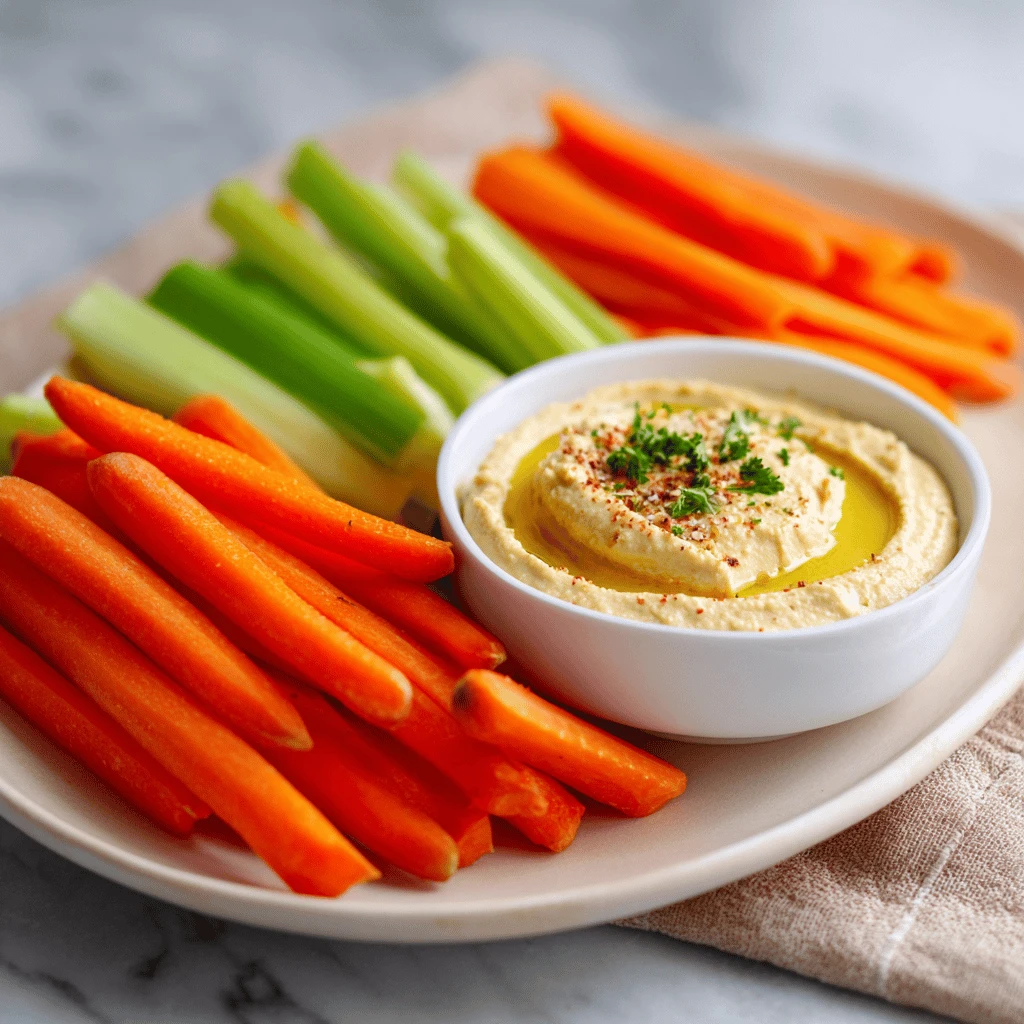
Why Carrot Sticks and Hummus are a Healthy Snack Powerhouse
The appeal of carrot sticks and hummus stems from both its simplicity and its powerful nutritional profile. Individually, carrots and hummus offer significant health benefits; together, they create a snack that is greater than the sum of its parts.
The Nutritional Benefits of Carrots: Carrots are low in calories but packed with essential vitamins and minerals. They are an excellent source of beta-carotene, which the body converts into vitamin A, vital for vision, immune function, and skin health. Carrots also contain fiber, which aids digestion and promotes feelings of fullness, helping to manage weight. Furthermore, they are a good source of vitamin K, potassium, and antioxidants. The crunchy texture also contributes to satiety, making them a satisfying snack.
The Nutritional Benefits of Hummus: Hummus, traditionally made from chickpeas, tahini (sesame seed paste), olive oil, lemon juice, and garlic, is a nutritional powerhouse in its own right. Chickpeas are a fantastic source of plant-based protein and fiber, both of which contribute to sustained energy levels and feelings of fullness. Tahini provides healthy fats and minerals like calcium and iron. Olive oil contributes healthy monounsaturated fats, beneficial for heart health. The overall combination offers a good balance of macronutrients, making hummus a filling and nutritious dip.
The Synergistic Effect: Combining carrots and hummus creates a balanced snack that provides a good mix of vitamins, minerals, fiber, protein, and healthy fats. The fiber in both the carrots and hummus helps regulate blood sugar levels, preventing energy crashes and promoting stable energy throughout the day. The protein in the hummus helps to keep you feeling full and satisfied, while the carrots provide a refreshing crunch and a boost of vitamins. This snack is also naturally gluten-free and vegan, making it accessible to a wide range of dietary needs.
Exploring Hummus Variations to Elevate Your Snack
While classic hummus is delicious on its own, experimenting with different variations can add variety and excitement to your carrot stick snacking experience. The possibilities are virtually endless, allowing you to tailor your hummus to your personal preferences.
Classic Hummus Recipe: The foundation of any good hummus starts with high-quality ingredients. Here’s a simple recipe to get you started:
- 1 (15-ounce) can of chickpeas, drained and rinsed
- 1/4 cup tahini
- 2-3 tablespoons lemon juice
- 2 tablespoons olive oil
- 1-2 cloves garlic, minced
- 2-4 tablespoons water (or more, for desired consistency)
- Salt to taste
Combine all ingredients in a food processor and blend until smooth and creamy. Adjust seasonings to taste.
Savory Hummus Variations: For those who prefer savory flavors, consider adding roasted red peppers, sun-dried tomatoes, or olives to your hummus.
- Roasted Red Pepper Hummus: Roast 1-2 red peppers until the skin is blackened. Peel off the skin, remove the seeds, and add the roasted pepper flesh to your hummus recipe.
- Sun-Dried Tomato Hummus: Add about 1/4 cup of oil-packed sun-dried tomatoes (drained) to your hummus recipe.
- Olive Hummus: Add about 1/4 cup of pitted Kalamata olives to your hummus recipe.
Spicy Hummus Variations: If you enjoy a bit of heat, try adding jalapenos, sriracha, or a pinch of cayenne pepper to your hummus.
- Jalapeno Hummus: Add 1-2 seeded jalapenos to your hummus recipe.
- Sriracha Hummus: Add 1-2 teaspoons of sriracha to your hummus recipe.
- Spicy Chipotle Hummus: Add 1-2 tablespoons of chipotle paste (from chipotle peppers in adobe sauce) to your hummus recipe.
Sweet Hummus Variations: While less traditional, sweet hummus variations can be a surprisingly delicious and healthy dessert option. Try adding cocoa powder, vanilla extract, or a touch of maple syrup to your hummus.
- Chocolate Hummus: Add 2-3 tablespoons of cocoa powder, 1 teaspoon of vanilla extract, and 1-2 tablespoons of maple syrup to your hummus recipe.
- Cinnamon Roll Hummus: Add 1-2 teaspoons of cinnamon, 1/2 teaspoon of vanilla extract, and 1-2 tablespoons of maple syrup to your hummus recipe.
Other Hummus Enhancement Ideas: Consider adding the following to enhance the nutritional profile, appearance, and flavour of your hummus:
- Chopped fresh herbs (parsley, cilantro, dill).
- A sprinkle of paprika or cumin.
- A drizzle of olive oil.
- Toasted sesame seeds.
- Chopped nuts (pine nuts, walnuts).
Preparing Perfect Carrot Sticks and Hummus for Snacking
The key to enjoying carrot sticks and hummus lies in proper preparation. This ensures the flavors are at their best and the texture is appealing.
Choosing the Right Carrots: Select firm, bright orange carrots without any cracks or blemishes. Opt for whole carrots over baby carrots, as they tend to be fresher and more flavorful. Organic carrots are a good choice if you are concerned about pesticide residue.
Preparing the Carrot Sticks: Wash the carrots thoroughly under cold water. Peel the carrots if desired (though the skin is edible and contains nutrients). Cut the carrots into sticks that are about 3-4 inches long and 1/2 inch thick. This size is ideal for dipping into hummus.
Storing Carrot Sticks: To keep carrot sticks fresh and crisp, store them in an airtight container filled with cold water in the refrigerator. Change the water every 2-3 days. This will help to prevent the carrots from drying out and becoming limp.
Choosing the Right Hummus: You can either make your own hummus from scratch or purchase pre-made hummus from the store. If buying pre-made hummus, look for options with simple ingredients and no artificial additives or preservatives.
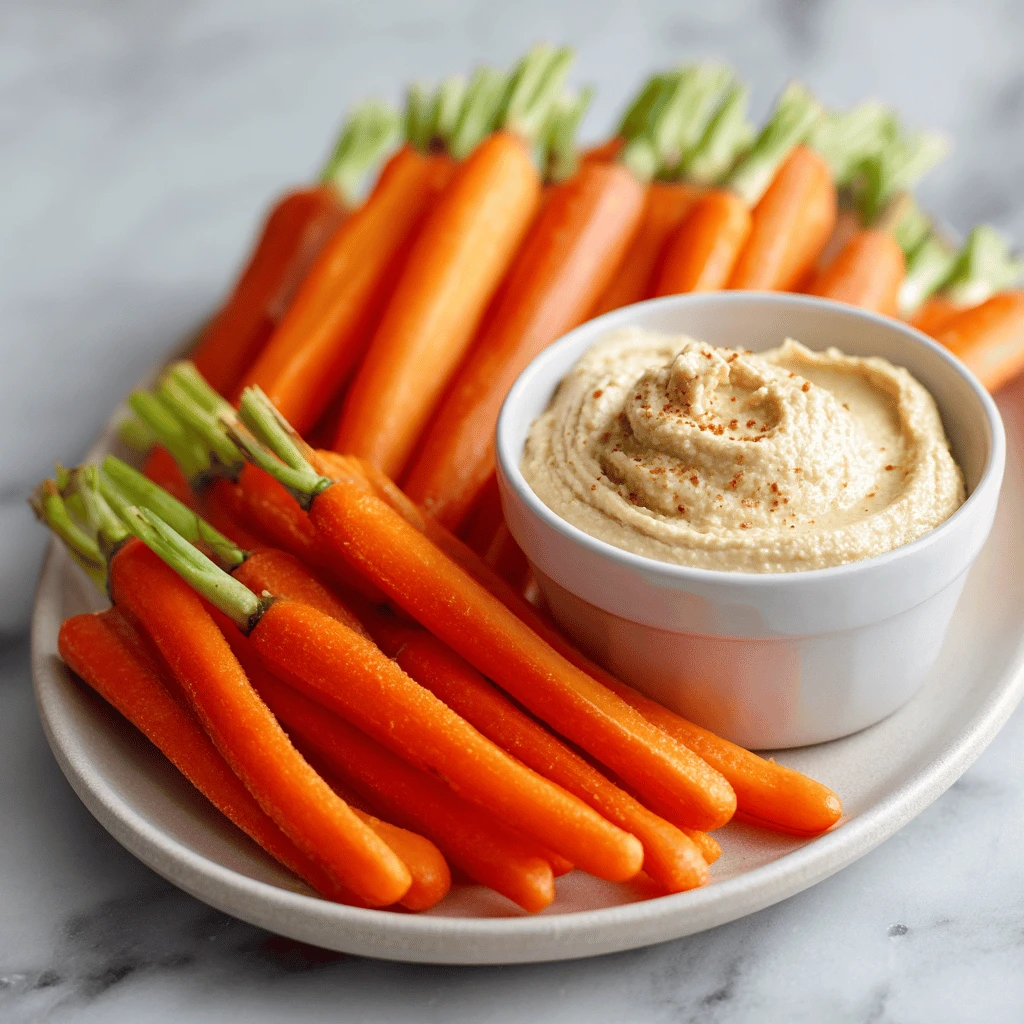
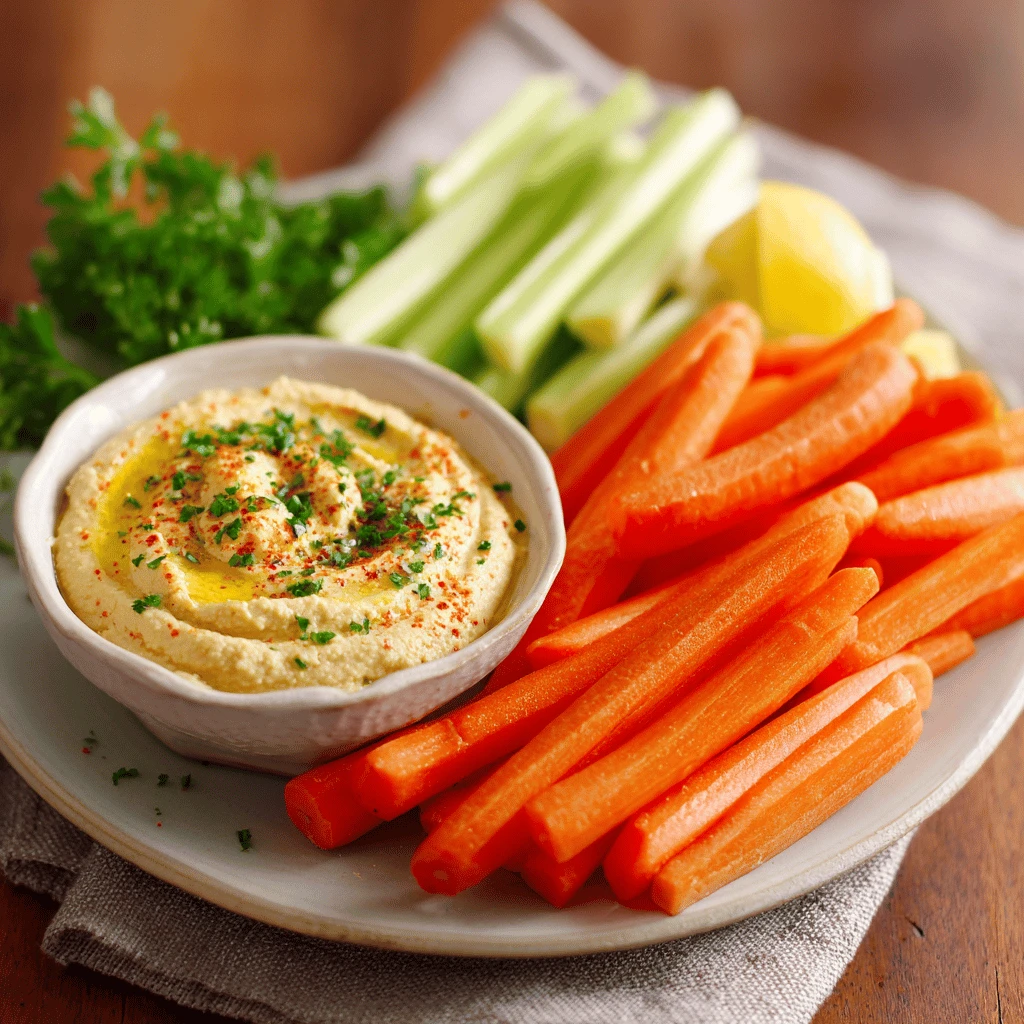
Serving Suggestions: Serve the carrot sticks and hummus chilled. Arrange the carrot sticks attractively around a bowl of hummus. You can also add other vegetables to the platter, such as cucumber slices, bell pepper strips, or celery sticks. For an extra touch, garnish the hummus with a drizzle of olive oil, a sprinkle of paprika, or some chopped fresh herbs.
Make-Ahead Tips: Carrot sticks and hummus can be prepared ahead of time, making them a convenient snack for busy days. Prepare the carrot sticks and store them in the refrigerator as described above. Make the hummus (or purchase it) and store it in an airtight container in the refrigerator. When ready to serve, simply arrange the carrot sticks around the hummus and enjoy. The snack should maintain its freshness and quality for up to 3-4 days.
The Versatility of Carrot Sticks and Hummus: Beyond Snacking
While carrot sticks and hummus make a fantastic snack, their versatility extends far beyond that. Consider these creative ways to incorporate them into your meals and snacks:
Lunchbox Staple: Carrot sticks and hummus are an easy and healthy addition to any lunchbox. Pack them in separate containers to prevent the carrot sticks from becoming soggy.
Party Appetizer: Serve carrot sticks and hummus as part of a vegetable platter at your next party. Offer a variety of hummus flavors to cater to different tastes.
On-the-Go Snack: Pack carrot sticks and hummus in a portable container for a healthy and satisfying snack on the go.
Pair with Other Foods: Complement carrot sticks and hummus with other healthy foods, such as whole-wheat pita bread, cucumber slices, or bell pepper strips.
Hummus as a Spread: Use hummus as a spread on sandwiches or wraps in place of mayonnaise or other less healthy condiments.
Vegetable Dip Alternative: Replace traditional creamy dips with hummus for a healthier option when serving vegetables.
Breakfast Addition: While unusual, a small serving of carrots and hummus alongside an egg and toast could contribute to your micronutrient profile for the day.
Travel Snack: Carrots and hummus are easy to pack and transport, making them the perfect snack when traveling.
Frequently Asked Questions (FAQs) About Carrot Sticks and Hummus
Q: Is carrot sticks and hummus a good snack for weight loss?
A: Yes, carrot sticks and hummus can be a great snack for weight loss. They are low in calories but high in fiber and protein, which can help you feel full and satisfied, preventing overeating.
Q: Is hummus healthy to eat every day?
A: Yes, hummus can be a part of a healthy diet when consumed in moderation. Hummus is packed with nutrients, but like all foods, should be consumed in reasonable amounts to ensure a balanced diet.
Q: What are the benefits of eating carrots daily?
A: Eating carrots daily can provide numerous health benefits. Carrots are rich in beta-carotene, which is converted to vitamin A in the body, essential for vision, immune function, and skin health. They also contain fiber, which aids digestion, and antioxidants that protect against cell damage.
Q: What goes well with hummus other than carrots?
A: Hummus pairs well with a variety of foods beyond carrots. Some great options include:
- Pita bread or pita chips
- Cucumber slices
- Bell pepper strips
- Celery sticks
- Radishes
- Broccoli florets
- Cauliflower florets
- Cherry tomatoes
Q: How long does hummus last in the fridge?
A: Homemade hummus typically lasts for 3-5 days in the refrigerator when stored in an airtight container. Store-bought hummus may have a longer shelf life, so check the expiration date on the packaging.