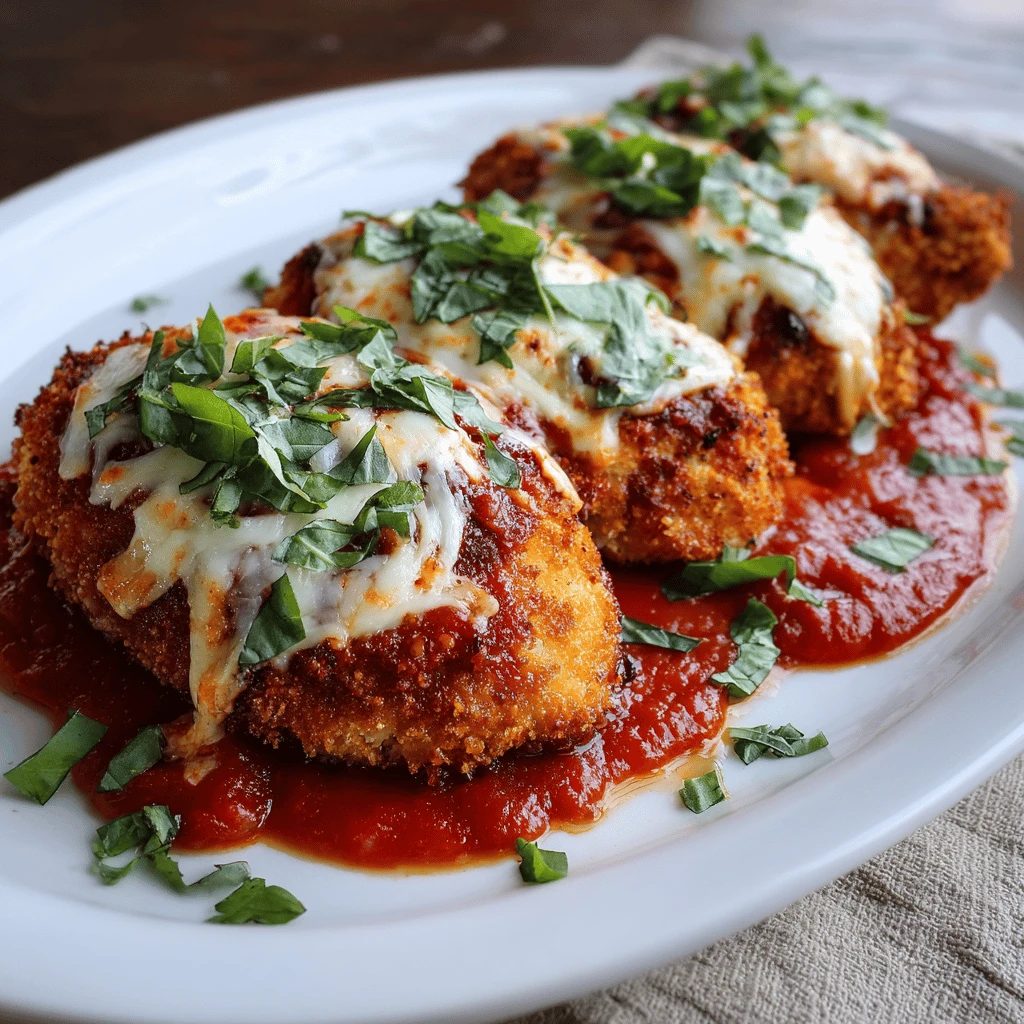
Baked Chicken Parmesan: A Crispy, Cheesy Delight Chicken Parmesan, a classic Italian-American dish, is a family favorite for a reason. Tender chicken cutlets, coated in crispy breadcrumbs, smothered in rich tomato sauce, and blanketed with melted mozzarella – what’s not to love? While traditionally fried, baking chicken parmesan offers a healthier, easier, and equally delicious…
Baked Chicken Parmesan: A Crispy, Cheesy Delight
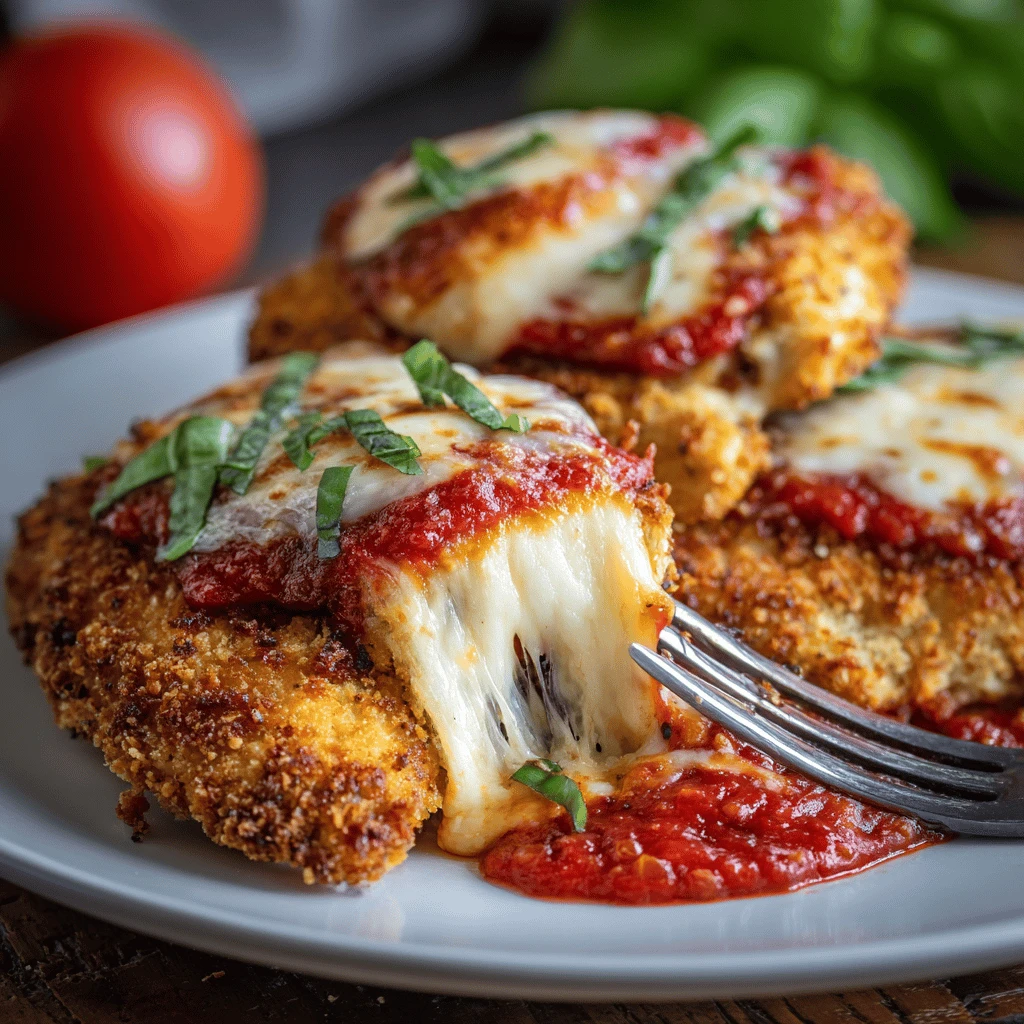
Chicken Parmesan, a classic Italian-American dish, is a family favorite for a reason. Tender chicken cutlets, coated in crispy breadcrumbs, smothered in rich tomato sauce, and blanketed with melted mozzarella – what’s not to love? While traditionally fried, baking chicken parmesan offers a healthier, easier, and equally delicious alternative. This guide will walk you through creating the perfect baked chicken parmesan, from start to finish.
Preparing Your Chicken: The Foundation for Flavor
The key to exceptional chicken parmesan lies in starting with quality chicken breasts and preparing them properly.
Selecting the Right Chicken
Opt for boneless, skinless chicken breasts that are roughly the same size. This ensures even cooking. If your breasts are thick, consider butterflying them by slicing horizontally through the center to create thinner cutlets. This reduces cooking time and promotes tenderness. Pound the chicken breasts to an even thickness of about 1/2 inch using a meat mallet. Place the chicken between two sheets of plastic wrap to prevent tearing. This step is crucial for achieving a tender, evenly cooked result. Pounding also helps the breading adhere better.
Seasoning is Key
Don’t underestimate the power of proper seasoning. Before breading, season the chicken breasts generously with salt, black pepper, garlic powder, onion powder, and Italian herbs. This infuses the chicken with flavor from the inside out. Consider adding a pinch of red pepper flakes for a subtle kick. Let the seasoned chicken sit for at least 15 minutes to allow the flavors to meld.
The Breading Process: Achieving Maximum Crispiness
The breading is what gives chicken parmesan its signature crispy texture. A three-step breading process is essential:
1. Flour: Dredge each chicken breast in all-purpose flour, ensuring it’s fully coated. Shake off any excess flour. This provides a base for the egg to adhere to.
2. Egg Wash: Dip the floured chicken into a mixture of beaten eggs and a splash of milk or water. The egg wash helps the breadcrumbs stick to the chicken.
3. Breadcrumbs: Coat the chicken thoroughly with seasoned breadcrumbs. For optimal crispiness, use a combination of panko breadcrumbs and Italian-style breadcrumbs. Panko breadcrumbs are larger and coarser, providing a lighter, airier crunch. Season the breadcrumbs with parmesan cheese, garlic powder, dried parsley, and a pinch of salt and pepper. Press the breadcrumbs firmly onto the chicken to ensure they adhere properly.
Baking to Perfection: Achieving Tenderness and Crispiness
Baking chicken parmesan is a healthier alternative to frying and offers a hands-off cooking approach.
Setting Up Your Baking Station
Preheat your oven to 400°F (200°C). Line a baking sheet with parchment paper for easy cleanup. Parchment paper also prevents the chicken from sticking to the pan. Lightly spray the parchment paper with cooking spray to further ensure the chicken doesn’t stick and to promote browning. Arrange the breaded chicken breasts on the prepared baking sheet, ensuring they are not overcrowded. Overcrowding can lead to steaming rather than browning.
Baking Time and Temperature
Bake the chicken for 20-25 minutes, or until the internal temperature reaches 165°F (74°C) and the breading is golden brown and crispy. Use a meat thermometer to ensure the chicken is fully cooked. If the breading starts to brown too quickly, loosely tent the baking sheet with aluminum foil.
Adding the Cheese and Sauce
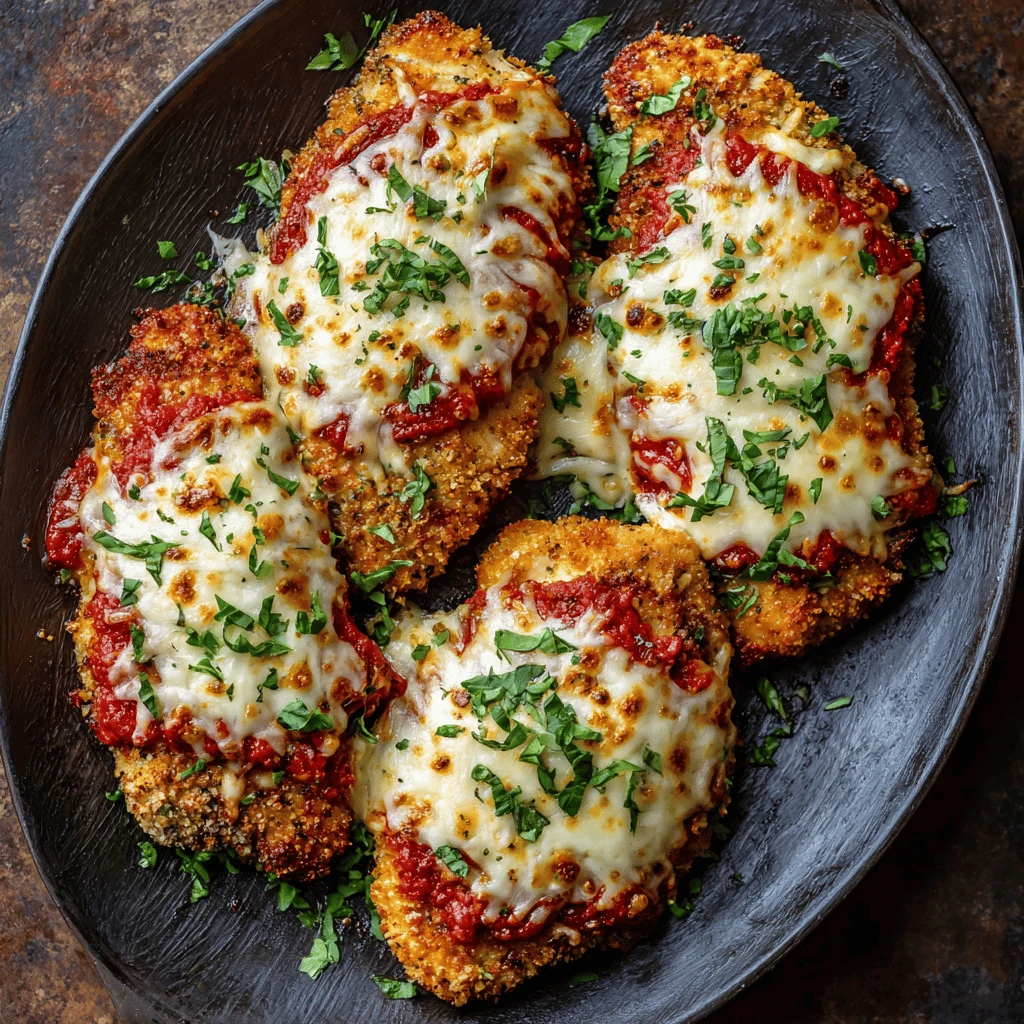
Once the chicken is cooked through, remove it from the oven and spoon a generous amount of your favorite tomato sauce over each chicken breast. Use a high-quality marinara sauce for the best flavor. Top the sauce with slices of fresh mozzarella cheese. For an extra cheesy experience, sprinkle grated parmesan cheese over the mozzarella. Return the baking sheet to the oven and bake for another 5-10 minutes, or until the cheese is melted and bubbly. Watch carefully to prevent the cheese from burning.
The Sauce Makes the Difference: From Simple to Sublime
The tomato sauce is an integral part of chicken parmesan, adding depth of flavor and moisture.
Choosing Your Sauce
You can use a store-bought marinara sauce or make your own from scratch. A homemade sauce allows you to control the ingredients and customize the flavor to your liking. If using store-bought sauce, opt for a high-quality brand with no added sugar.
Enhancing Store-Bought Sauce
Even store-bought sauce can be elevated with a few simple additions. Sauté garlic in olive oil until fragrant, then add the sauce. Simmer for 15-20 minutes to allow the flavors to meld. Add a pinch of red pepper flakes for heat, or a splash of balsamic vinegar for tanginess. Fresh herbs, such as basil and oregano, can also enhance the flavor.
Homemade Marinara Magic
For a truly exceptional chicken parmesan, consider making your own marinara sauce. Sauté onion and garlic in olive oil until softened. Add a can of crushed tomatoes, tomato paste, and a pinch of sugar. Season with salt, pepper, Italian herbs, and a bay leaf. Simmer for at least 30 minutes, or up to an hour, to allow the flavors to develop. Remove the bay leaf before using.
Serving Suggestions and Creative Twists
Chicken parmesan is delicious served in a variety of ways.
Classic Presentations
The most common way to serve chicken parmesan is over spaghetti or linguine. Toss the pasta with the remaining tomato sauce and top with the baked chicken. Garnish with fresh basil and a sprinkle of parmesan cheese. Chicken parmesan is also delicious served on a toasted roll as a sandwich.
Side Dish Pairings
Complement your chicken parmesan with a side of roasted vegetables, such as asparagus, broccoli, or zucchini. A simple salad with a vinaigrette dressing also pairs well. Garlic bread or crusty Italian bread is perfect for soaking up the extra sauce.
Creative Twists and Variations
- Chicken Parmesan Sliders: Use small rolls to create mini chicken parmesan sliders, perfect for appetizers or parties.
- Chicken Parmesan Pizza: Top a pizza crust with tomato sauce, mozzarella cheese, and sliced chicken parmesan for a unique twist on pizza night.
- Eggplant Parmesan: Substitute eggplant slices for the chicken for a vegetarian version.
- Vodka Sauce: Try using a creamy vodka sauce instead of marinara for a richer flavor.
- Spicy Chicken Parmesan: Add a generous amount of red pepper flakes to the breadcrumbs and sauce for a fiery kick.
Frequently Asked Questions (FAQ)
- Can I use frozen chicken breasts? Yes, but make sure they are fully thawed before starting. Pat them dry with paper towels to remove excess moisture.
- Can I make chicken parmesan ahead of time? You can prepare the chicken up to the point of baking and store it in the refrigerator for up to 24 hours. Add the sauce and cheese just before baking.
- How do I prevent the breading from falling off? Make sure to press the breadcrumbs firmly onto the chicken. Also, avoid overcrowding the baking sheet.
- Can I freeze chicken parmesan? Yes, you can freeze baked chicken parmesan. Let it cool completely before wrapping it tightly in plastic wrap and then in foil. Freeze for up to 3 months. Thaw in the refrigerator overnight before reheating.
- How do I reheat chicken parmesan? Reheat in the oven at 350°F (175°C) until heated through. You can also reheat it in the microwave, but the breading may not be as crispy.
- What kind of cheese is best for chicken parmesan? Fresh mozzarella is the classic choice, but provolone or fontina can also be used.
- Can I grill the chicken instead of baking? Yes, you can grill the chicken after breading it. Grill over medium heat until cooked through, then top with sauce and cheese and grill until the cheese is melted.
- What is the ideal internal temperature for cooked chicken? The ideal internal temperature for cooked chicken is 165°F (74°C). Use a meat thermometer to ensure accuracy.
- Can I use different types of breadcrumbs? Yes, you can experiment with different types of breadcrumbs, such as gluten-free breadcrumbs or seasoned breadcrumbs.
- How do I make the sauce thicker? Simmer the sauce for a longer period of time to allow it to reduce and thicken. You can also add a tablespoon of tomato paste.