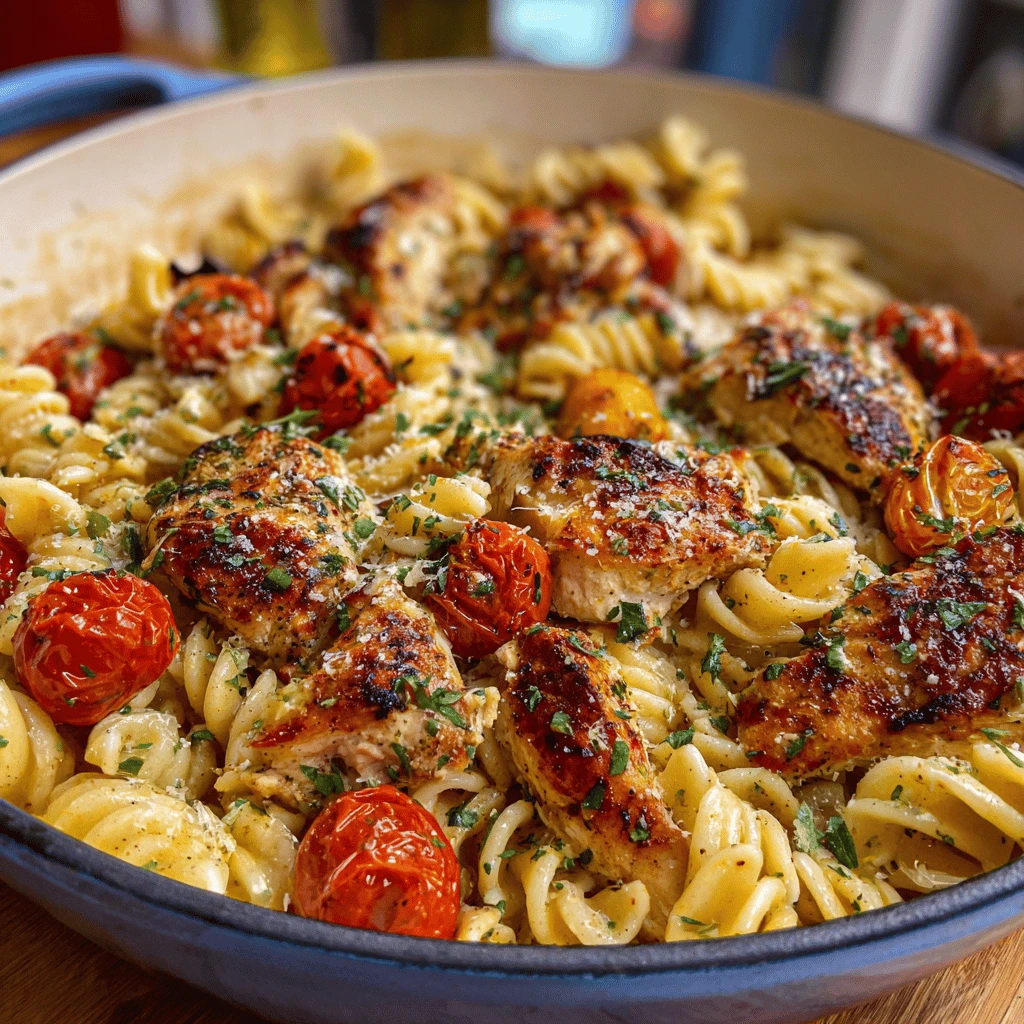
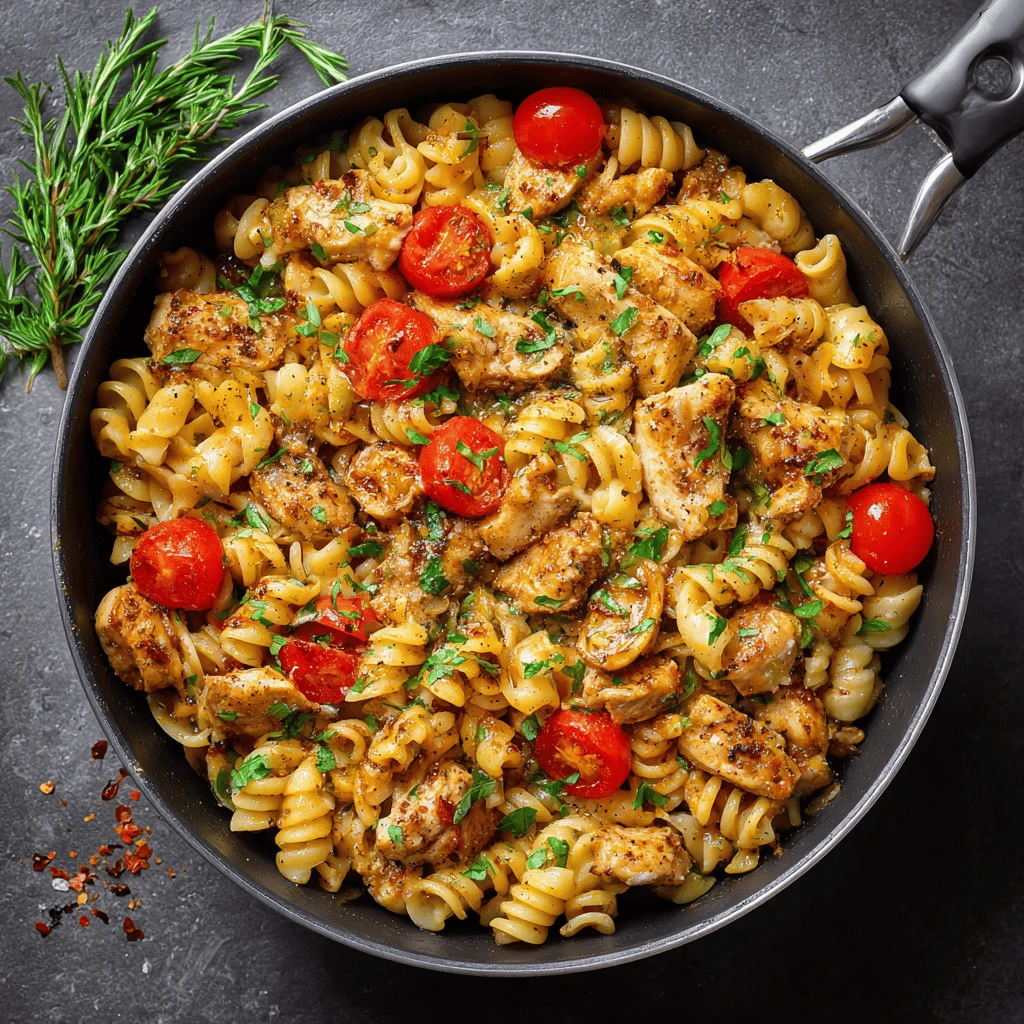
Easy Recipe One-Pot Chicken Pasta One-pot meals are a lifesaver on busy weeknights. This Easy Recipe One-Pot Chicken Pasta combines convenience with deliciousness, offering a complete and satisfying meal cooked in a single pot. Say goodbye to endless dishes and hello to a flavorful, family-friendly dinner that’s ready in under an hour! Why You’ll Love…
Easy Recipe One-Pot Chicken Pasta
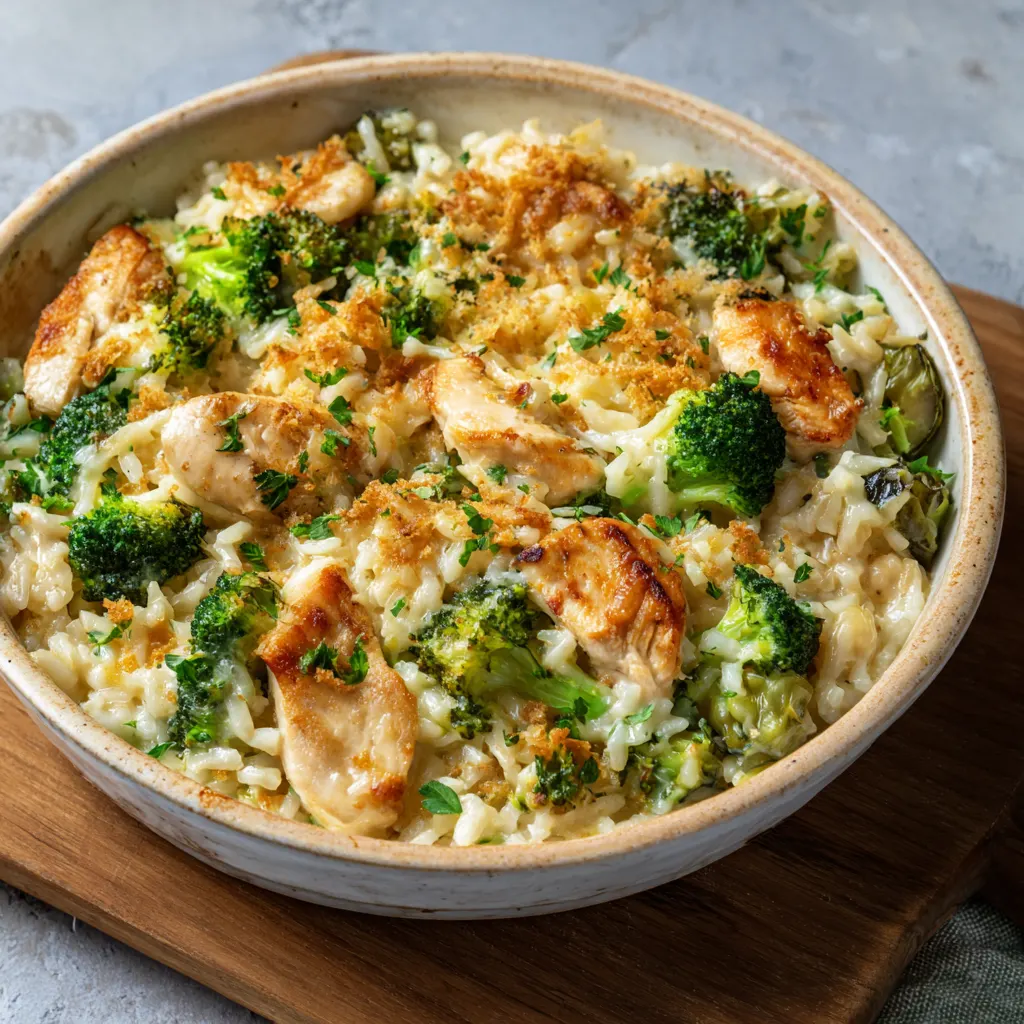
One-pot meals are a lifesaver on busy weeknights. This Easy Recipe One-Pot Chicken Pasta combines convenience with deliciousness, offering a complete and satisfying meal cooked in a single pot. Say goodbye to endless dishes and hello to a flavorful, family-friendly dinner that’s ready in under an hour!
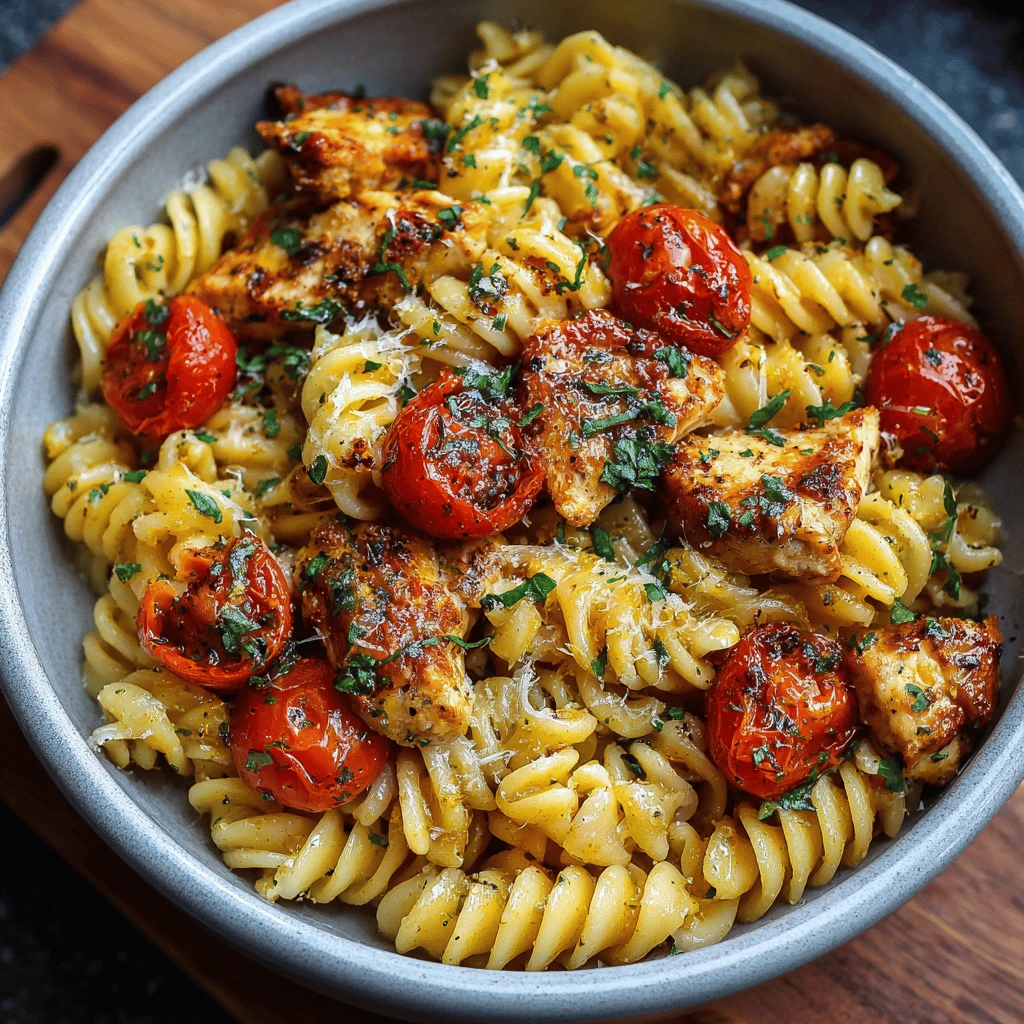
Why You’ll Love This One-Pot Chicken Pasta
This recipe isn’t just easy; it’s also incredibly versatile and customizable. Here’s why it’s a winner:
- Minimal Cleanup: The biggest perk is the reduced cleanup. One pot means fewer dishes to wash, freeing up your time for other things.
- Quick and Easy: From start to finish, this recipe takes under an hour, making it perfect for busy weeknights.
- Flavorful and Satisfying: The pasta absorbs all the delicious flavors from the chicken, vegetables, and broth, creating a rich and satisfying meal.
- Customizable: Easily adapt the recipe to your liking by swapping out vegetables, adding different spices, or using a different type of pasta.
- Budget-Friendly: Using simple, readily available ingredients makes this a cost-effective meal option.
Ingredients and Preparation
Before diving into the cooking process, let’s gather our ingredients and do a little prep work. This will ensure a smooth and efficient cooking experience.
Essential Ingredients:
- Chicken: 1.5 lbs boneless, skinless chicken breasts, cut into bite-sized pieces. Opt for chicken thighs for a richer flavor.
- Pasta: 1 lb of your favorite pasta shape. Penne, rotini, farfalle, or elbow macaroni all work well. Consider using whole wheat pasta for added fiber.
- Vegetables: 1 onion, chopped; 2 cloves garlic, minced; 1 bell pepper (any color), chopped; 1 cup sliced mushrooms; 1 cup cherry tomatoes, halved; 1 cup frozen peas or broccoli florets. Feel free to add or substitute your favorite vegetables.
- Broth: 4 cups chicken broth (low sodium is preferred). You can also use vegetable broth for a vegetarian option.
- Tomato Sauce: 1 (15-ounce) can of tomato sauce or crushed tomatoes.
- Cheese: 1/2 cup grated Parmesan cheese, plus more for garnish. You can also use mozzarella or a blend of cheeses.
- Olive Oil: 2 tablespoons.
- Seasonings: 1 teaspoon dried oregano; 1 teaspoon dried basil; 1/2 teaspoon garlic powder; 1/4 teaspoon red pepper flakes (optional); salt and pepper to taste.
Simple Preparation Steps:
1. Prep the Chicken: Cut the chicken breasts into bite-sized pieces. This ensures they cook quickly and evenly.
2. Chop the Vegetables: Chop the onion, bell pepper, and garlic. Slice the mushrooms and halve the cherry tomatoes. Having your vegetables prepped in advance will make the cooking process more streamlined.
3. Gather Seasonings: Measure out your spices and have them ready to add to the pot.
Step-by-Step Cooking Instructions
Now that we have our ingredients prepped, let’s get cooking! Follow these simple steps to create a delicious and satisfying one-pot chicken pasta.
1. Sauté the Chicken: In a large pot or Dutch oven, heat olive oil over medium-high heat. Add the chicken and cook until browned on all sides. Season with salt, pepper, and garlic powder. Remove the chicken from the pot and set aside.
2. Sauté the Vegetables: Add the chopped onion and bell pepper to the pot and cook until softened, about 5 minutes. Add the minced garlic and cook for another minute until fragrant.
3. Add Remaining Ingredients: Return the chicken to the pot. Add the pasta, chicken broth, tomato sauce, oregano, basil, and red pepper flakes (if using). Stir well to combine.
4. Bring to a Boil and Simmer: Bring the mixture to a boil, then reduce heat to low, cover, and simmer for 15-20 minutes, or until the pasta is cooked through and the liquid has been absorbed. Stir occasionally to prevent sticking.
5. Add Cheese and Finish: Stir in the Parmesan cheese and frozen peas or broccoli florets (if using). Cook for another minute or two until the cheese is melted and the peas are heated through.
6. Serve and Enjoy: Garnish with extra Parmesan cheese and fresh parsley, if desired. Serve immediately and enjoy!
Tips and Variations for Perfect One-Pot Pasta
One of the best things about this recipe is its versatility. Here are some tips and variations to customize it to your liking:
Ingredient Swaps and Additions:
- Protein: Substitute chicken with sausage, shrimp, or ground turkey. If using sausage, brown it in the pot before adding the vegetables.
- Vegetables: Add spinach, zucchini, carrots, or sun-dried tomatoes for extra nutrients and flavor.
- Pasta: Experiment with different pasta shapes. Gluten-free pasta can also be used.
- Cheese: Use mozzarella, cheddar, or a blend of Italian cheeses.
- Spice: Add a pinch of red pepper flakes or a dash of hot sauce for a spicy kick.
Cooking Tips:
- Don’t Overcook the Pasta: Keep a close eye on the pasta while it simmers. Overcooked pasta will become mushy.
- Adjust Liquid as Needed: If the pasta is absorbing the liquid too quickly, add a little more broth. If there is too much liquid at the end, remove the lid and simmer for a few more minutes to allow it to evaporate.
- Stir Regularly: Stirring the pasta occasionally will prevent it from sticking to the bottom of the pot.
- Use a Large Pot: Make sure your pot is large enough to hold all the ingredients comfortably. A Dutch oven or large stockpot works best.
Variations:
- Creamy Chicken Pasta: Add a splash of heavy cream or half-and-half at the end for a creamier texture.
- Pesto Chicken Pasta: Stir in a few tablespoons of pesto at the end for a burst of fresh flavor.
- Spicy Arrabbiata Chicken Pasta: Add extra red pepper flakes and a can of diced tomatoes with green chilies for a spicy arrabbiata sauce.
- Lemon Herb Chicken Pasta: Add the zest and juice of one lemon, along with some fresh herbs like parsley or basil, for a bright and refreshing flavor.
Serving Suggestions and Storage
This one-pot chicken pasta is a complete meal on its own, but here are some serving suggestions to elevate your dining experience:
Serving Suggestions:
- Side Salad: Serve with a simple green salad or a Caesar salad for a fresh and light accompaniment.
- Garlic Bread: Warm garlic bread or crusty bread is perfect for soaking up the delicious sauce.
- Roasted Vegetables: Add a side of roasted vegetables like broccoli, asparagus, or Brussels sprouts.
- Wine Pairing: Pair with a crisp white wine like Sauvignon Blanc or Pinot Grigio.
Storage Instructions:
- Refrigerate: Store leftovers in an airtight container in the refrigerator for up to 3-4 days.
- Reheat: Reheat in the microwave or on the stovetop. Add a splash of broth or water if the pasta has dried out.
- Freezing: While this dish is best served fresh, you can freeze it for longer storage. Allow the pasta to cool completely before transferring it to a freezer-safe container. Freeze for up to 2-3 months. Thaw in the refrigerator overnight before reheating. Note that the texture of the pasta may change slightly after freezing.
Frequently Asked Questions (FAQ)
-
- Can I use a different type of pasta?
Yes, you can use any type of pasta you like. Penne, rotini, farfalle, and elbow macaroni are all good options. Just keep an eye on the cooking time, as different types of pasta may cook at different rates.
-
- Can I use frozen chicken?
It's best to use fresh or thawed chicken for this recipe. Frozen chicken will release a lot of water as it cooks, which can affect the consistency of the sauce.
-
- How can I make this vegetarian?
Simply omit the chicken and use vegetable broth instead of chicken broth. You can also add extra vegetables, such as mushrooms, zucchini, or spinach, to make it more filling.
-
- Can I add cheese at the beginning?
It's best to add the cheese at the end of the cooking process, as it can melt unevenly and become clumpy if added too early.
-
- How do I prevent the pasta from sticking?
Stir the pasta occasionally while it simmers to prevent it from sticking to the bottom of the pot. You can also add a little extra broth if needed.
-
- Can I use milk instead of cream?
Yes, you can use milk instead of cream, but it won't be as rich or creamy. For best results, use whole milk.